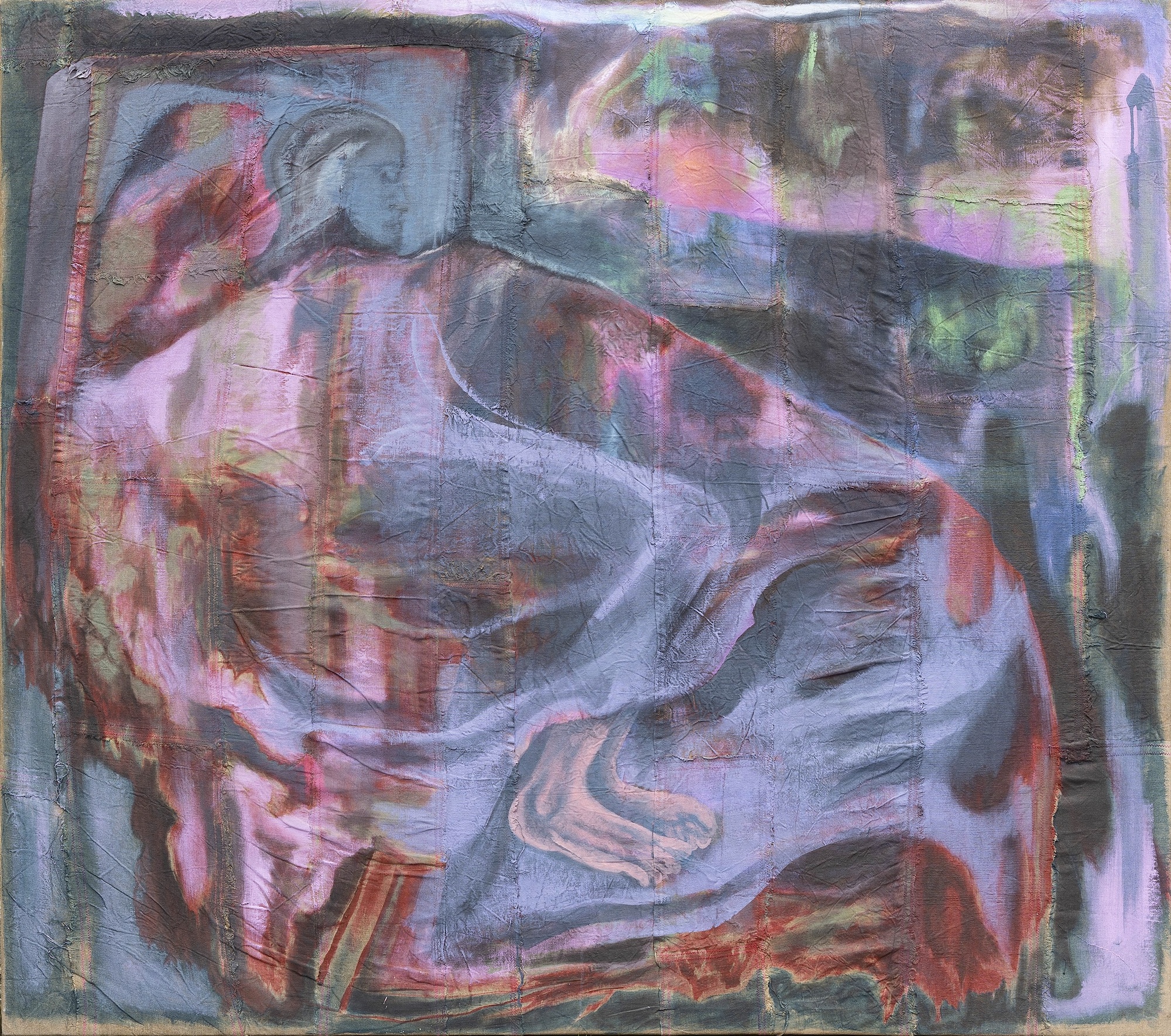
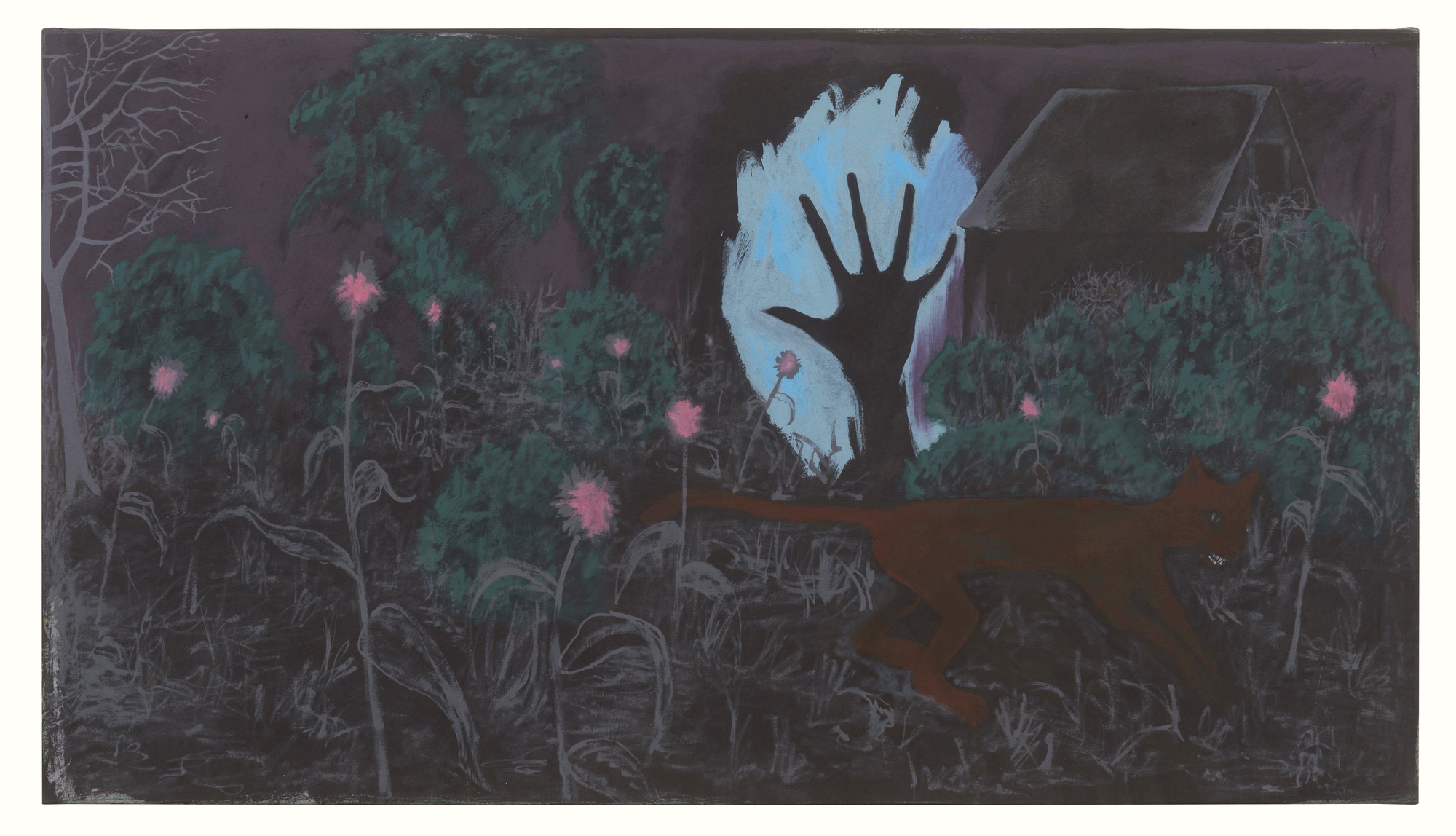
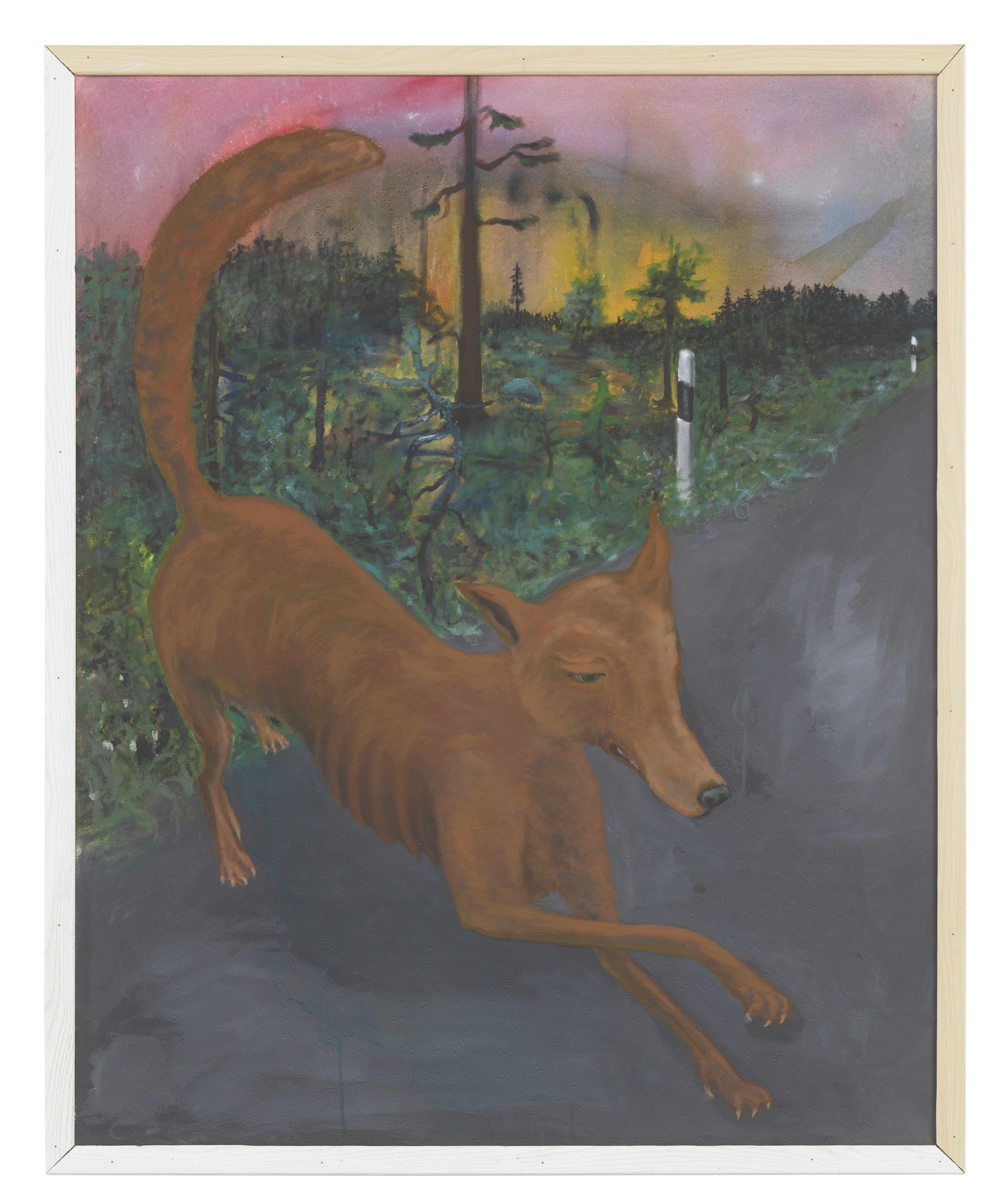
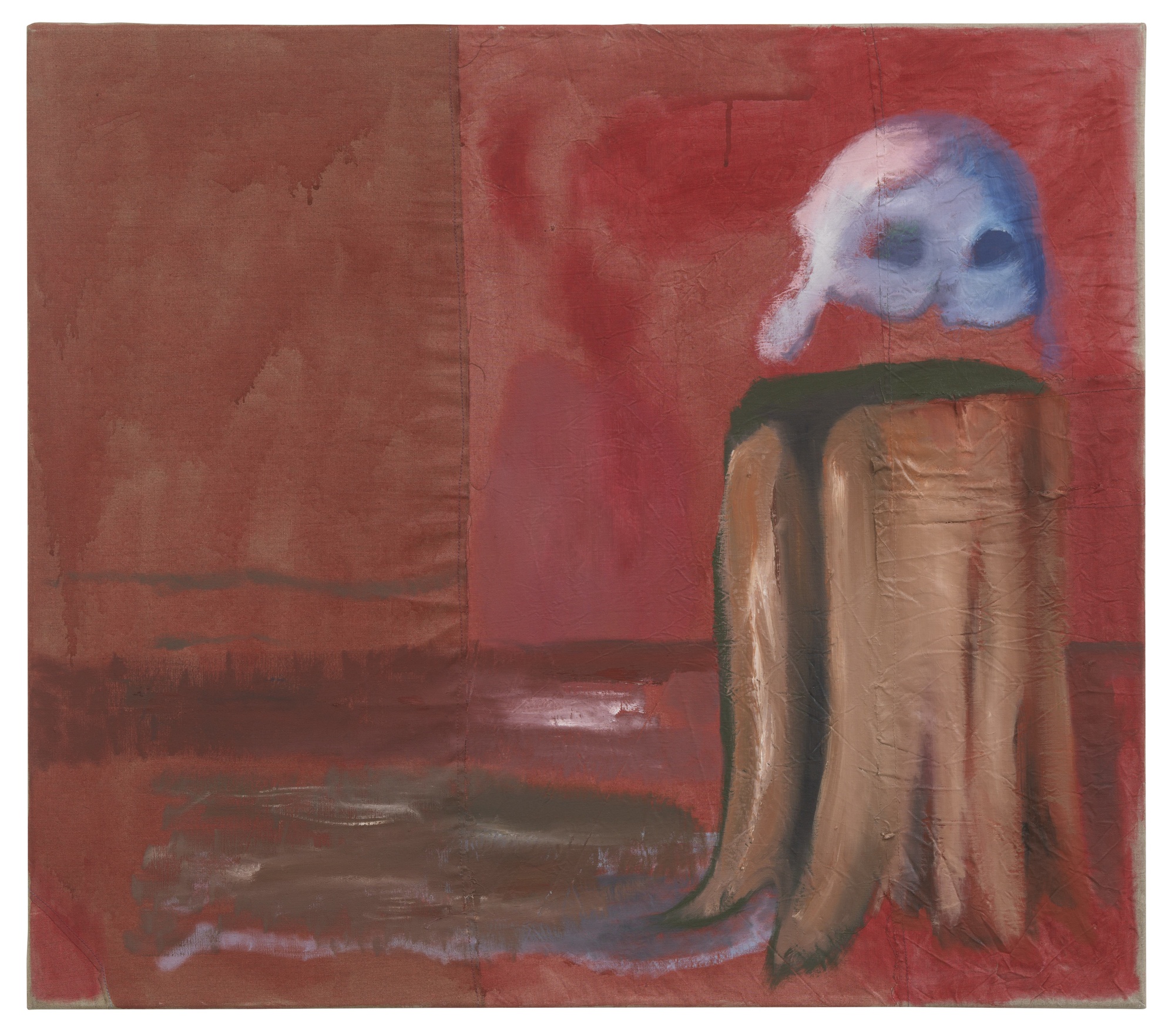
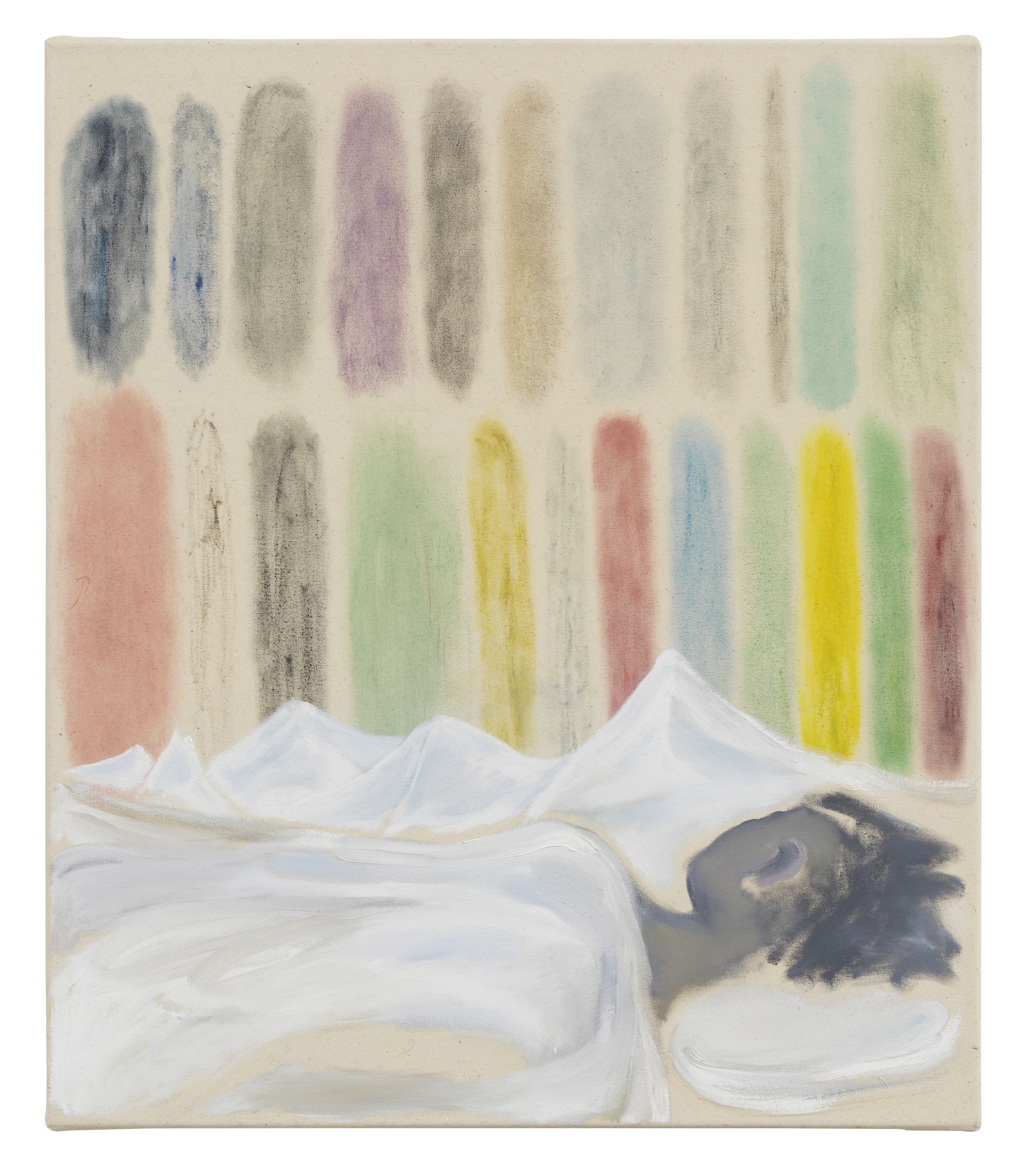
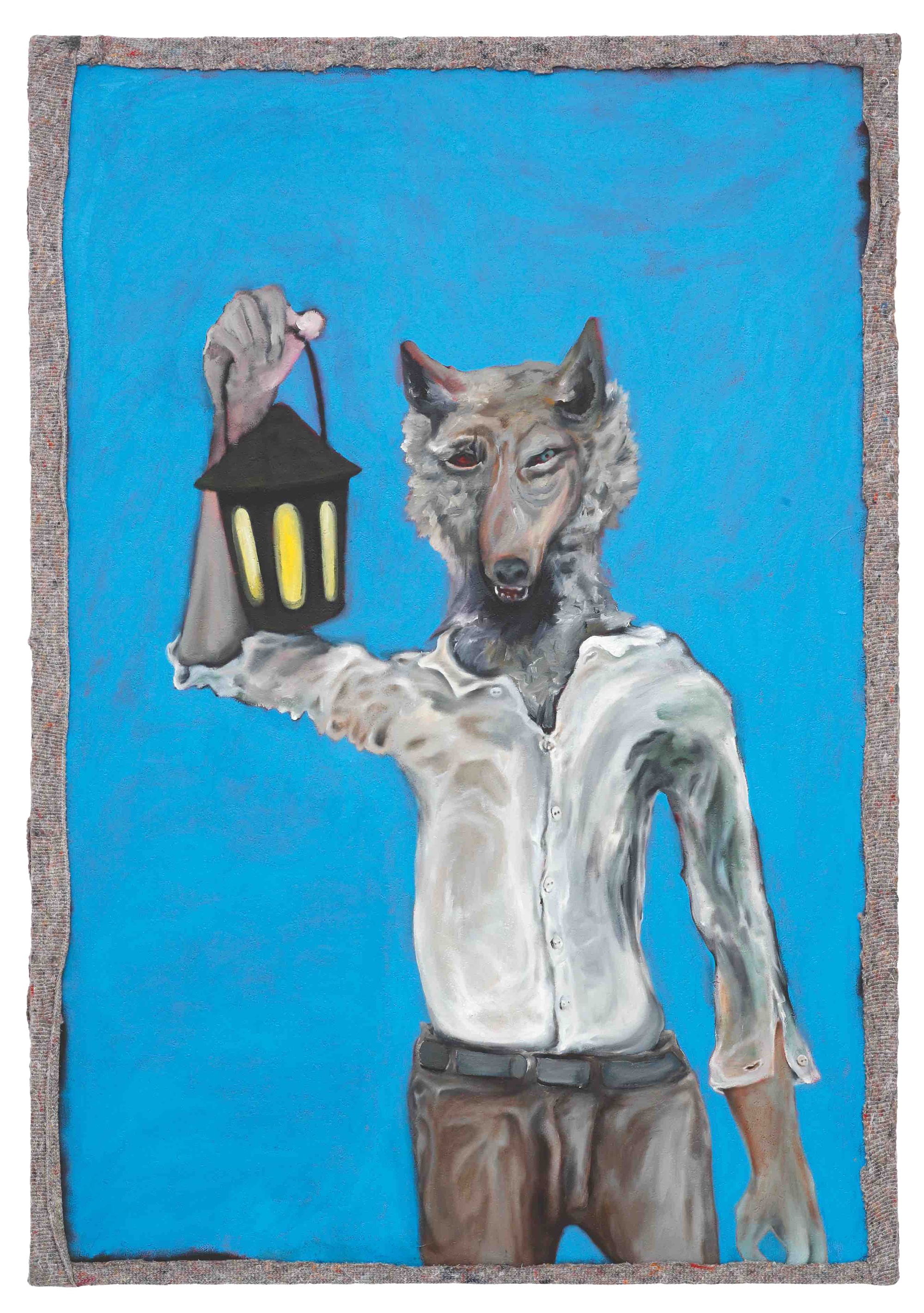
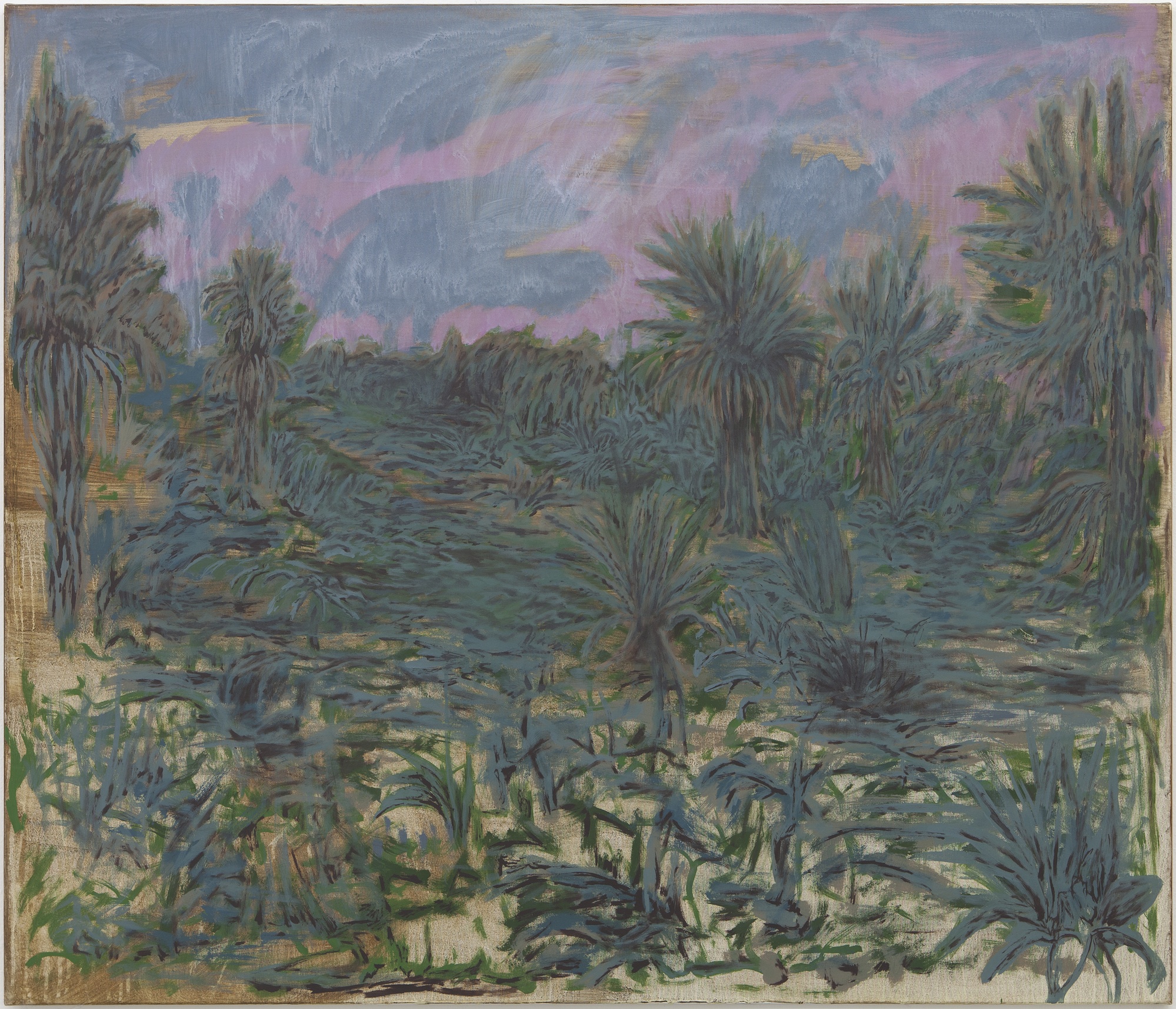
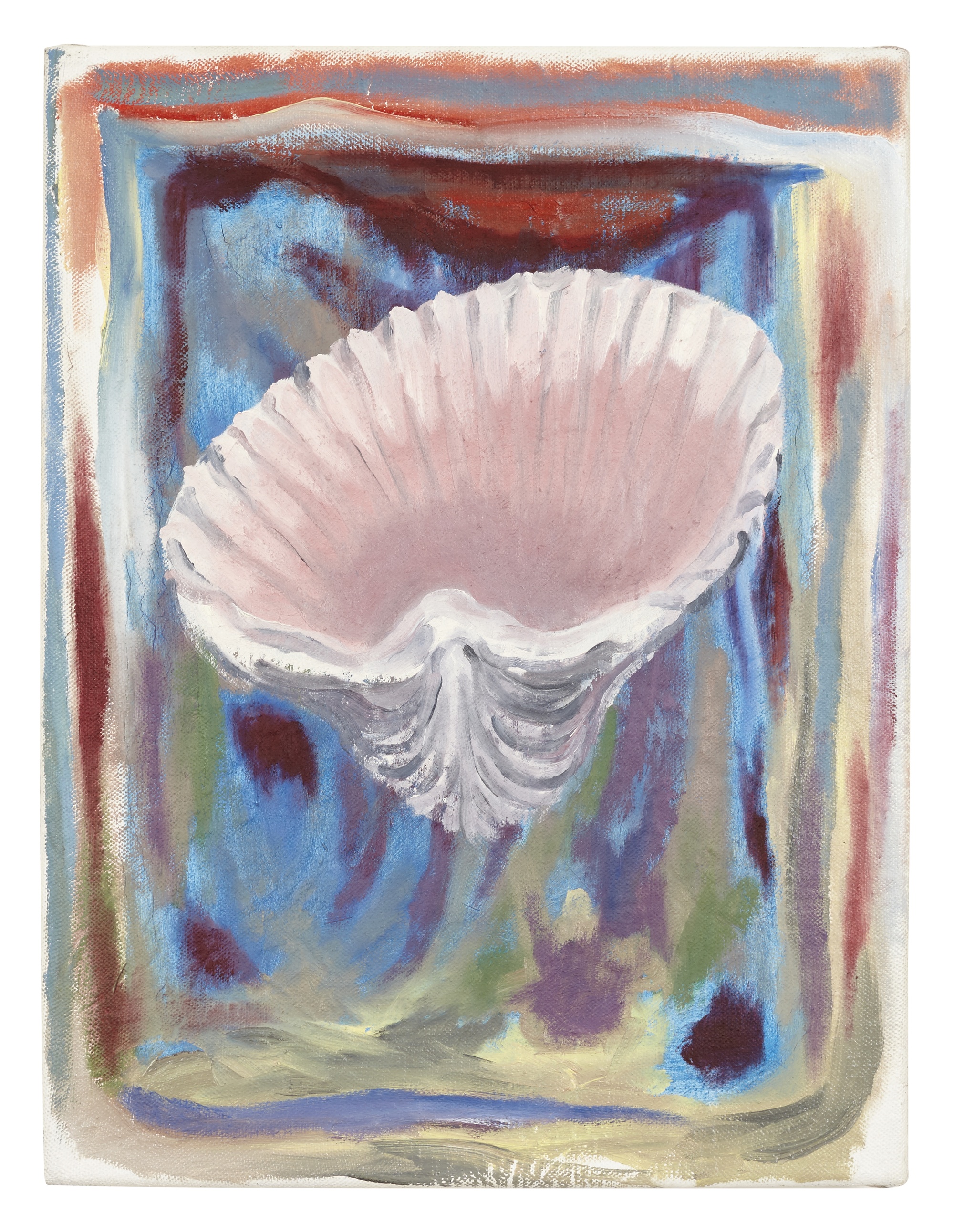
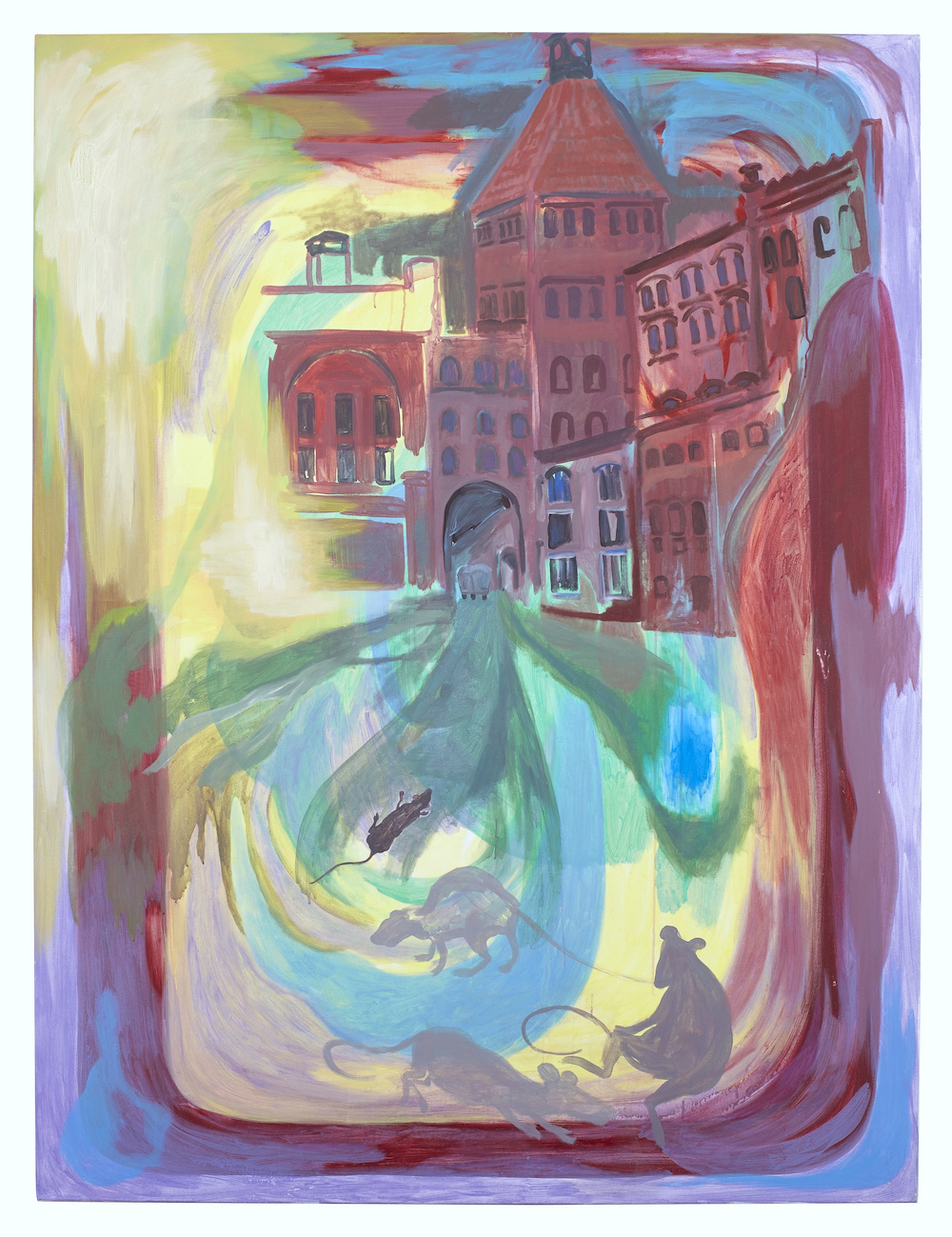
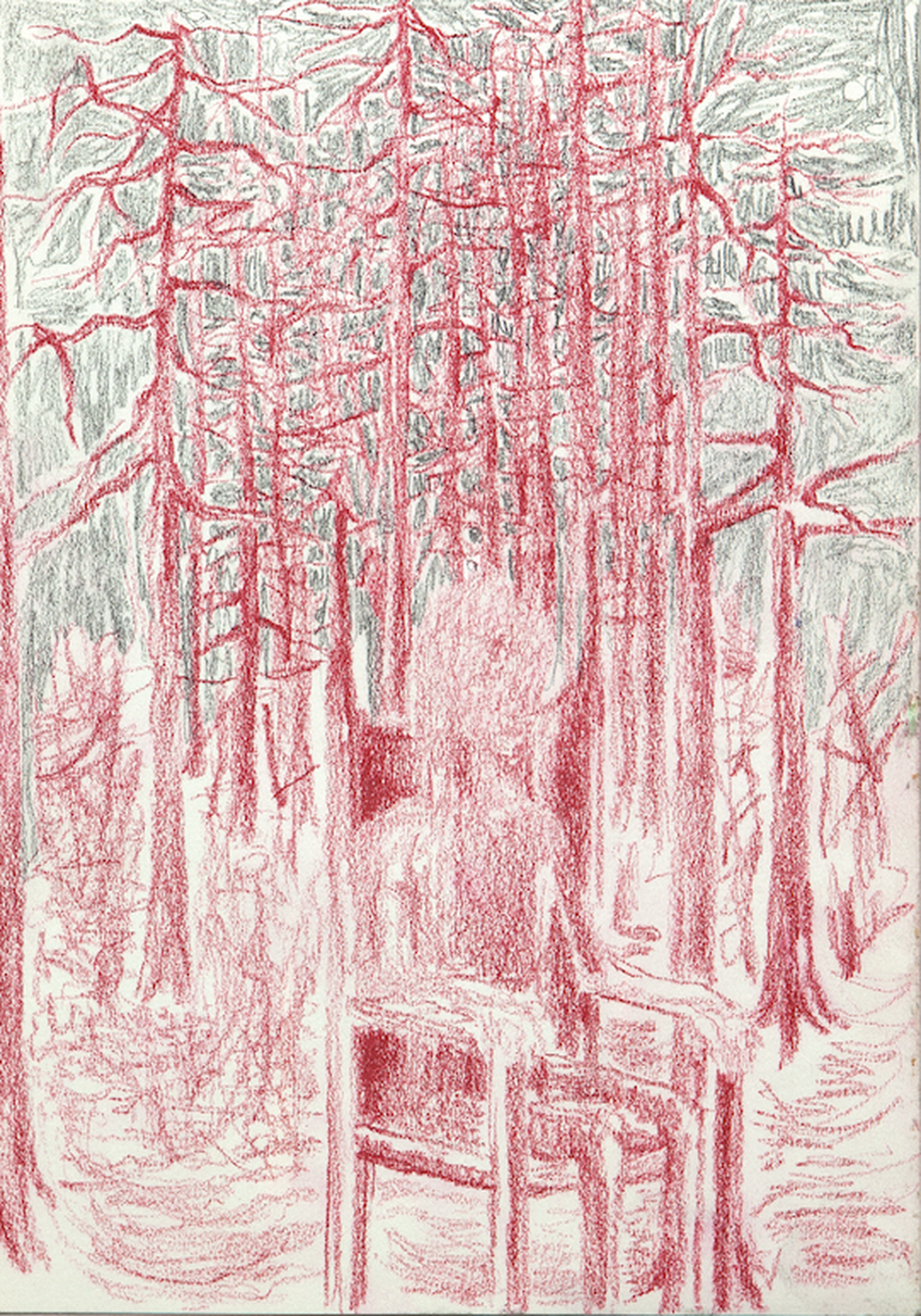
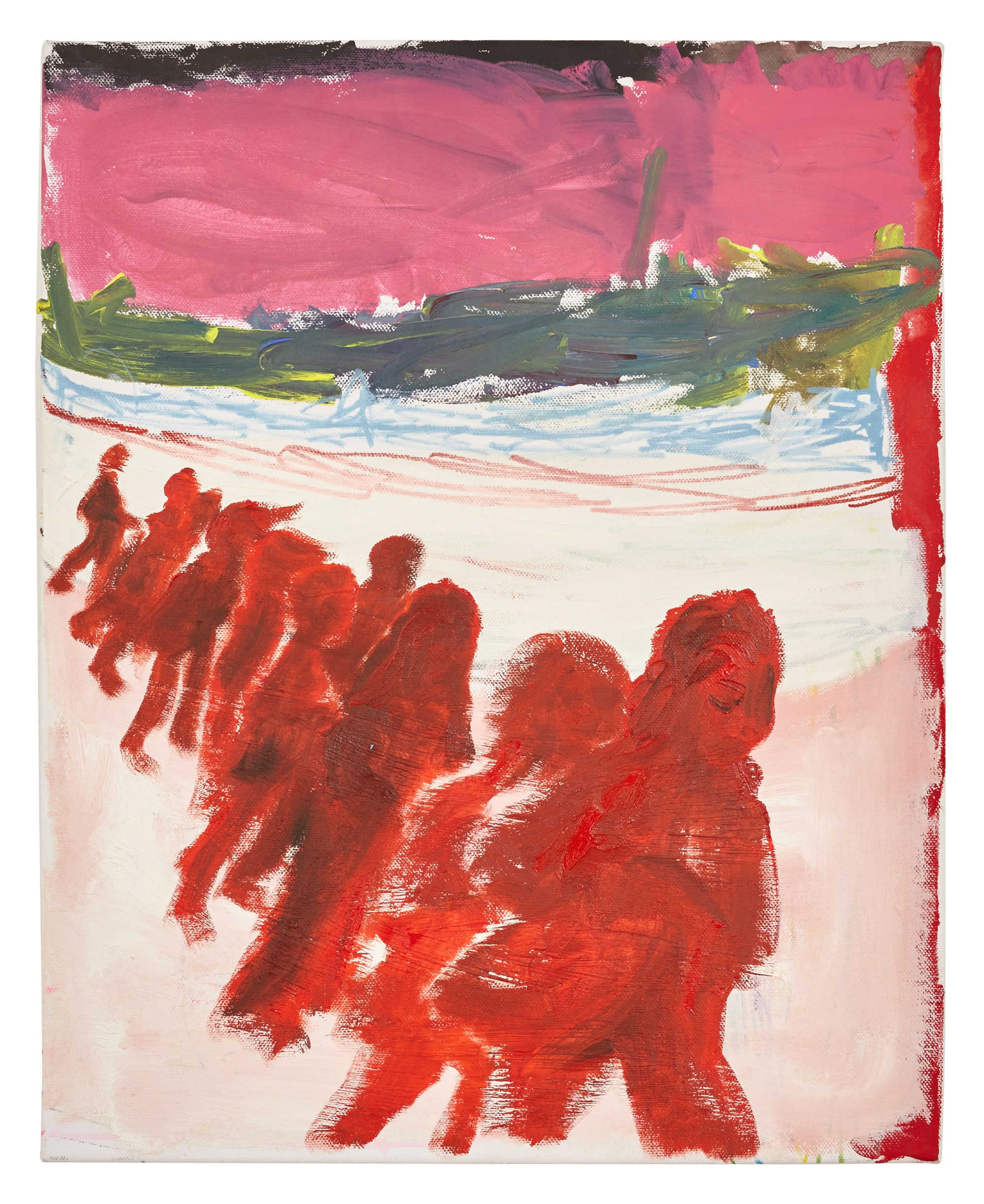
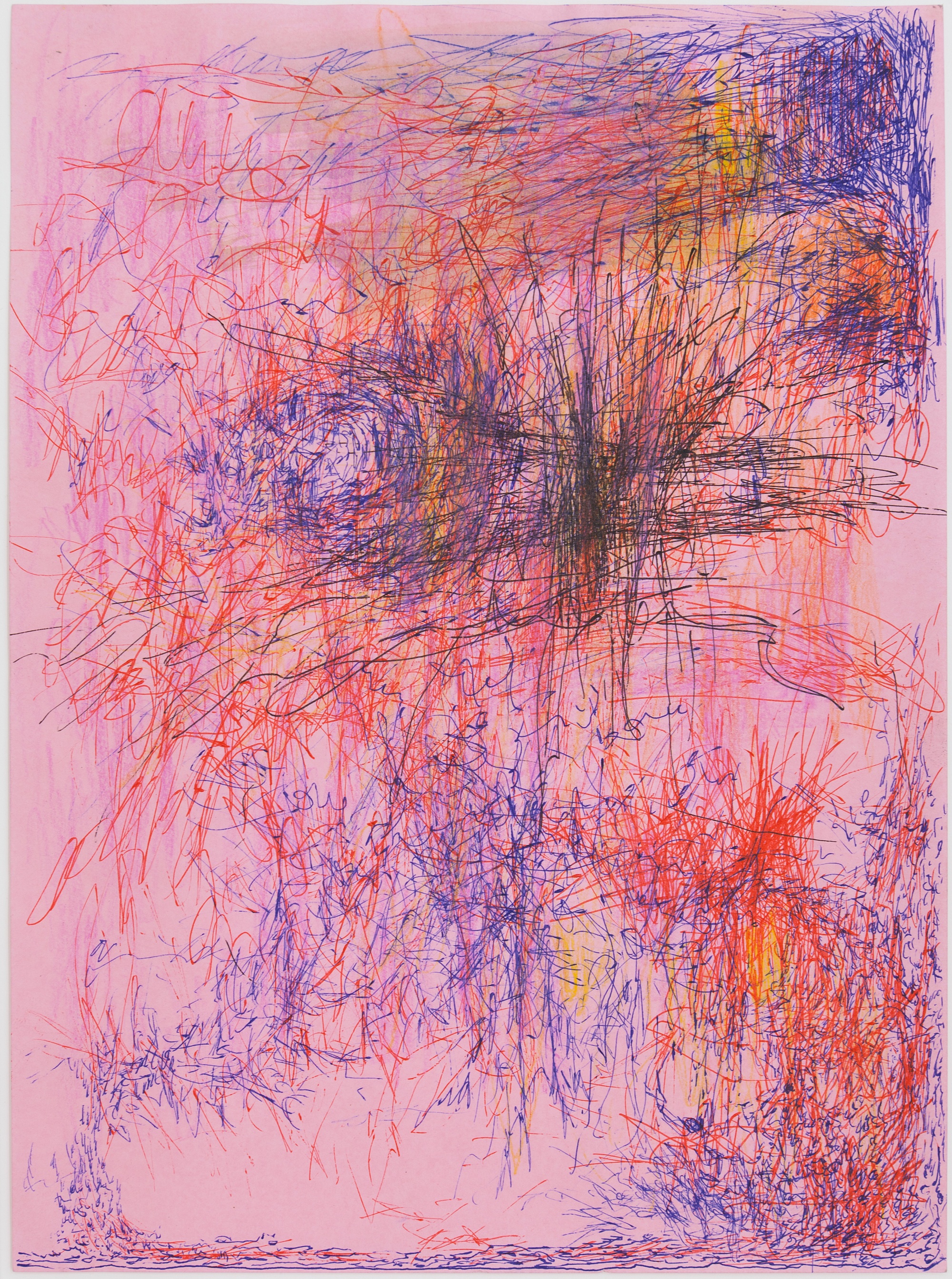
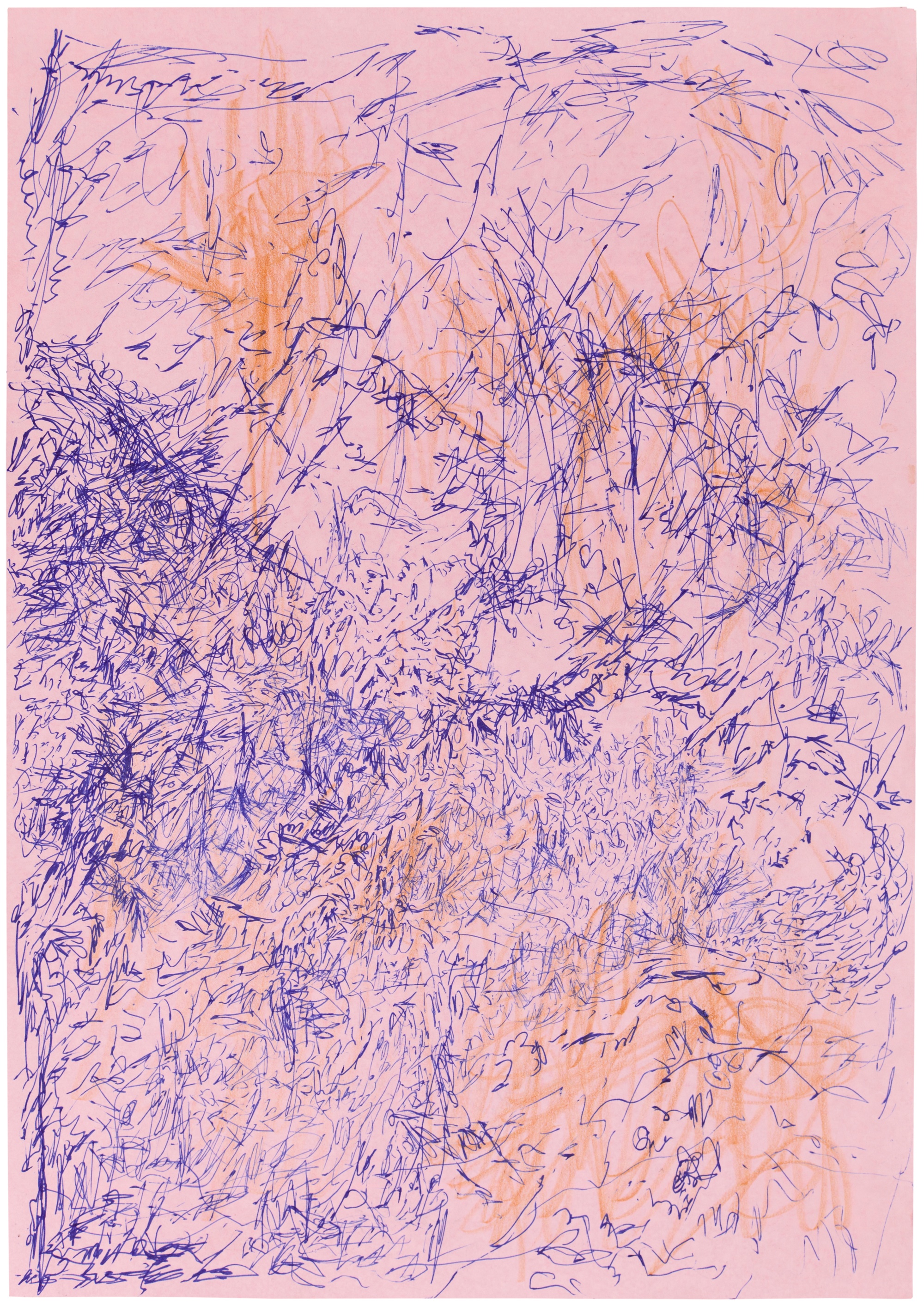
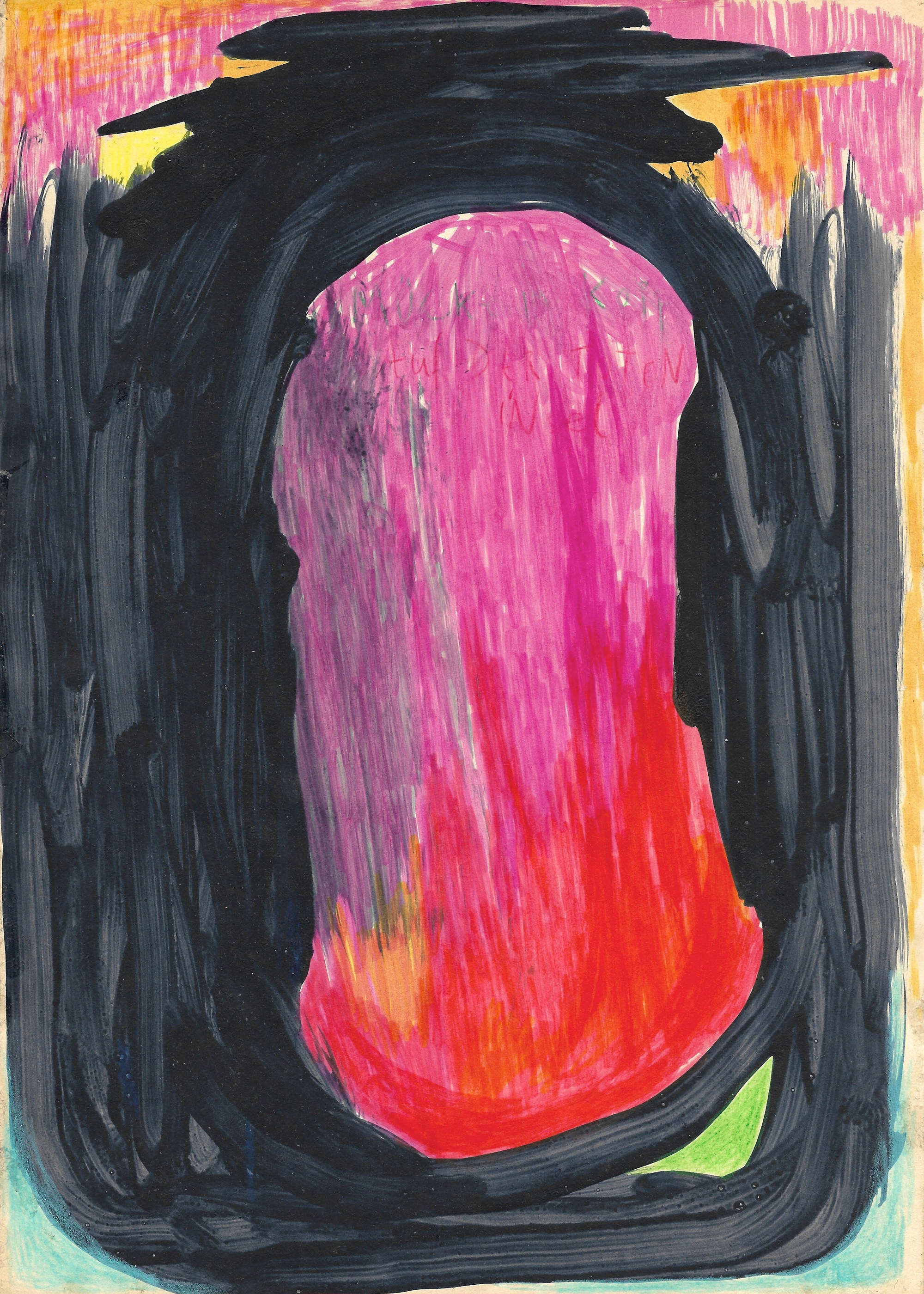
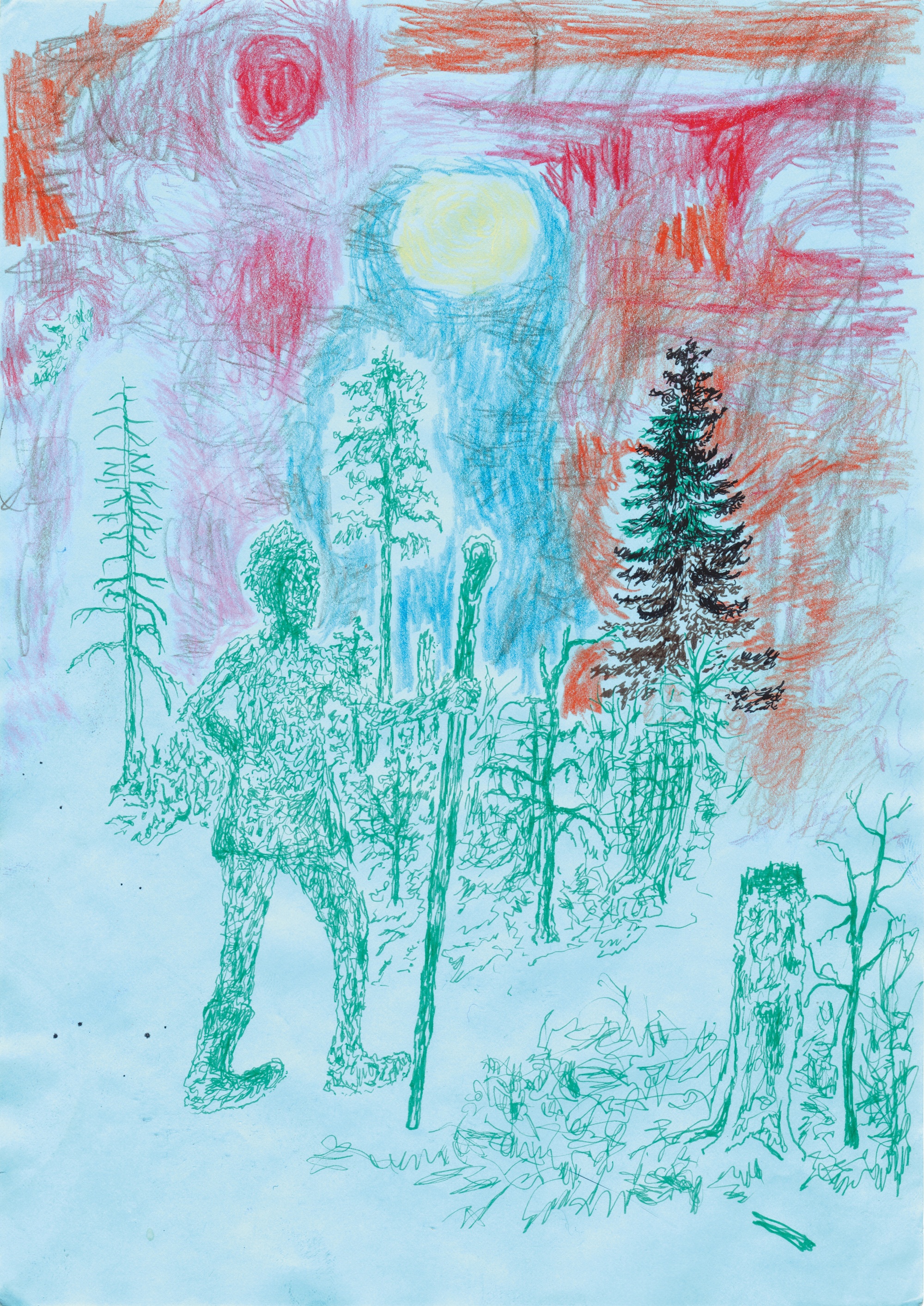
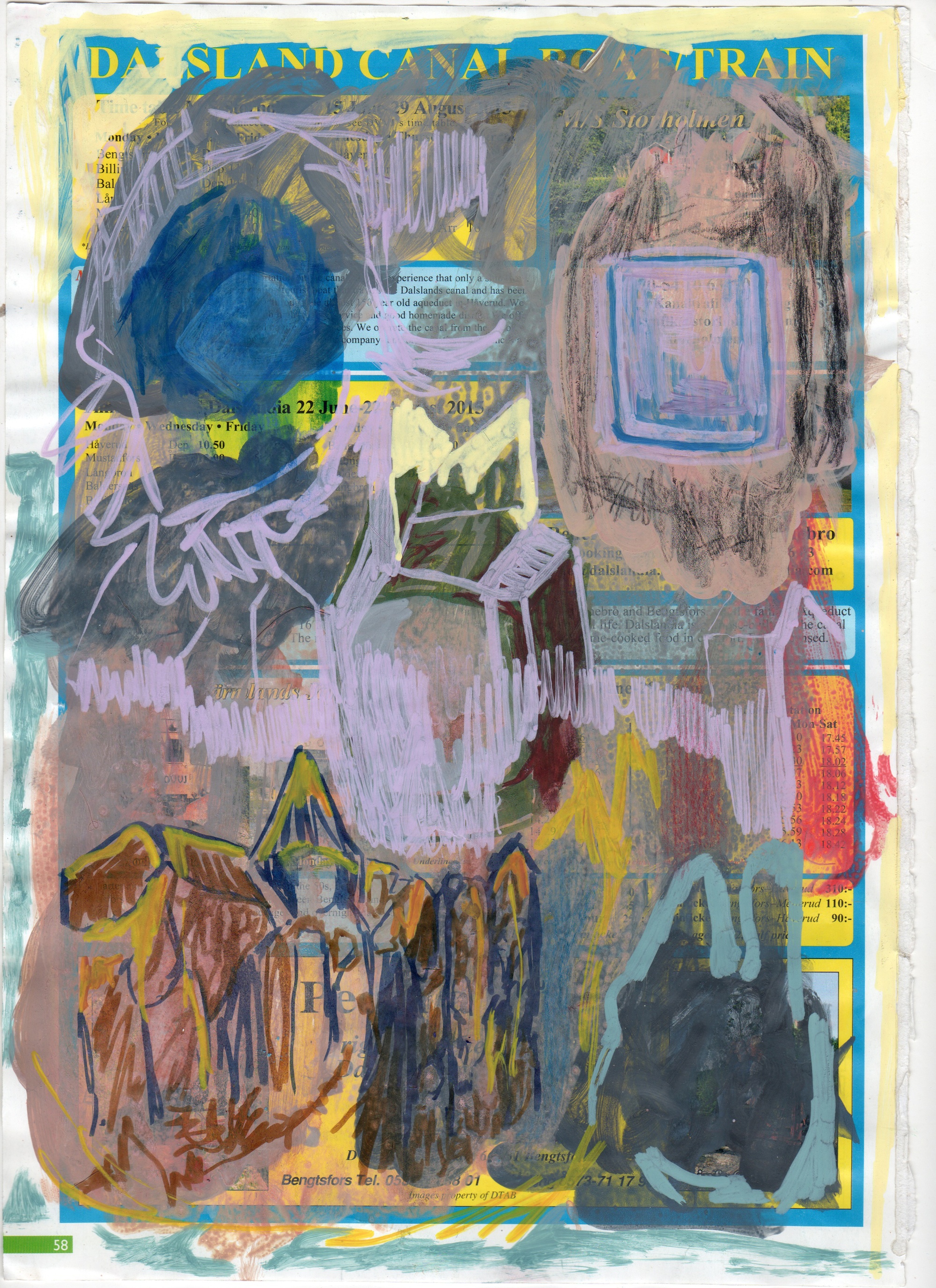
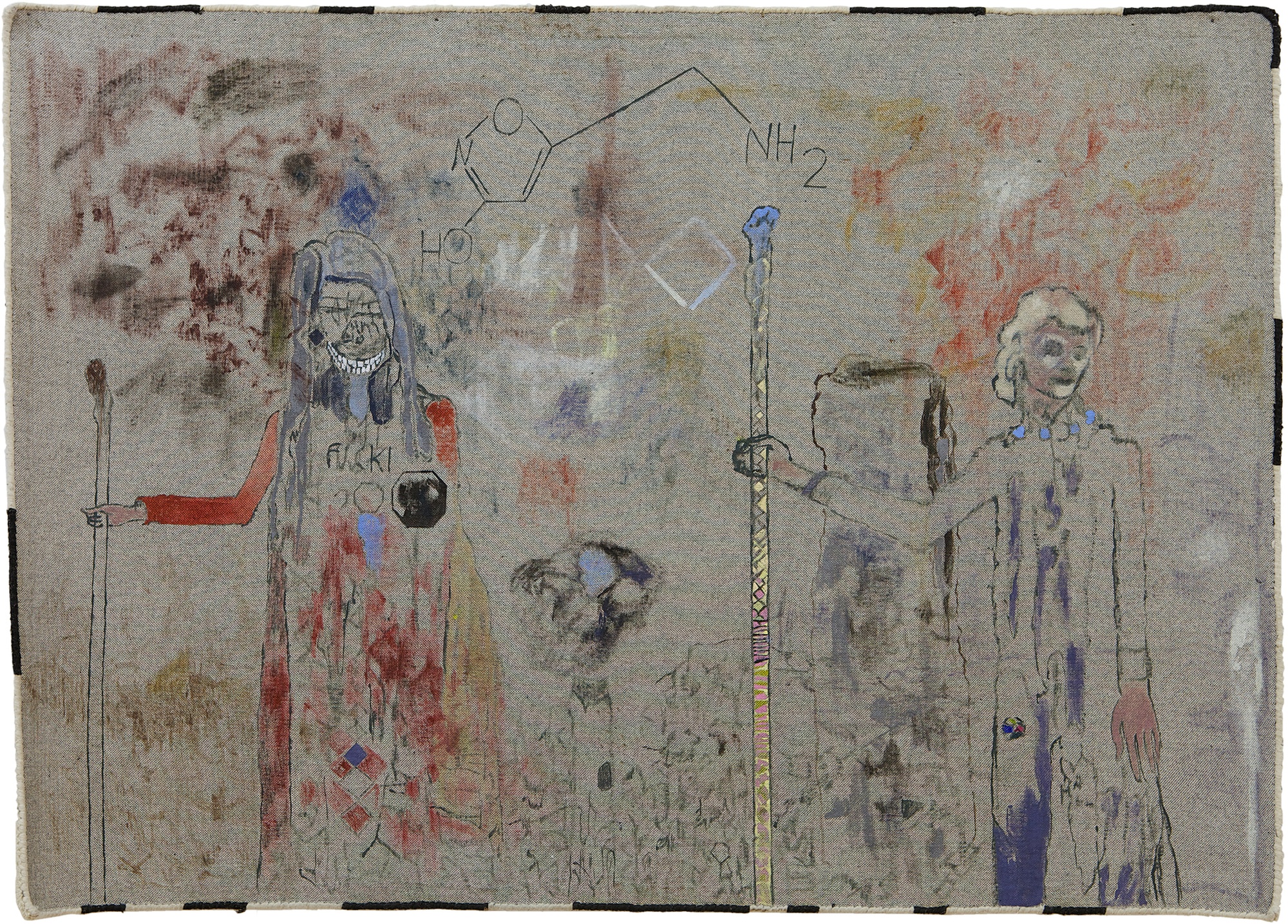
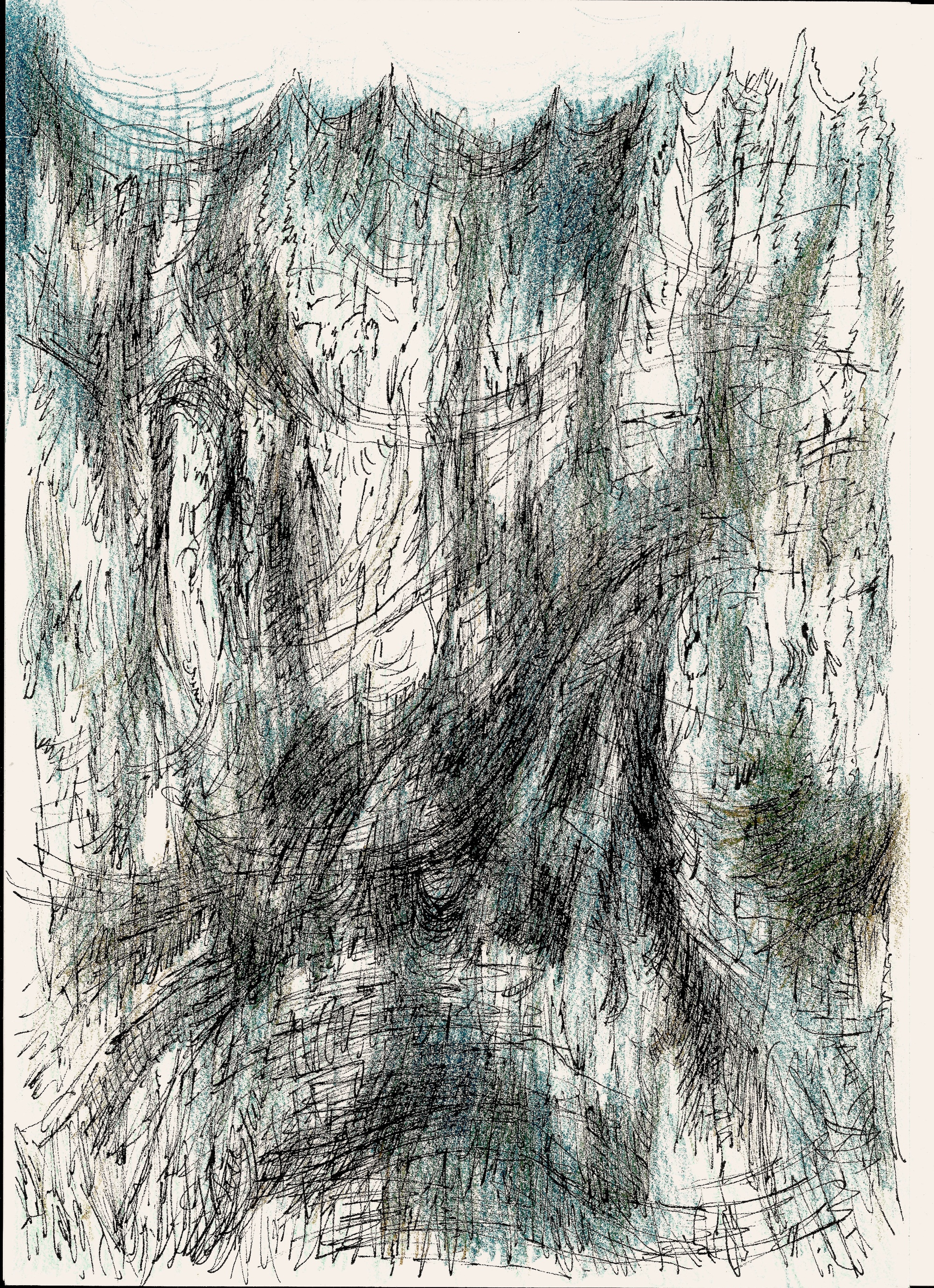
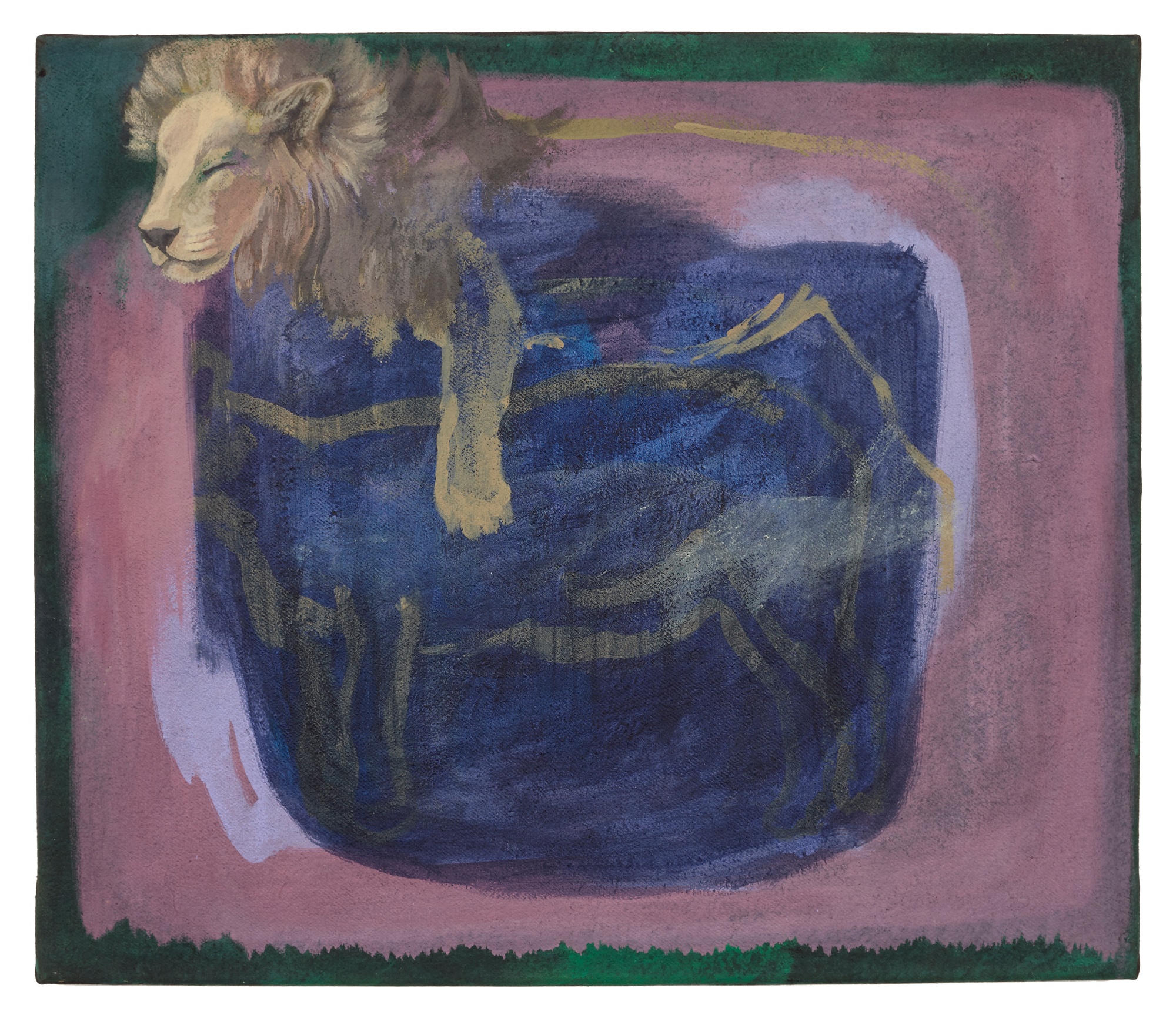
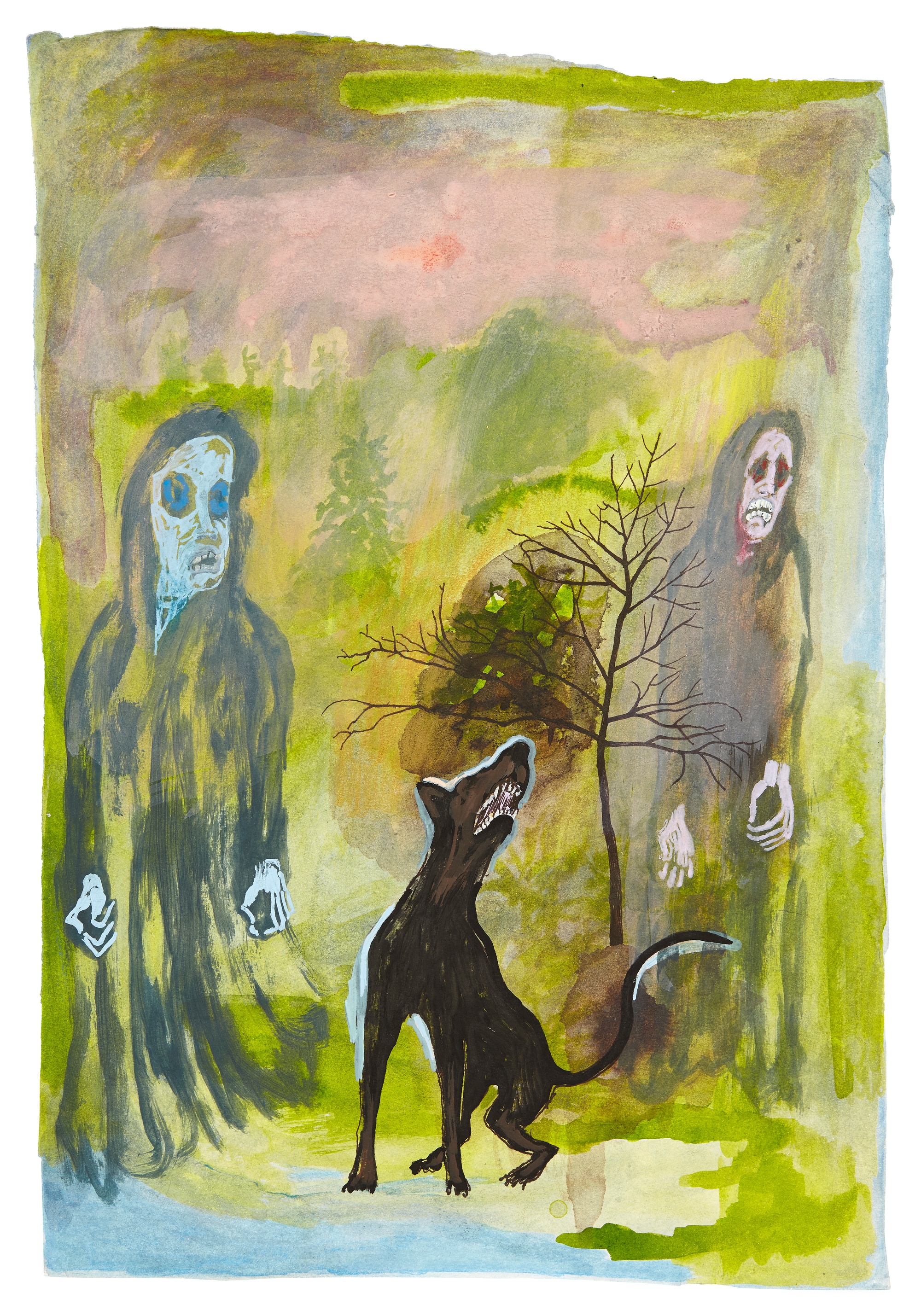
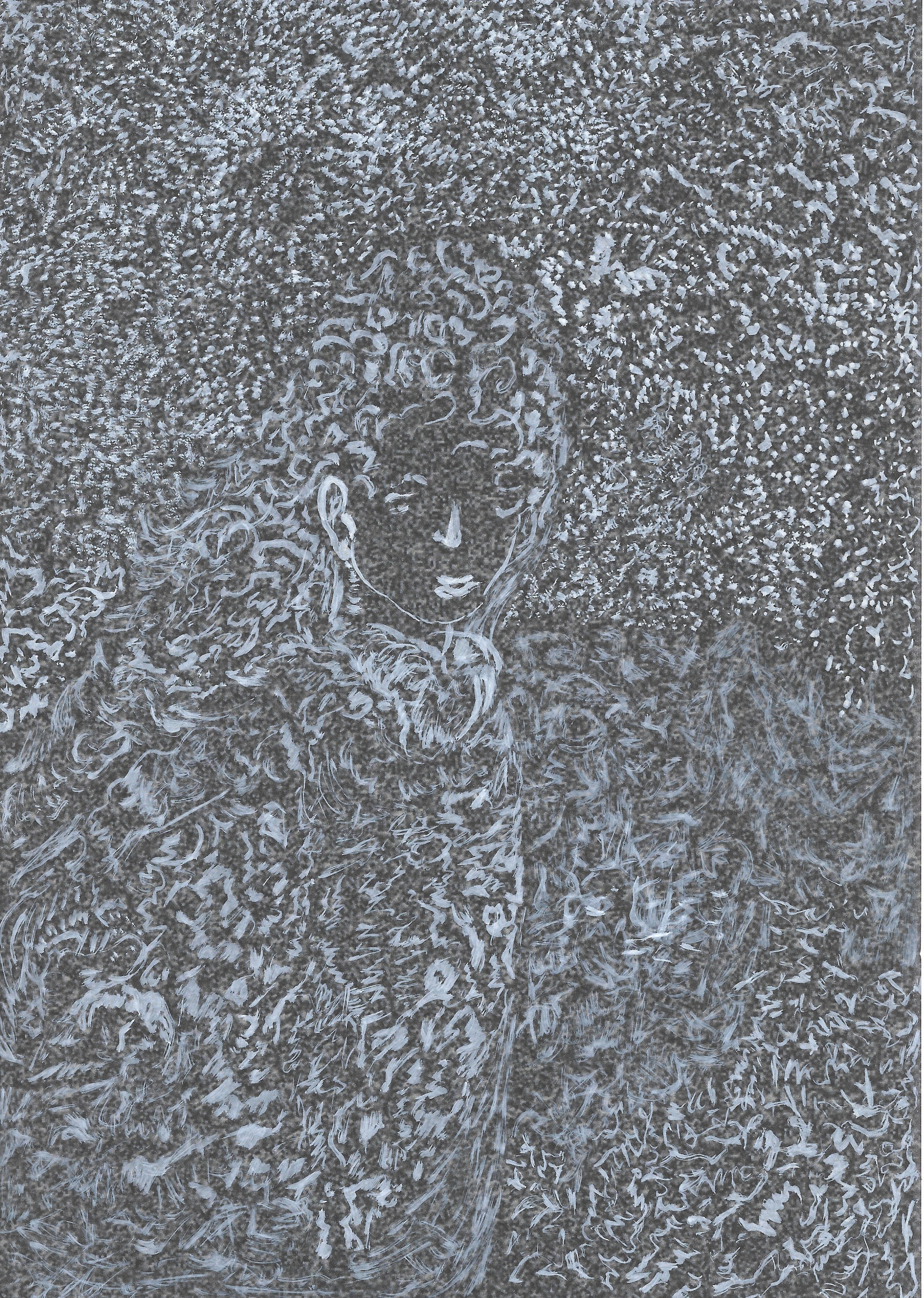
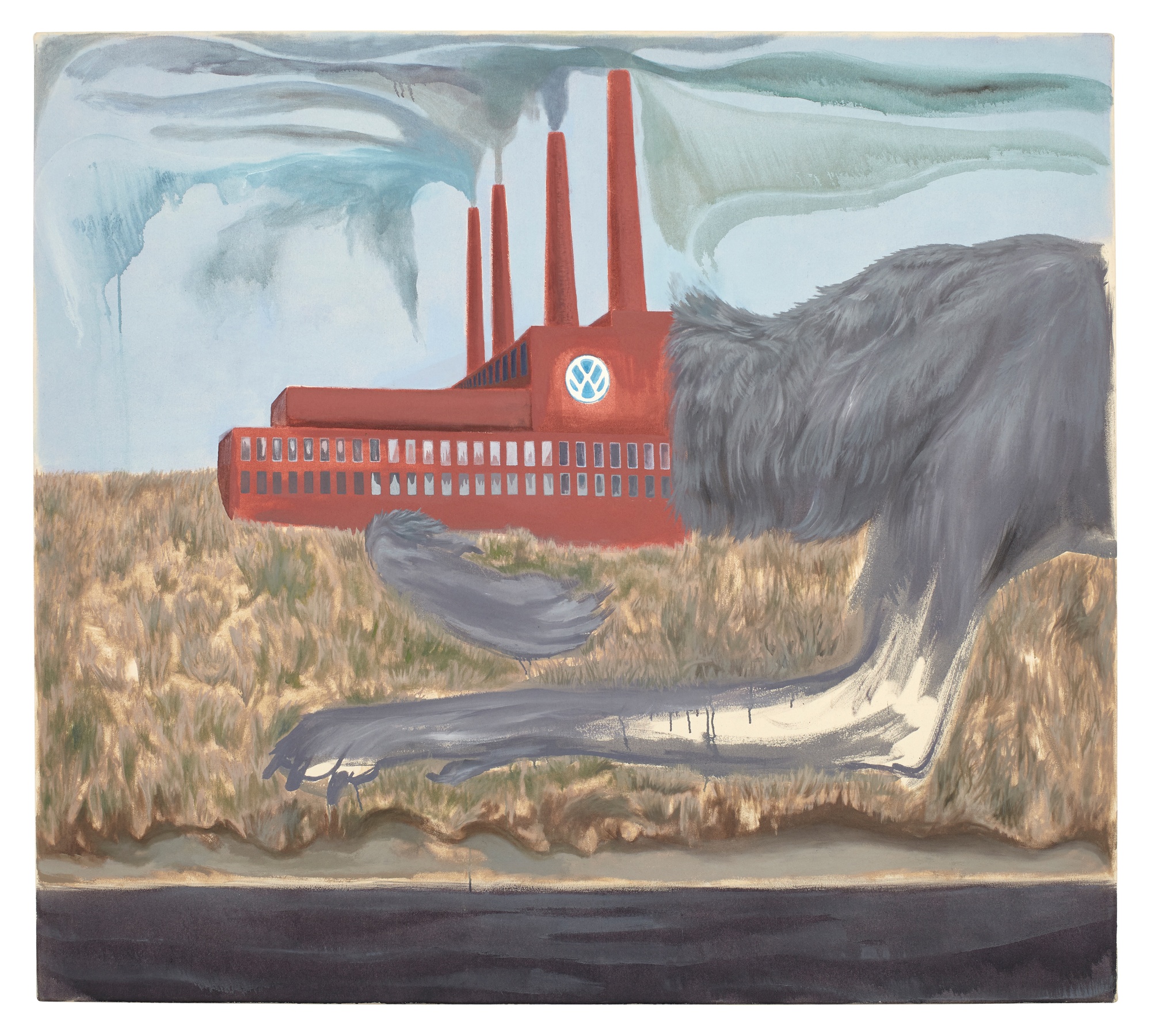
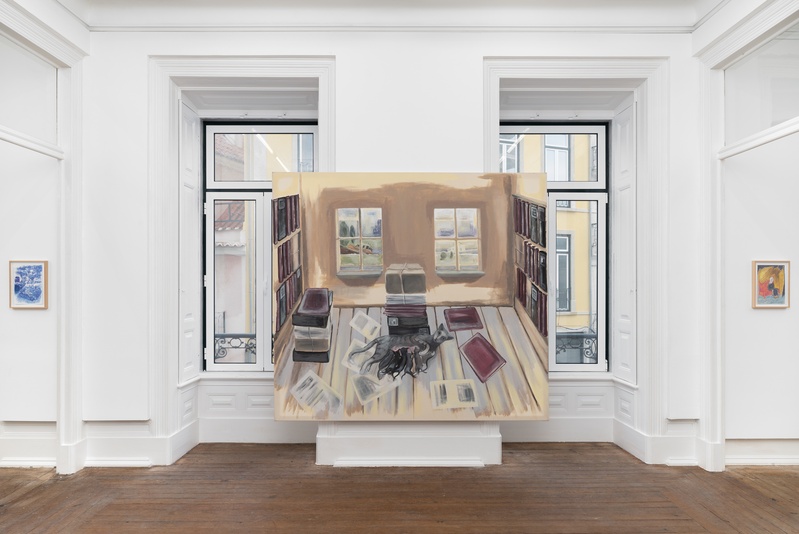
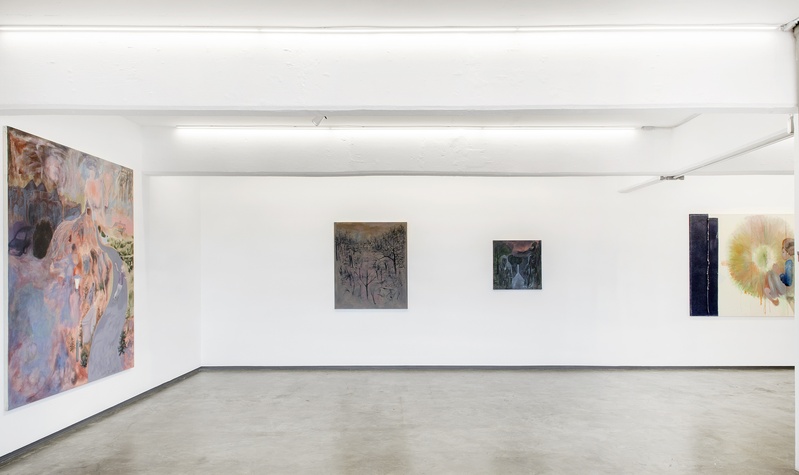
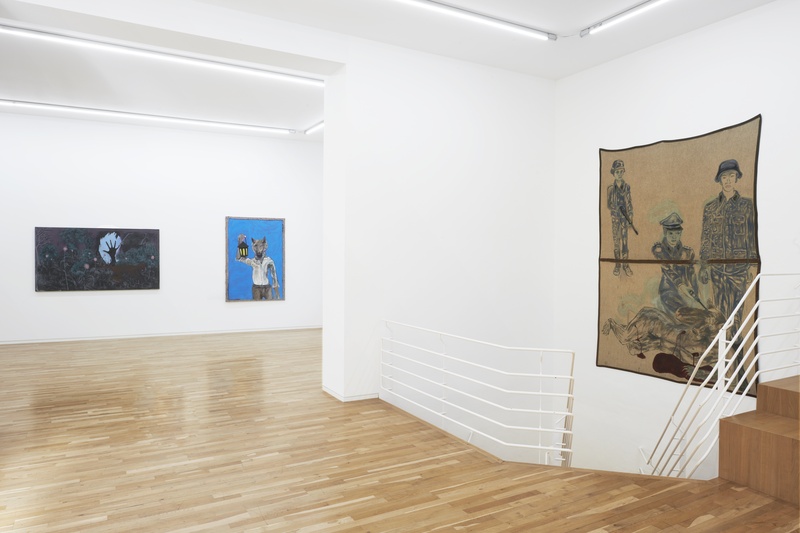
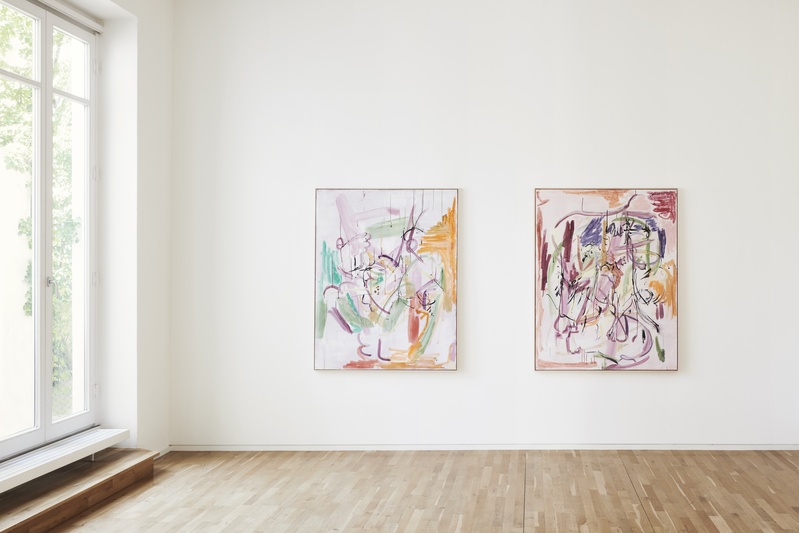
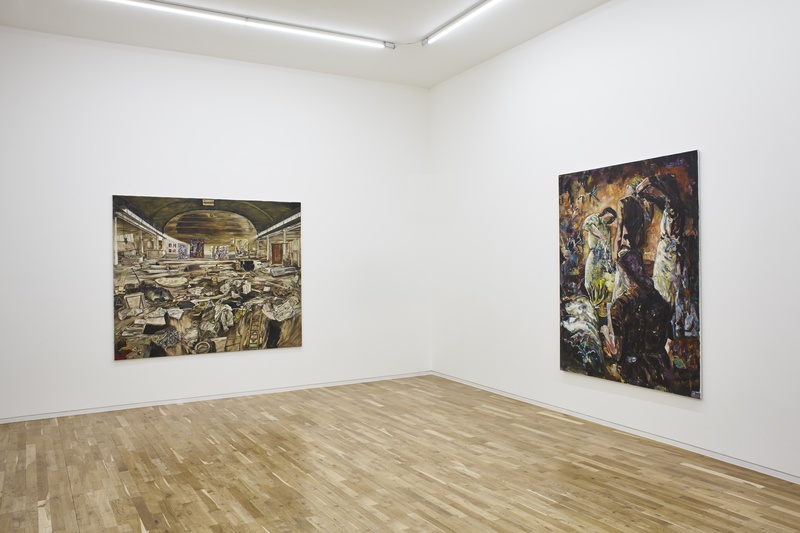
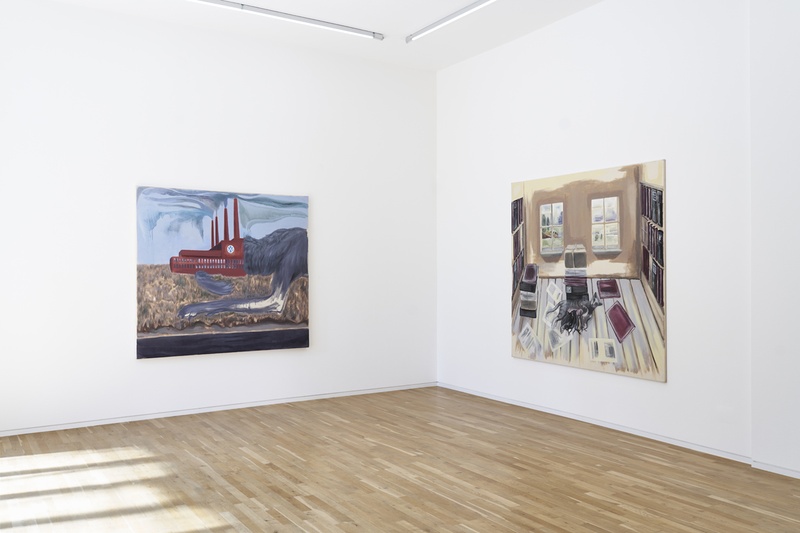
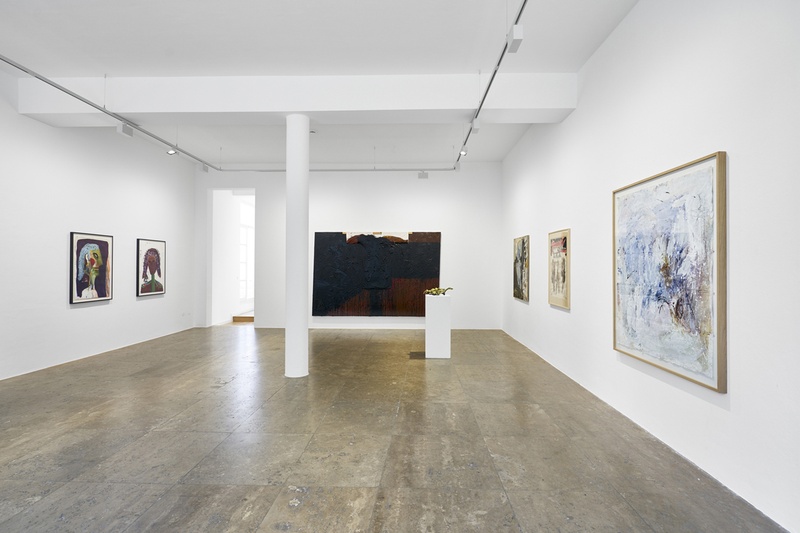
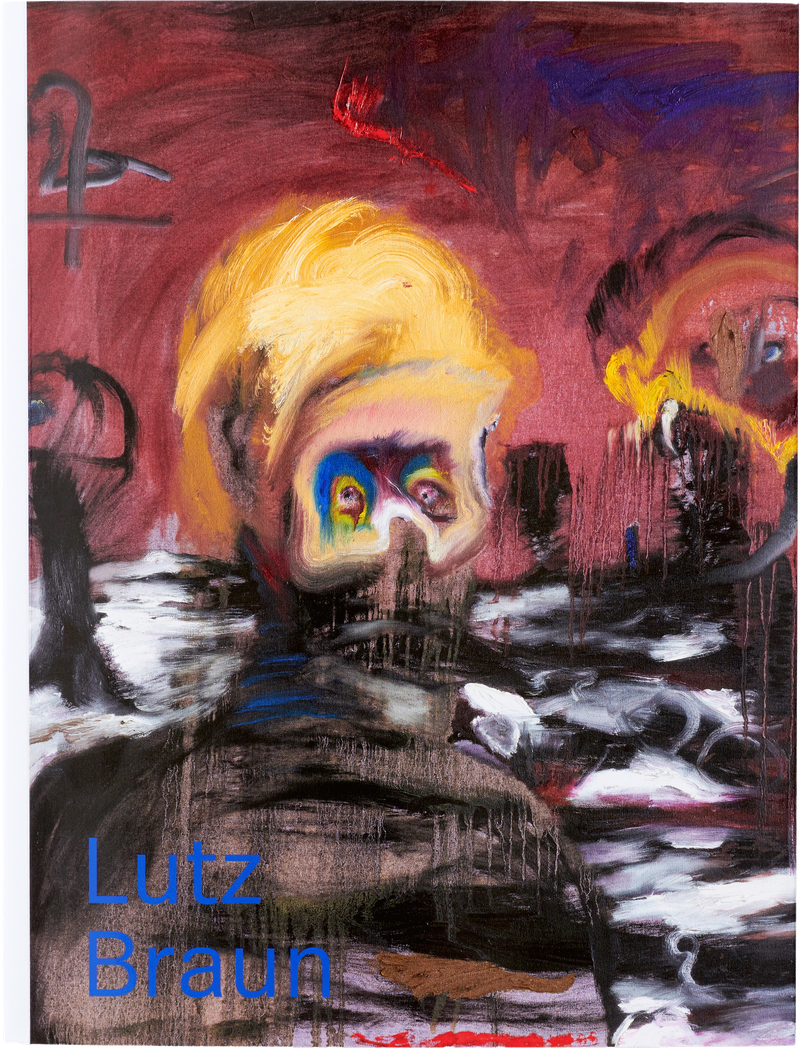
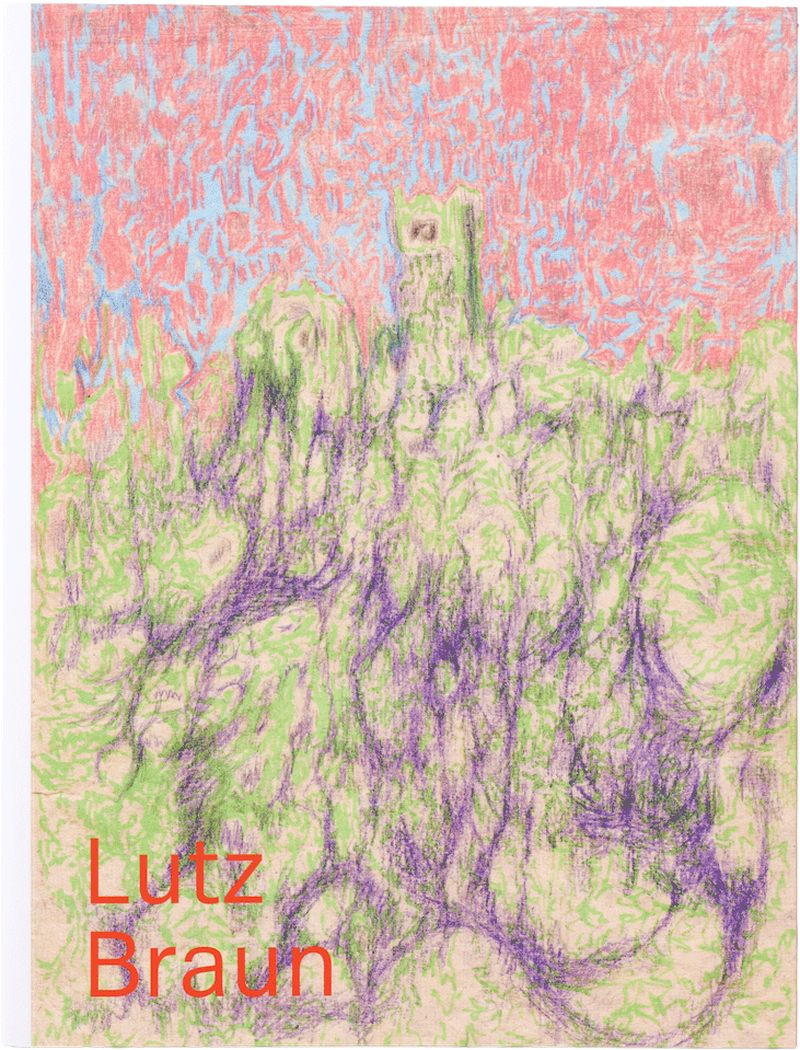
The works of Lutz Braun who lives in Berlin show ruinous, dreamy to nightmarish landscapes some of which with humans appearing umbrally. Every idyll emanating from an urban scenery has been eliminated. Loneliness and transcience are dominating – a kind of end timeliness. But still, space is filled with an atmosphere of a strangely inviting effect to the viewer. Bizarre, humorous issues are resonating.
Form and subject are carriers of Braun’s most peculiar atmosphere of scurrility through ambivalence. His instruments for that purpose are contradictions and radical contrast on one side, to exaggerate and escalate to the point of excess on the other. A theory of the author Michail Bachtin in his work “Carnival And Grotesque”1 accurately describes that build up of atmosphere, even though giving very different examples. Physicalness and body referred procedures - like ingestion or digestion, copulation, growth, aging, illness, death, etc.2– are especially suitable for bizarre portrayal. When processes of excess and exaggeration are added, that is already grotesque in itself. Size shifting, metamorphosis, pervasion and fertile overgrowth are just some of the perceptions coming to mind while regarding the works of Lutz Braun. Read More
As a superordinate concept, alteration could be applied. The boundaries of an abstractly conceived body are removed, and thereby, “the grotesque (…) will never be finished, it is something nascent, in constant formation and creation, with autonomous qualities.”3 Therefore death, in its variety of manifestations, is omnipresent. Deterioration of landscapes is of lesser concern when figures have skull-like features instead of individual physiognomies. Decaying, apparitional humanoid shapes and animals show up, urban sceneries seem decrepit and abandoned. The artist's affinity to death should be easy to connote only negatively. But is this not about a far more complex narrative than just the one regarding the end? Does there not also exist a (pre-)narrative?
All works of Lutz Braun have a storytelling, stage-like character to them. His sceneries appear like film stills. Besides reminiscences of scenarios of horror films, there are also those of comic-strips. Thereby, one picture frame functions as a detail representing a generic plot. In this sense, the artist can also be seen in a tradition, among others represented by William Hogarth. “A story is told” – this is why Lutz Braun will very often work with found materials. Old wooden planks or discarded carpets, as well as classical canvas, will serve as painting grounds. While this is not about the idea of recycling, it means dealing with actual substance, to understand the particular history of an item, to artistically utilise and forge it inseparable with one's own inspiration. The past – as incident or atmospherically, as memory – merges with present and future, both equal in relation to each other.
Lutz Braun strives to eliminate time as a factor in his work, to conceive and reflect it as synchrony. By the way, this is the reason why he does not date his works. He wants to relieve them of obsolete cultural bonds, so they can claim their engagements simply by being in the world. Is it something real or a dream, a chimera or even utopia? All of these are possible, from an individual aspect of reality up to a blending without boundaries – within the artist’s pursuit to undermine, to repeal the omnipresence of mortality. In the works of Lutz Braun, “the sickness unto death”4), an existential kind of fear is to be resolved by transformation. May the viewer find inner latitude, for the demise of the old will bring about something else.