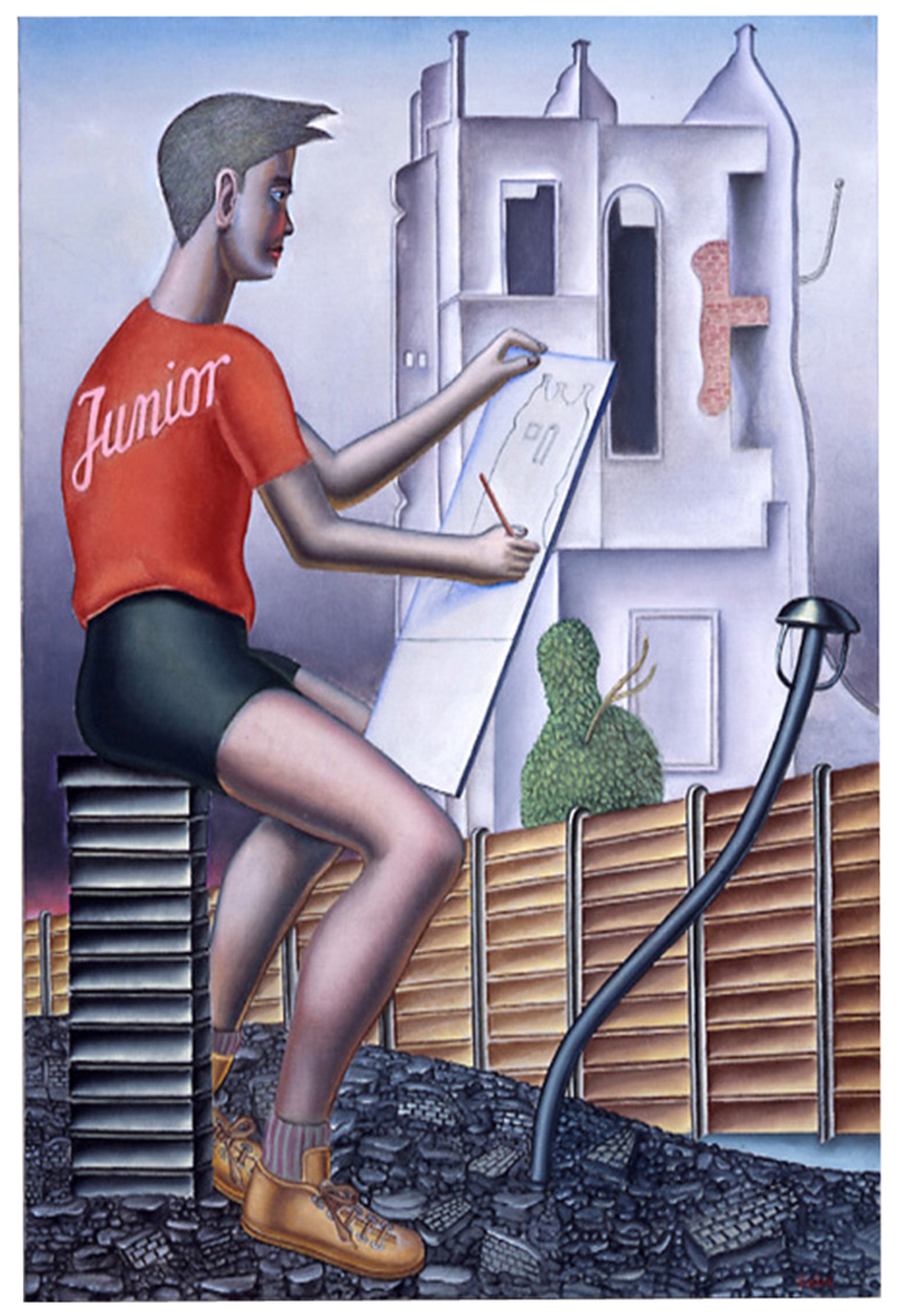
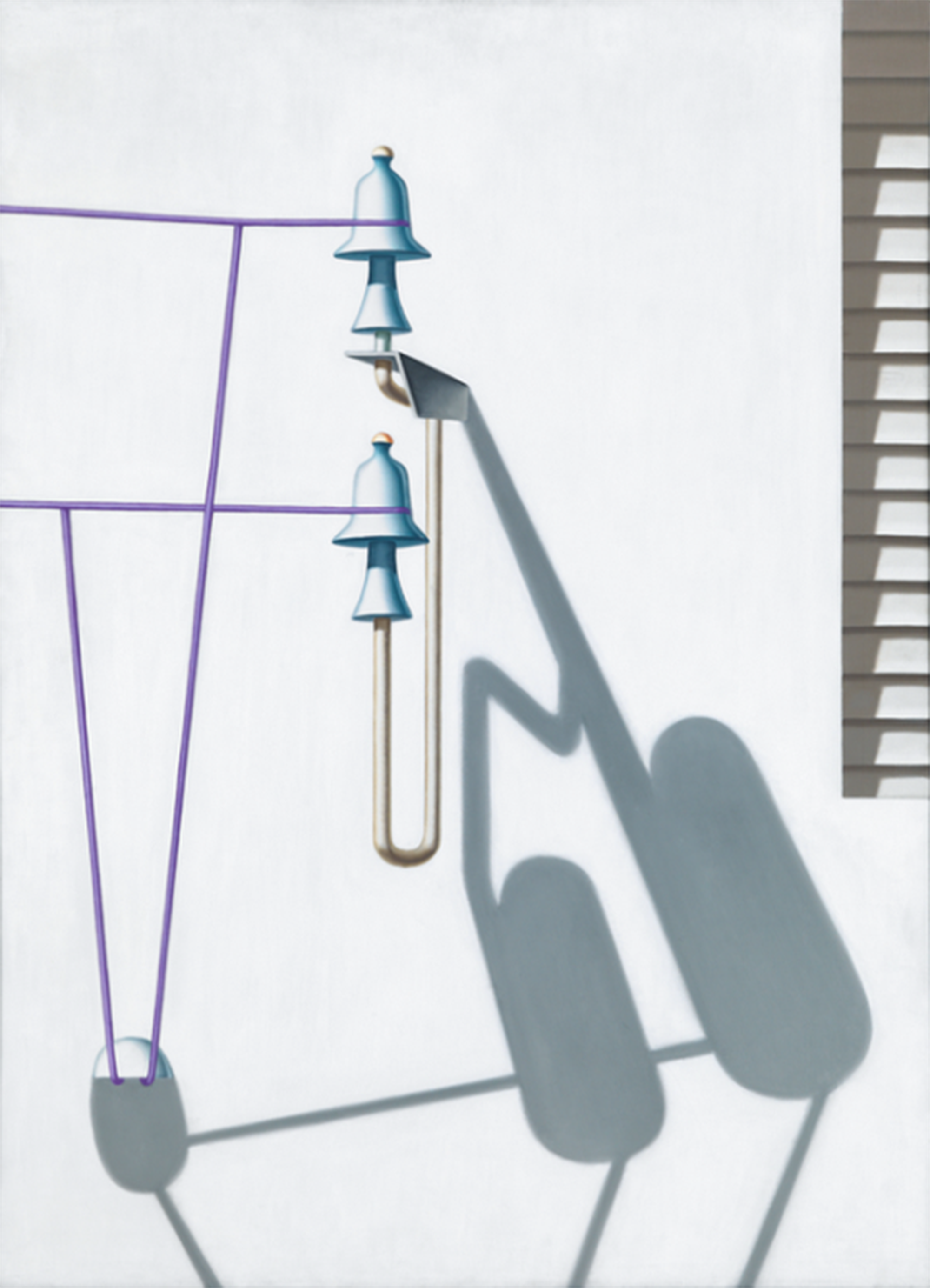
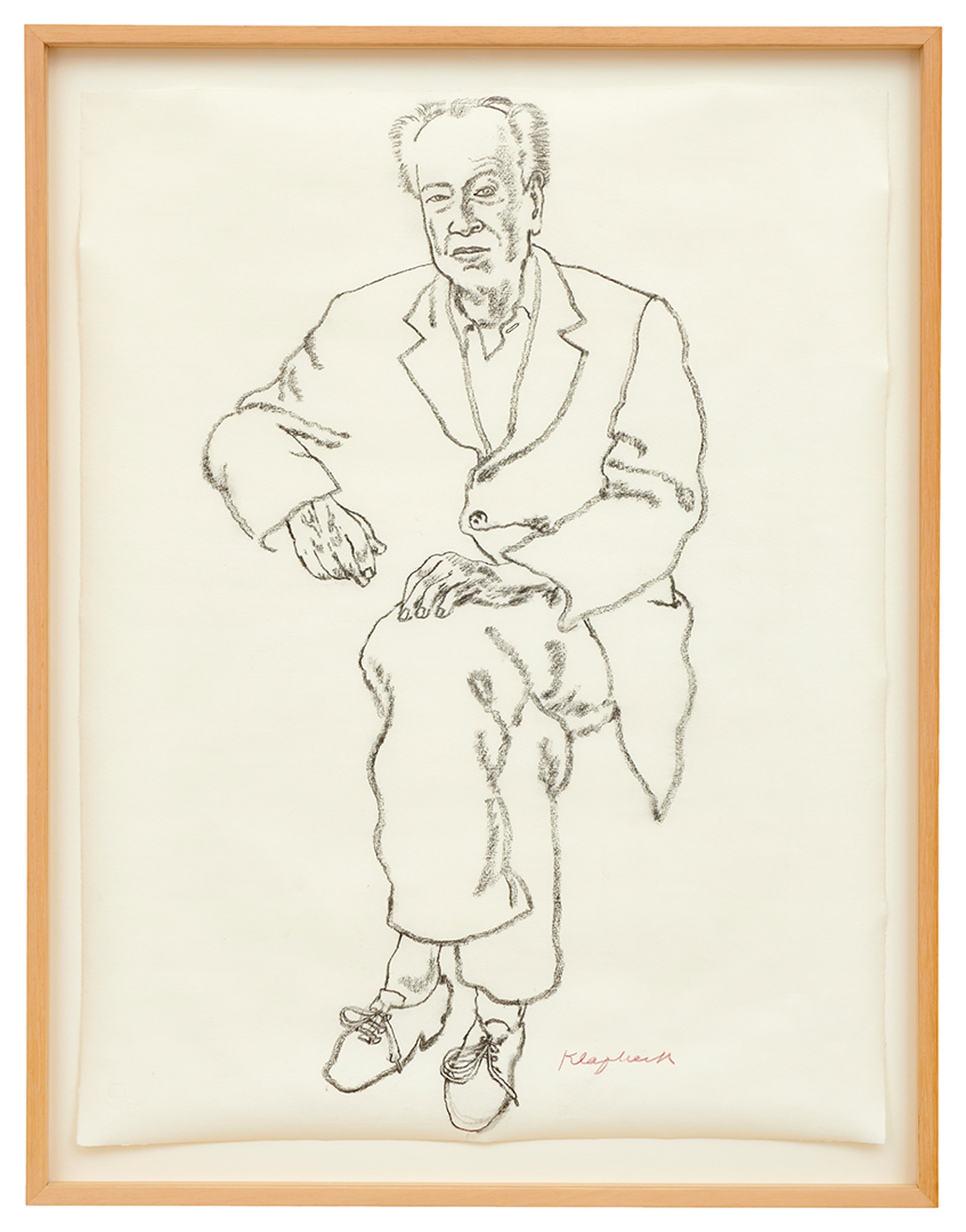
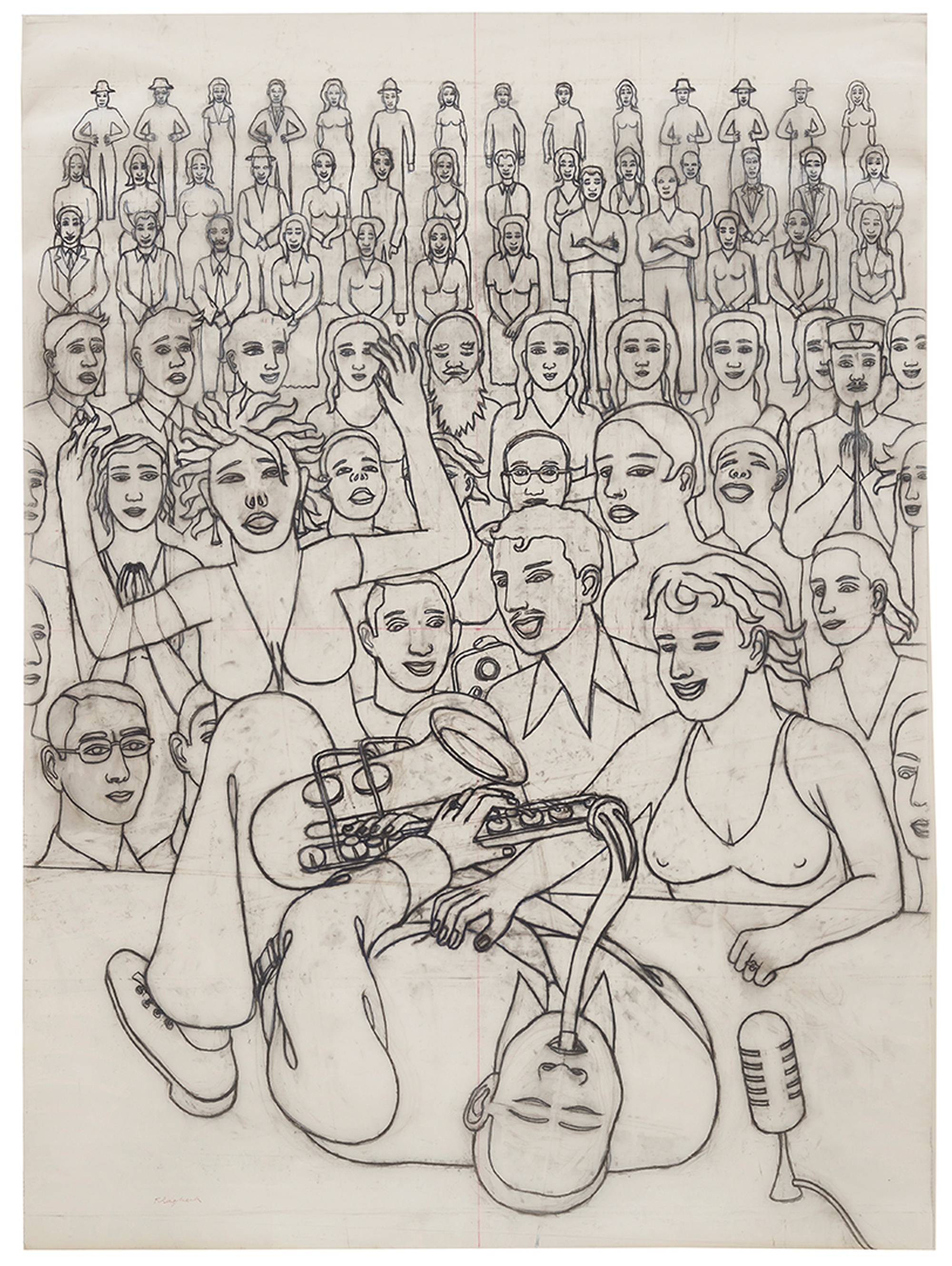
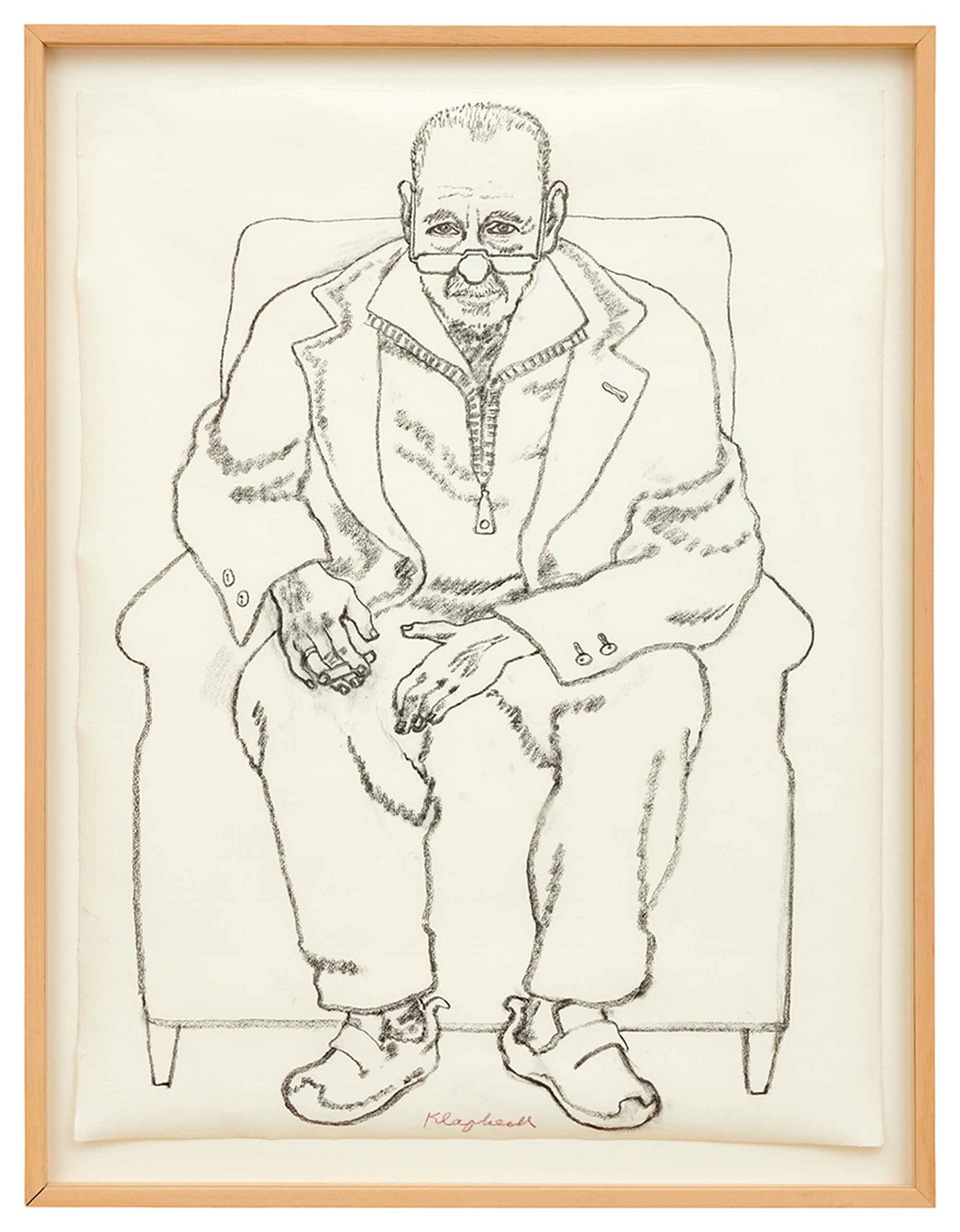
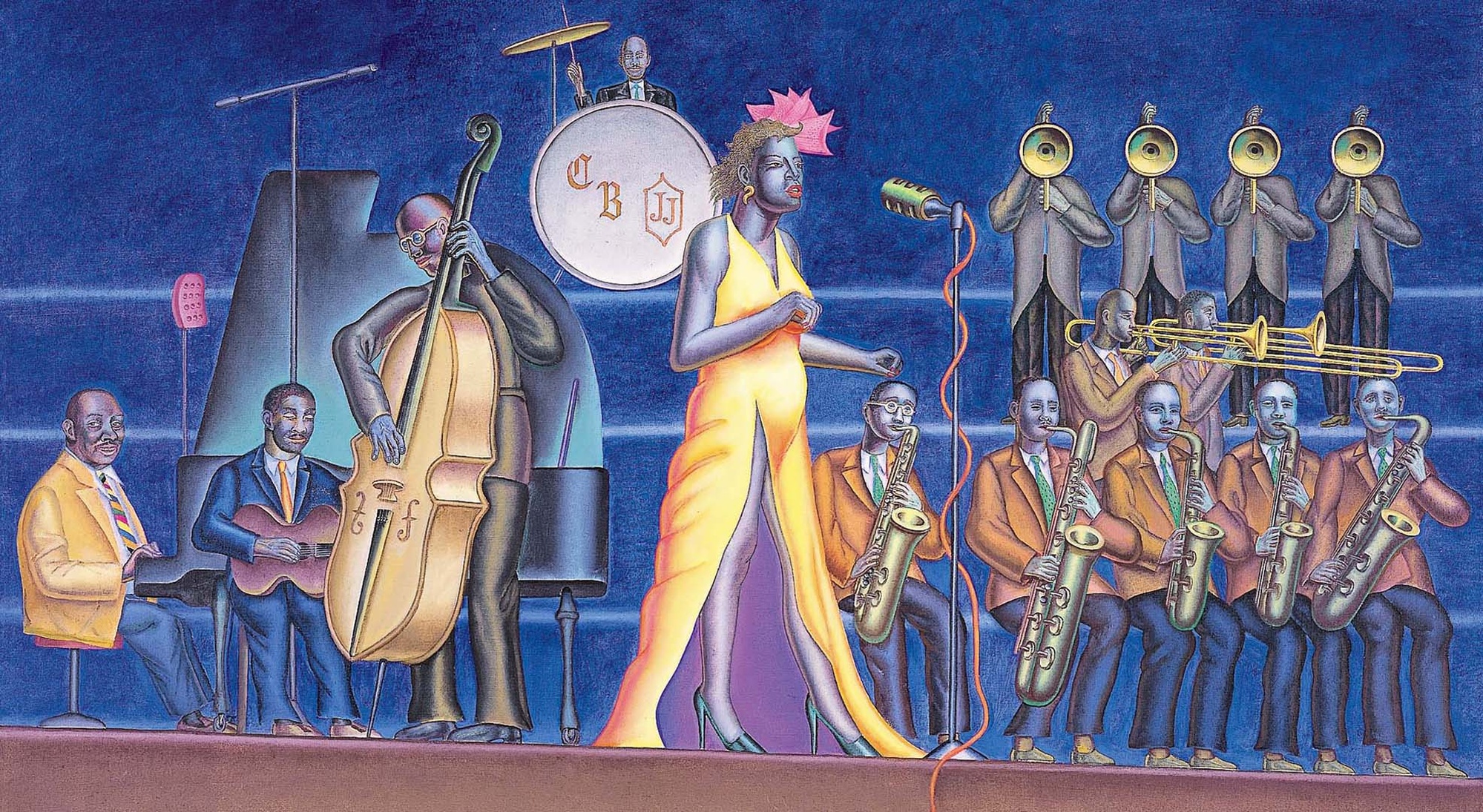
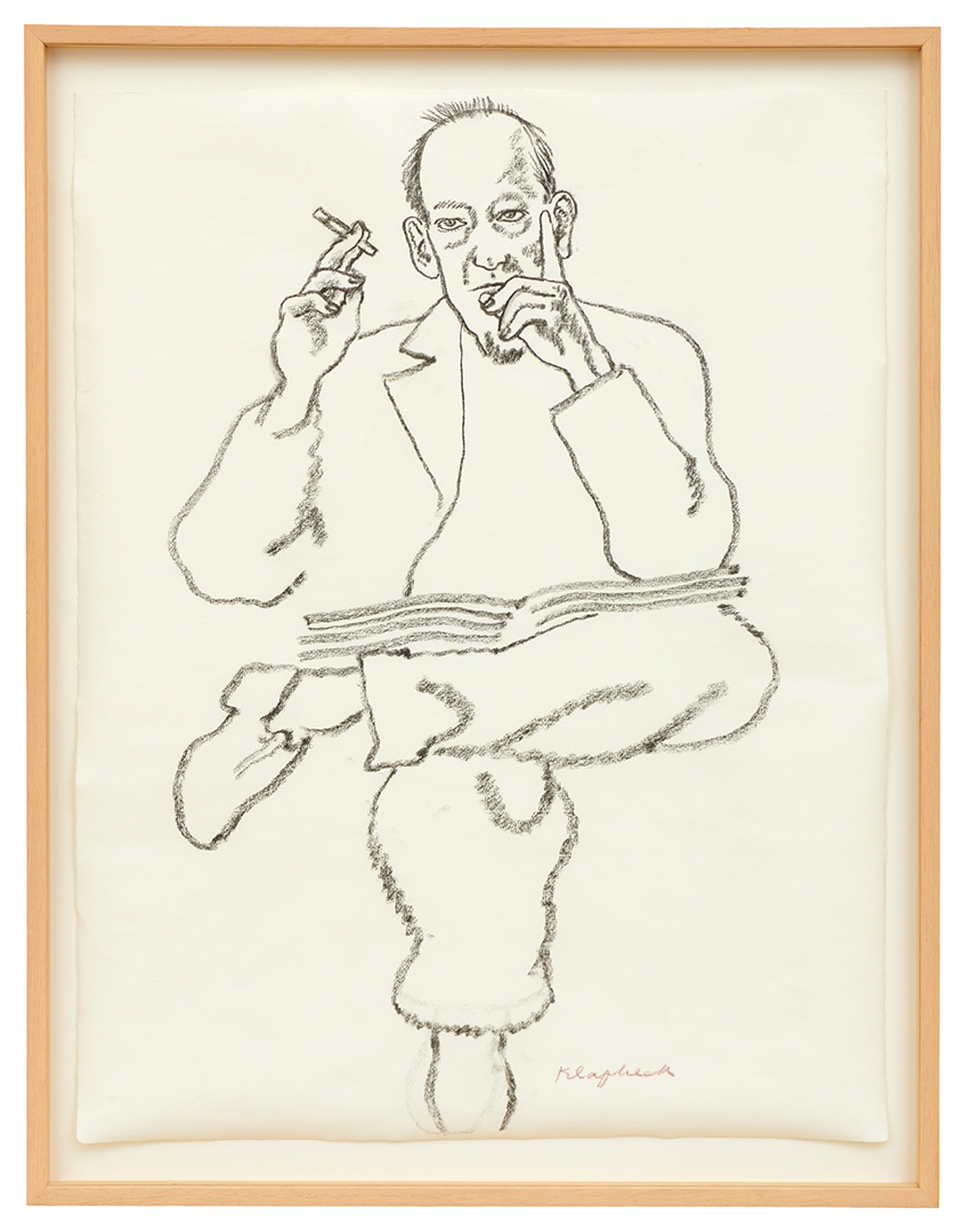
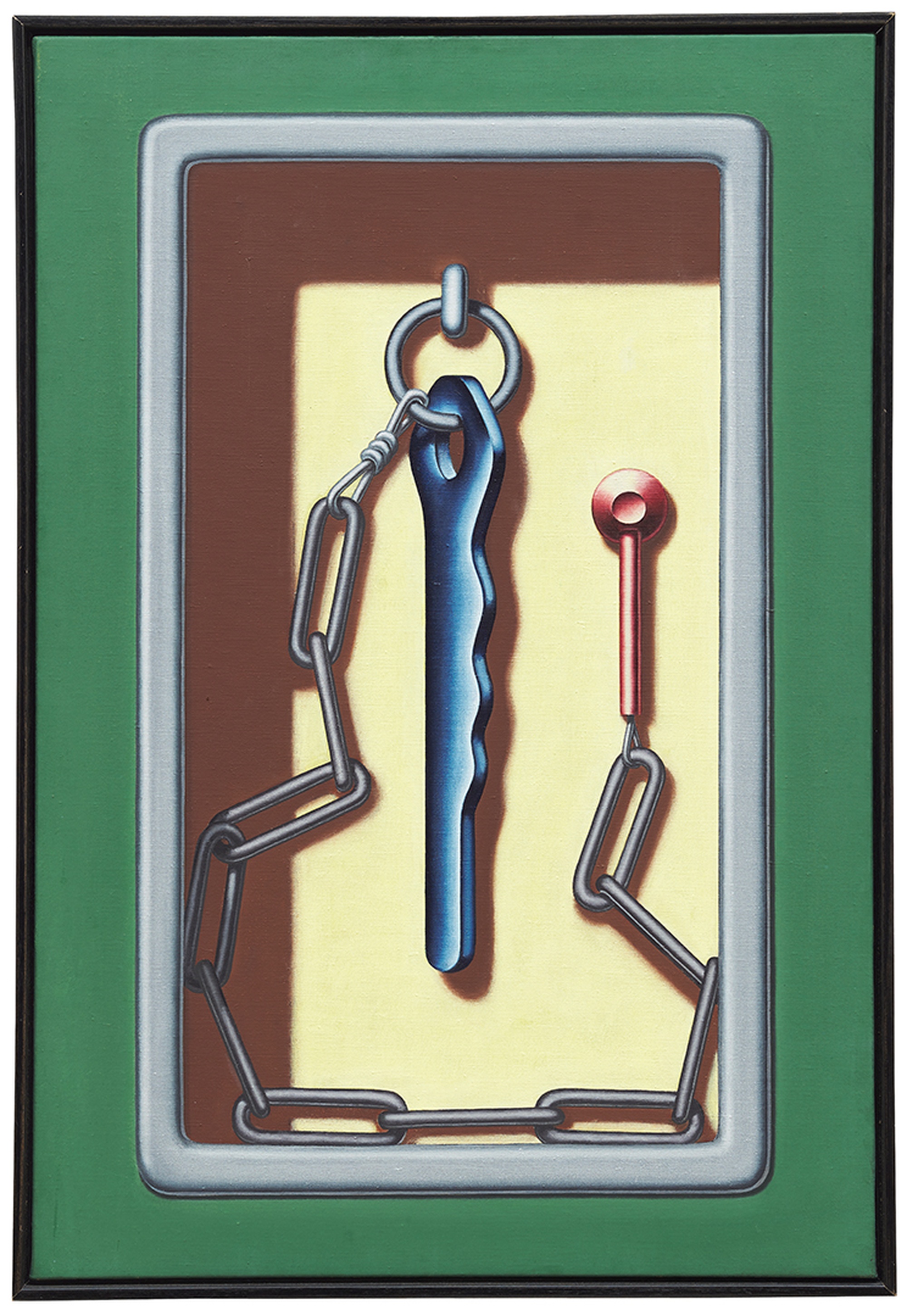
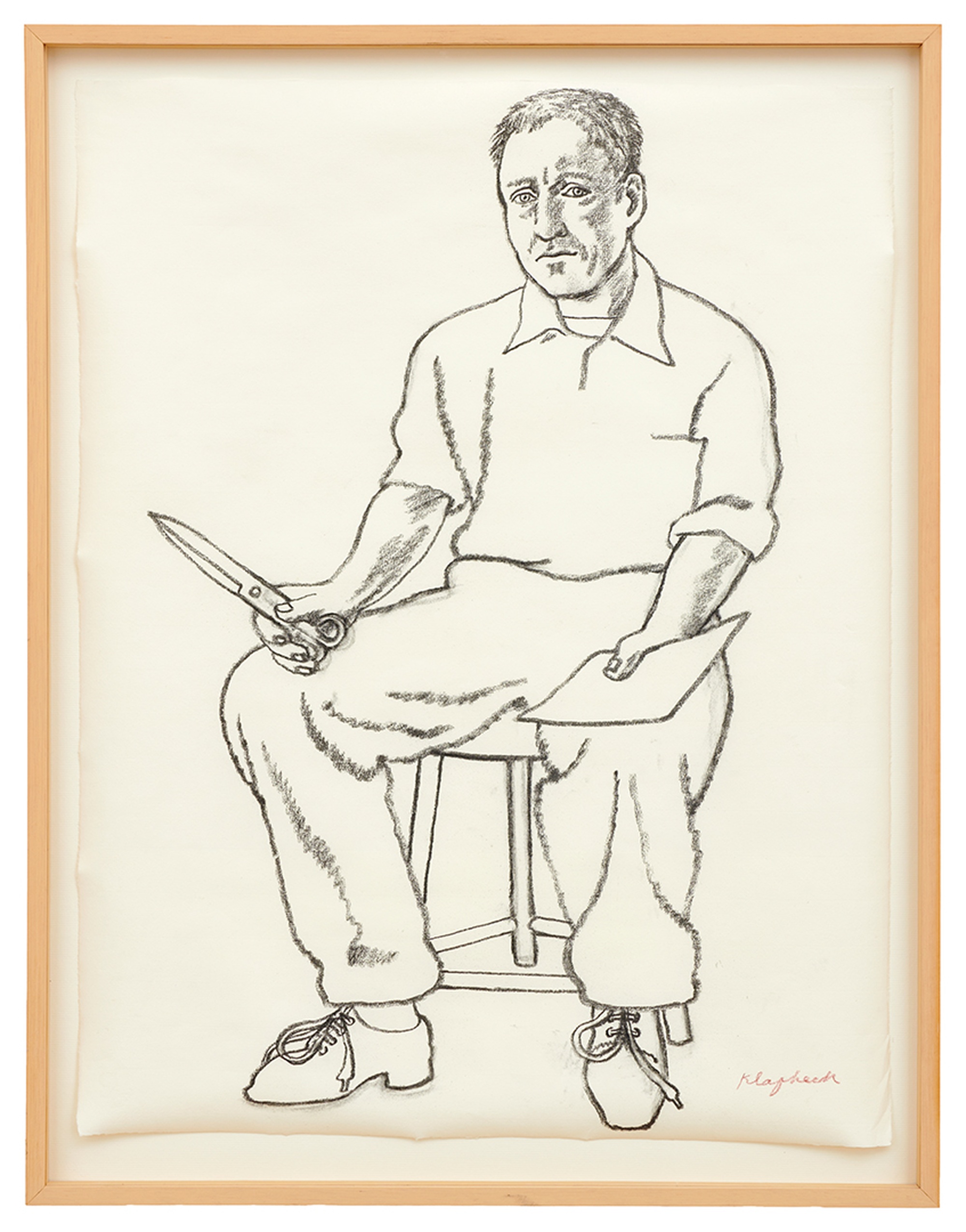
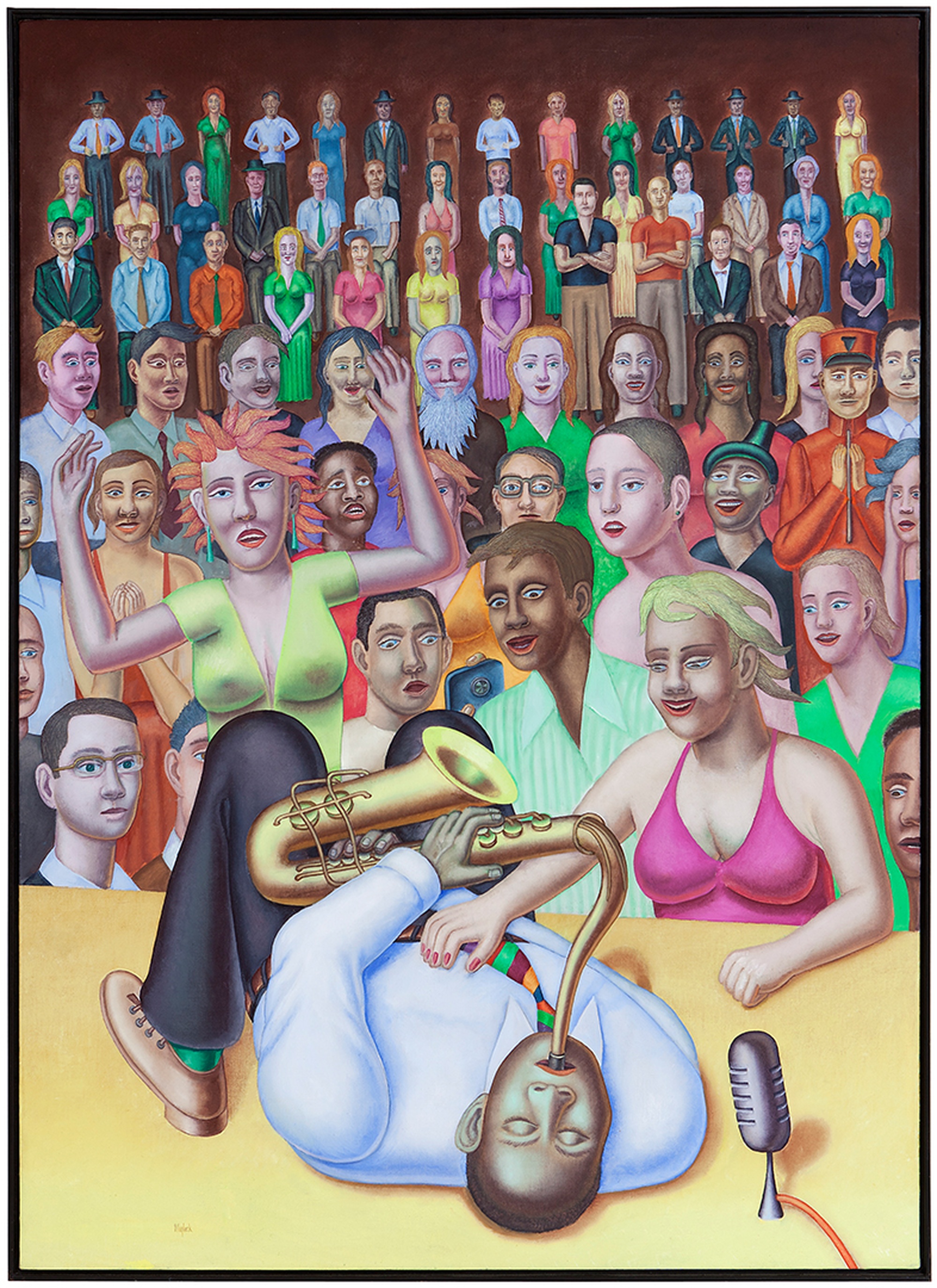
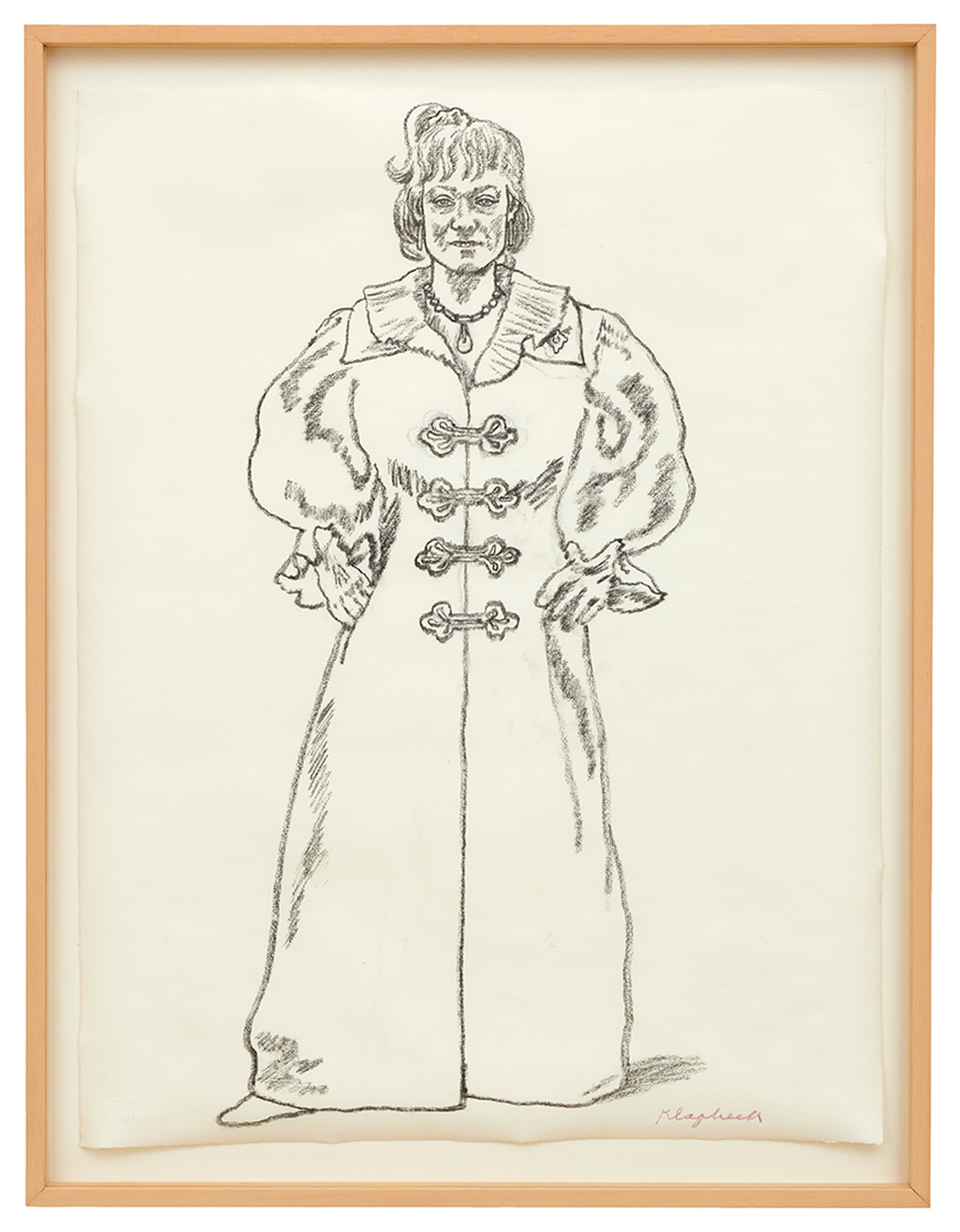
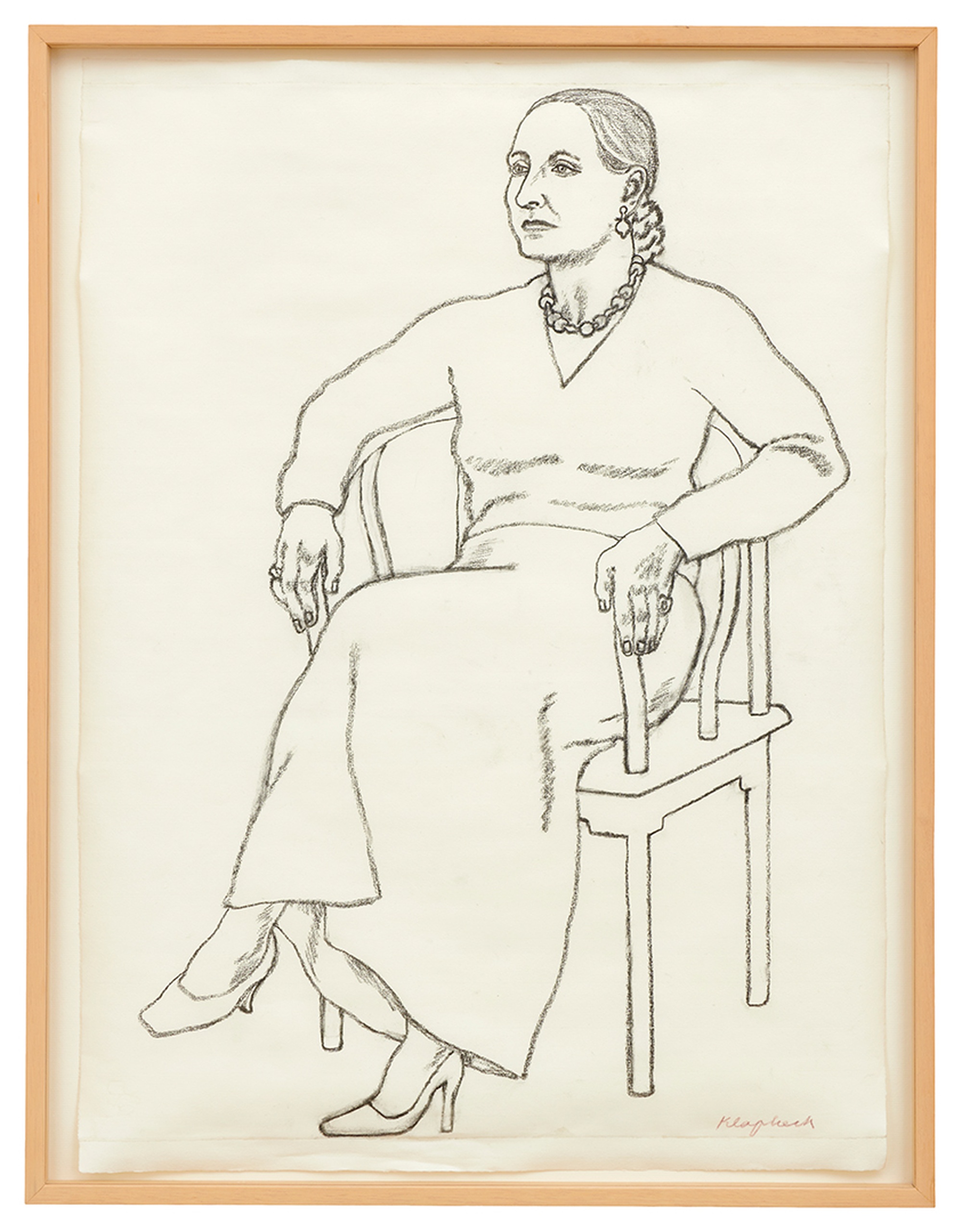
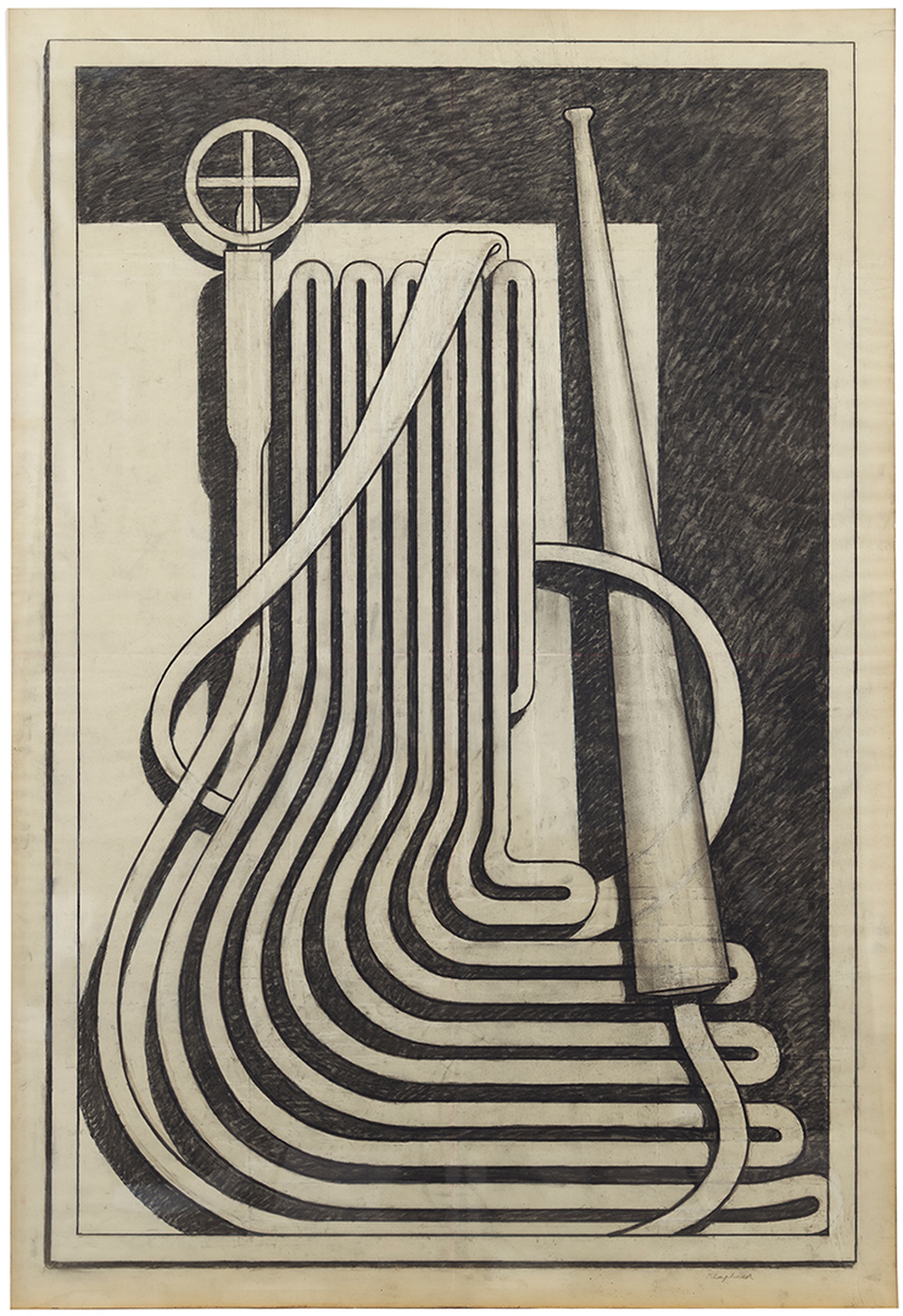
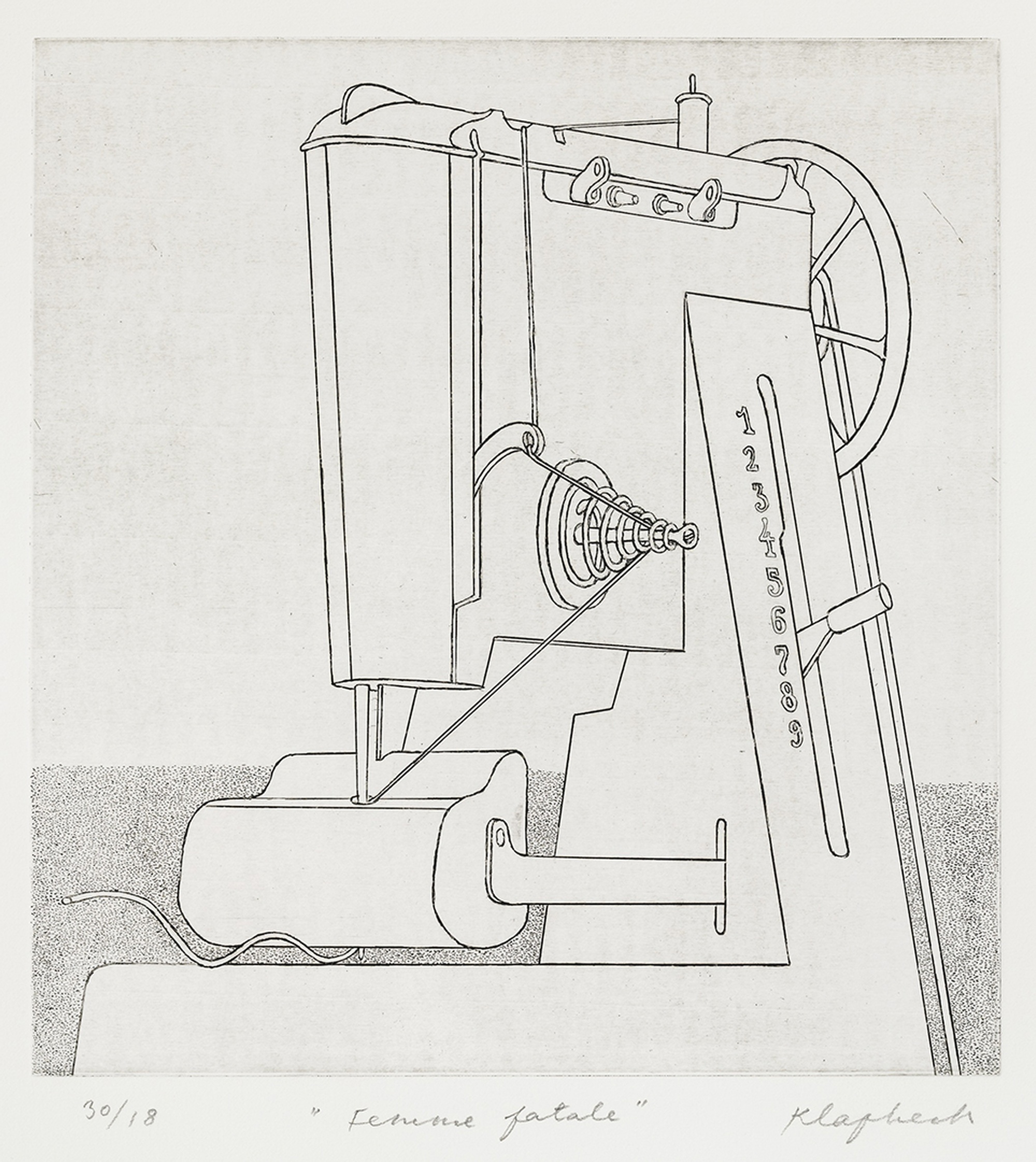
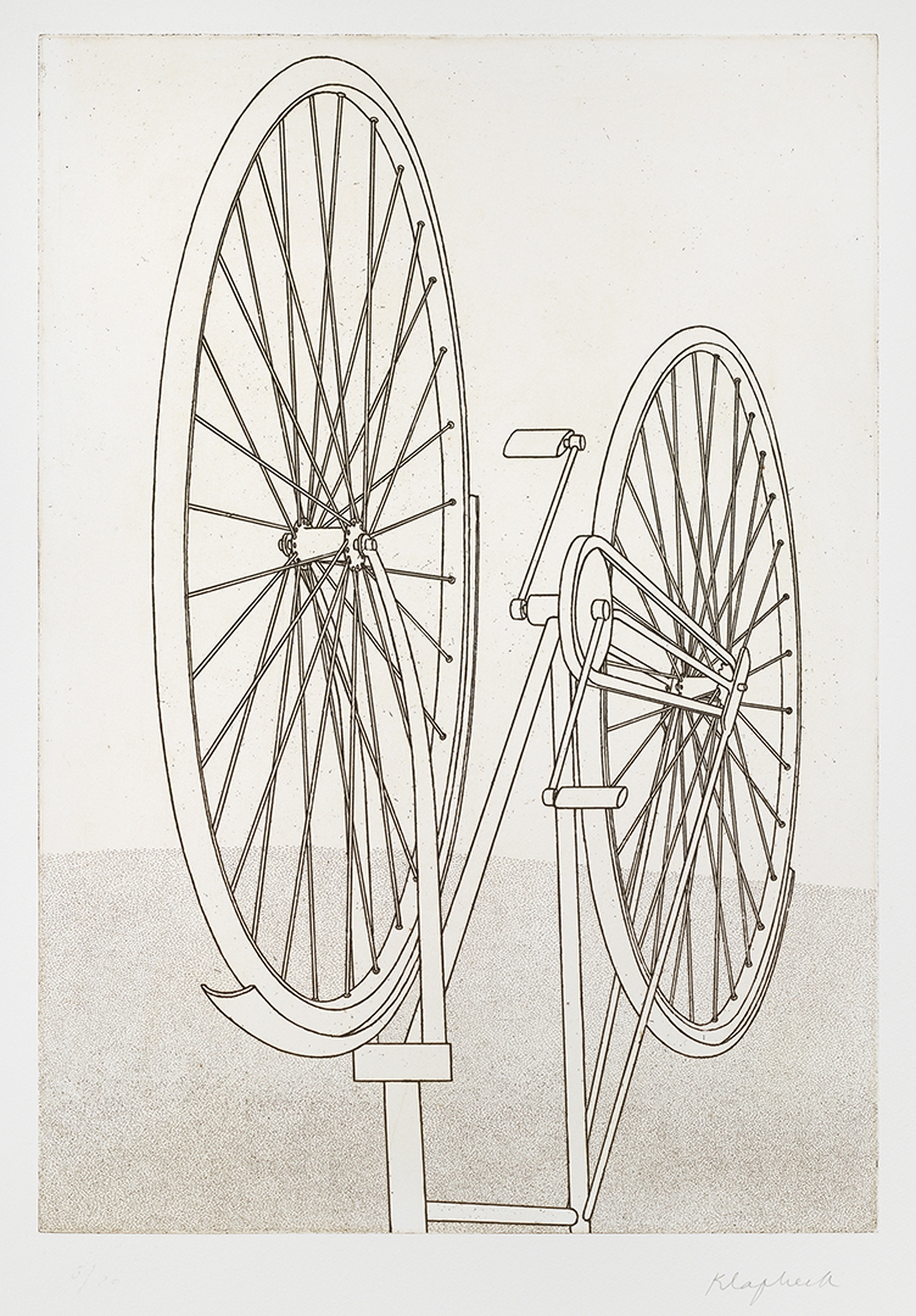
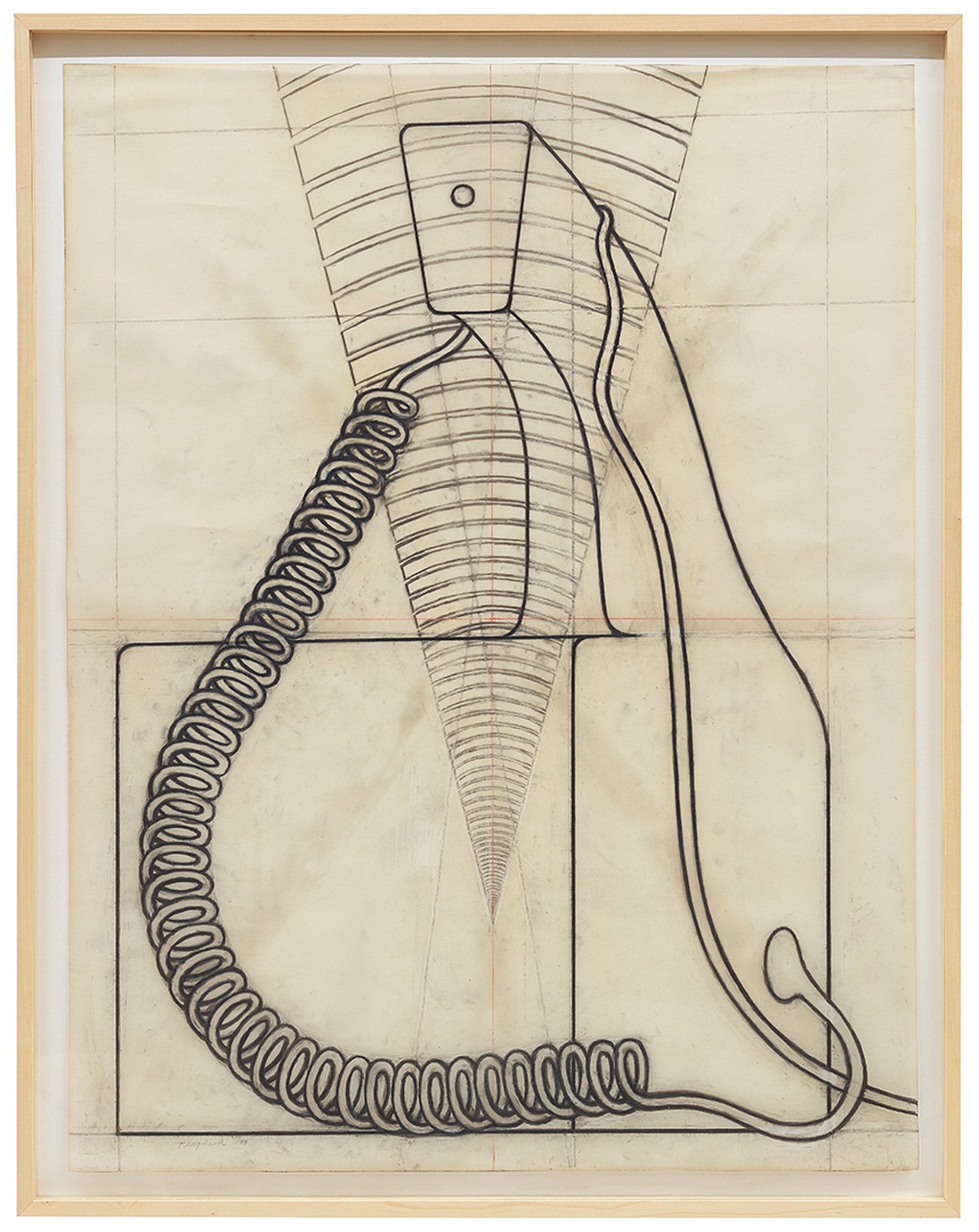
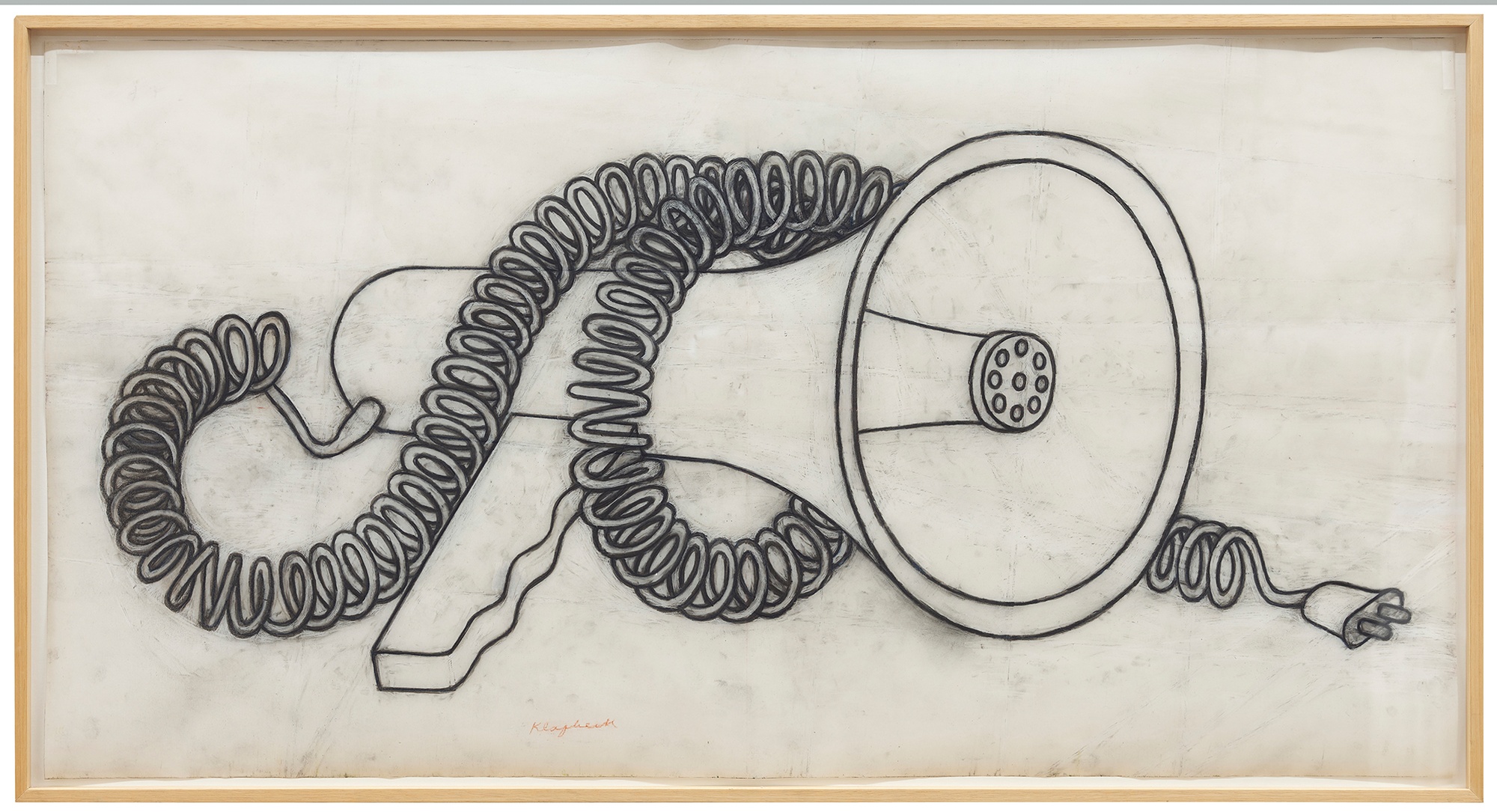
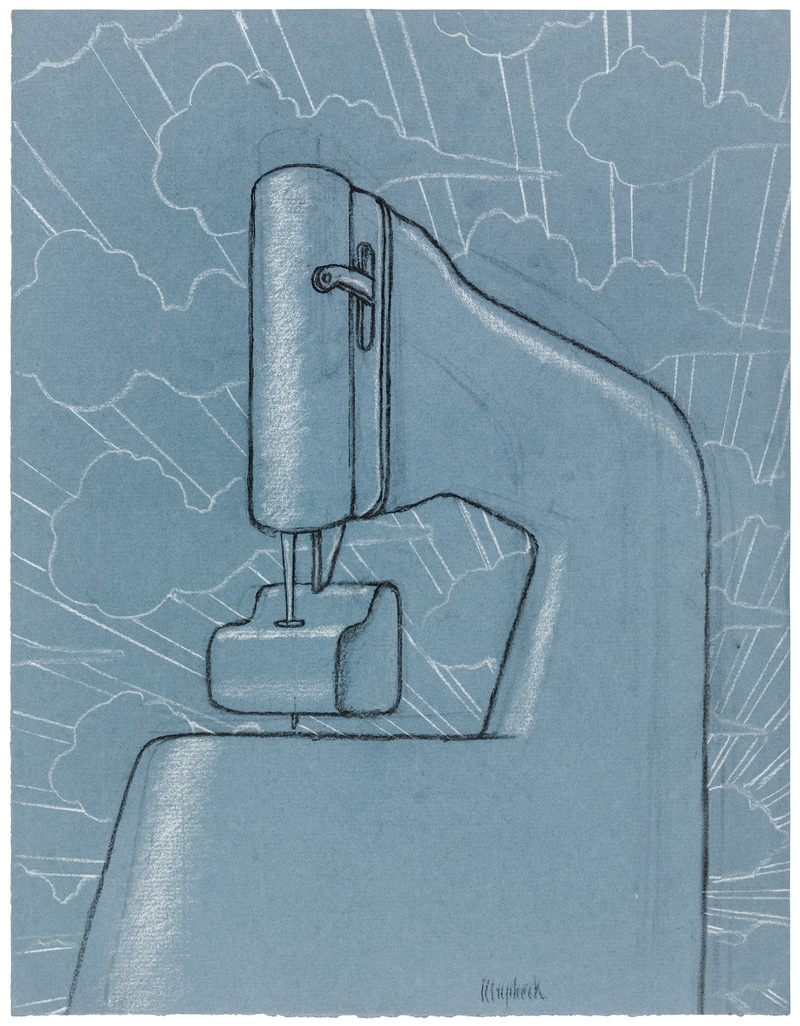
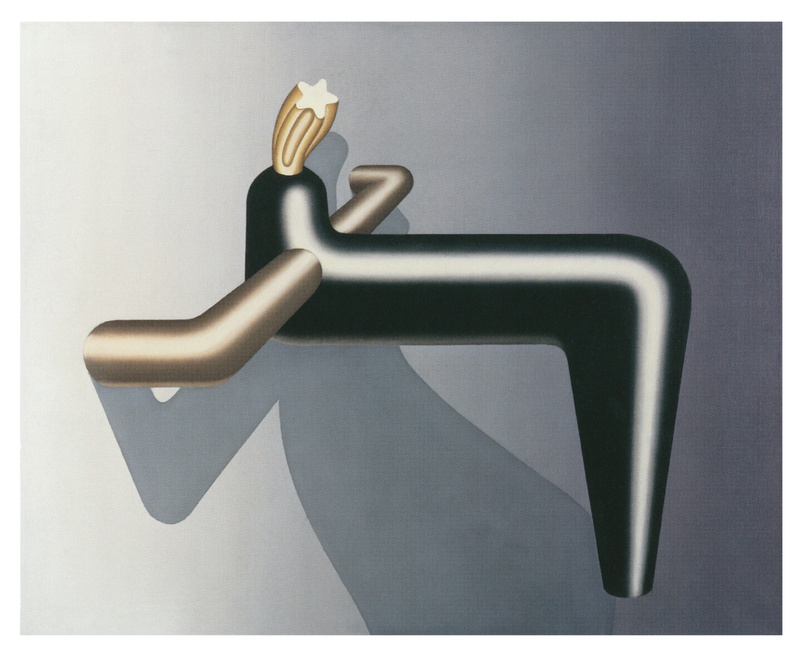
Konrad Klapheck (Düsseldorf 1935–2023 Düsseldorf) was very fortunate to find a supporter of his realistic object painting in his teacher Bruno Goller at the Düsseldorf Kunstakademie, in spite of the predominancy of Informal art of the time. National and international success quickly followed, with exhibitions at prestigious galleries such as Rudolf Zwirner in Essen, Arturo Schwarz in Milan and Ileana Sonnabend in Paris culminating in his first solo exhibition in the USA in New York at Sidney Janis. Konrad Klapheck is best known for his precise and detailed explorations of technical apparatus and everyday objects, including typewriters, sewing machines, water taps, showers, telephones, irons and saws. Influenced by Marcel Duchamp, Man Ray and Max Ernst, Klapheck combines Surrealism and Pop Art in images of trivial technical objects. An important addition to each work is the title, which, often with a humorous wink, lent the depicted object a story and human characteristics. A good example of this is one of the earliest and well-known sewing machine pictures “Die gekränkte Braut” (1957), which Klapheck painted after a temporary separation from his future wife Lilo. In monumentalising and personalising a sewing machine, the painting inherents a fascinating aura. Read More
His works are in important international institutional and museum collections: FRAC Picardie, Amiens, FR; Neue Nationalgalerie, Berlin; Weserburg, Museum für moderne Kunst, Bremen; Ludwig Museum, Museum of Contemporary Art , Budapest; Hessisches Landesmuseum, Darmstadt; Kunstsammlung Nordrhein-Westfalen, Düsseldorf; Museum Folkwang, Essen; Städel Museum, Frankfurt a.M.; Osthaus Museum, Hagen; Hamburger Kunsthalle, Hamburg; Falckenberg Collection, Hamburg; Sprengel Museum, Hannover; The Israel Museum, Jerusalem, Israel; Museum Ludwig, Cologn e; The Prada Collection, Fondazione Prada, Milan, IT; Hilti Art Foundation, Kunstmuseum Liechtenstein, Vaduz; The Museum of Modern Art, New York; etc.