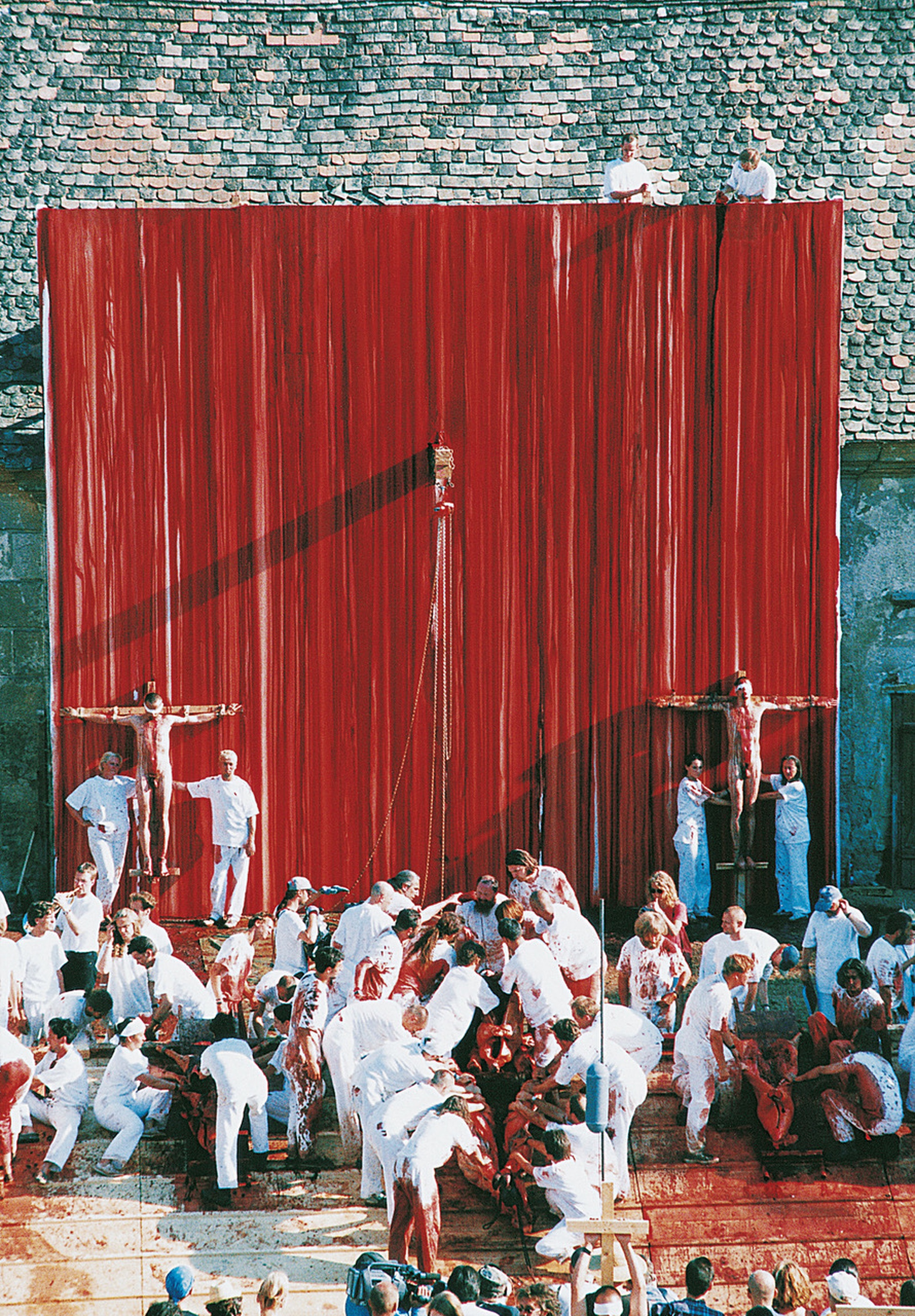
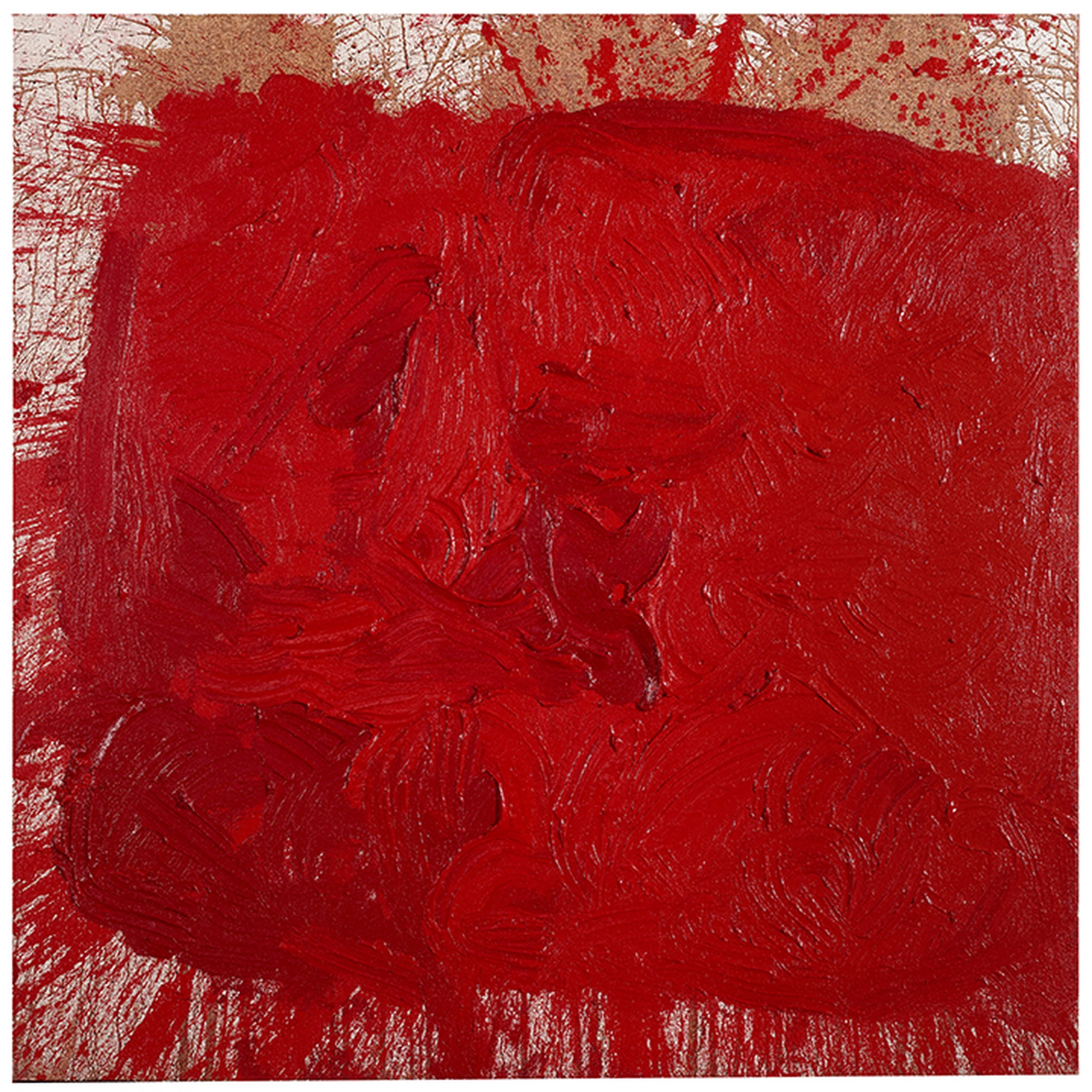
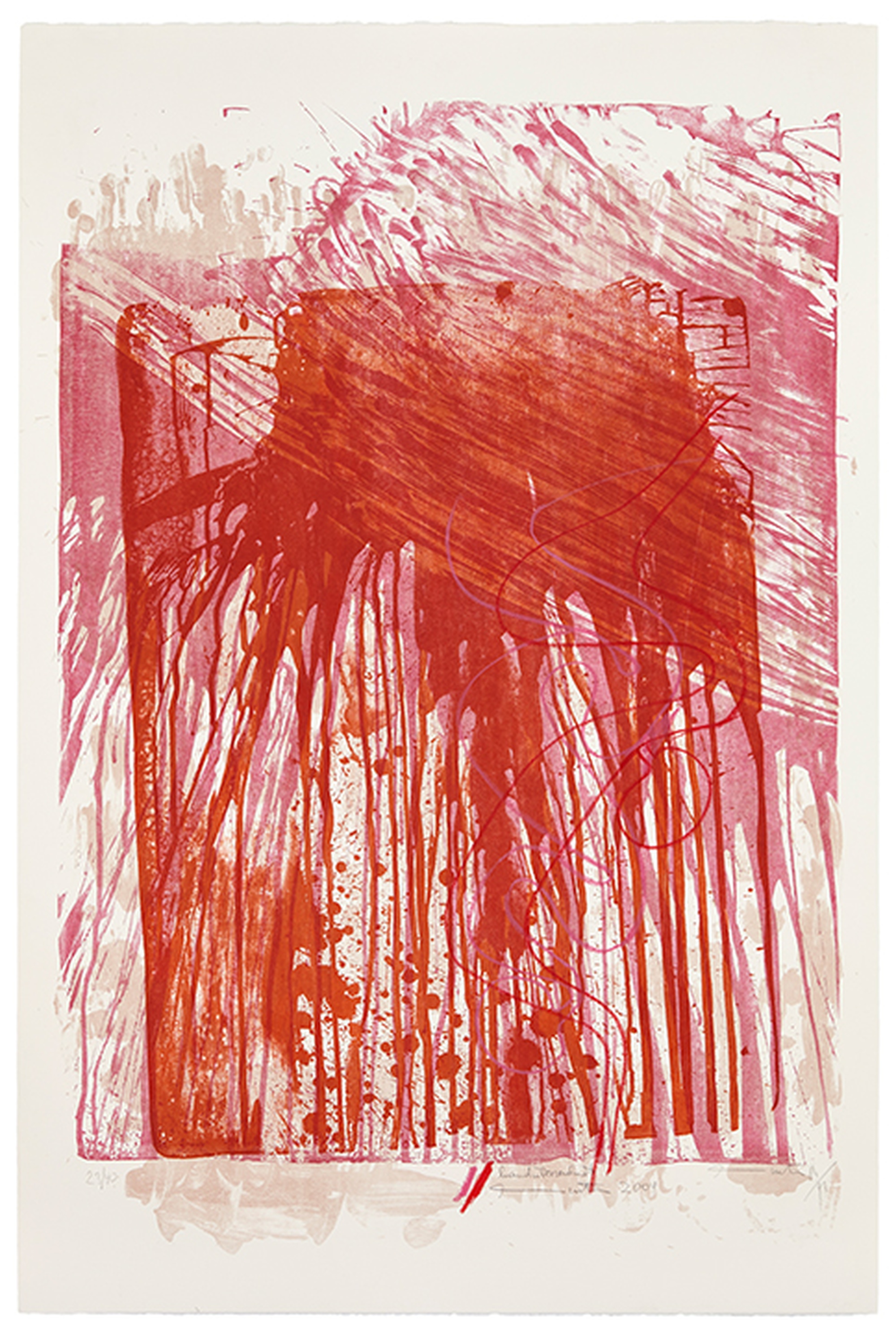
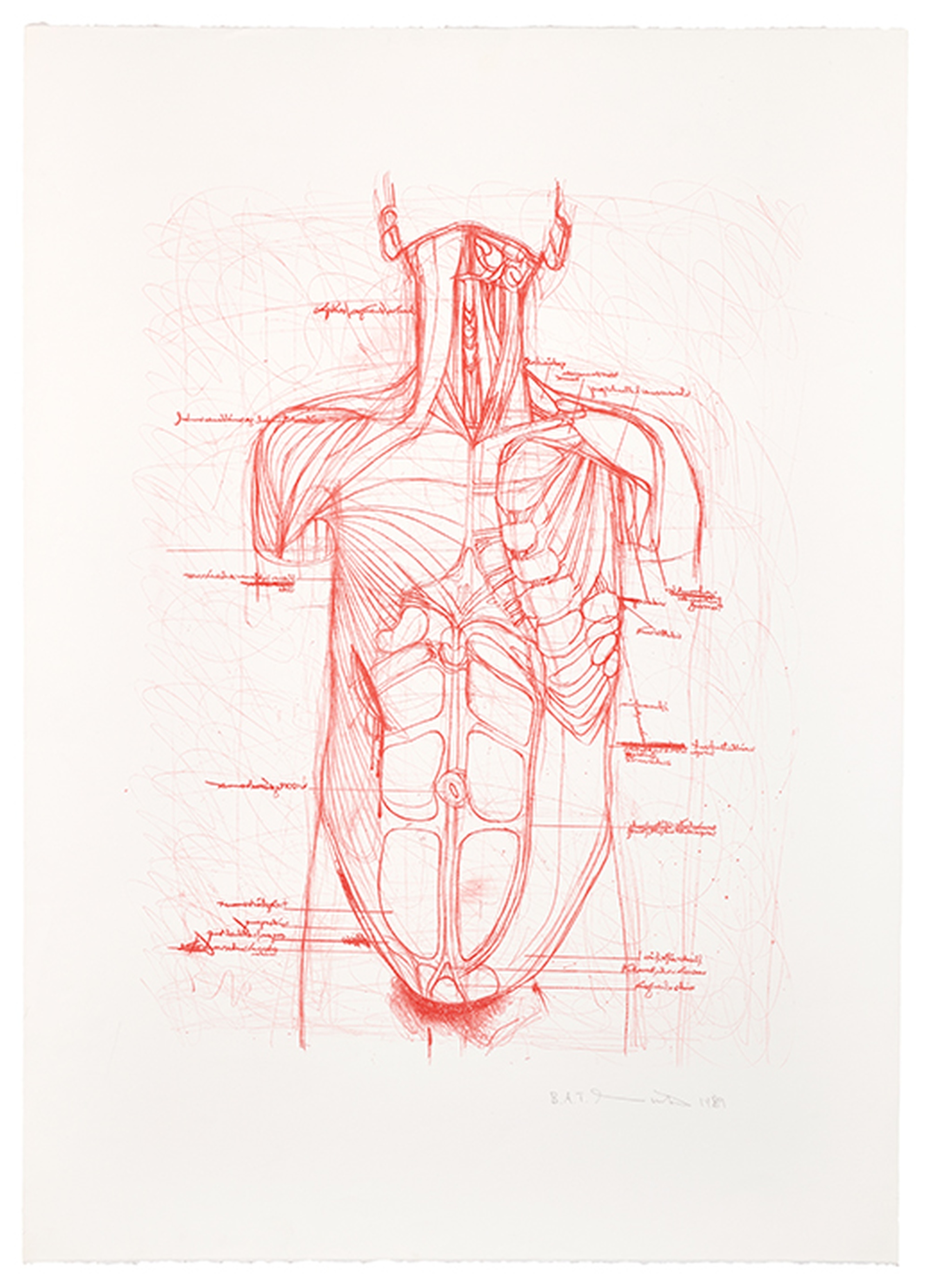
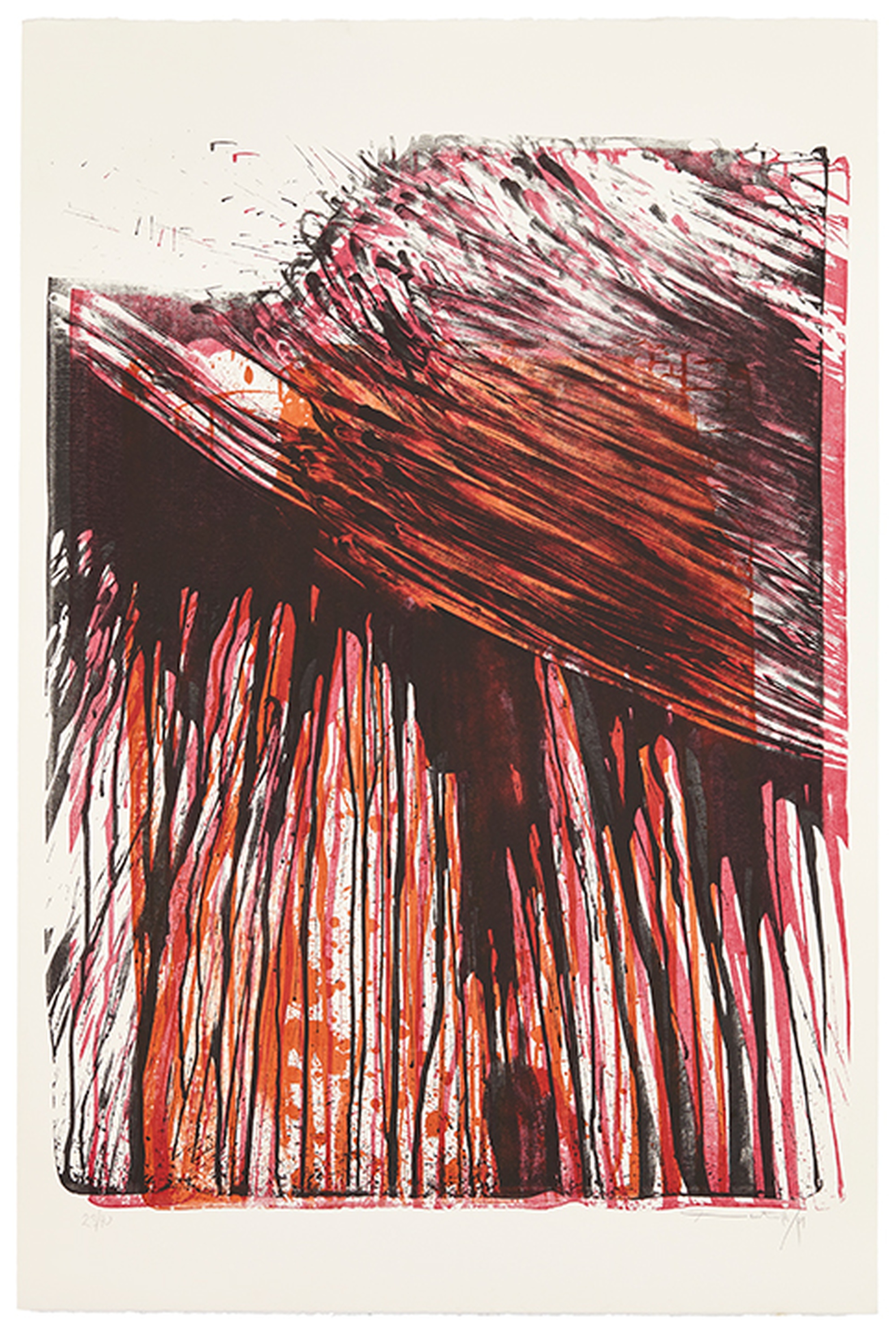
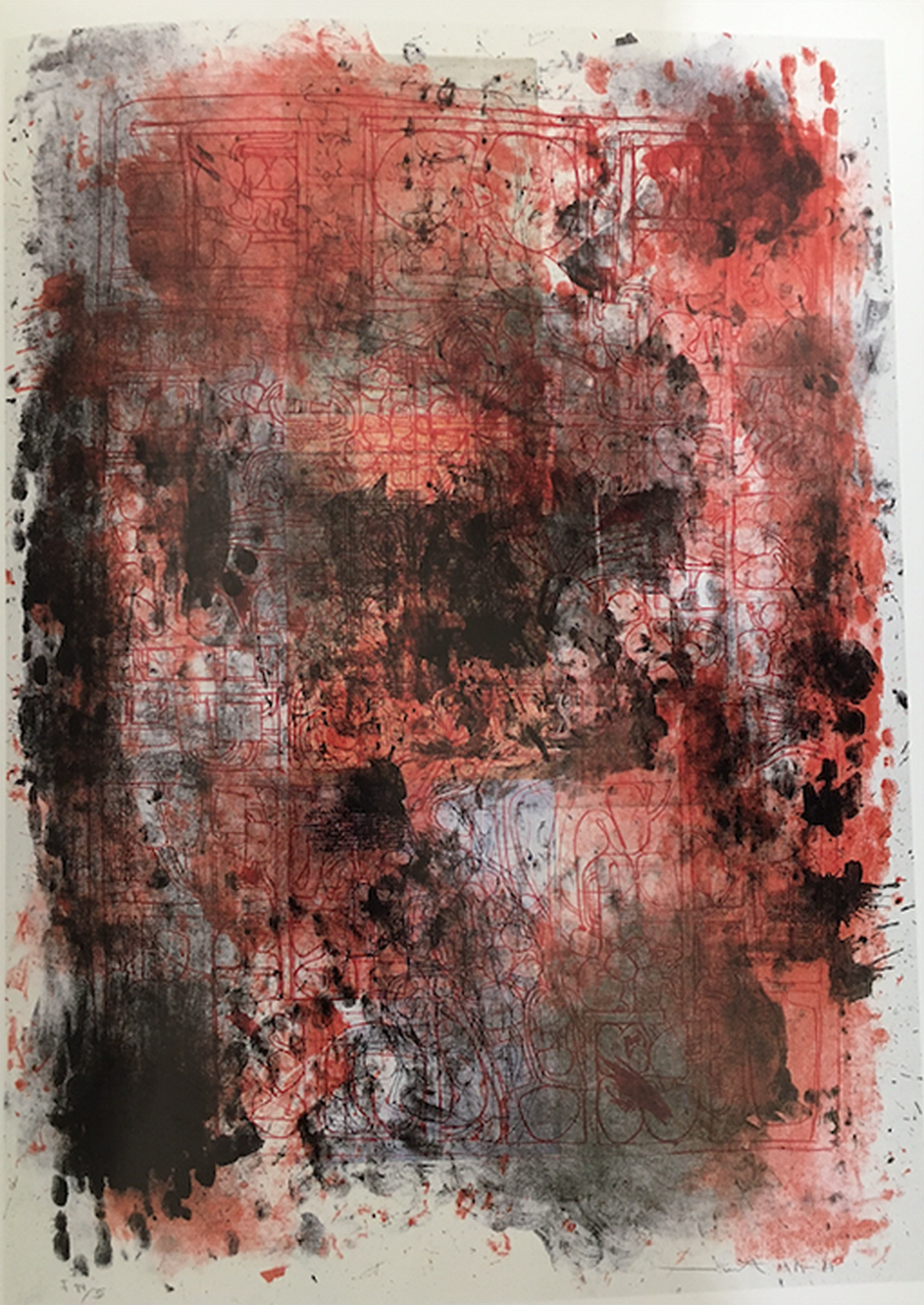
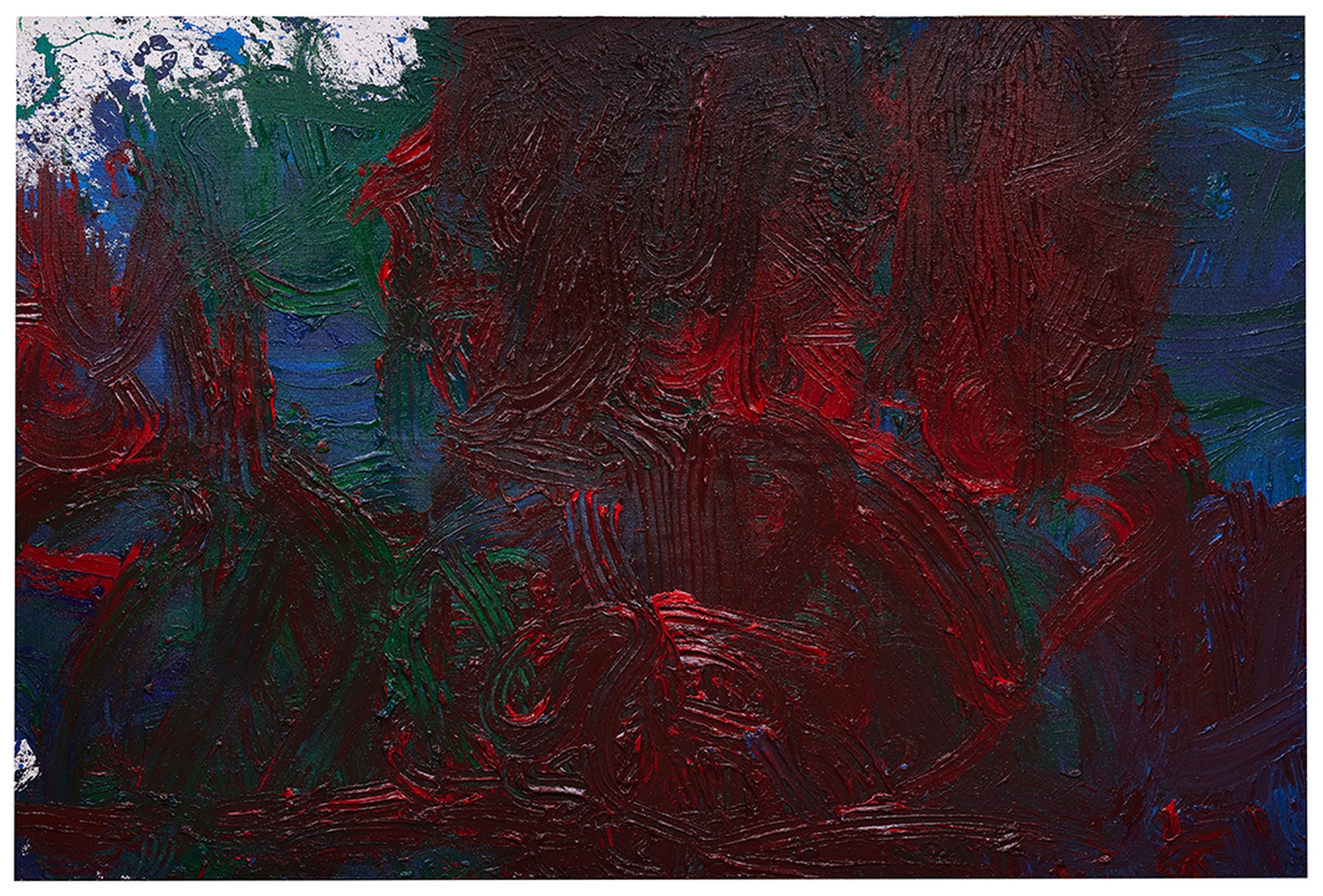
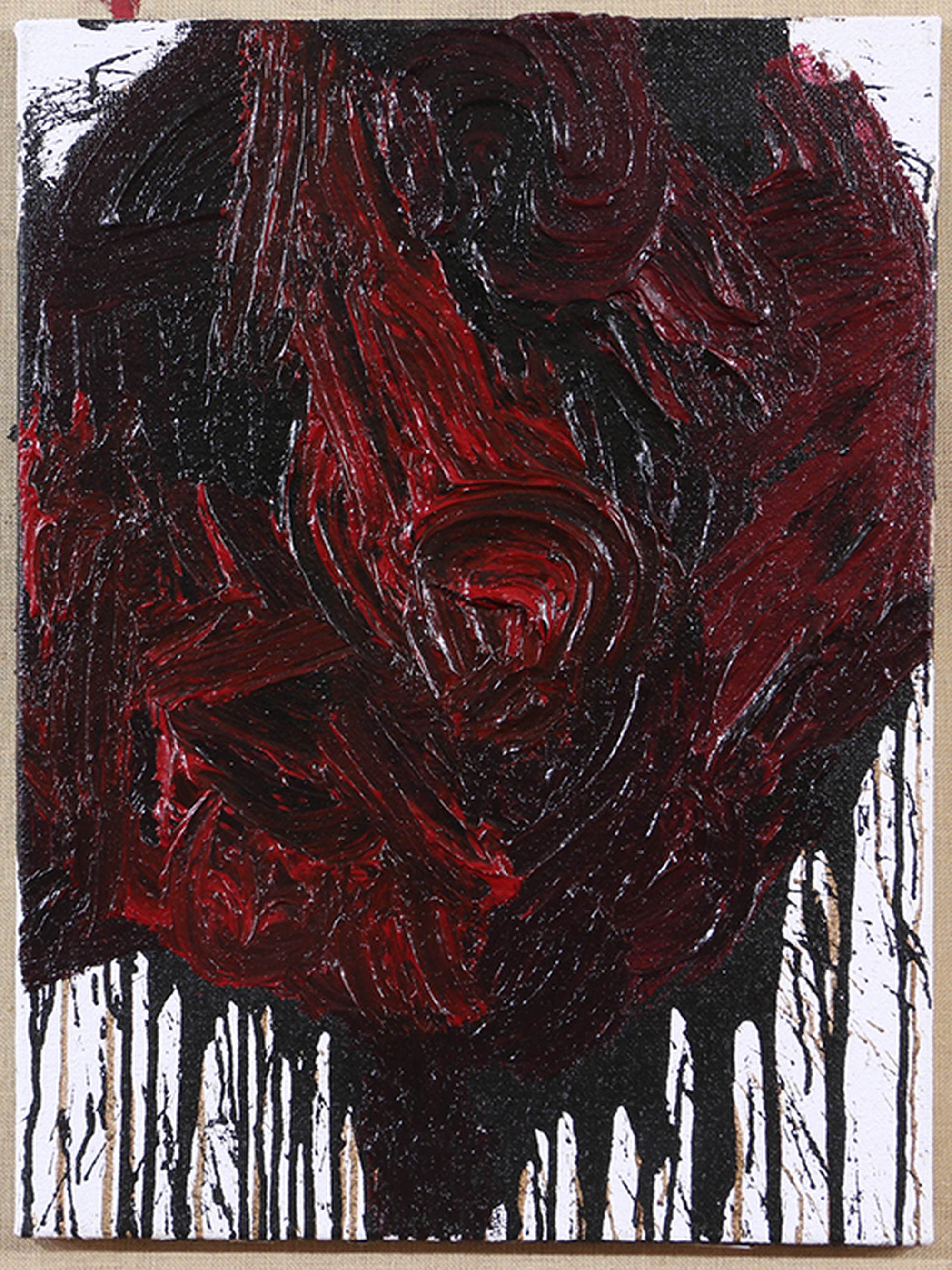
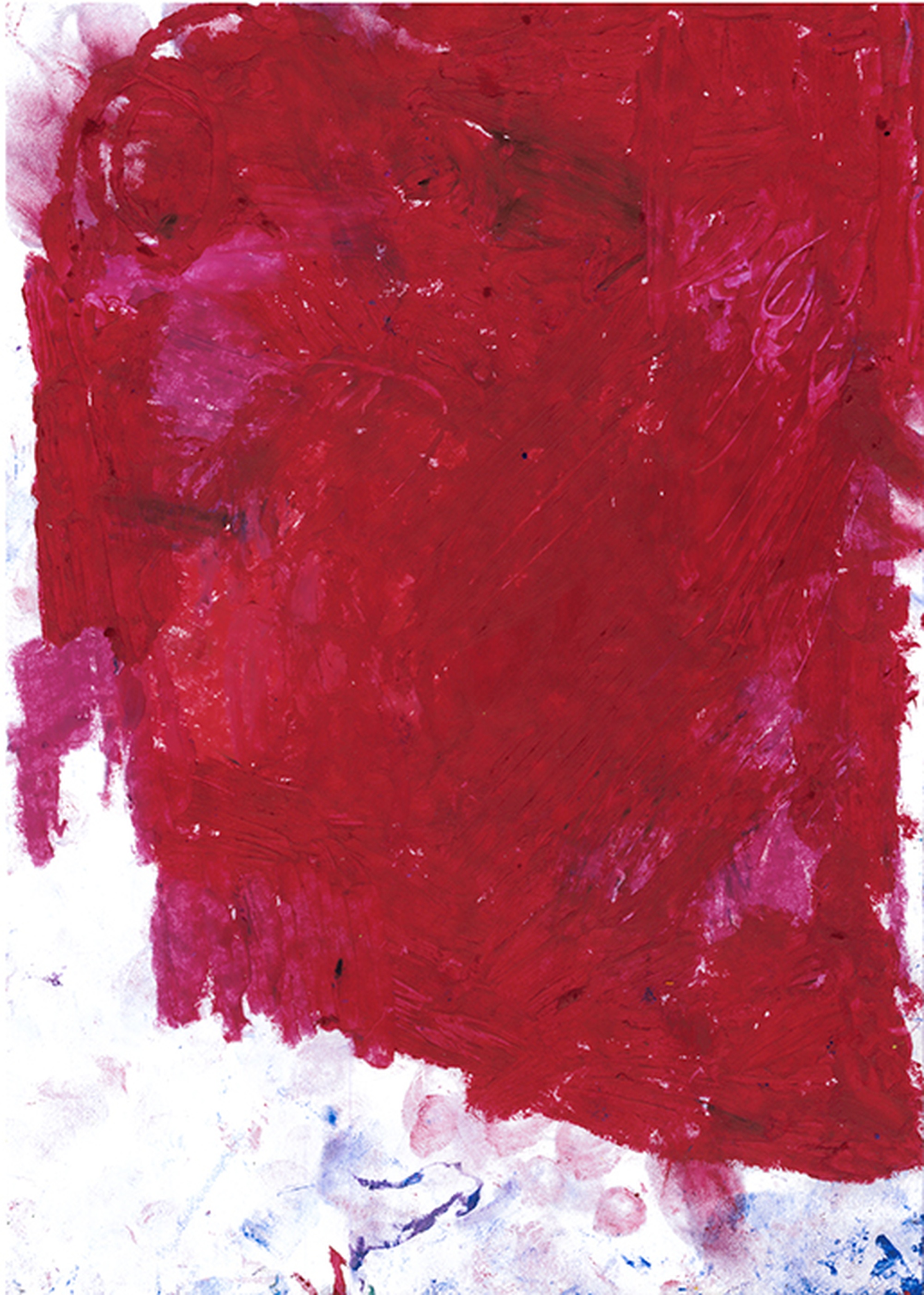
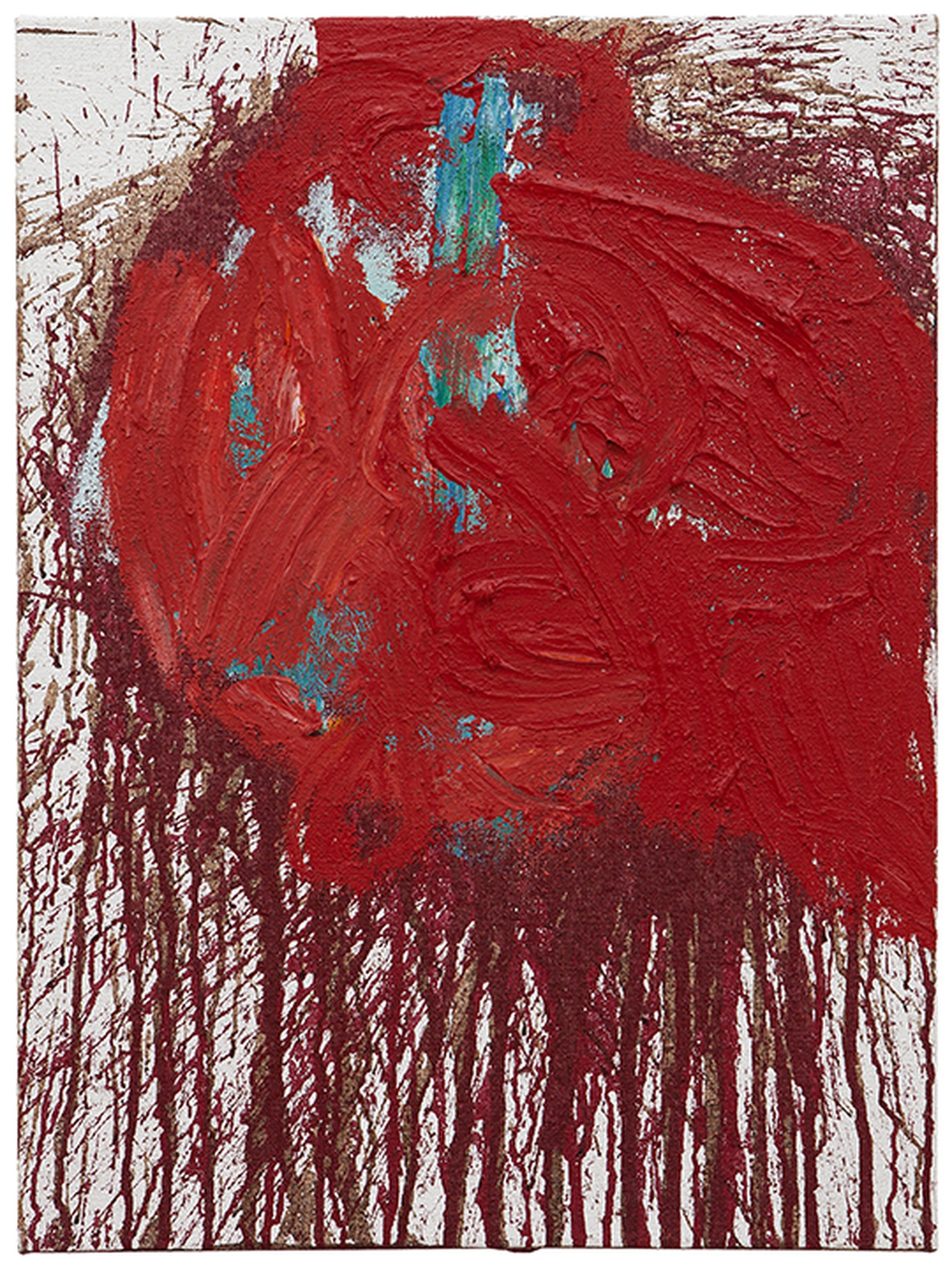
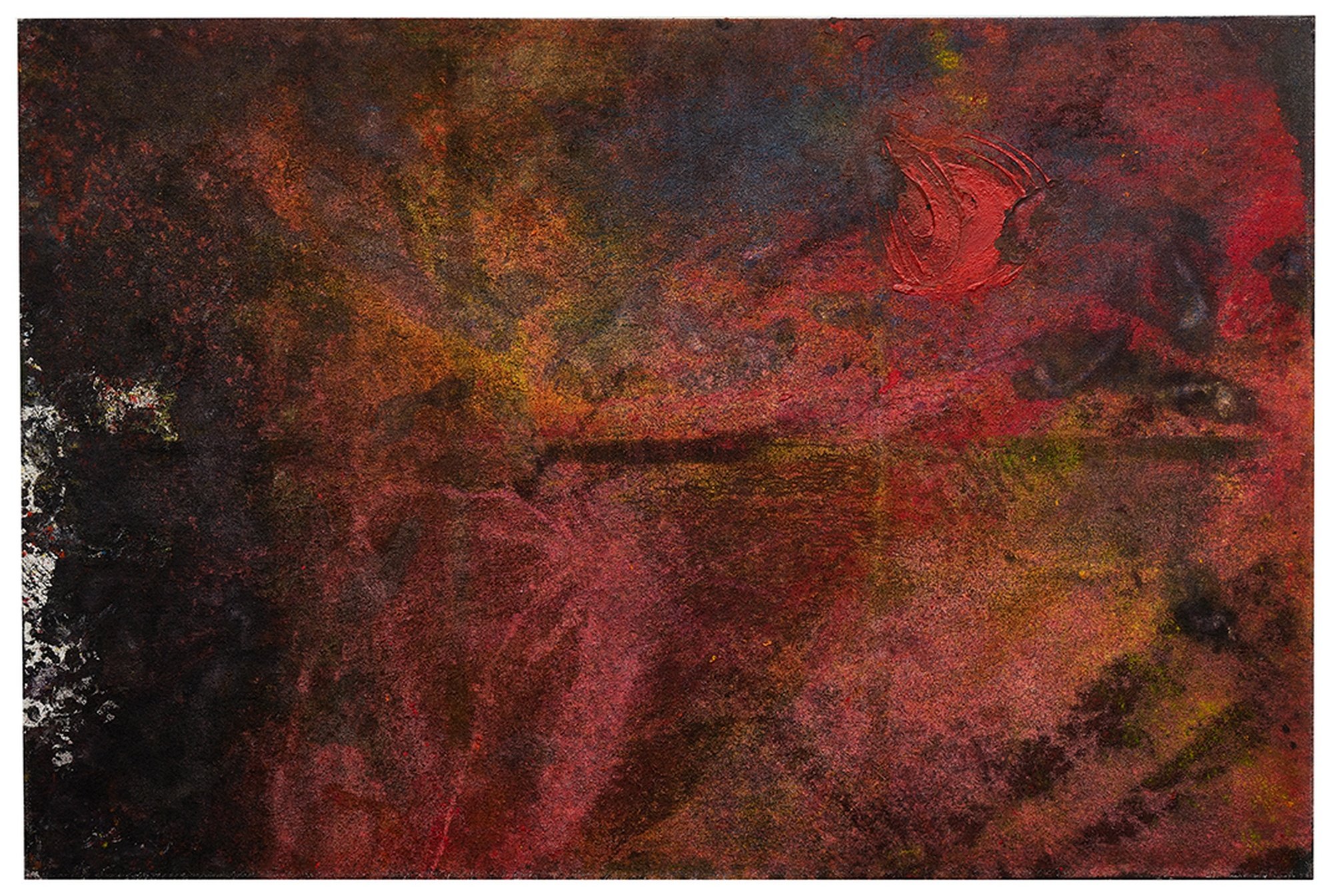
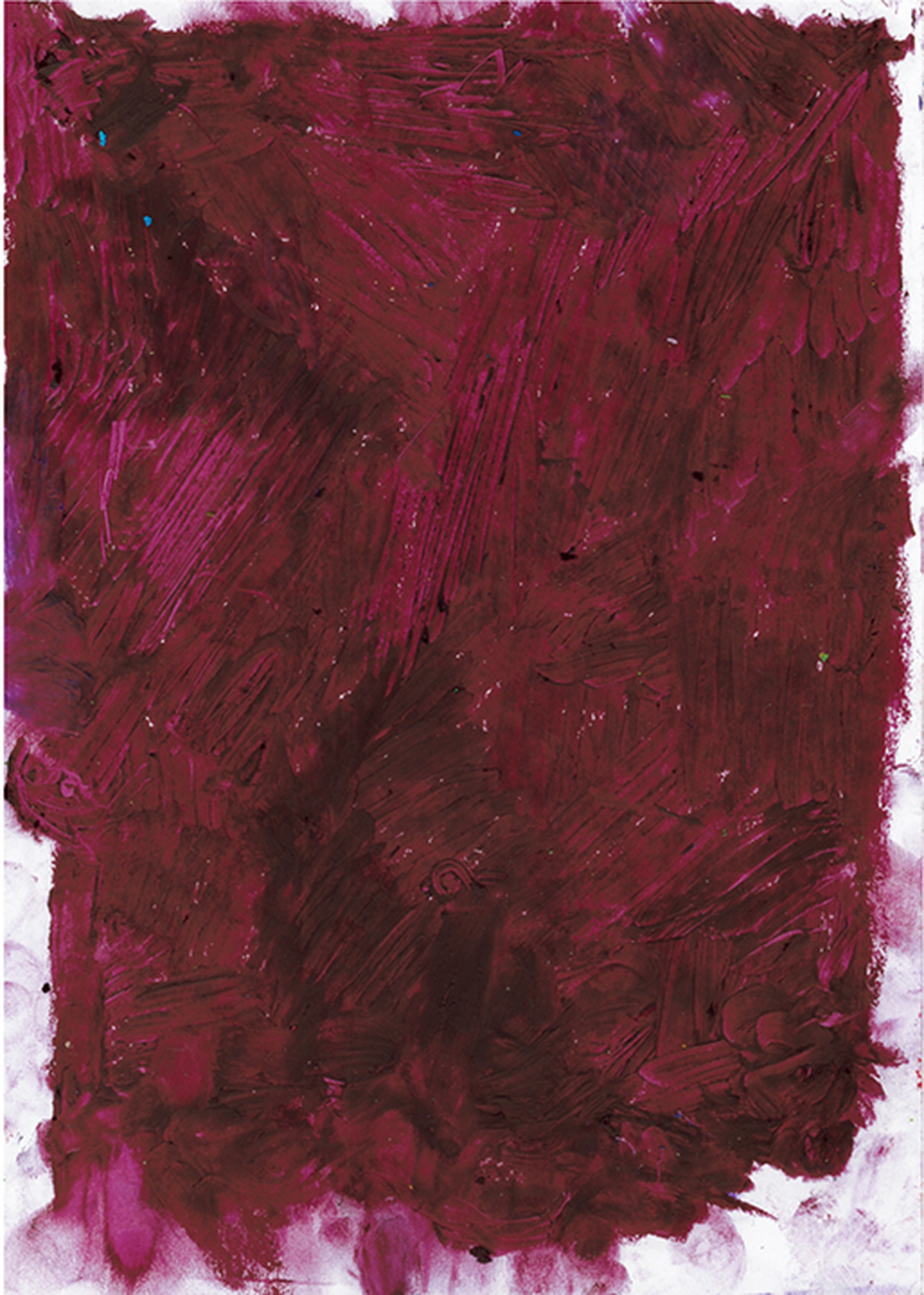
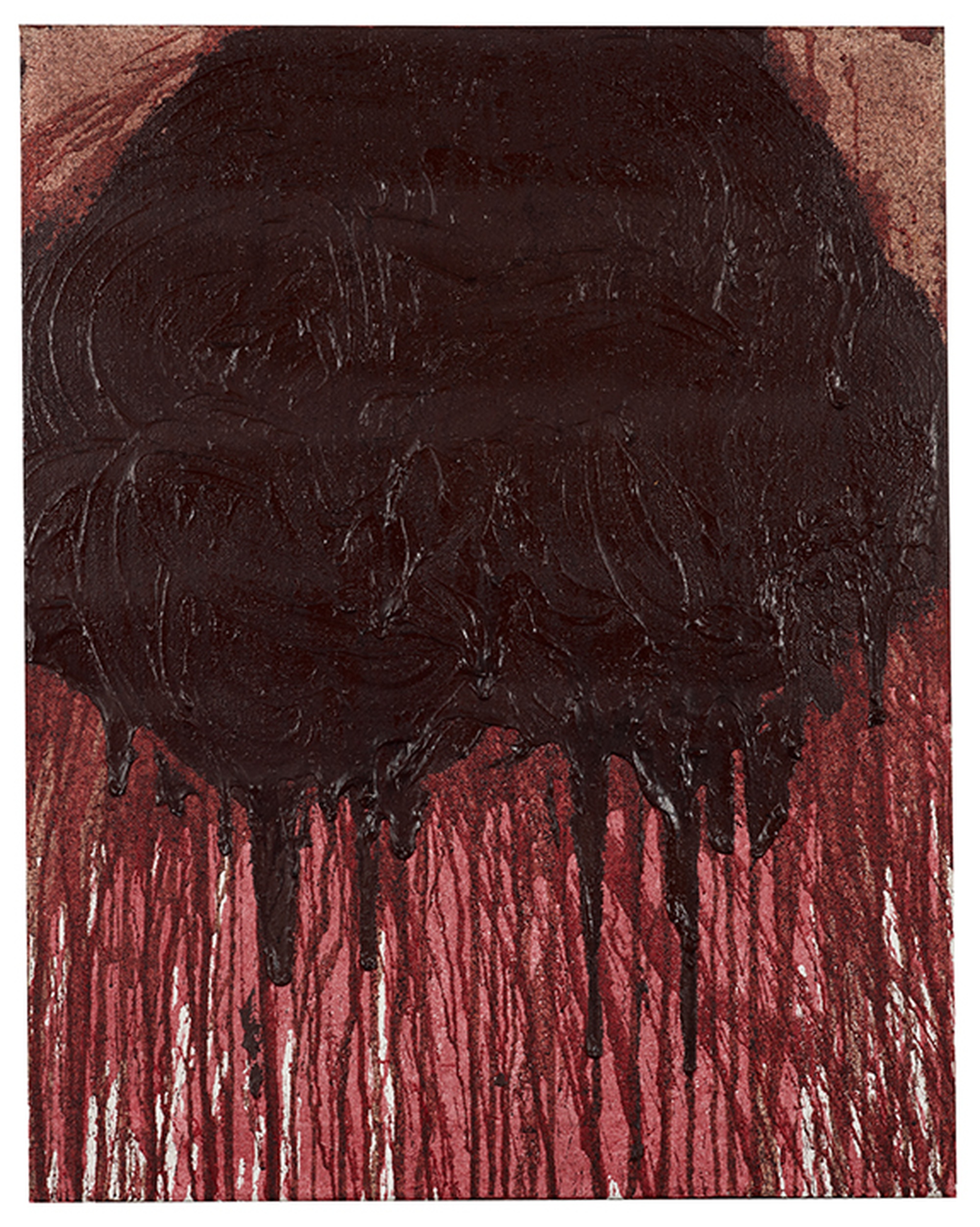
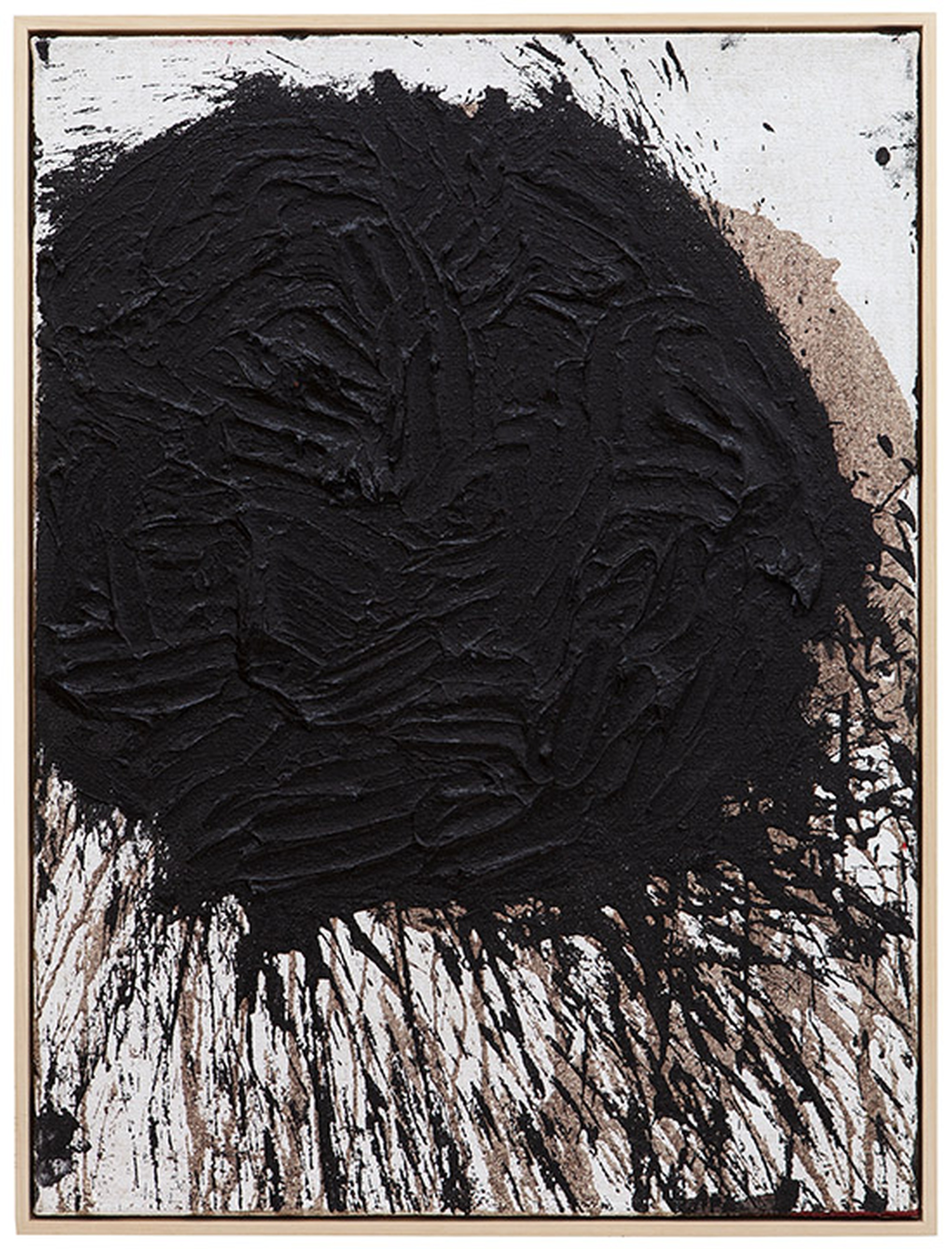
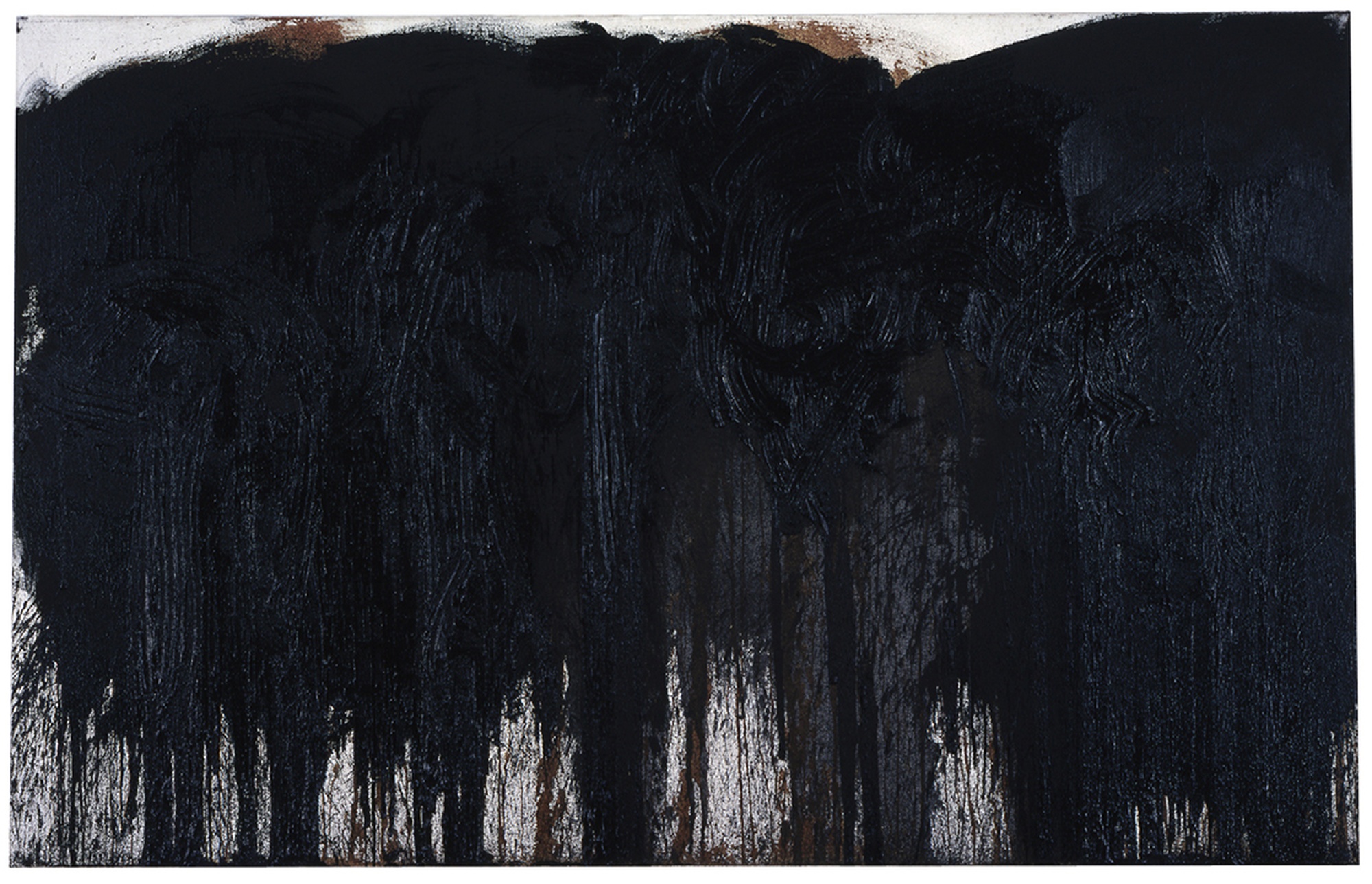
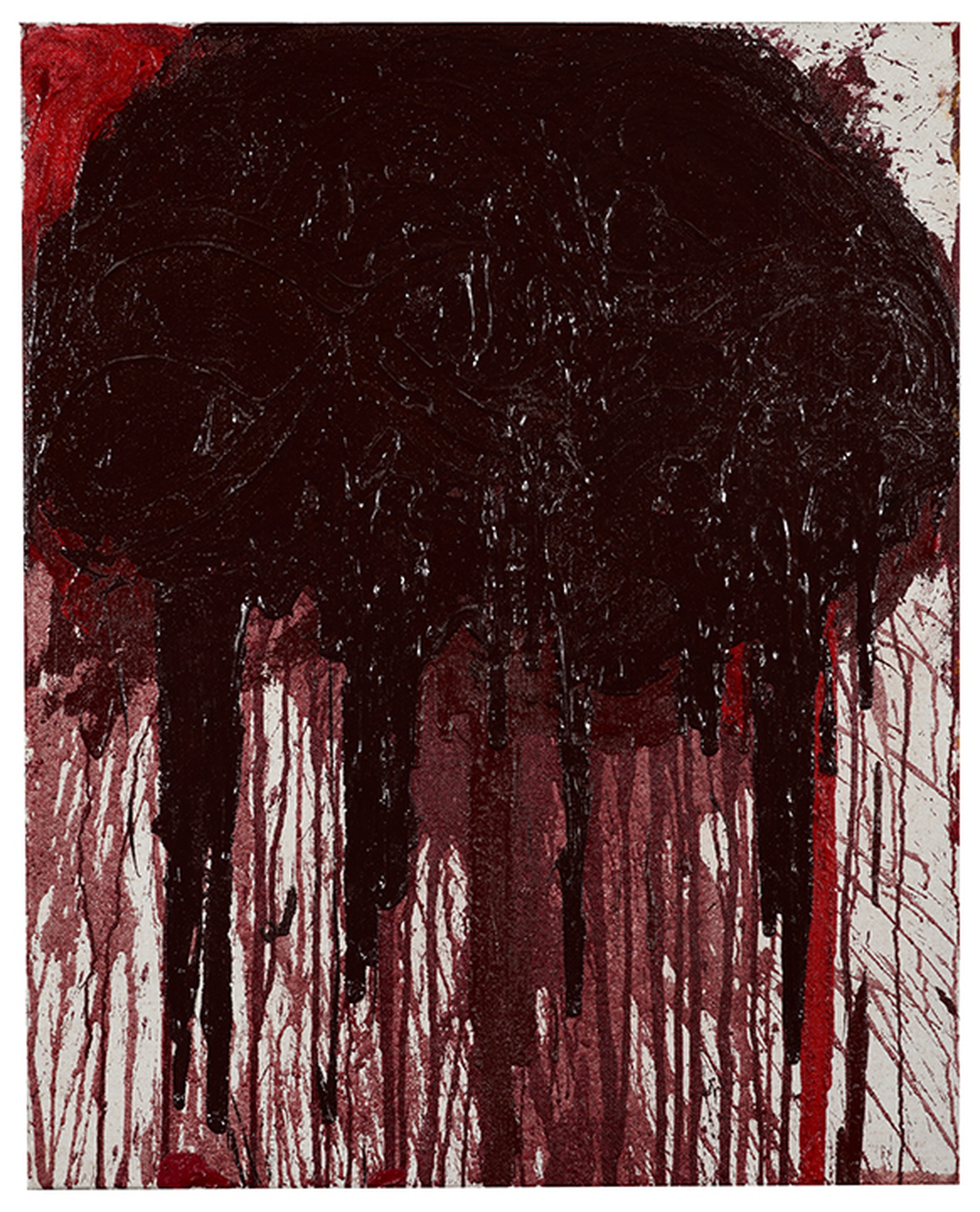
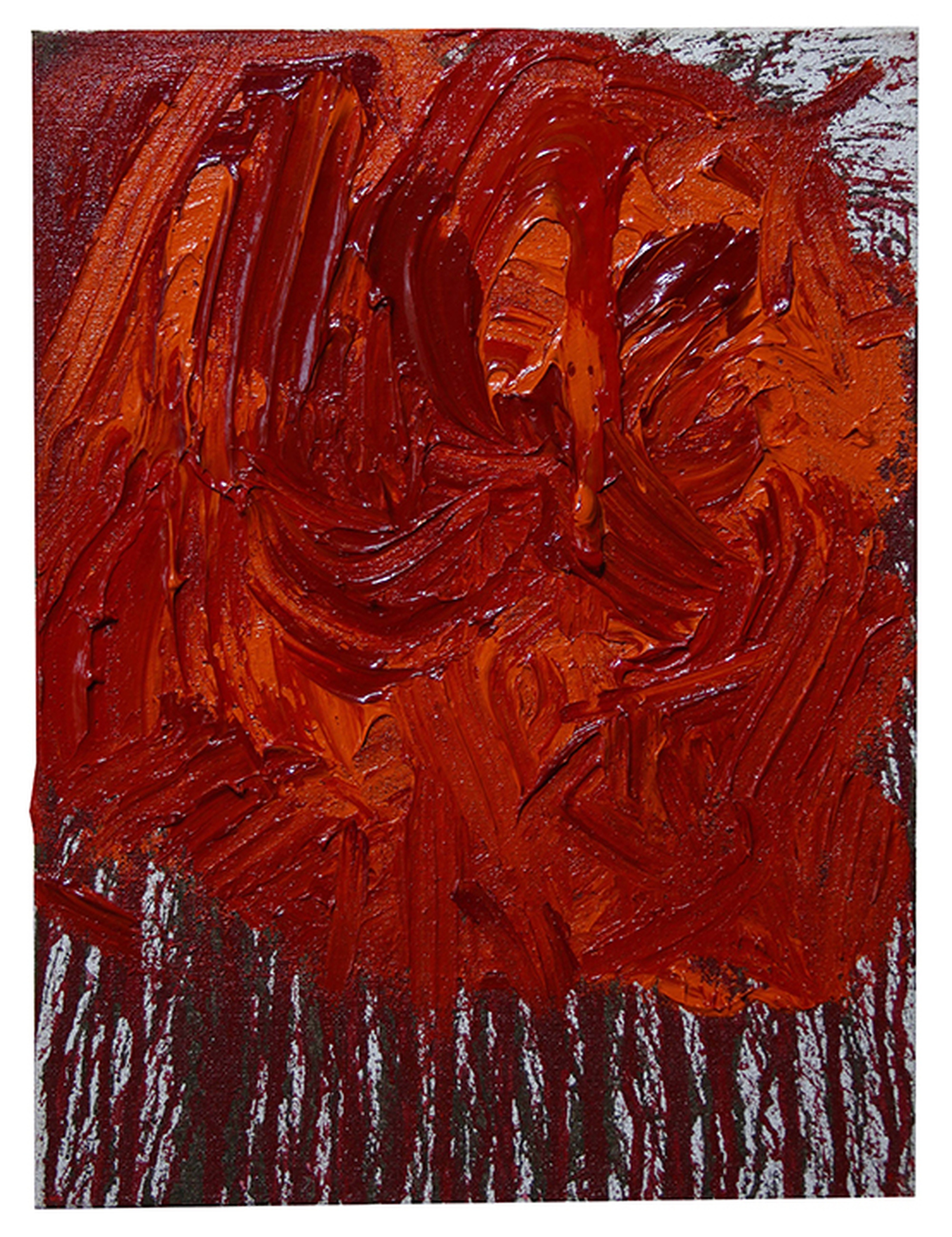
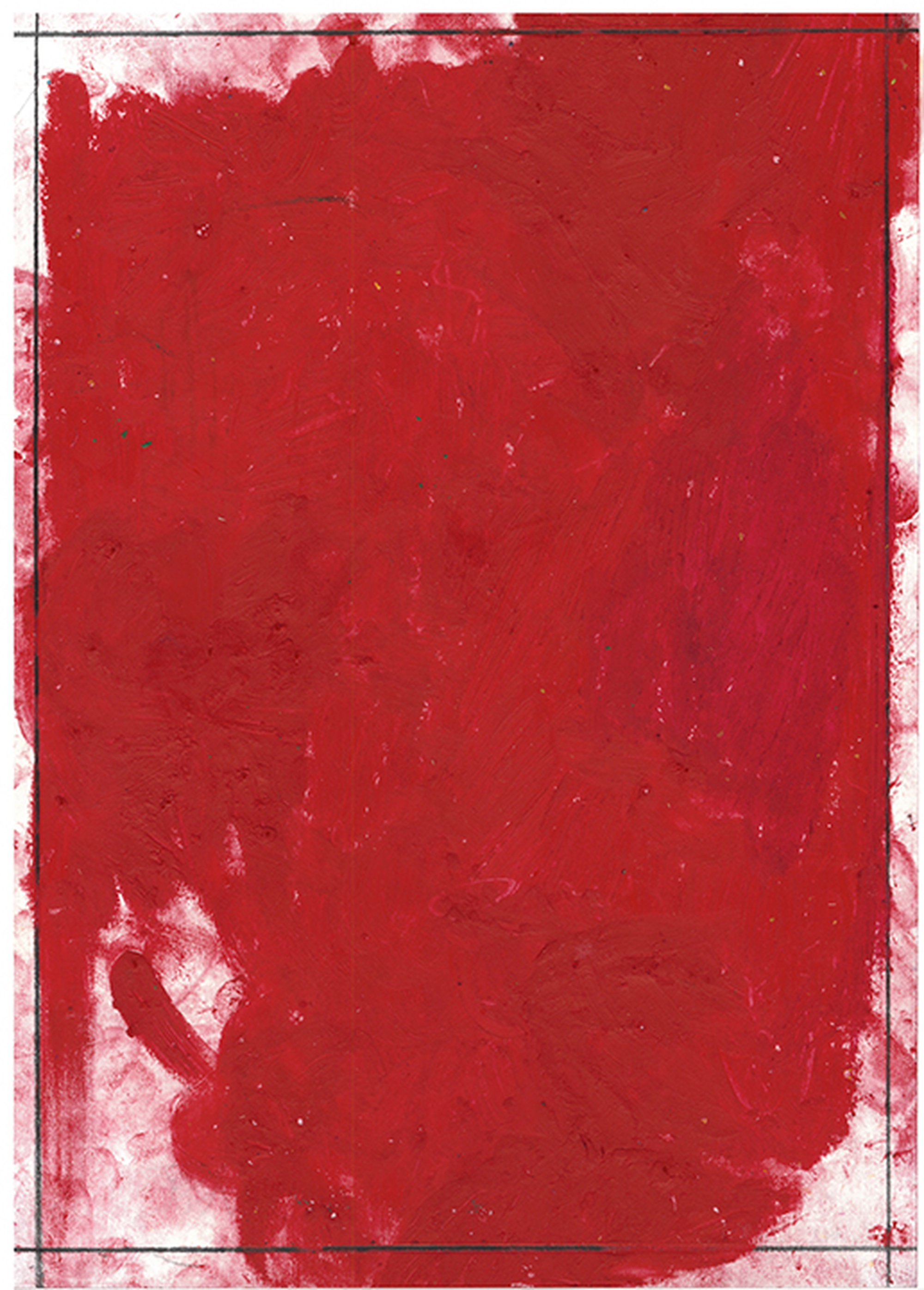
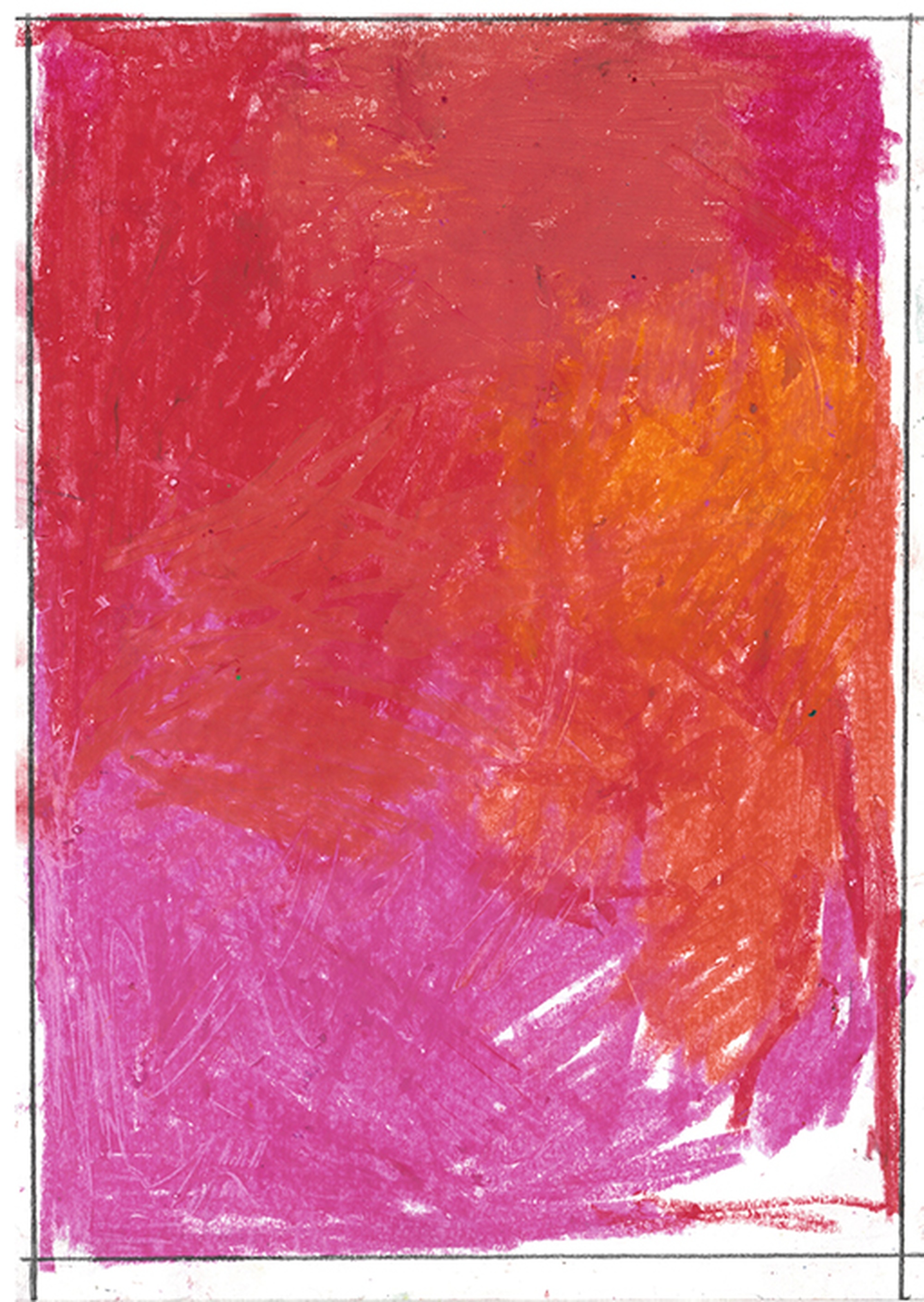
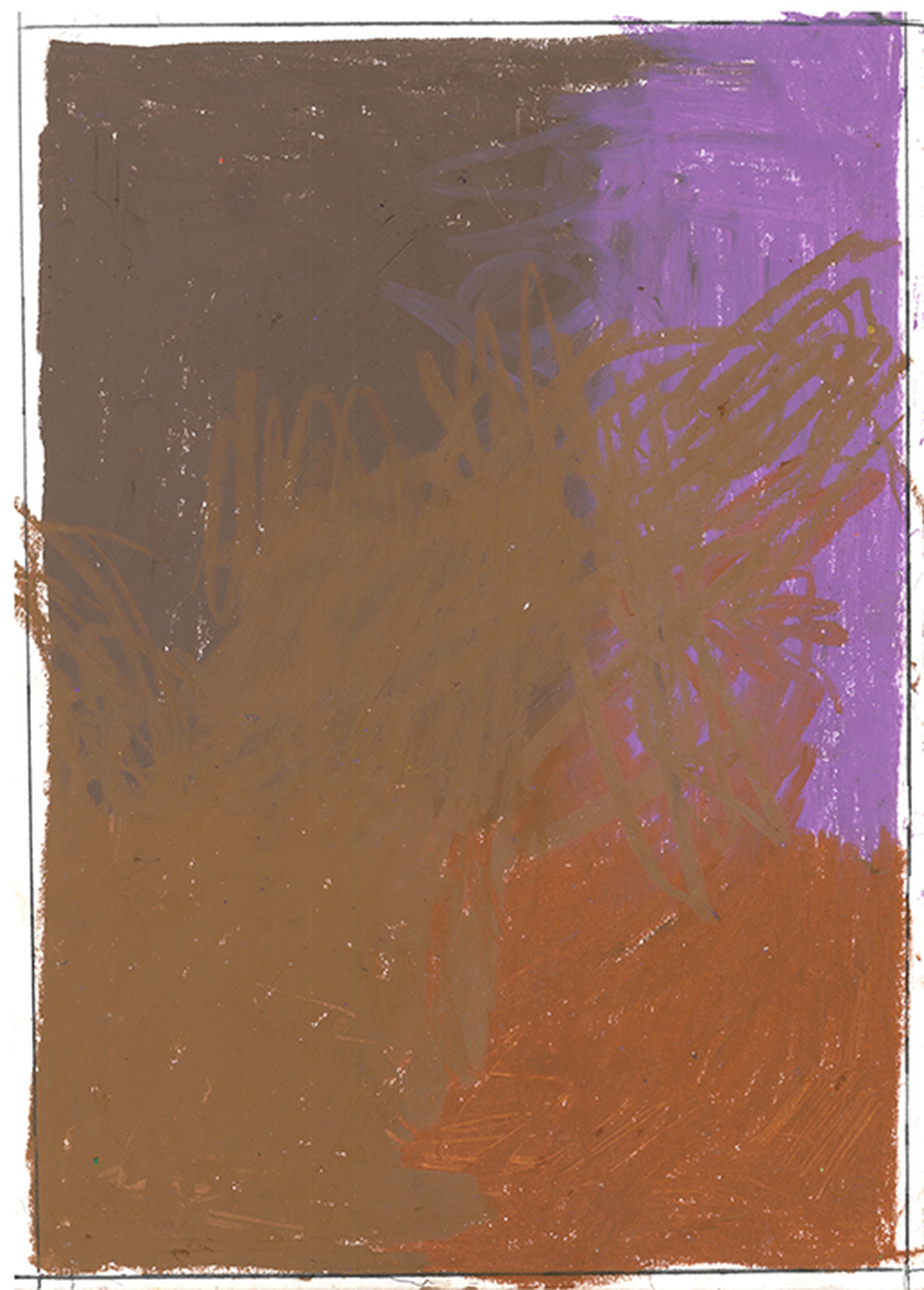
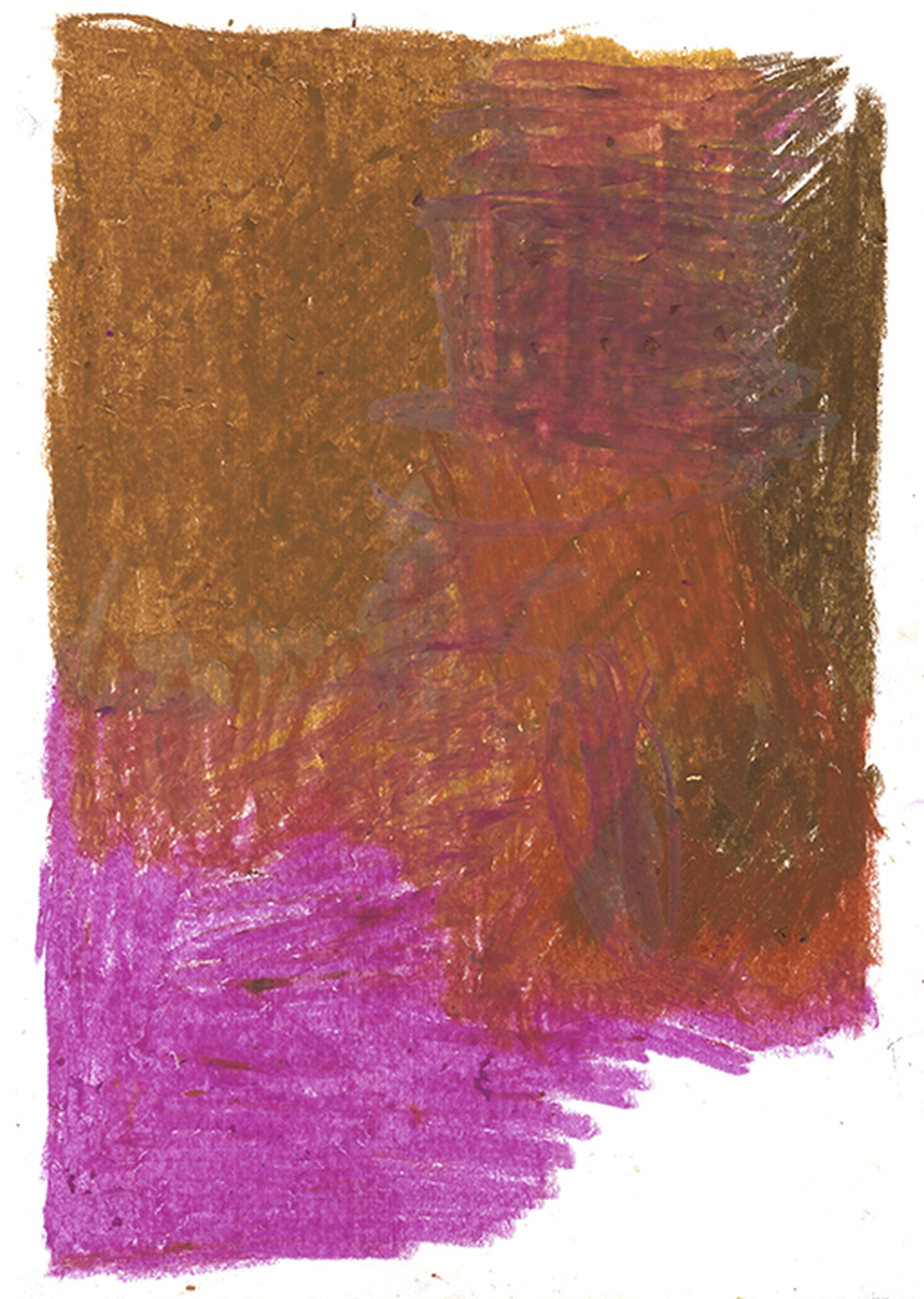
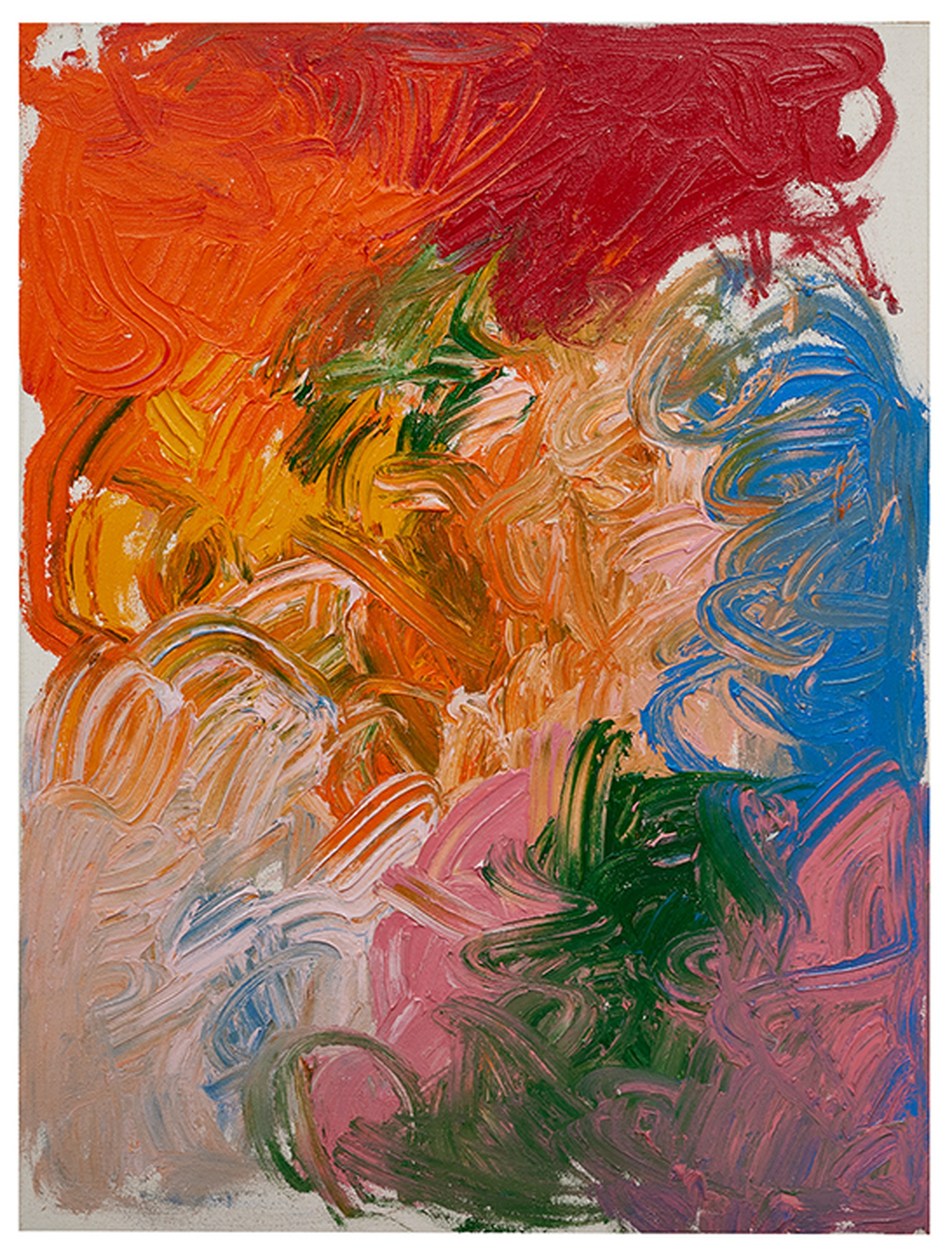
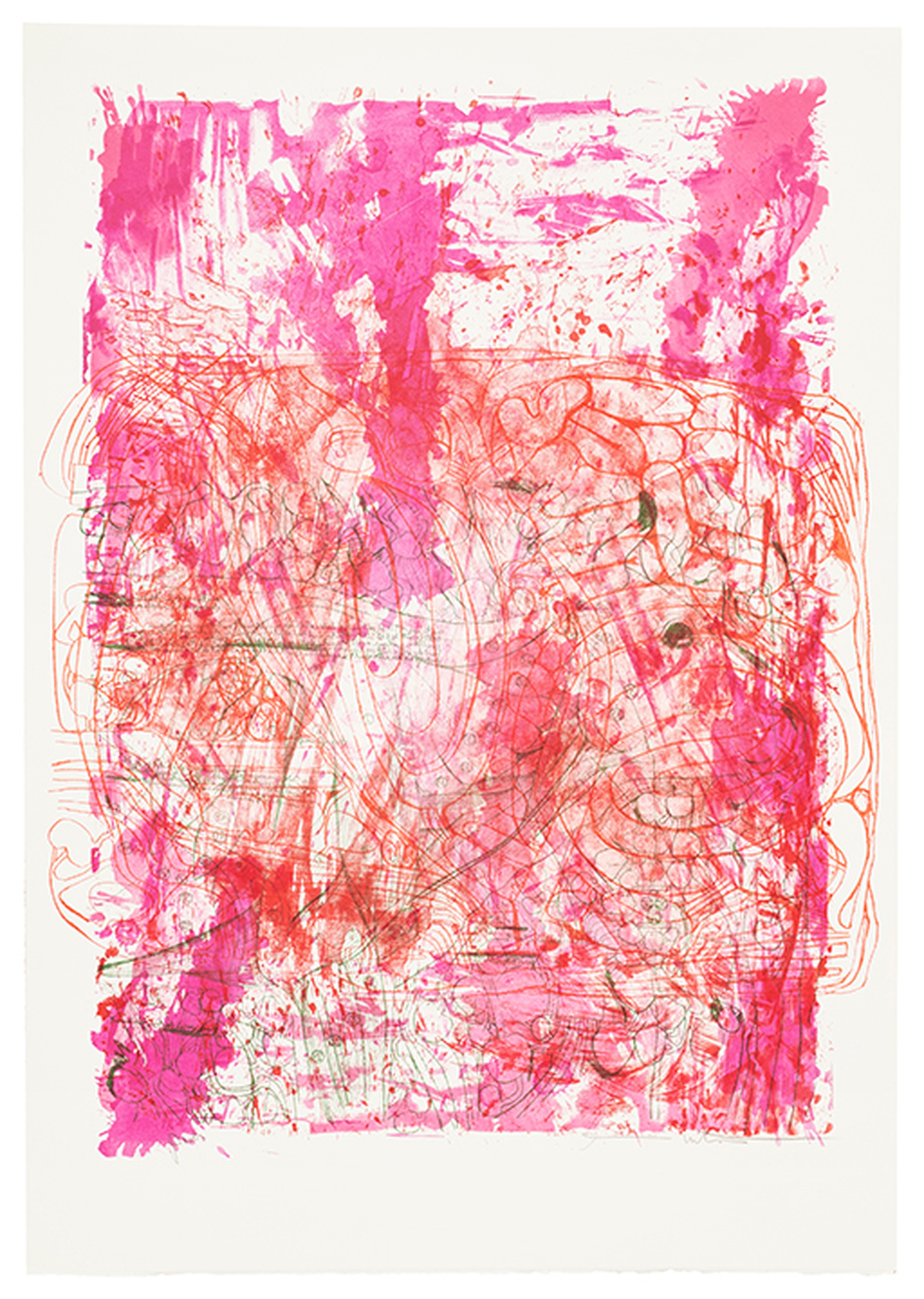
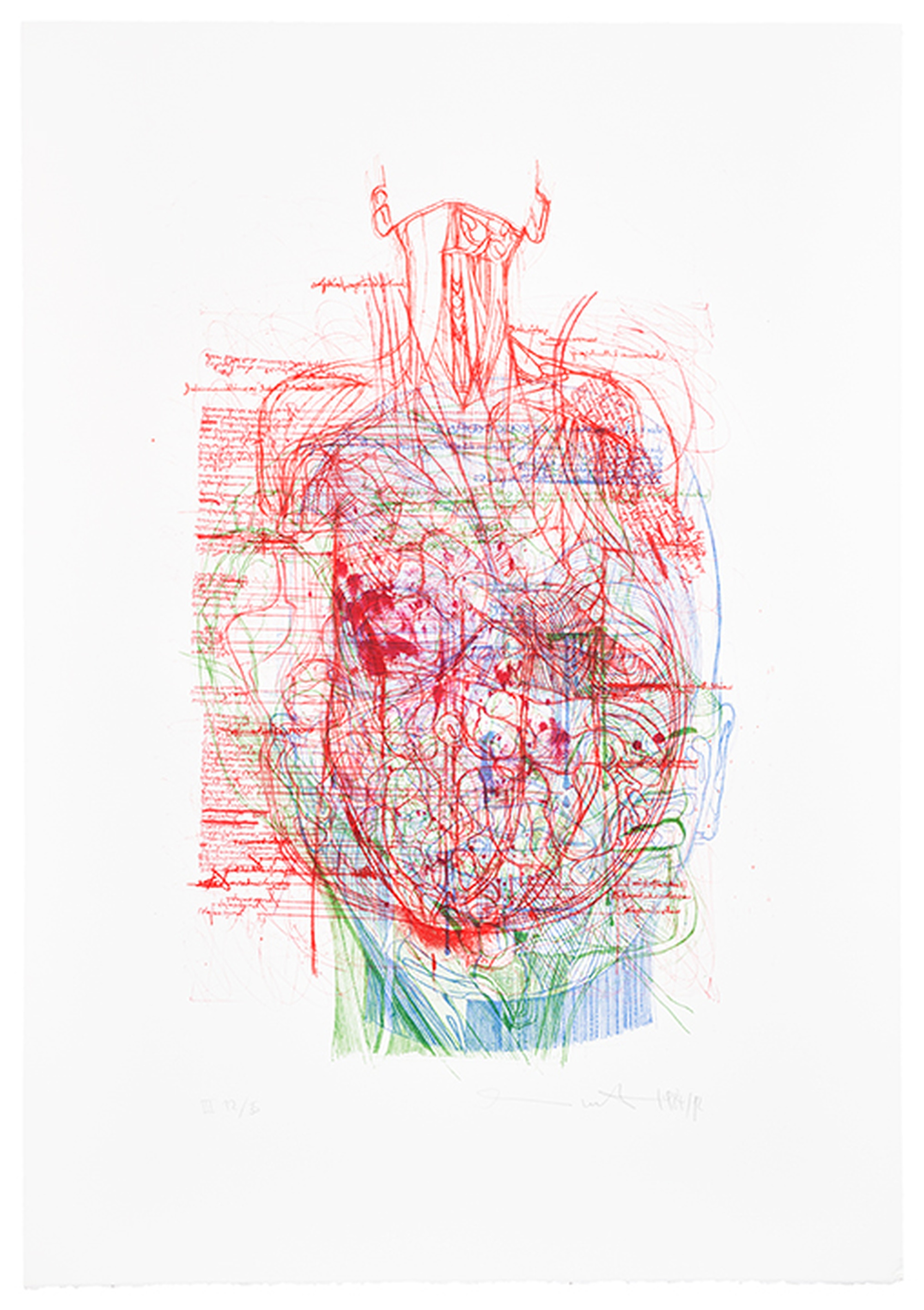
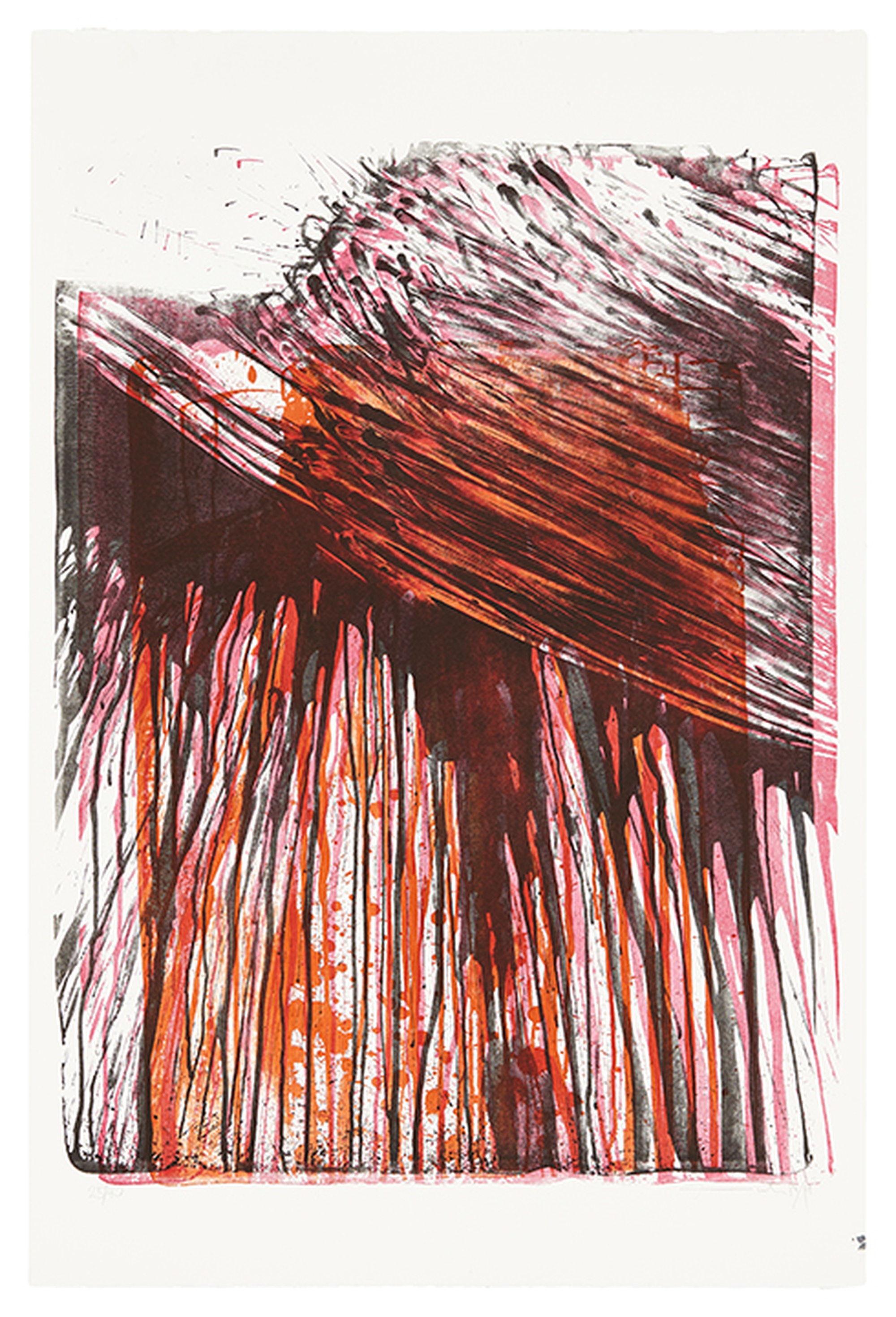
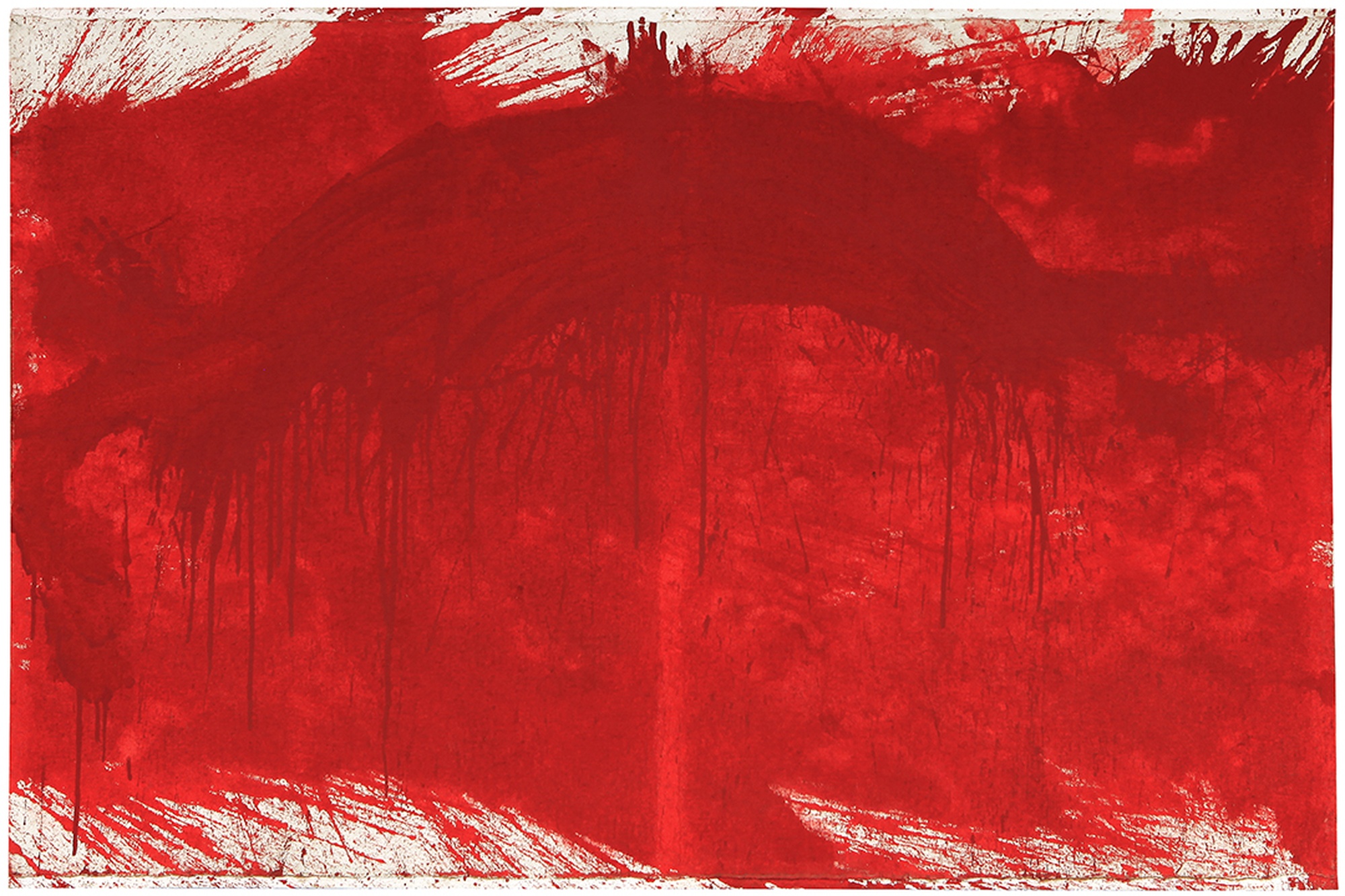
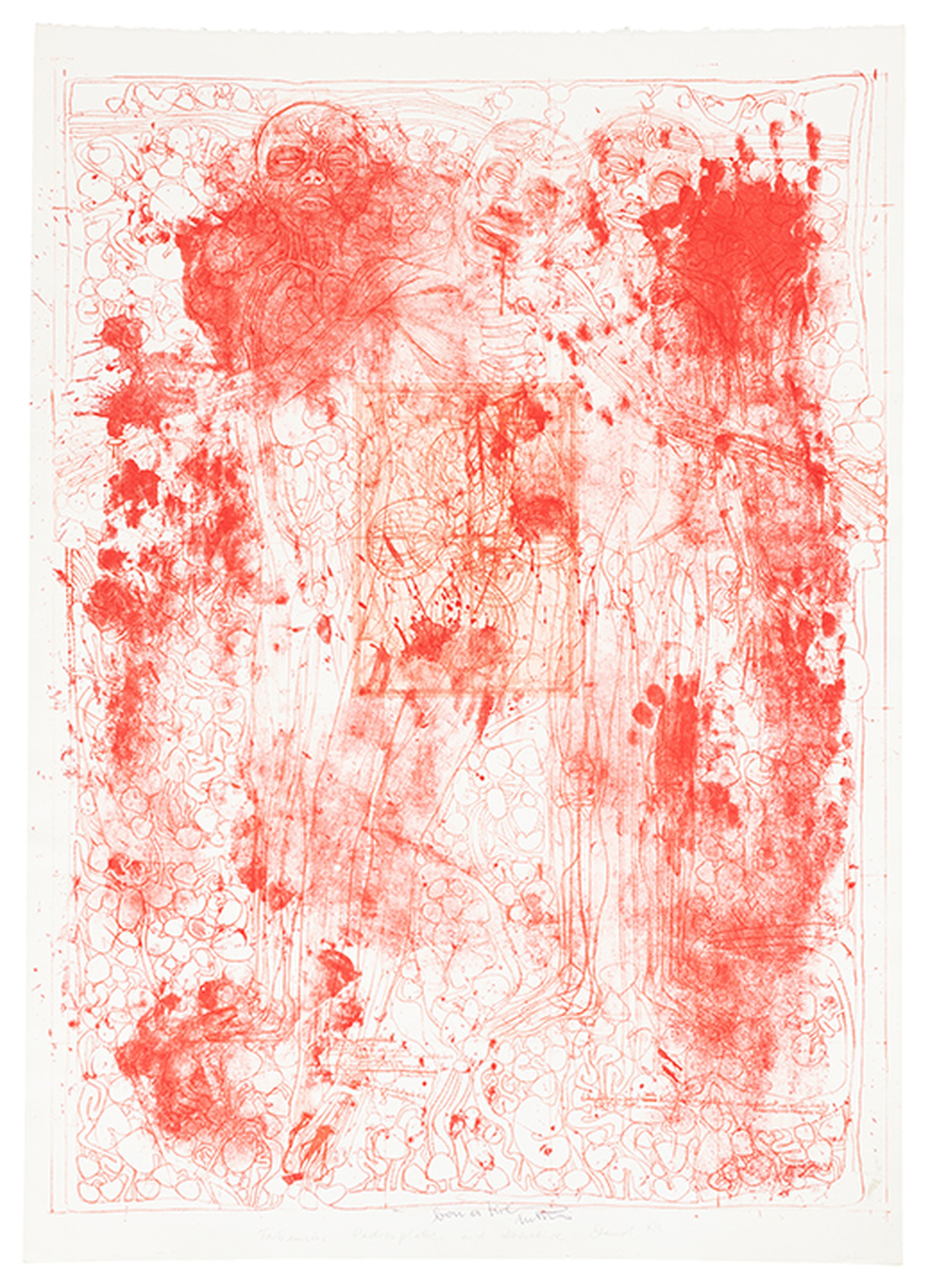
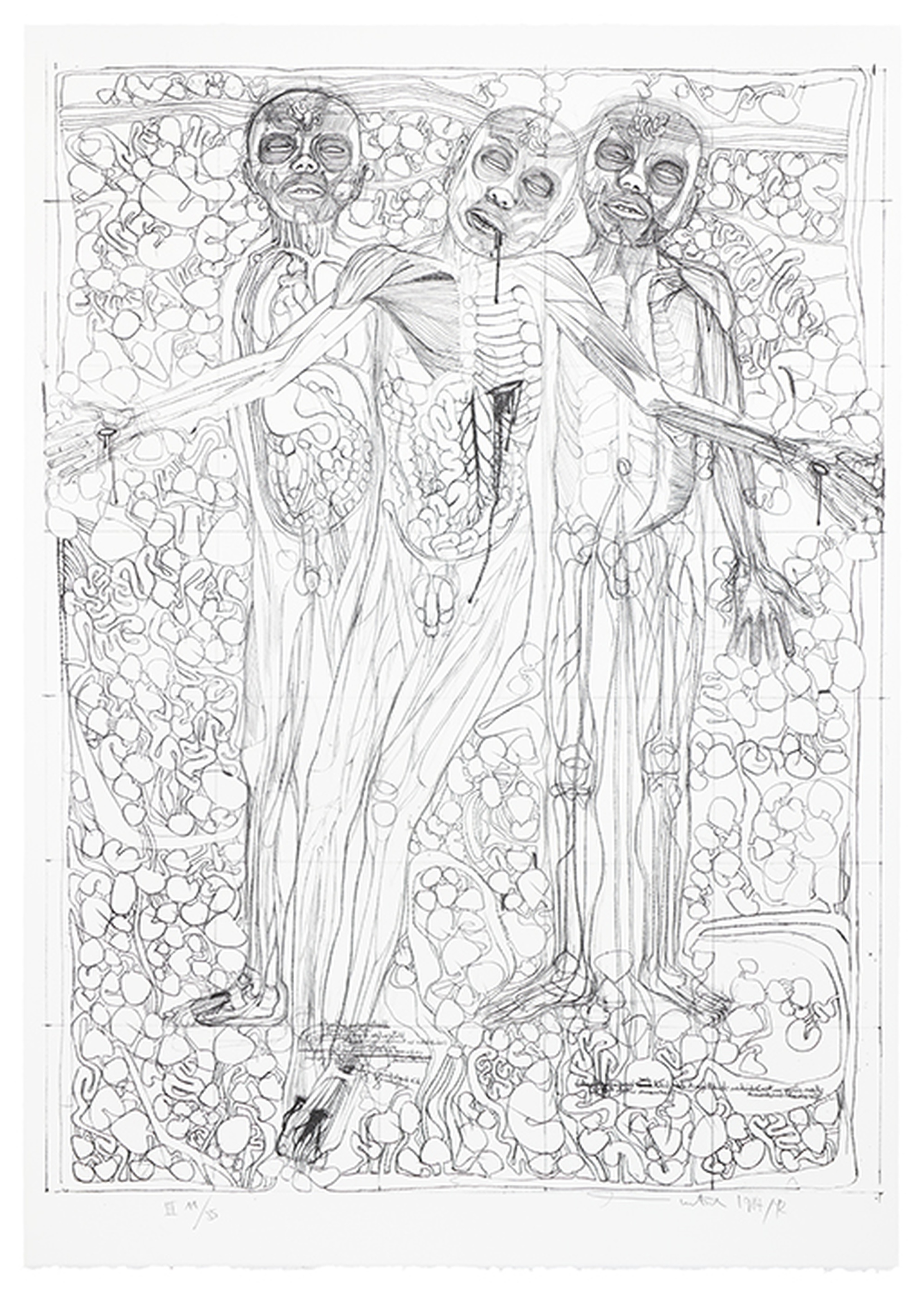
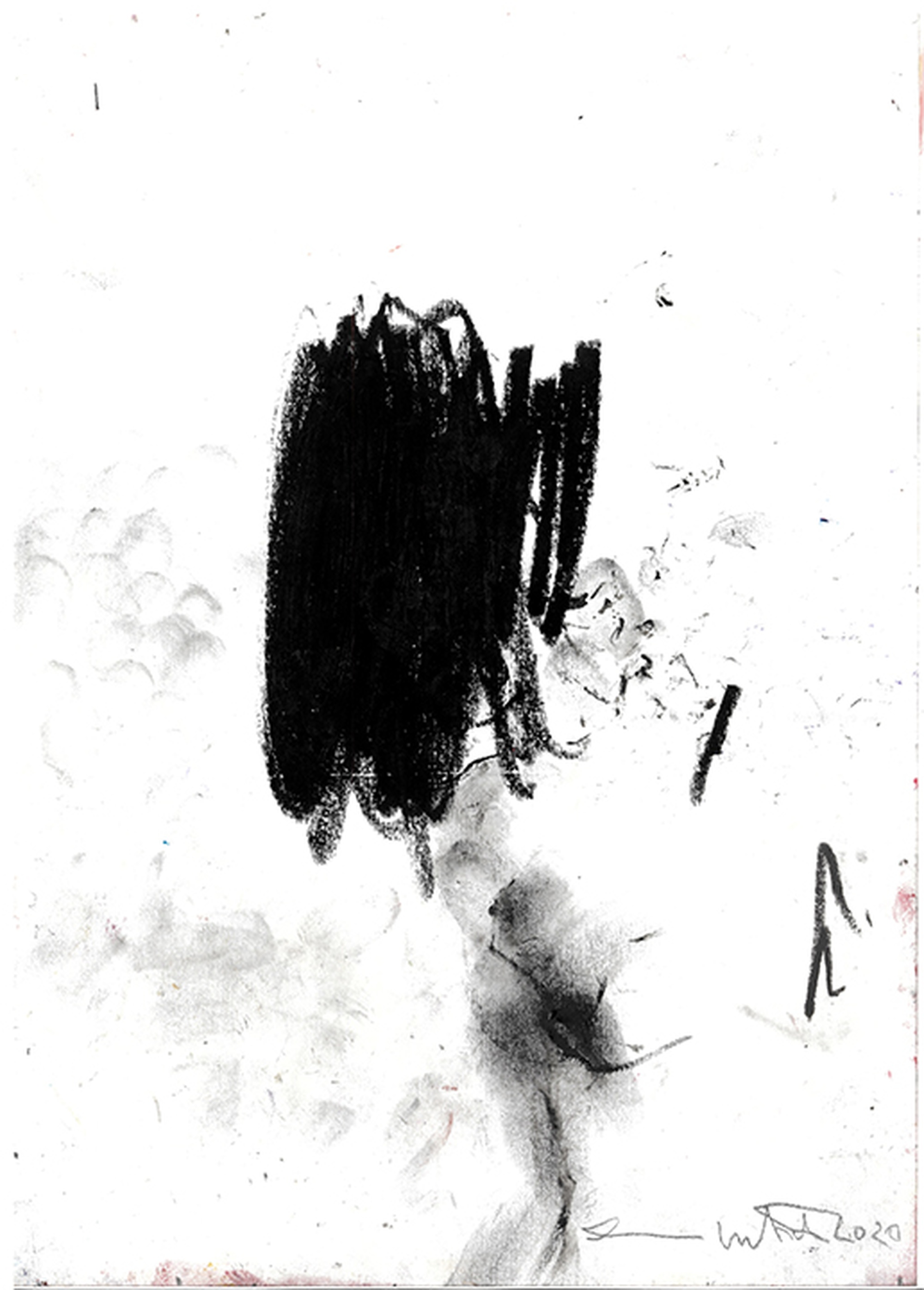
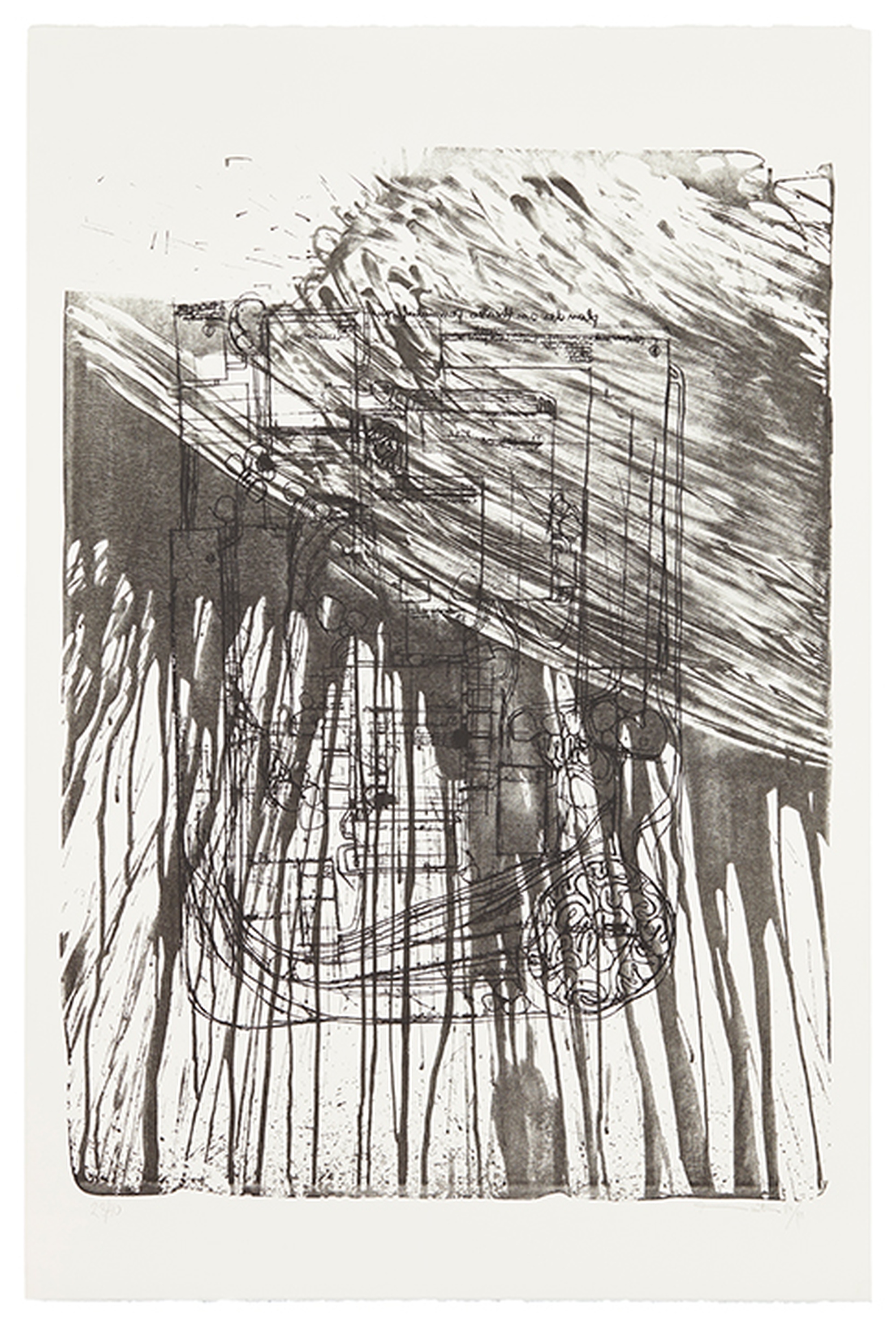
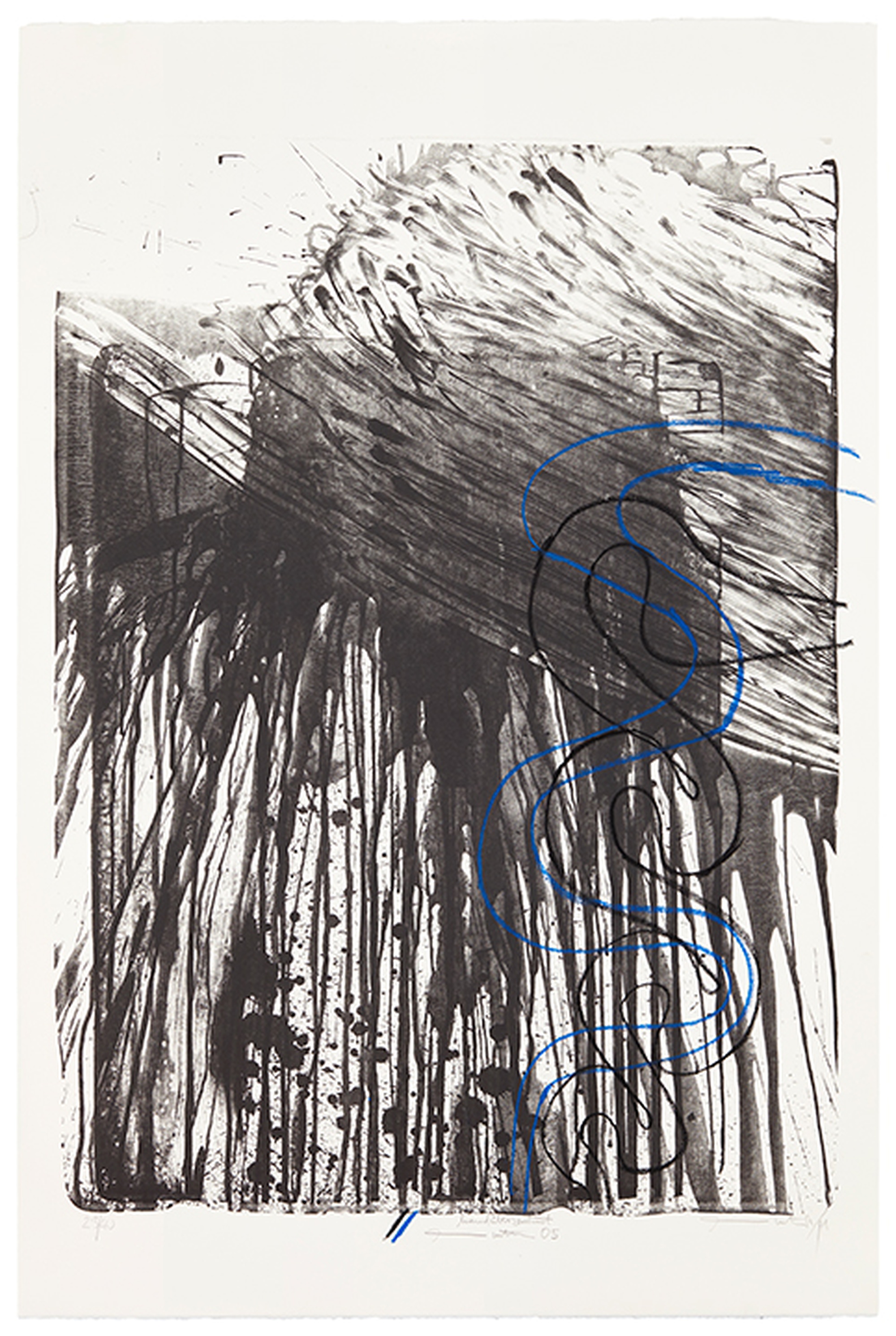
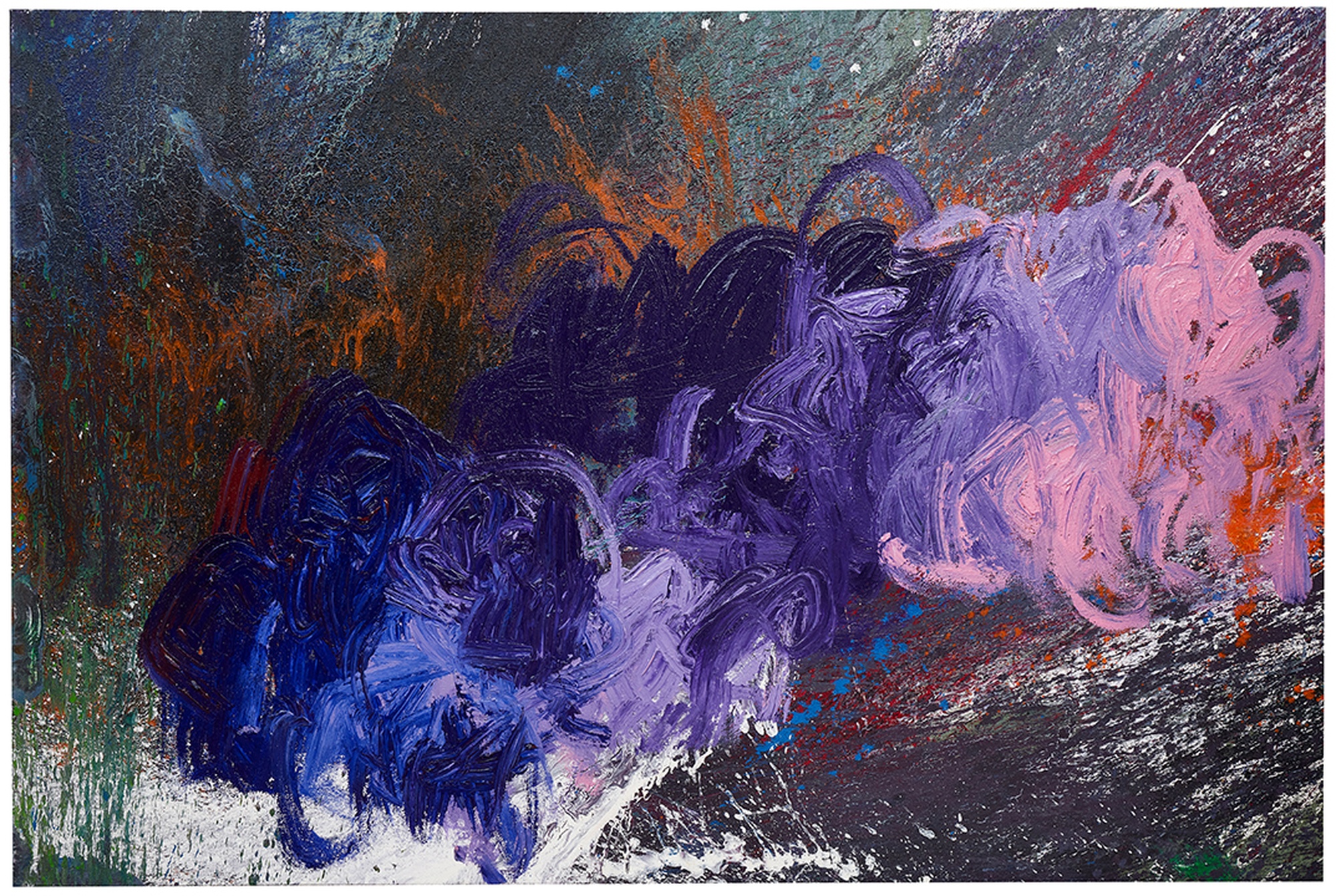
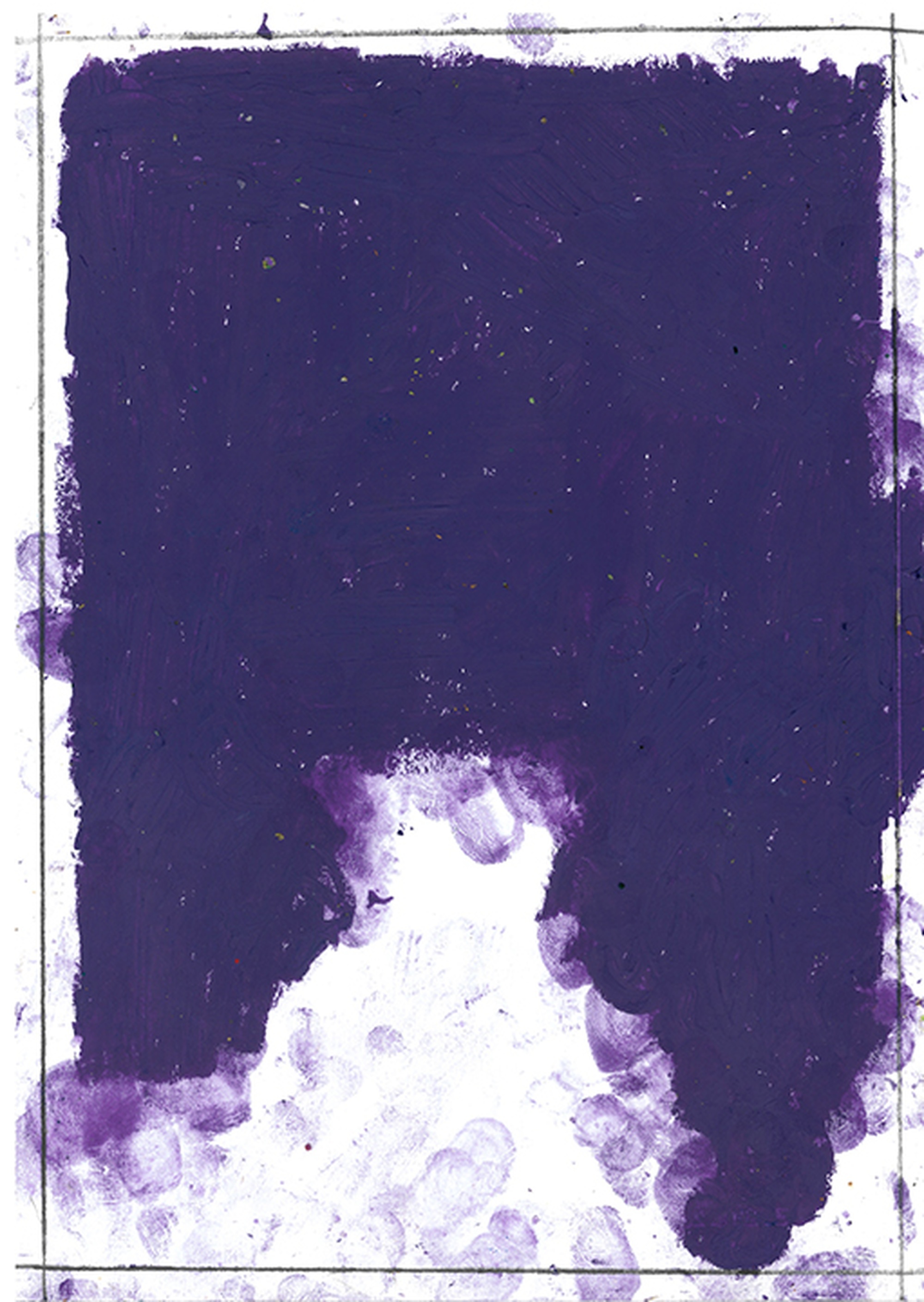
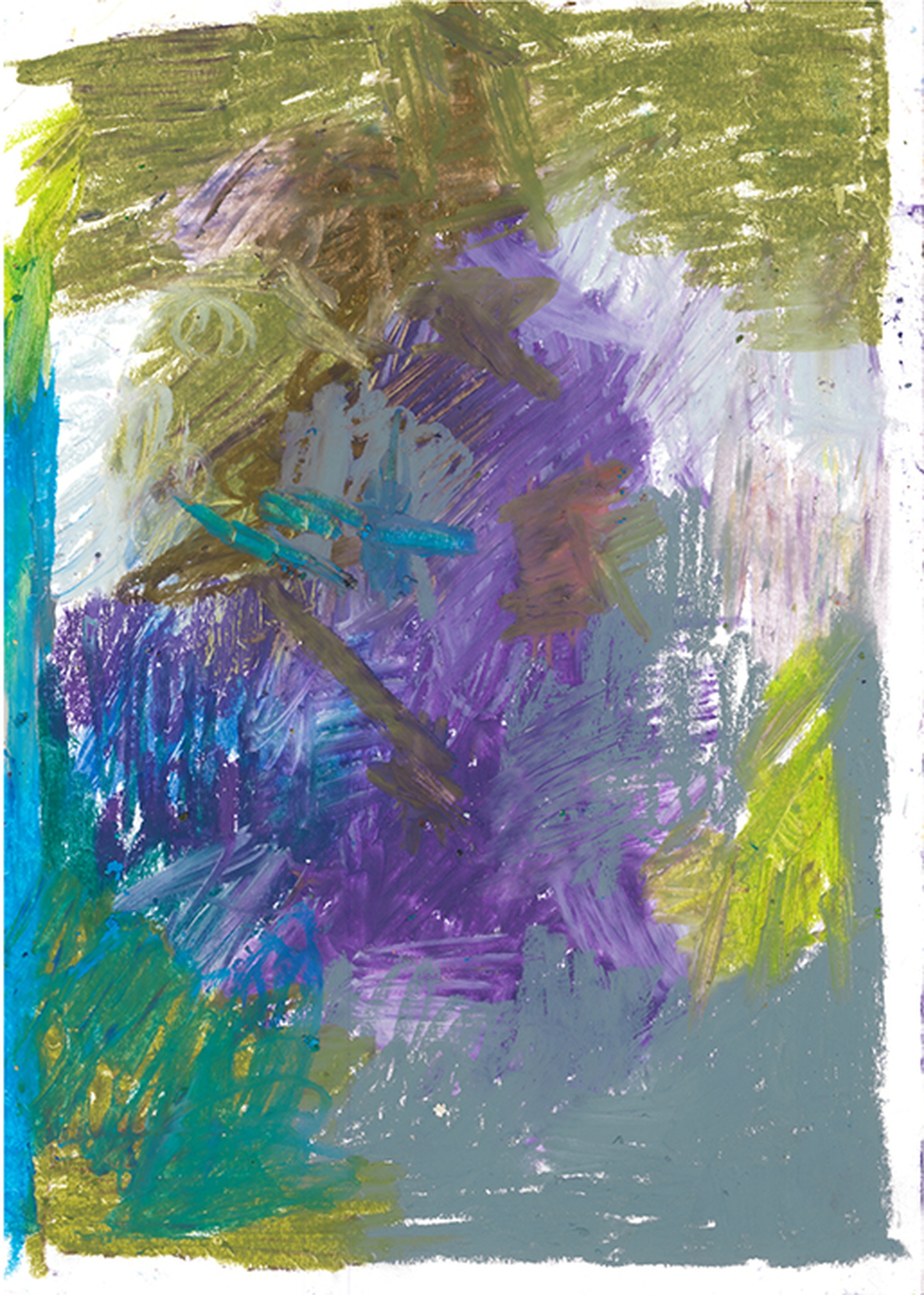
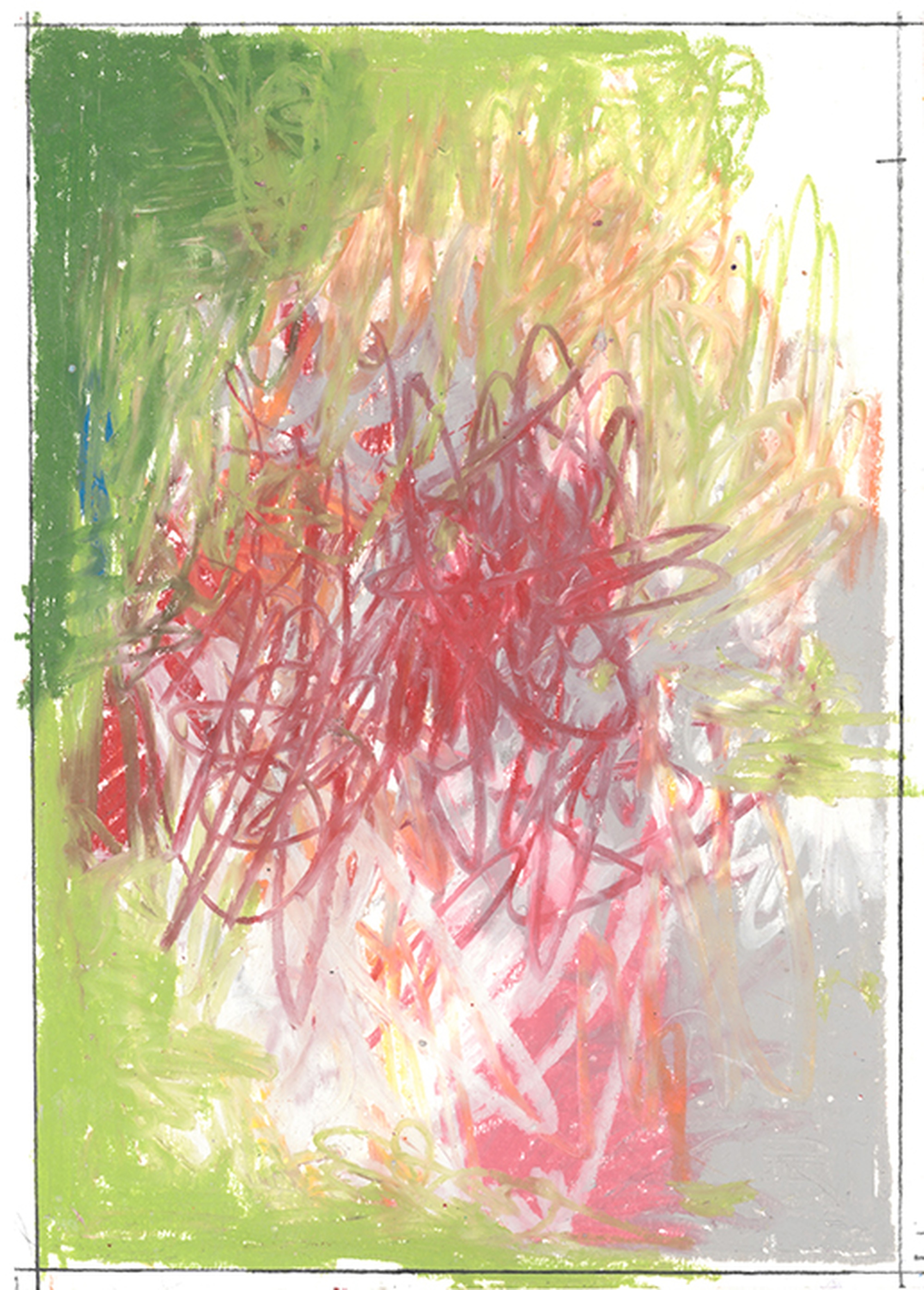
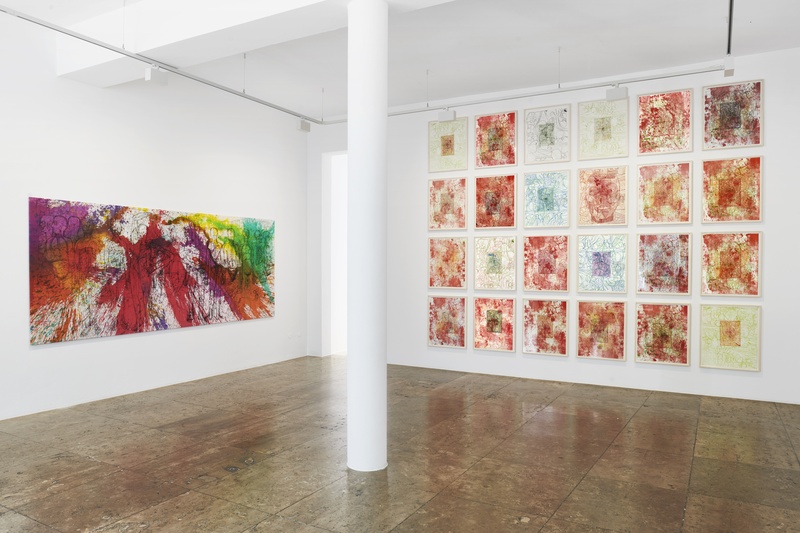
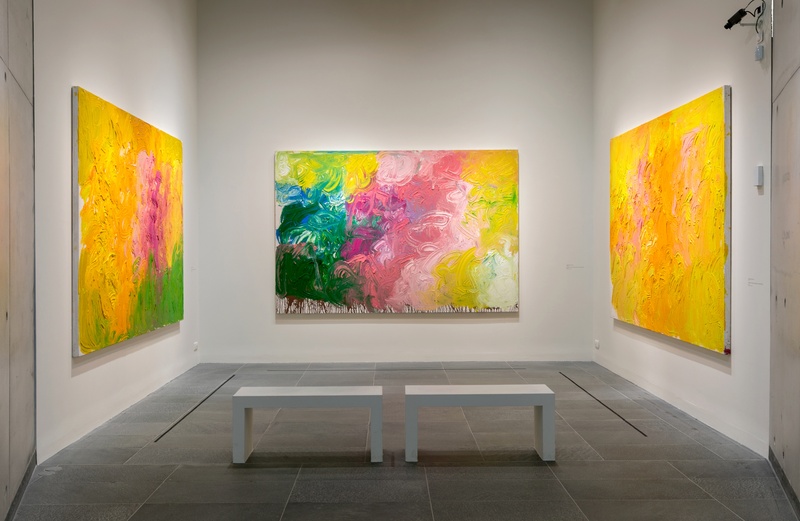
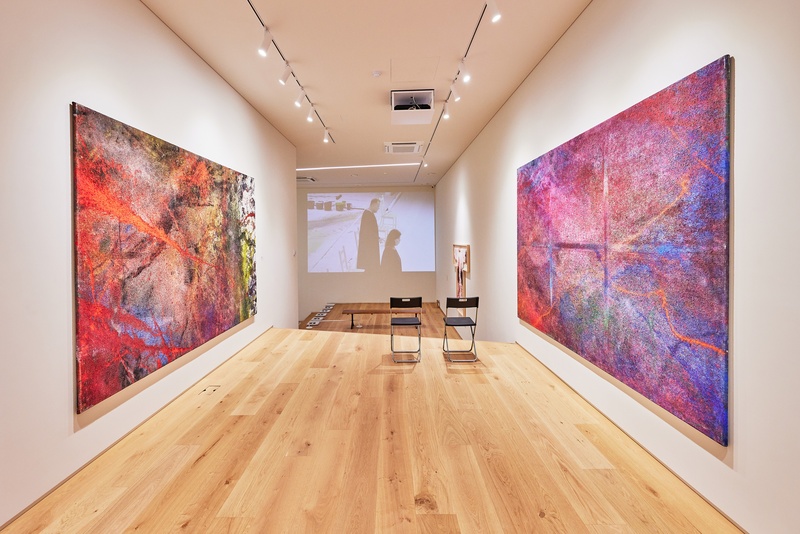
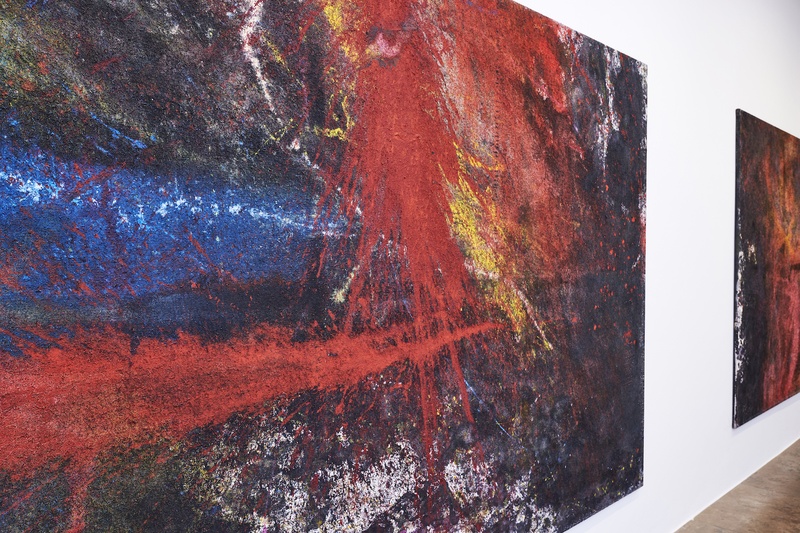
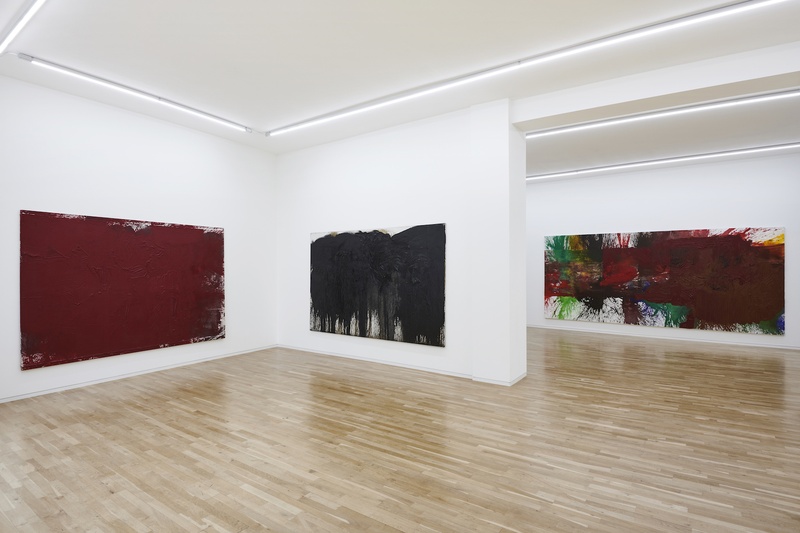
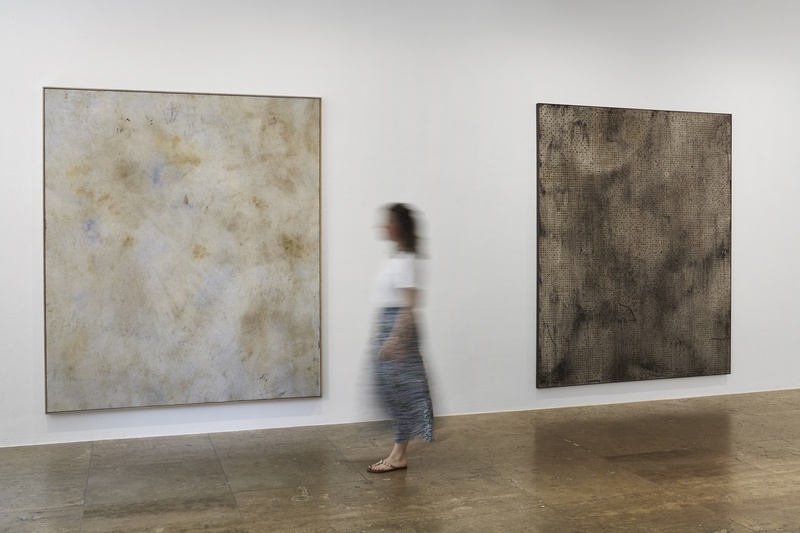
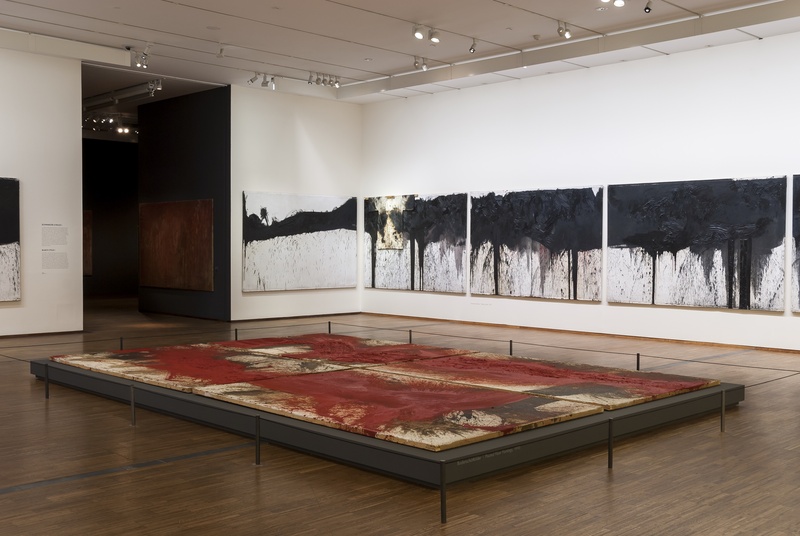
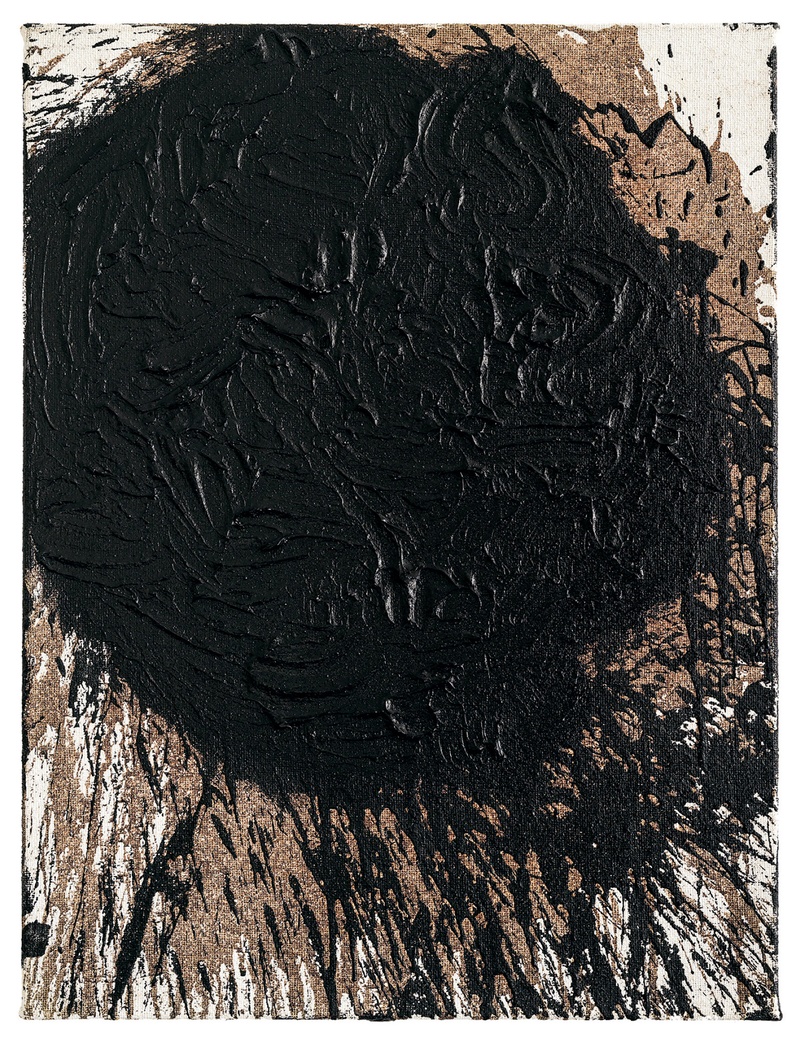
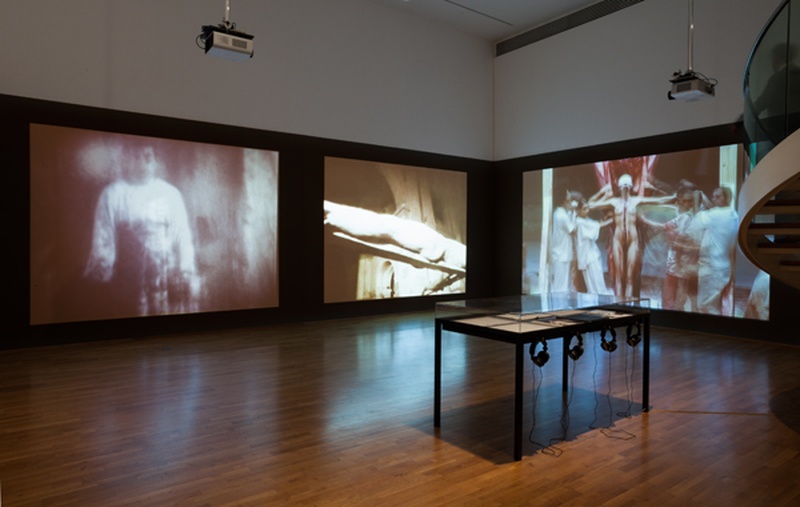
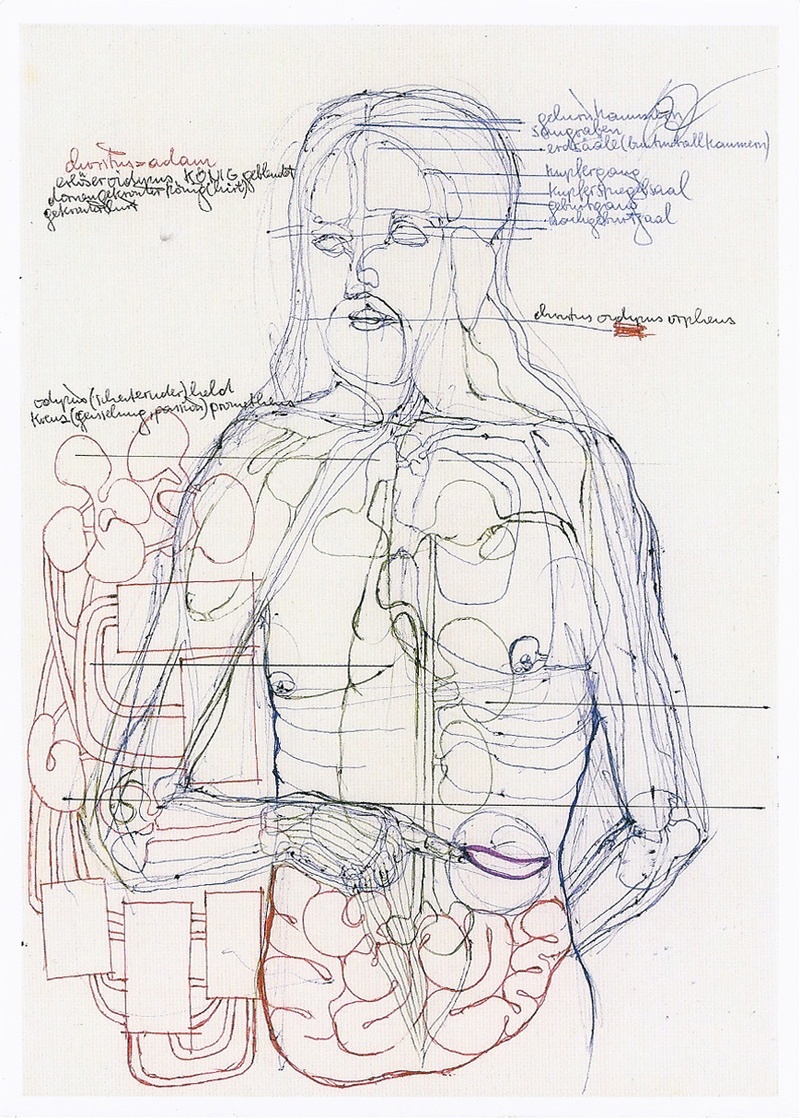
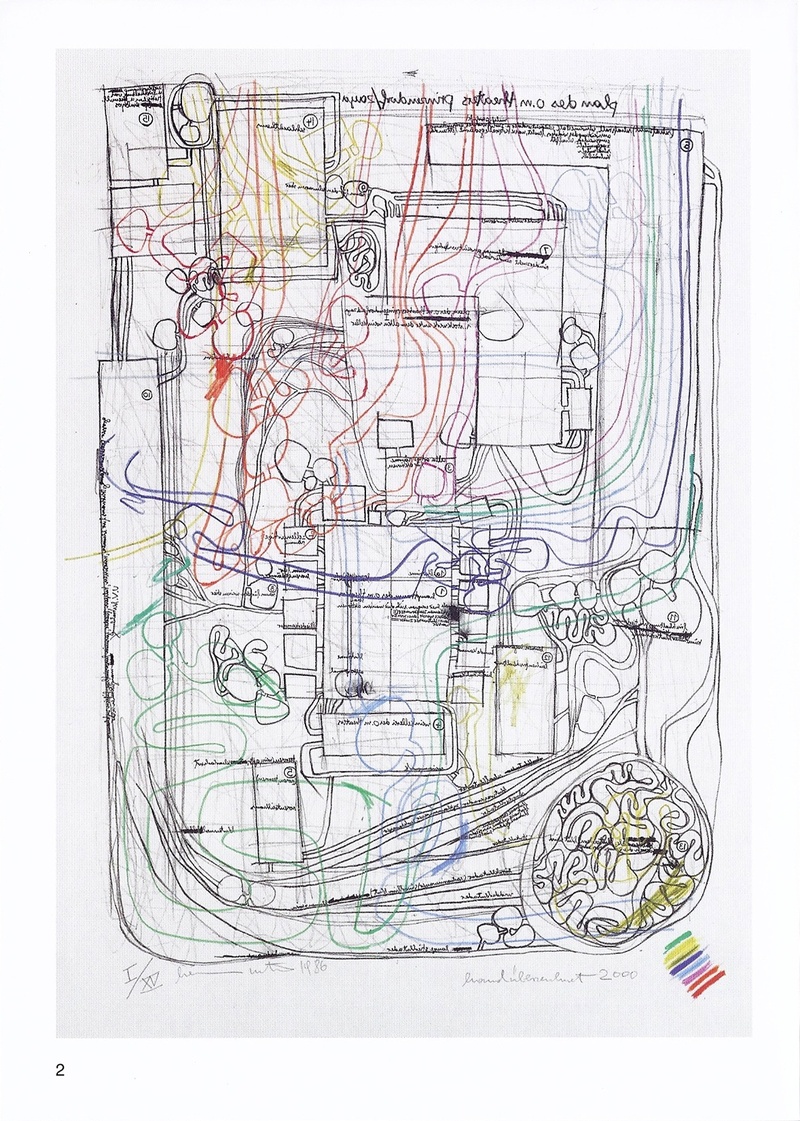
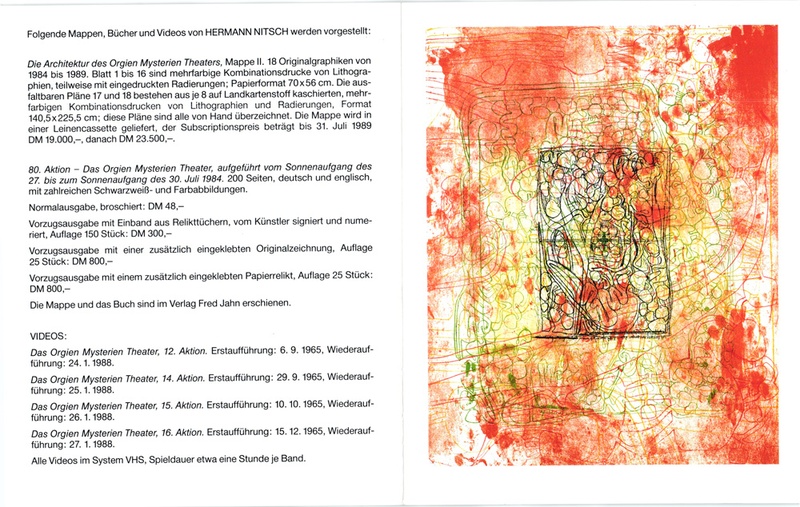
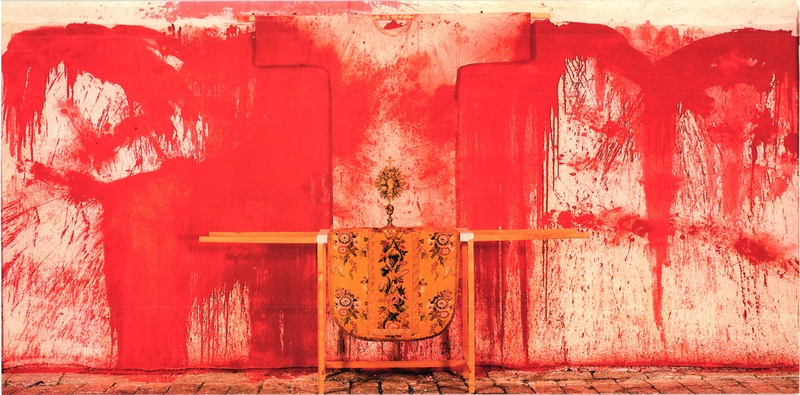
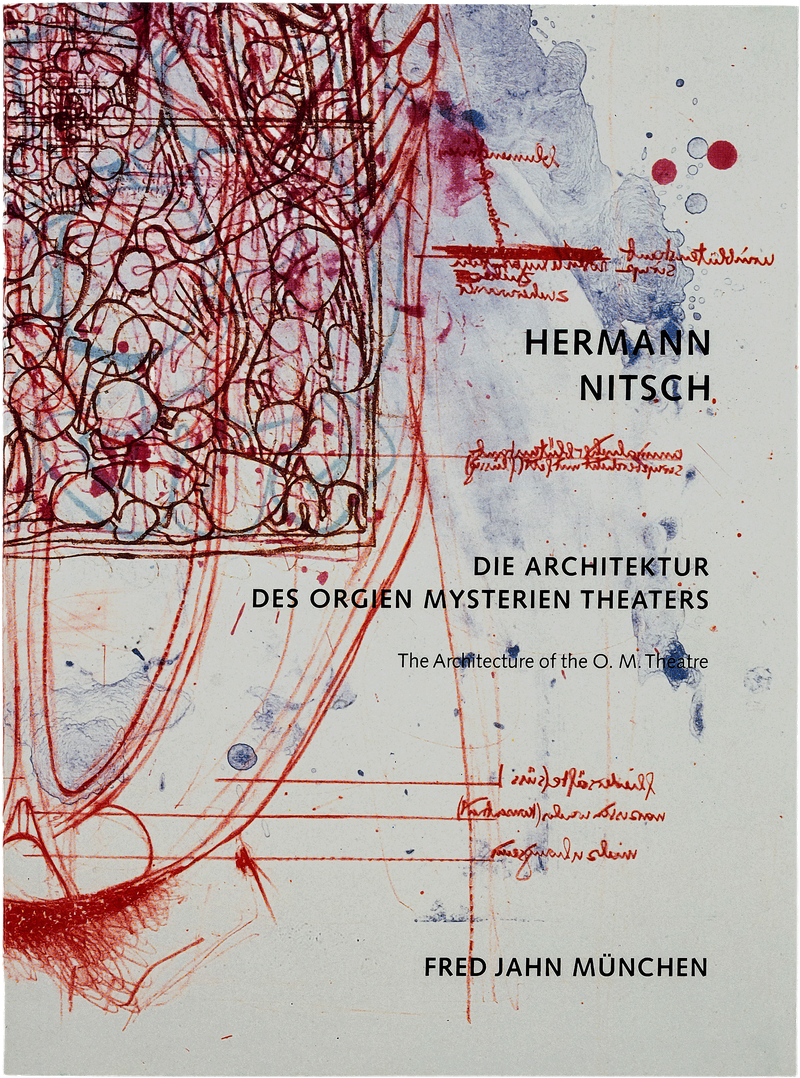
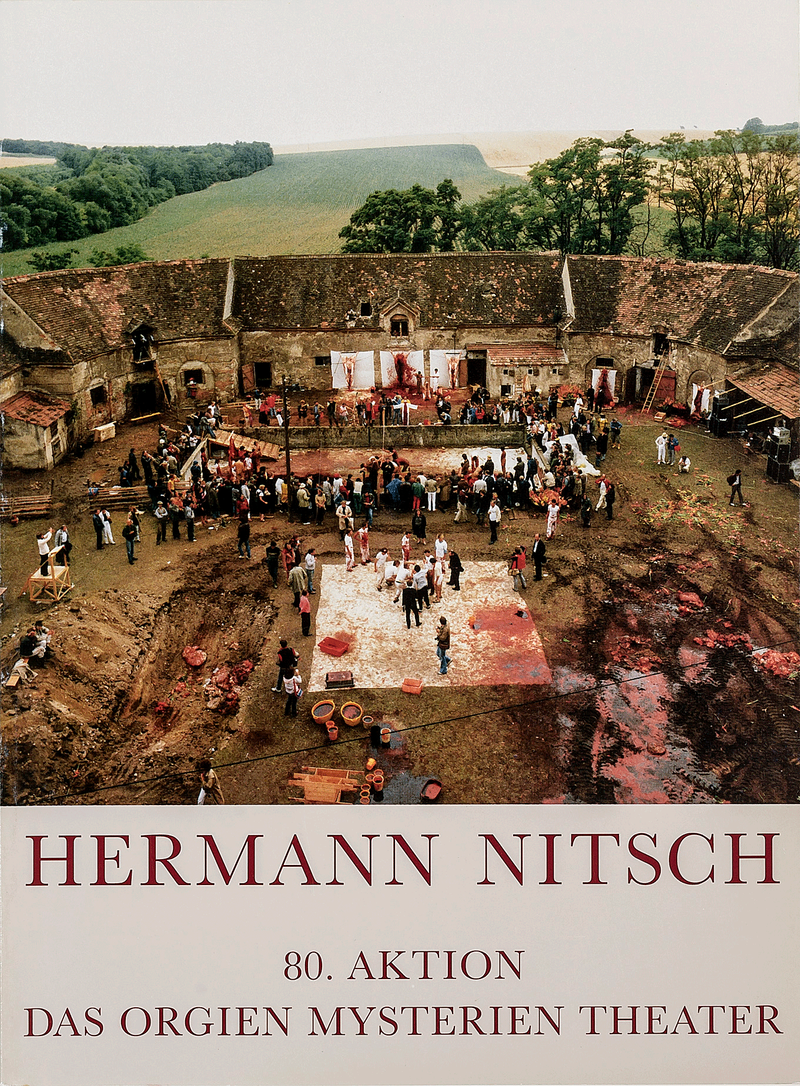
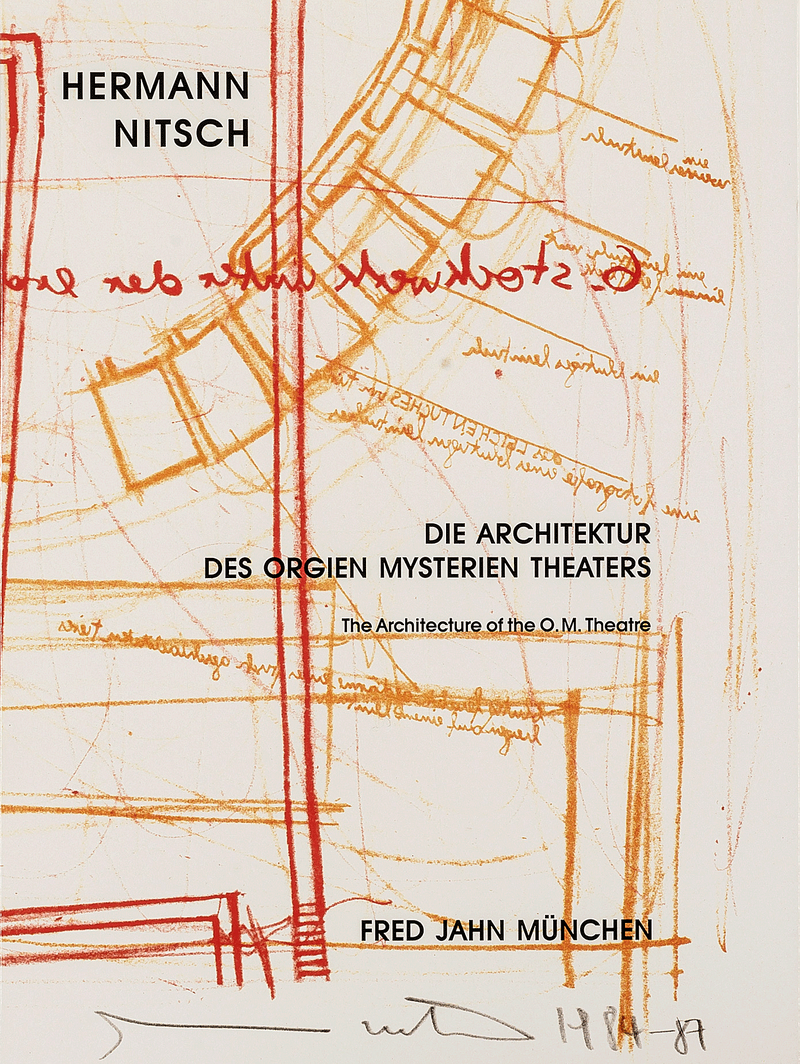
Creation, ecstasy, pain, death, resurrection: As powerful as the topics are that Hermann Nitsch has dealt with throughout his life, as radical and uncompromising is his interdisciplinary work of art, which revolves around the human condition in all its facets. Central to it all is the Orgies Mysteries Theater (Orgien Mysterien Theater), the basic idea of which Nitsch initially conceived as an archetypal literary drama in 1956. From this, and under the influence of performance art, a large number of projects have emerged that exist at the intersection of life, theater, painting, and music. In addition to Nitsch's thorough examination of Greek tragedy, the Passion of Christ and the Dionysus myth form the foundation of the Orgies Mysteries Theater: a kind of "basic experience of excess and a celebration of resurrection, a sadomasochist excess and catharsis, a brutal dismemberment and a harmonizing synthesis, an incantation of the myth as a contracted worldview and psychoanalytical therapy”1. In 1998, Nitsch's artistic vision culminated for the first time in a six-day play that took place in front of an audience at the artist's residence, Prinzendorf Castle. The primary focus of his artistic activities is the intense experience of all the senses, through which drives, the subconscious, and the repressed, both psychological and physical concerns come to the fore. This applies to ritual performances with bodies and blood as well as his countless painting actions, which are an essential aspect of the Orgies Mysteries Theater. Read More
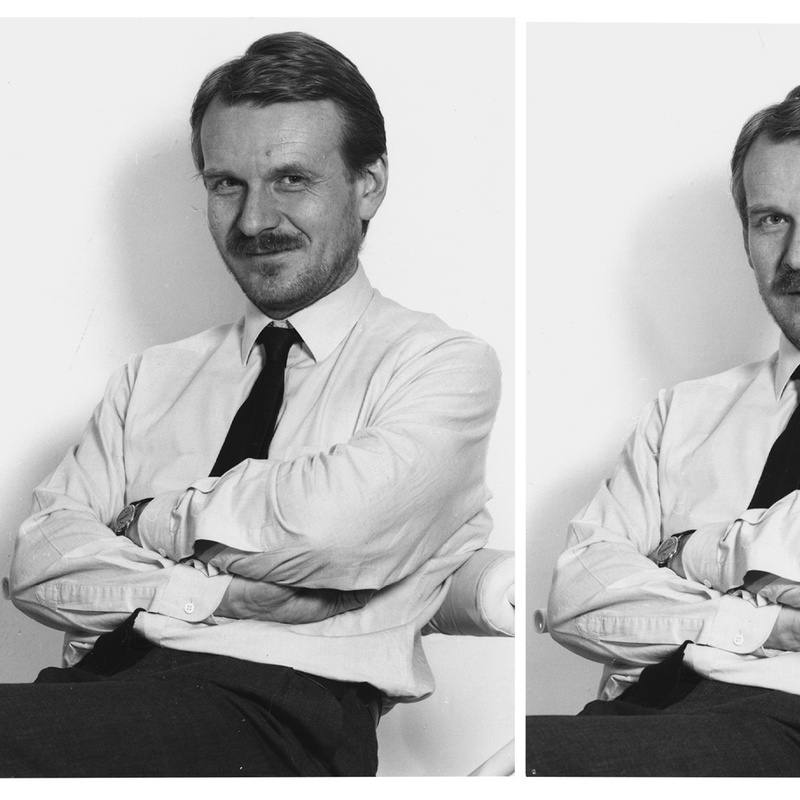
Hermann Nitsch (1938–2022) began with his first painting action in 1961 and since the late 1960s has realized countless exhibitions, performances, and concerts around the world. Museums in both Mistelbach and Naples are dedicated to this important pioneer of Viennese Actionism, who also taught at the Städelschule in Frankfurt from 1971 to 2003.