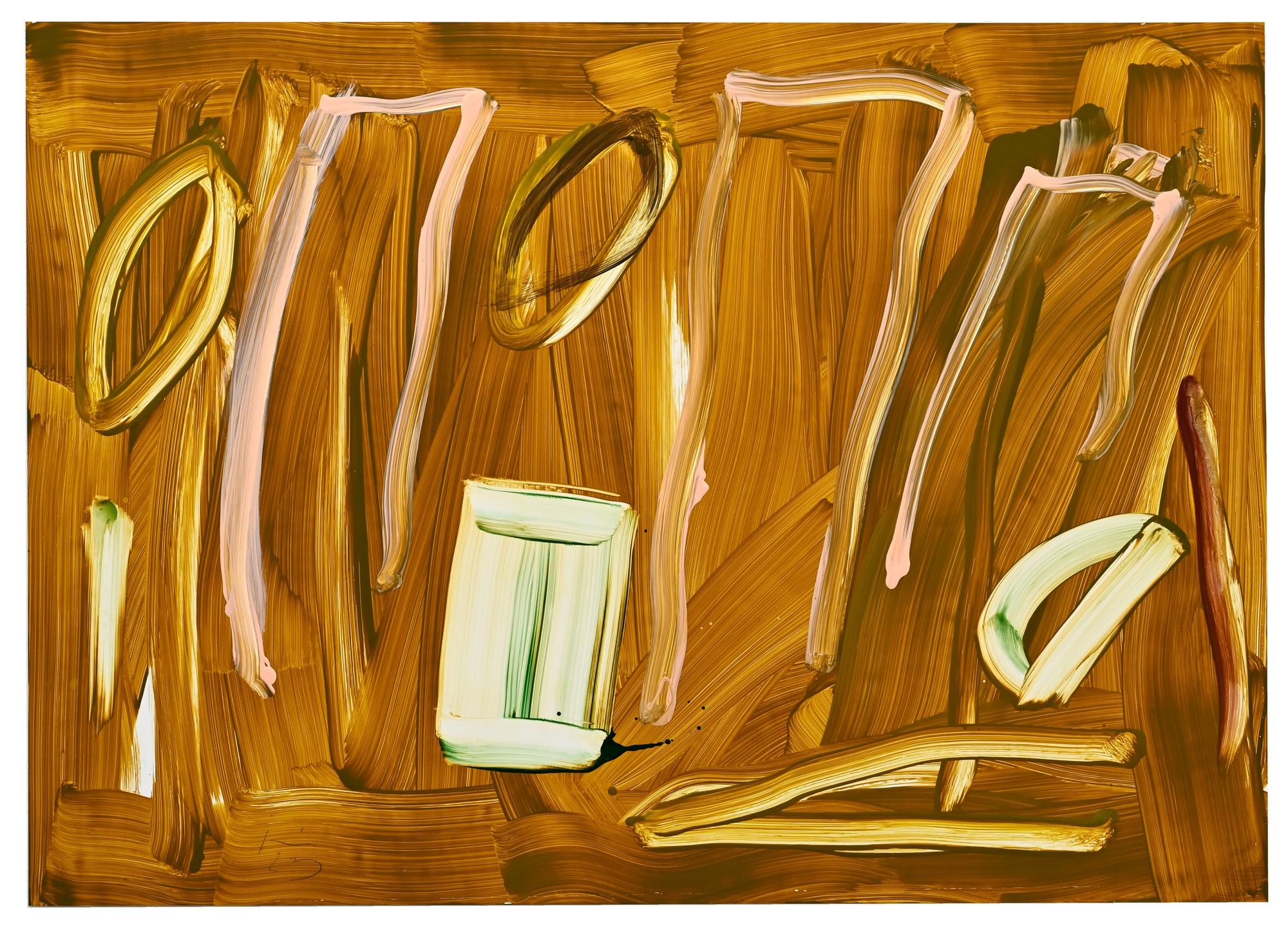
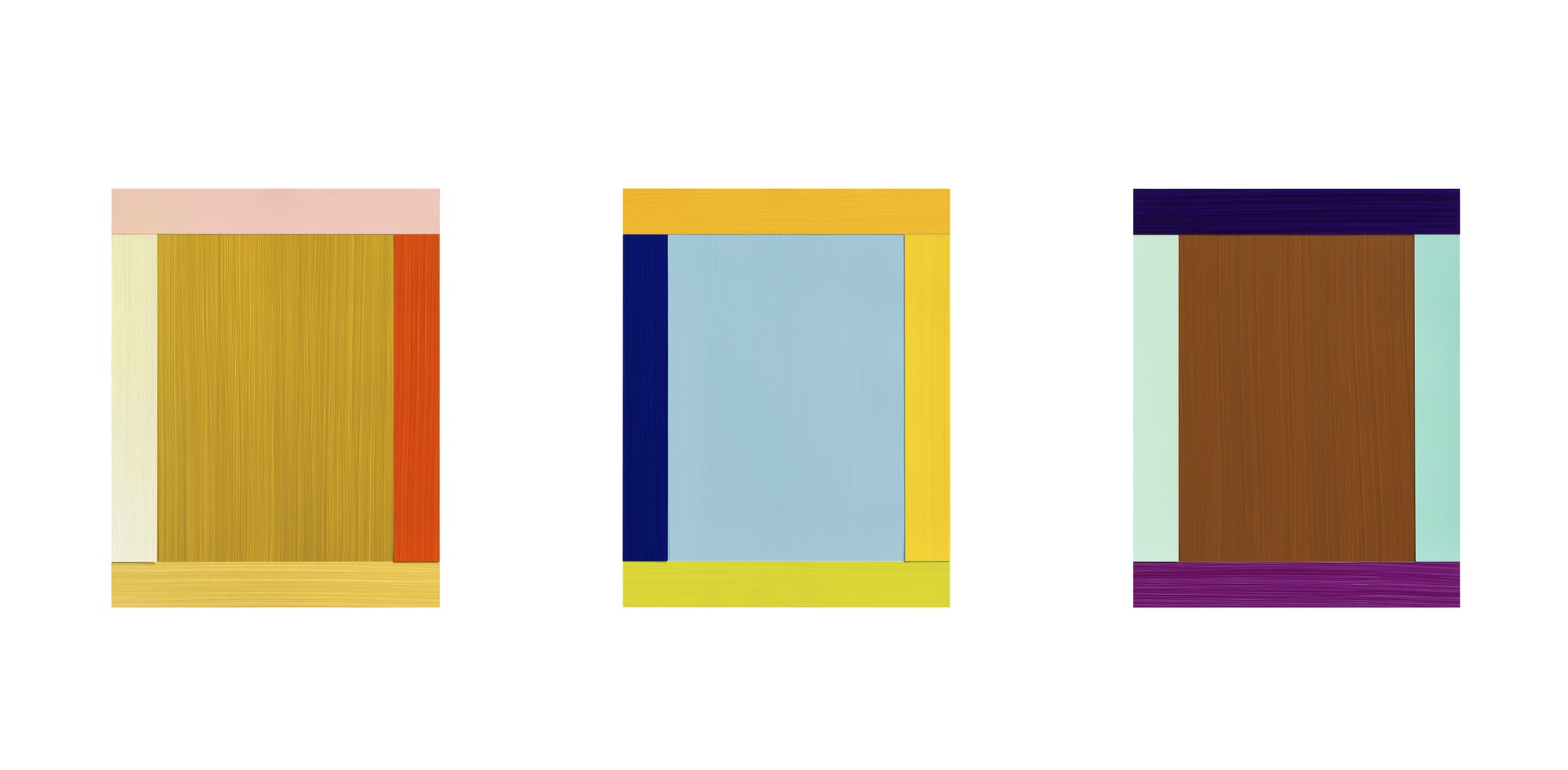
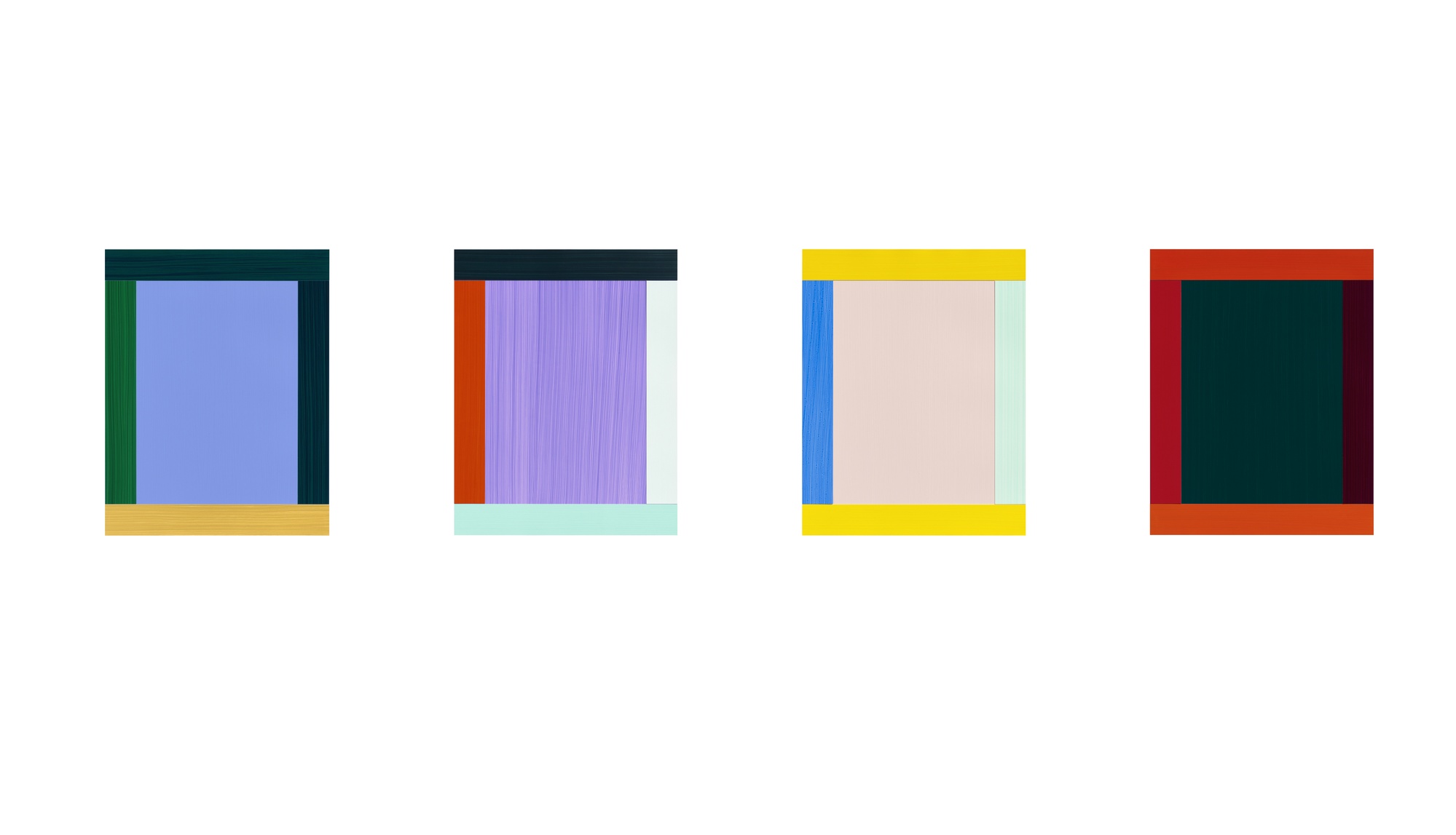
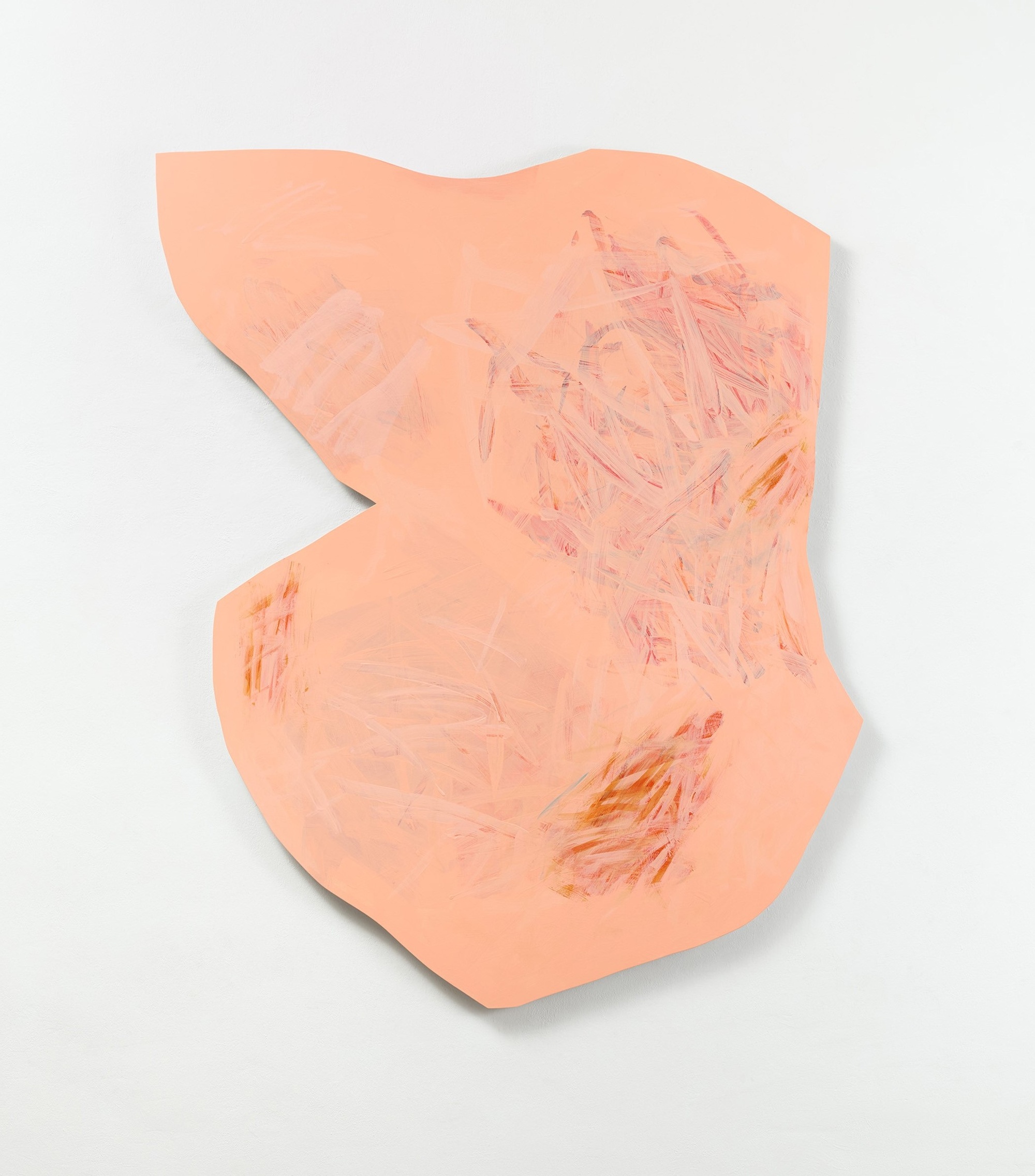
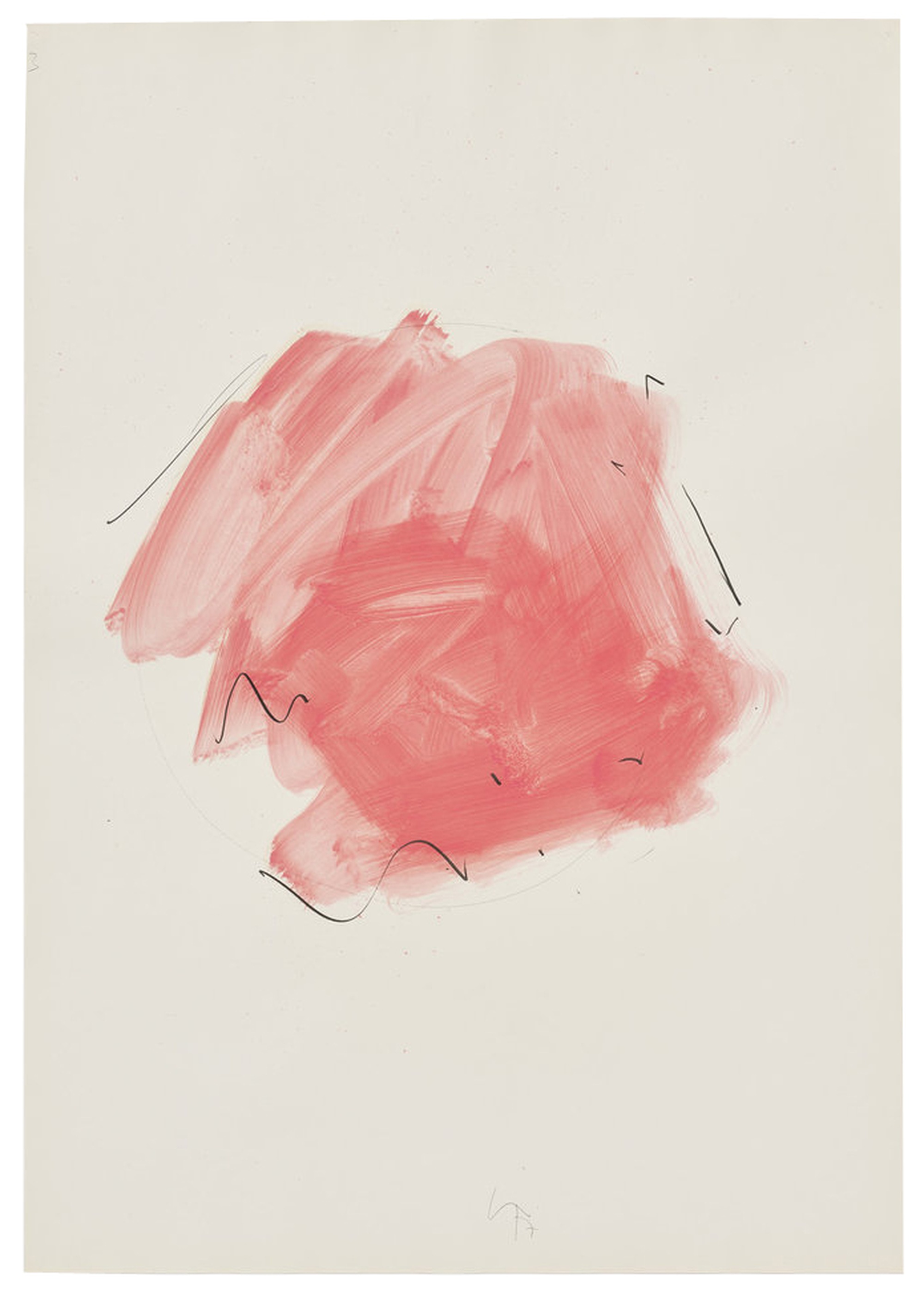
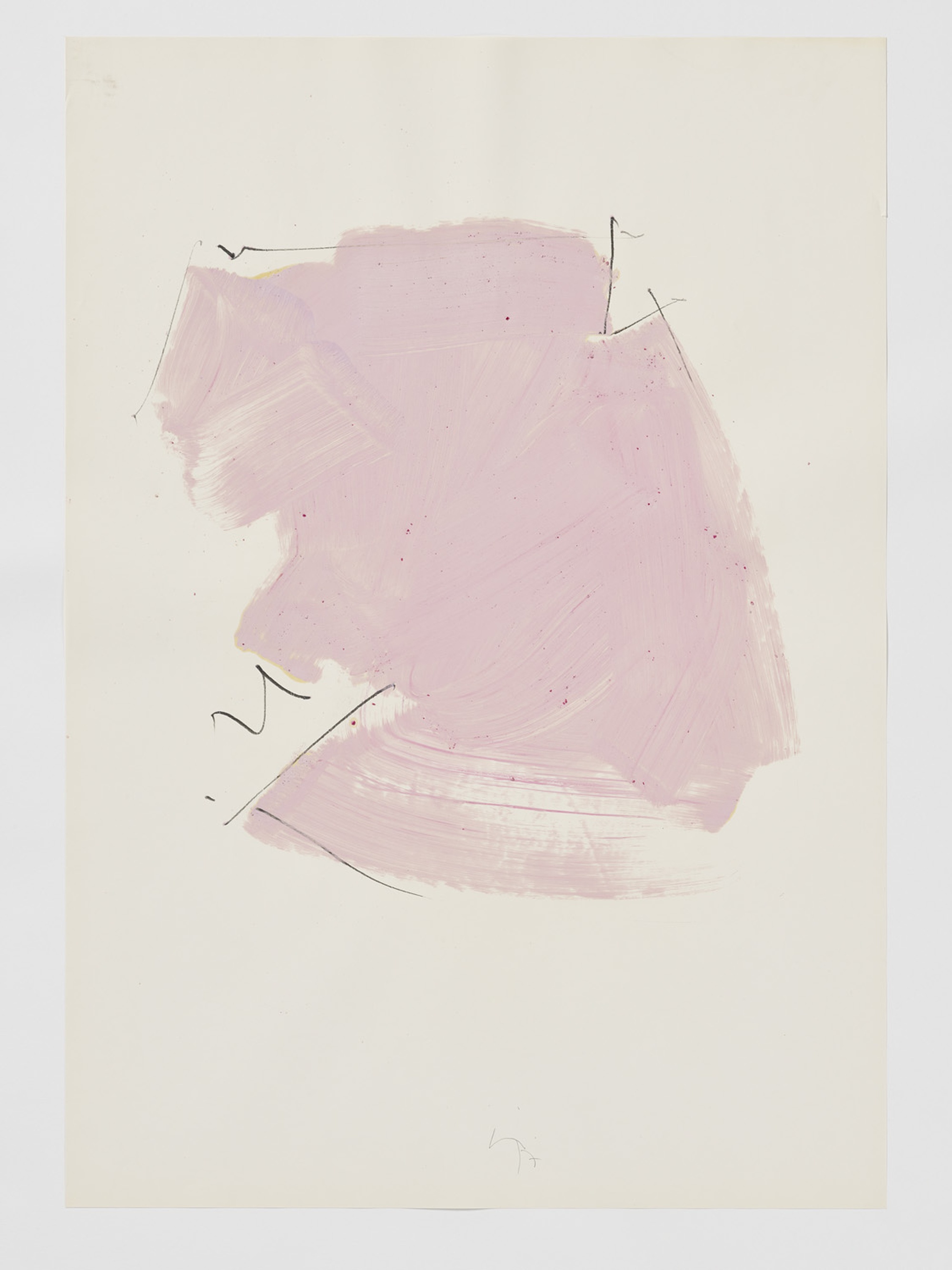
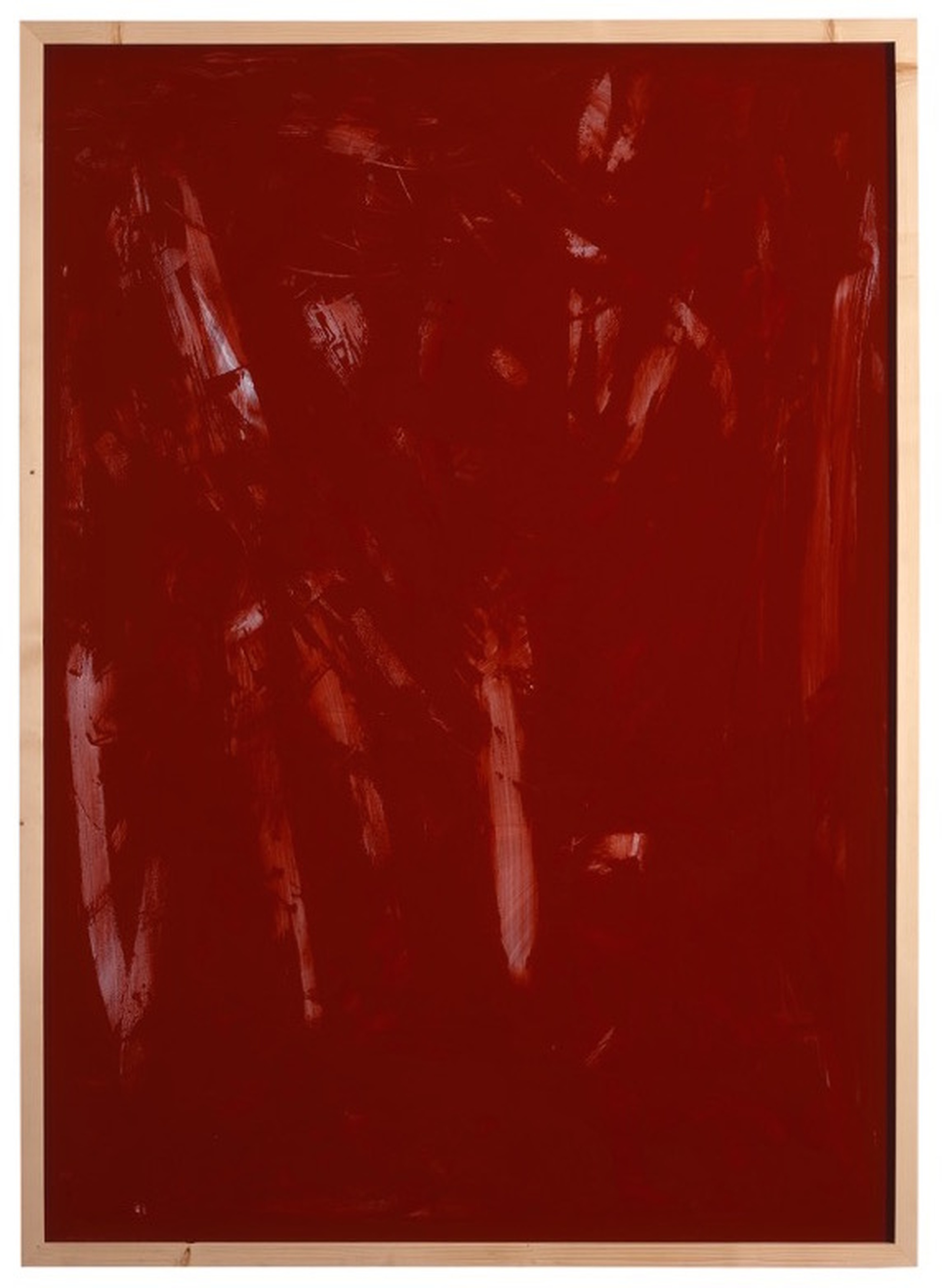
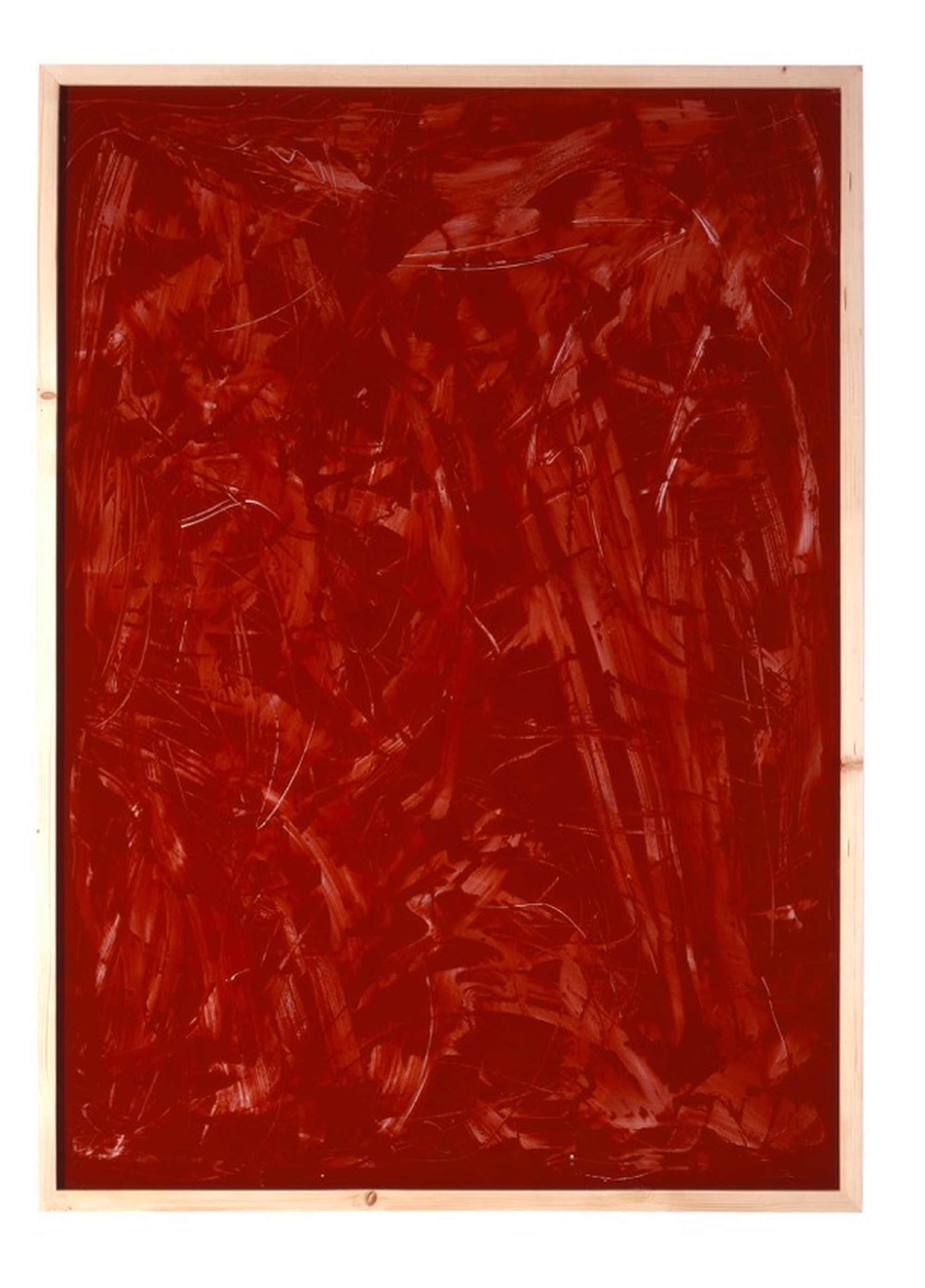
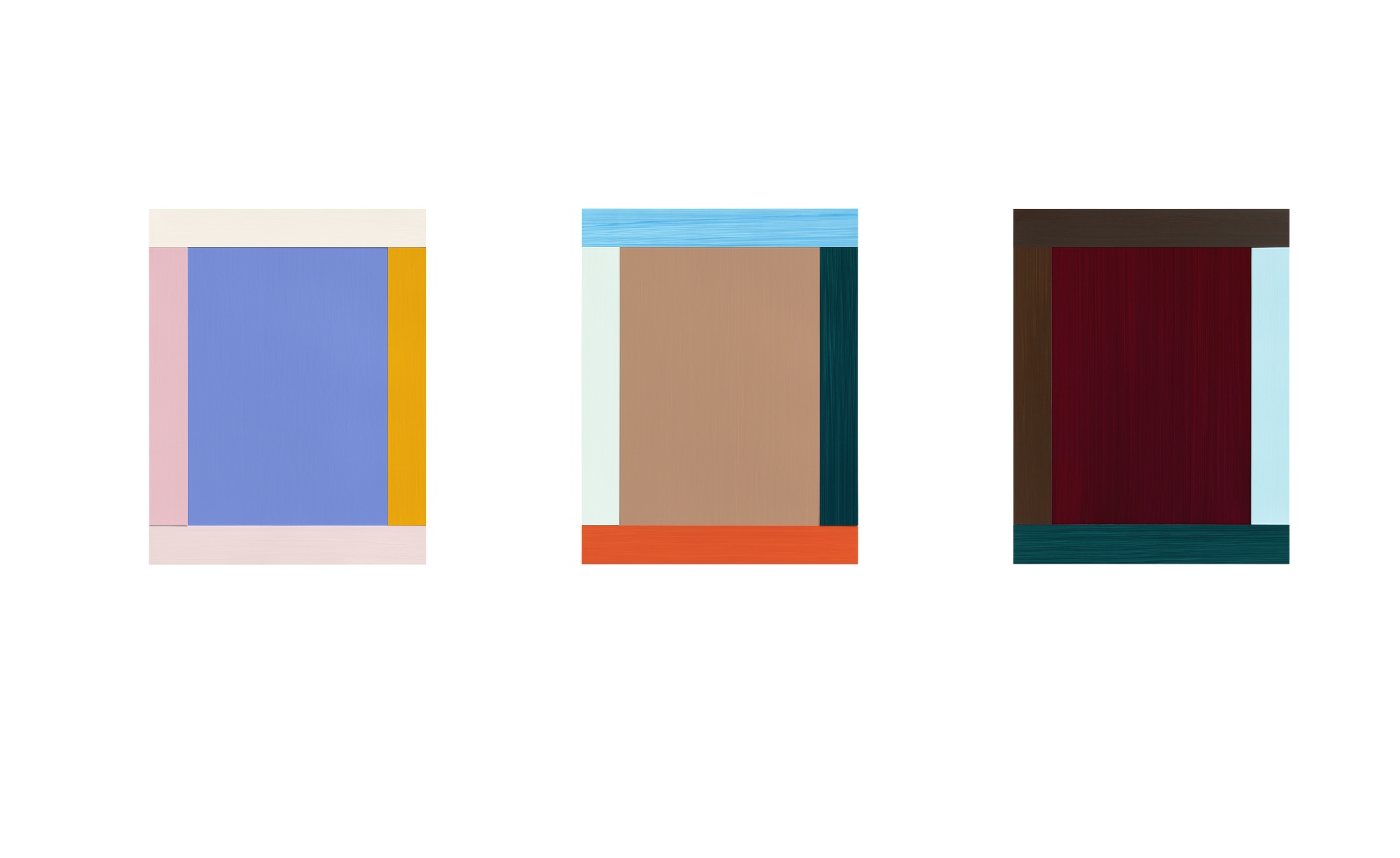
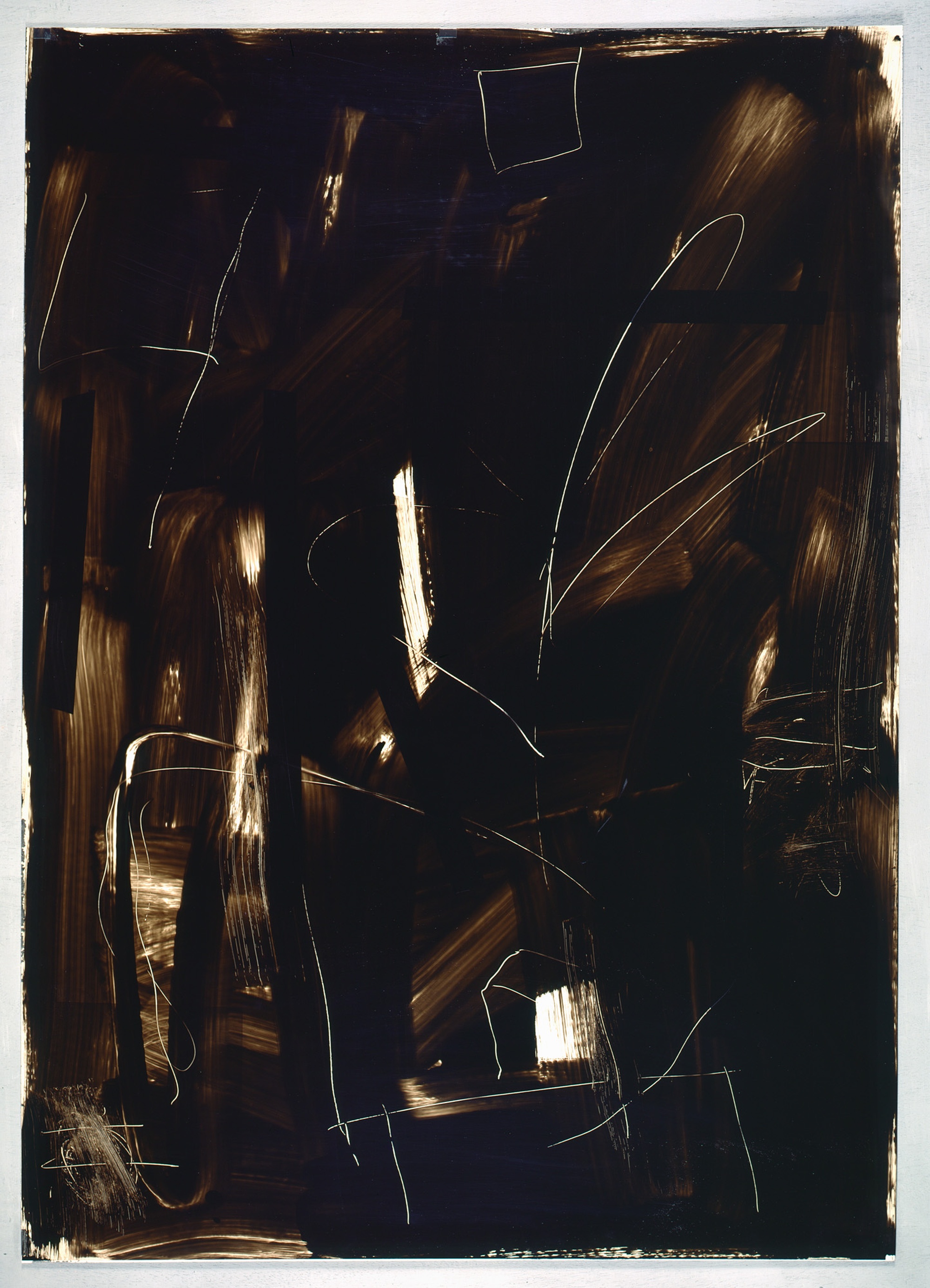
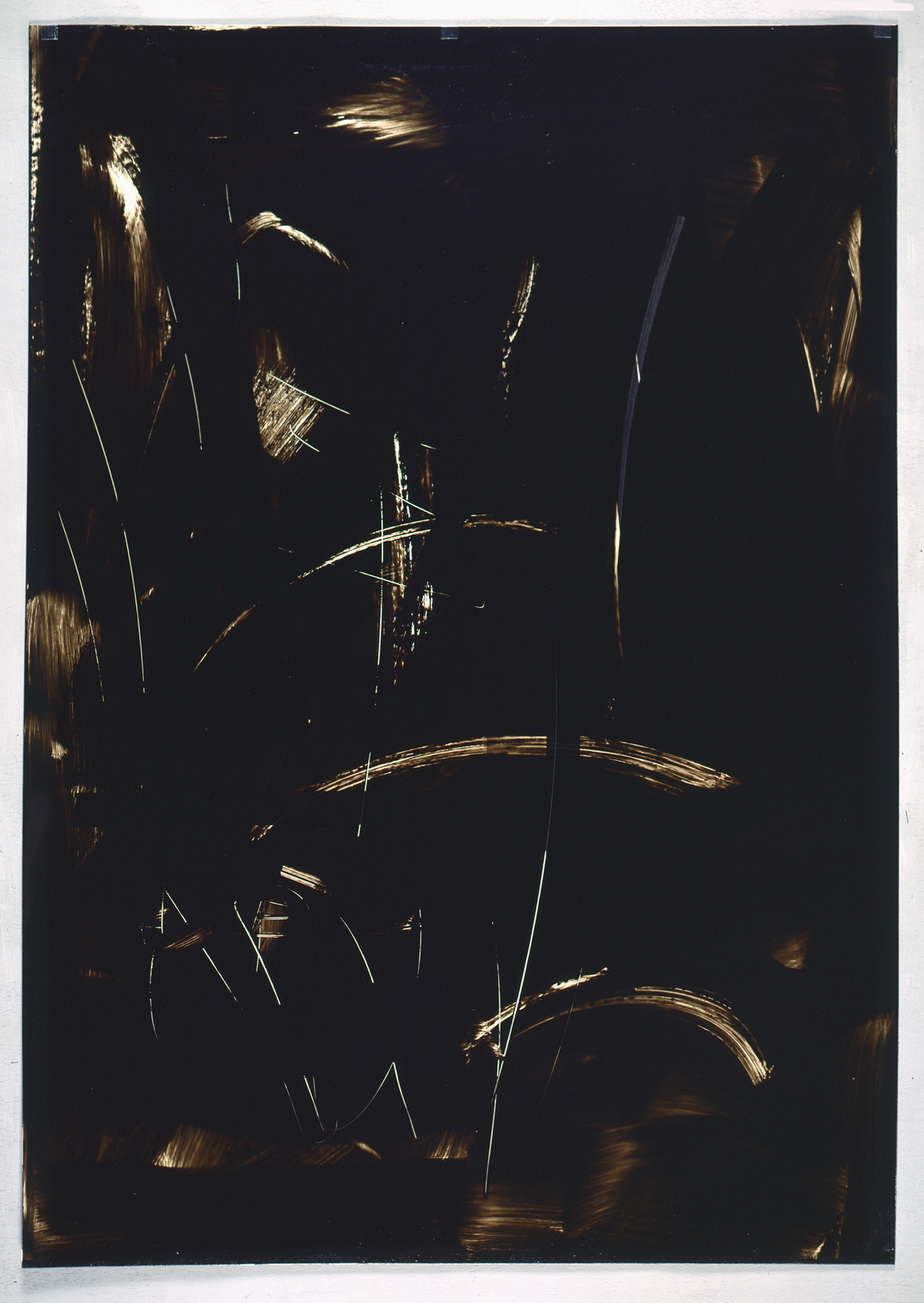
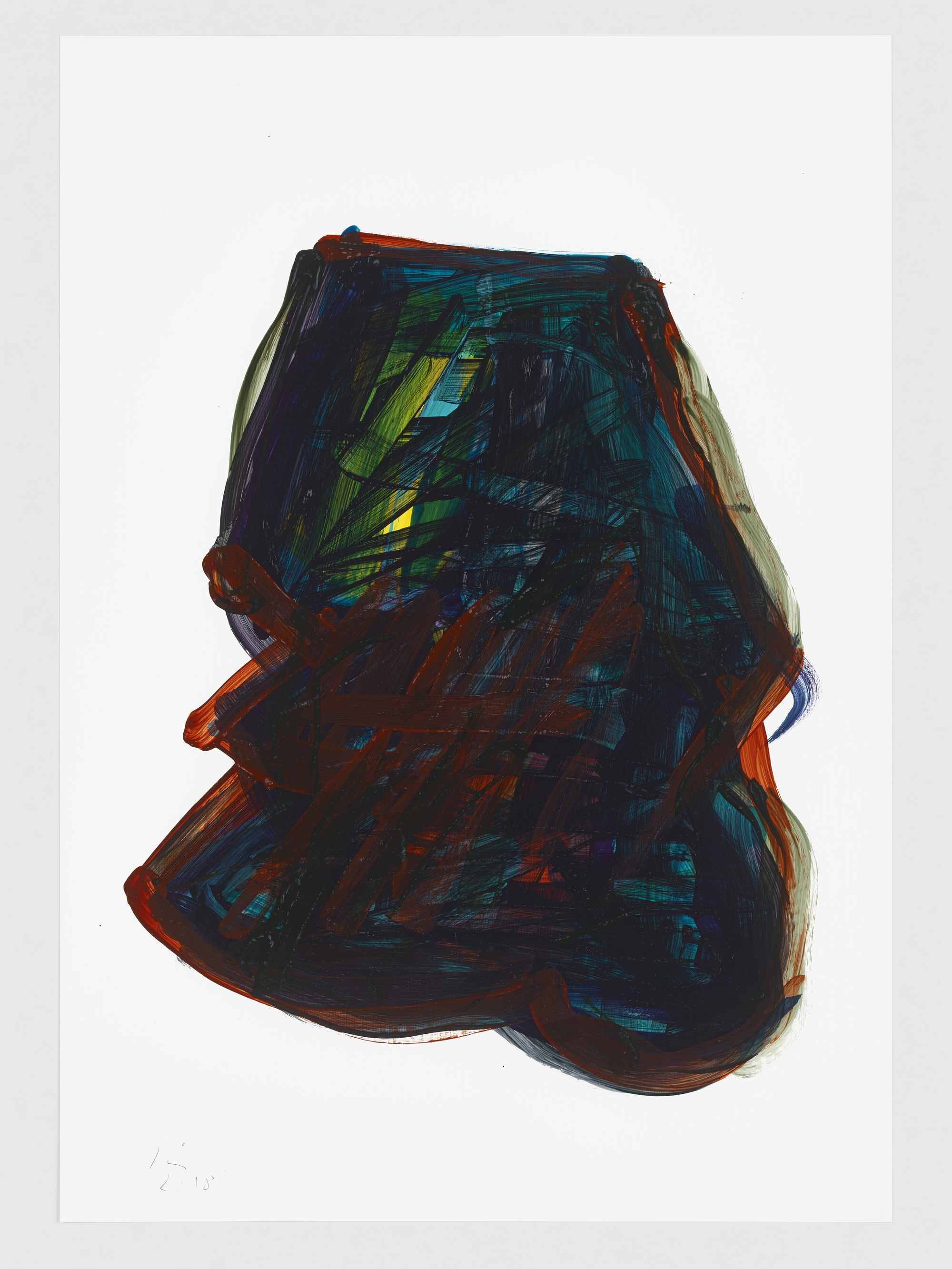
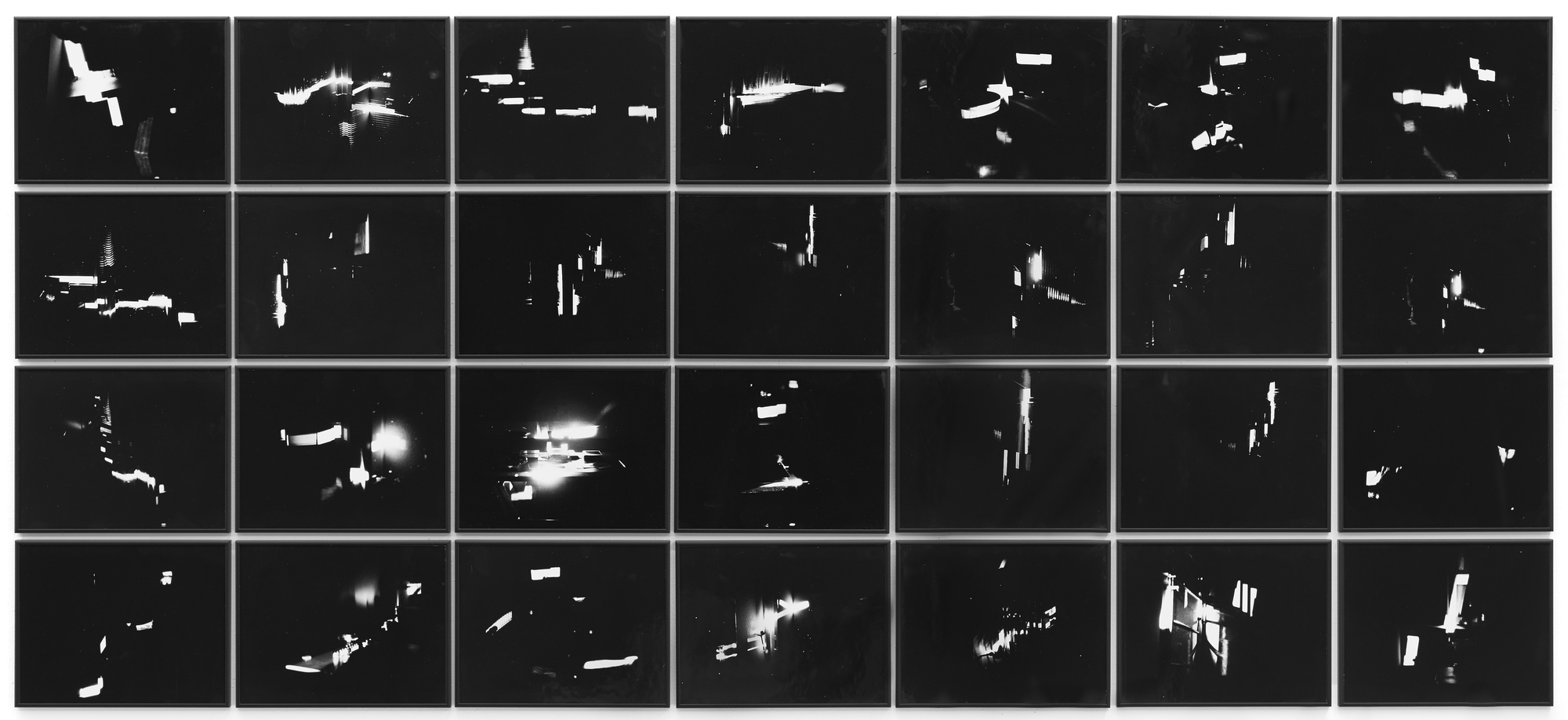
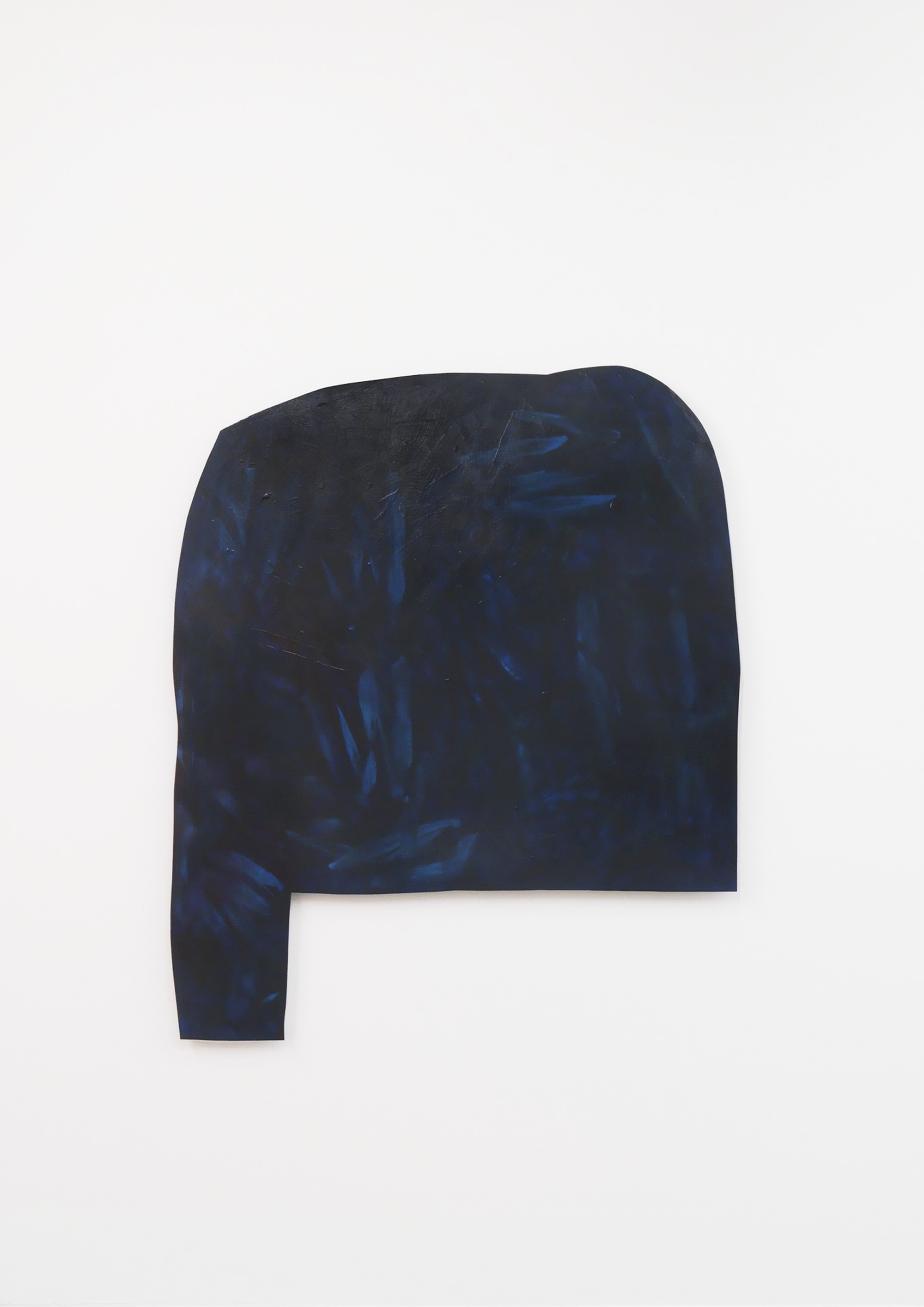
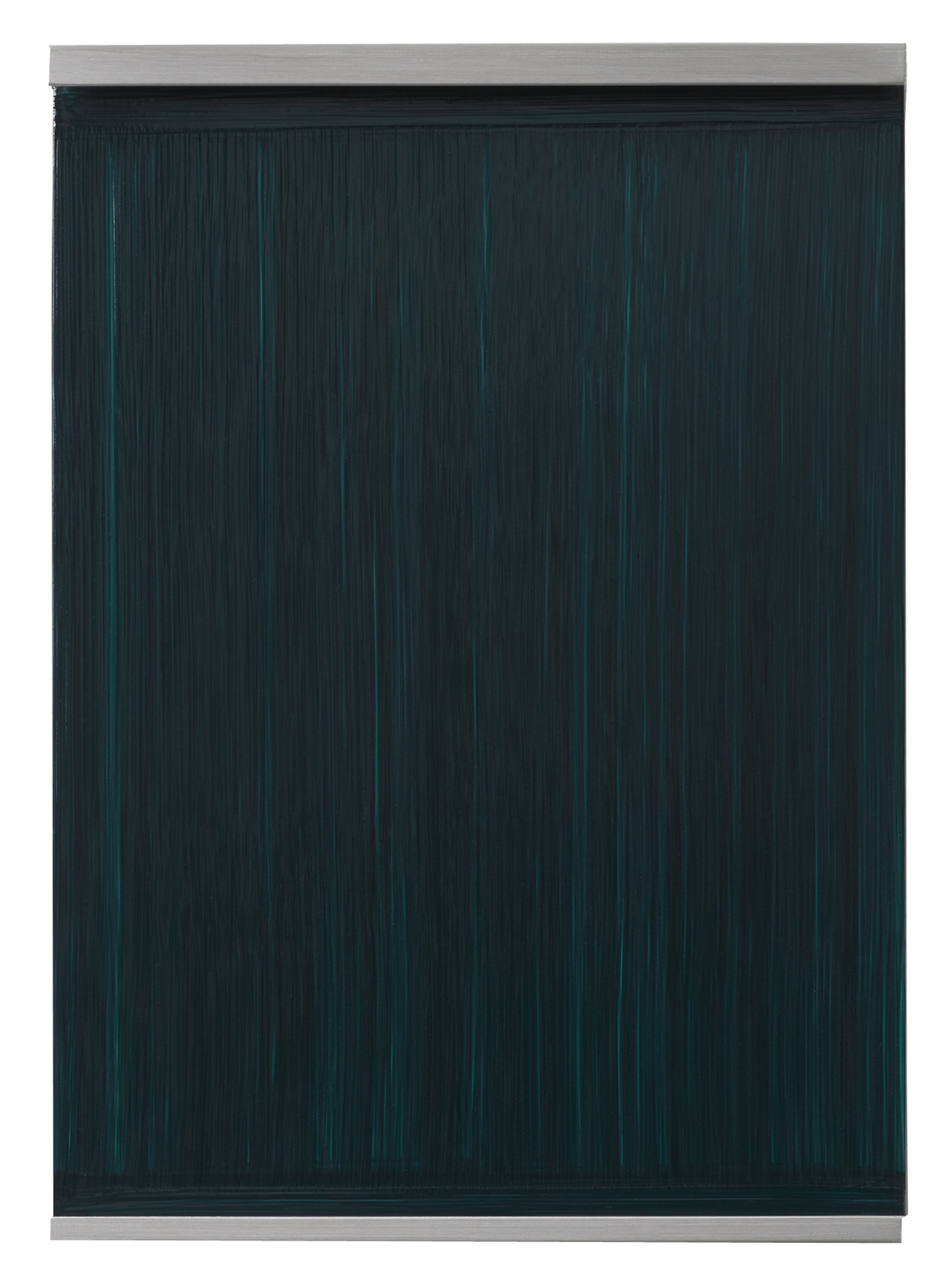
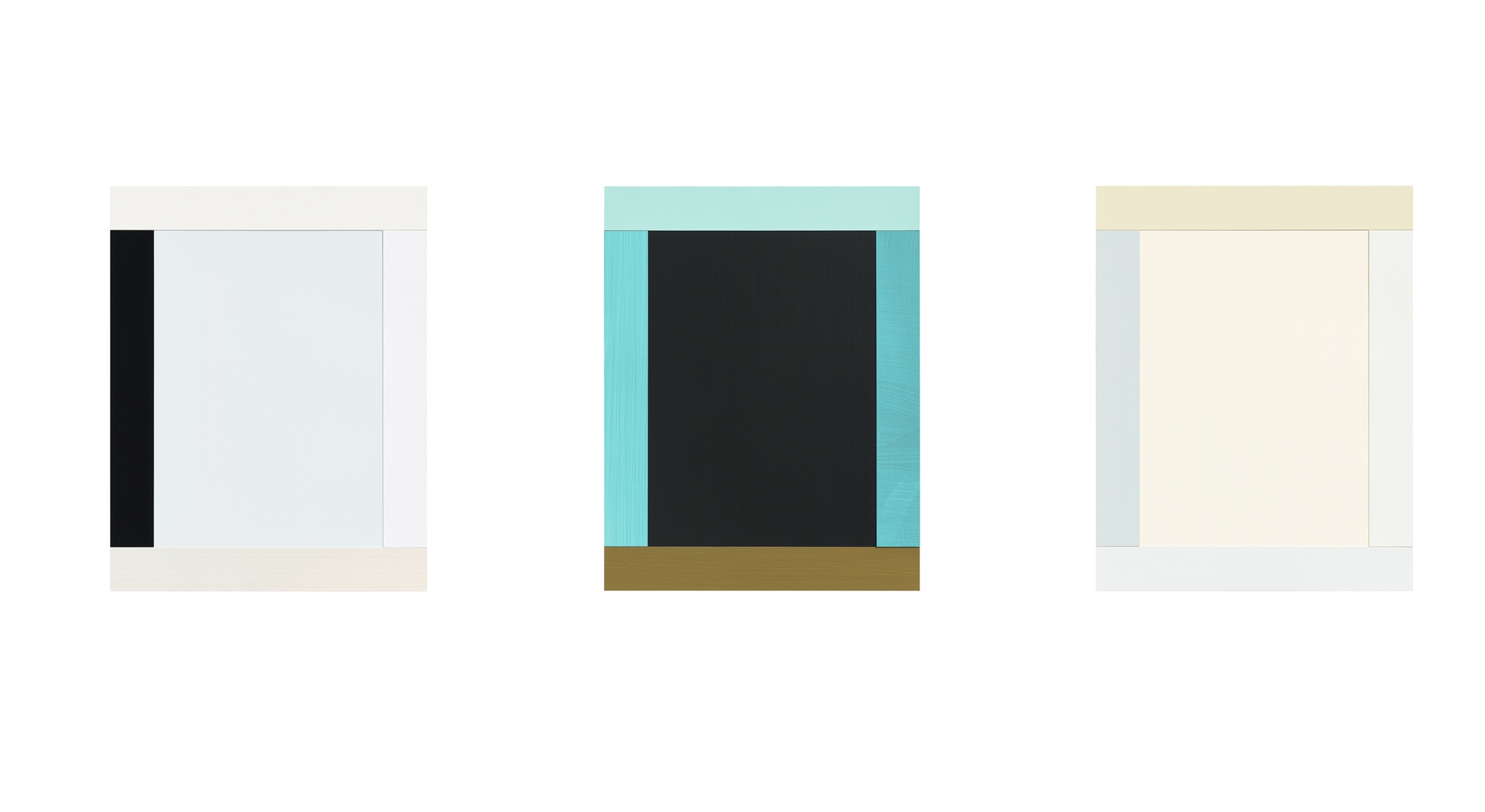
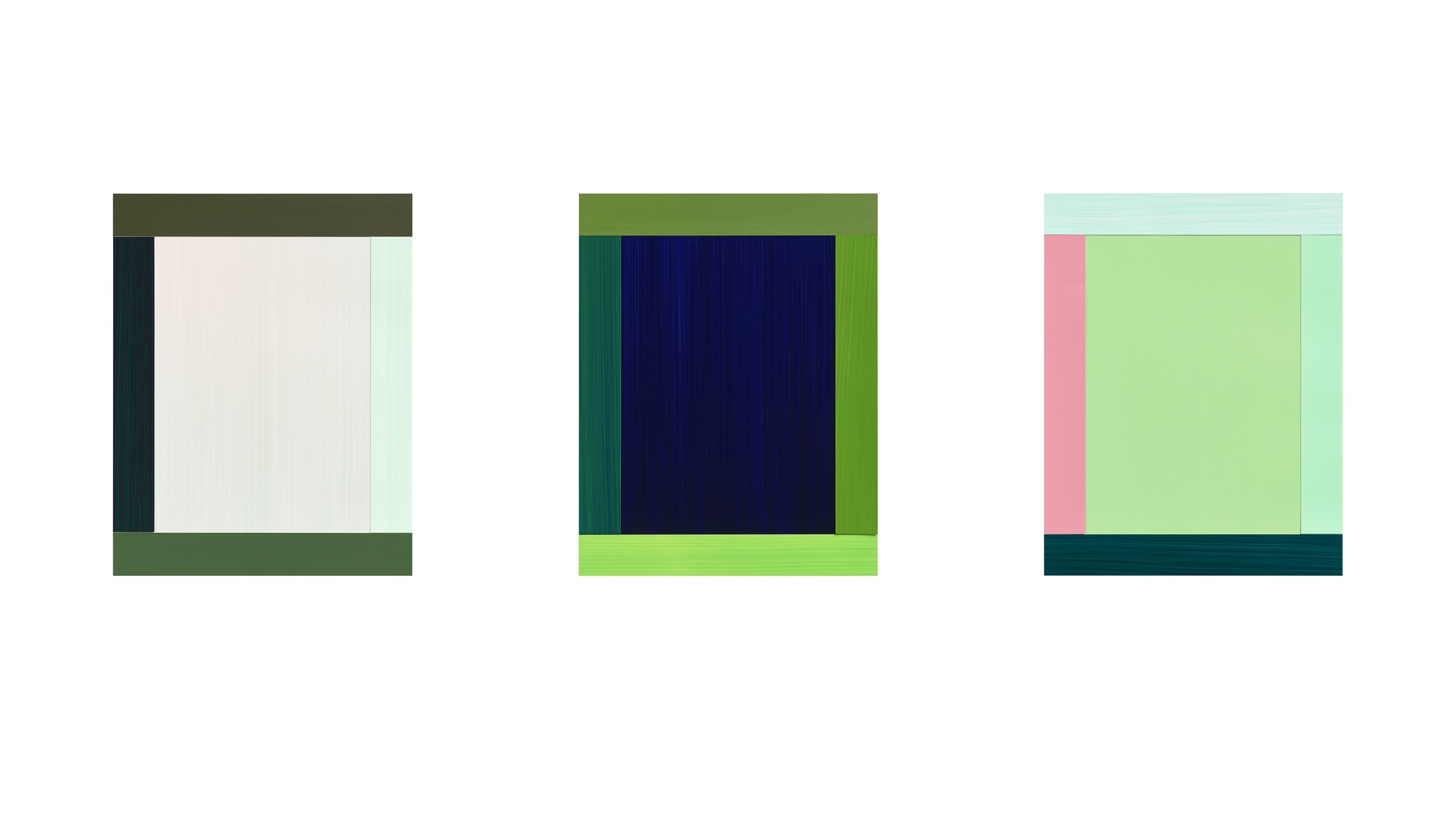
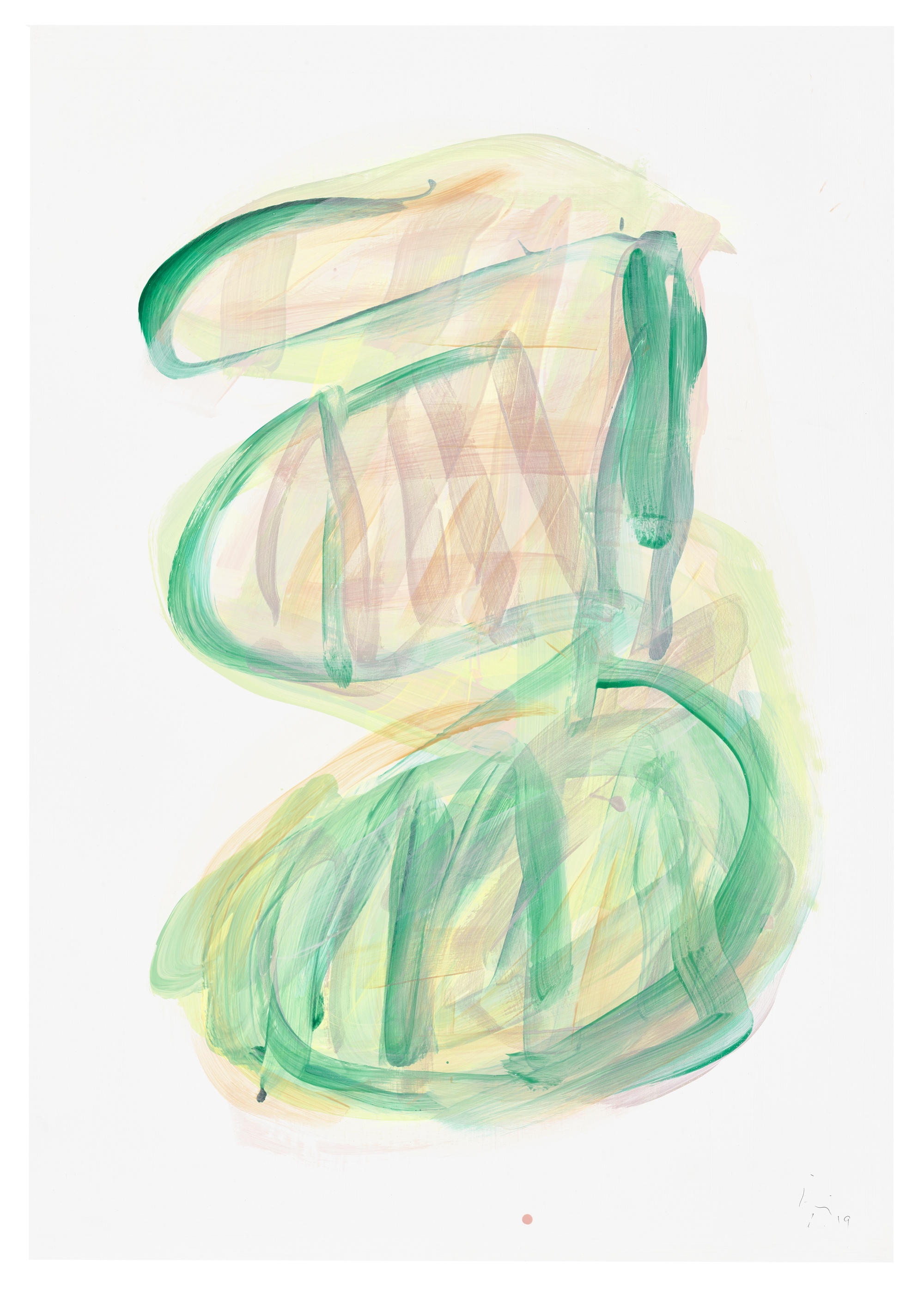
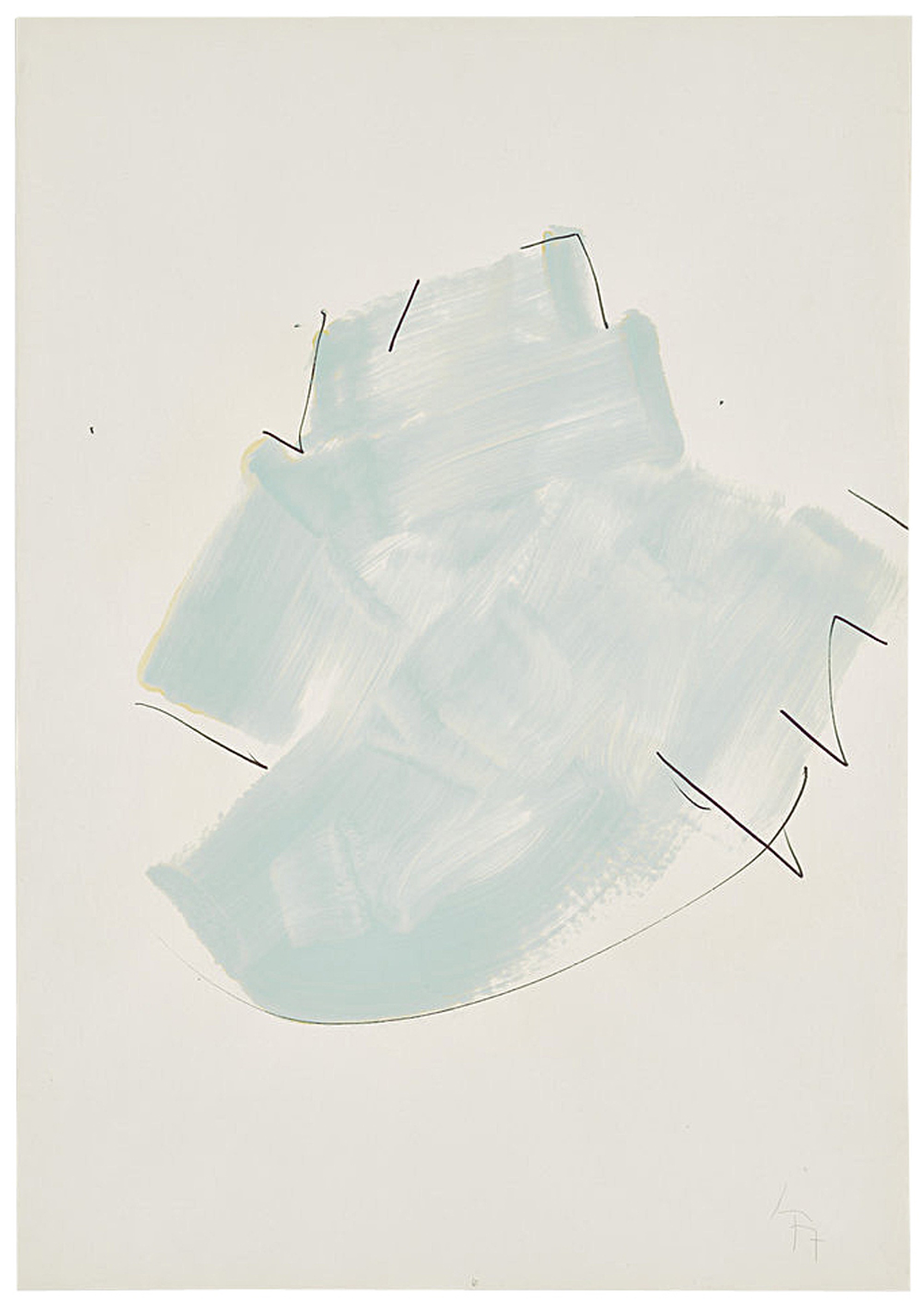
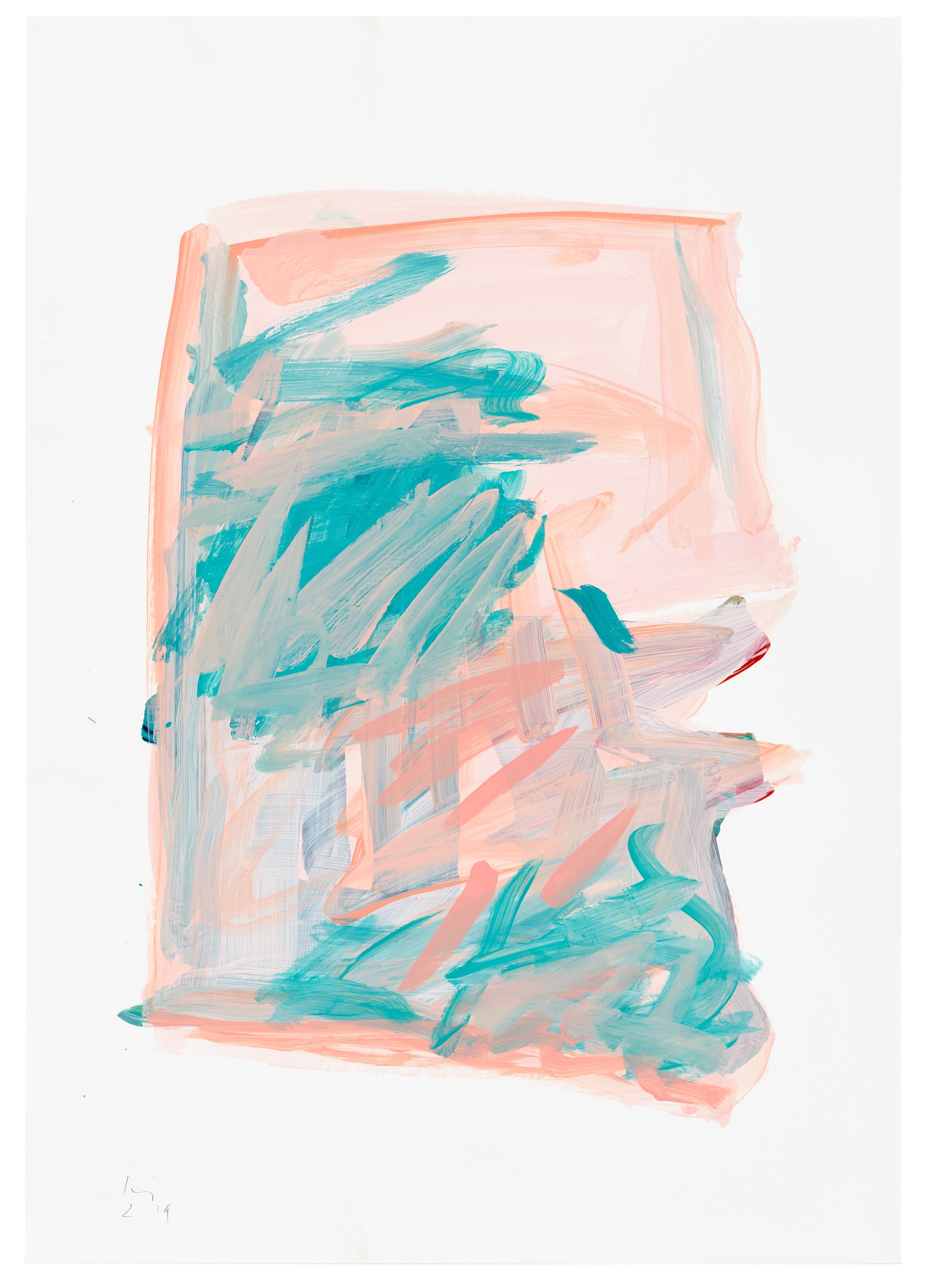
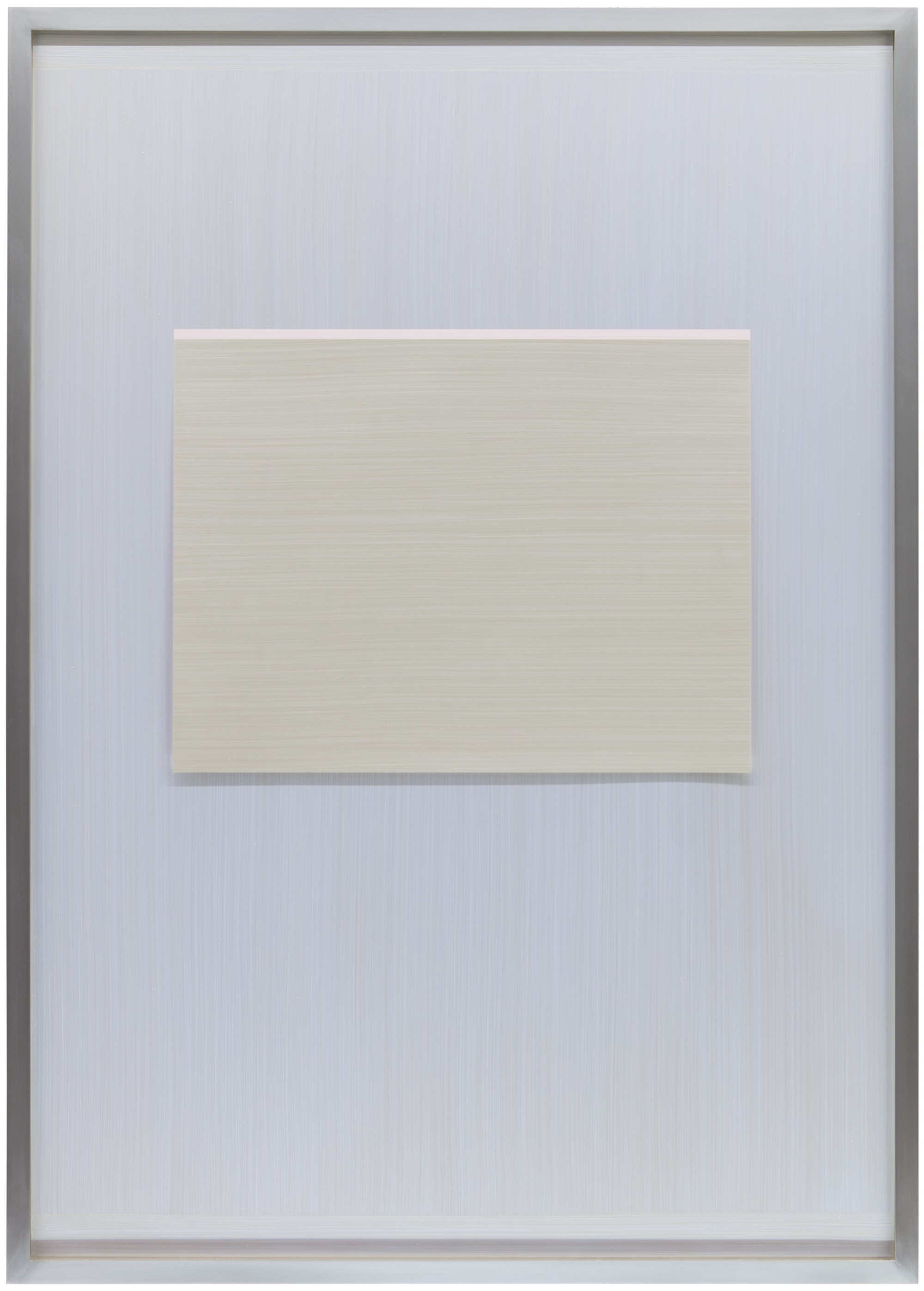
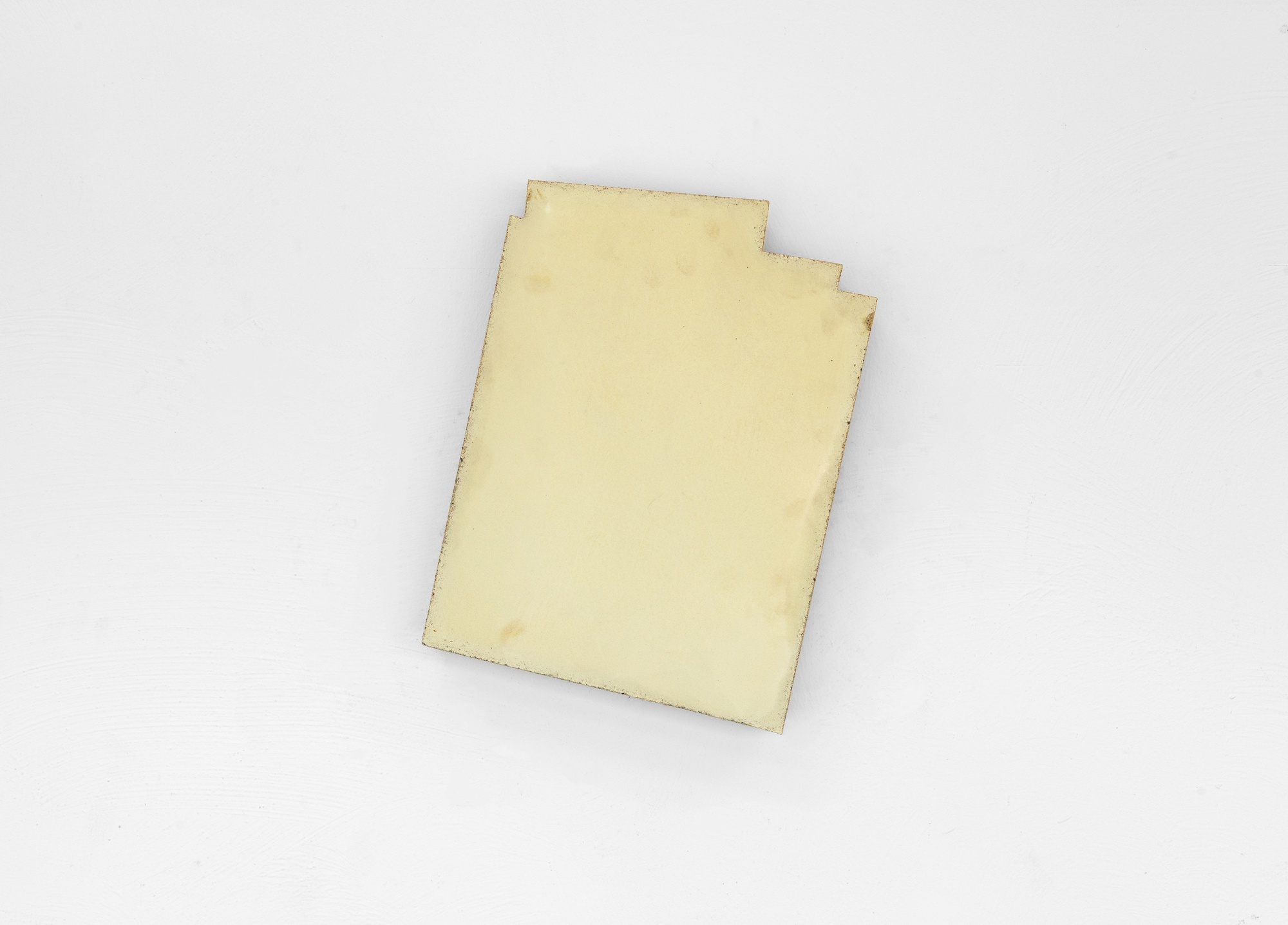
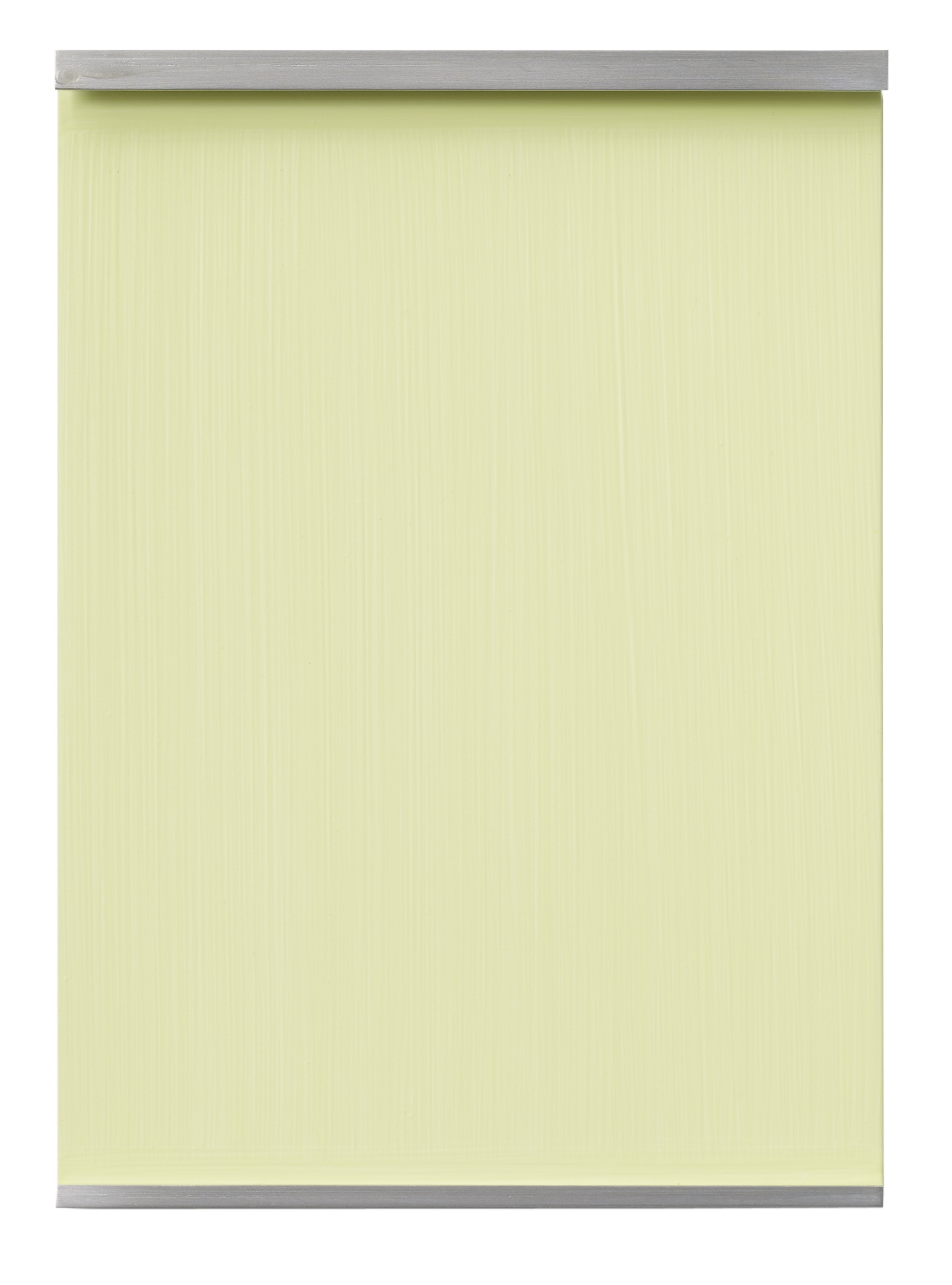
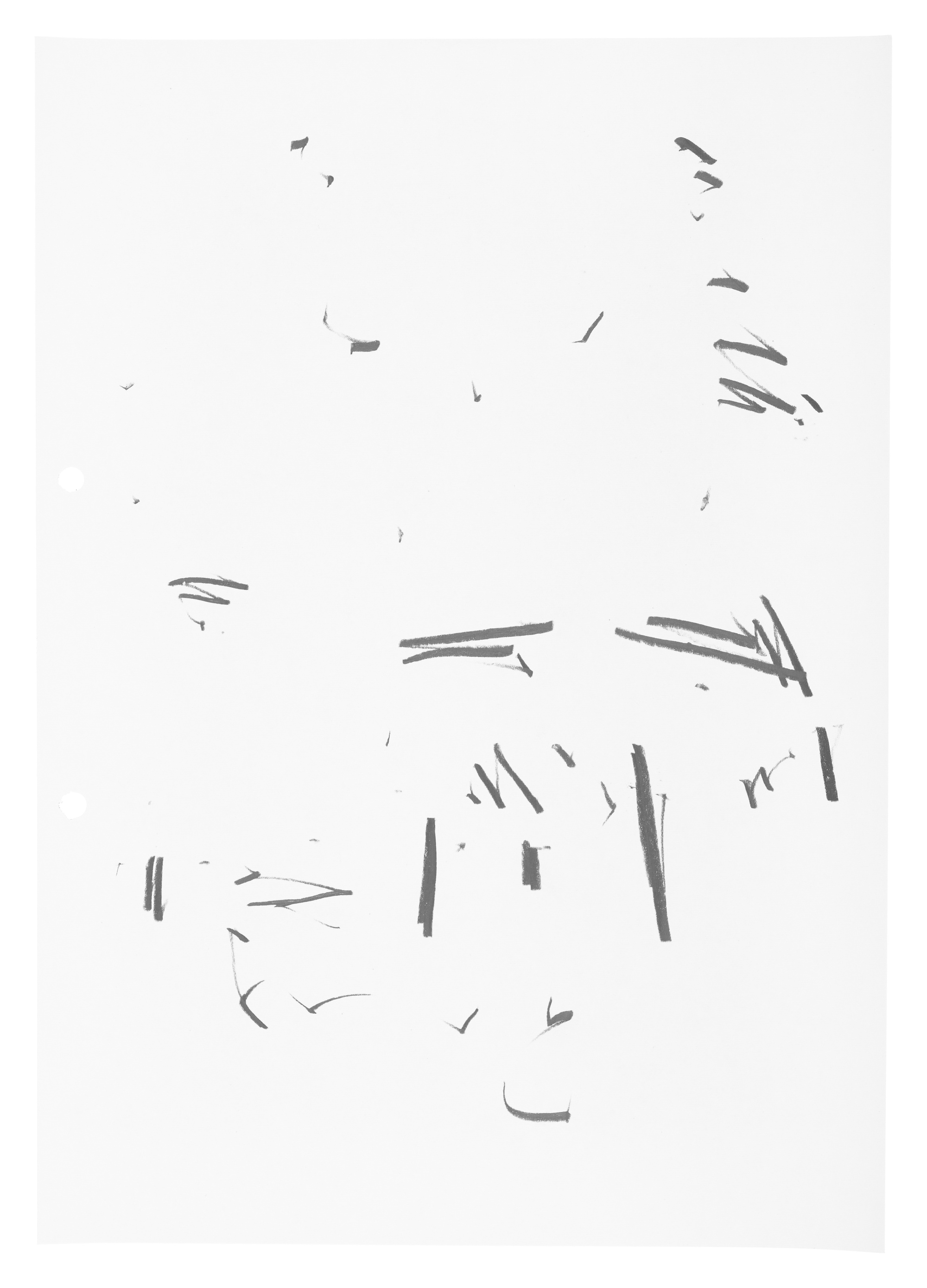
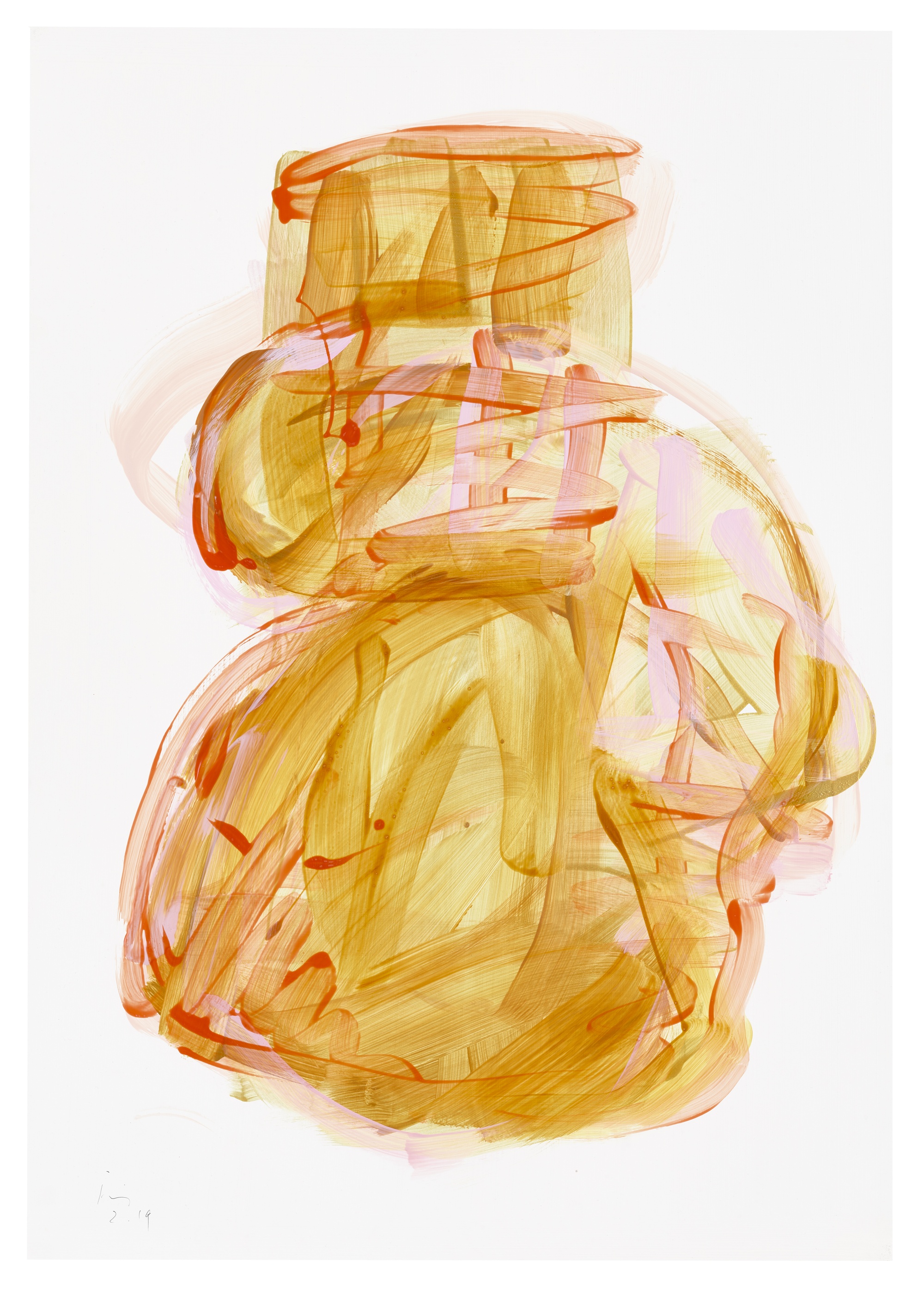
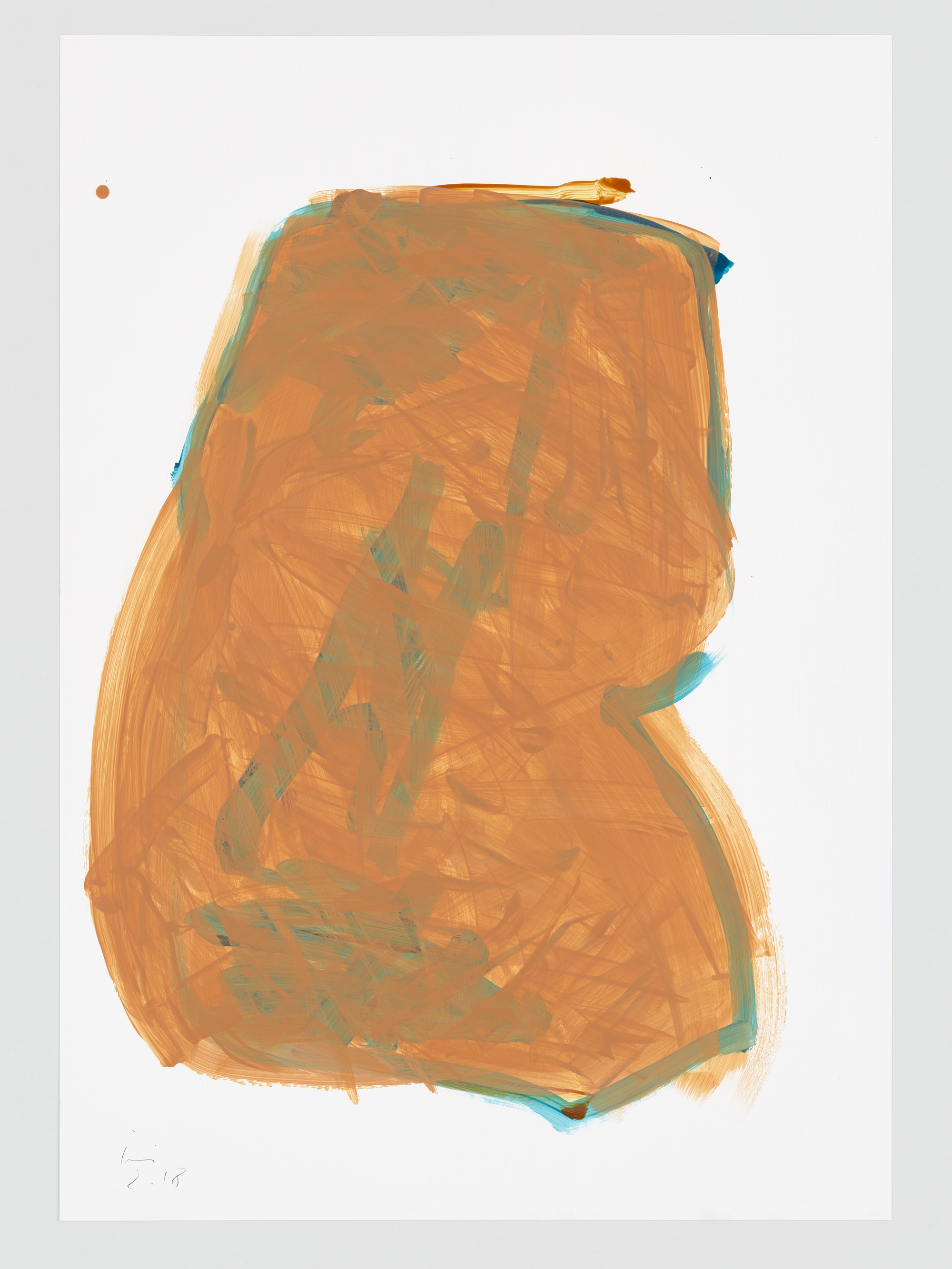
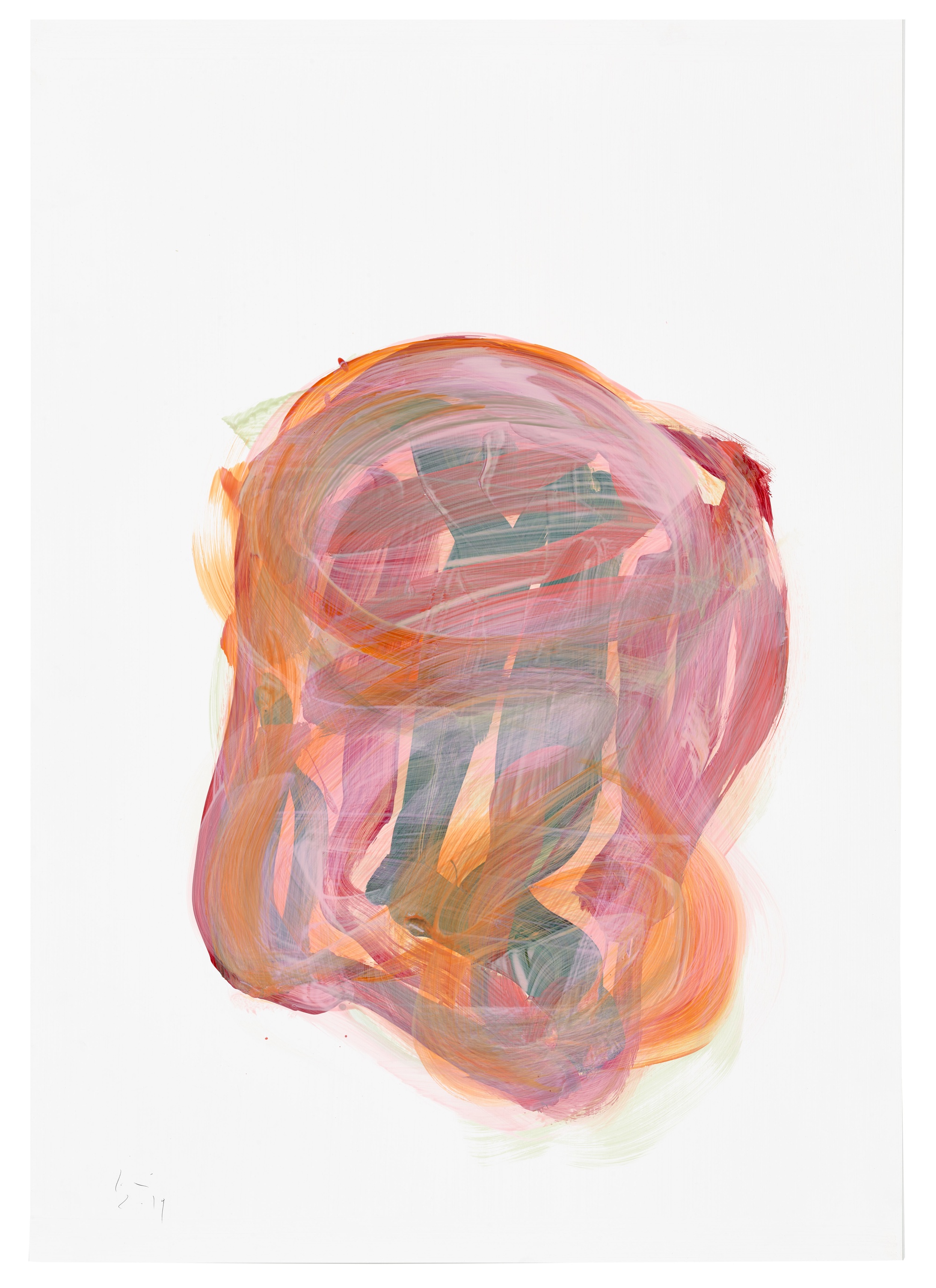
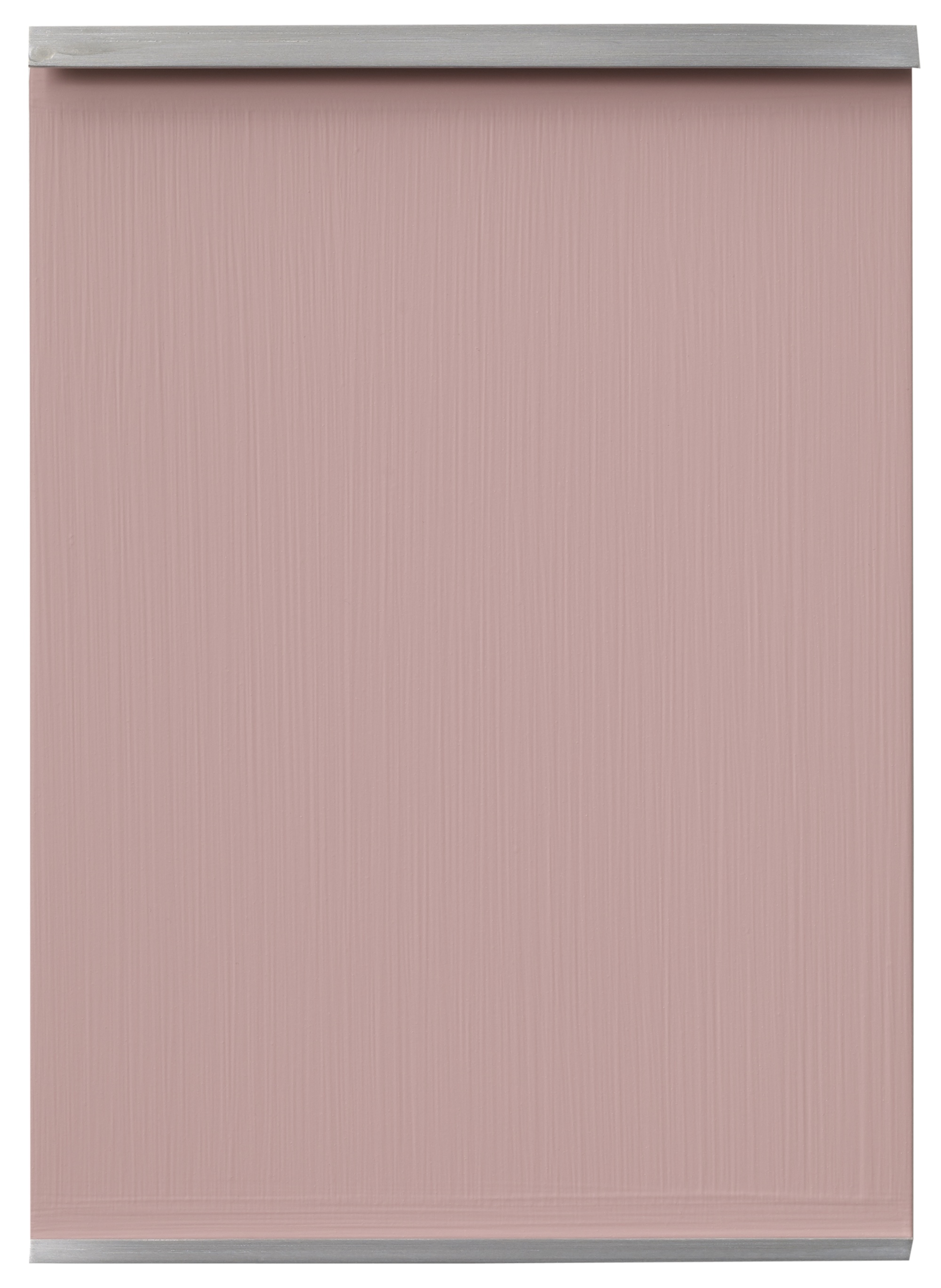
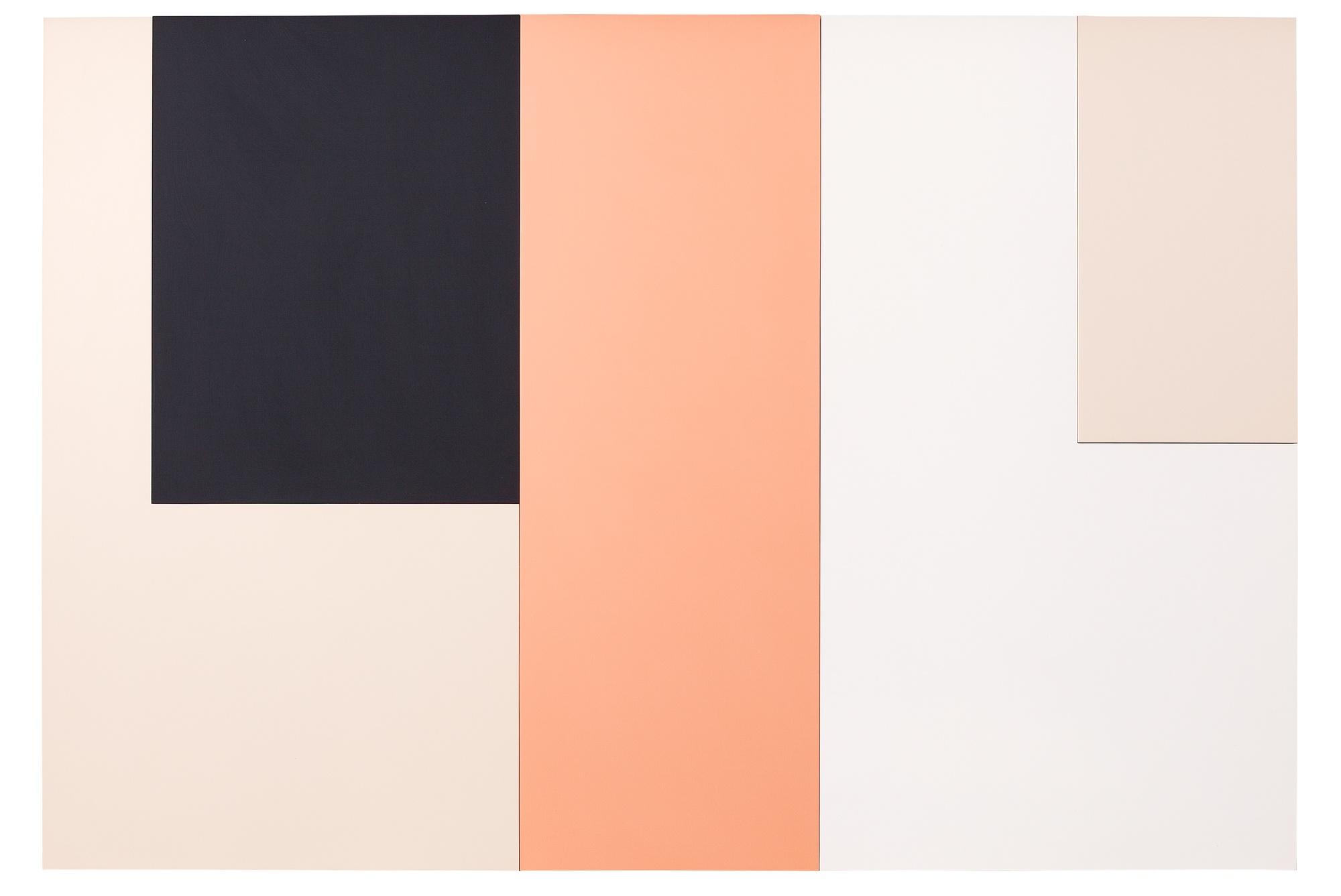
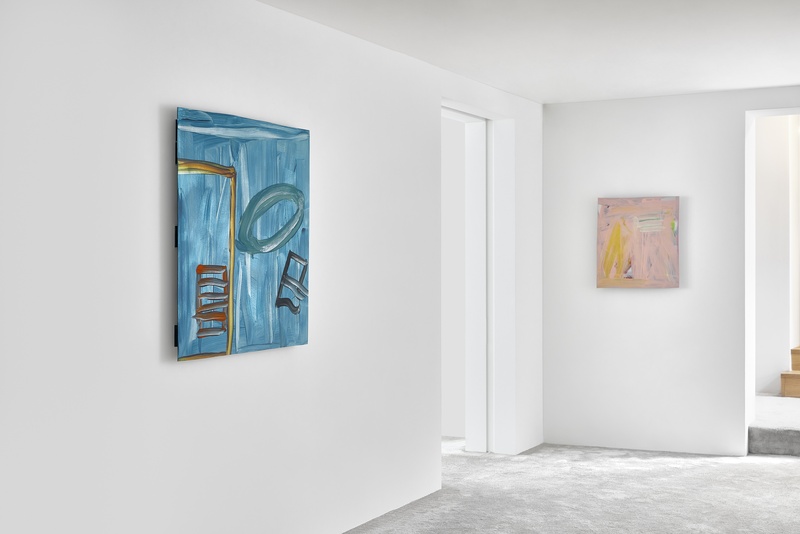
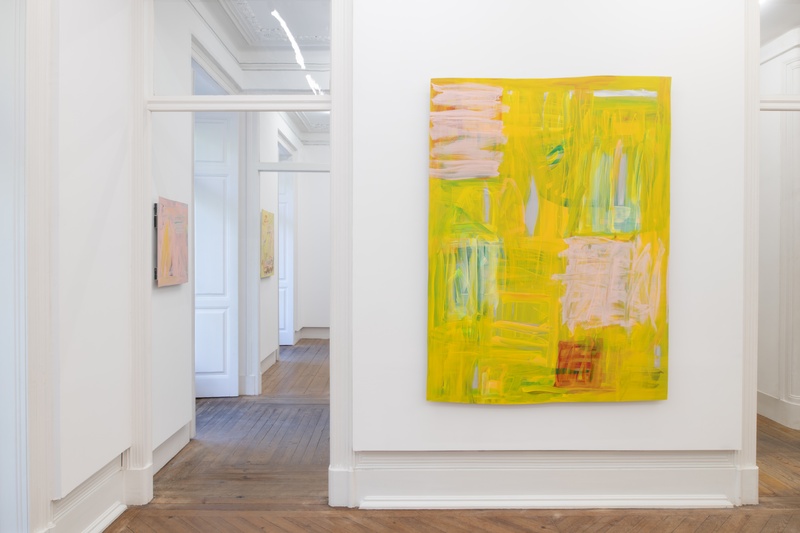
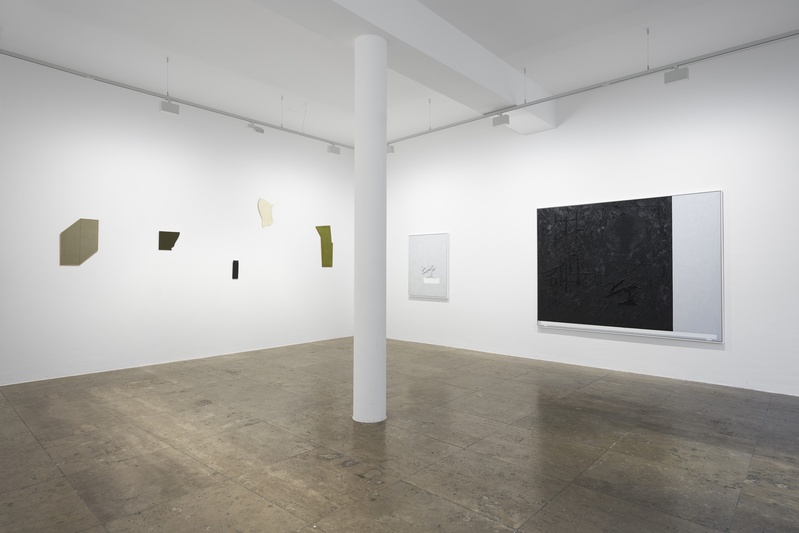
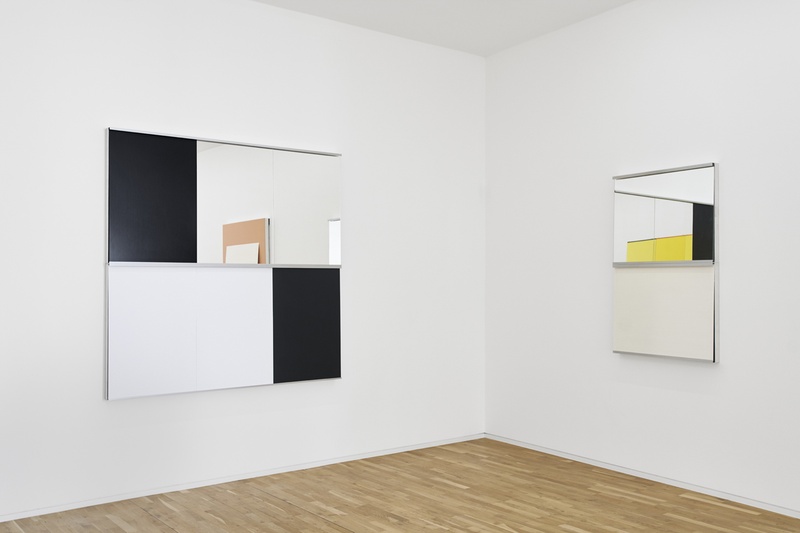
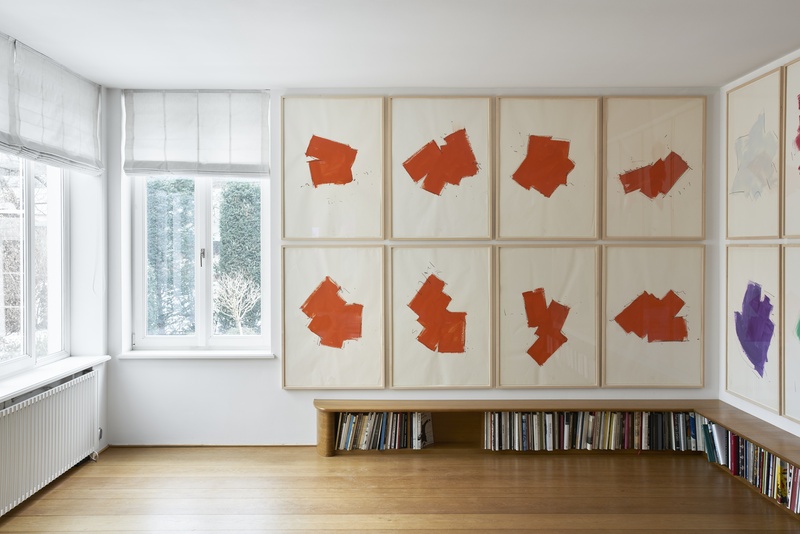
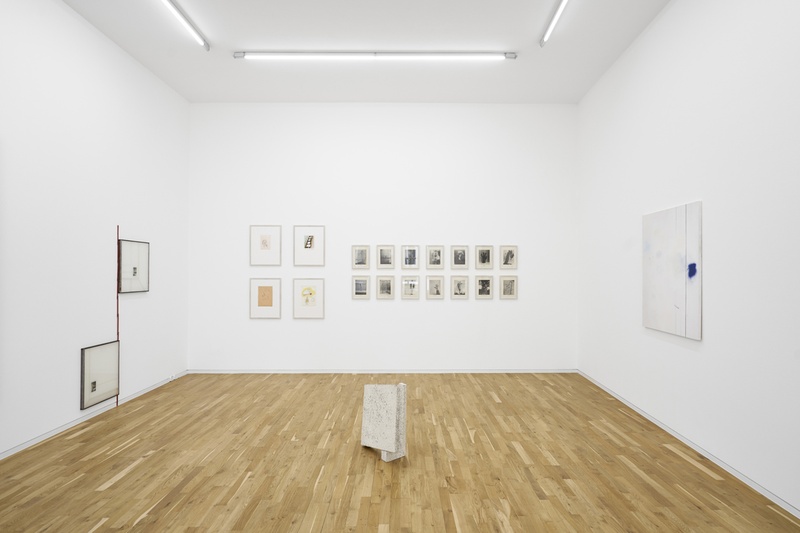
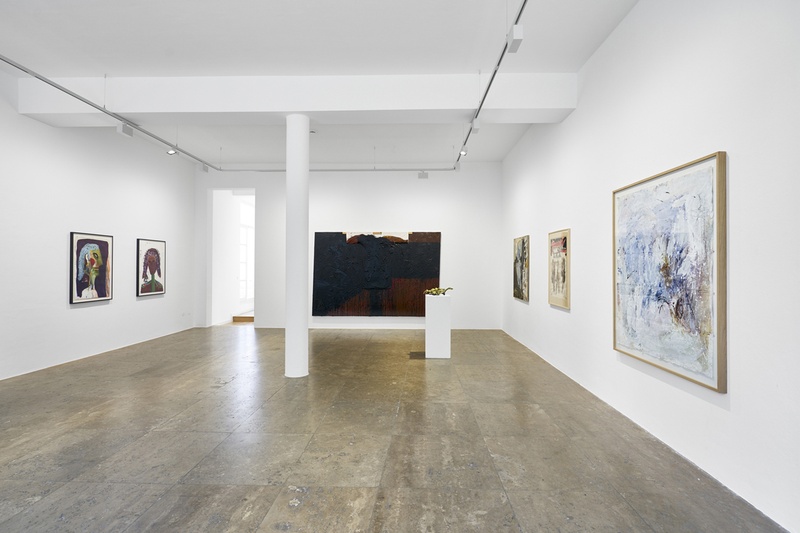
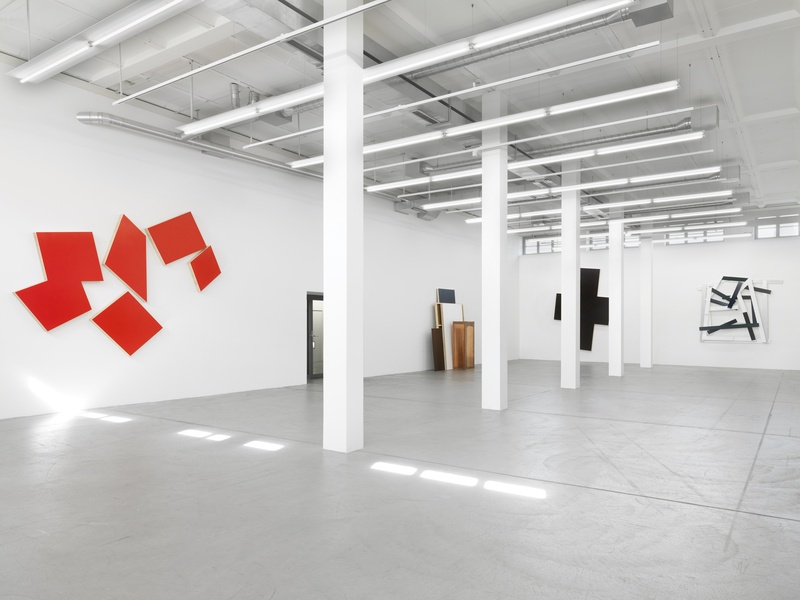
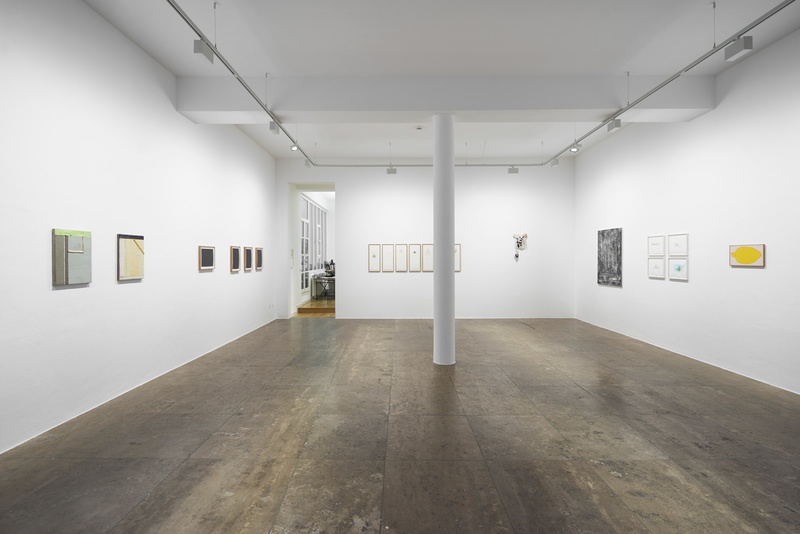
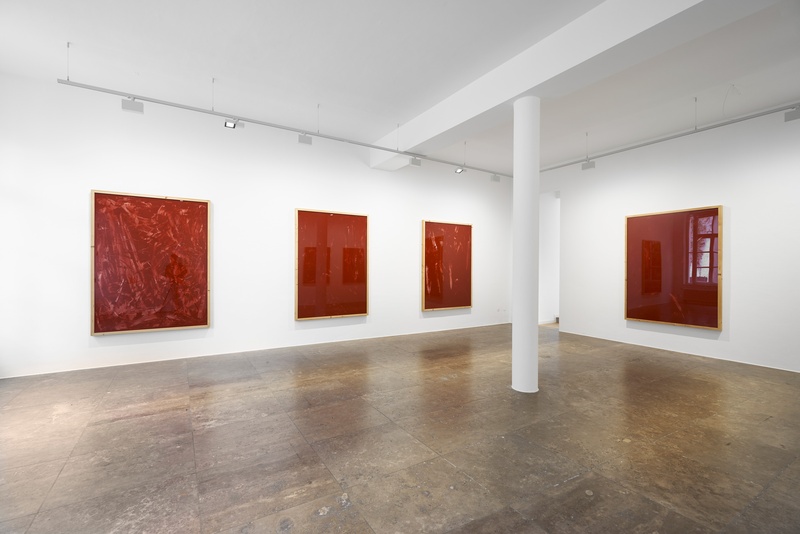
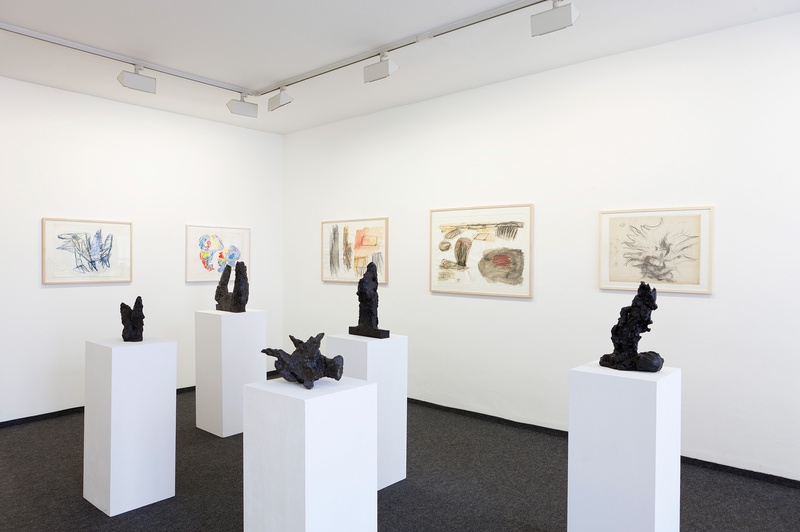
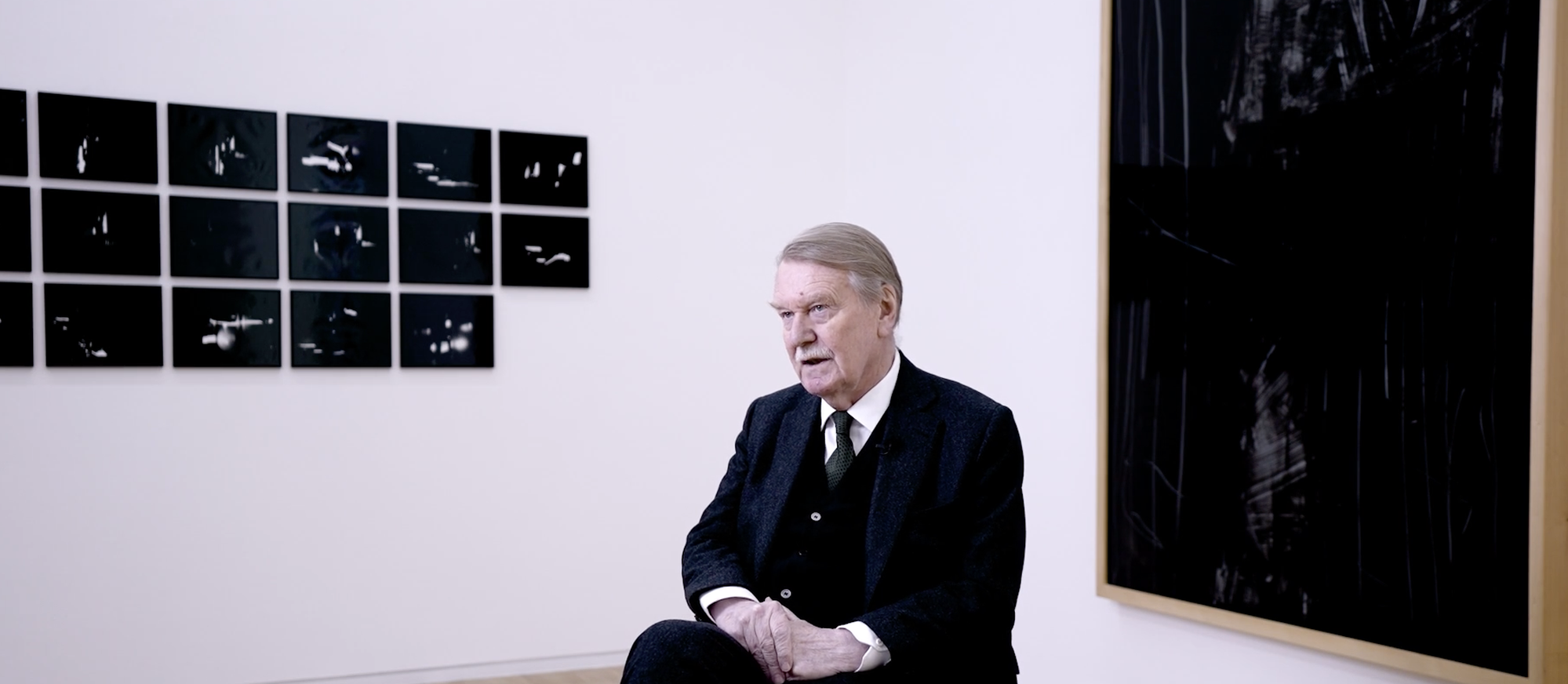
Imi Knoebel’s work is amongst the most radical within the context of postwar abstraction. Taking nothingness as a starting point, an idea famously encapsulated in Kazimir Malevich’s “Black Square”, Knoebel developed his own artistic vocabulary of forms. This vocabulary is not to be understood as something new, but rather as an expression of hope from which he draws. His position, which he conveyed in an interview at the time of his retrospective at the Kunstmuseum Wolfsburg, is to “have no imagination at all. And that’s sufficient. And you don’t need more. […] What did Malevich say? Pure experience”.1 He sees himself as a painter and a worker, but not an artist.
While studying at the Kunstakademie Düsseldorf in the legendary class of Joseph Beuys, he began to work in analytical series. These series are investigations into form, color, material, light, and line. In some cases Knoebel goes so far as to dematerialize painting by exhibiting a stretcher without canvas. Increasingly resolute, he frequently inscribes the dimensions of the picture onto the wall. In terms of the development of his work, Knoebel is anything but linear. He surprises with the reactivation of earlier concepts and defies categorisation, even now. By juxtaposing polarities and connecting them, he unites in his painting the antagonism of forms.2 Read More
Imi Knoebel participated in the fifth, sixth, seventh and eighth documenta. His work has been exhibited internationally since the 1980s and can be found in numerous museums and important private collections. In 2008 and 2015, Knoebel designed nine new church windows for Reims Cathedral and its adjacent Jeanne d’Arc chapel. In 2011, he received the Kythera-Preis from the city of Dusseldorf. In 2006, he was awarded the French Officier des Arts et des Lettres.