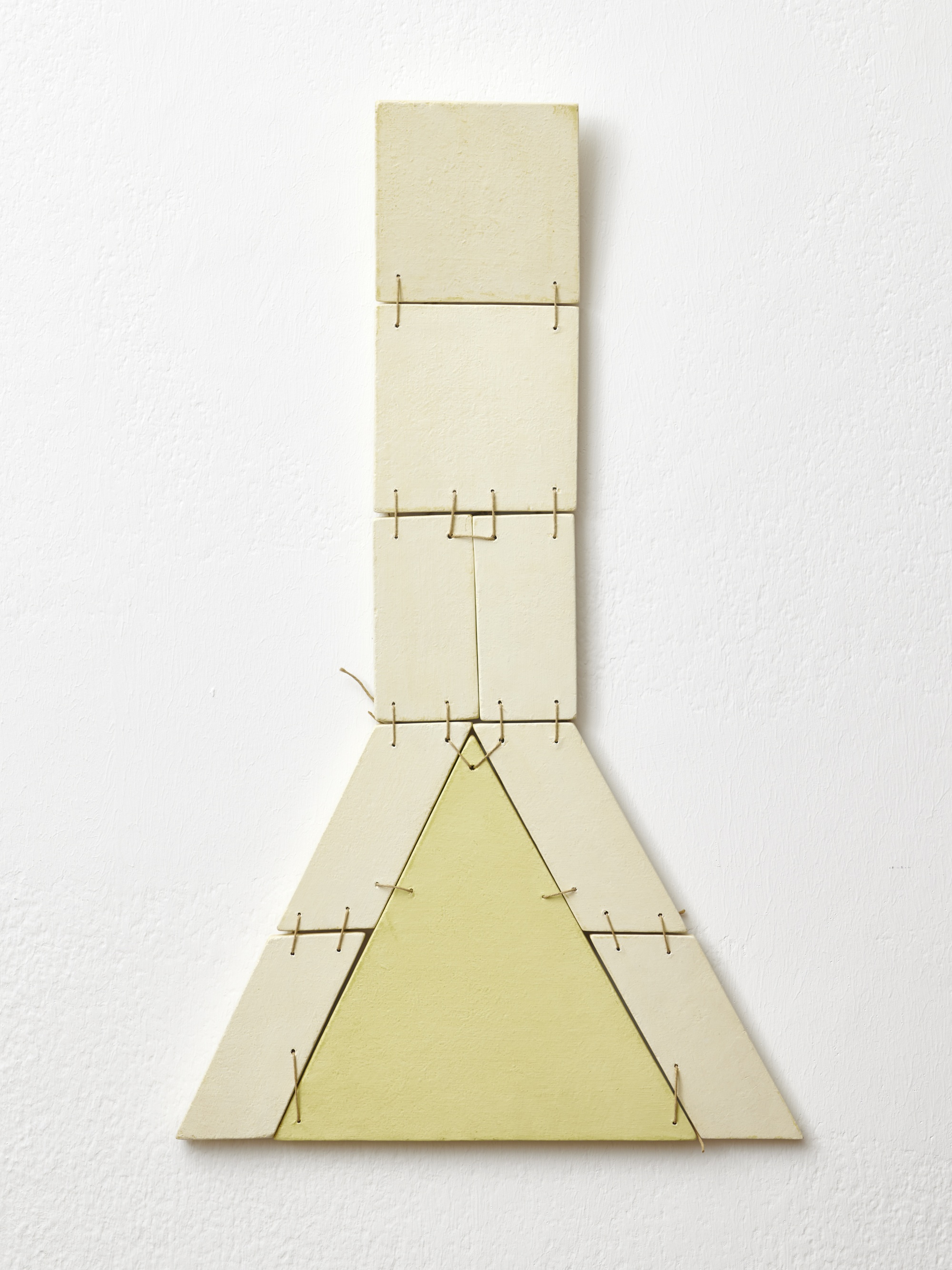
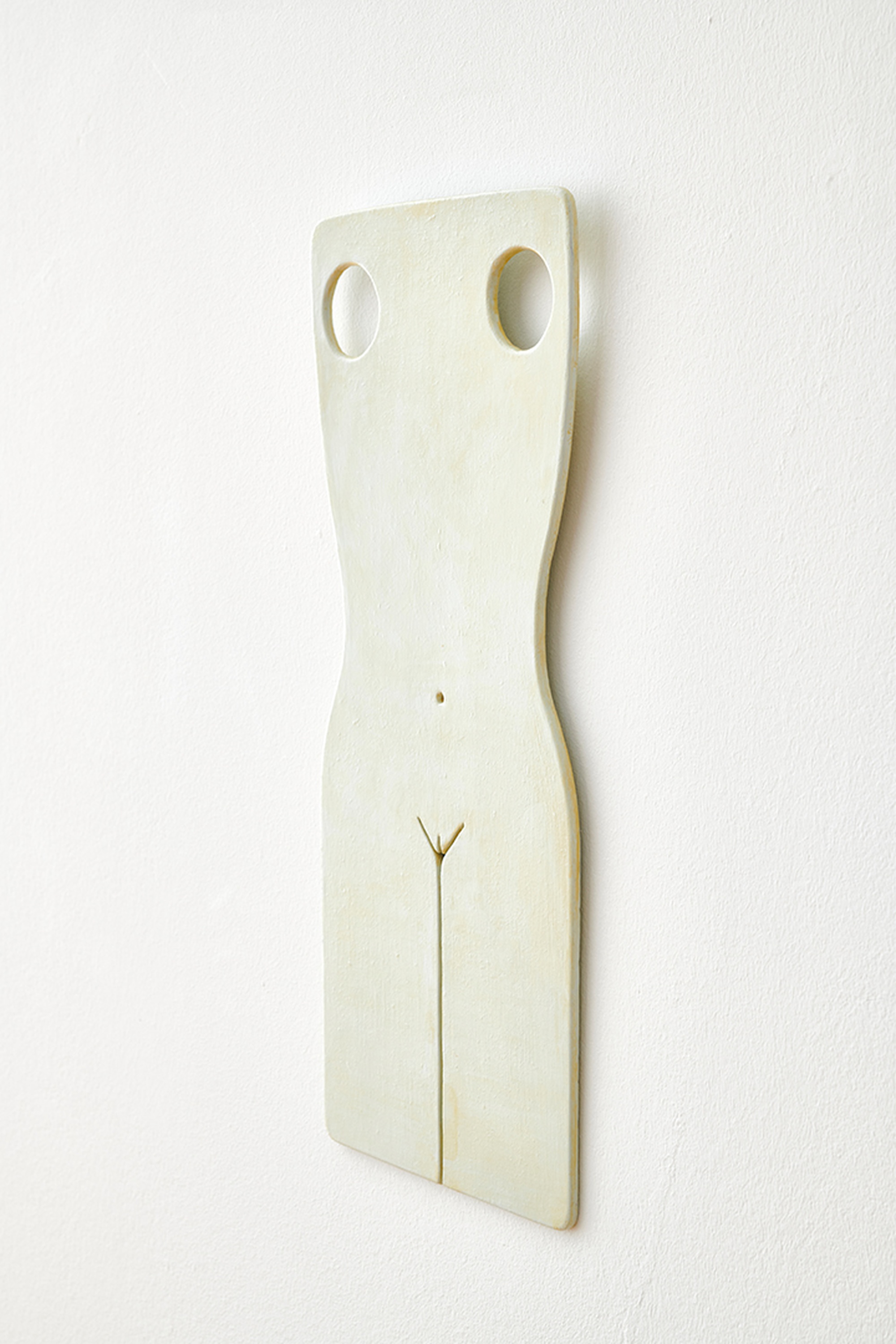
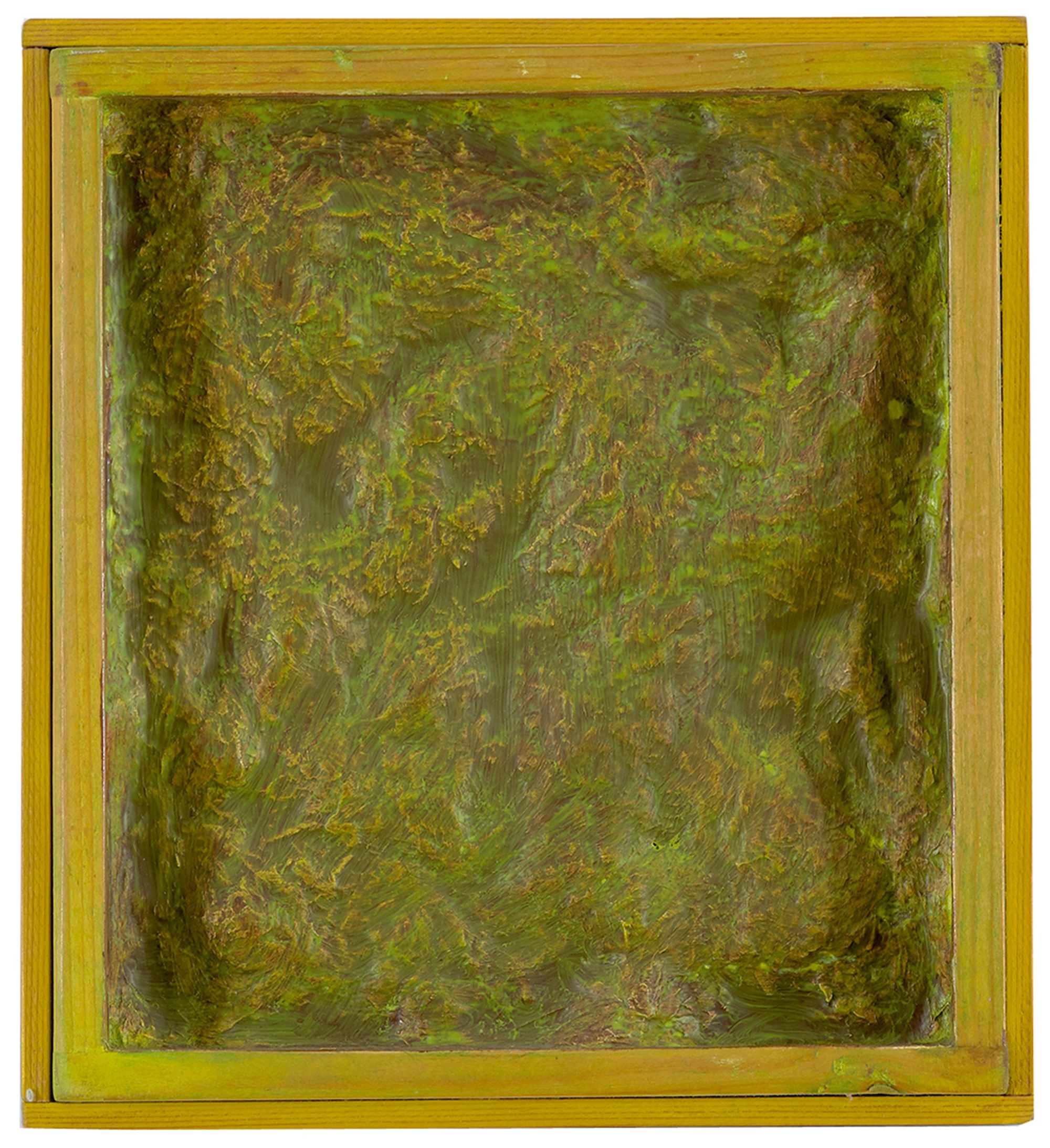
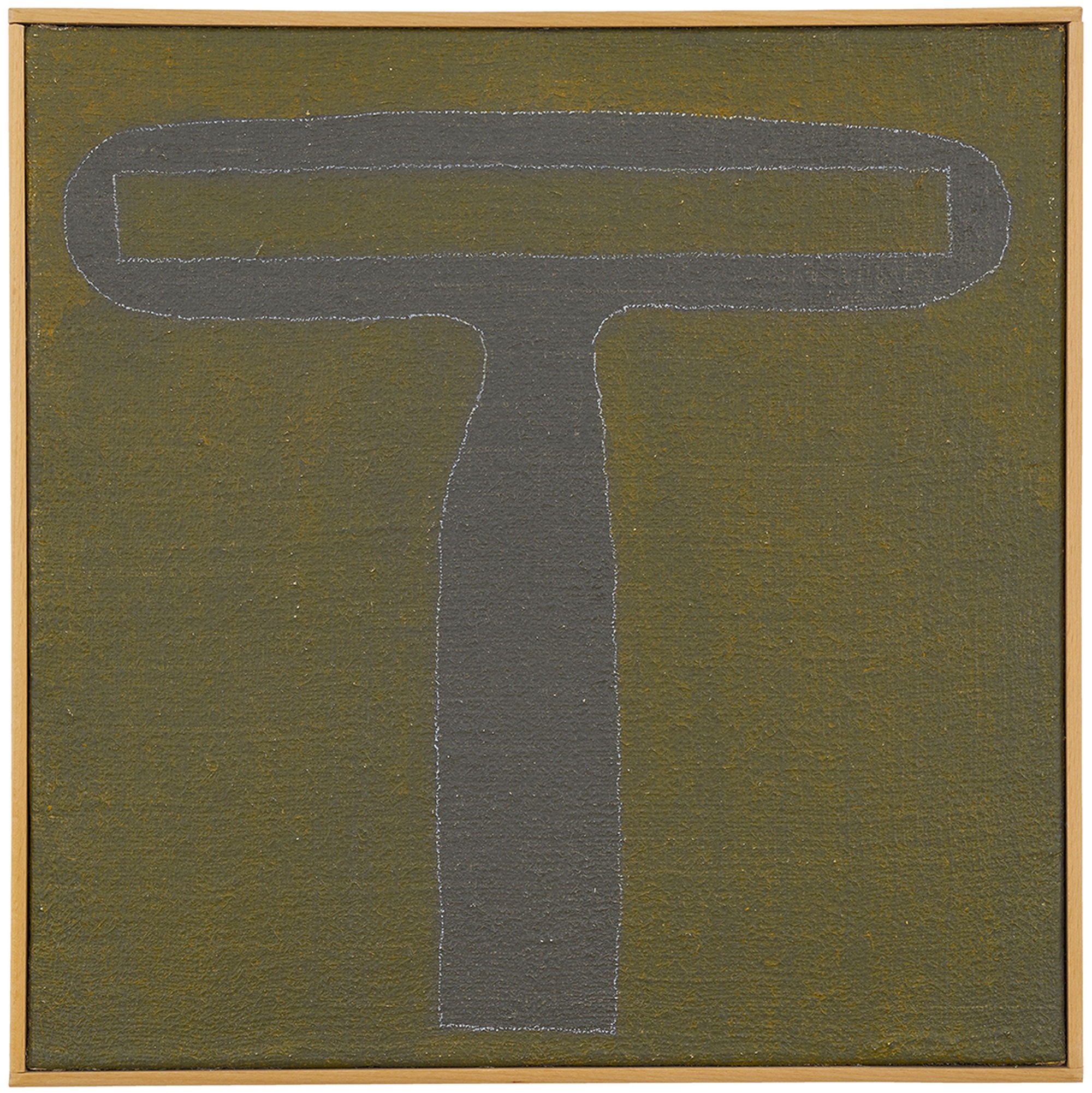
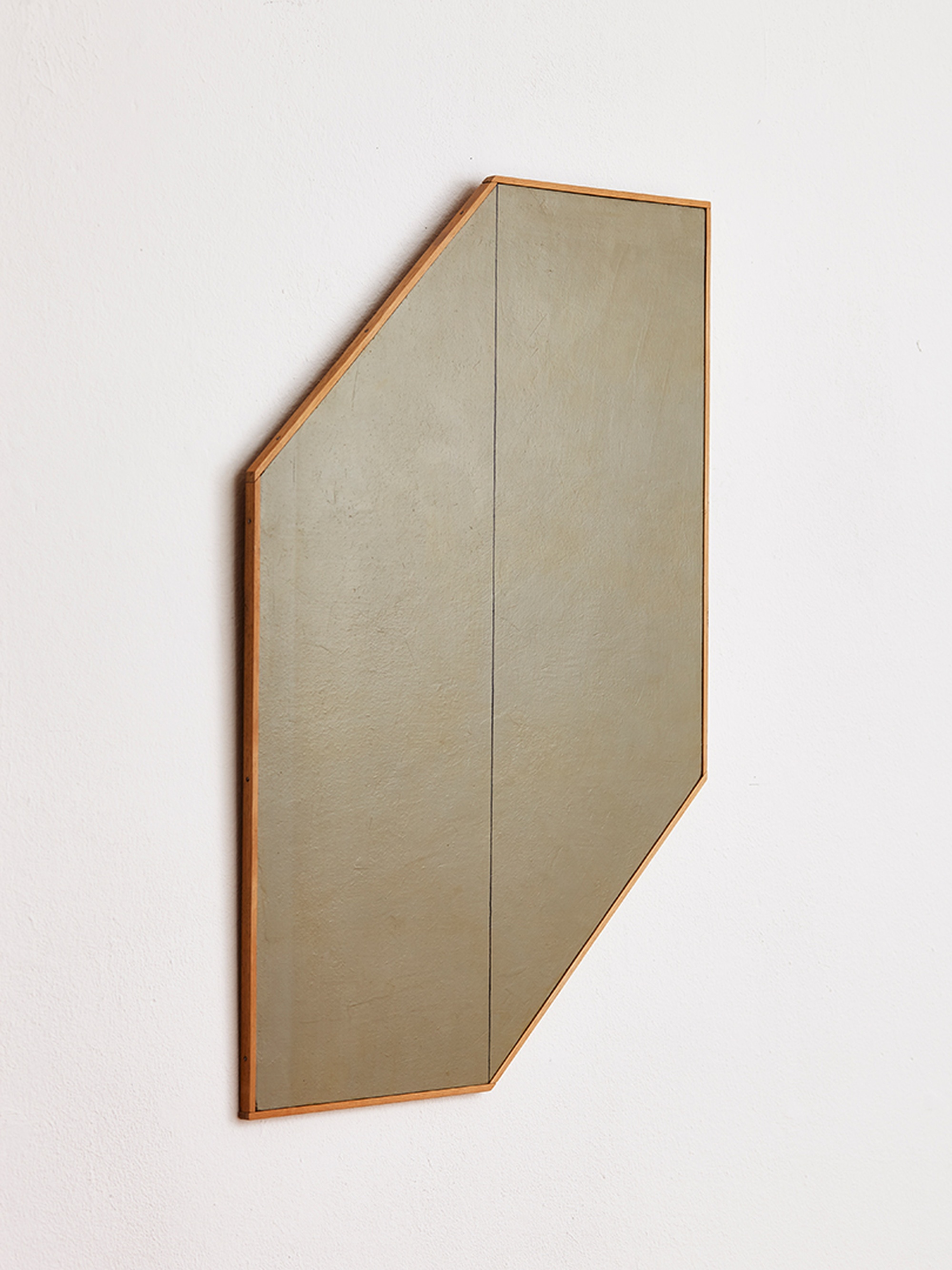
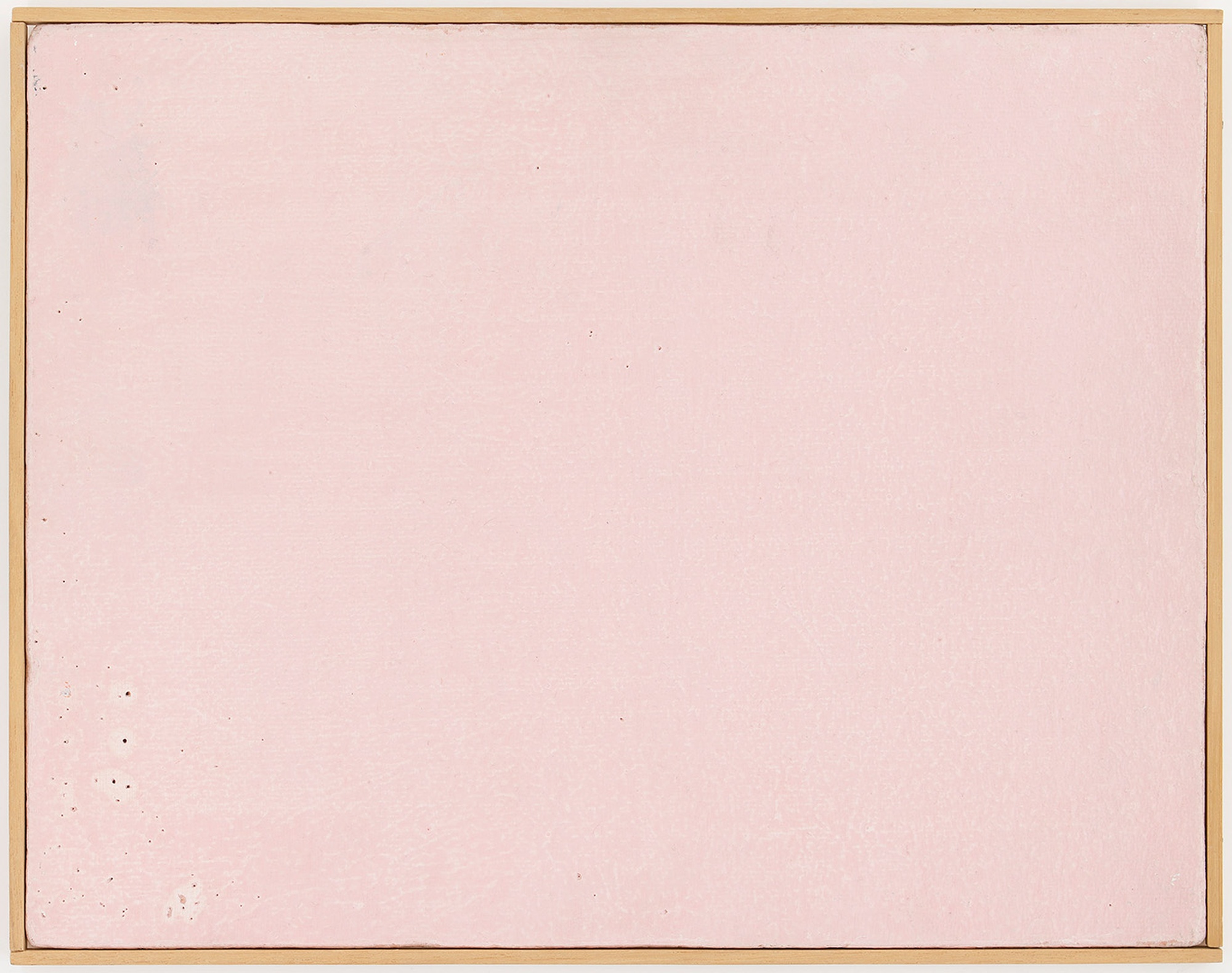
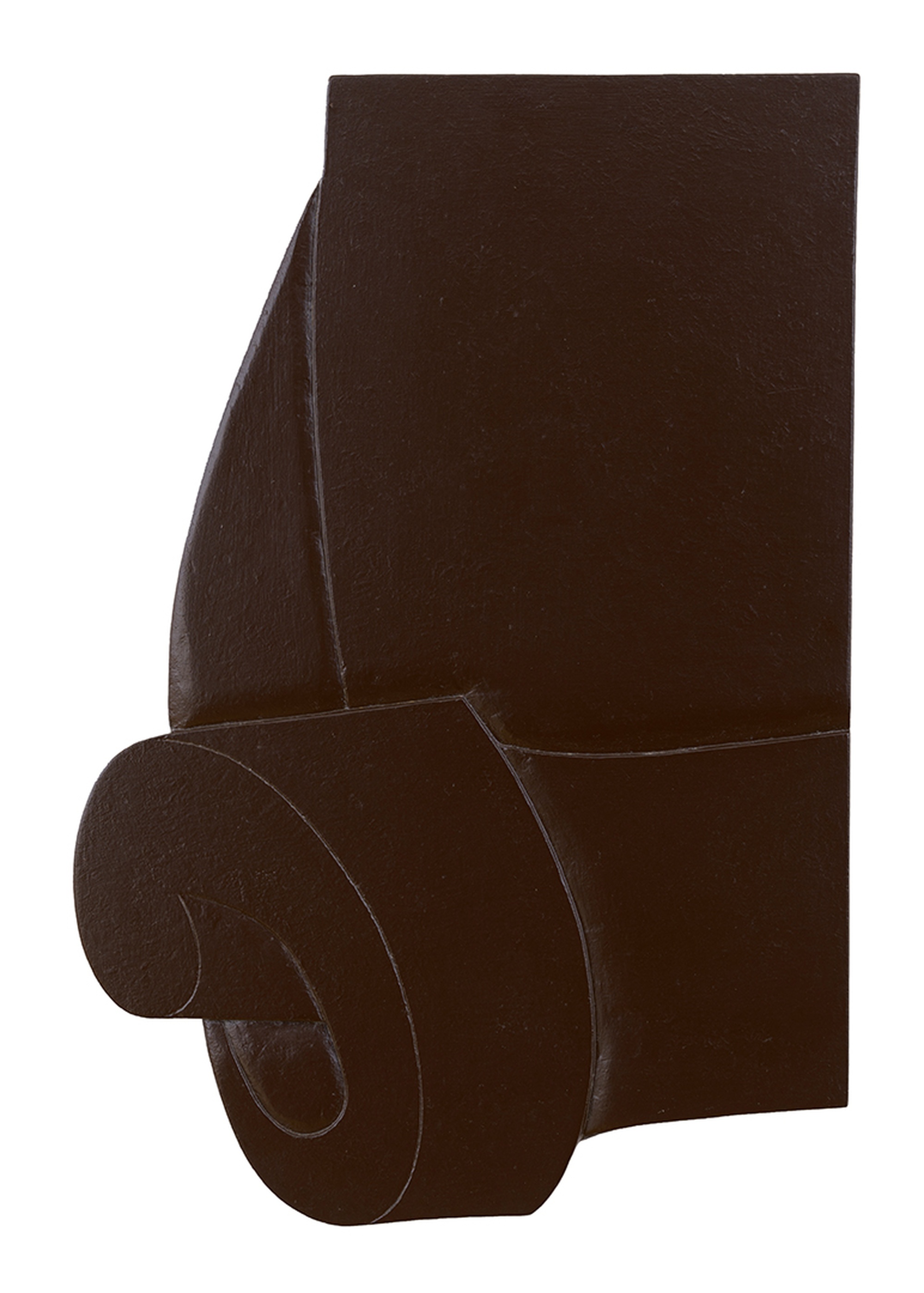
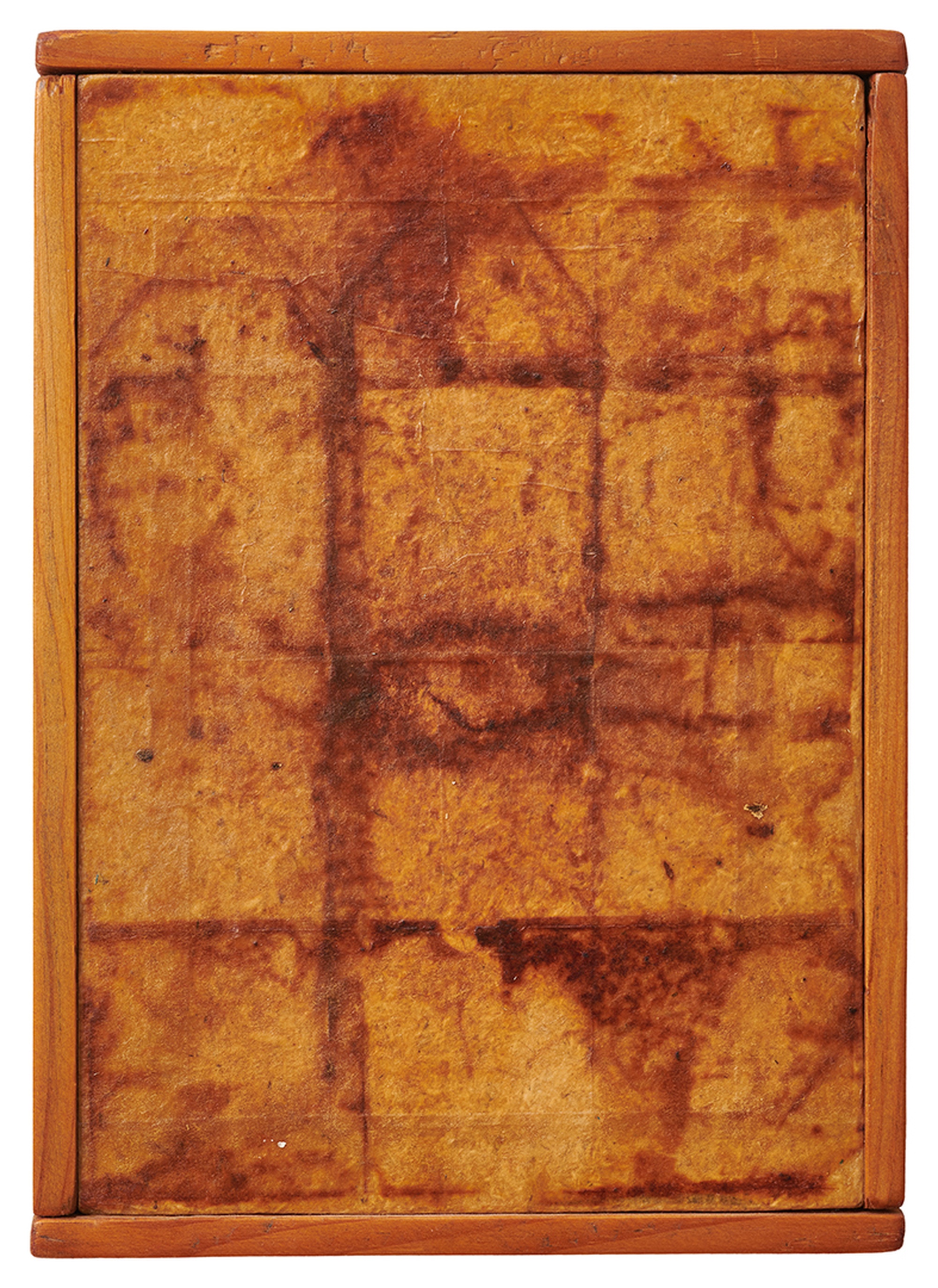
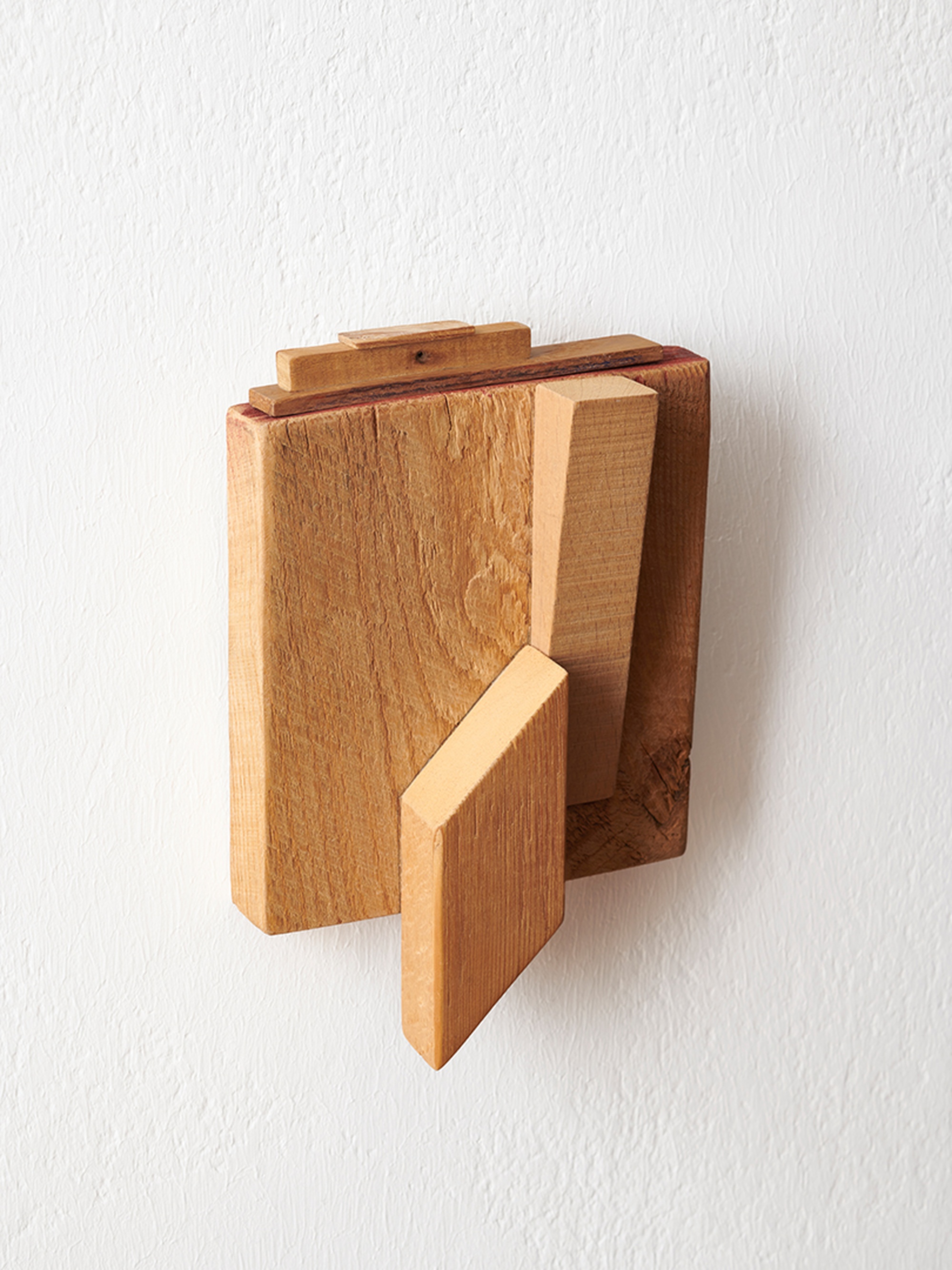
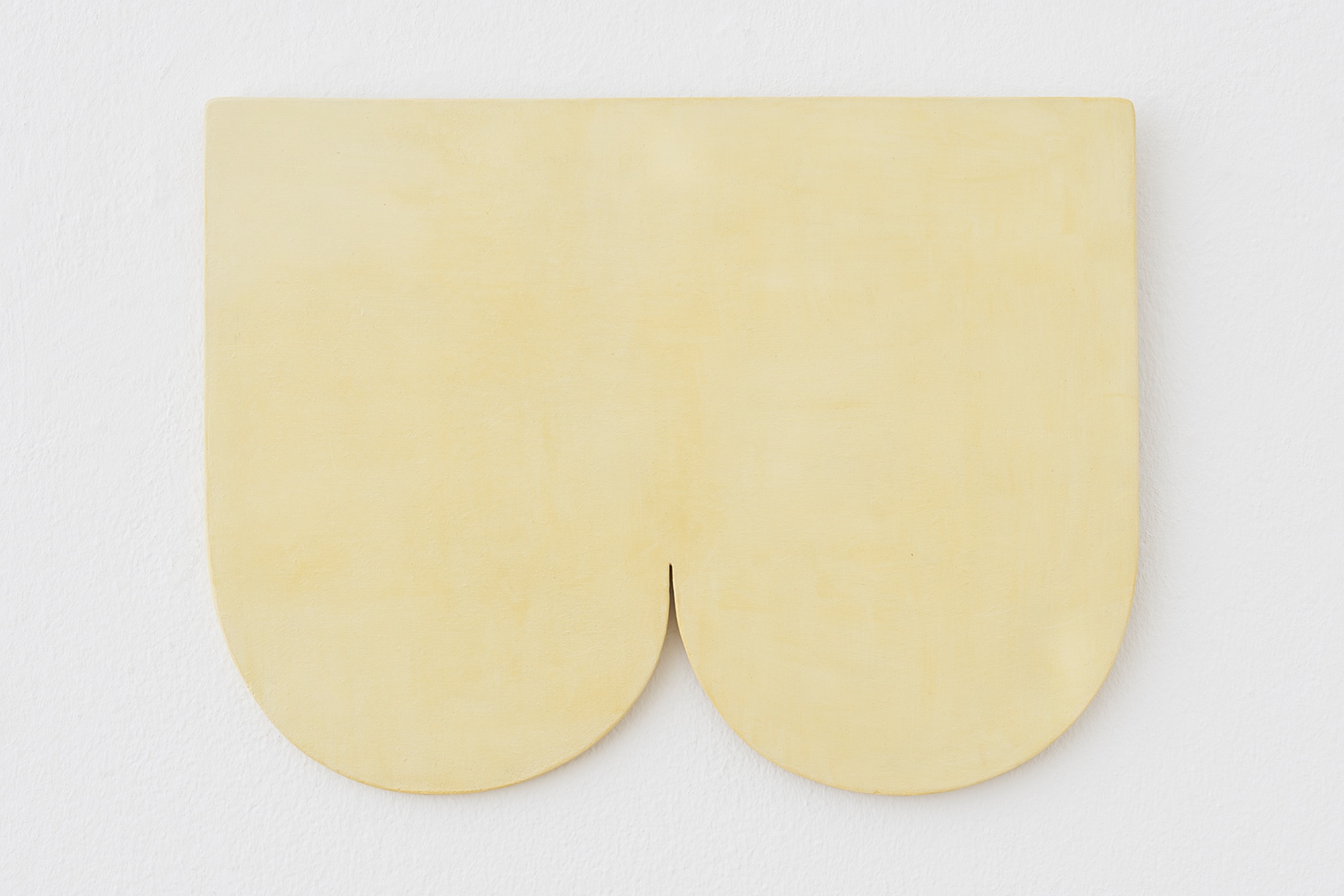
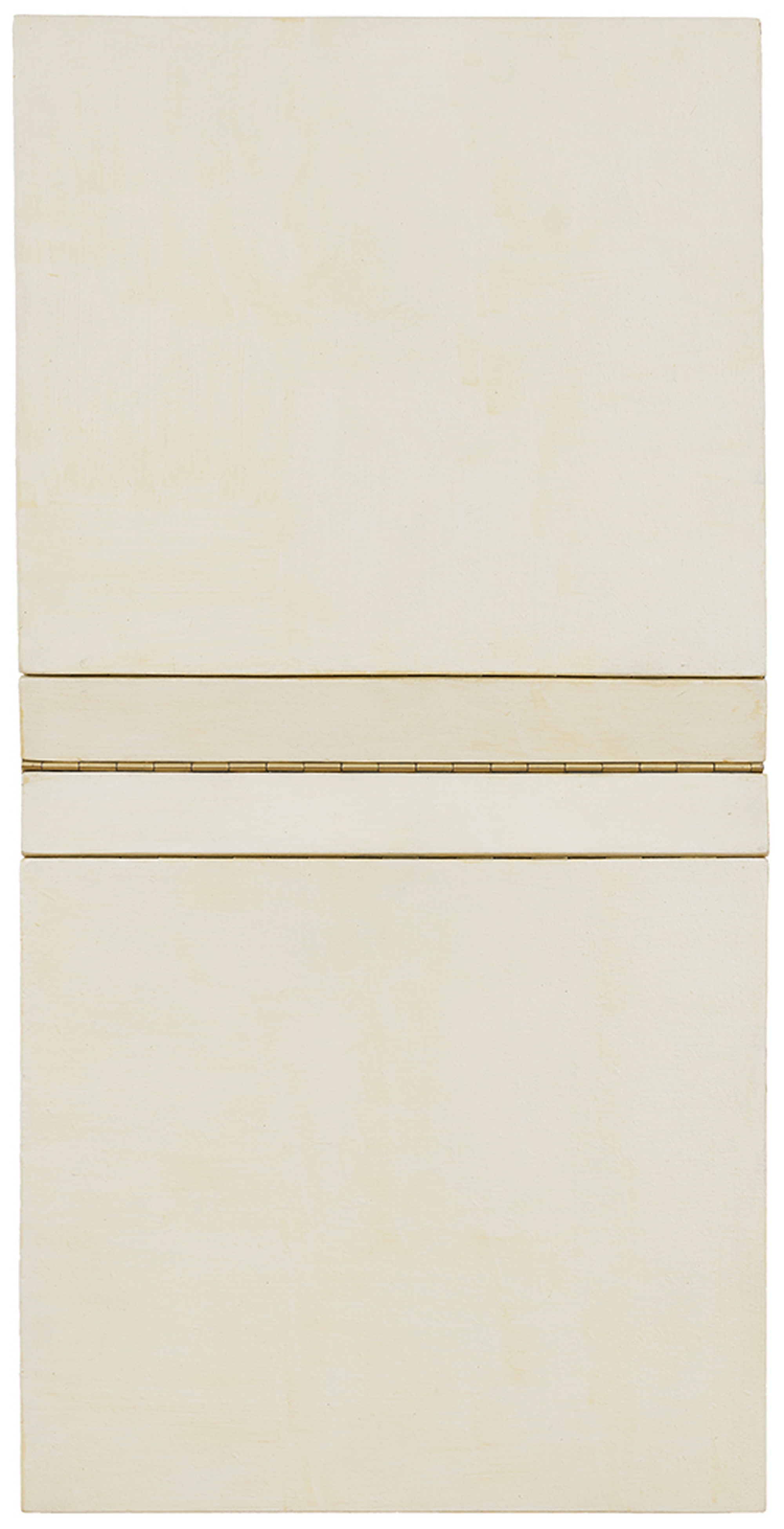
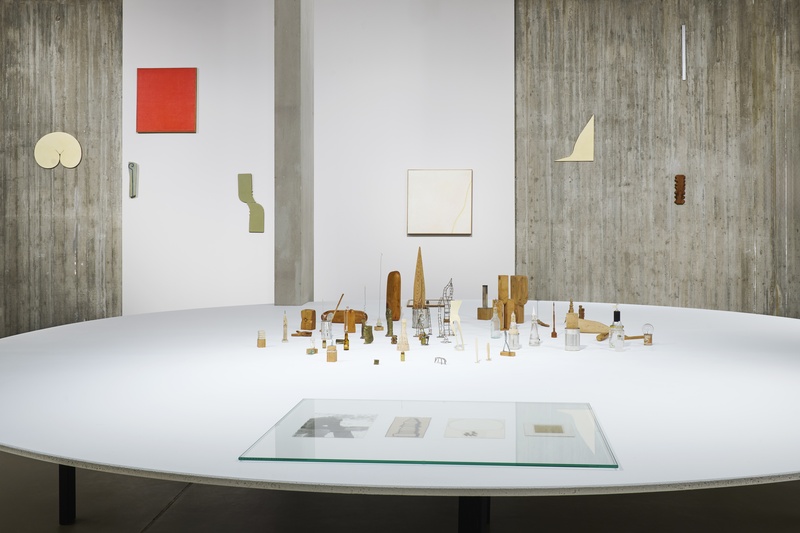
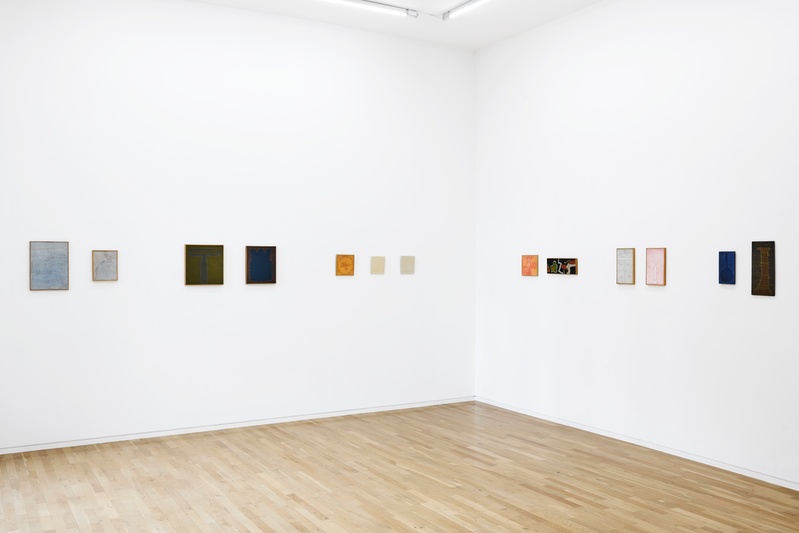
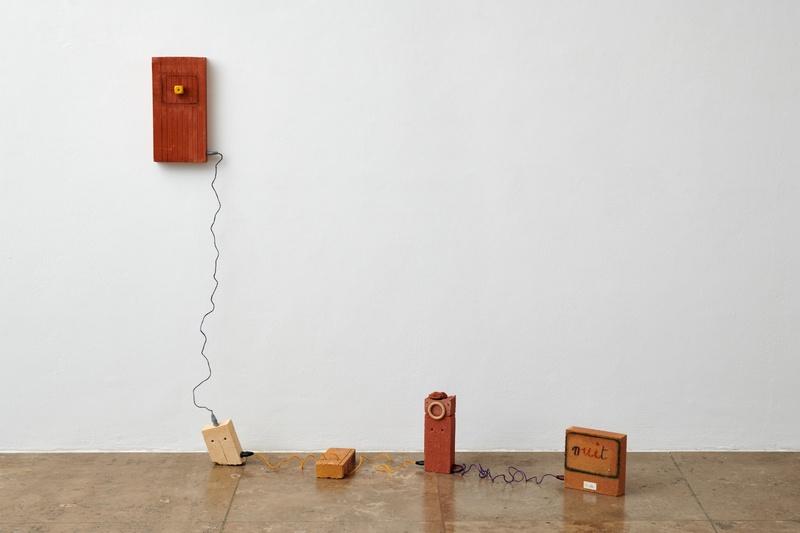
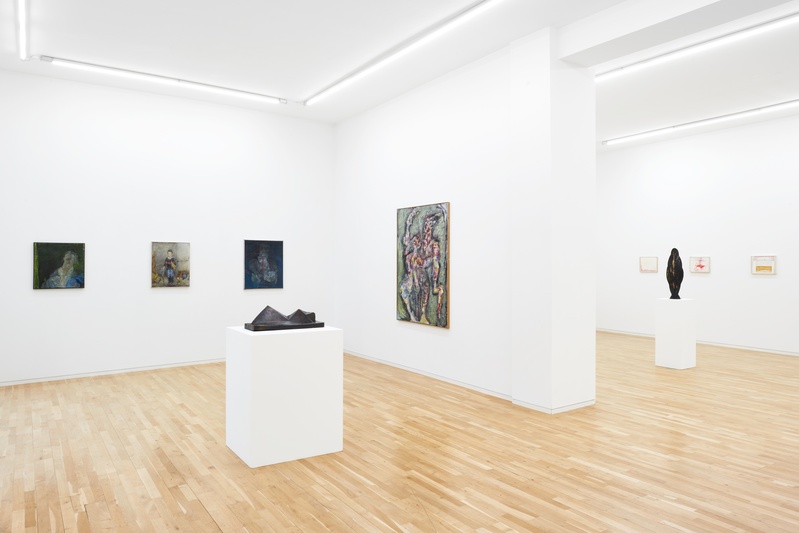
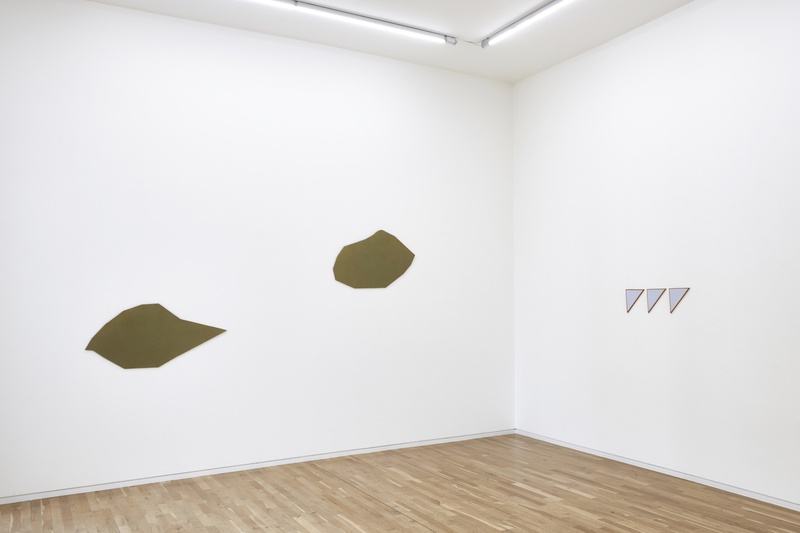
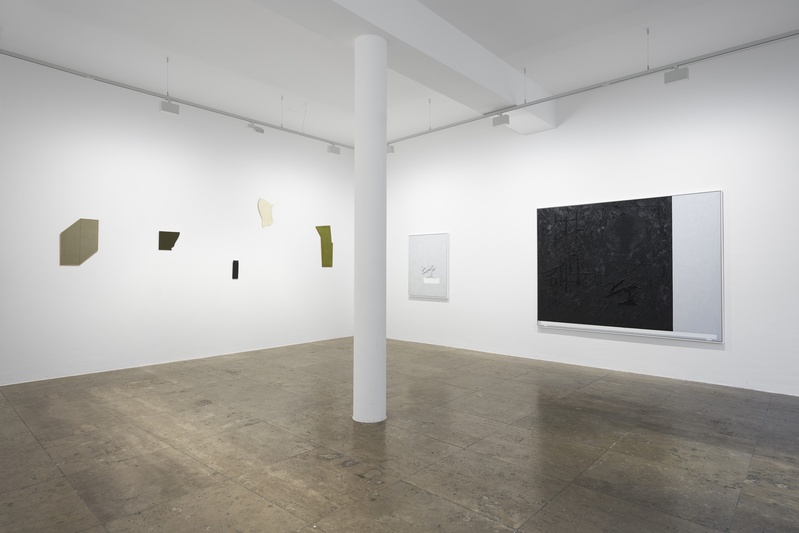
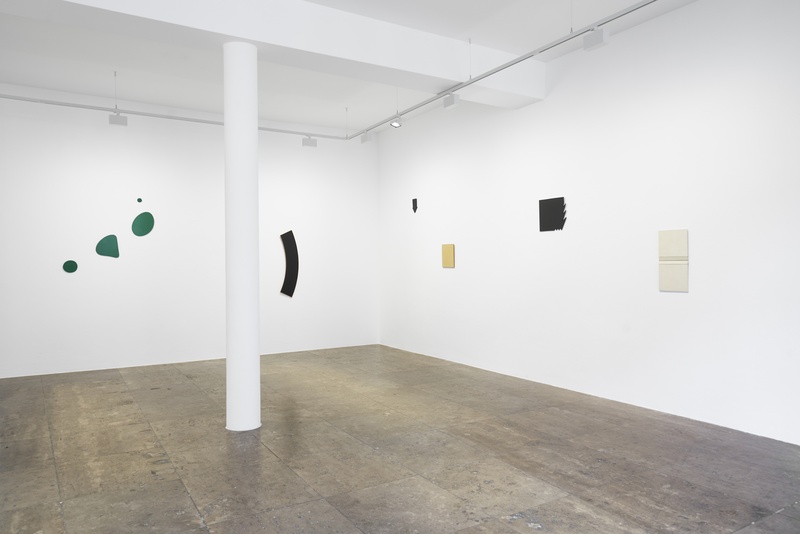
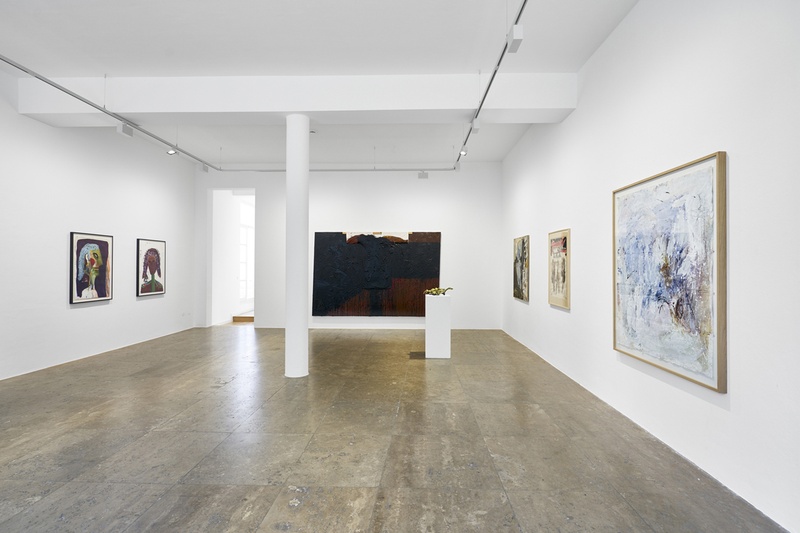
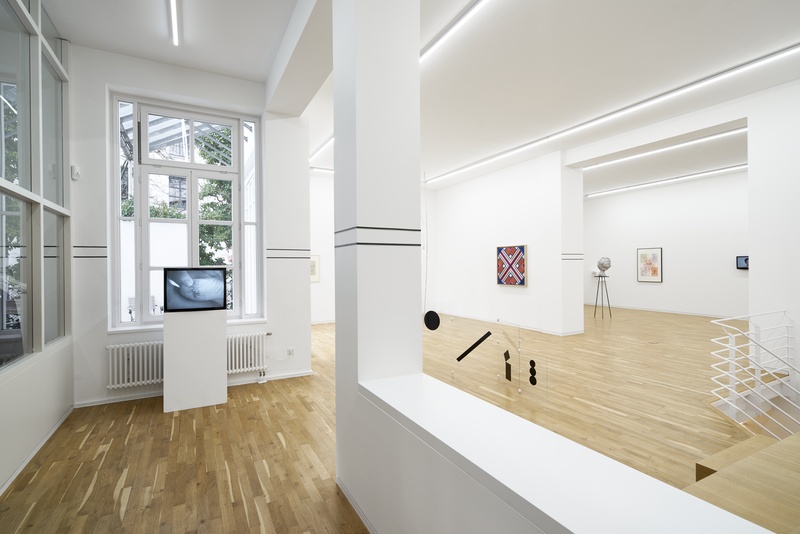
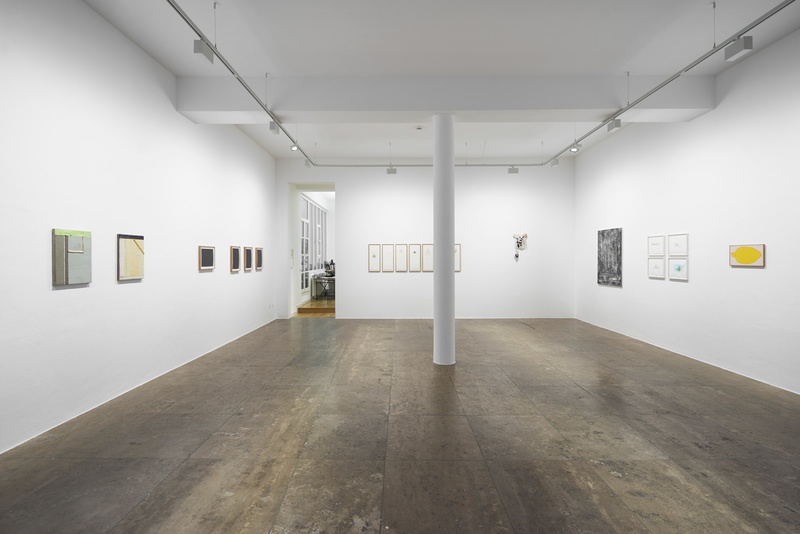
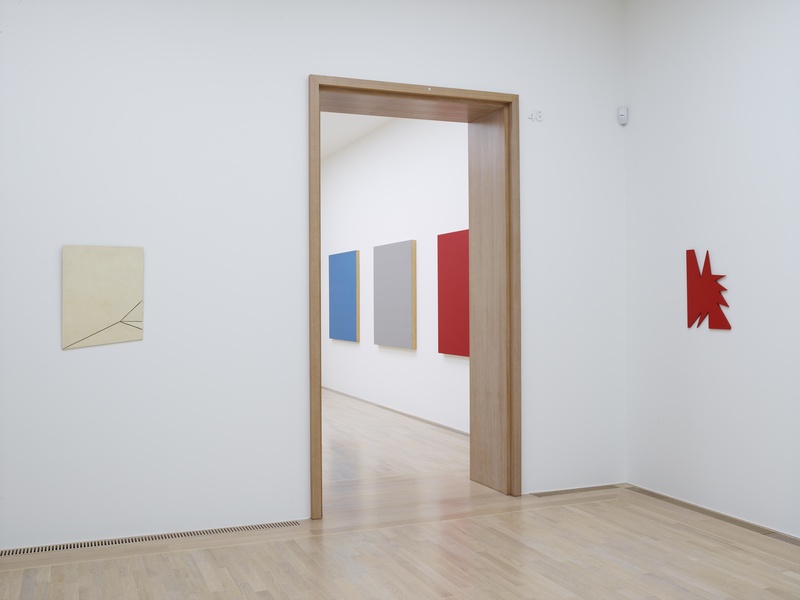
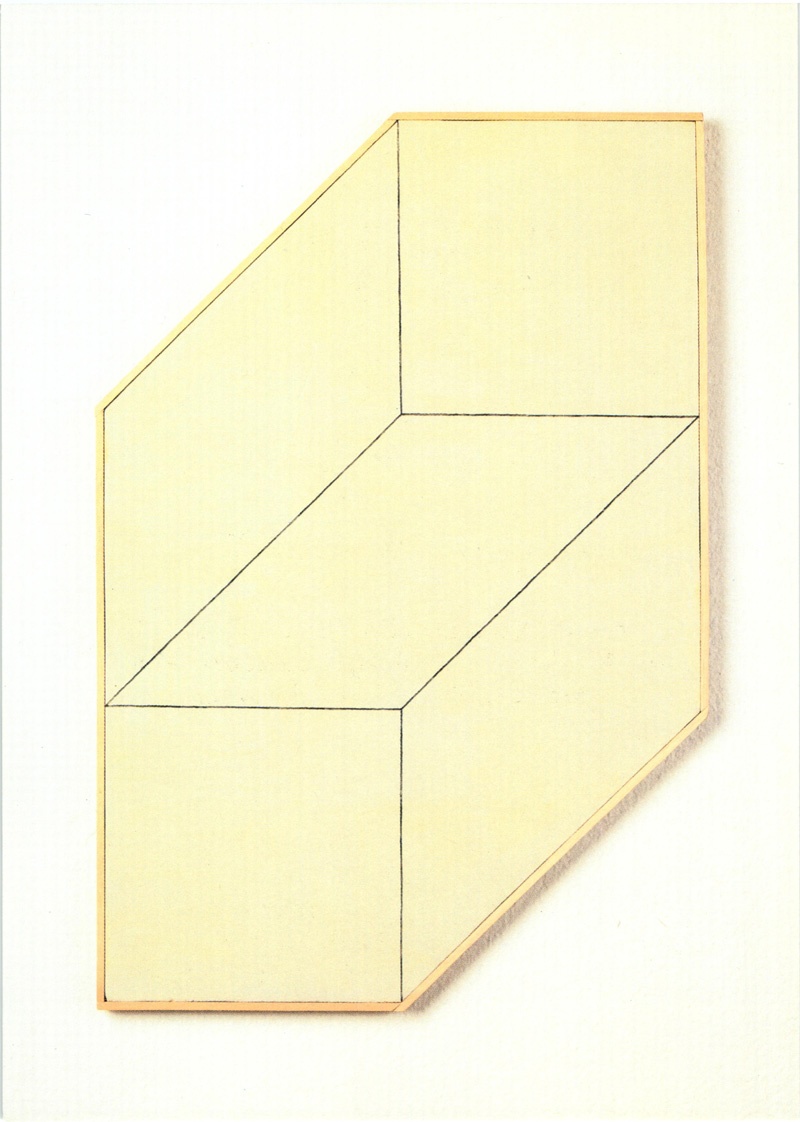
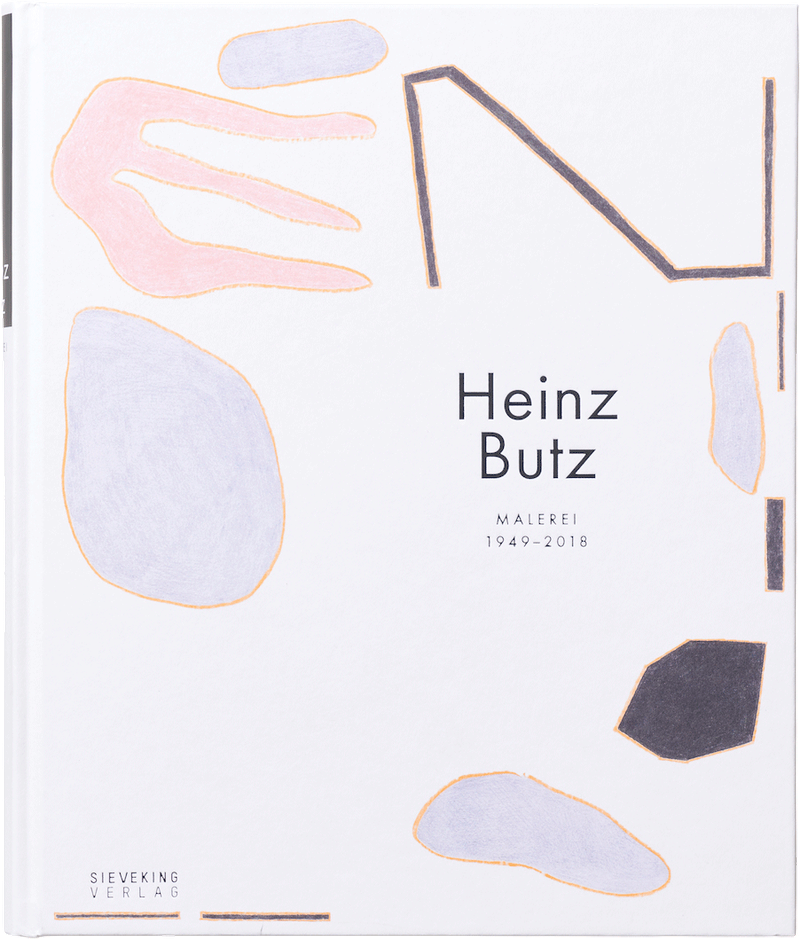
Heinz Butz is a minimalist among the shaped canvas artists with small-format, irregularly formed, wall-based works, which he created in the 1960s and early 1970s he himself refers to as pictorial objects. Ellsworth Kelly, Frank Stella and Barnett Newman are considered to be pioneers of shaped canvases and, in the 1960s in New York, these artists developed their large-scale, primarily monochrome canvases. Even other German artists such as Blinky Palermo or Imi Knoebel dealt with large-scale works. Heinz Butz’s works are, in contrast, intimate, intent, meditative.
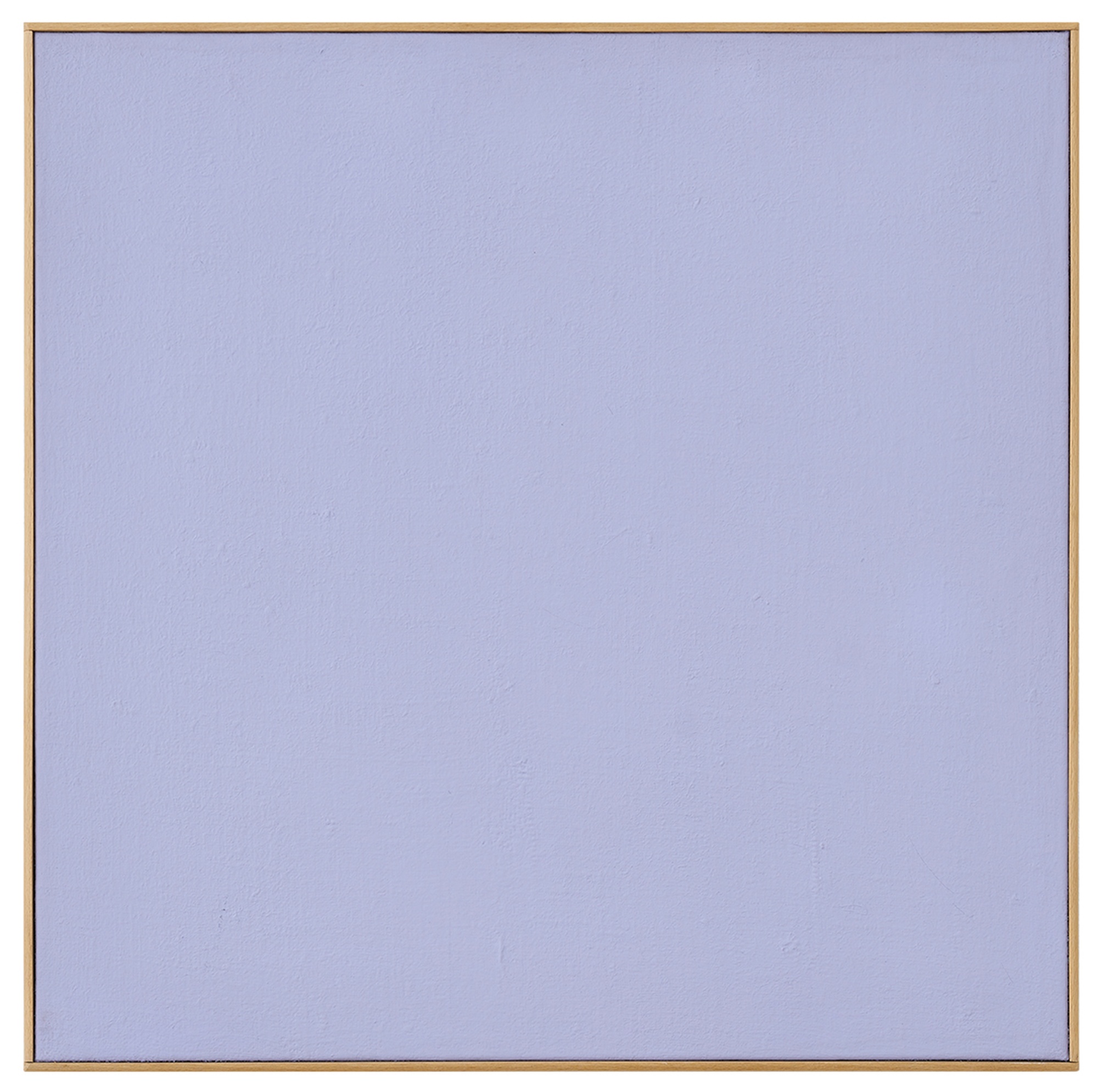
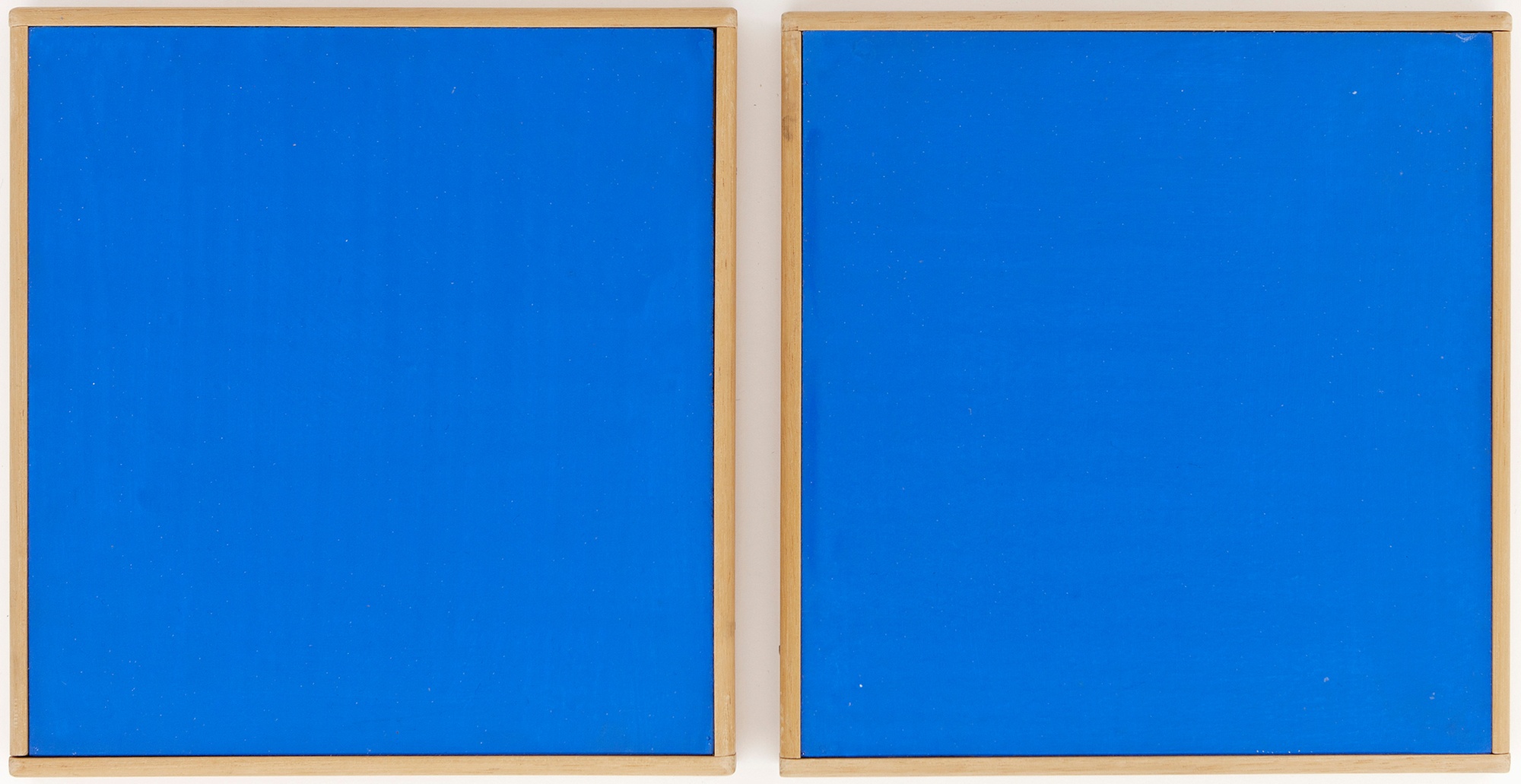
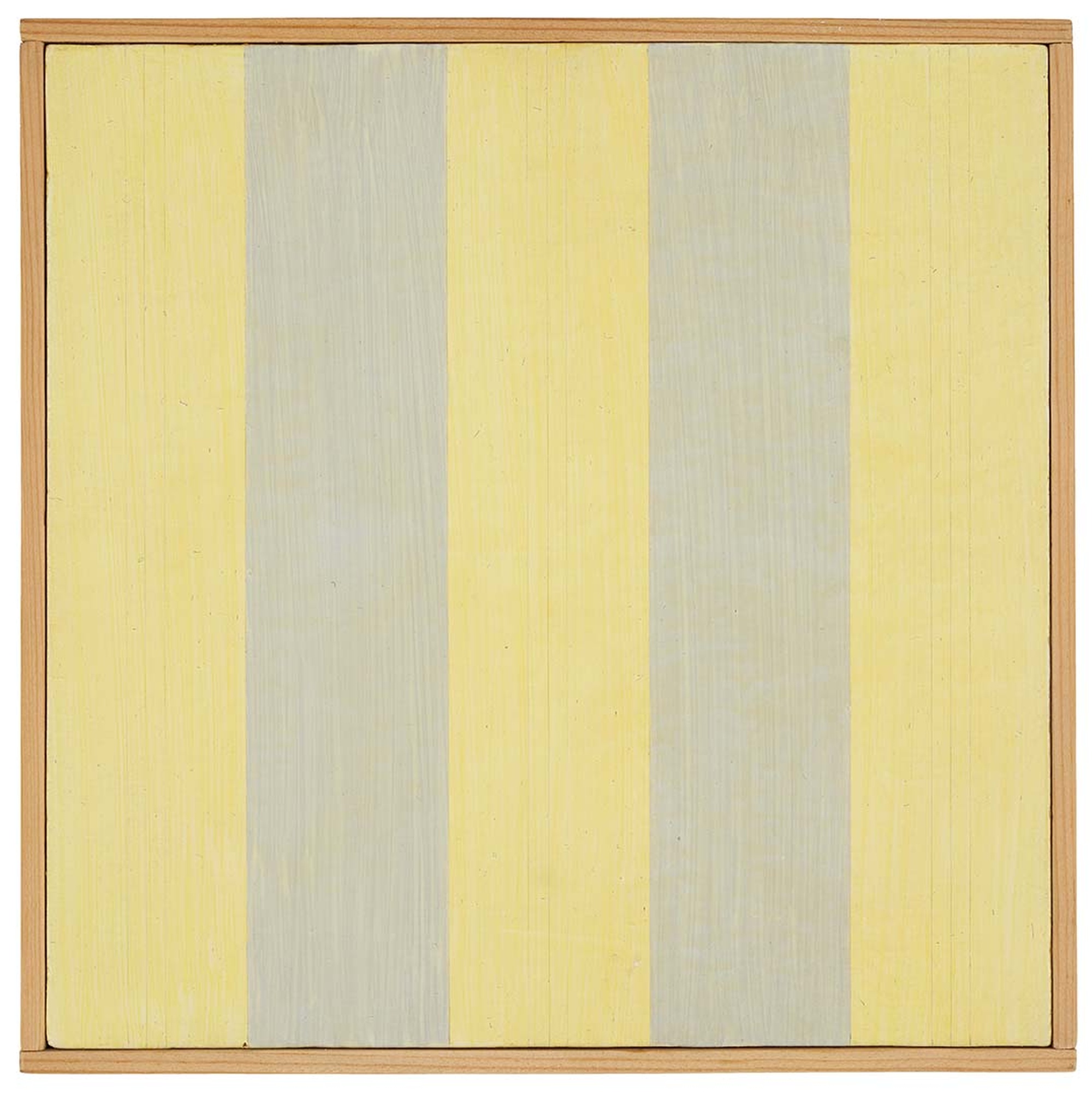
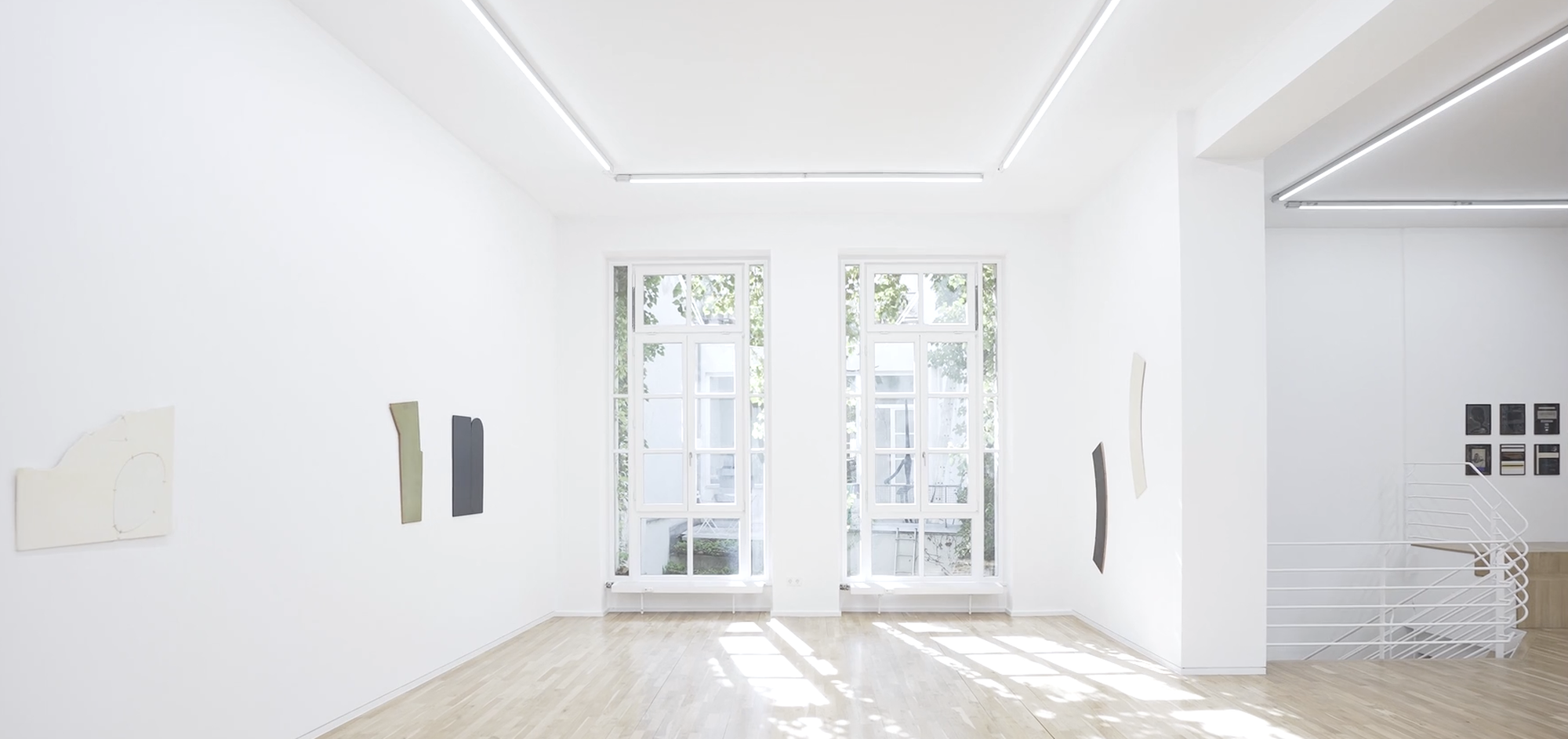
By referring to his delicate monochromatic works as ‘pictorial objects’, there is an emphasis on their manual execution in the form of painted, thin chipboard. The formal vocabulary ranges from classic abstract-geometric lines and seemingly technical modular formations to softly contoured manifestations. The latters’ origins in nature are apparent and frequently derived from the human body. Some objects consist of several, often small, chipboard elements held together with rope, thus becoming organic, movable constructions. The colour spectrum alternates between pastel shades of yellow-beige and grey-beige, light lavender-blue, subtle grey-pink, luminous royal blue as well as olive green and black. Often held in place by just one ring screw, each of these works contains the idea of a wall sculpture within it. Their carefully balanced appearance is unchangeable and yet an expression of a fragile state in permanent suspension. Read More
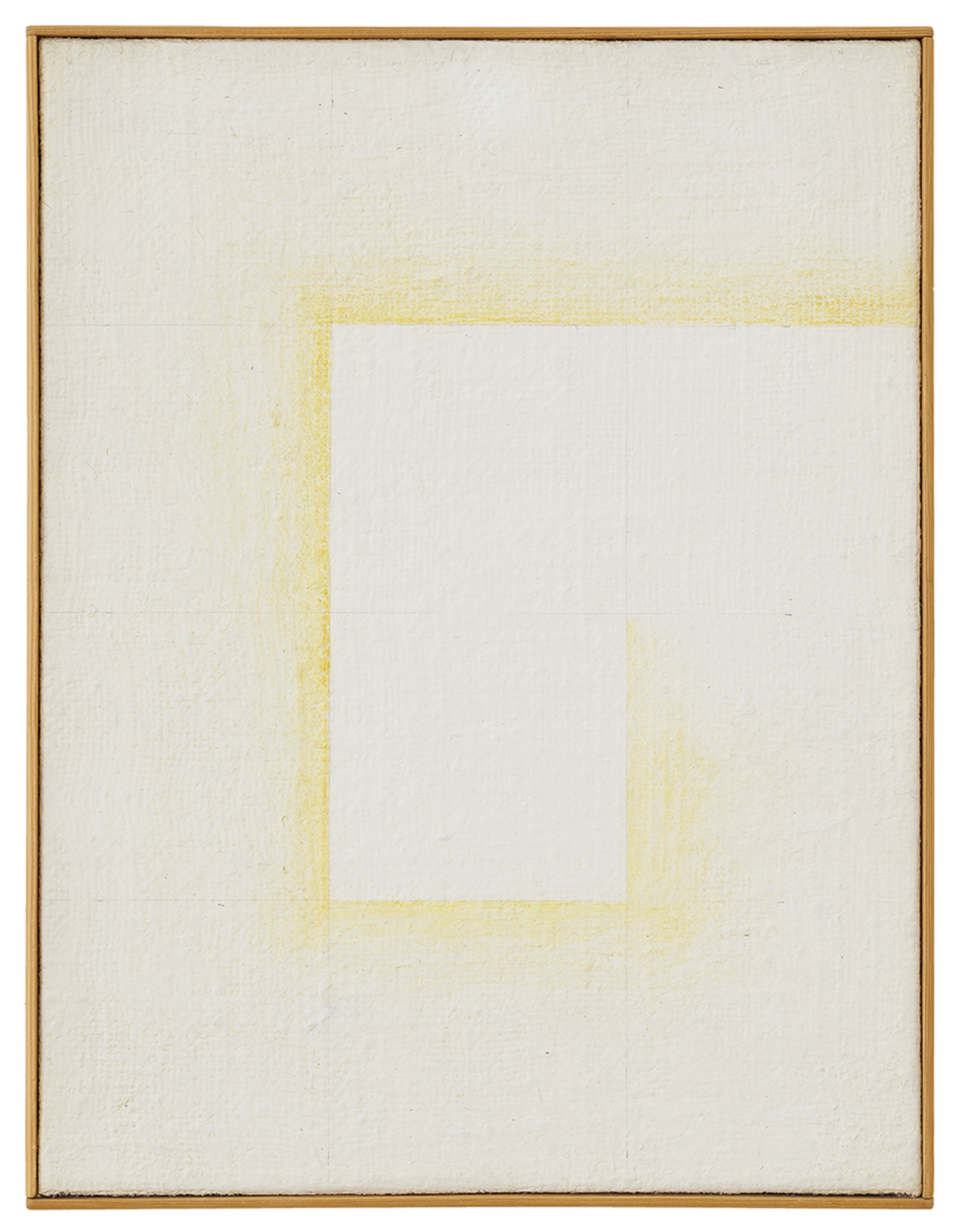
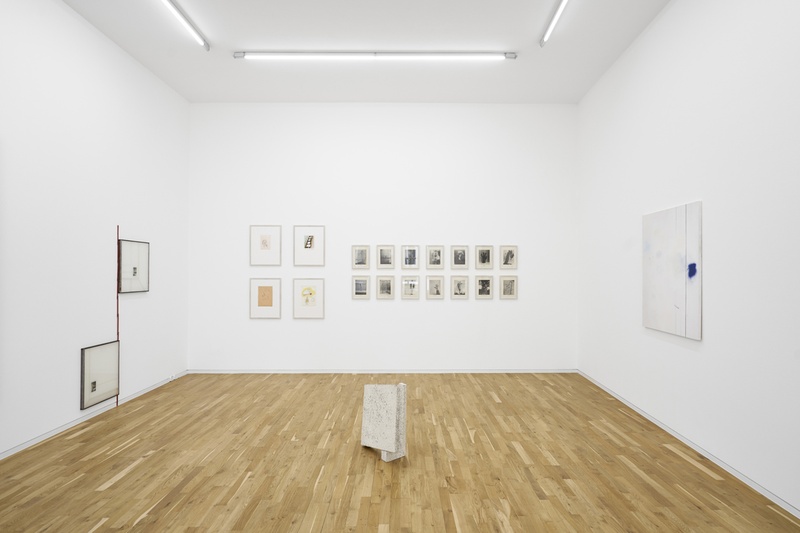
A marked preference for simple but well-considered forms of presentation is characteristic of his entire oeuvre. This also becomes clear in the use of close-fitting, narrow frames, occasionally seen in his work. As a result of this framing, some works develop a particularly pronounced relationship between surface colour and contour line, while others function better without it. In both cases, the power inherent in the works always crystallises at the edges of the compositions. In turn, this clarifies why the scale of his work is limited to small and medium formats. In Butz’s oeuvre, things are only ever done to the extent necessary to allow form, by means of an outline drawing, to carefully emerge and live on the surface.
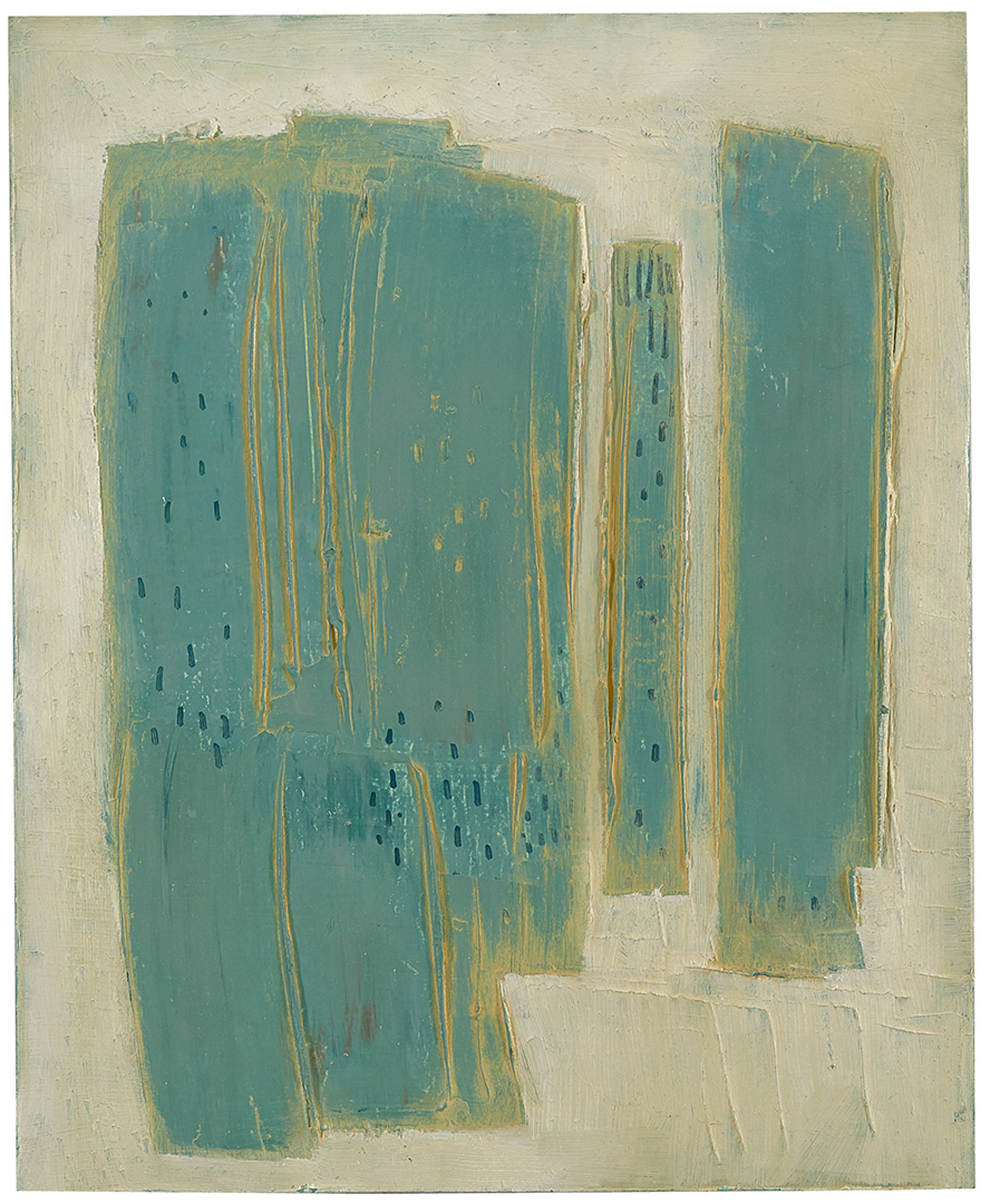
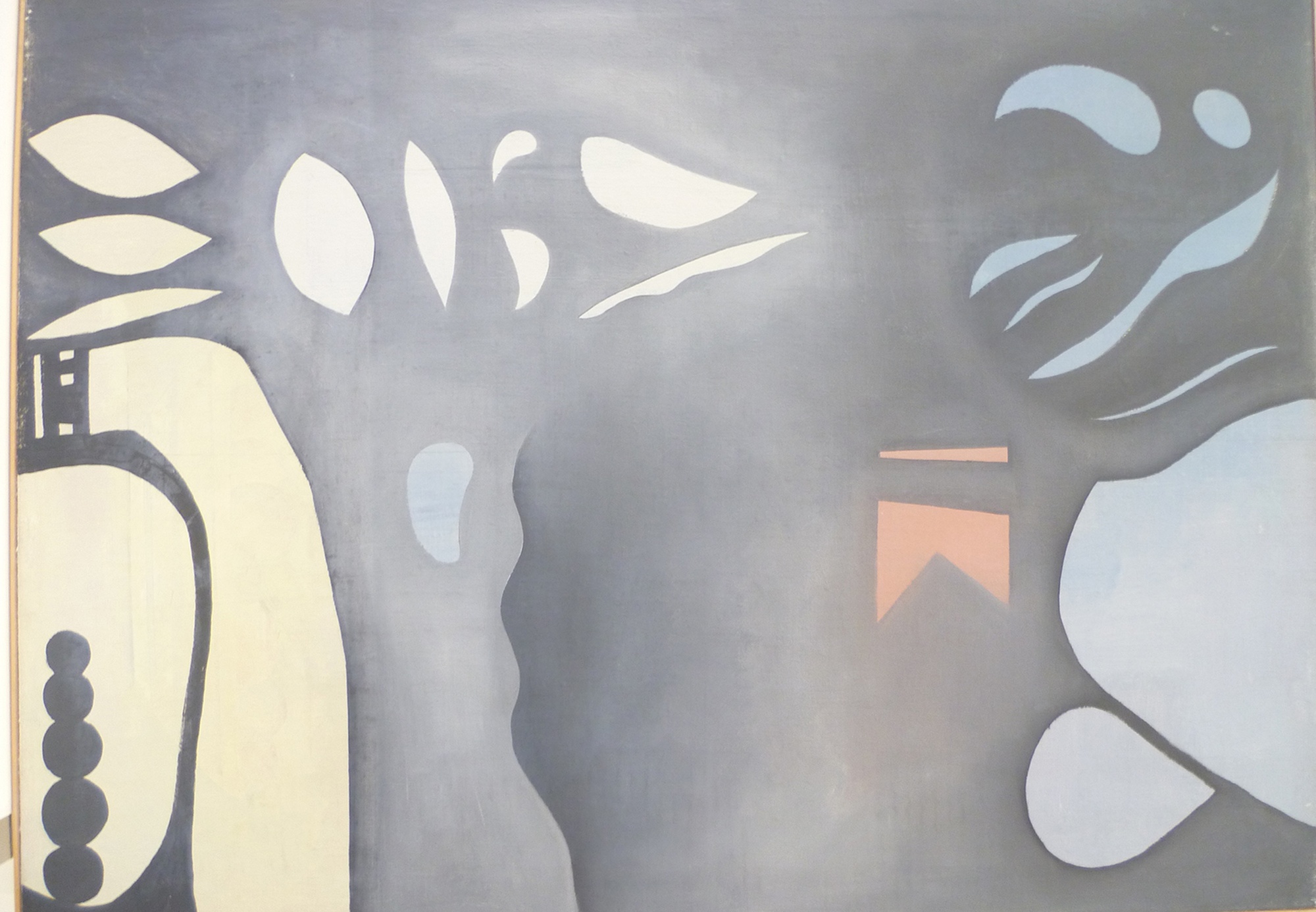
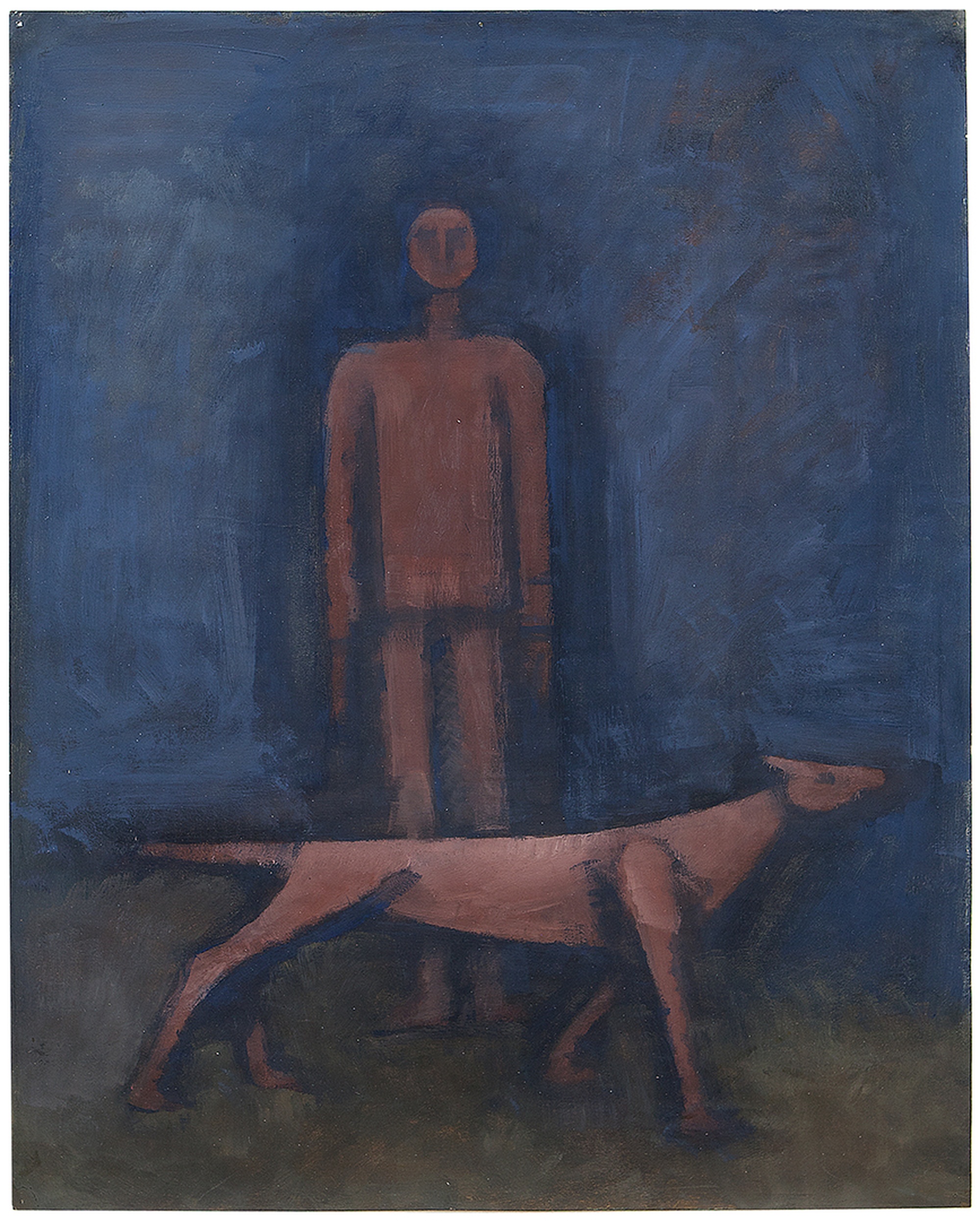
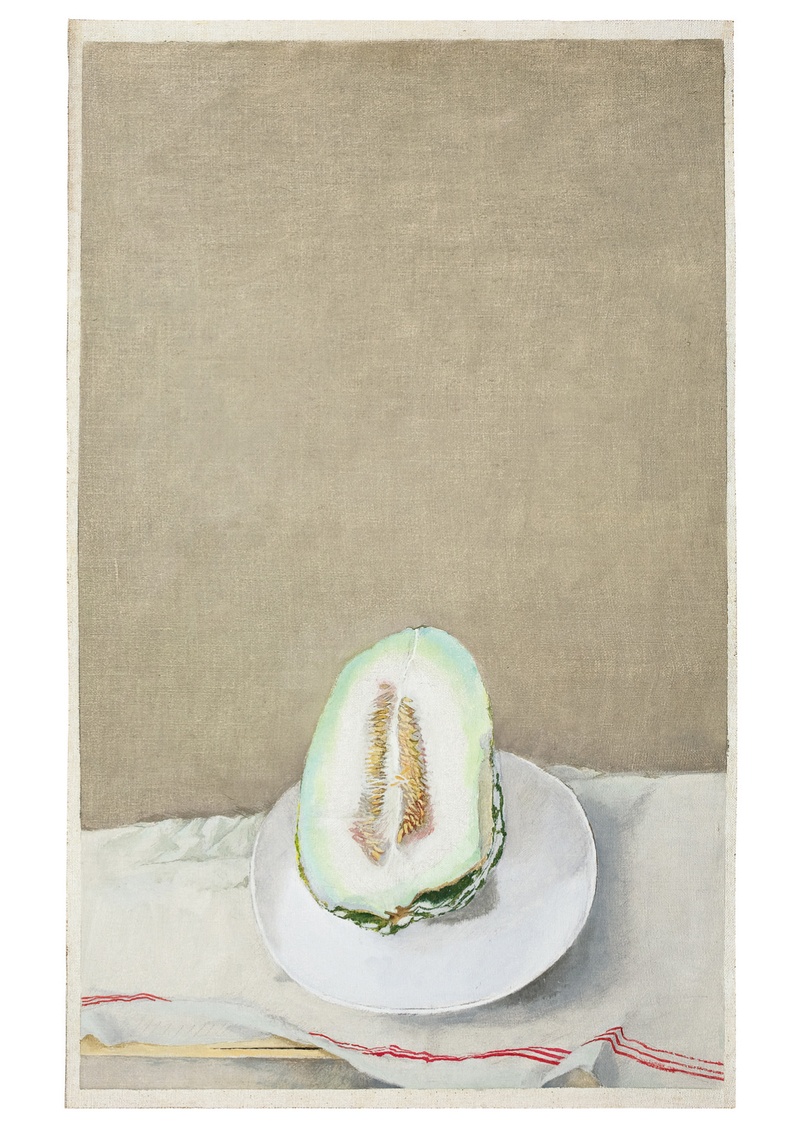
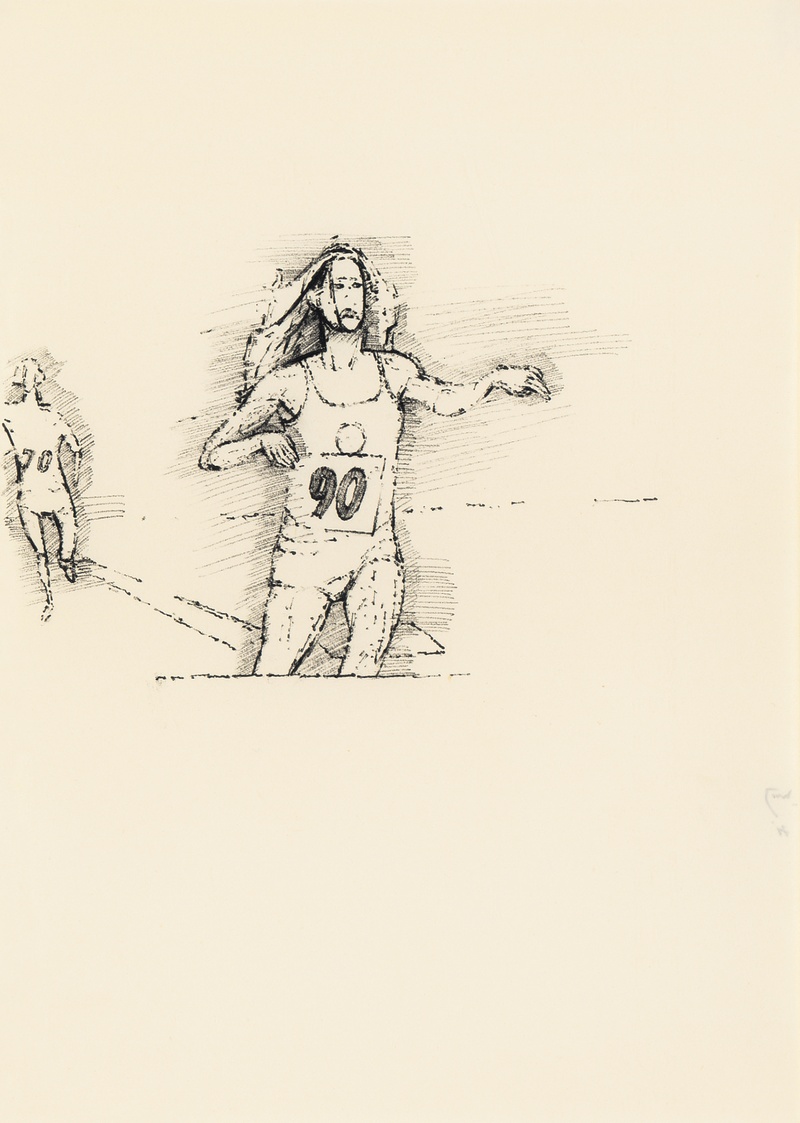
This principle has its origins in his examination of the avant-garde art movements of the early twentieth century. From 1950 to 1956, Butz studied at the Academy of Fine Arts in Munich under Franz Nagel and Walther Teutsch. First, he created figurative works and started to explore the pictorial strategies of Paul Cézanne, Paul Klee and Wassily Kandinsky. From the mid-1950s, Butz developed independent abstract compositions followed by experimental images and moved towards sculptural shapes in the 1960s. The starting point of all his work is drawing. For over seventy years Butz has developed his visual language with pencil or coloured pencil at a modest little wooden desk in his studio in Munich. His works require no loud performance: they blossom in silence.
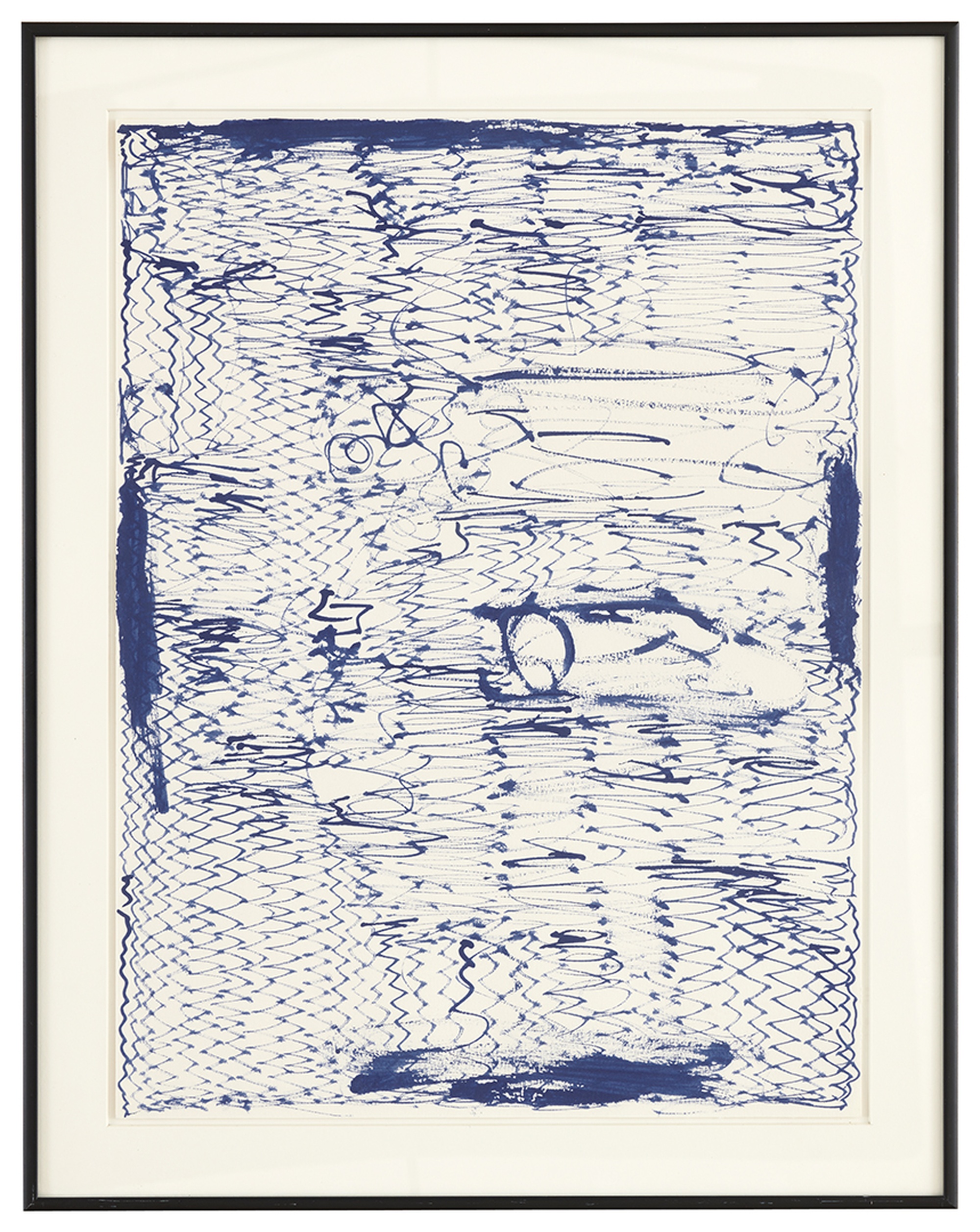
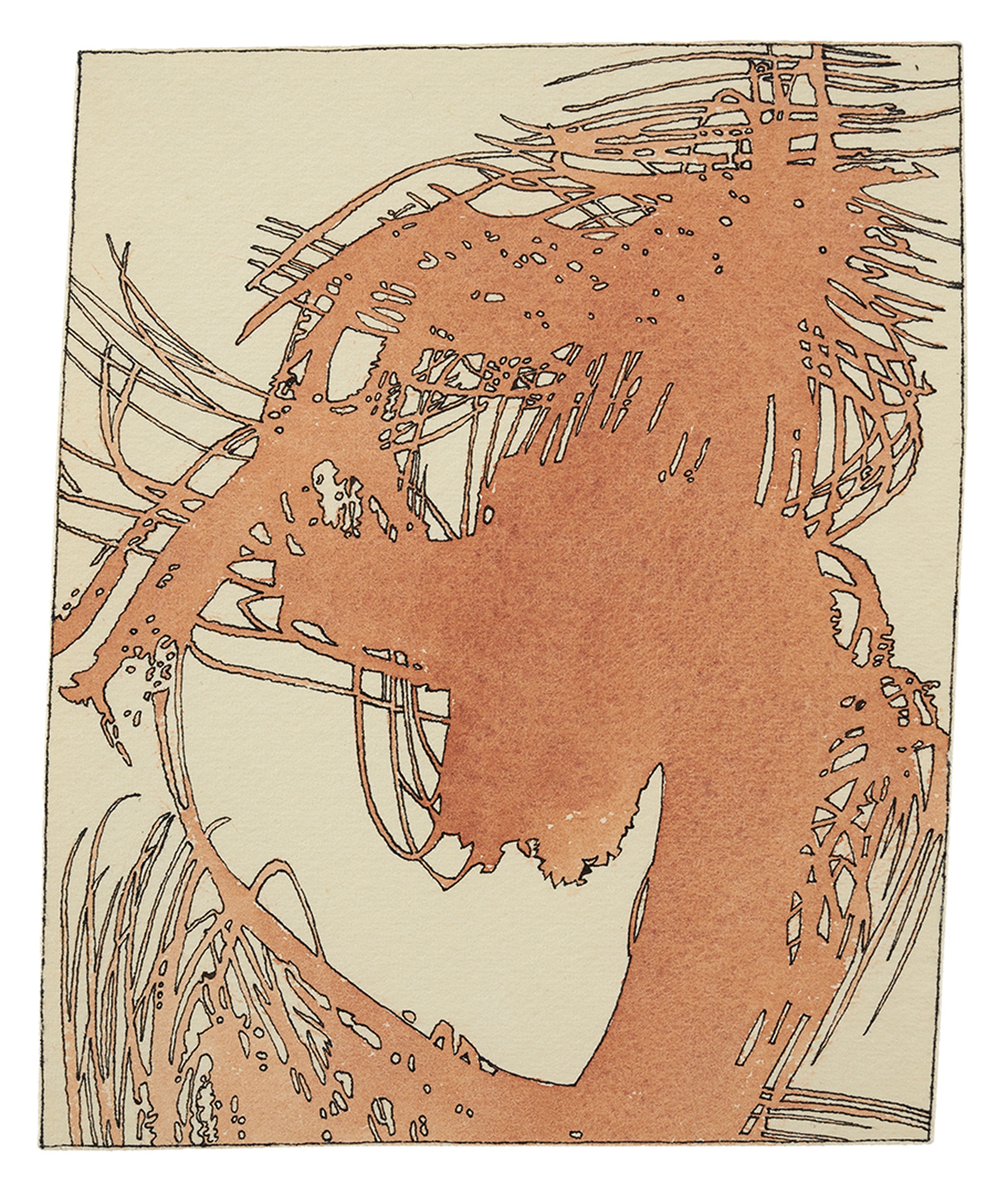
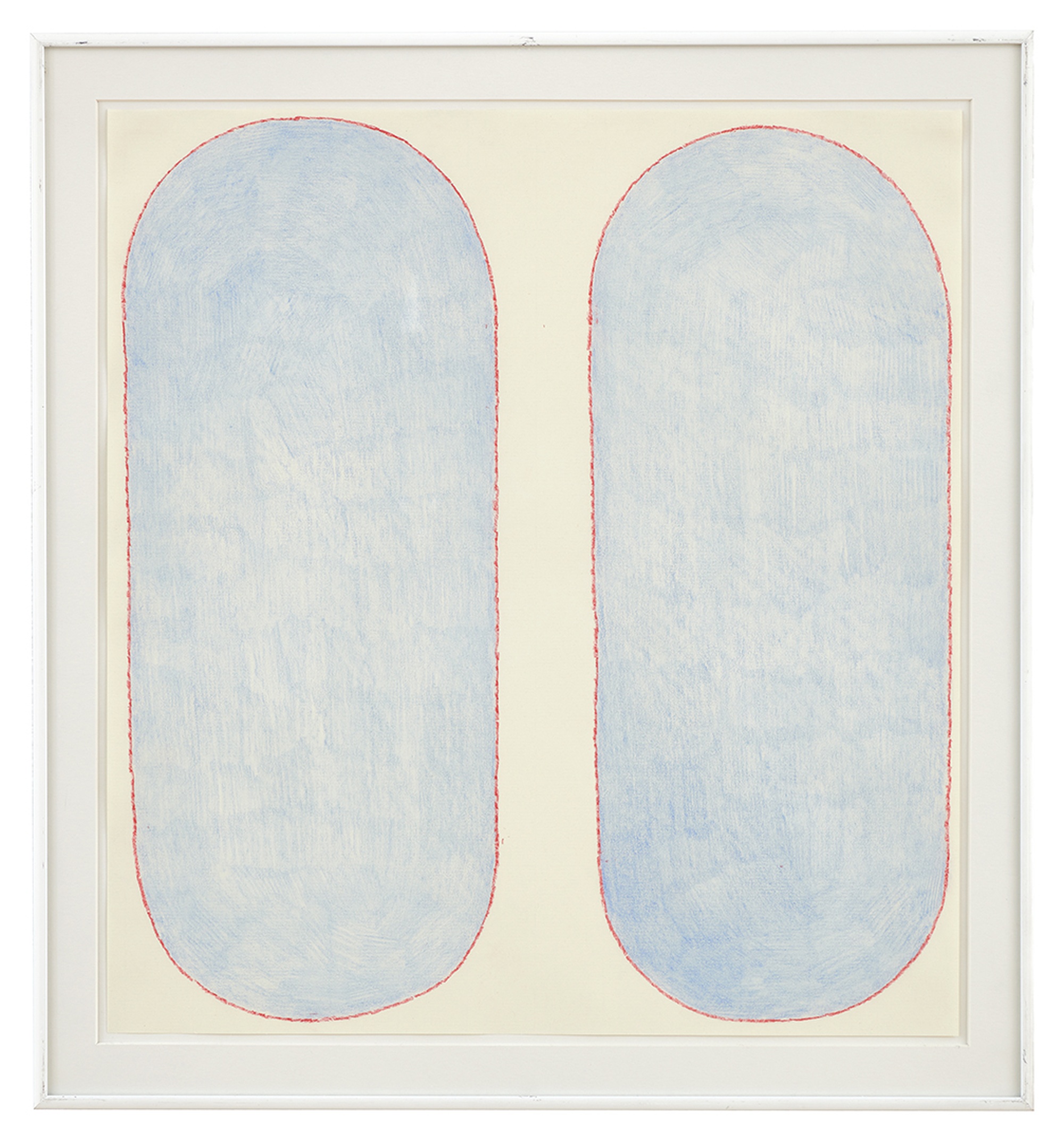
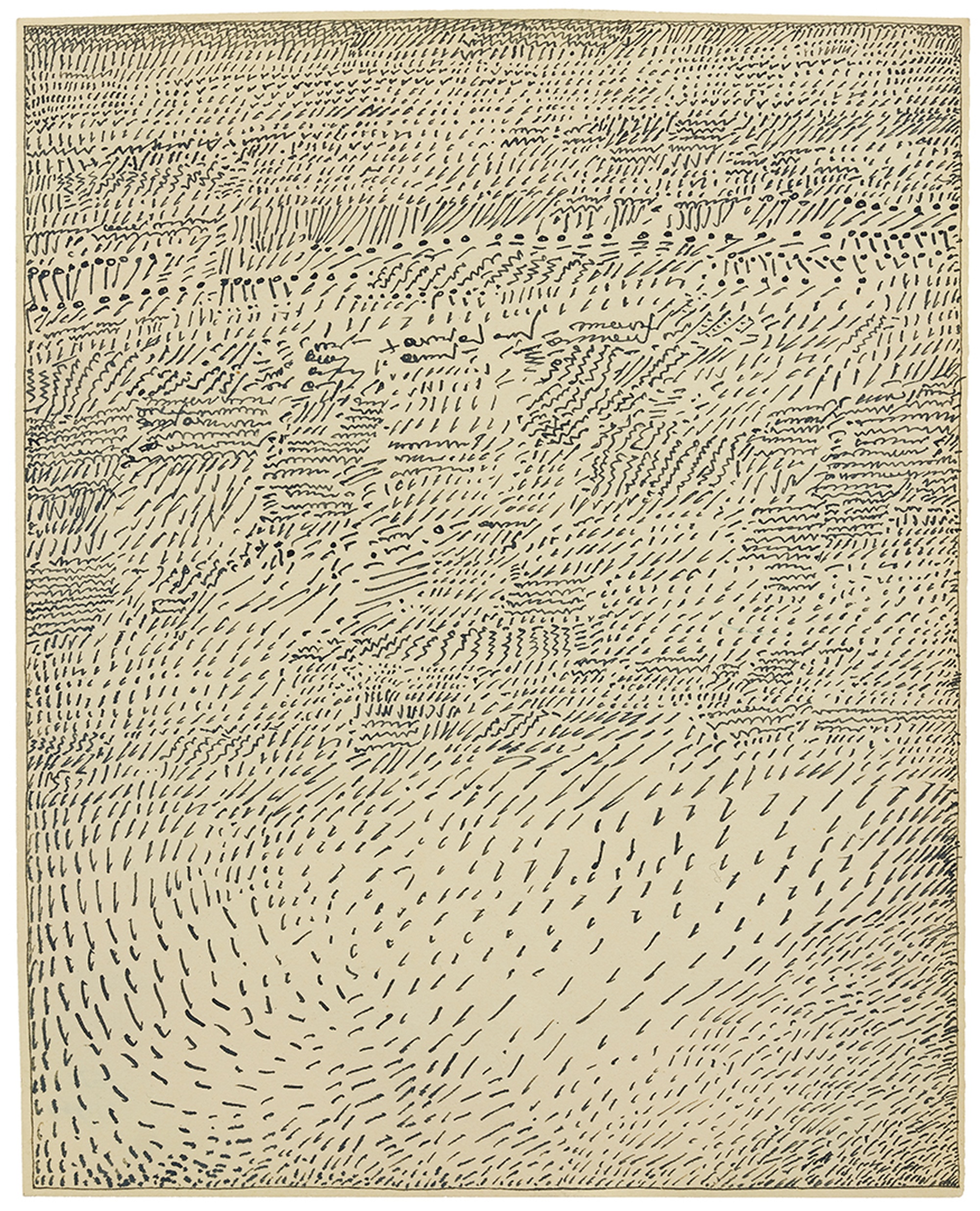
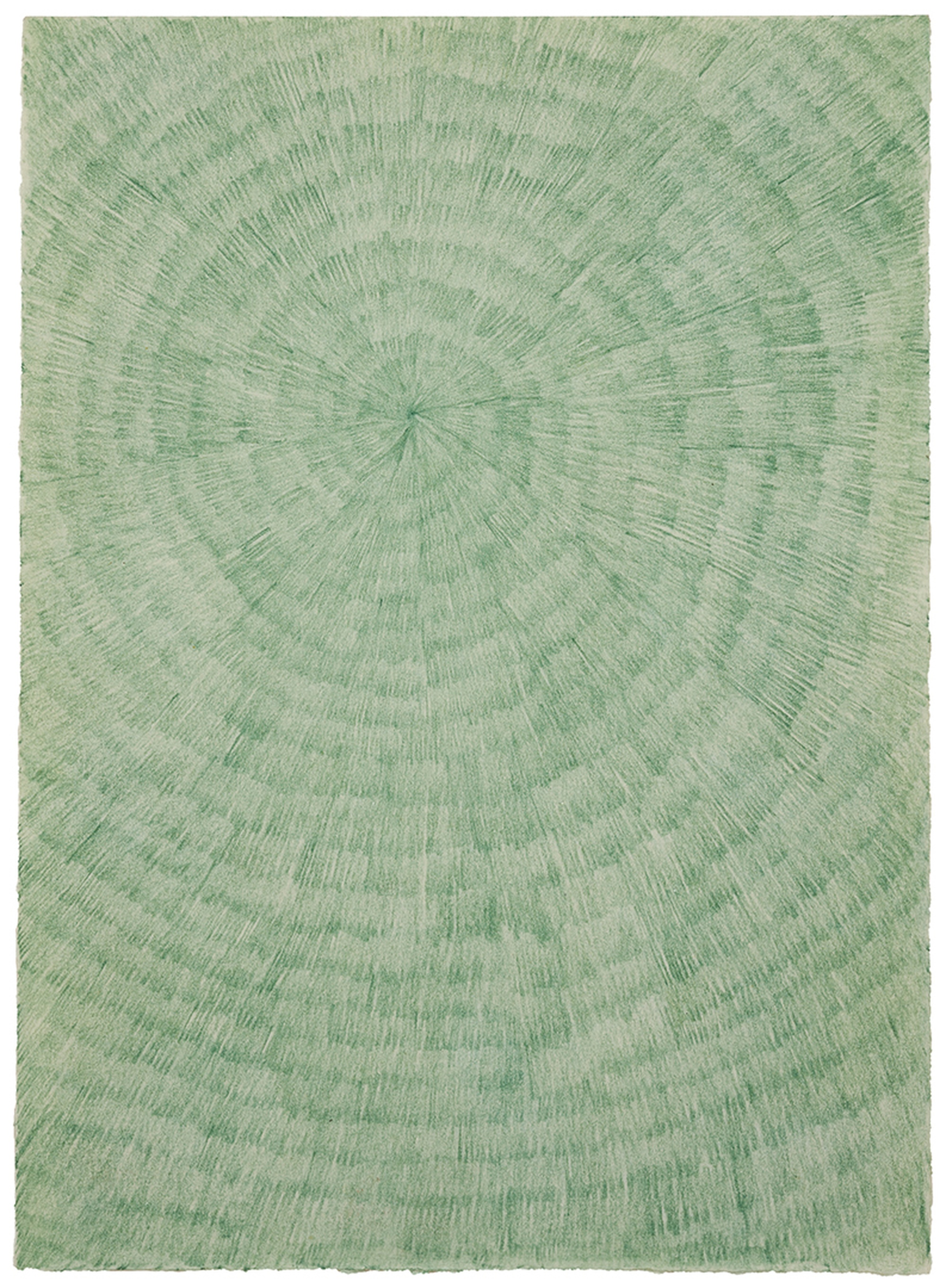
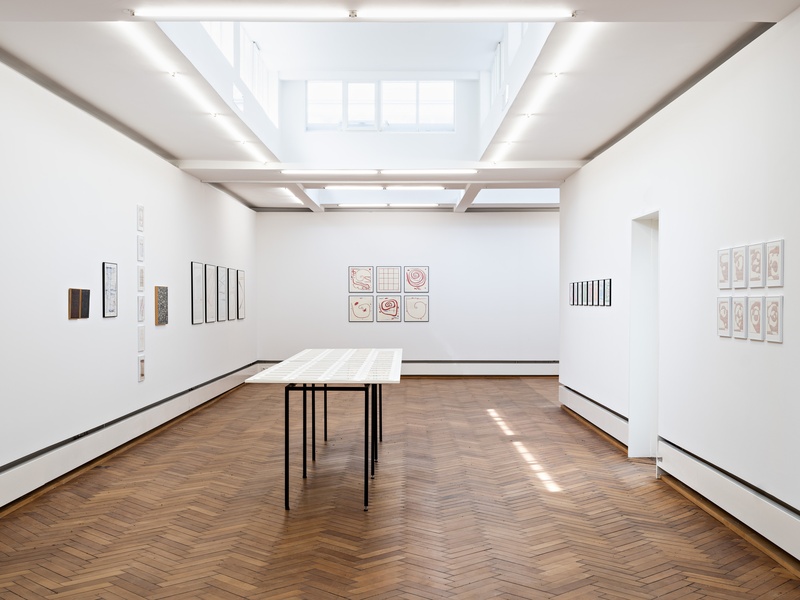
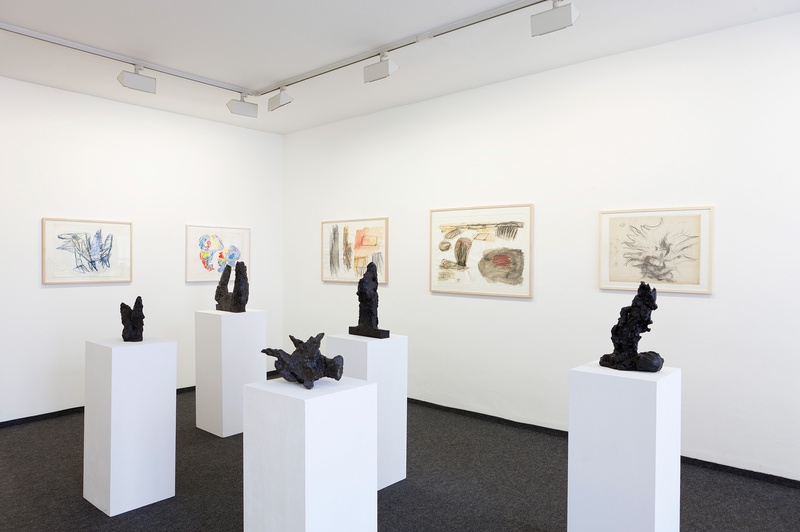
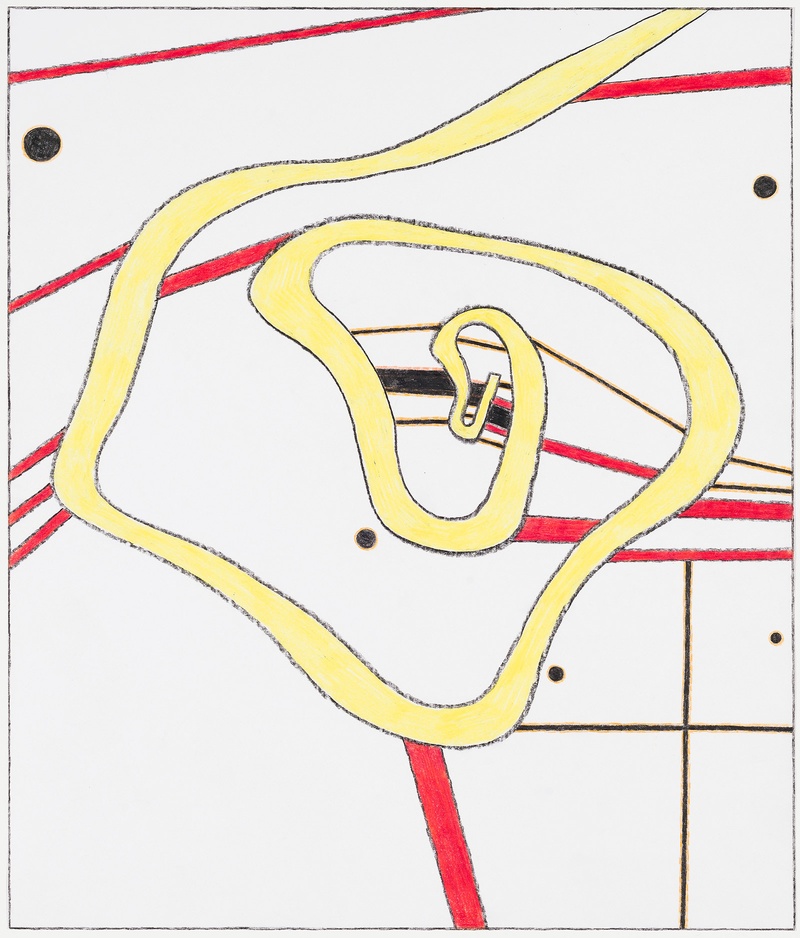
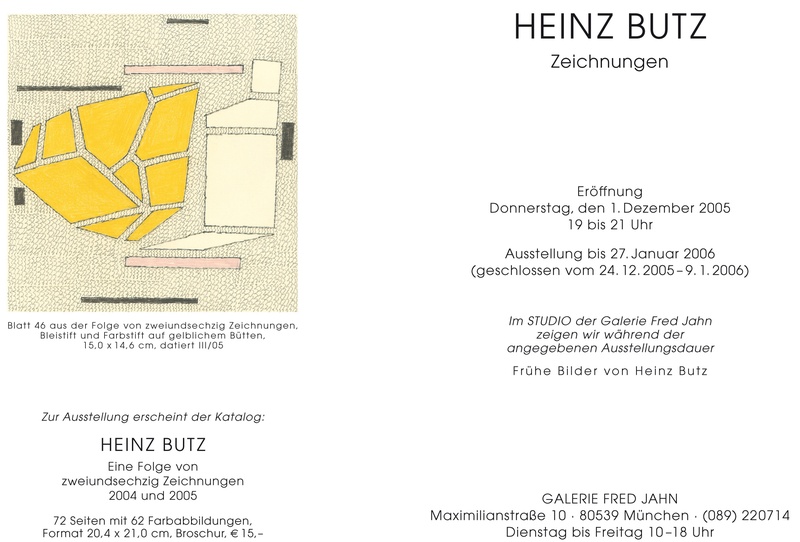
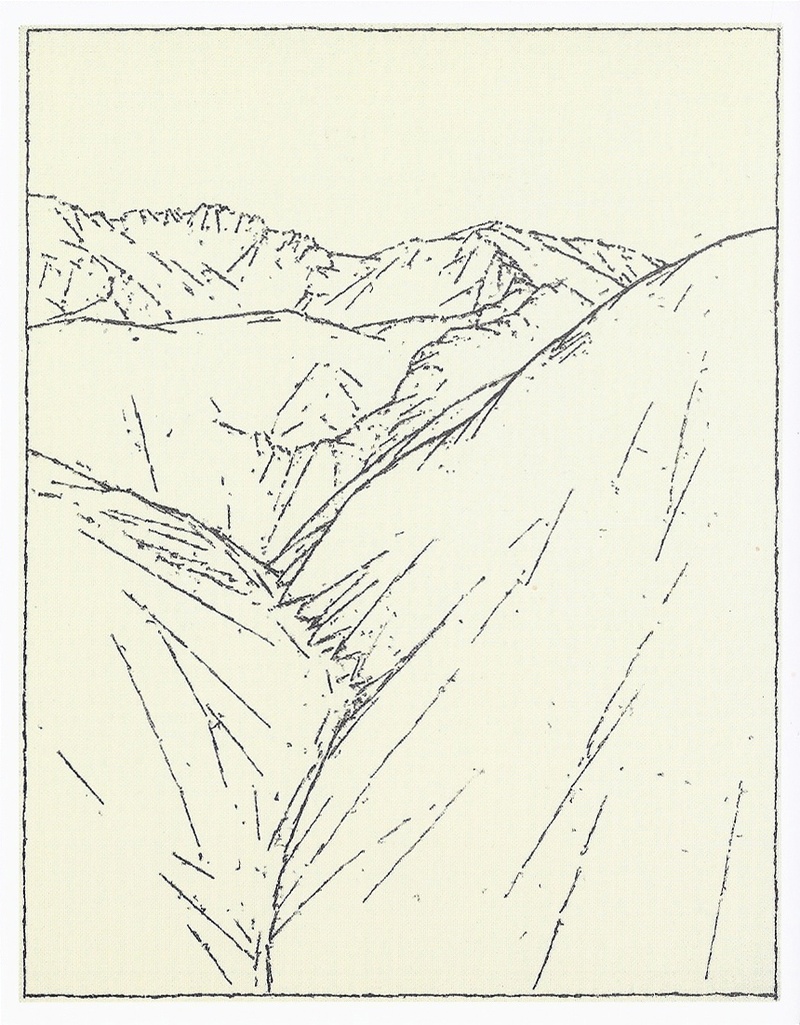
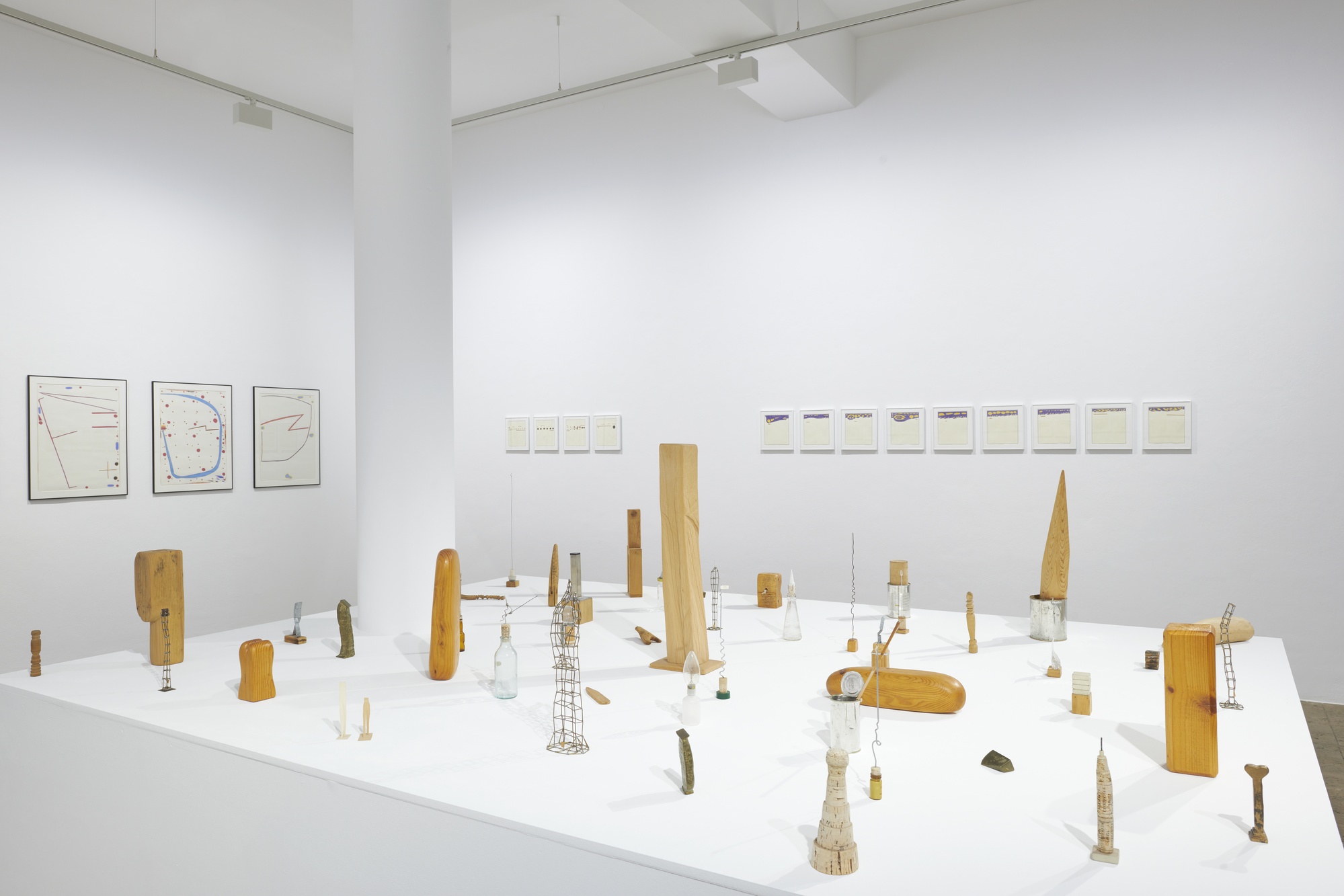
Beside pictorial objects and paintings, his drawings form a very important group within his oeuvre. The series of abstract coloured pencil drawings, which are assembled into small groups or exist as single sheets, testify in their bright colourfulness to a fresh agility. Despite the ostensibly closed contours, which meander over the paper or unfold netlike webs, they seem to vibrate. The disjointed lines unmistakably follow the expressionist tradition. Occasionally identifiable with the aid of his sketchbook, Heinz Butz's abstract forms speak their own language. These are more often than not forms from nature, which are created by enlarging or reducing their outlines.