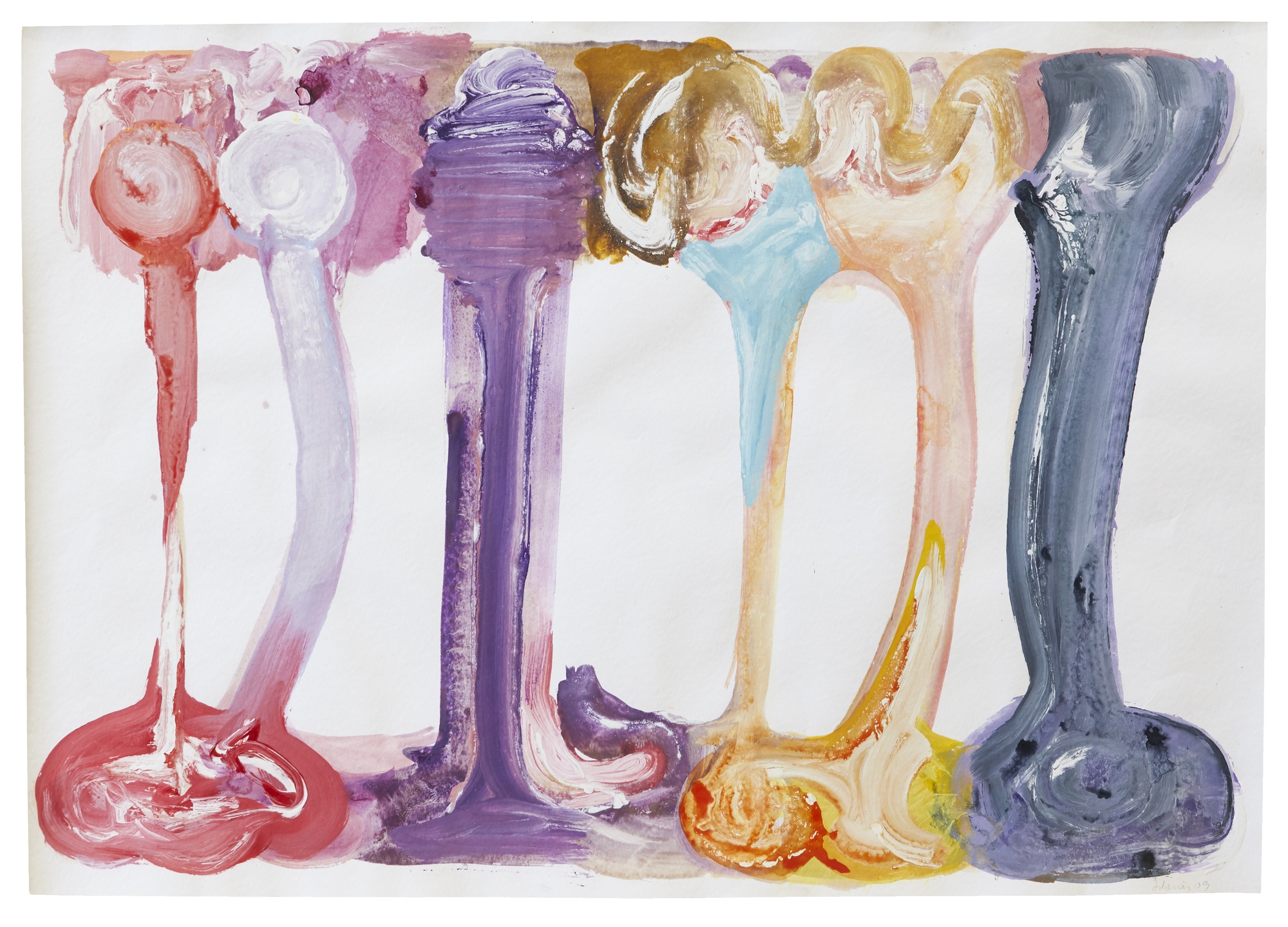
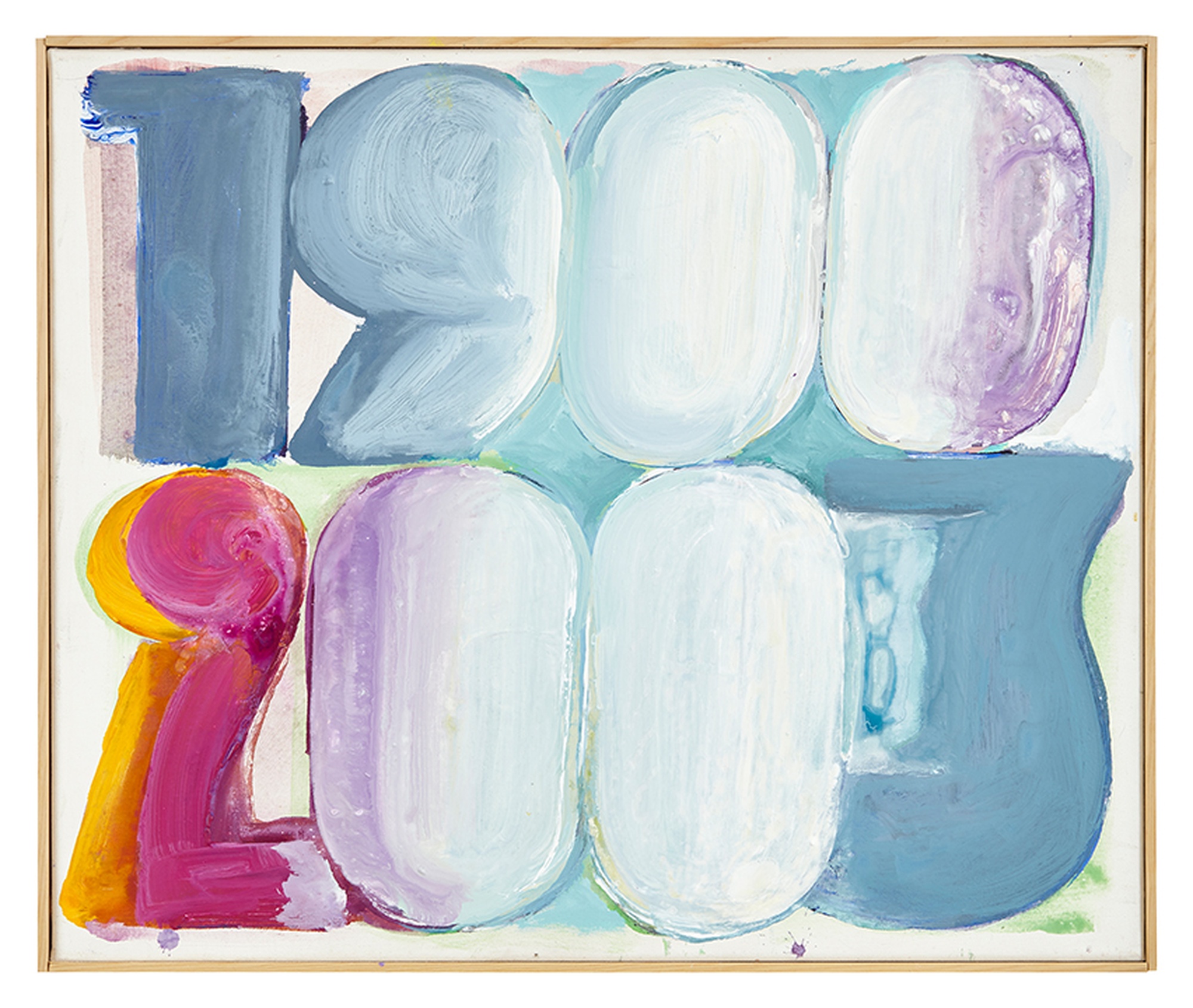
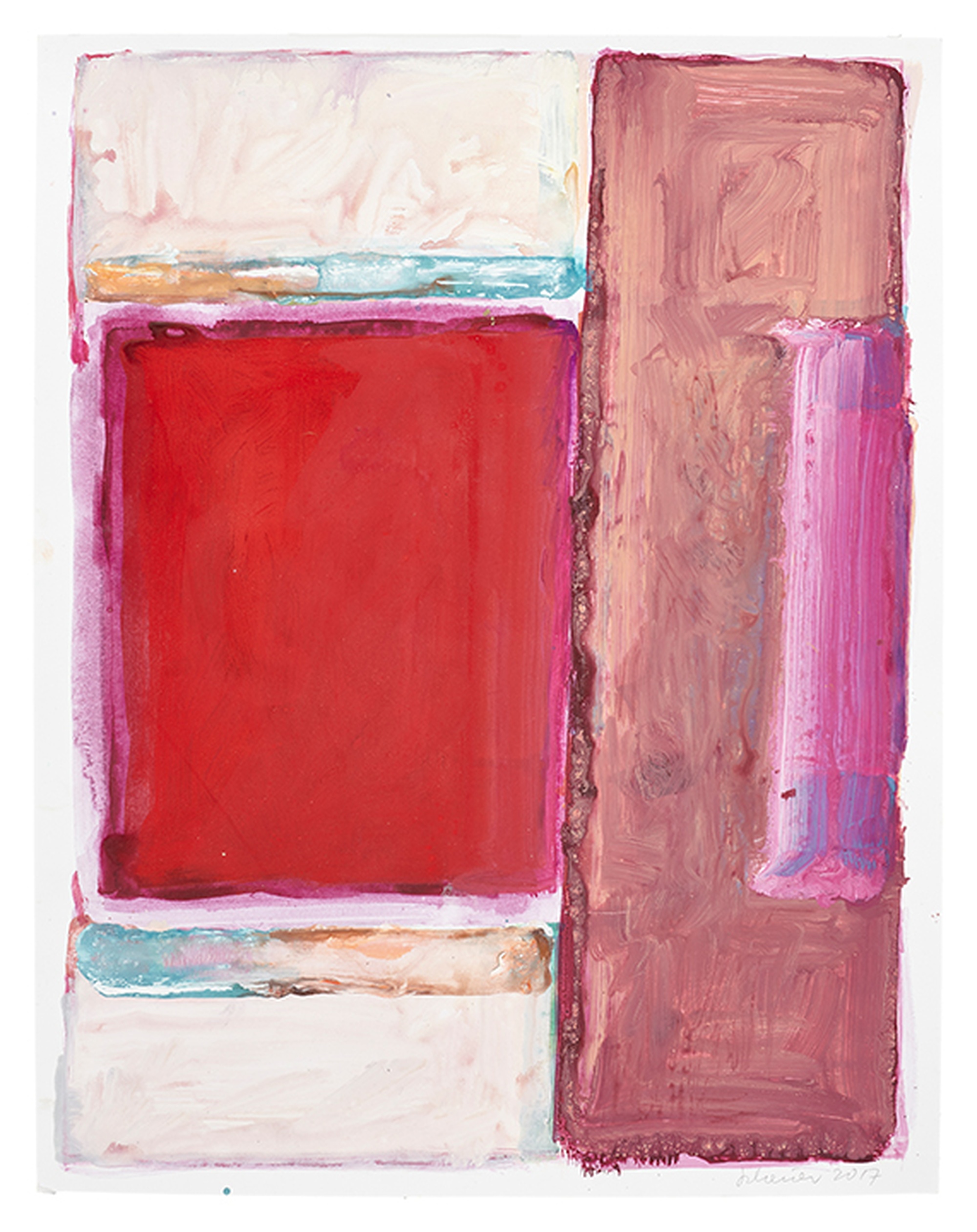
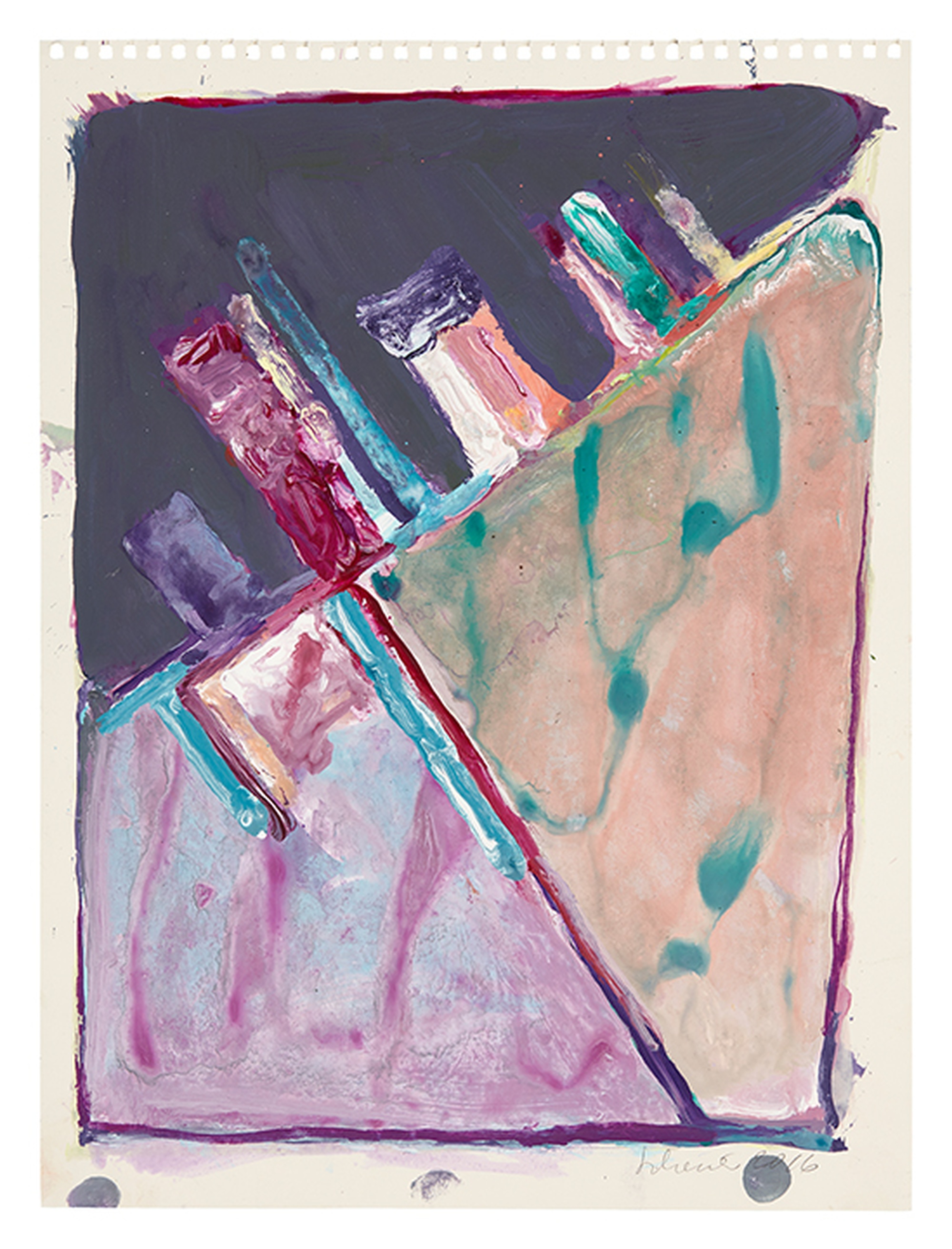
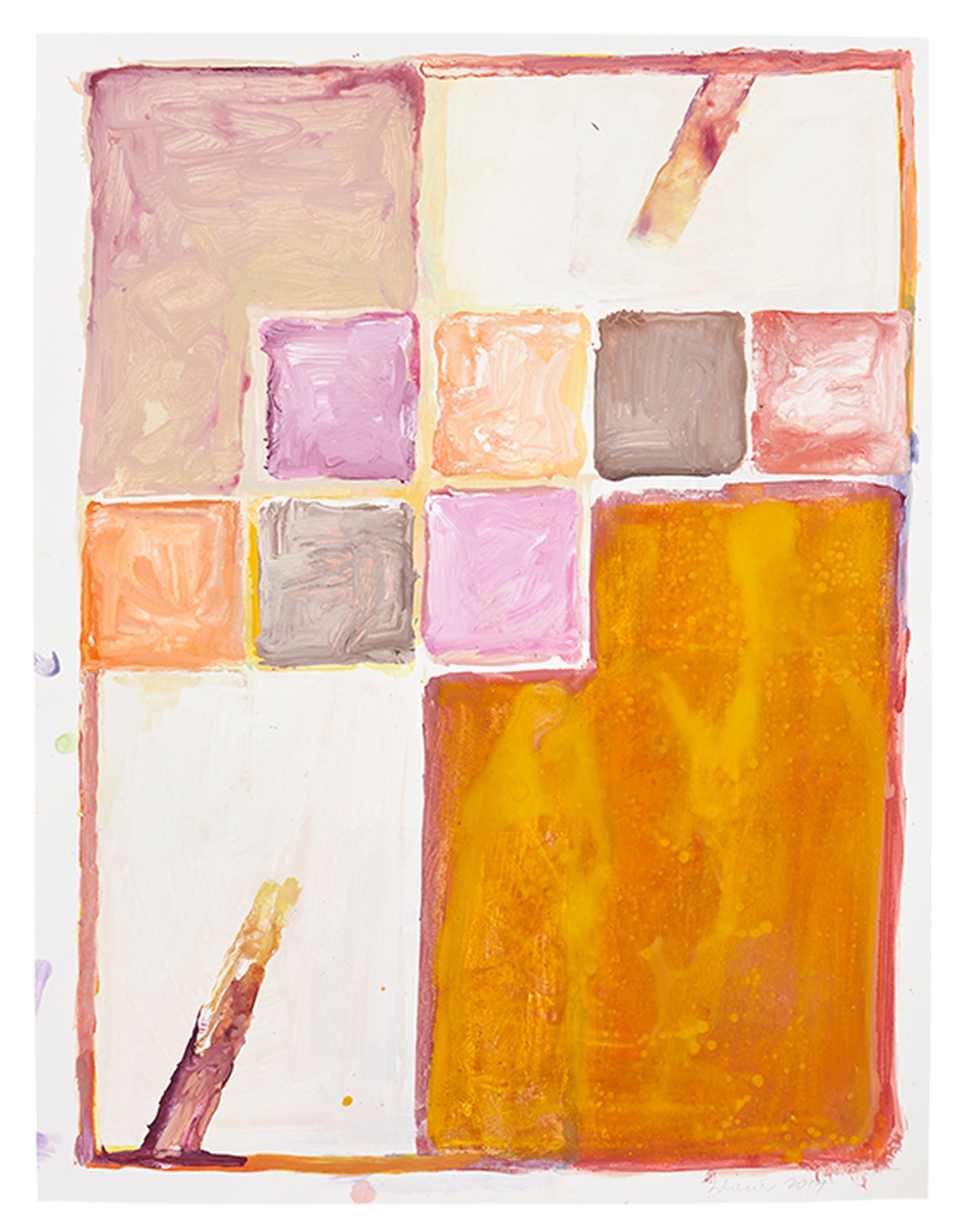
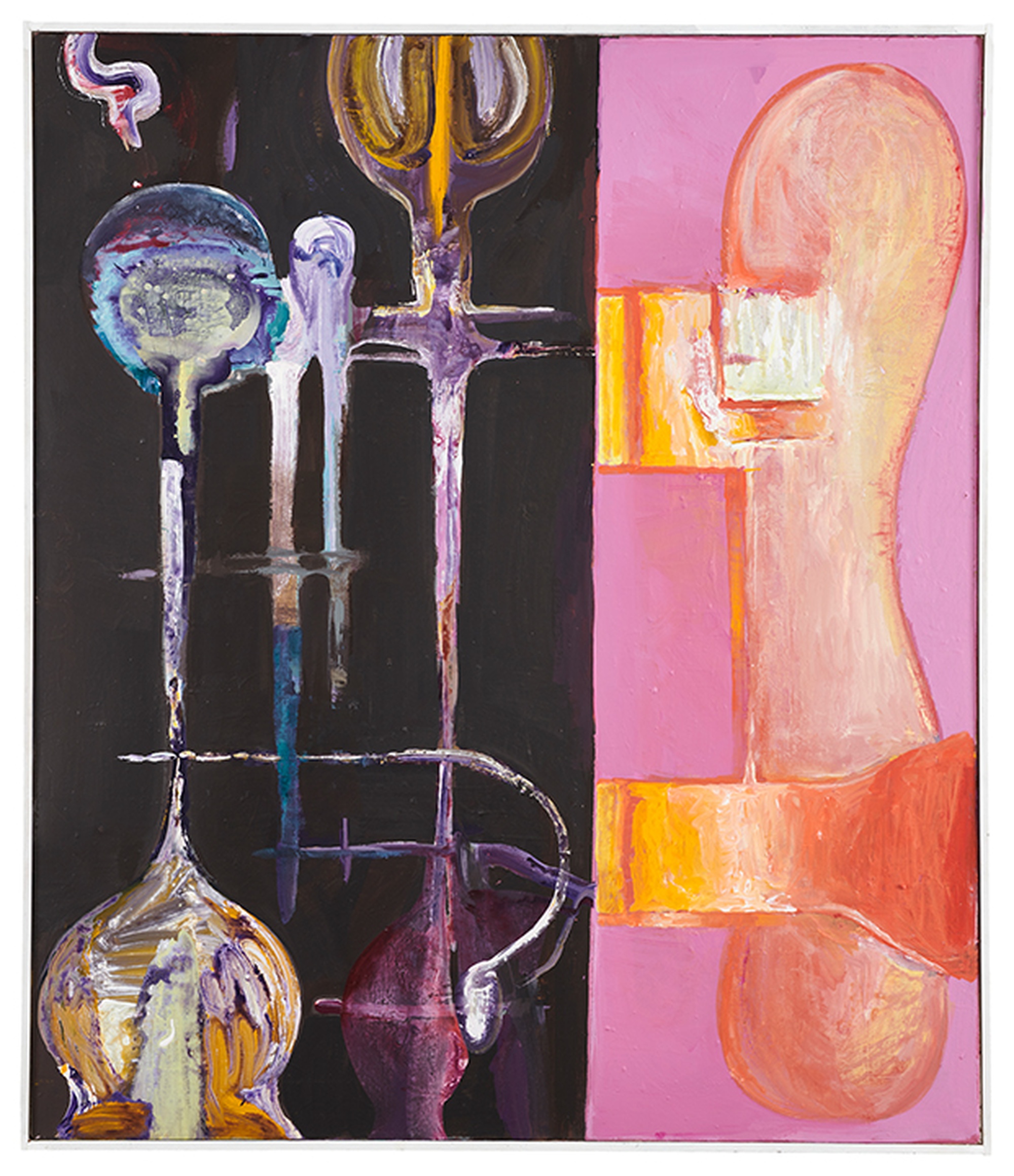
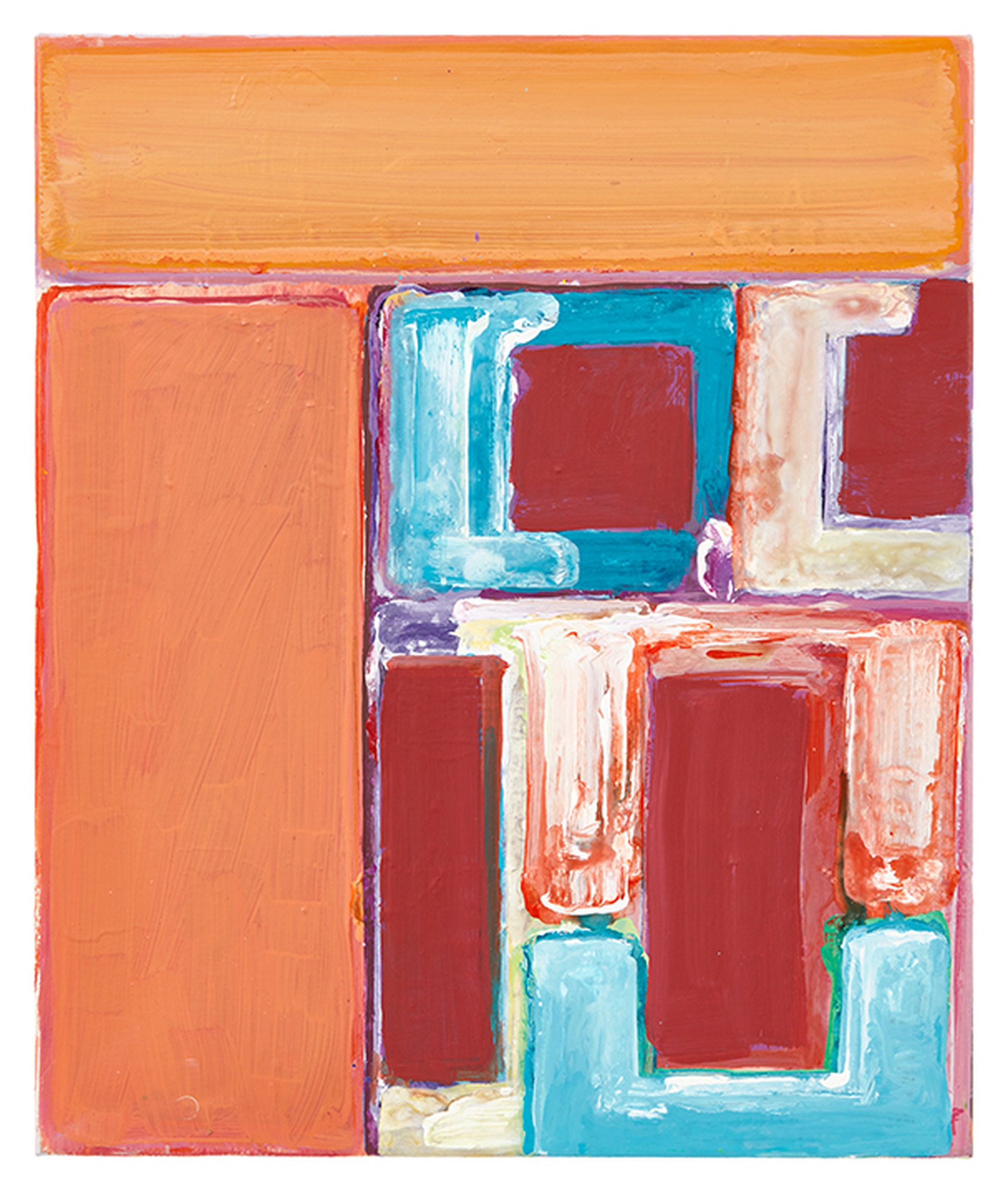
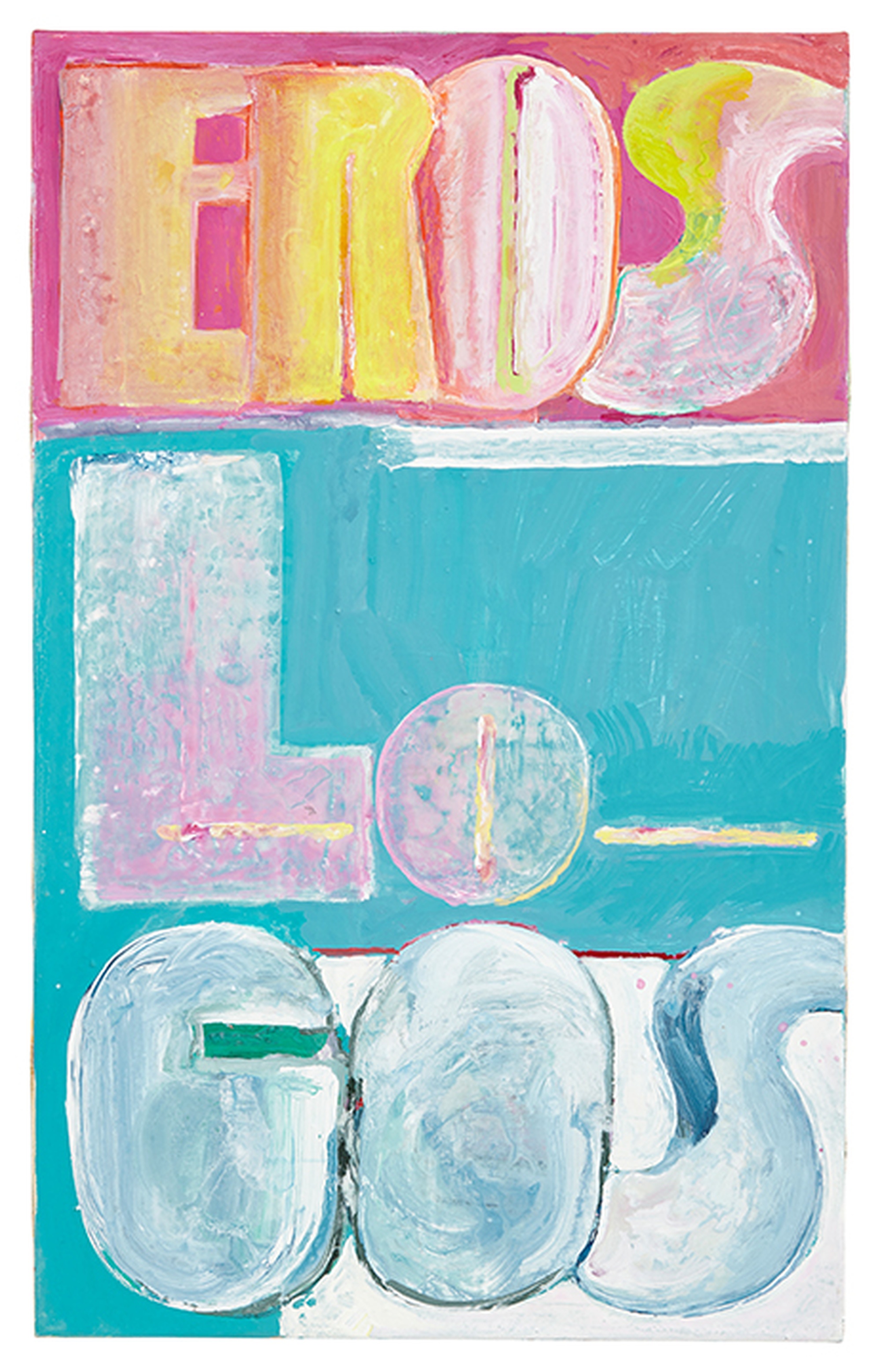
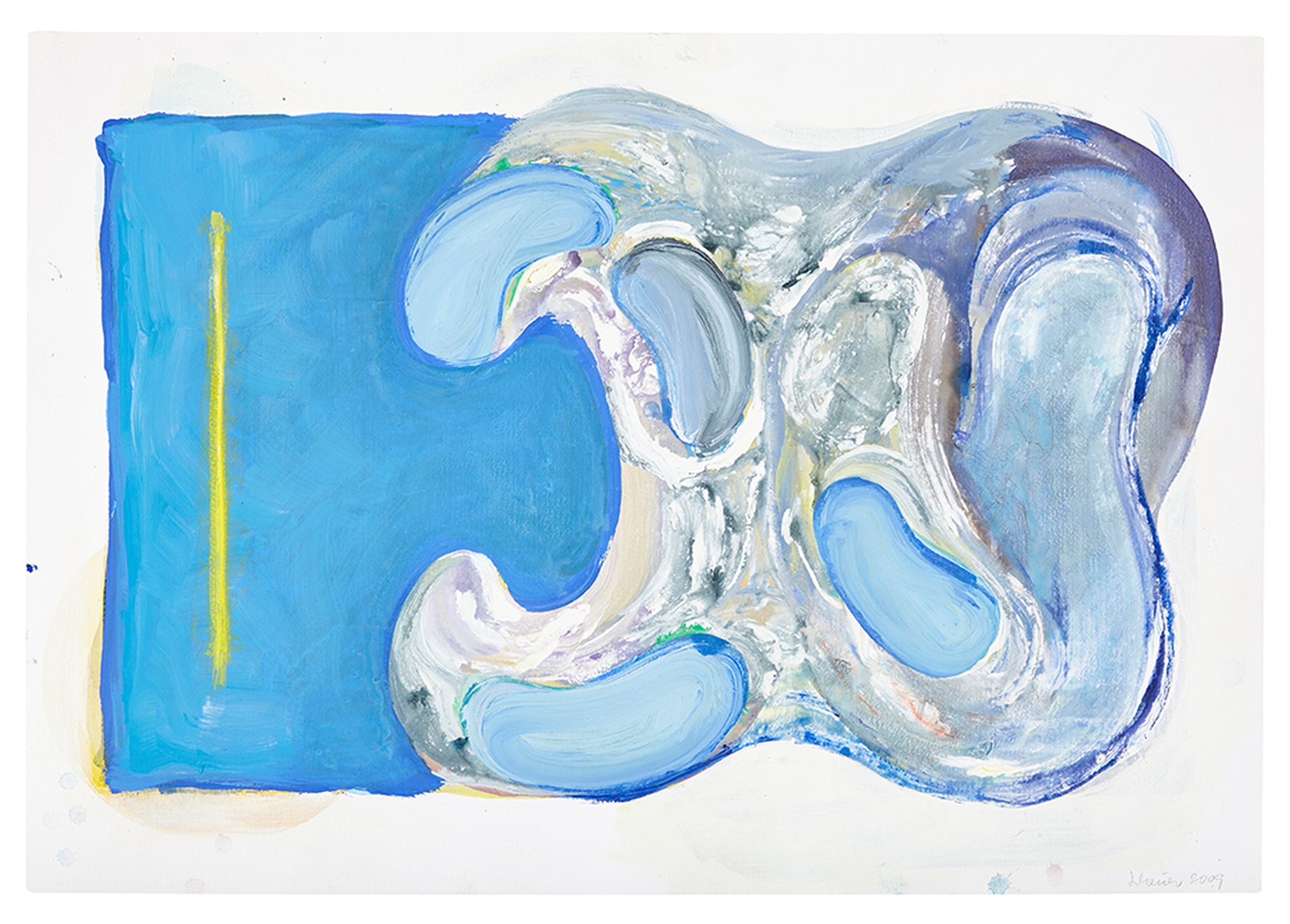
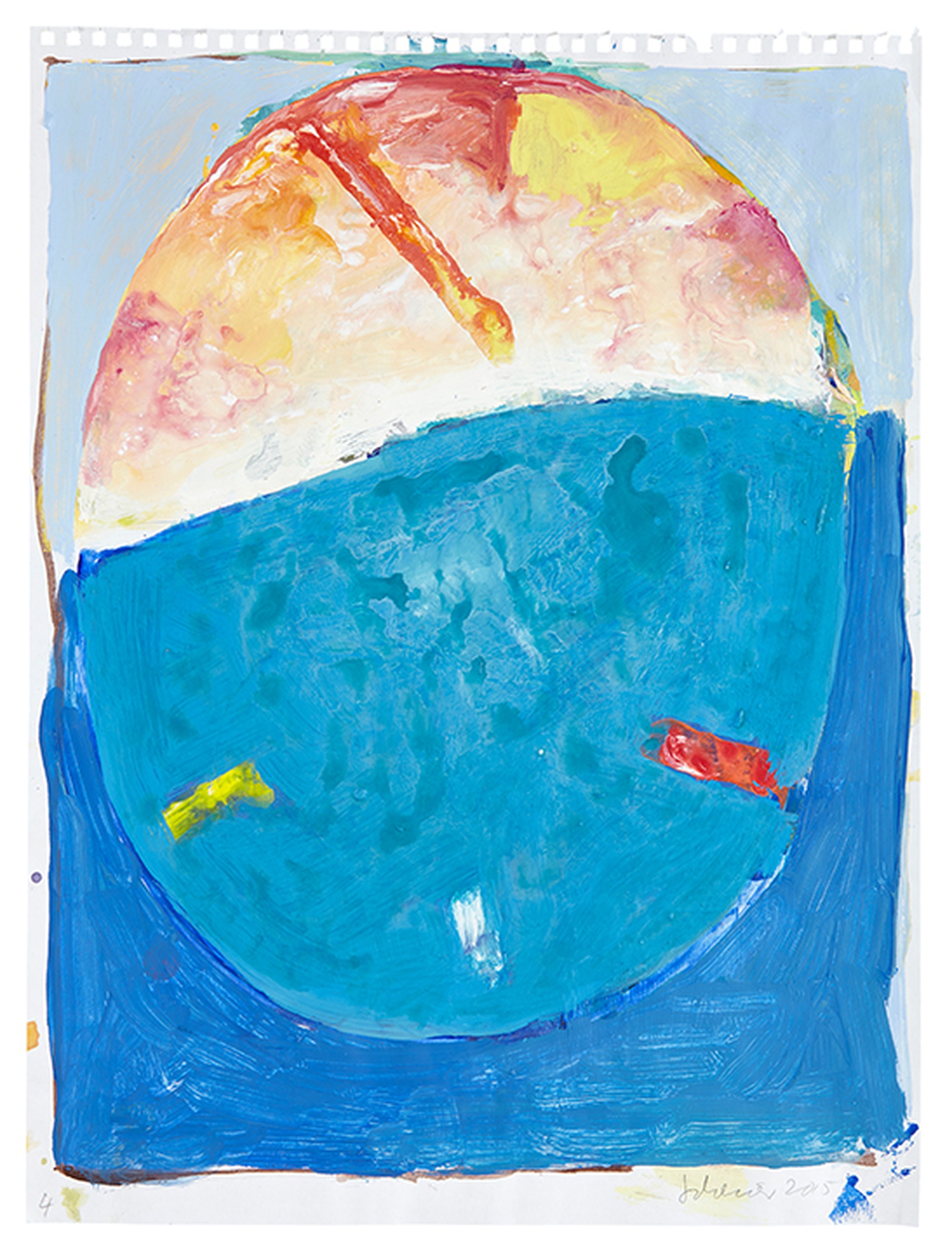
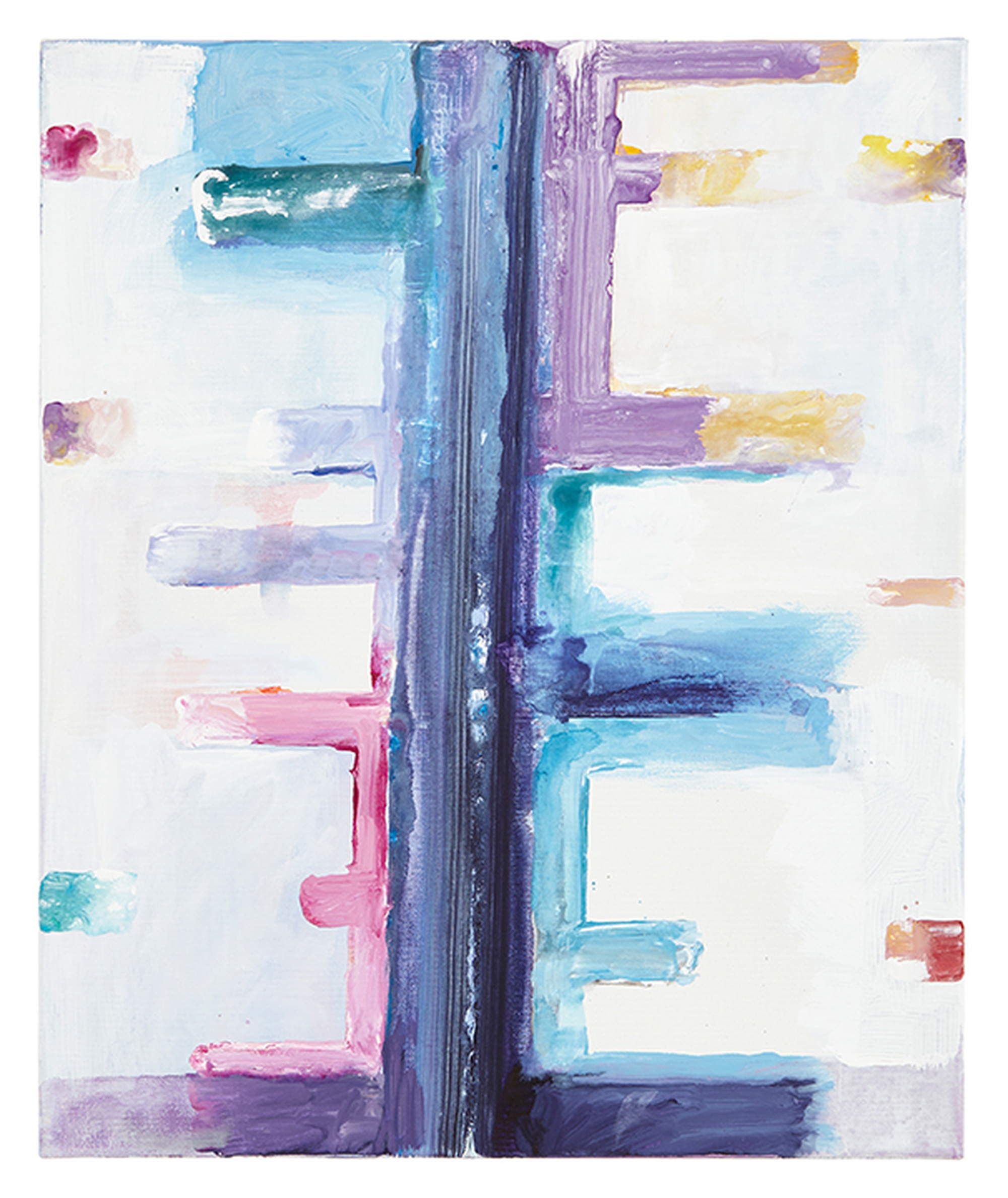
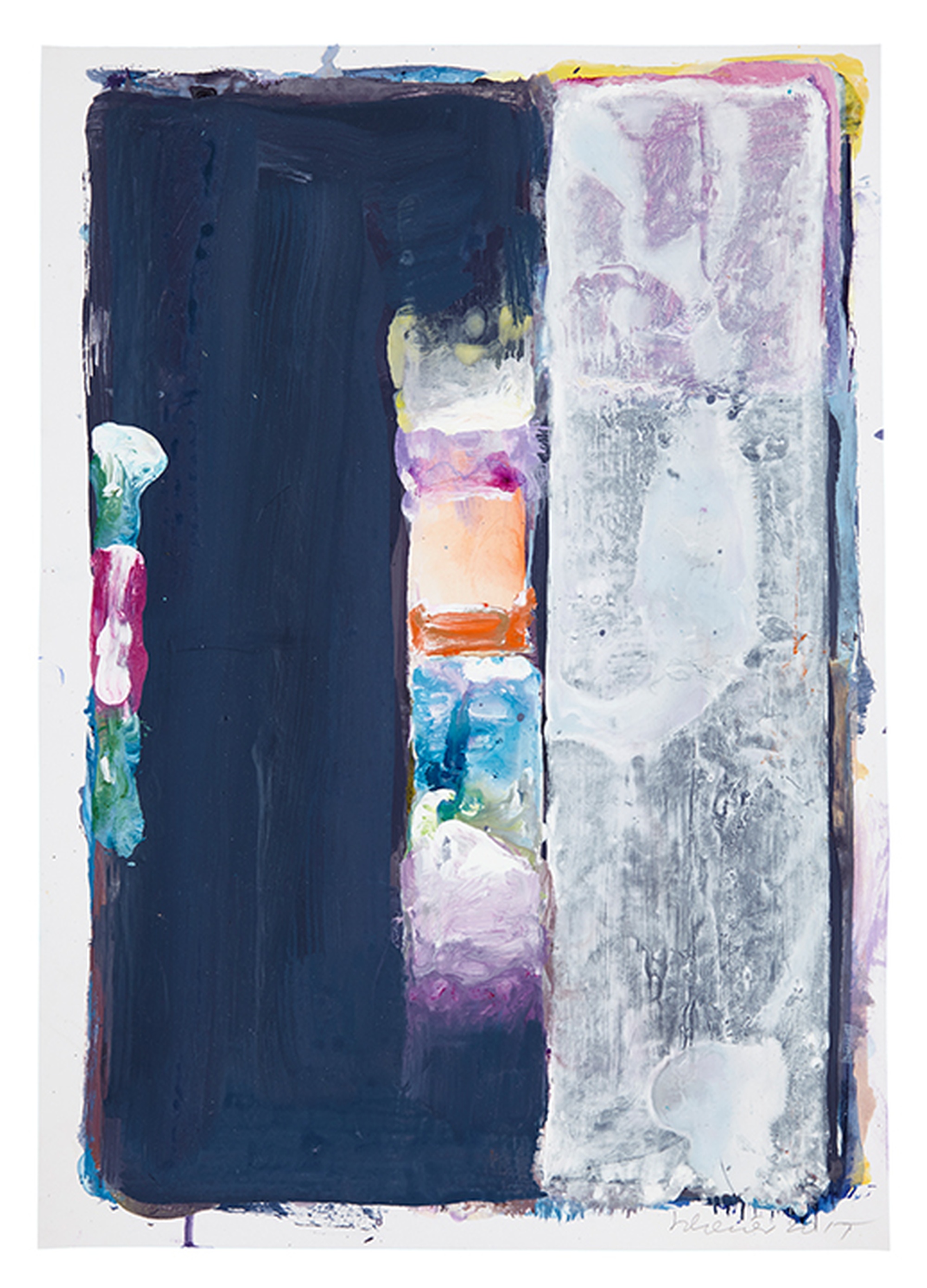
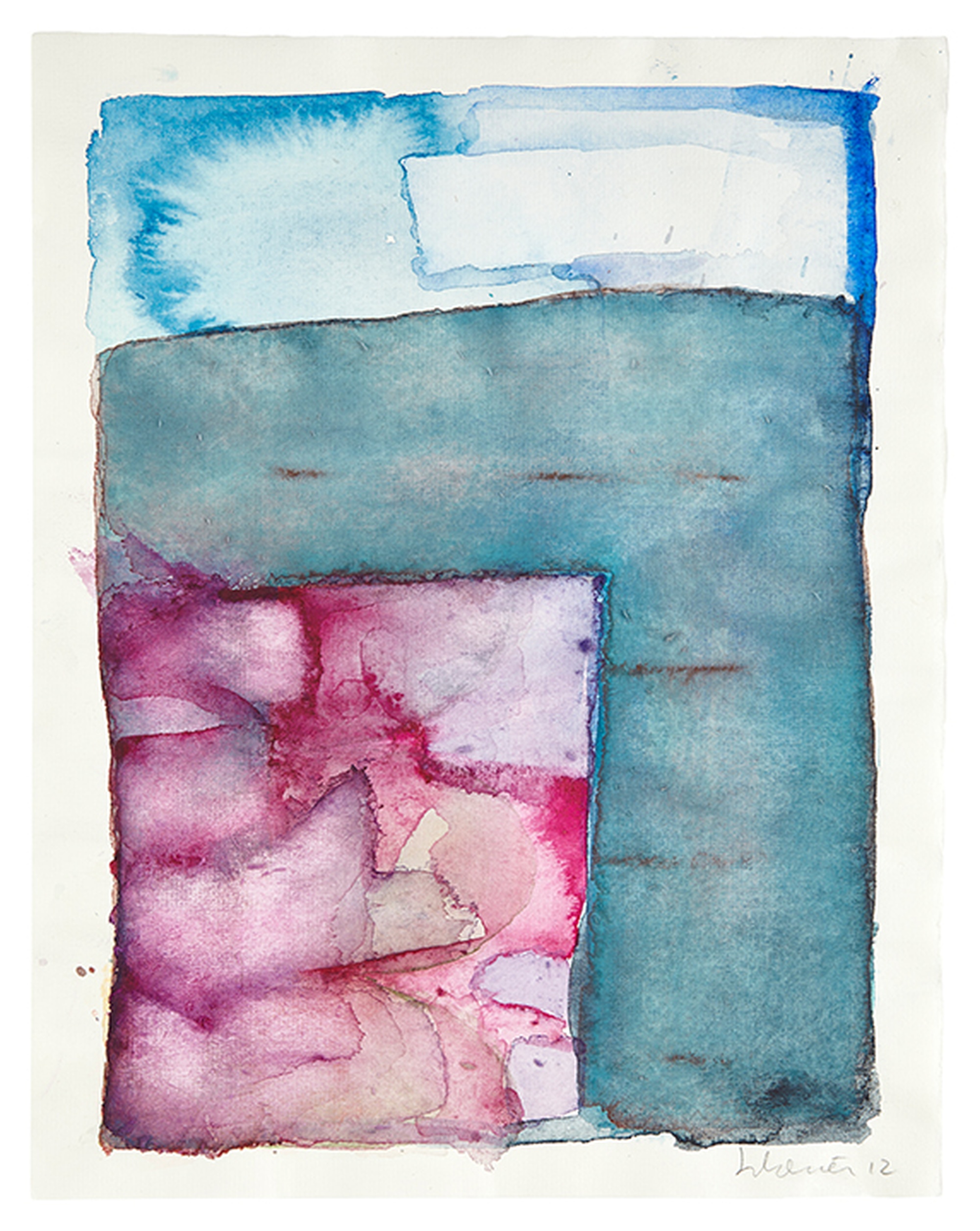
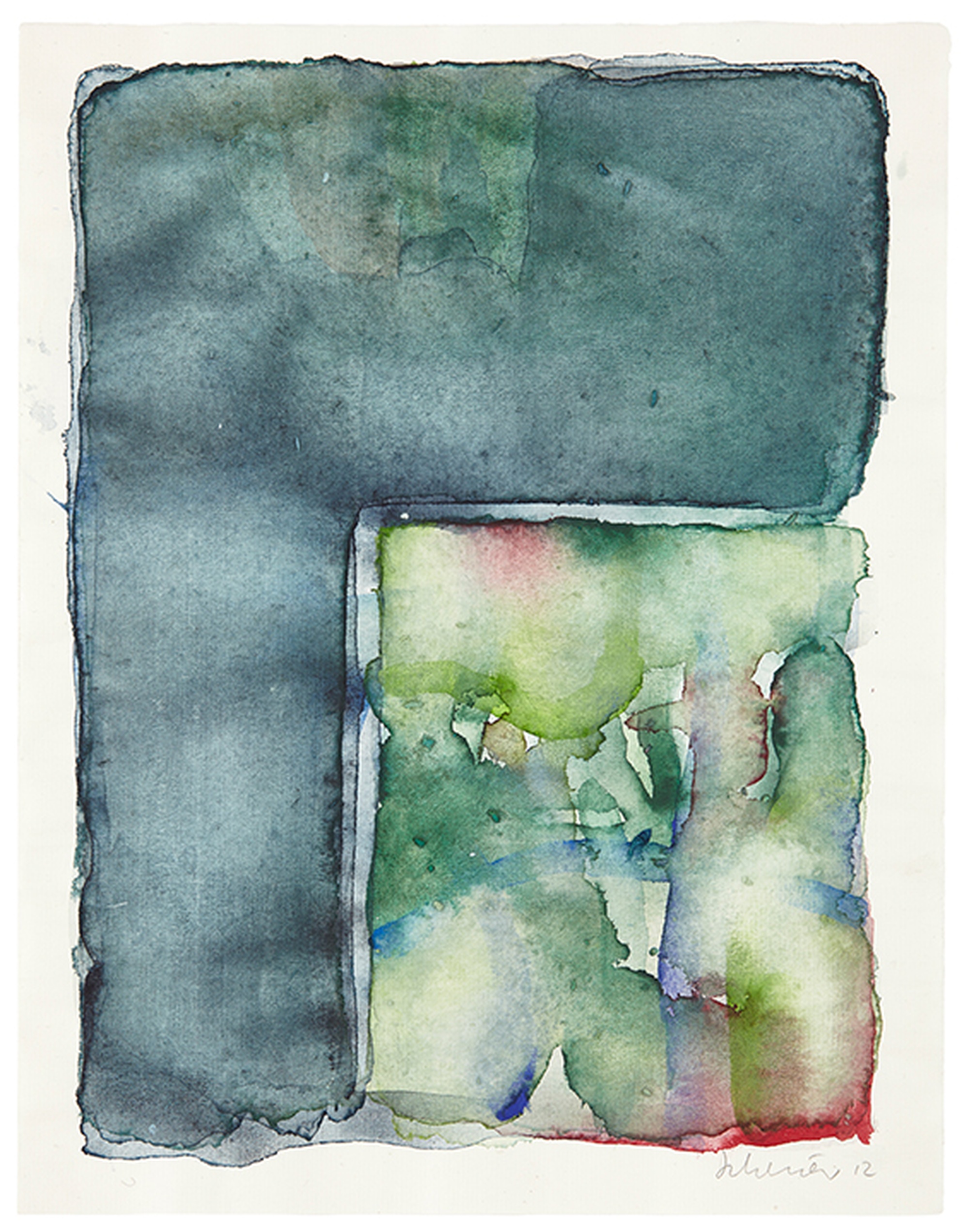
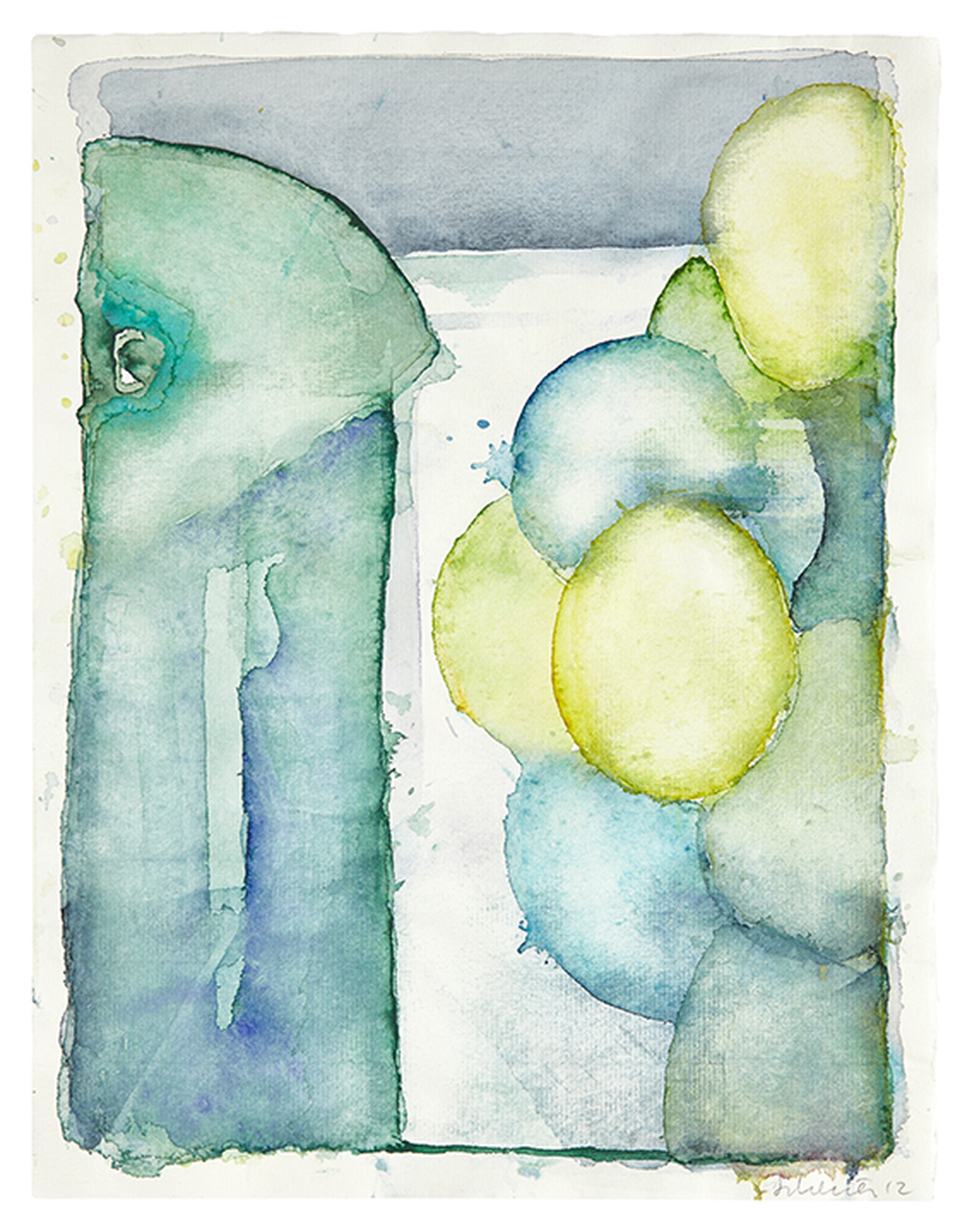
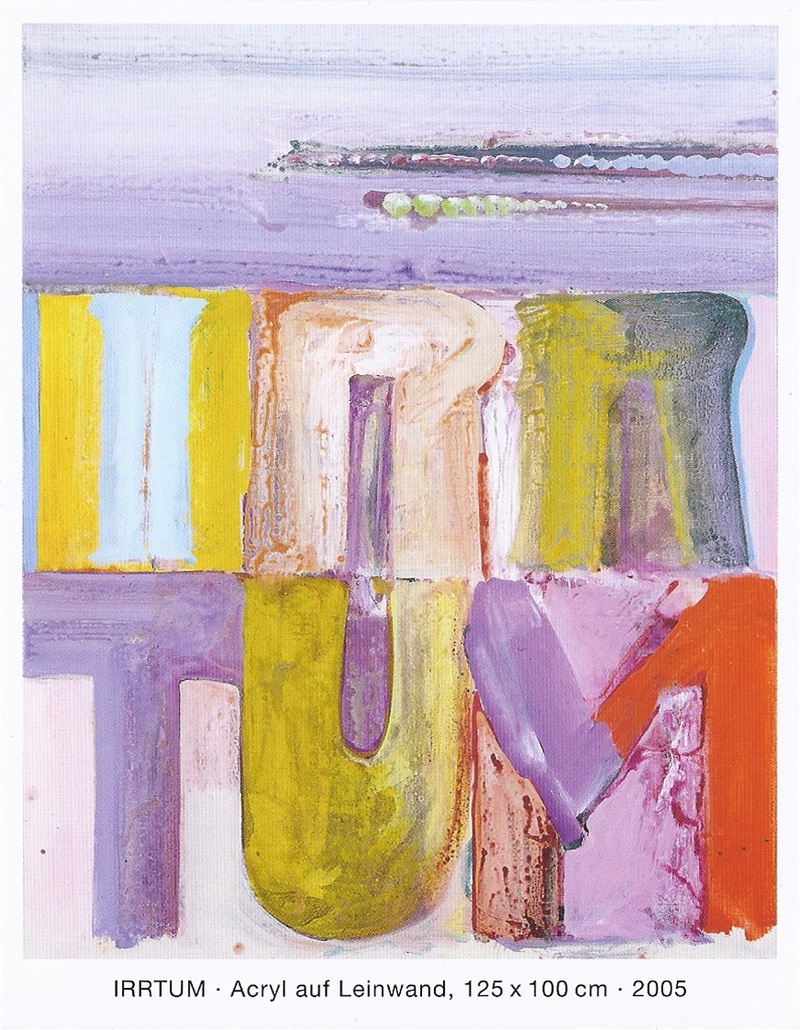
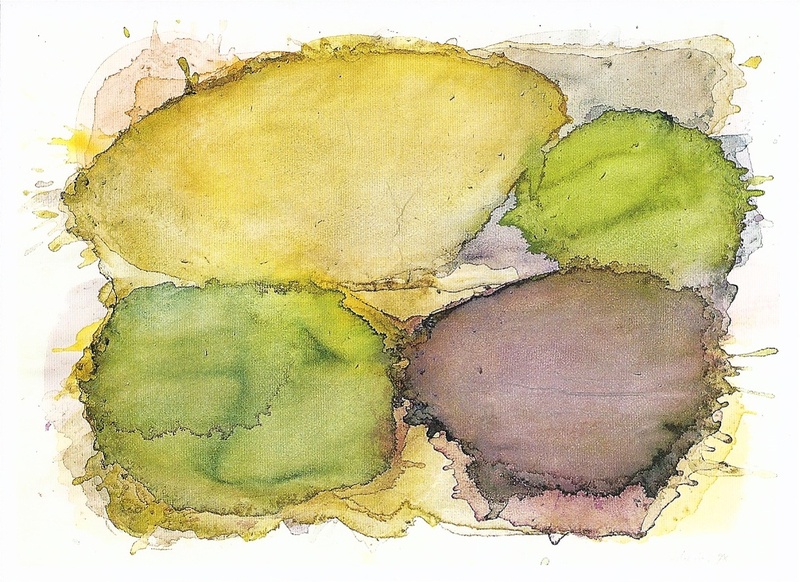
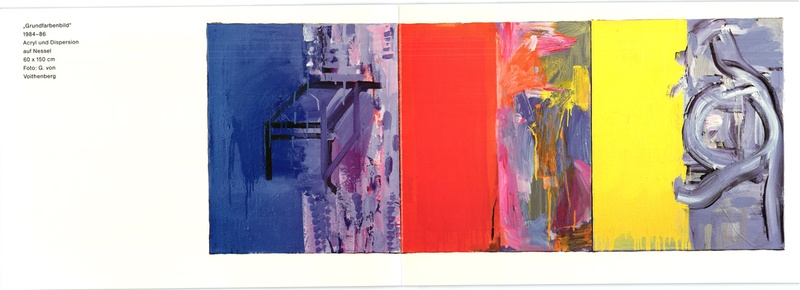
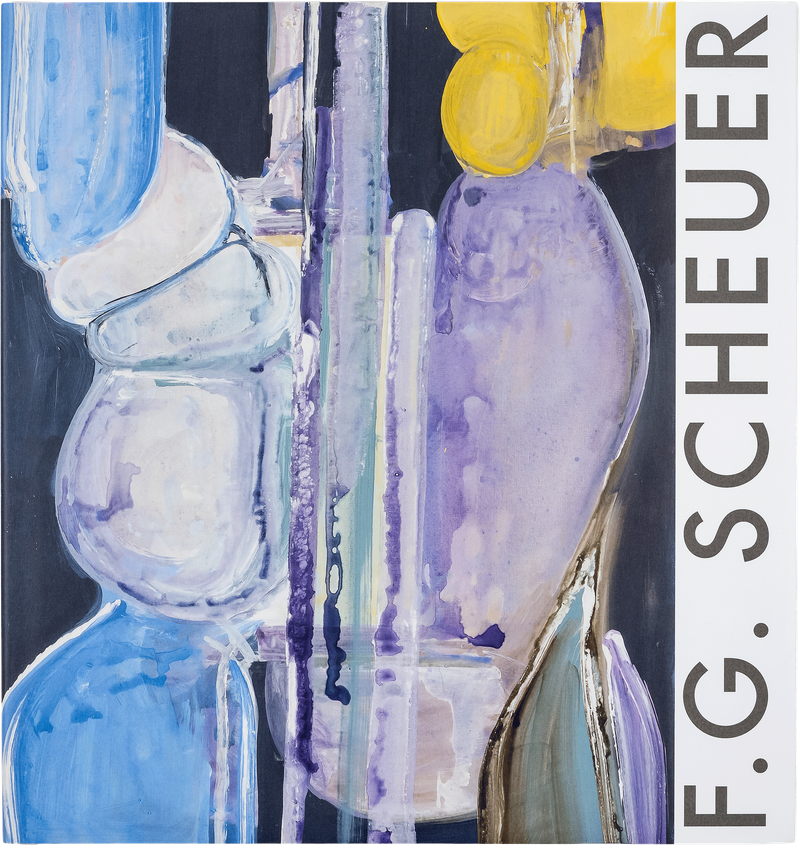
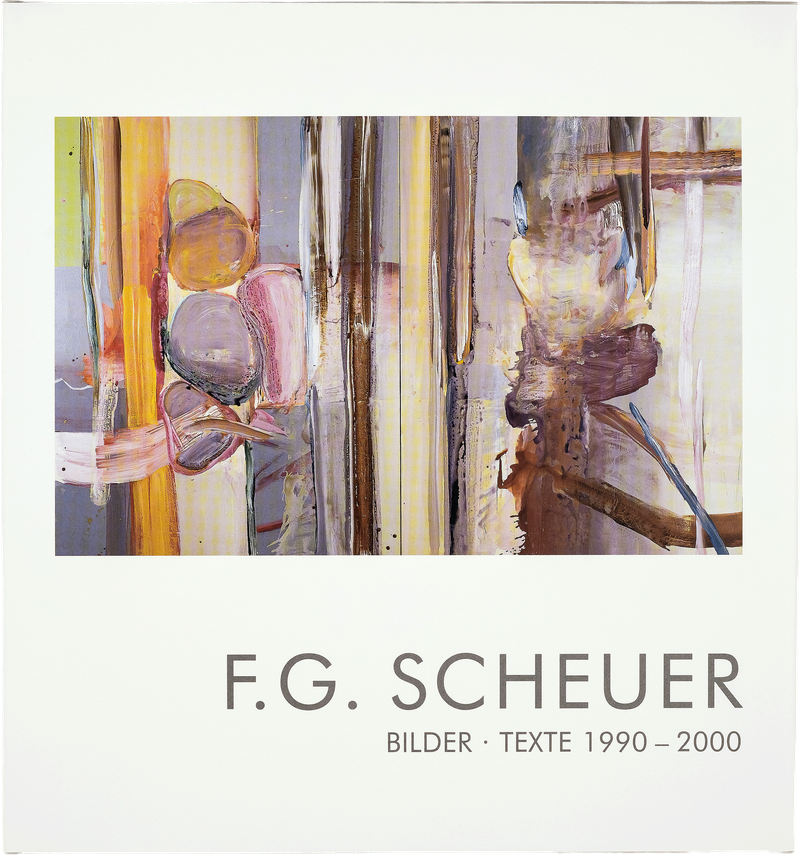
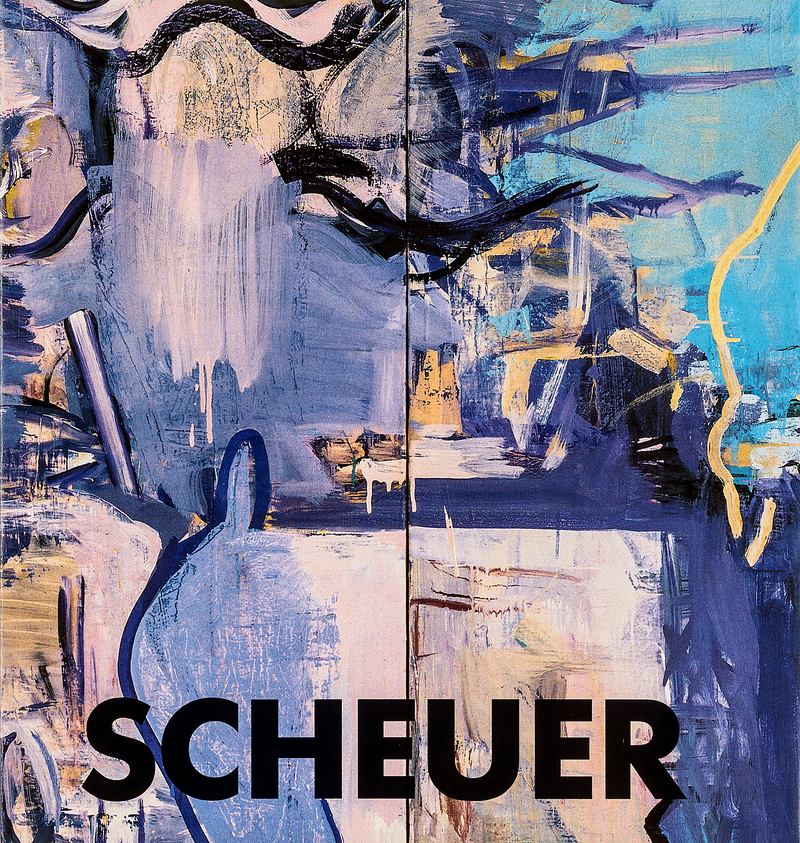
“Painting takes place on the spot, as if colours had fundamental rights to cultural liberty.
[…] without language the world is pure opinion, concealing the rules of morality and ethics, of social, economic, and political alliances. This confuses. This is the home of images embodied in painting.
And painting is materiality, that which was first in this world, that which will become, visible for the hands and graspable for the eye. The material of colour is the solution to form and the thought that prepares the image. An idea unresolved in terms of materiality is merely a raised index finger.
[…] Painting persists. Painting preserves and renews the genetic material of colour. The genes remain in the dark. Light awakens pigments: visible for those who have hands to see, hidden from those who say that painting is dead. Some can see; others have only learned to read and write.”1