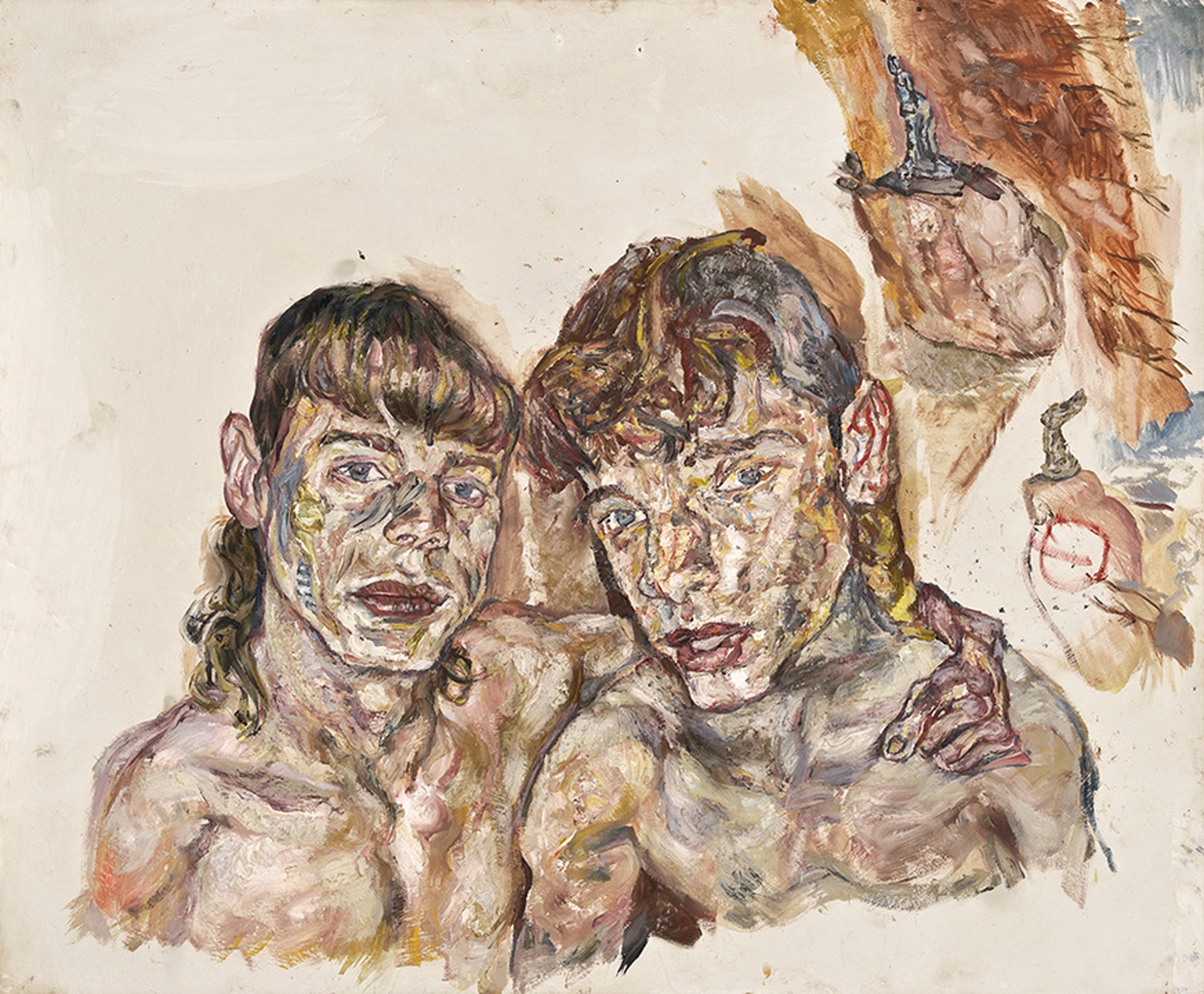
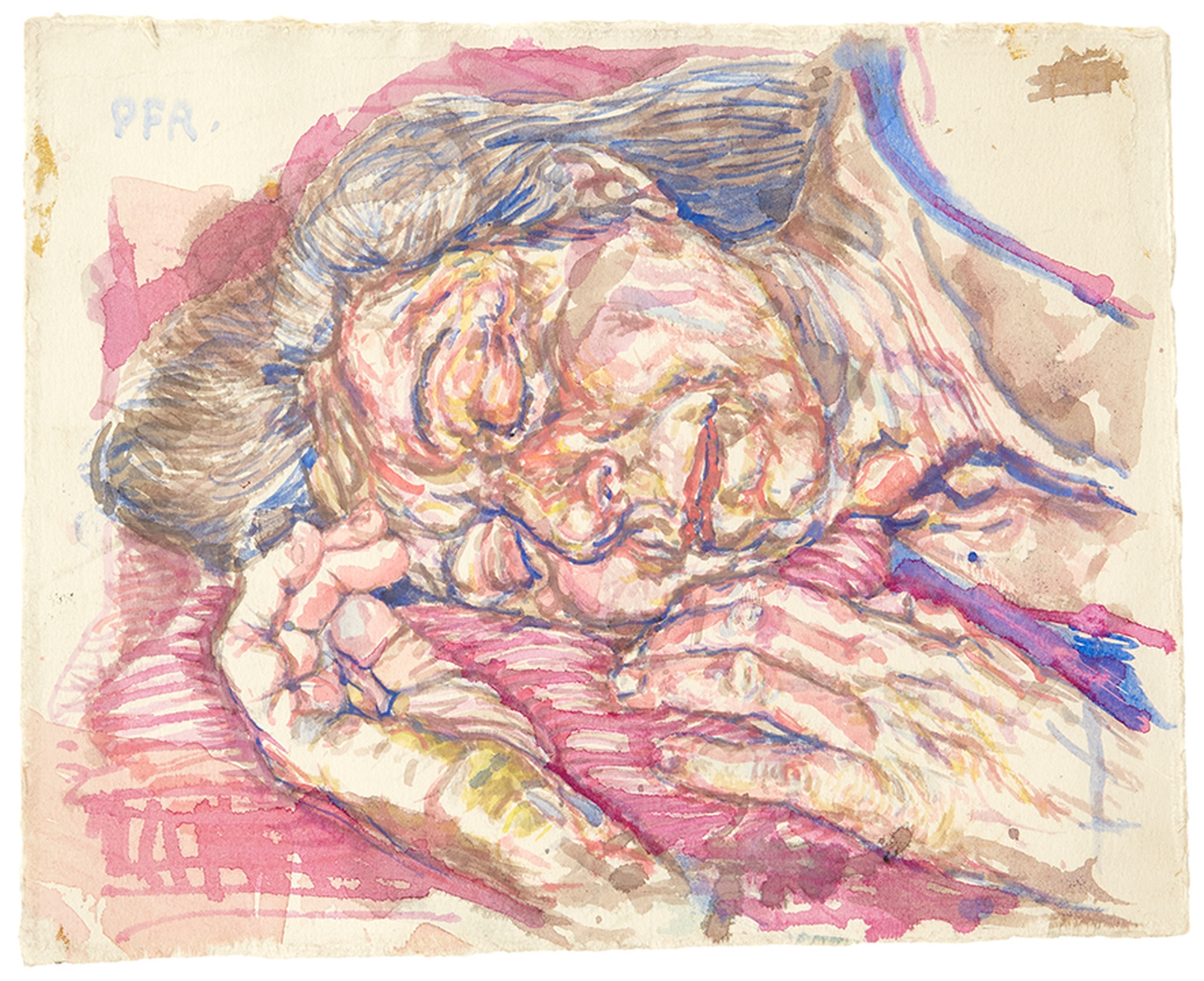
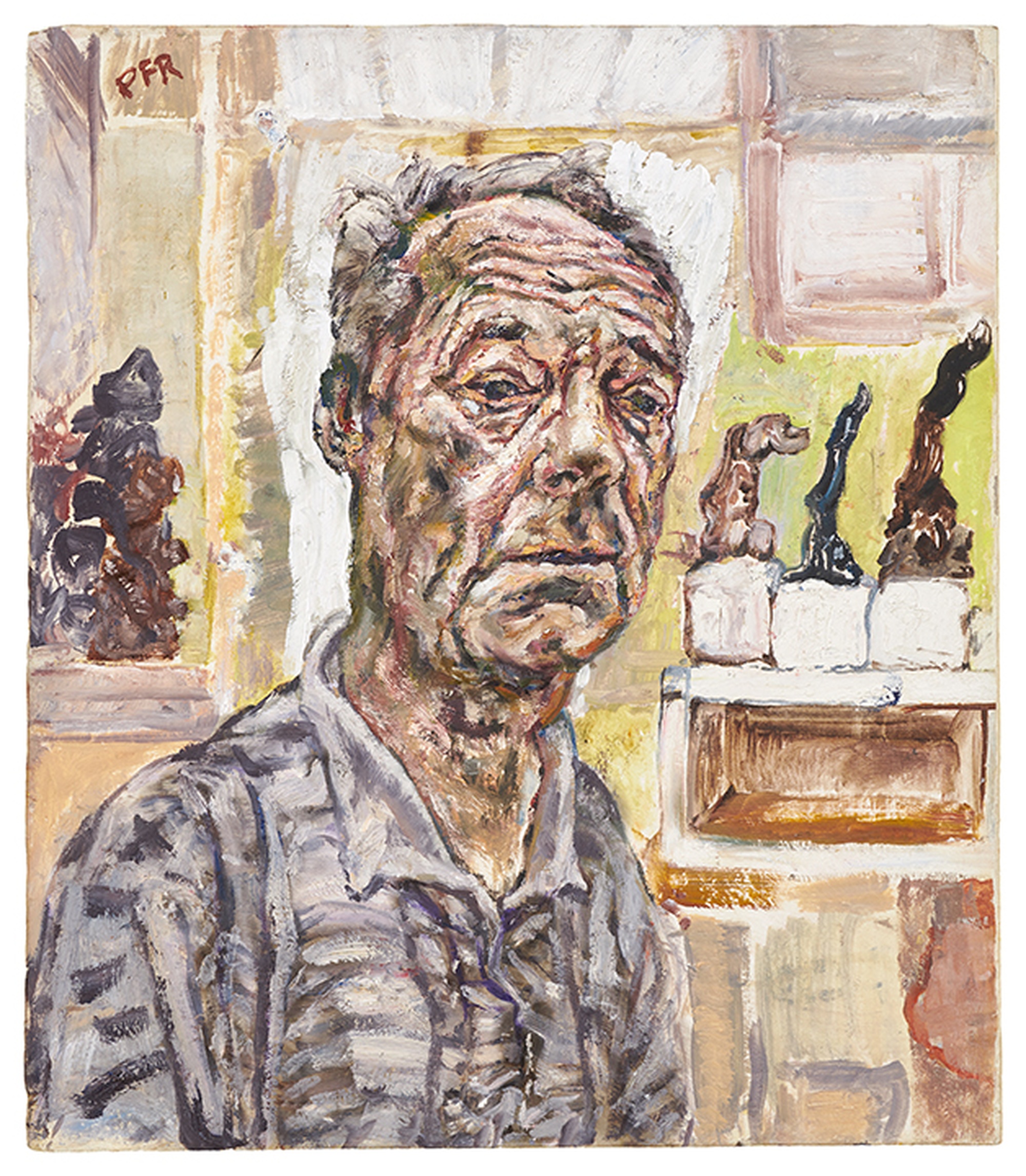
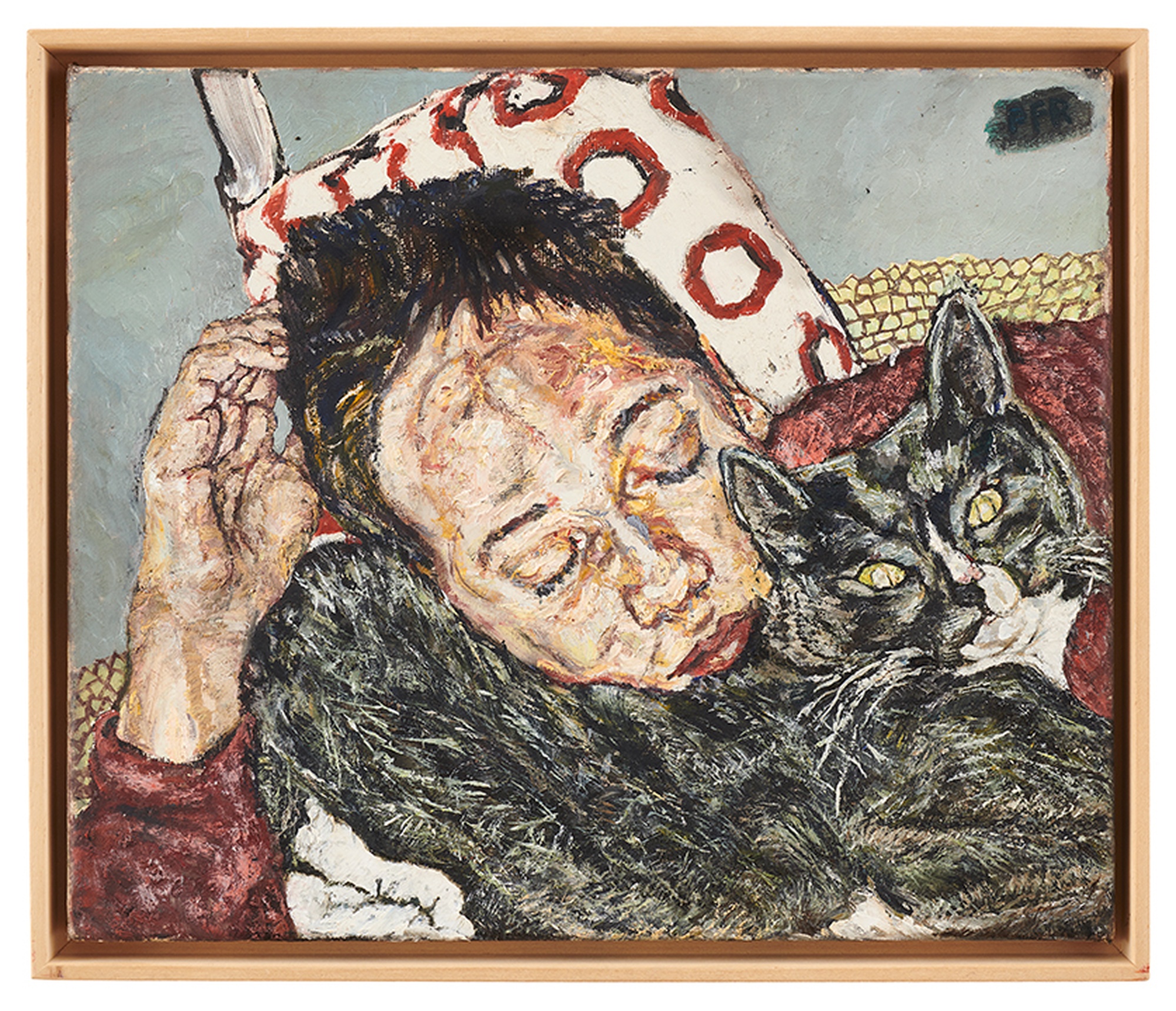
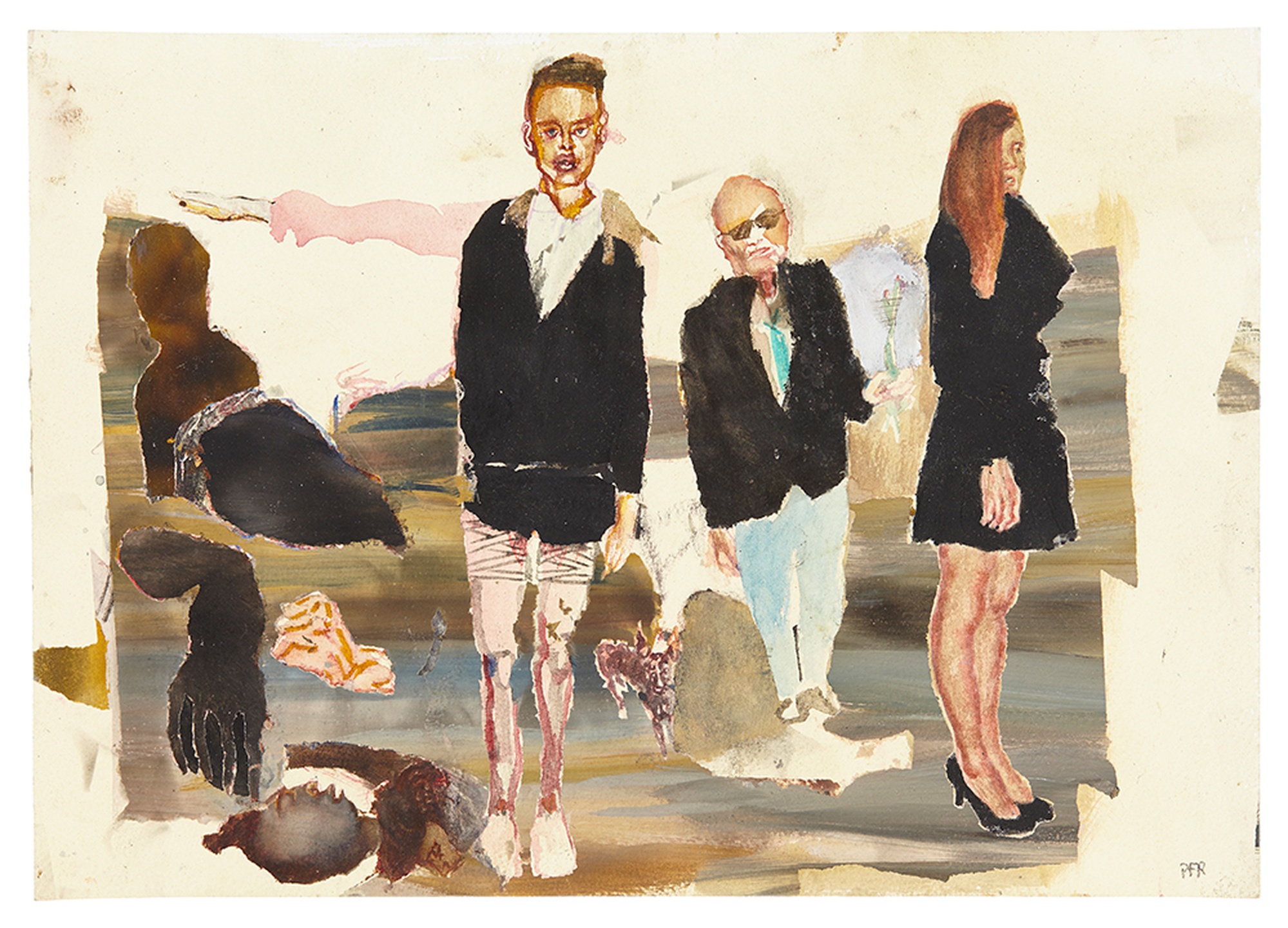
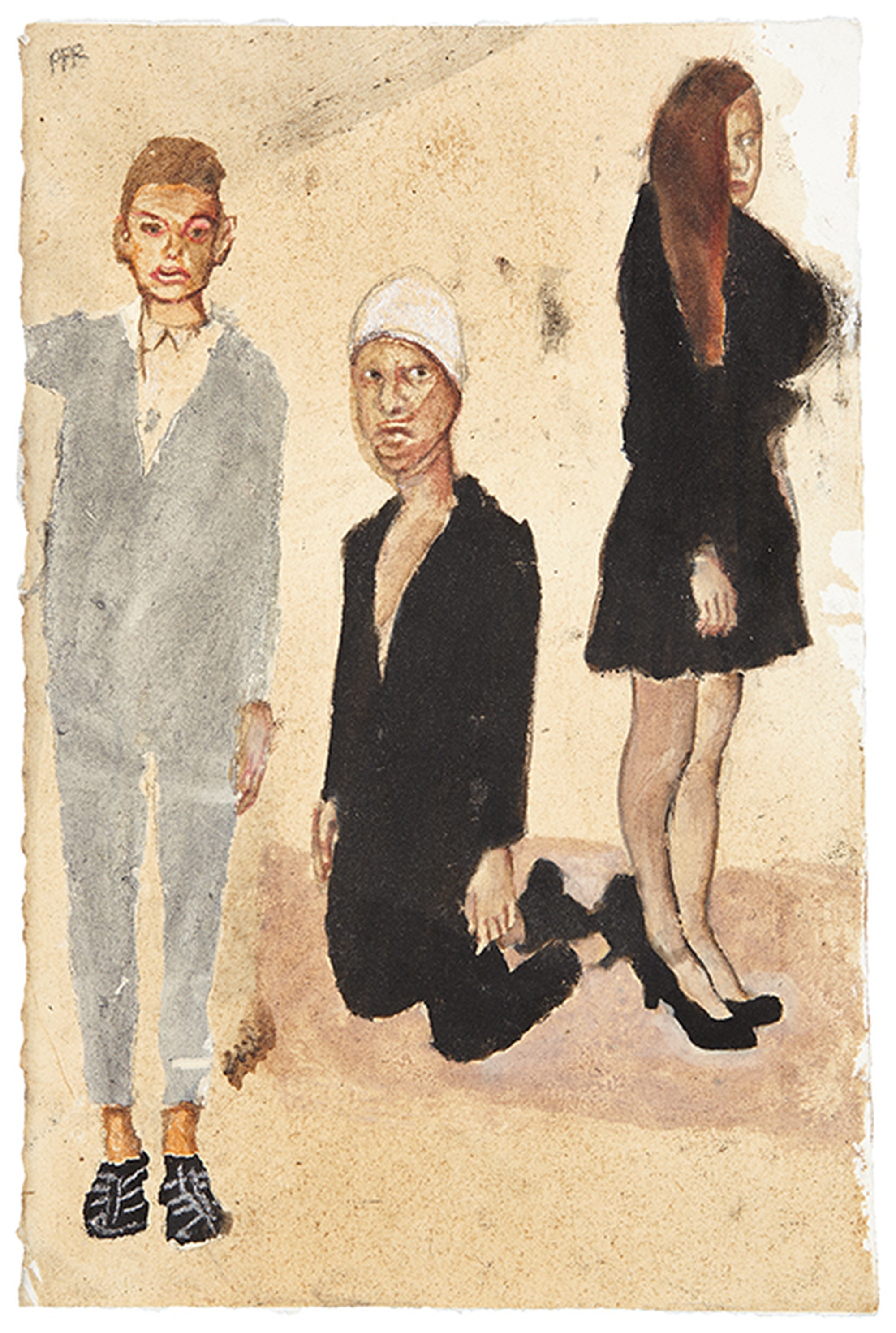
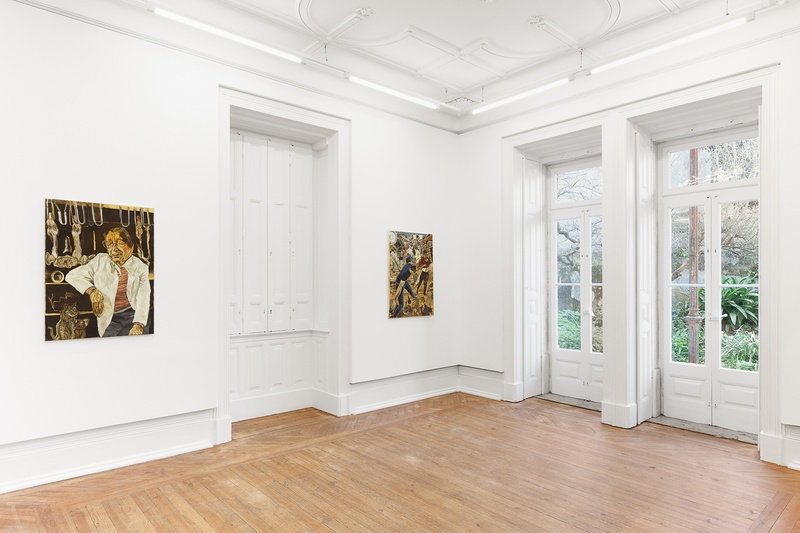
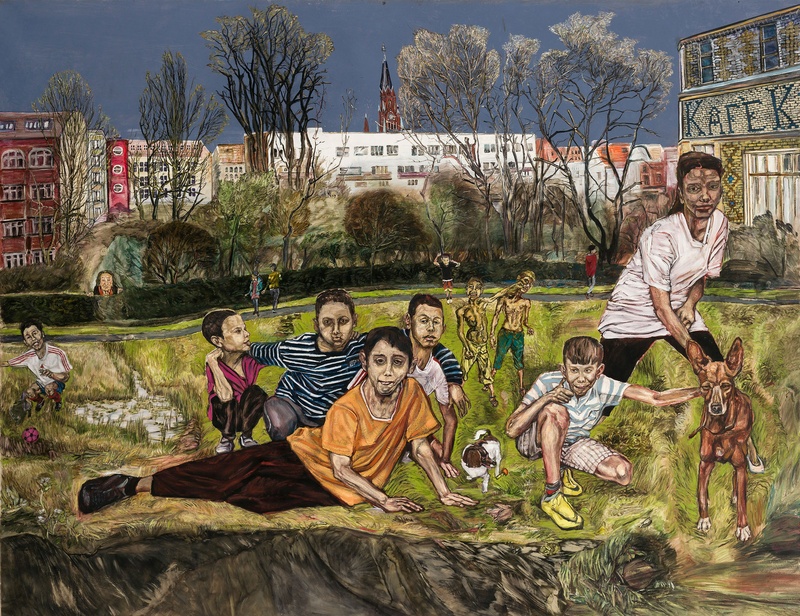
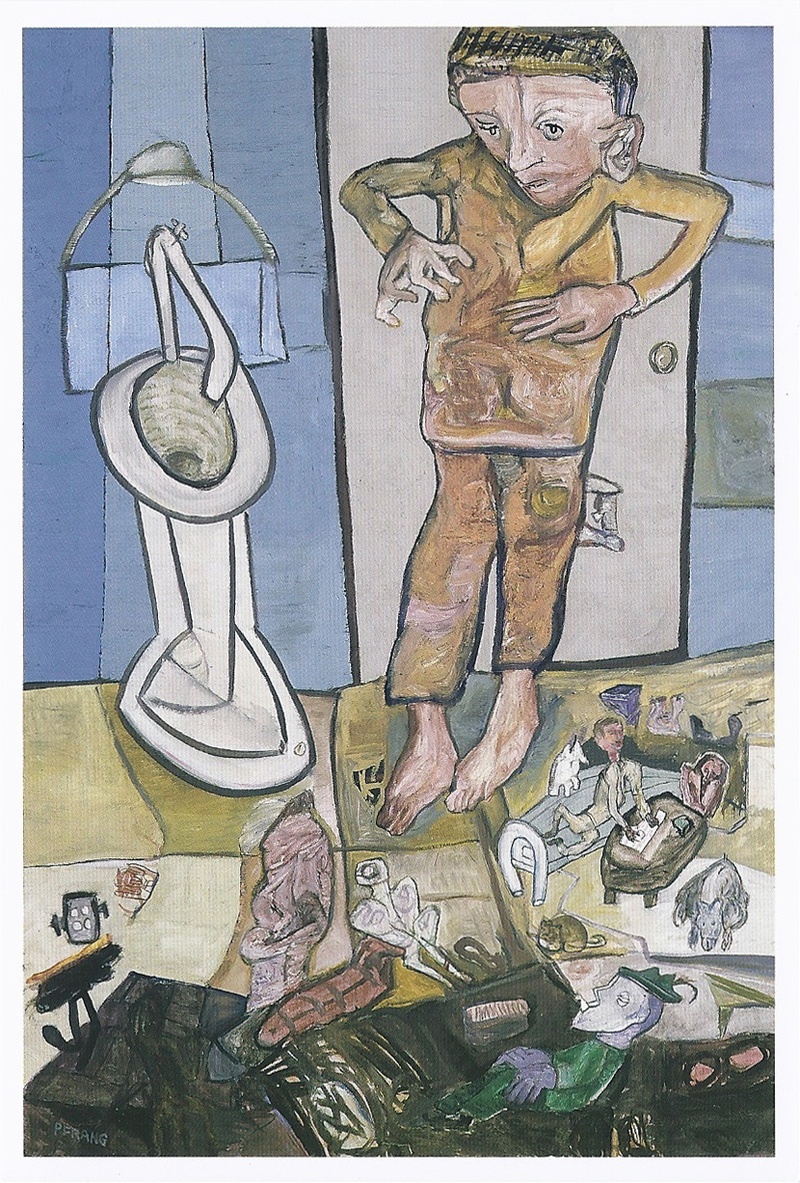
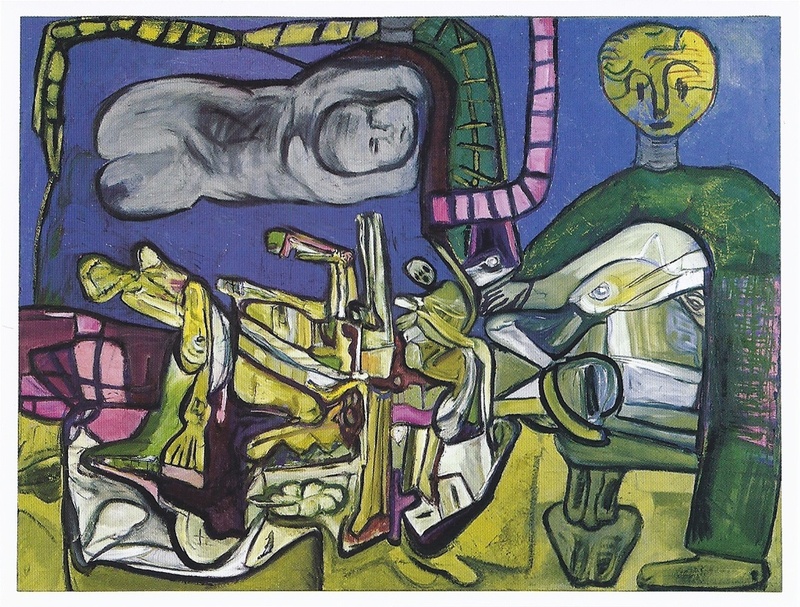
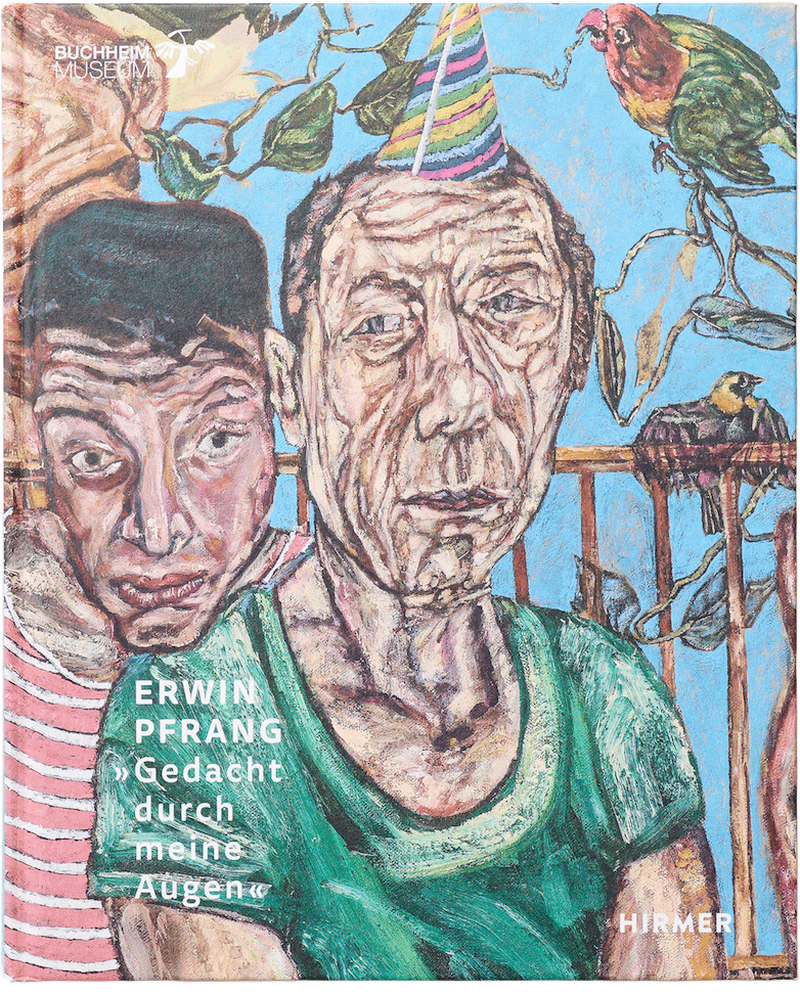
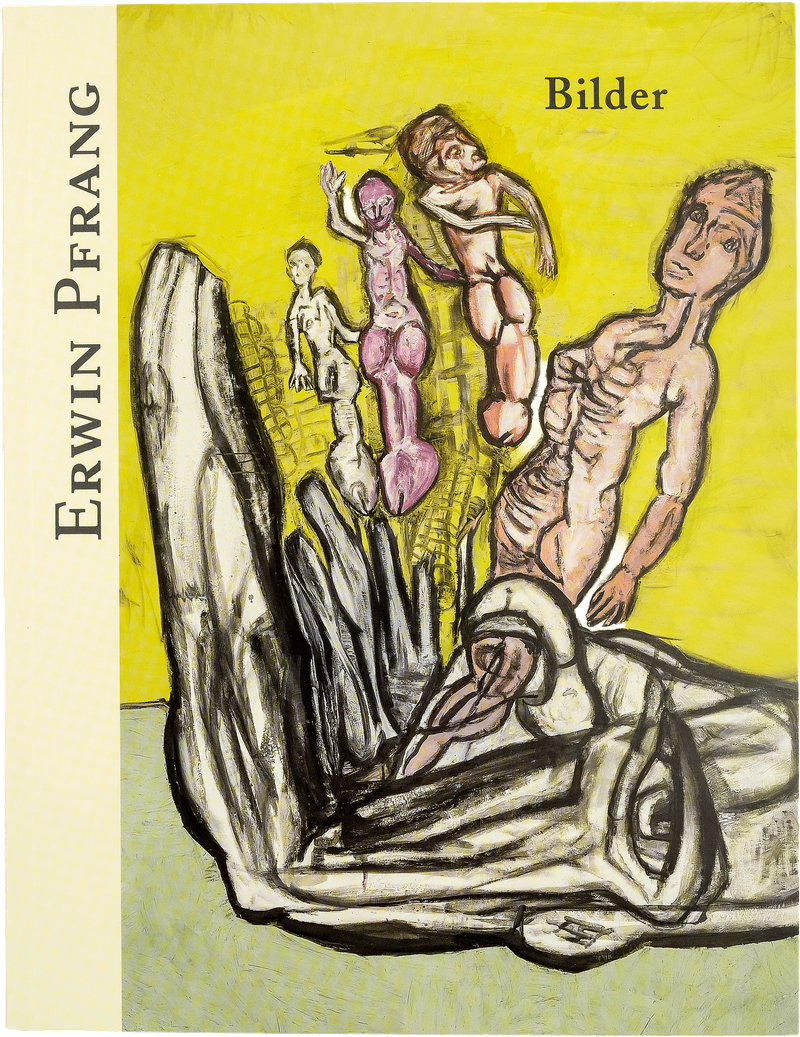
For more than forty years, the painter and draughtsman Erwin Pfrang has asserted himself as a solitary figure among the German artists of his generation. There is simply no one else who can compare with him. An imaginary line of tradition - from George Grosz to Renato Gattuso to Lucian Freud, for example - may illuminate certain historical affinities, but who in the contemporary world of art dares to stage such "realistic" figure tableaux in a comparably "fanatical" manner, which present an iconographic vocabulary of the most ludicrous kind with great urgency? Early on - during his time at the academy in Munich, which ended in 1979 - Pfrang declaredly strove to "not belong" and in this self-chosen role of anachronistic hermit he has led his life and created his work over the decades.
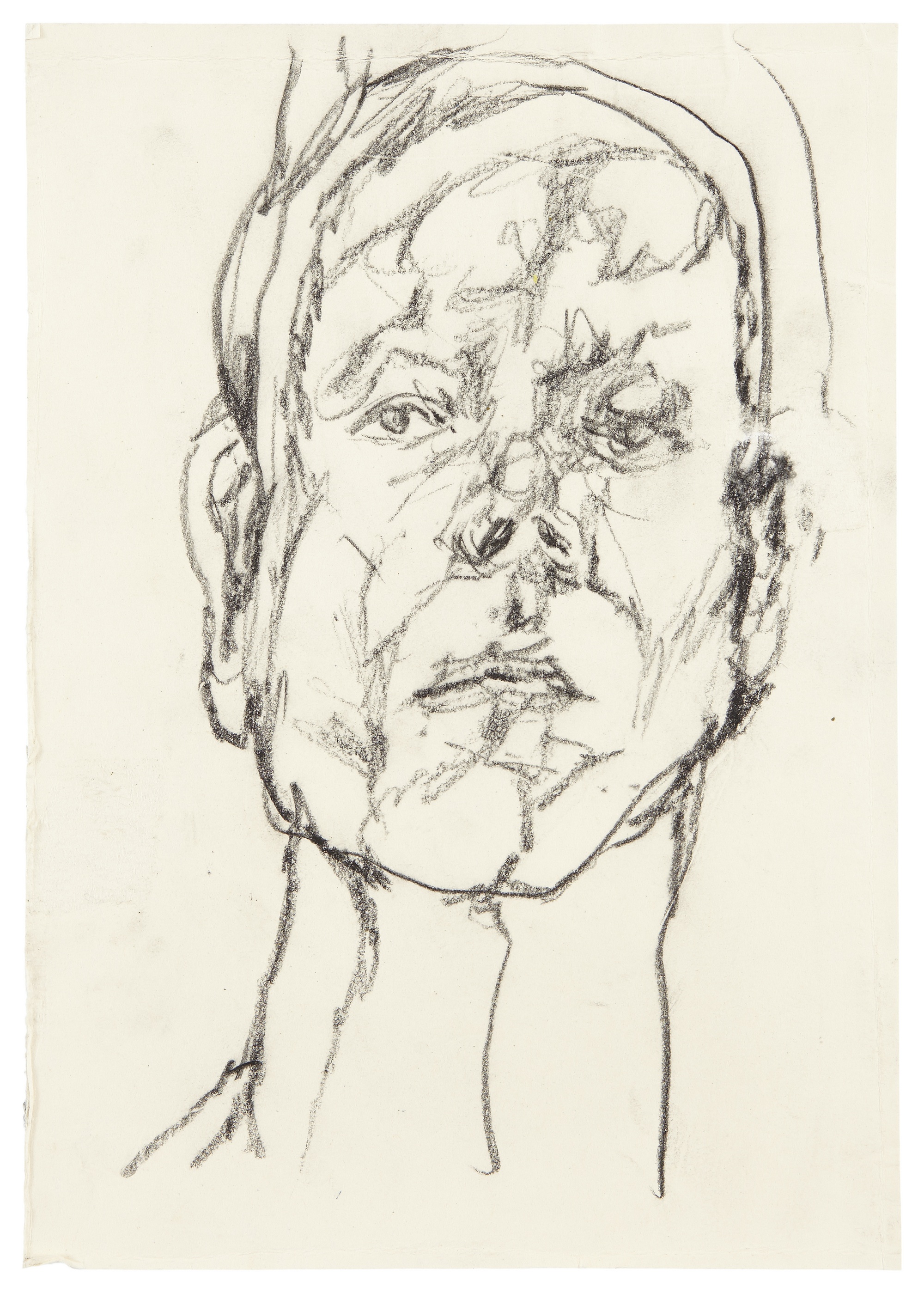
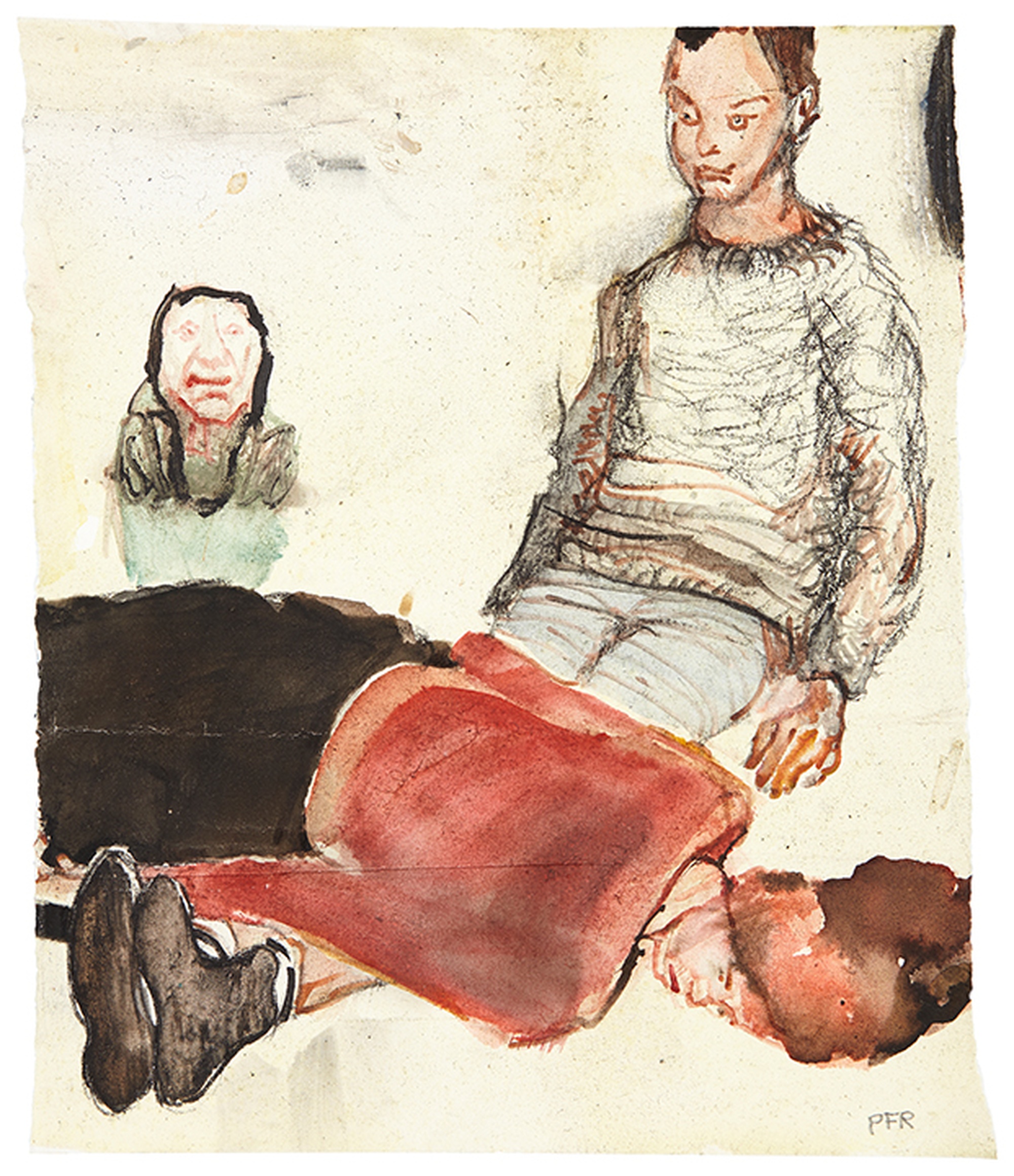
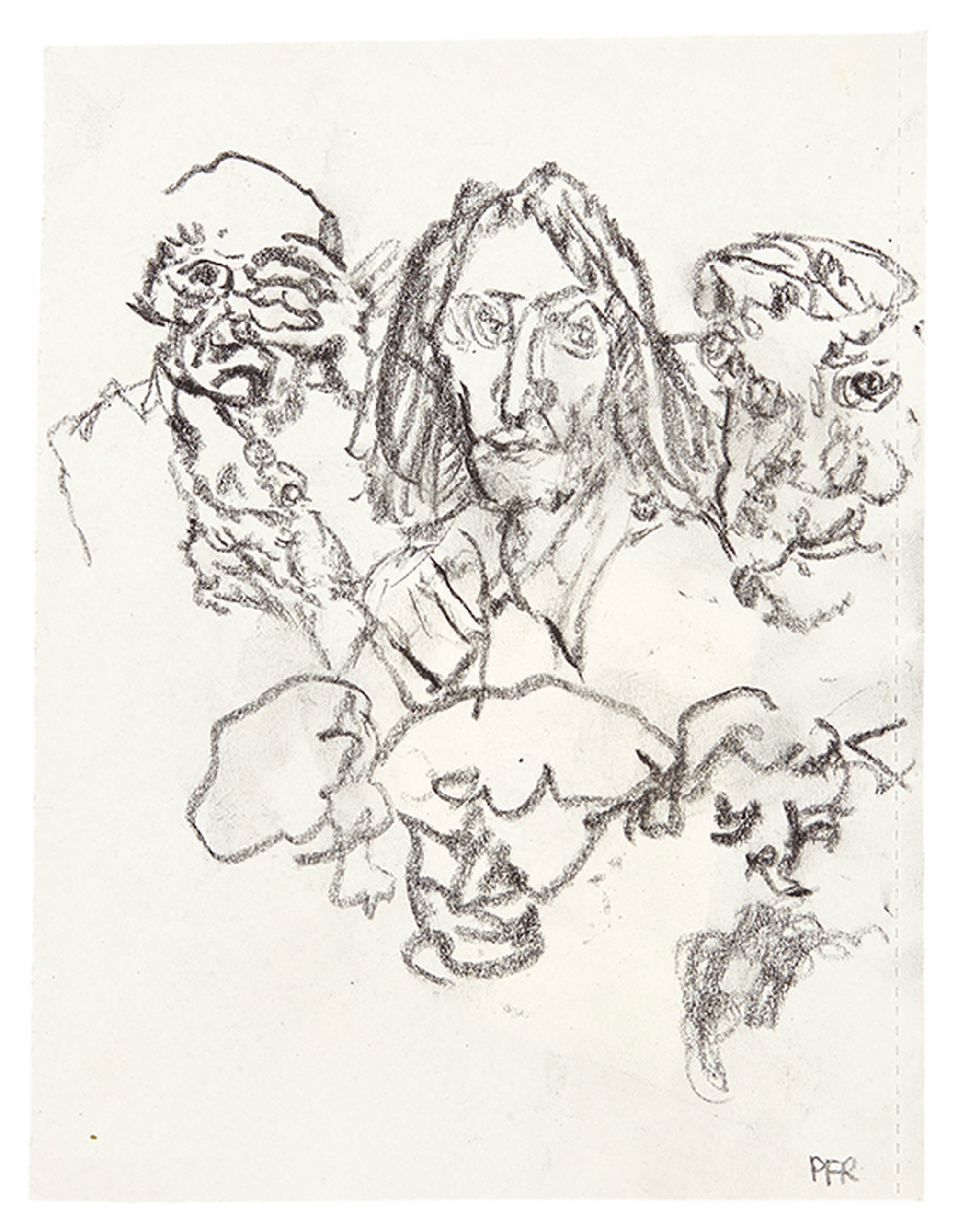
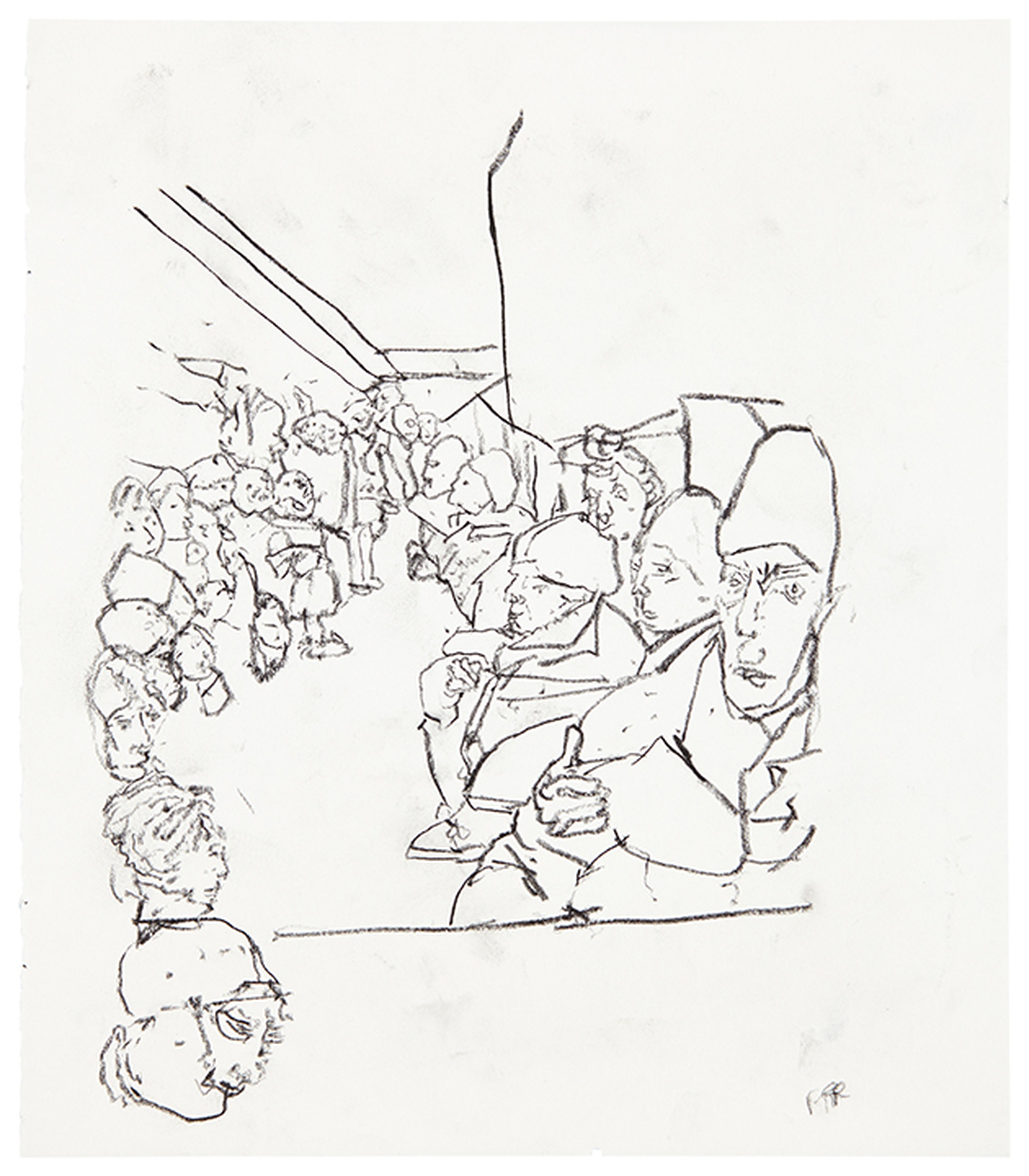
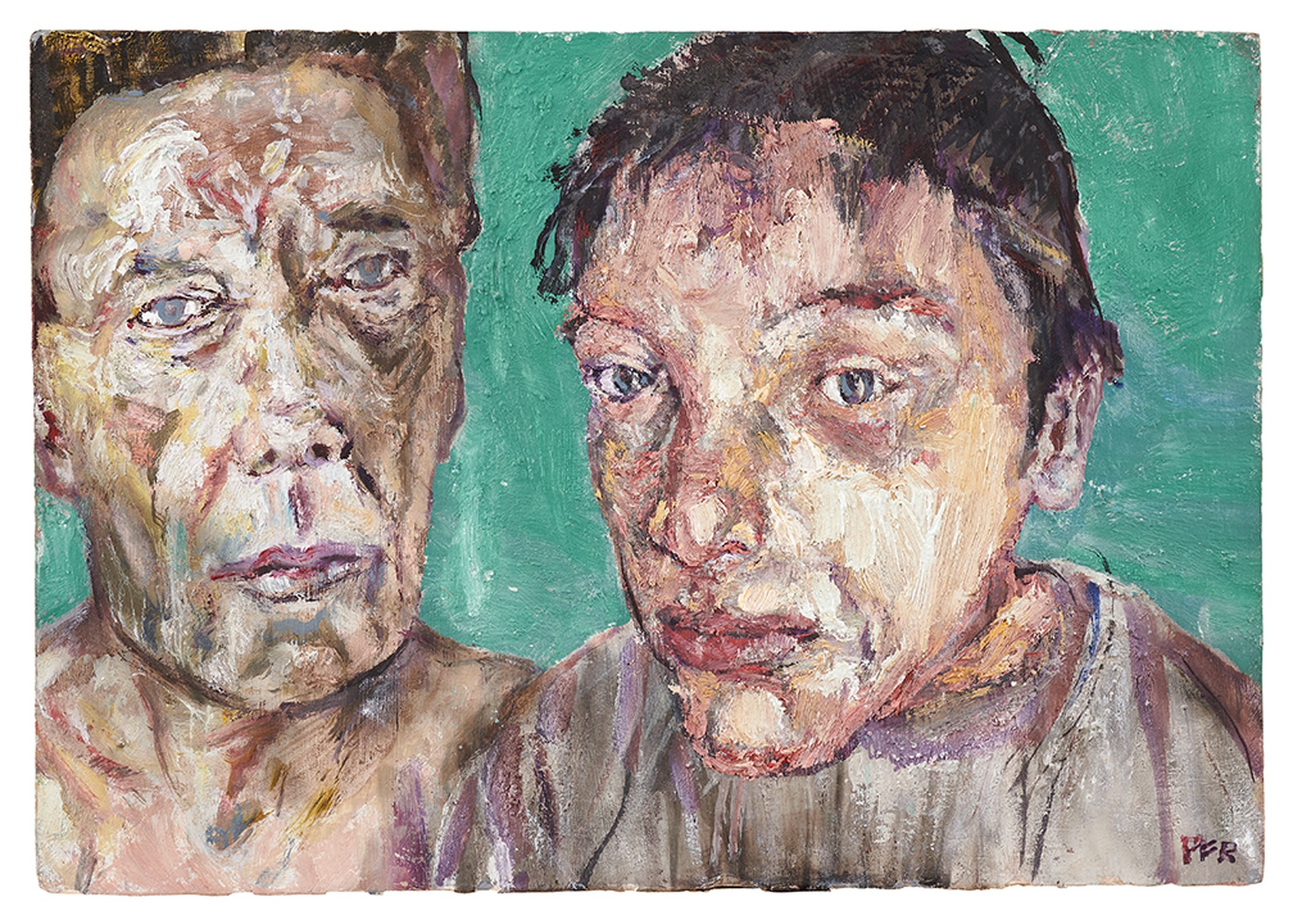
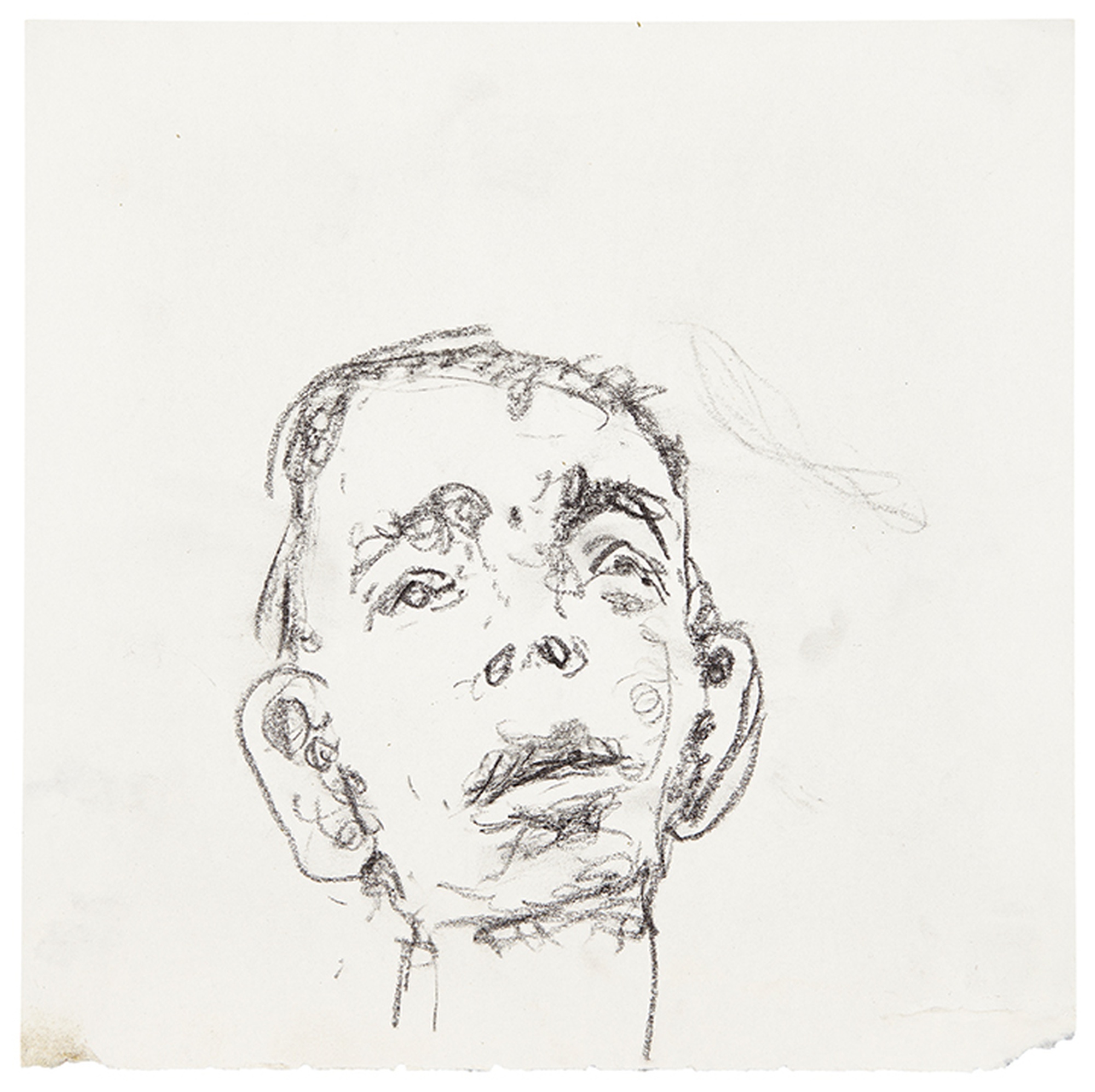
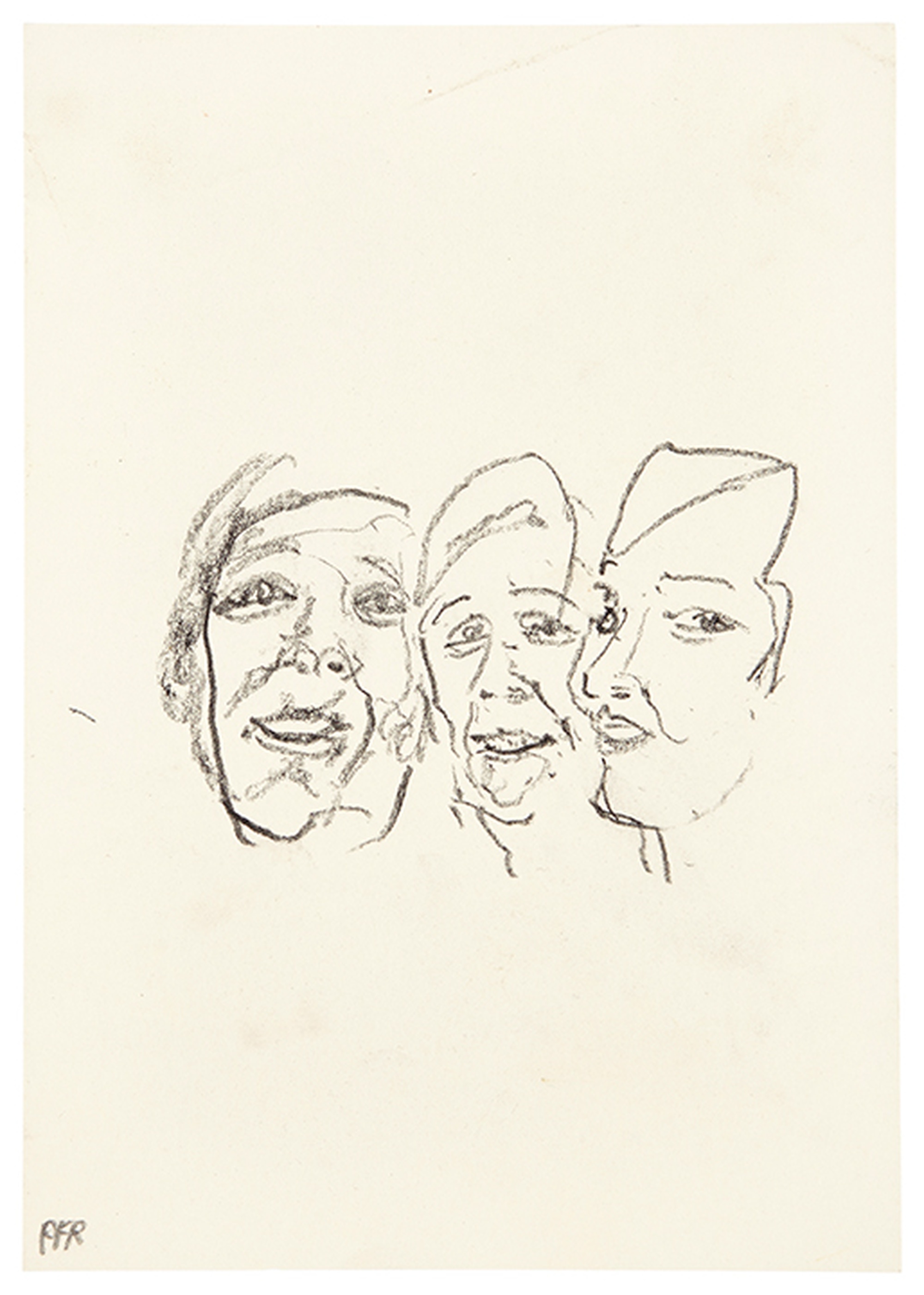
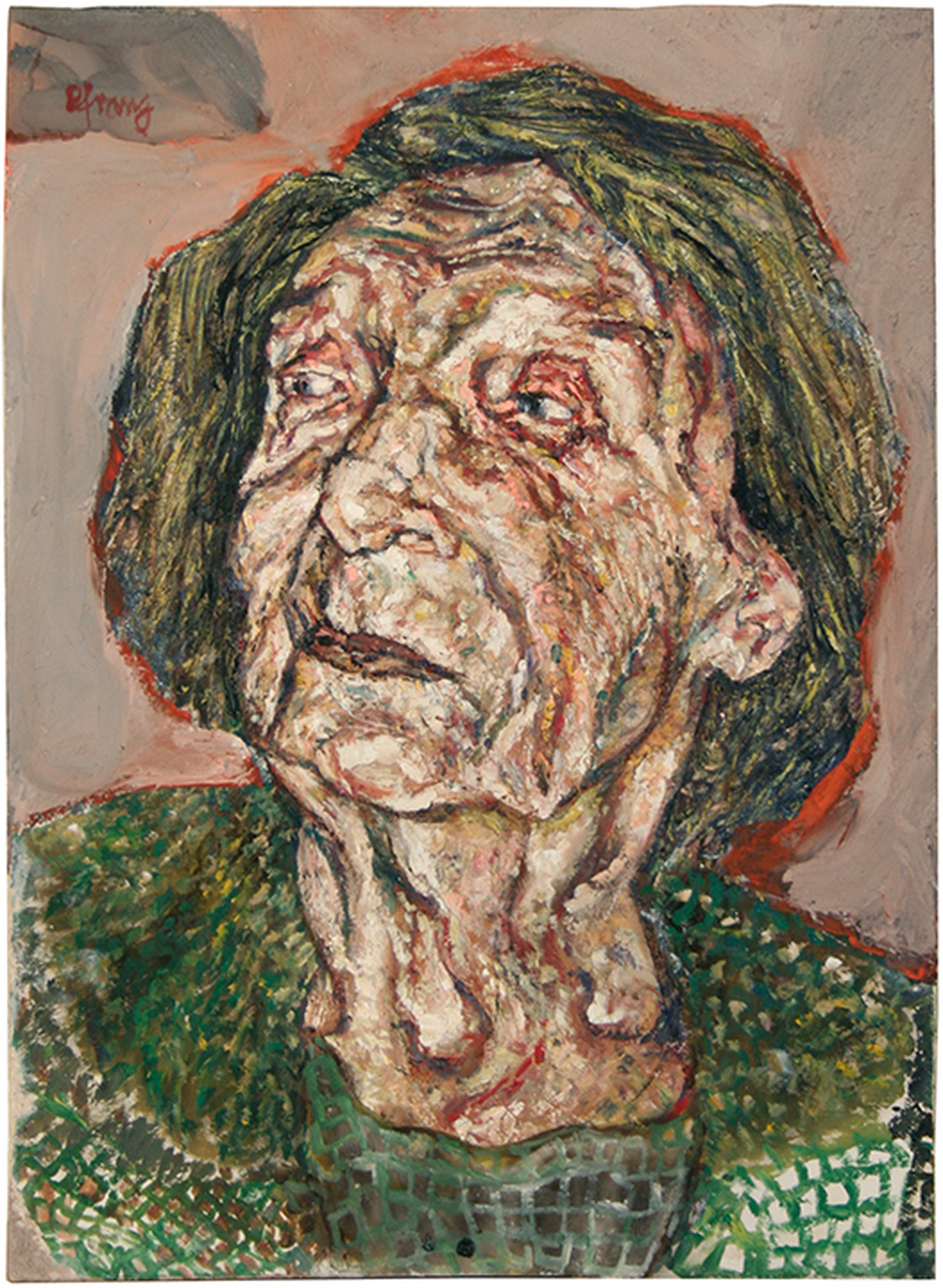
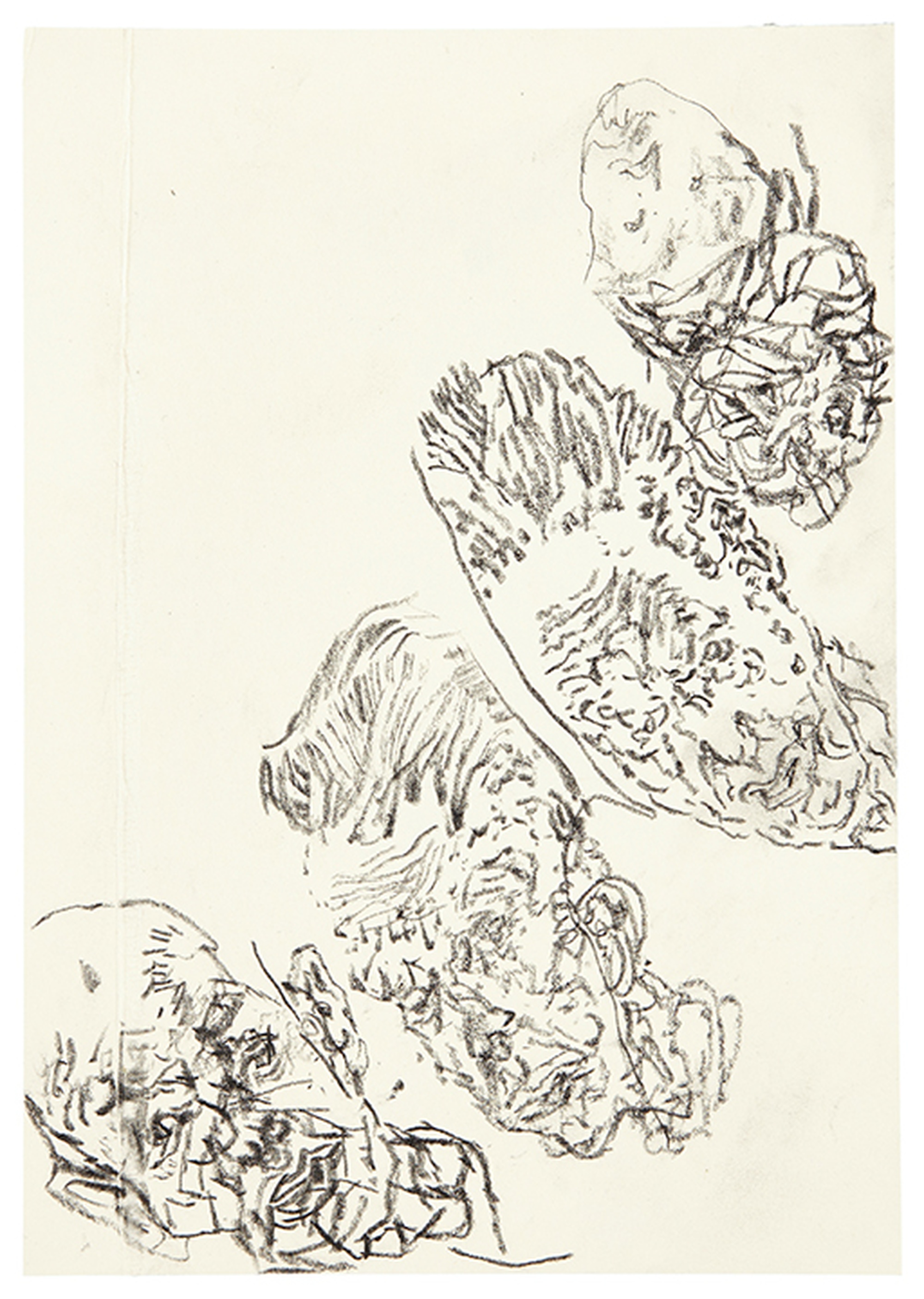
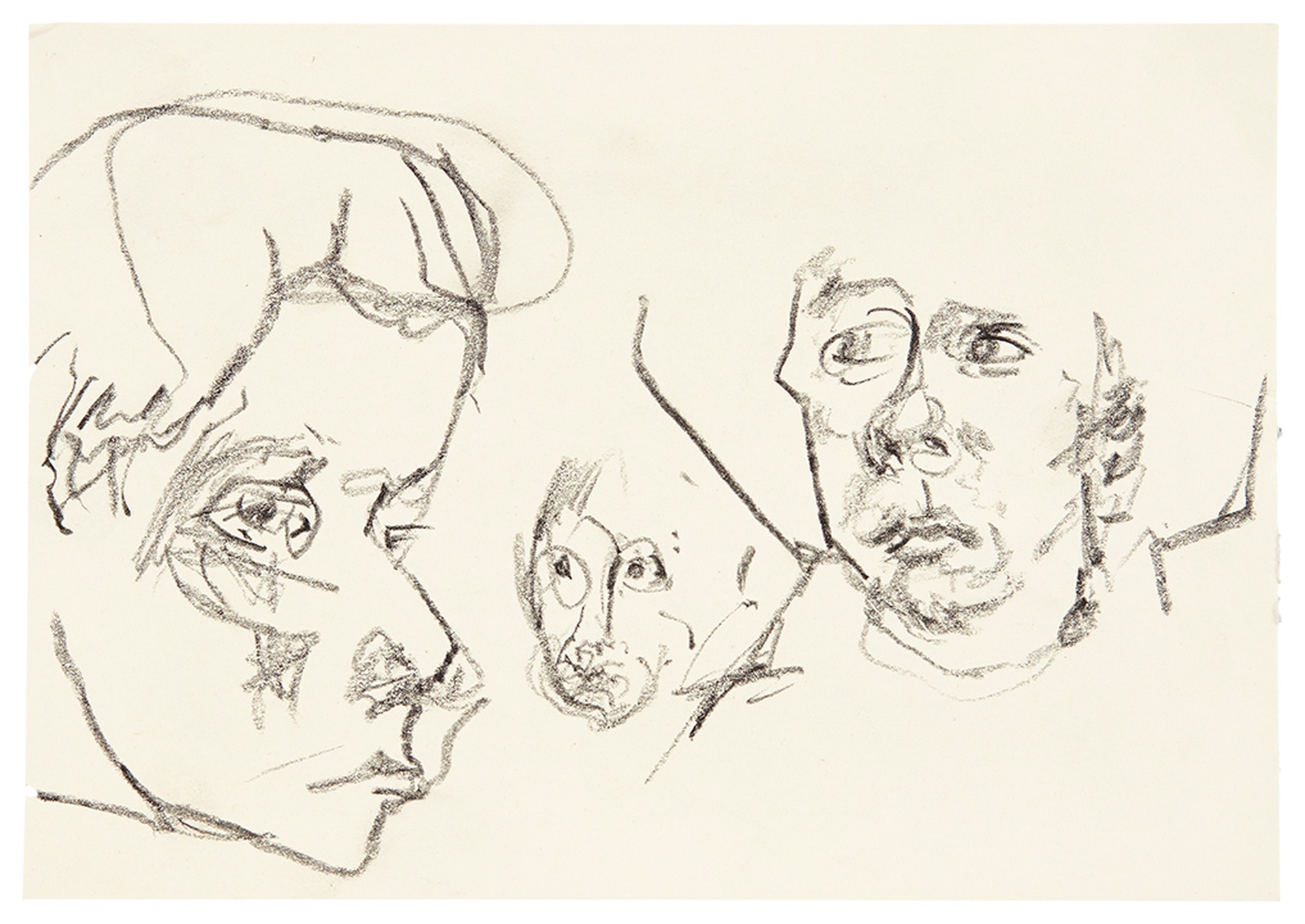
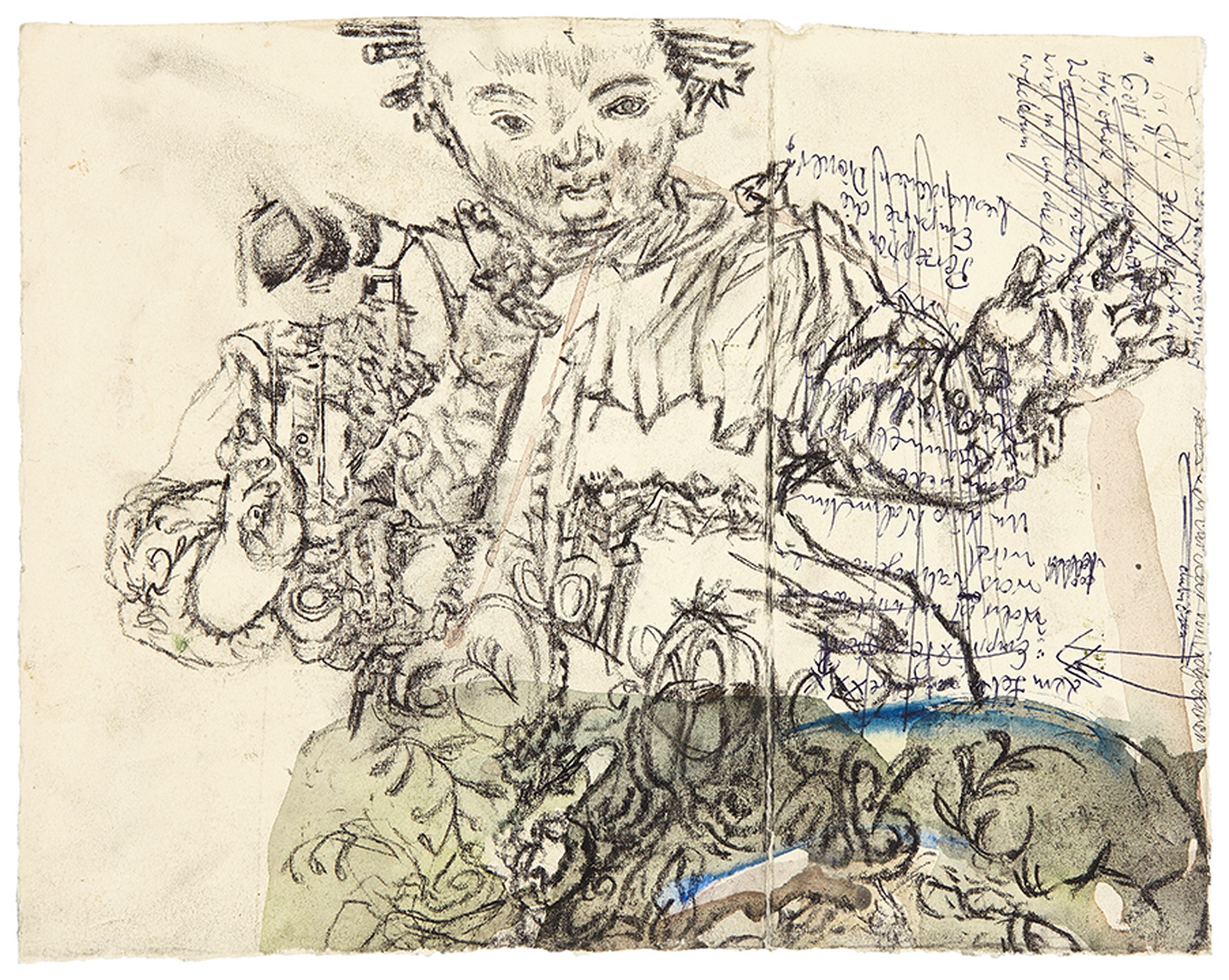
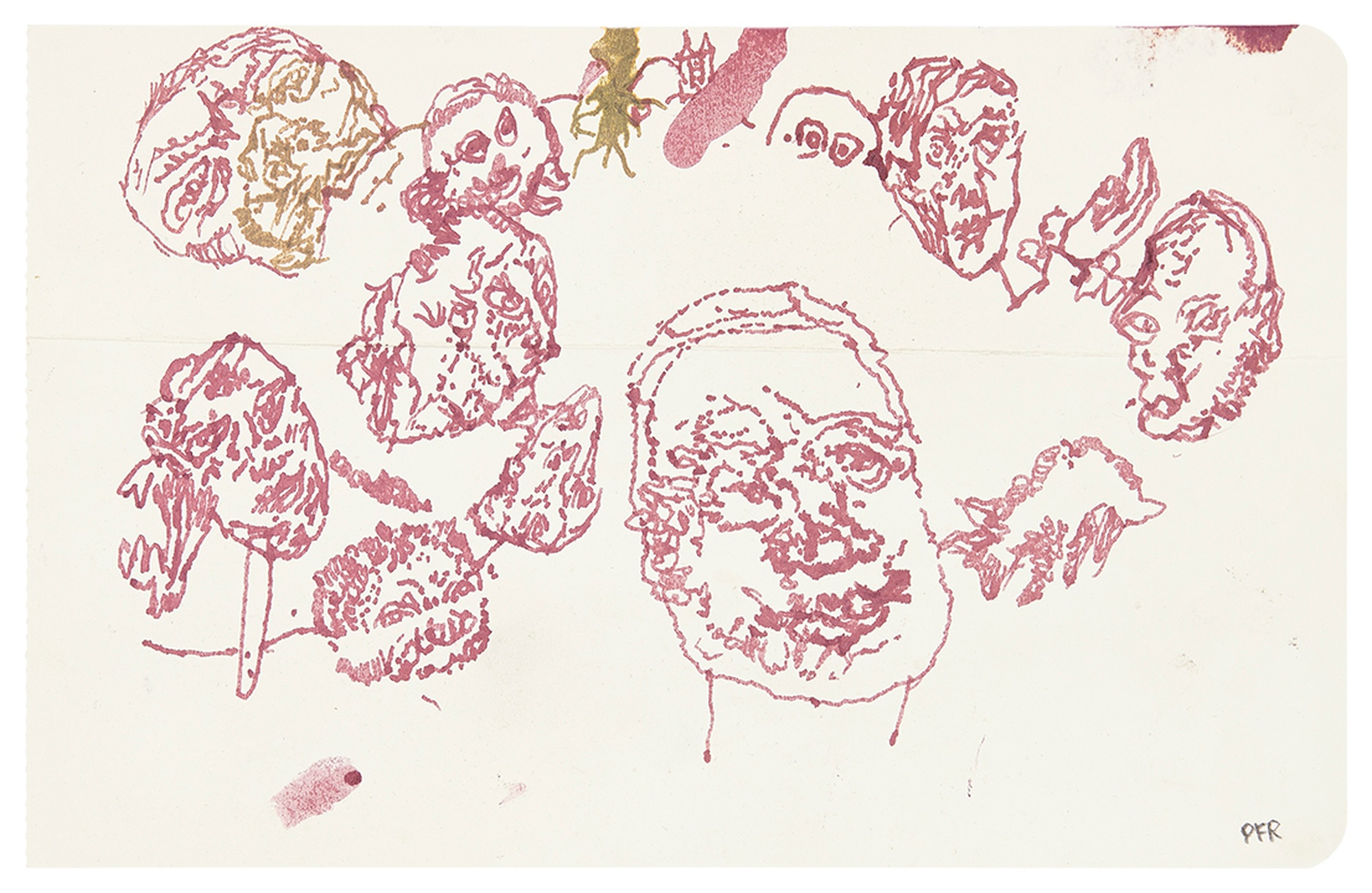
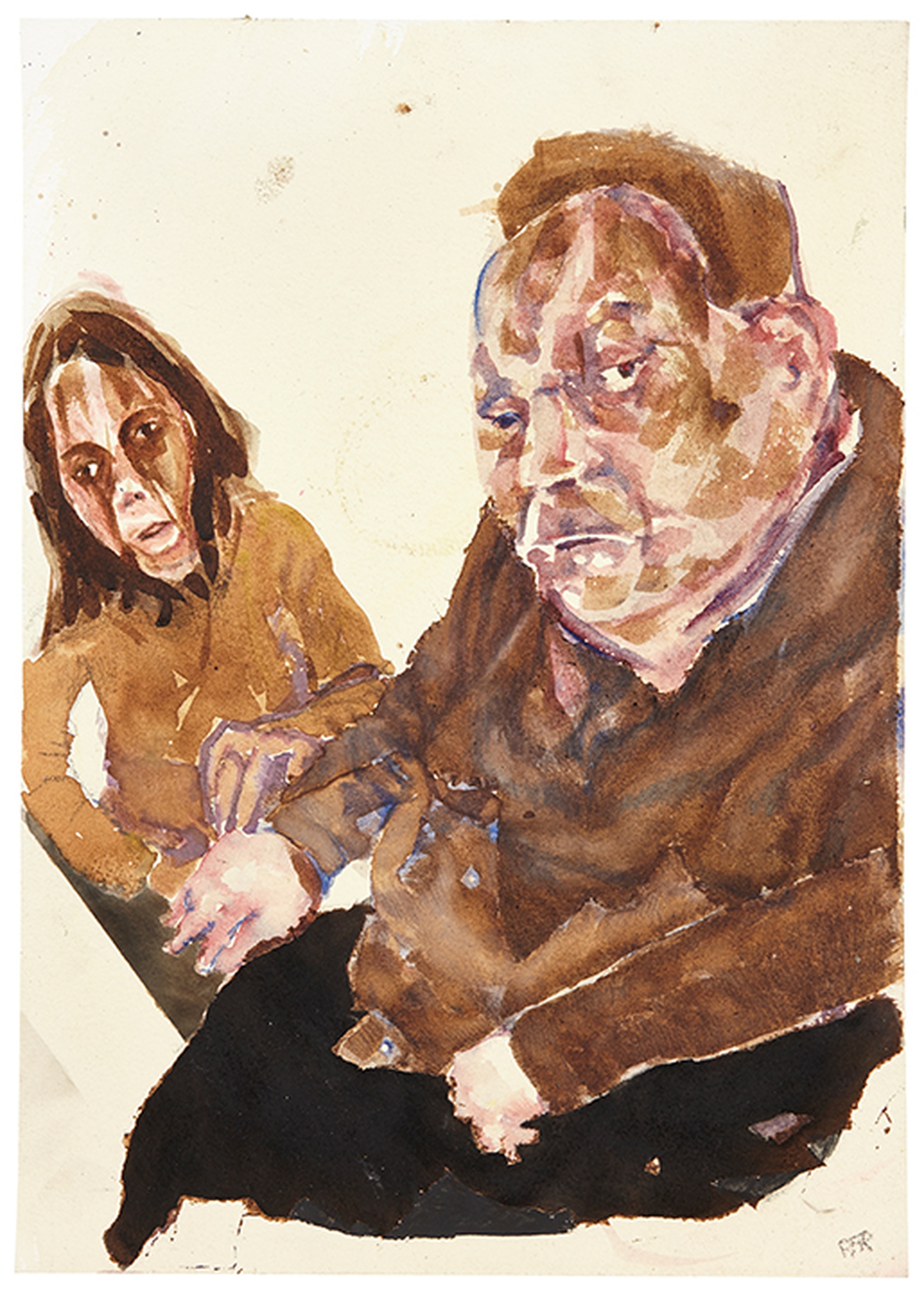
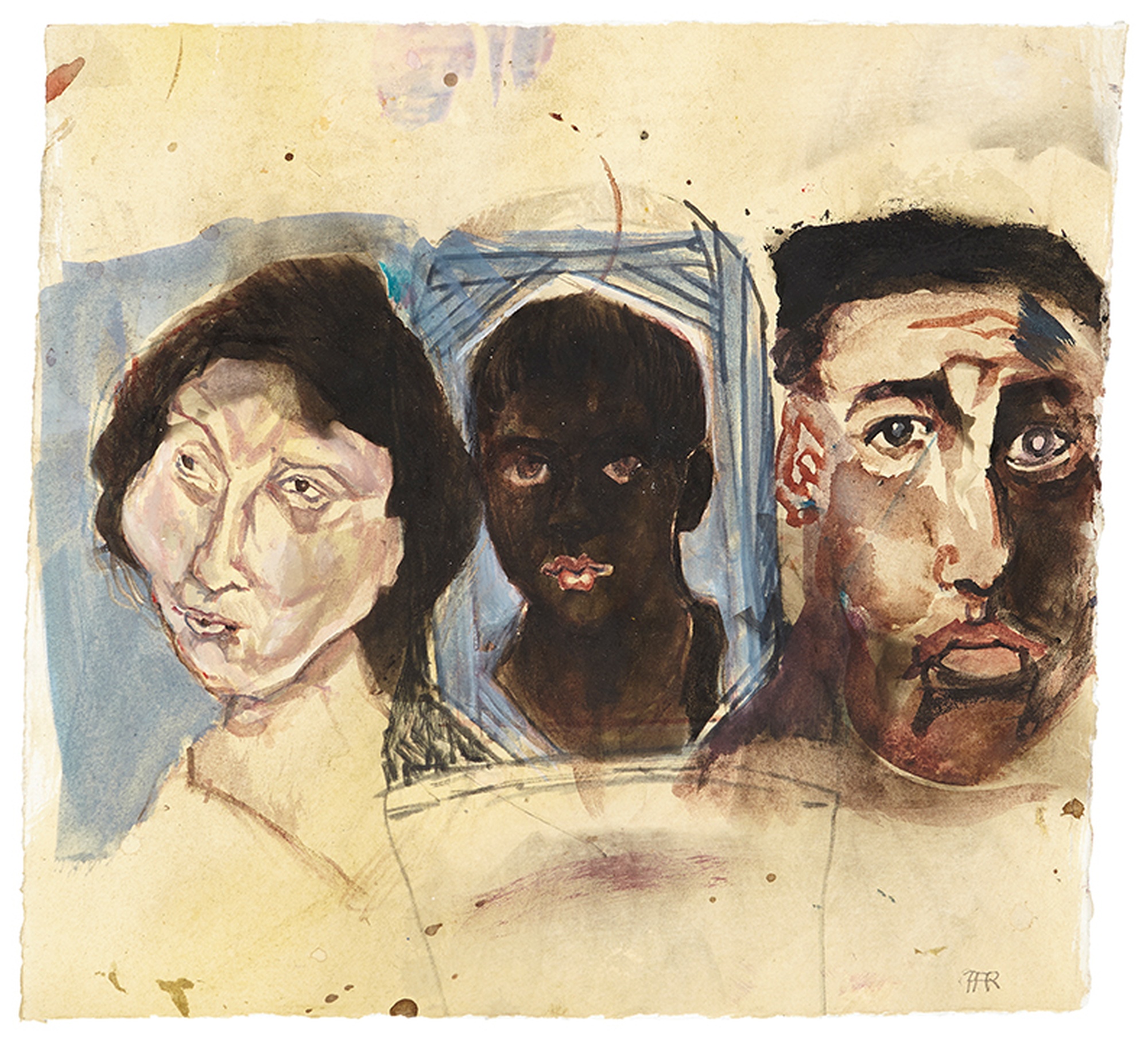
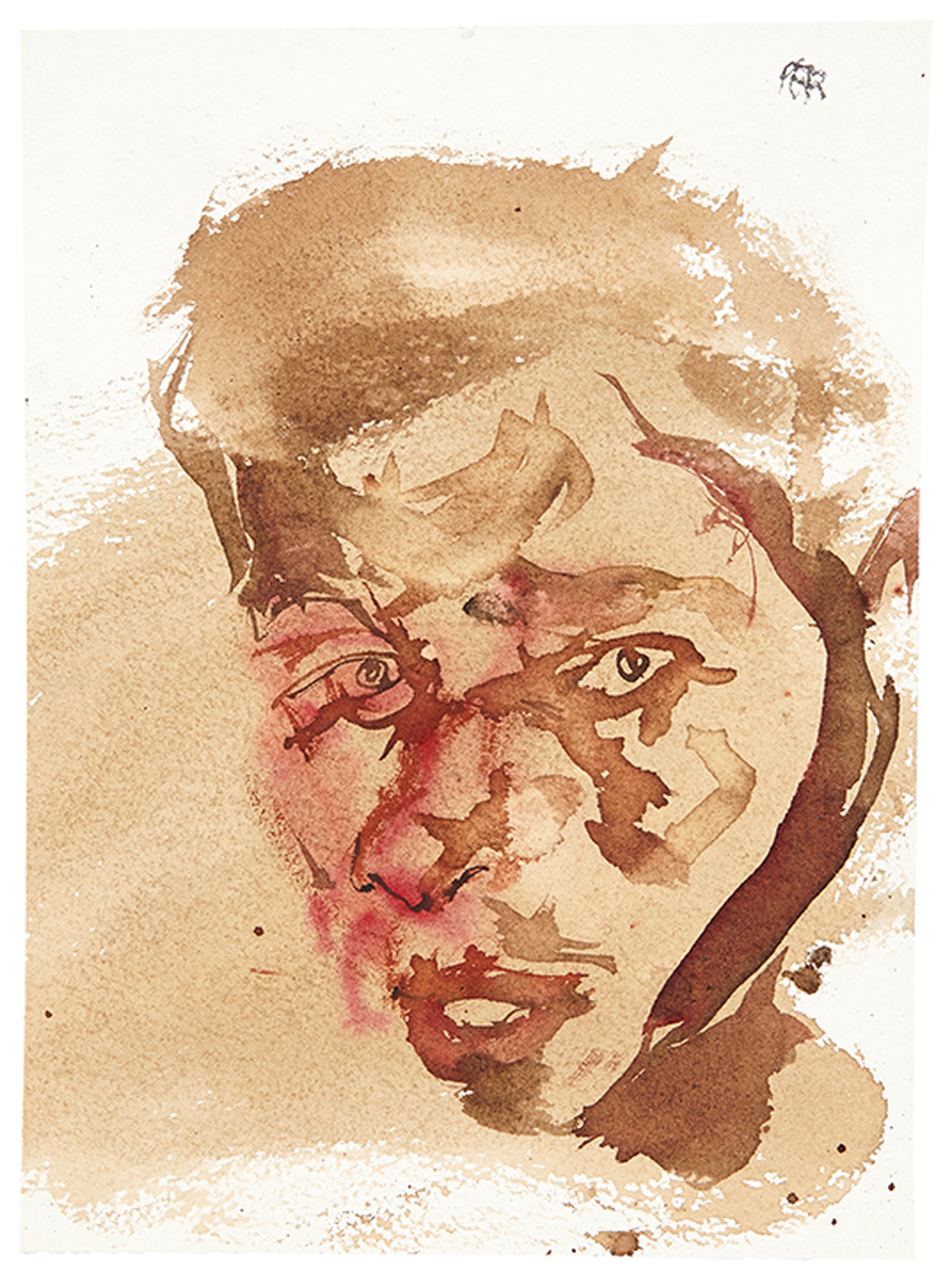
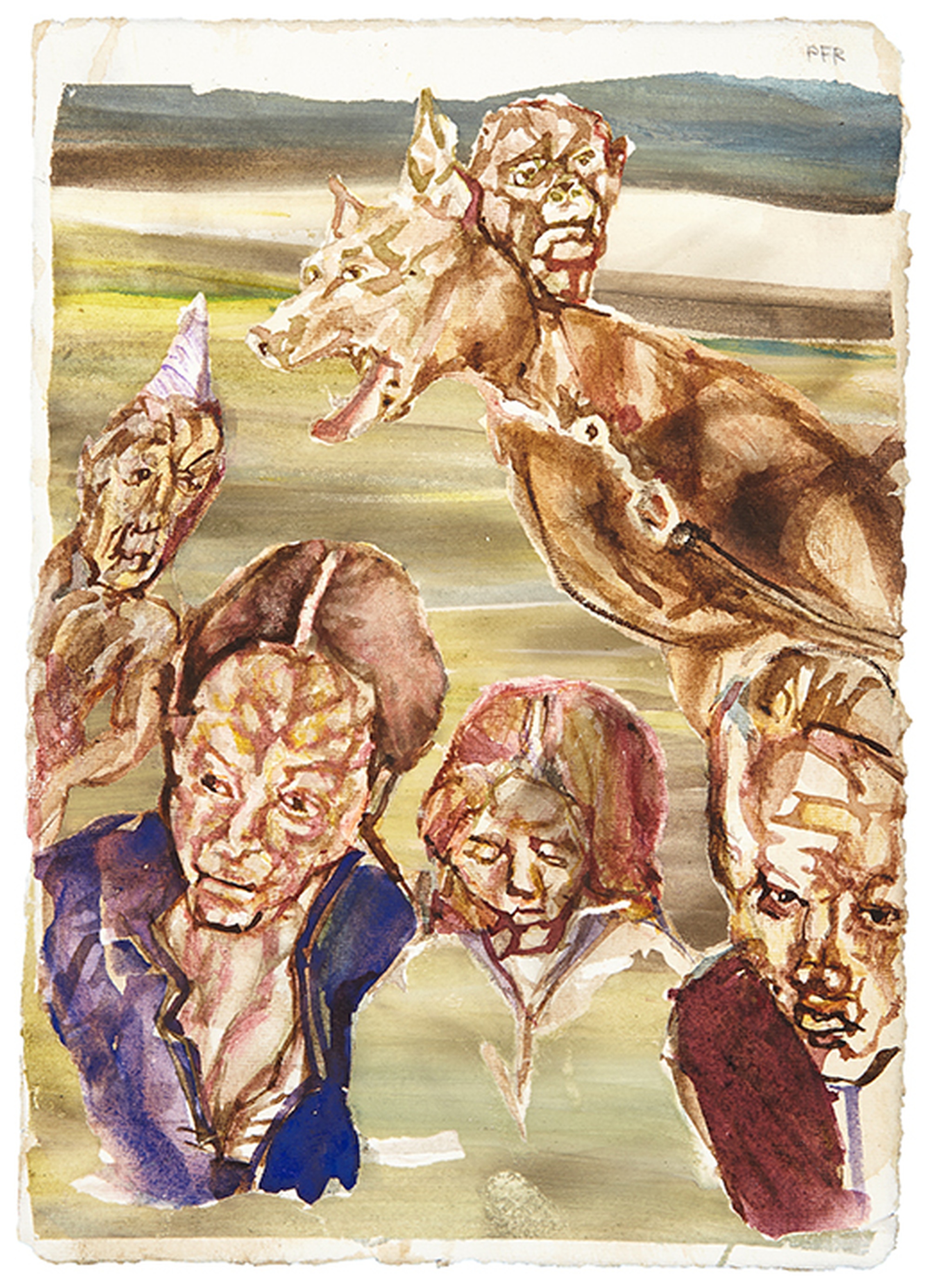
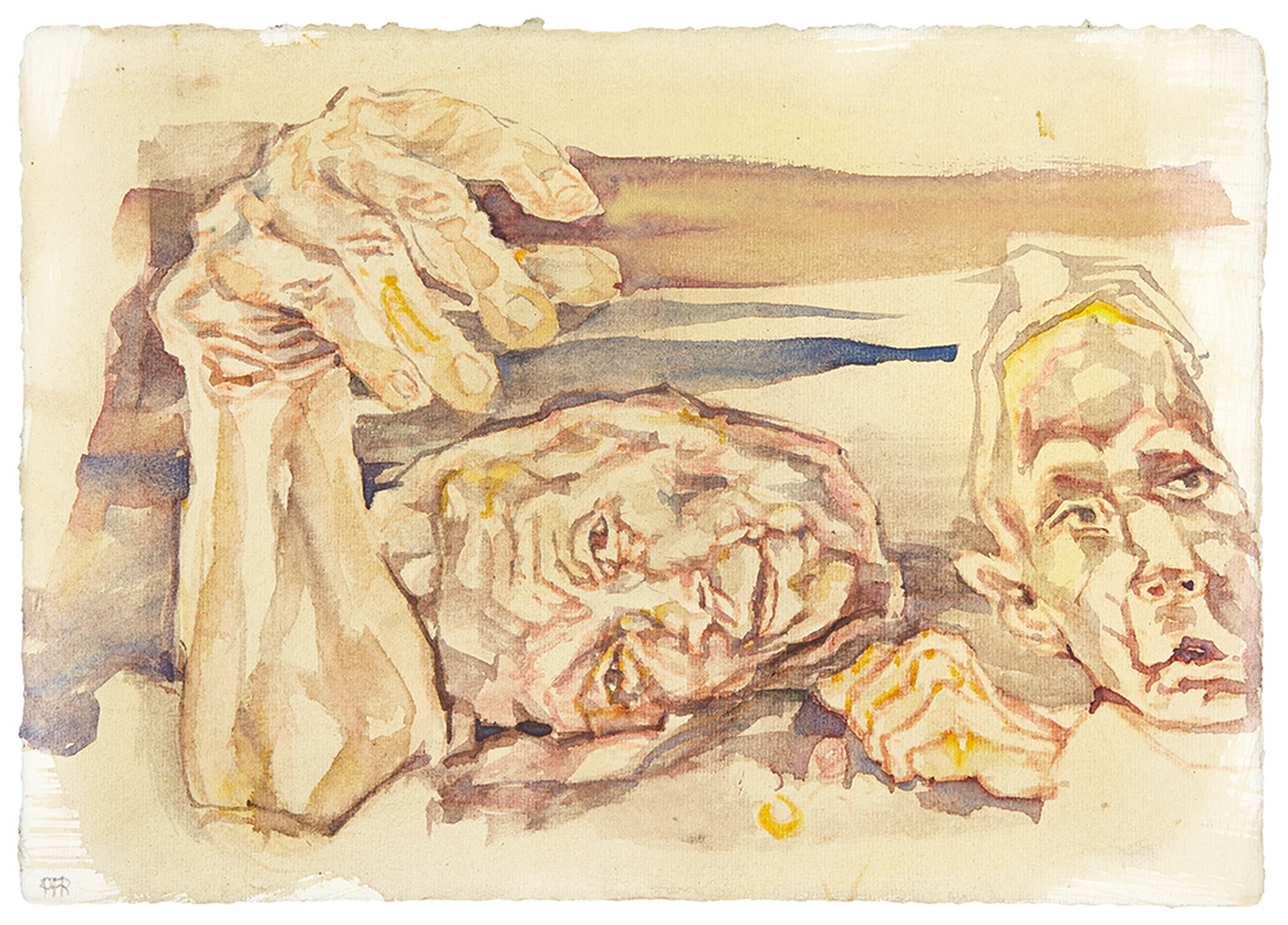
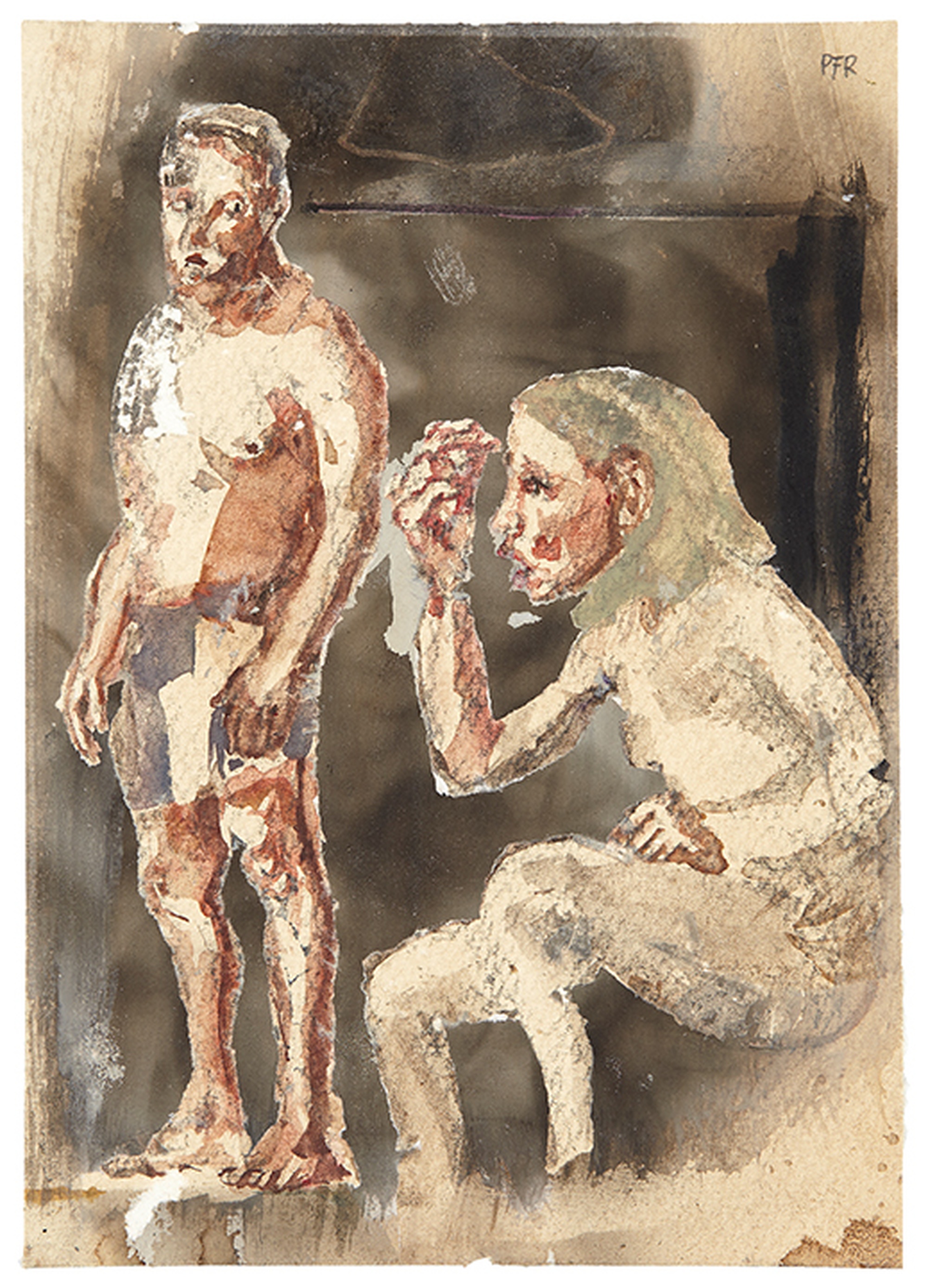
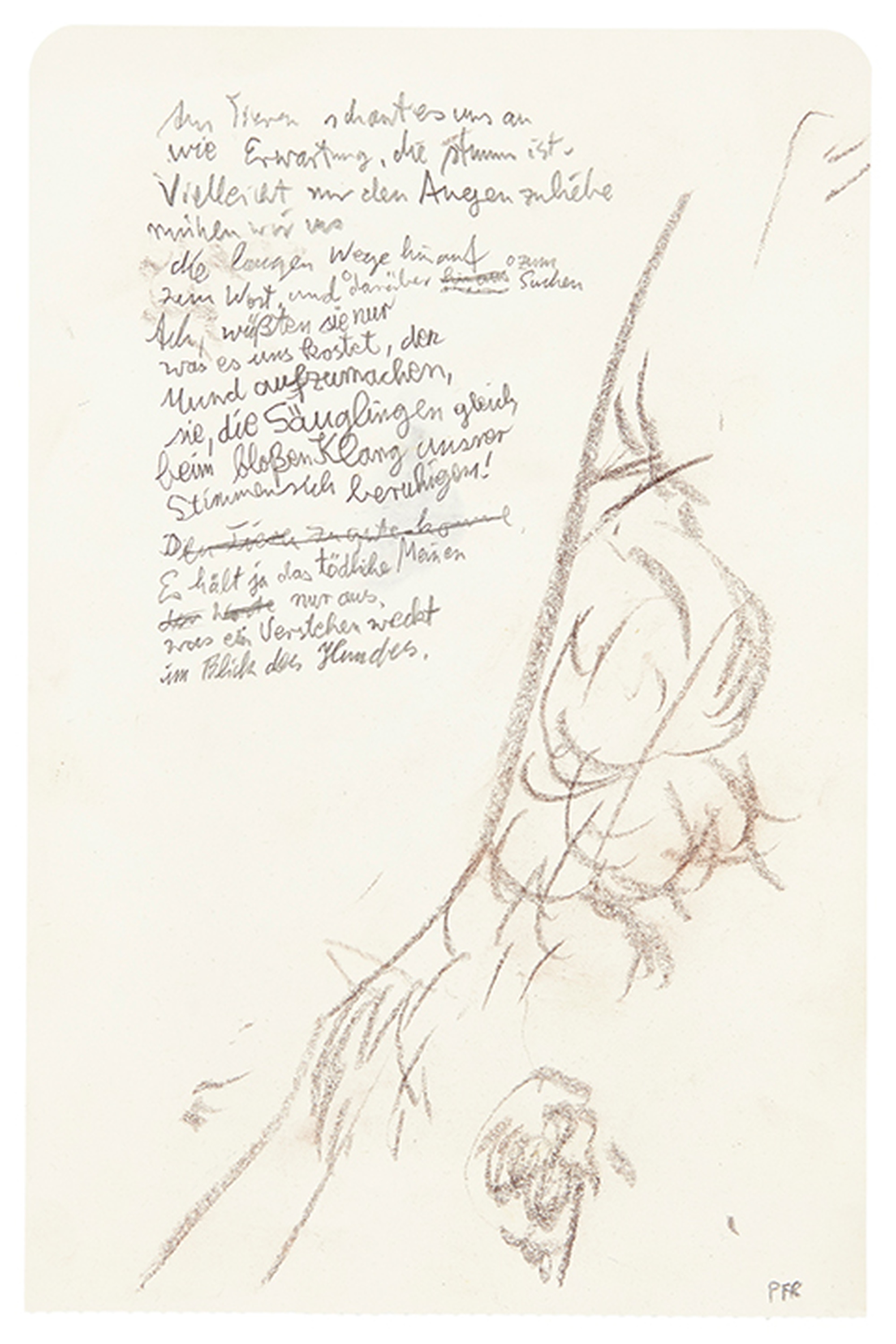
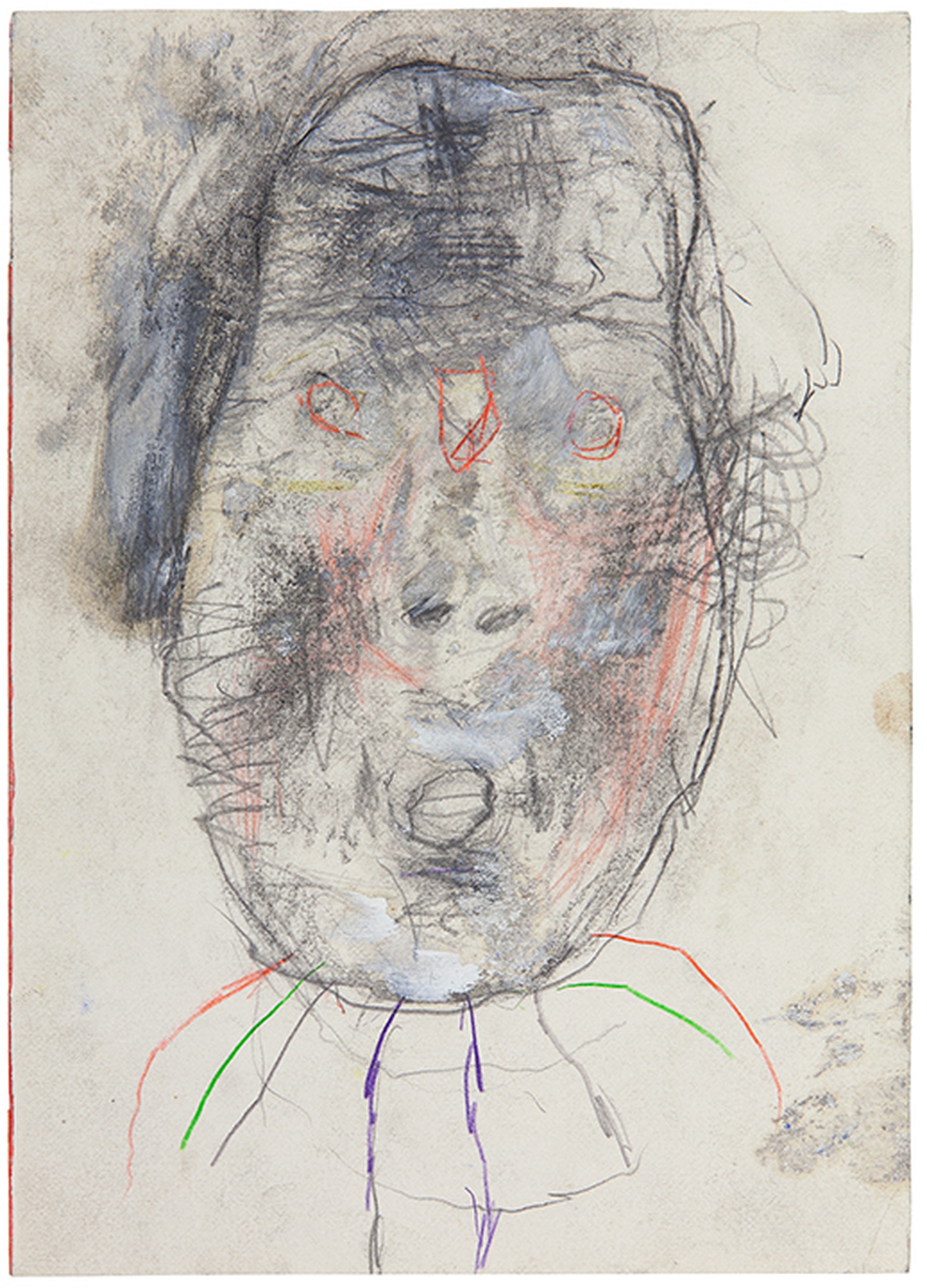
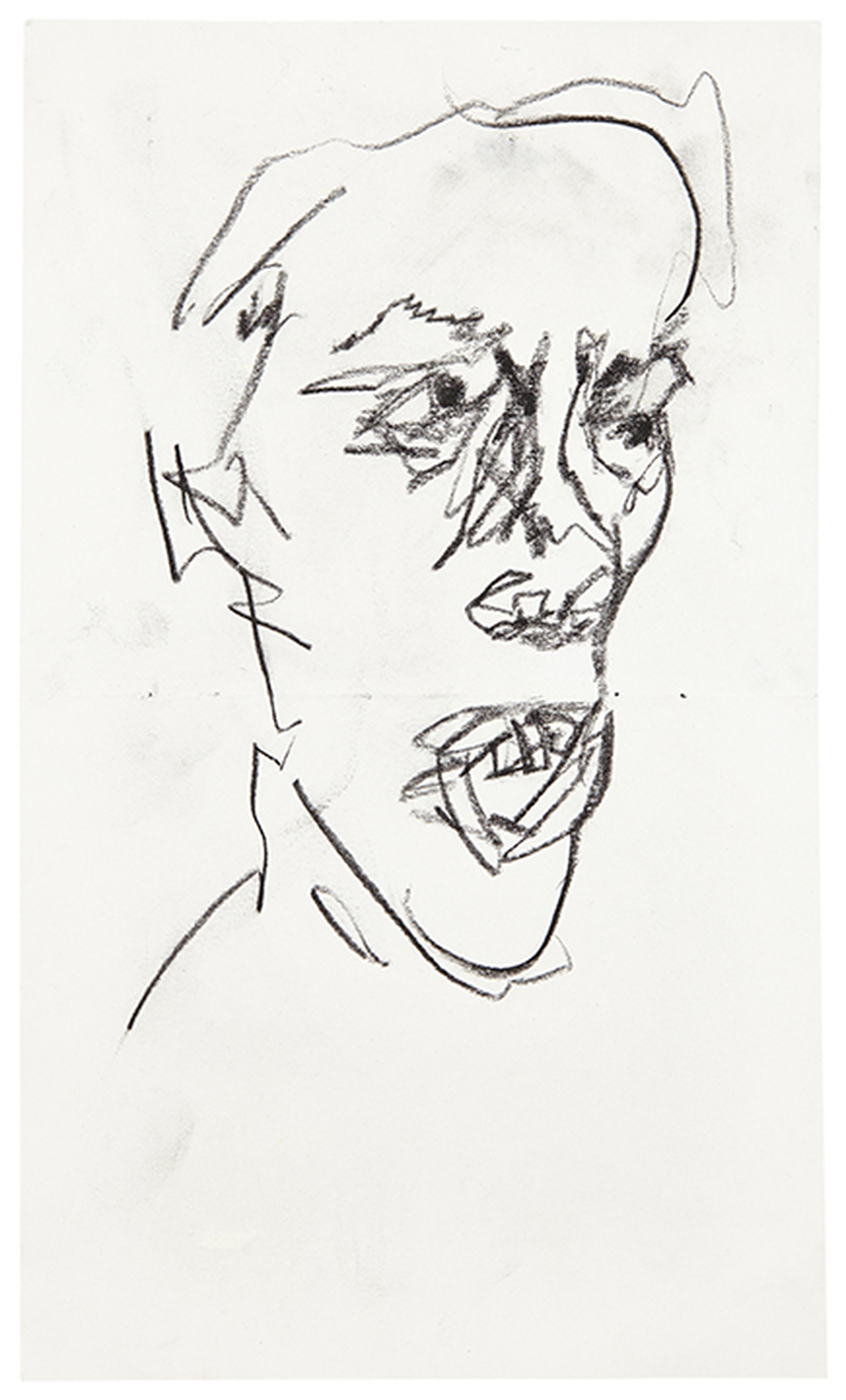
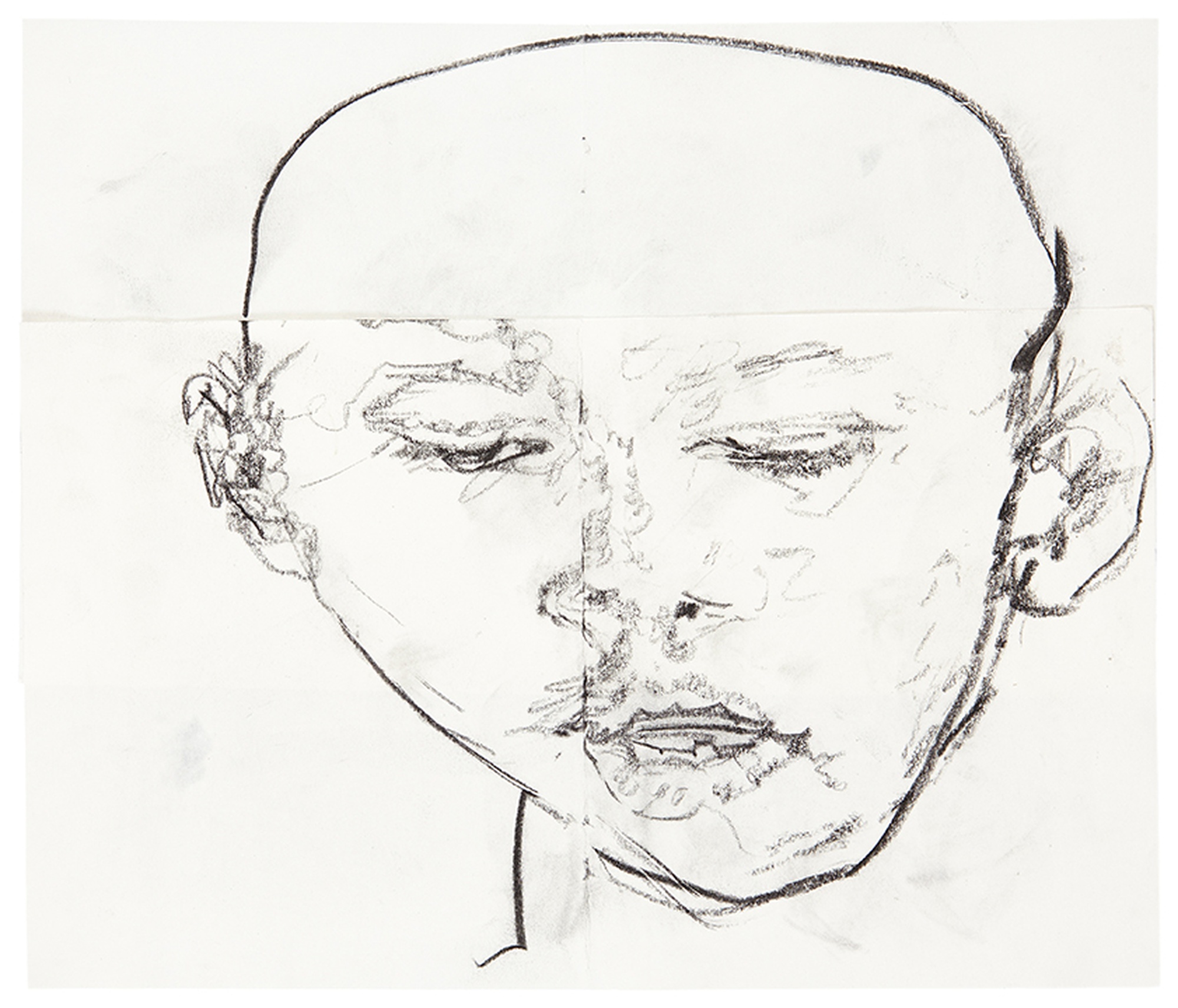
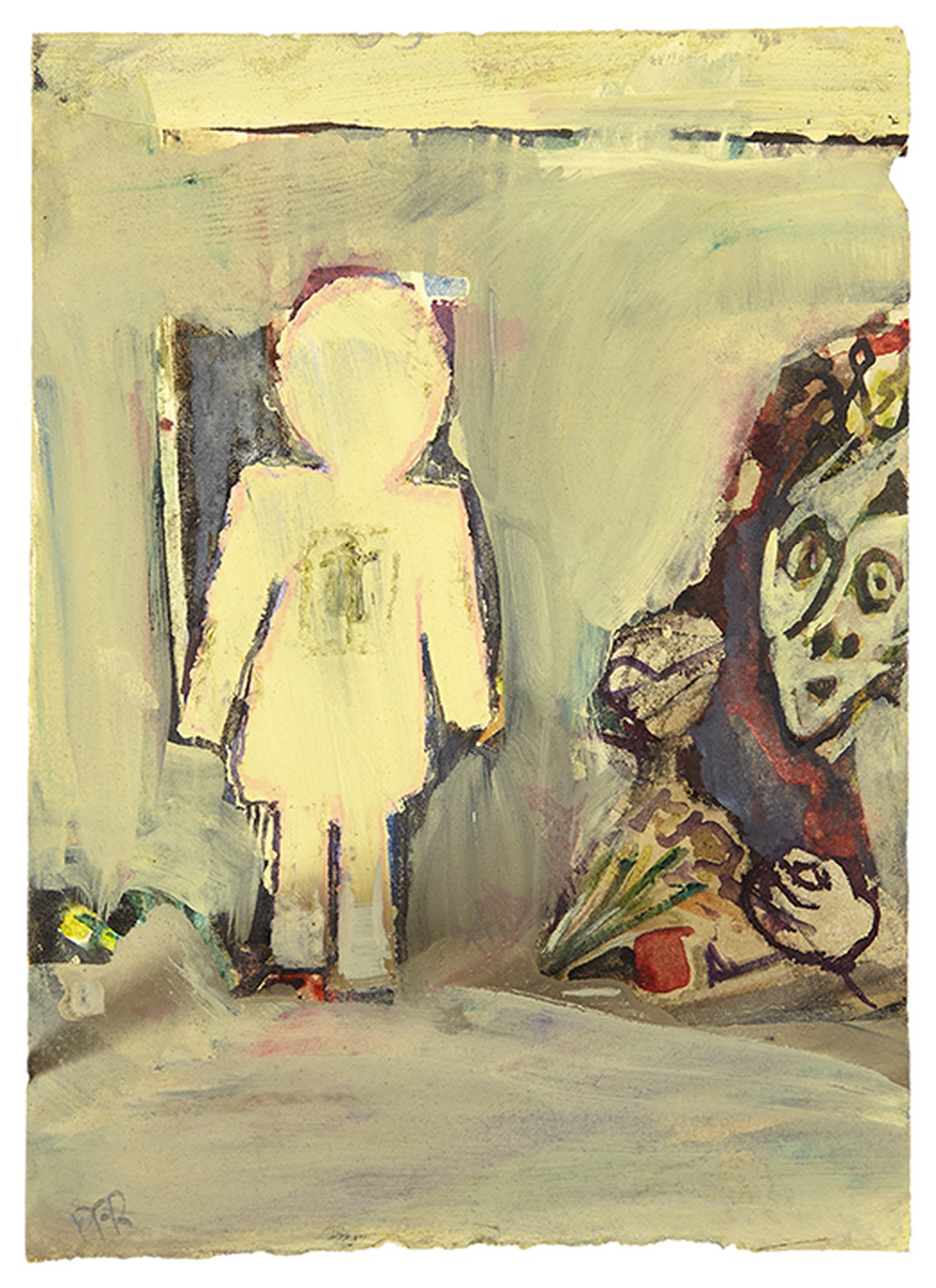
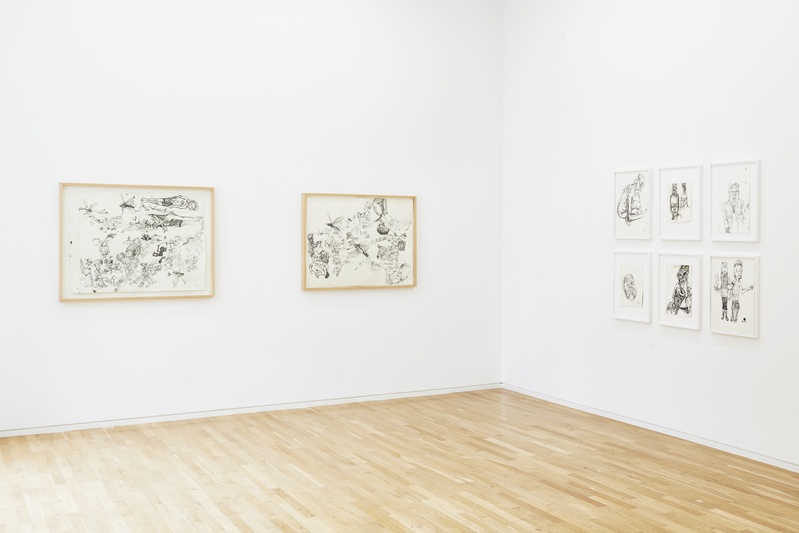
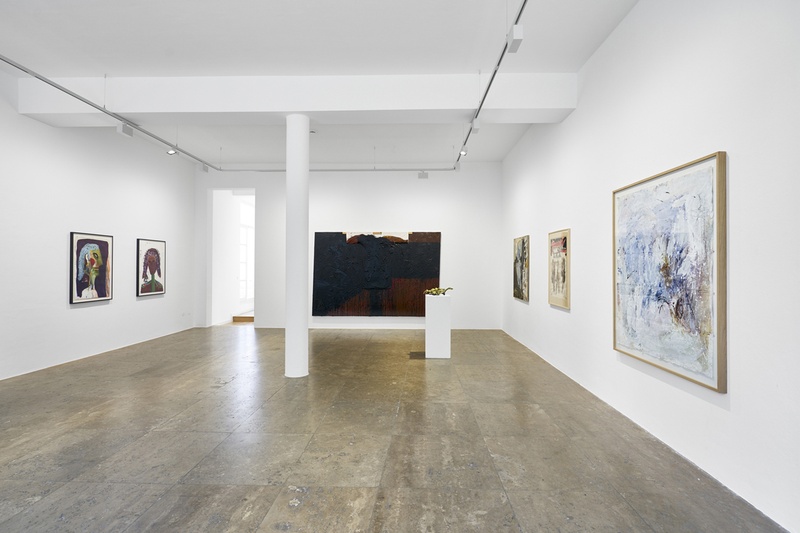
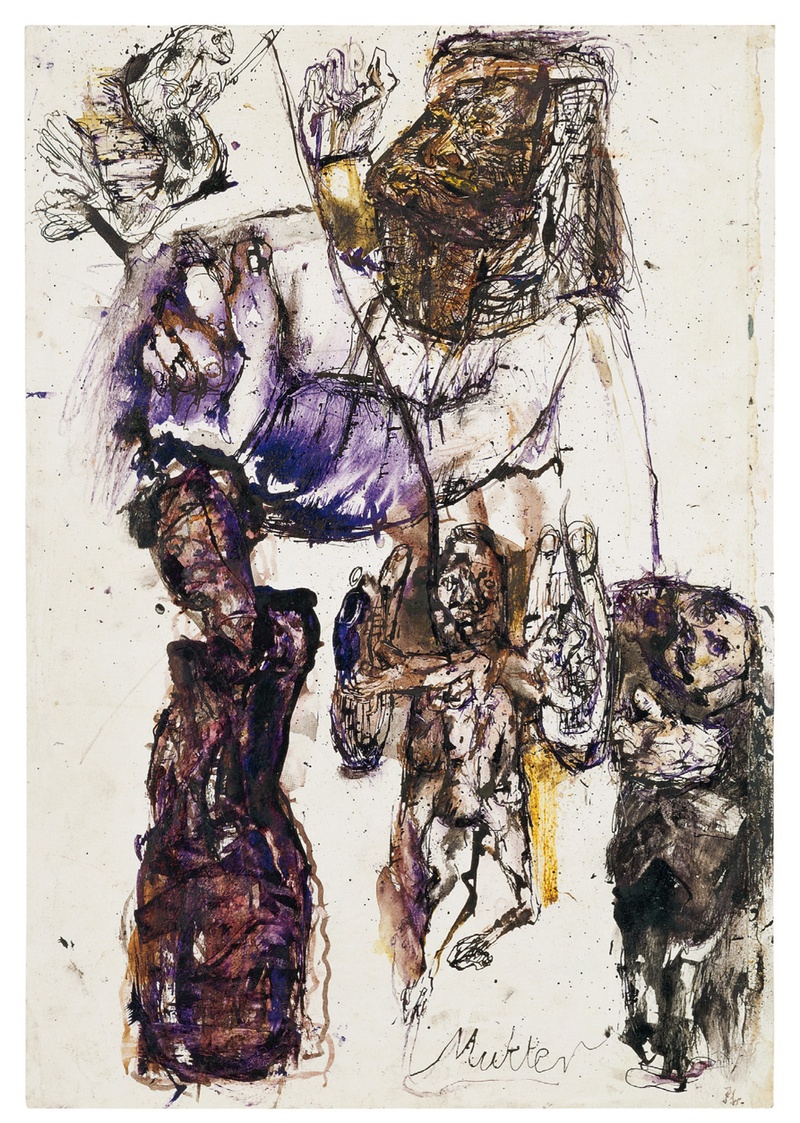
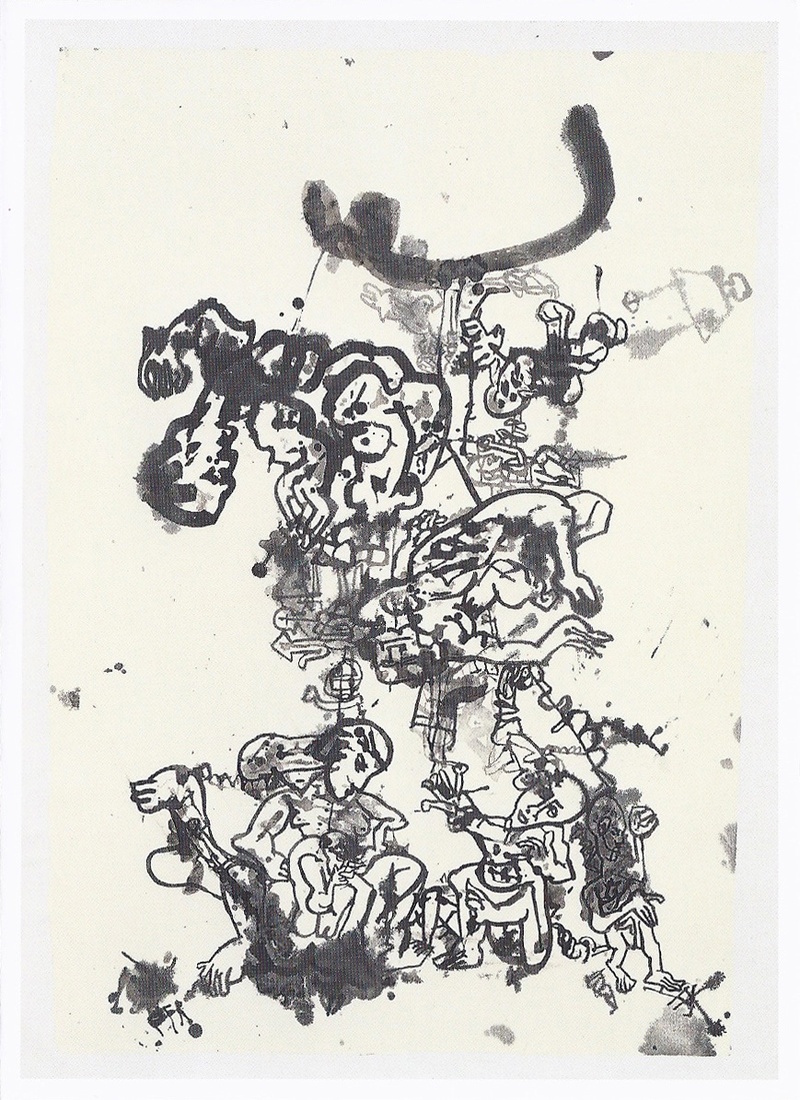
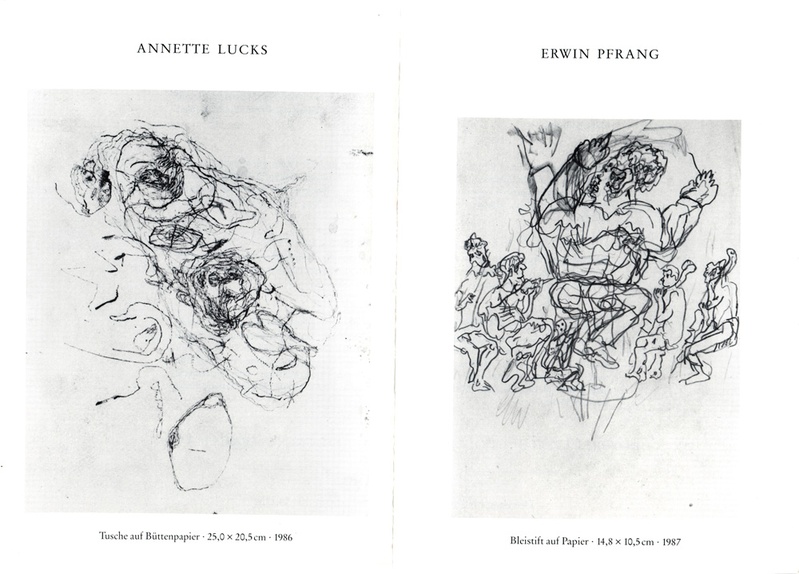
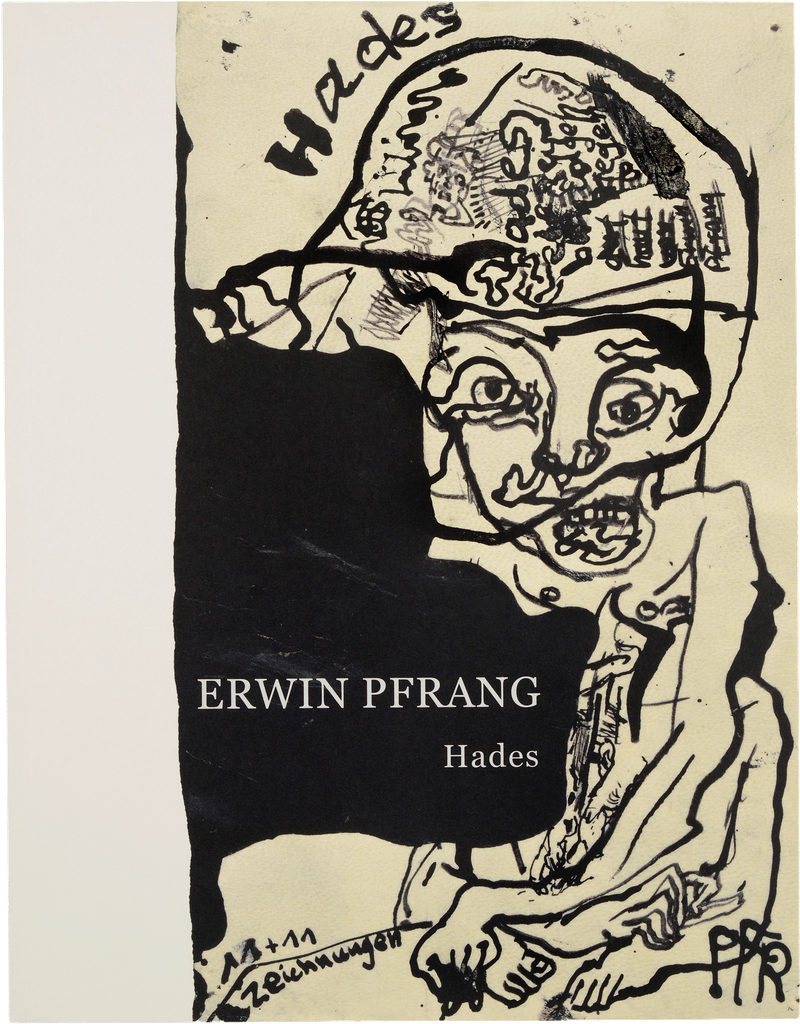
Pfrang's artistic productivity - both in terms of his paintings and his works on paper - is still undiminished and intense. In the last two years in particular, a wealth of drawings has been created alongside the paintings, including haunting portraits in small and medium formats as well as surprising, pictorially large sheets populated by a true cosmos of figurative and animalistic nature in combination with symbolic calligraphic elements. The artist works predominantly with the traditional media of charcoal, ink and sometimes also watercolour, sometimes creating areas washed over plaster with the help of a large Japanese brush, which is also used in Japanese calligraphy. What Pfrang said in 1997 about the genuine materialism of drawing still applies: “It is true that the drawing speaks, but while you are still drawing, what it speaks melts away on your tongue, dives back into the silence of its materiality, a process like the melting of a glaze over a solid ceramic body”.1 Read More
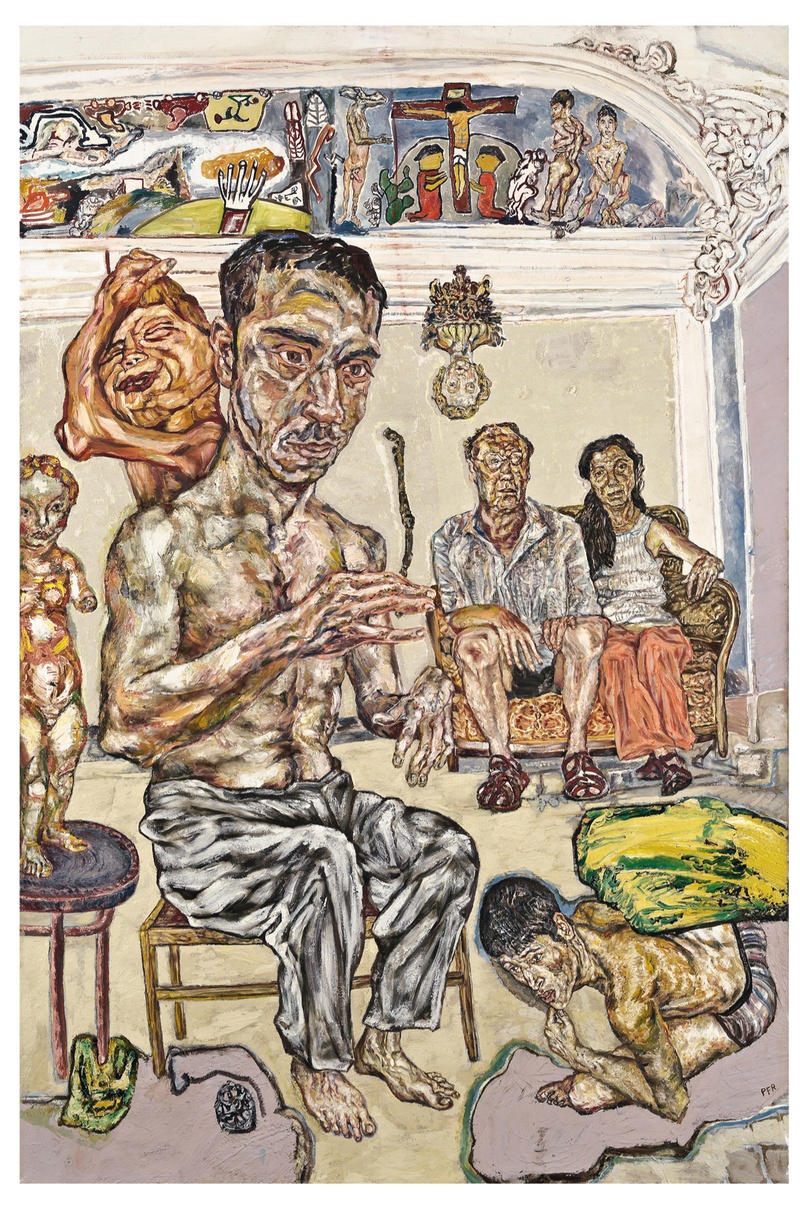
Pfrang's pictorial content is difficult to decipher. “My pictures do not interpret anything, but on the other hand they expect the same courtesy from the viewer-reader: not to be interpreted.“2 In predominantly figurative scenes, things seen or experienced mingle with daydreams, with distant events or memories, with the subconscious, the long-buried. It all seems to come together in an unfiltered and unpredictable way, with some things breaking through ruthlessly in the endless tangle of threads of thought. Pfrang's proximity to an artist such as Antonin Artaud, who had a stimulating effect on Giacometti and Wols as well as Fautrier and Dubuffet, can be described as essential. Artaud did not want his works on paper, with their inseparable combination of writing and drawing, to be regarded as "works of art" at all, but rather as diary-like "sketches": “exploratory or abusive forays in all directions of chance, possibility, opportunity and fate…in the wildness and confusion of their handwriting”. 3
In his long-standing exploration of the poet James Joyce, for example in the cycles on "Ulysses" or "Dubliners" created since 1988, Pfrang has succeeded in counteracting any semblance of literary illustration. The linguistic structure of Joyce's poems virtually drove the manic draughtsman to "construct" a pictorial stream of fabulation in which the most divergent elements overlap simultaneously.
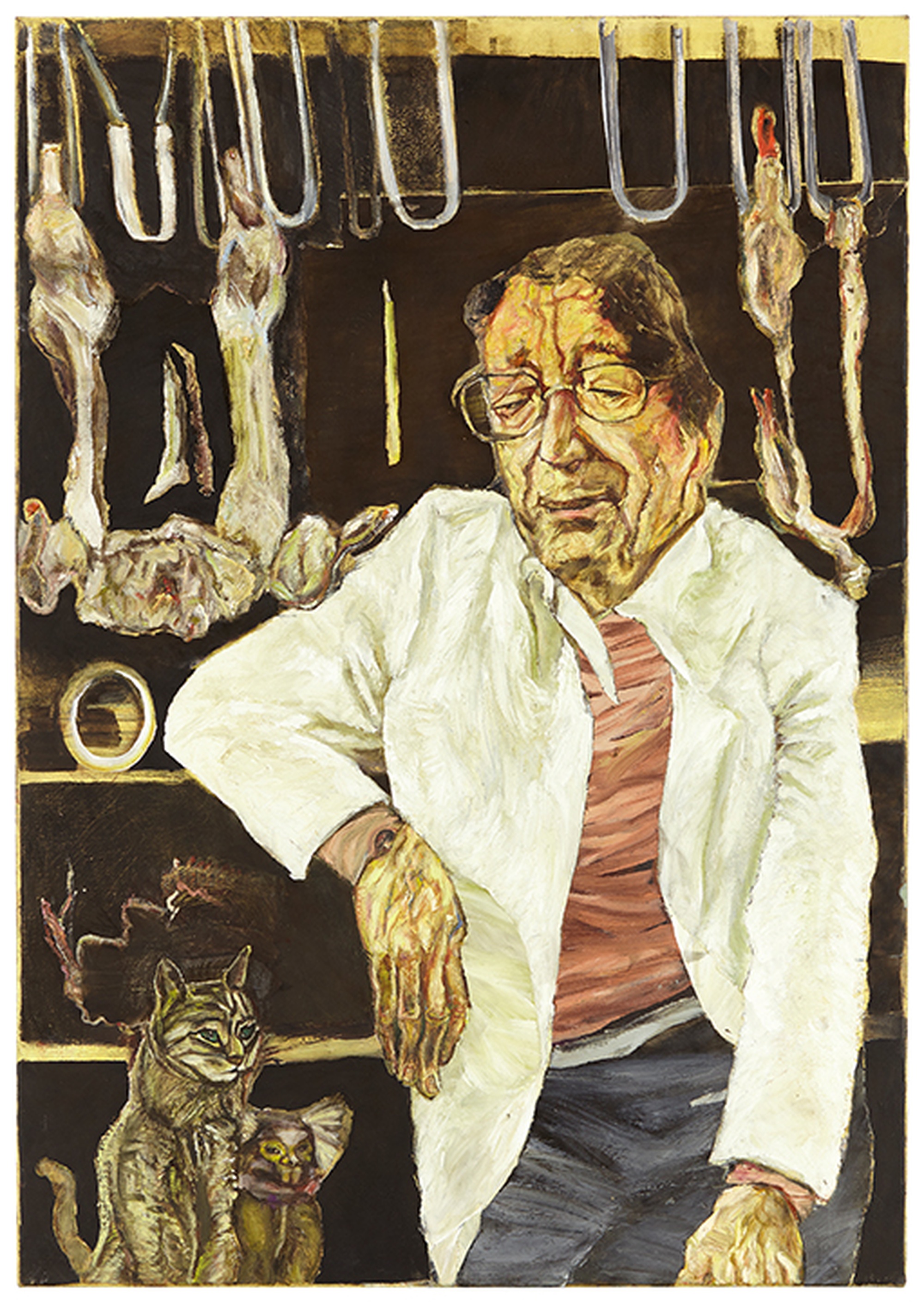
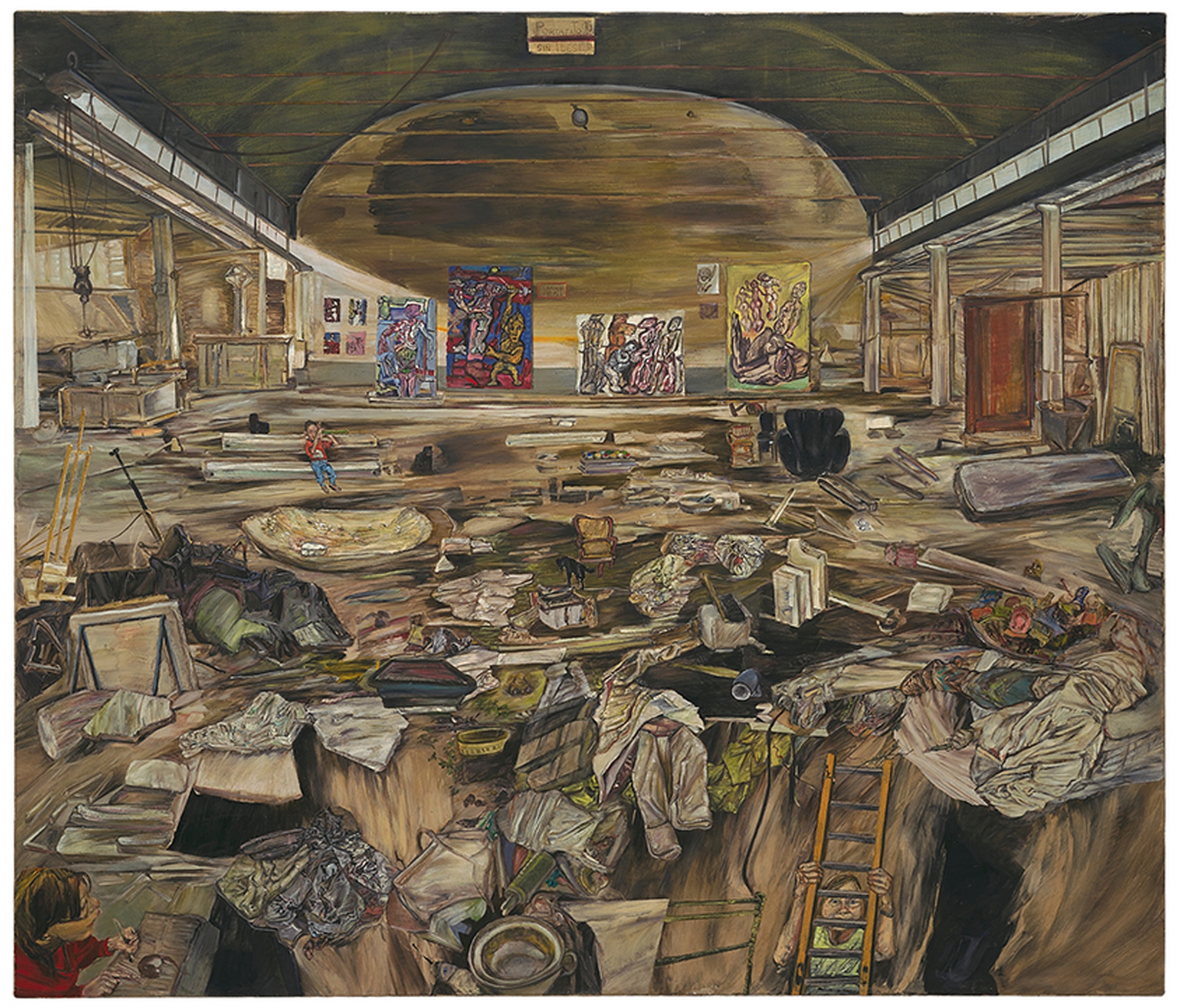
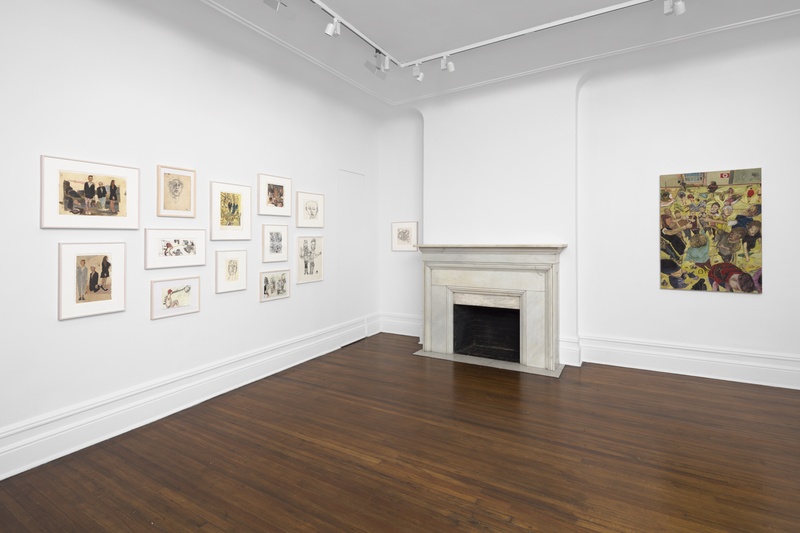
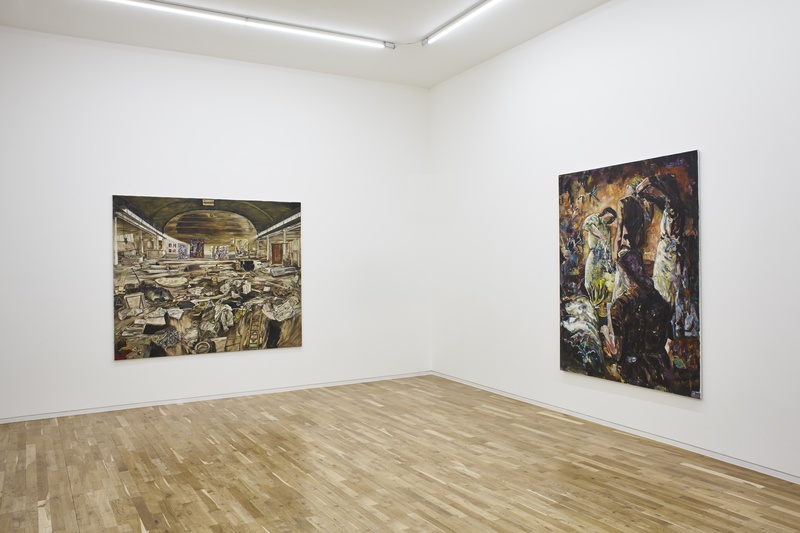
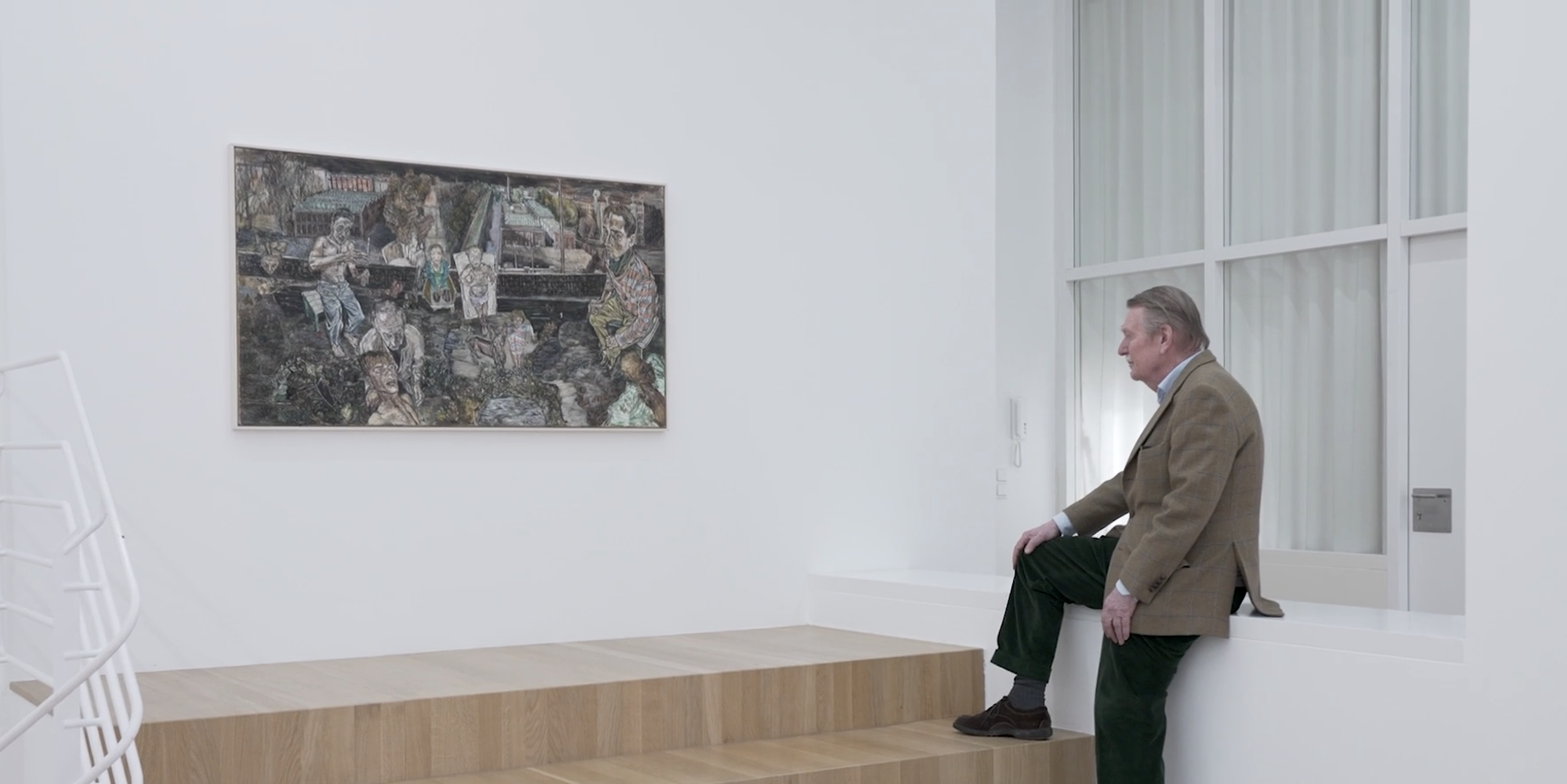
Pfrang's recent large-format paintings in particular thrive on this very tension of underpinning the never-ending representational reservoir of his pictorial imagination with a kind of "abstract" system that is capable of structuring even the most labyrinthine pictorial puzzles with their densely interwoven microcosms in the most unusual spatial perspectives. With his wide-awake artistic instinct, his "constructive" spirit in combination with his eminent colouristic sensibility, Pfrang is able to lend the "delirium" sparked here a tamed form time and again.
Text von Michael Seff