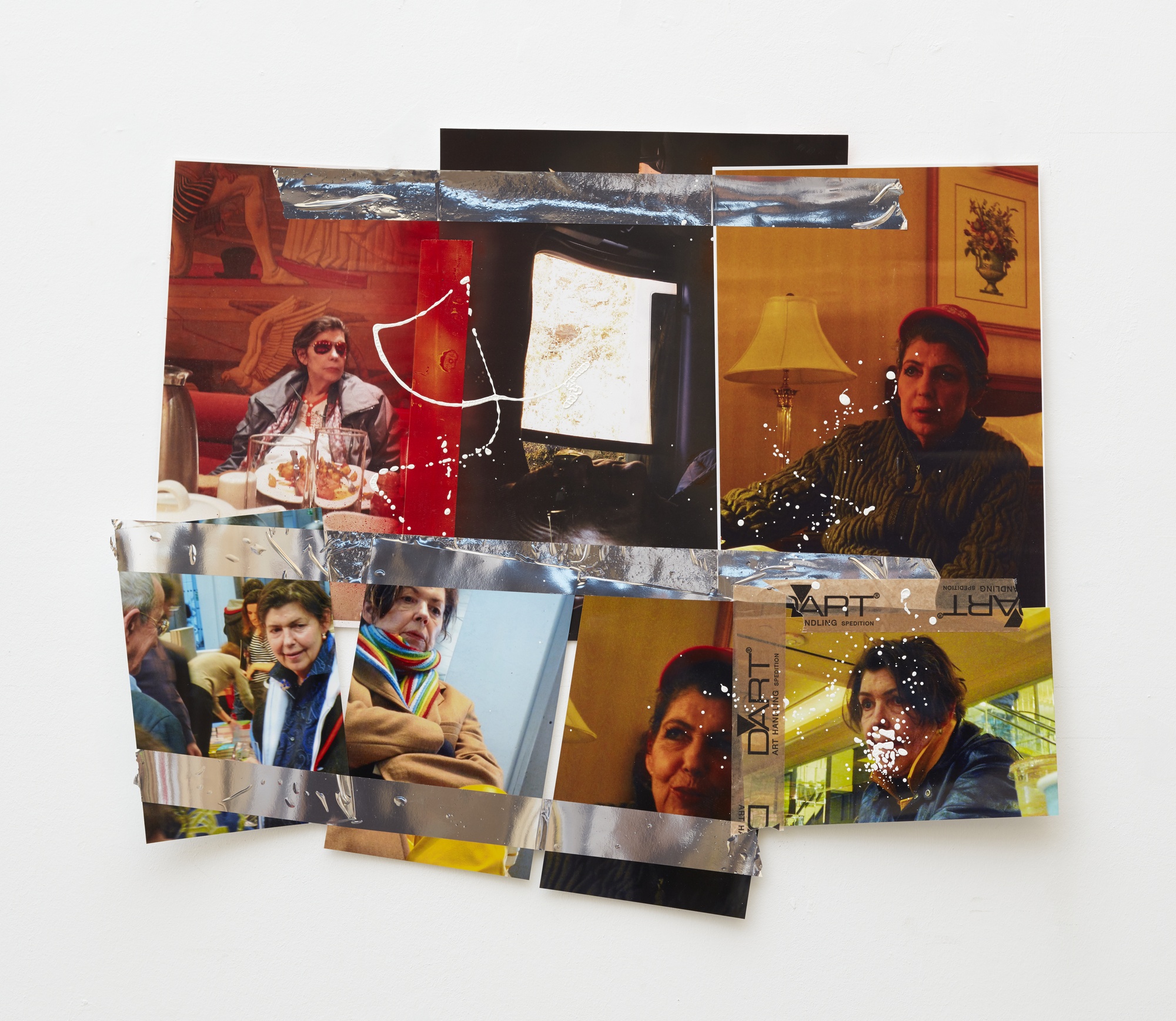
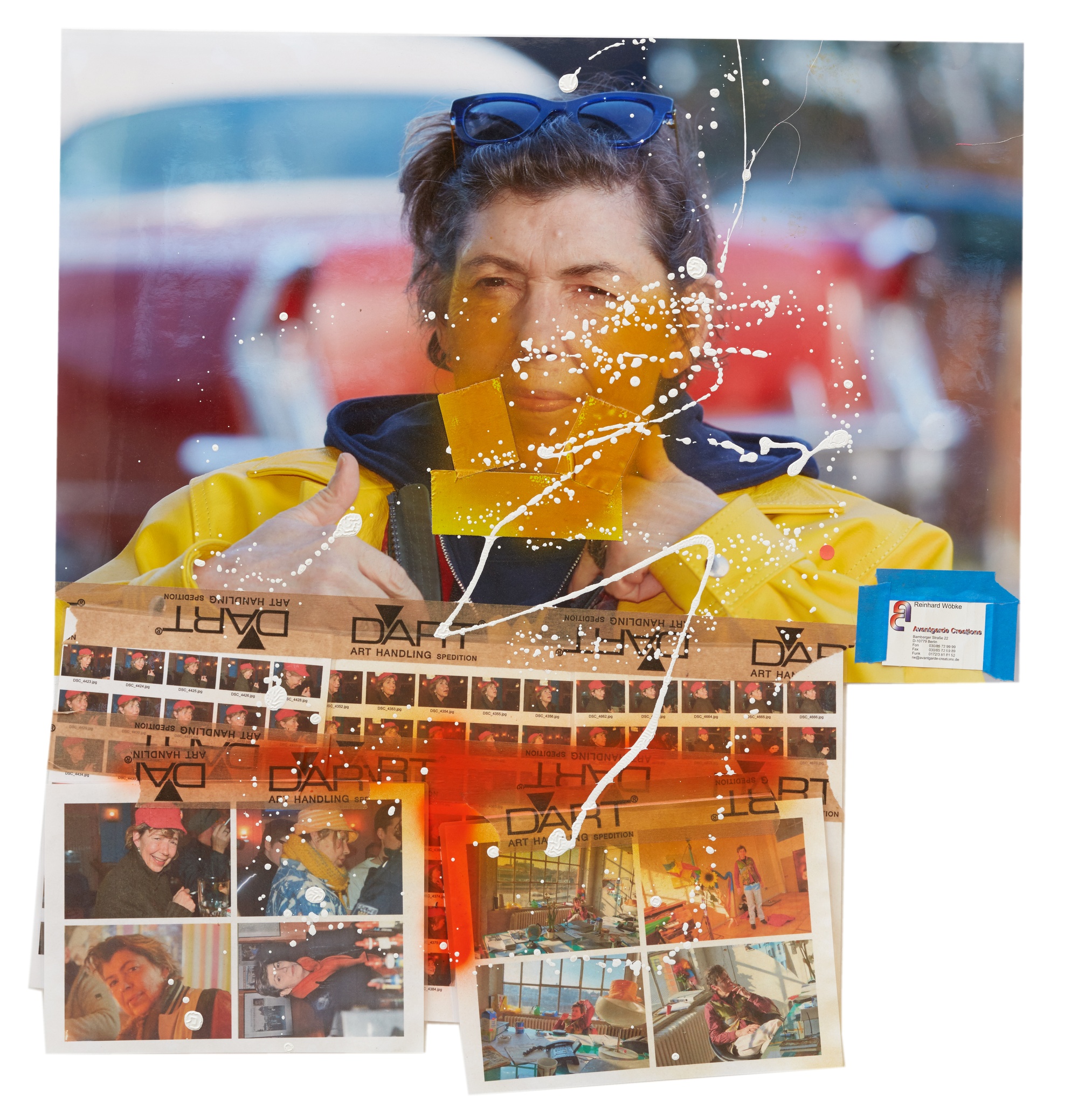
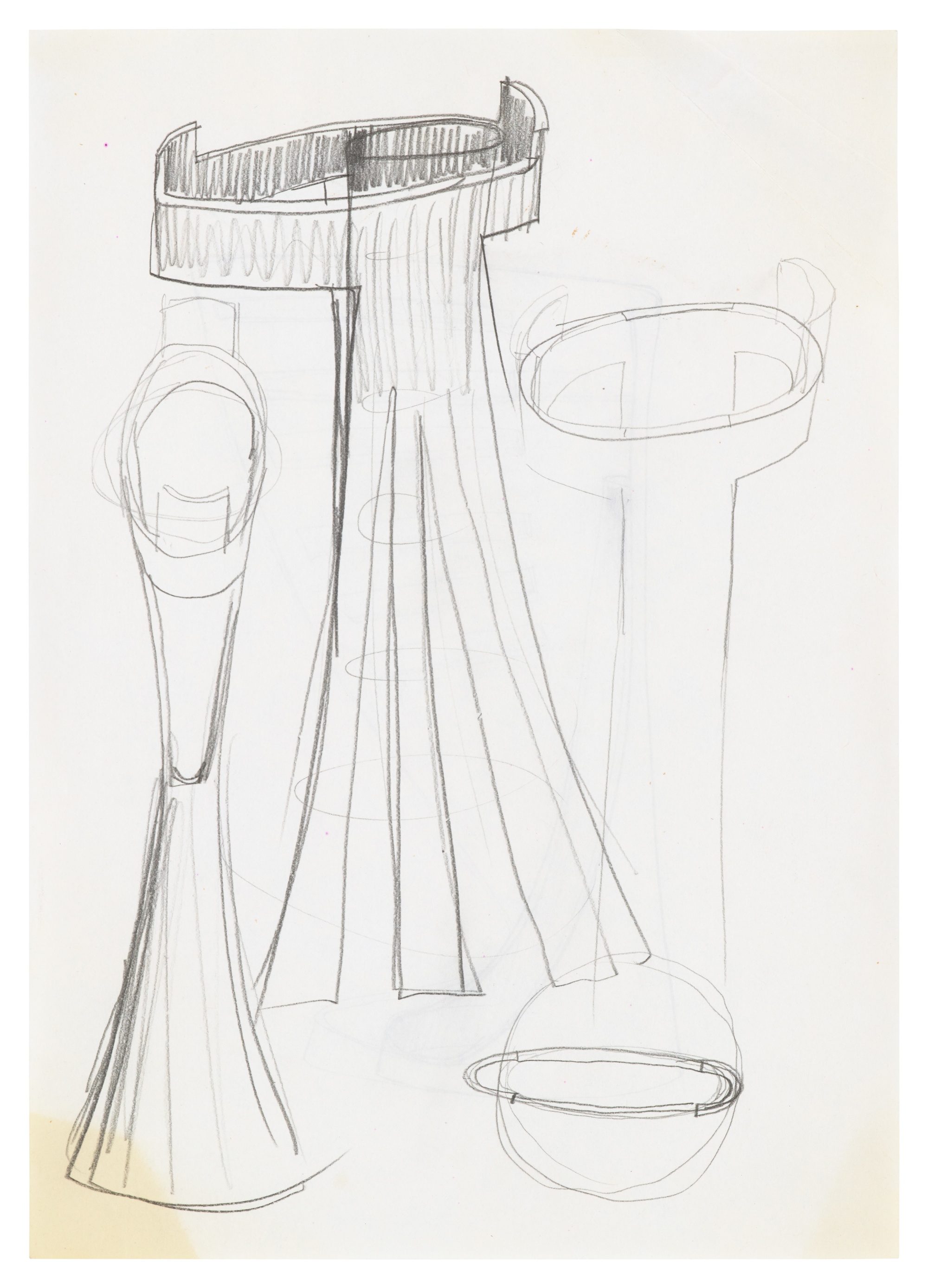
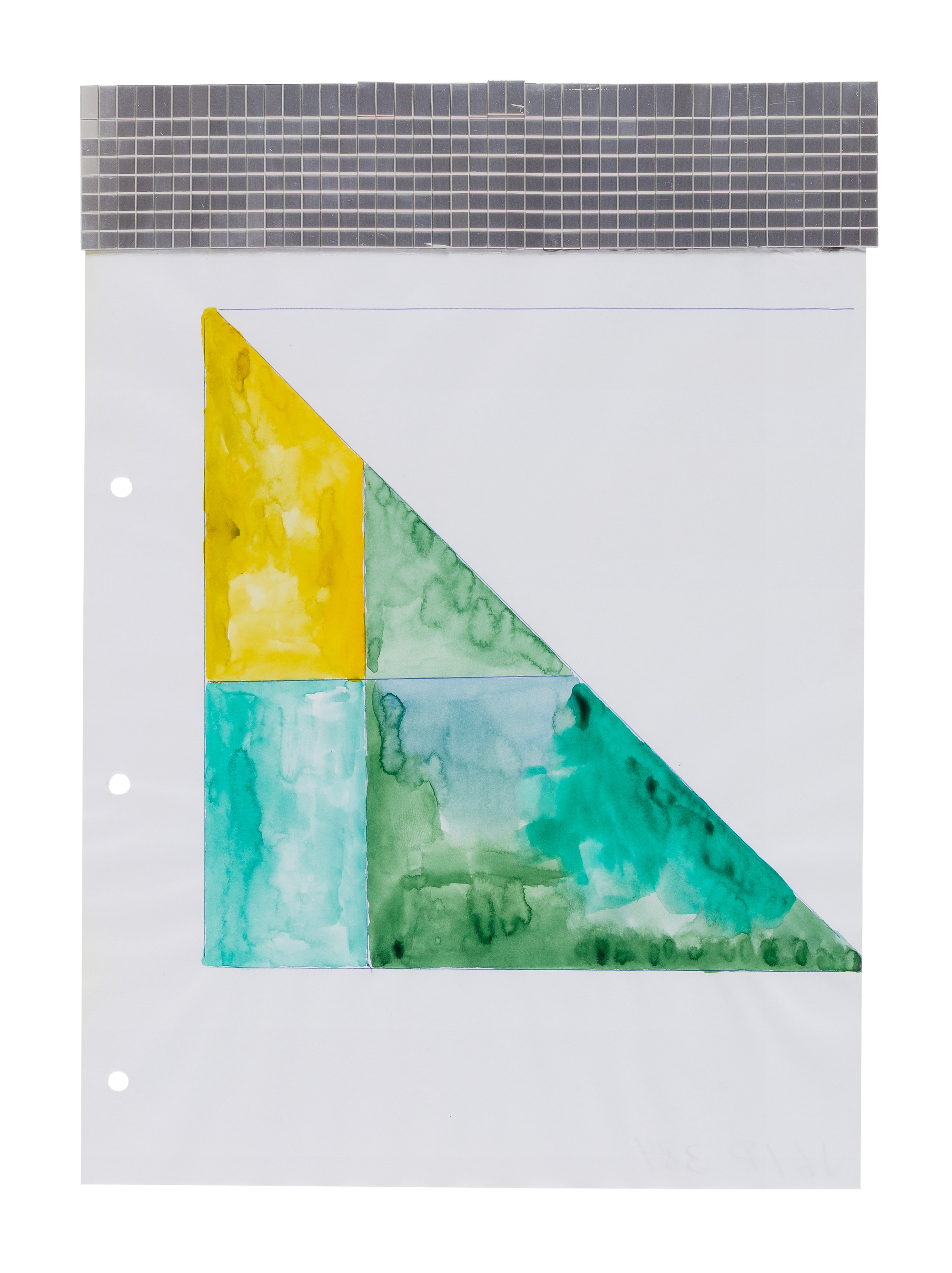
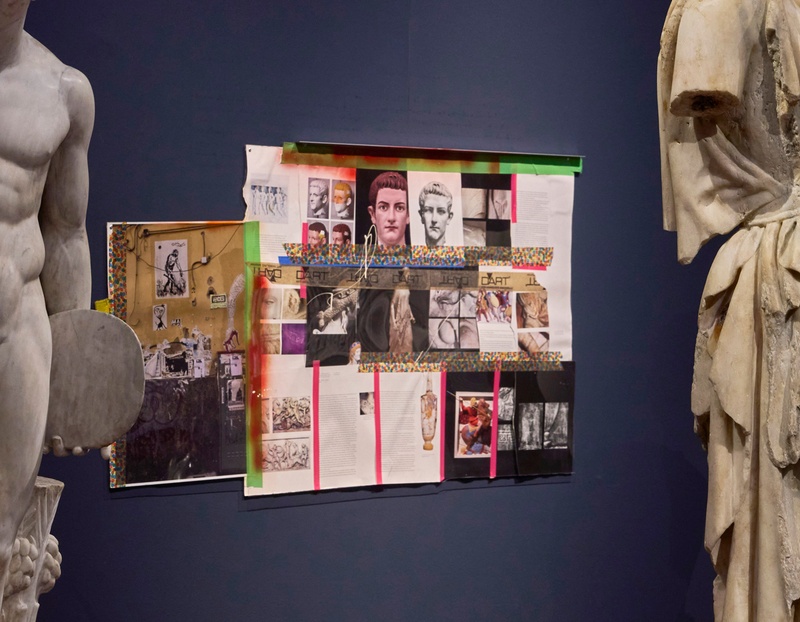
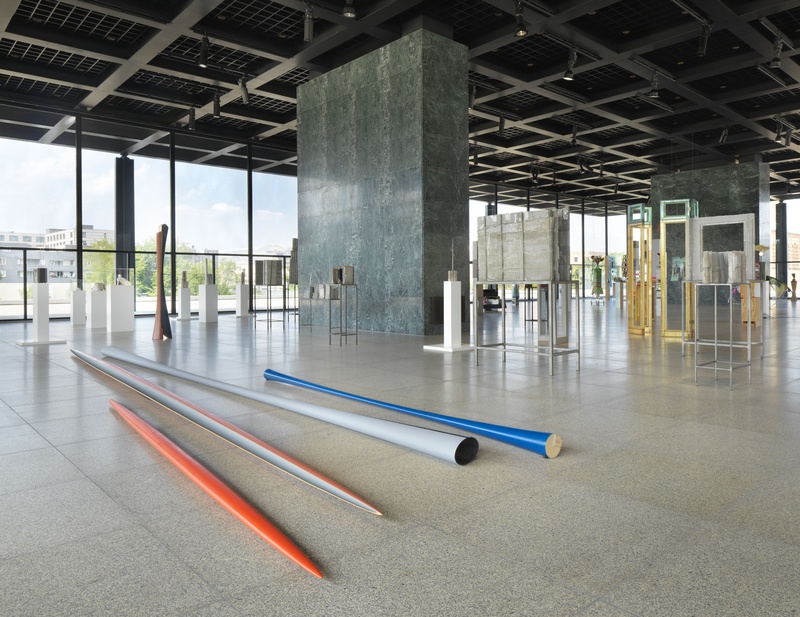
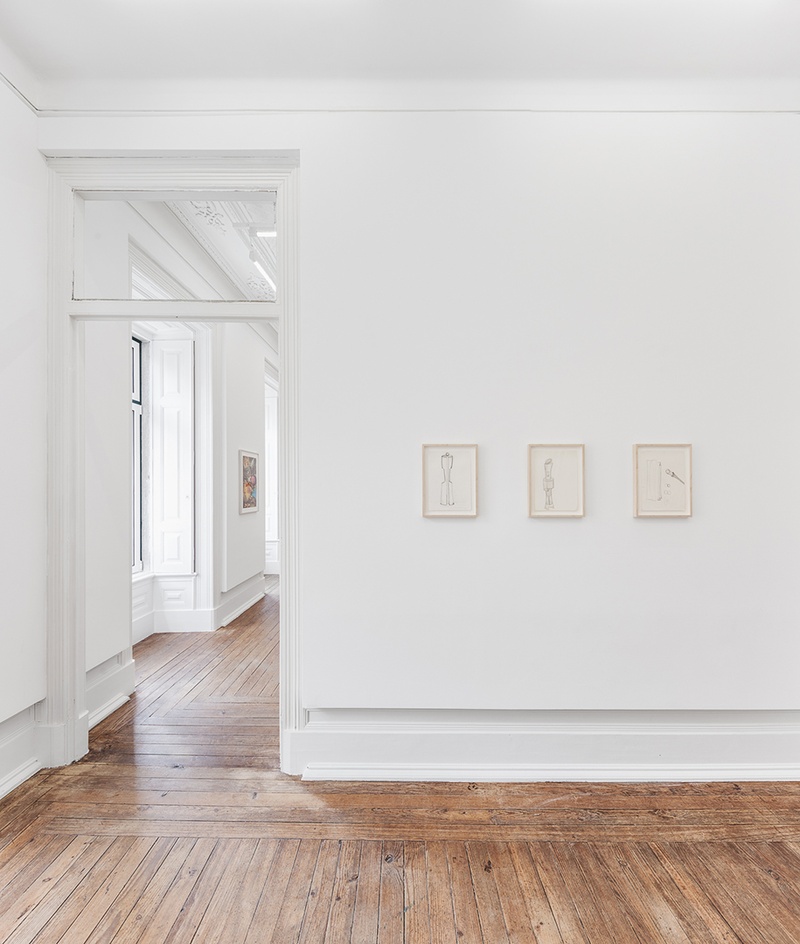
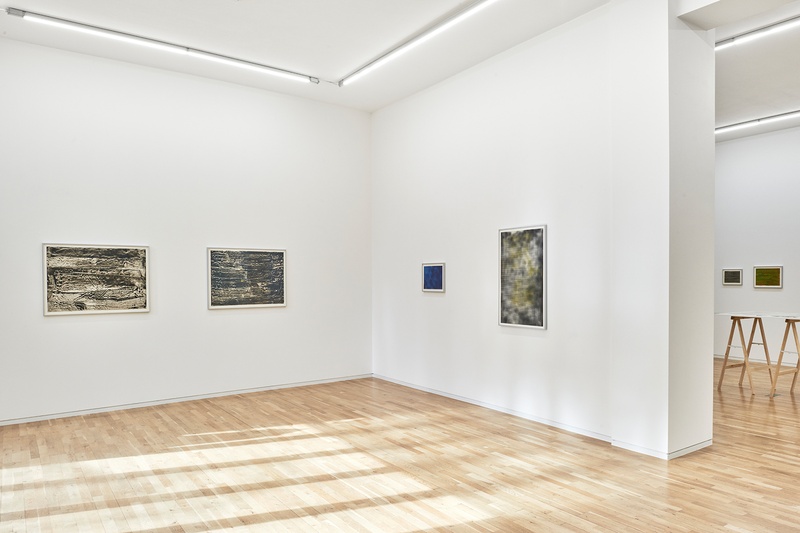
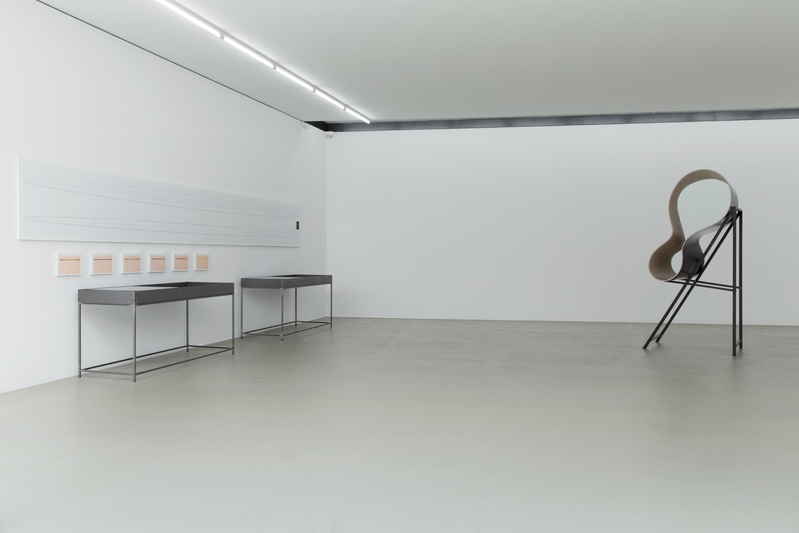
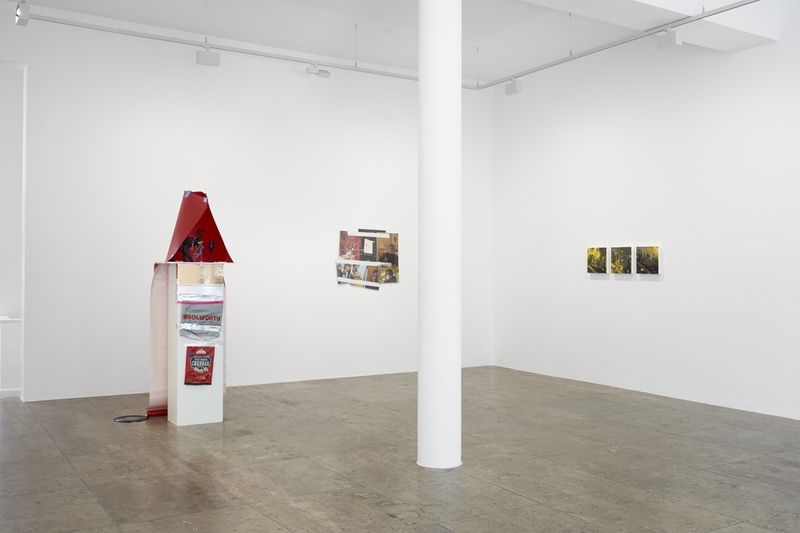
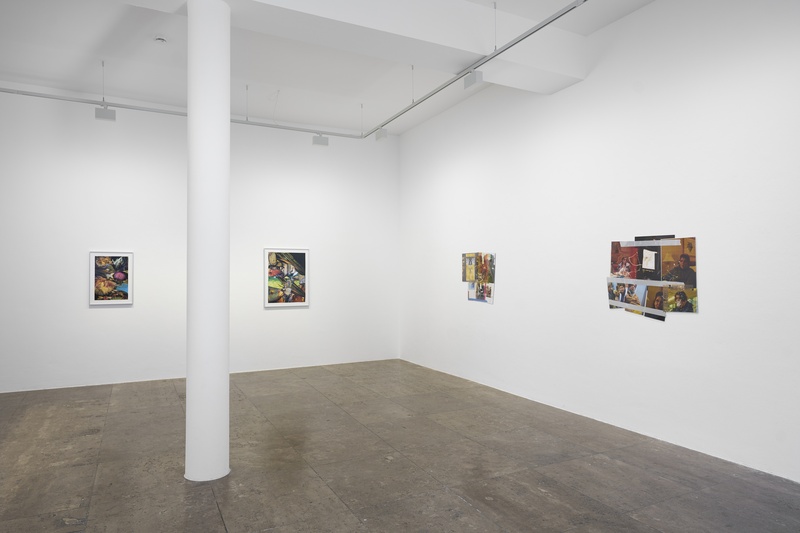
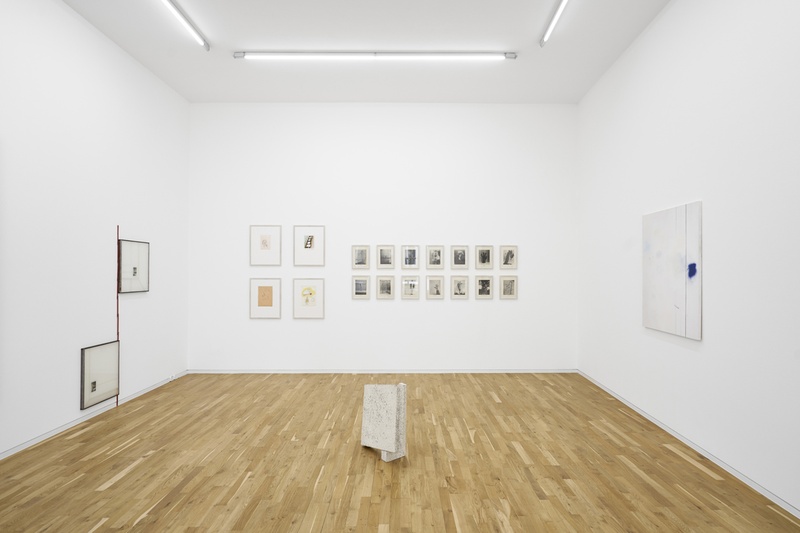
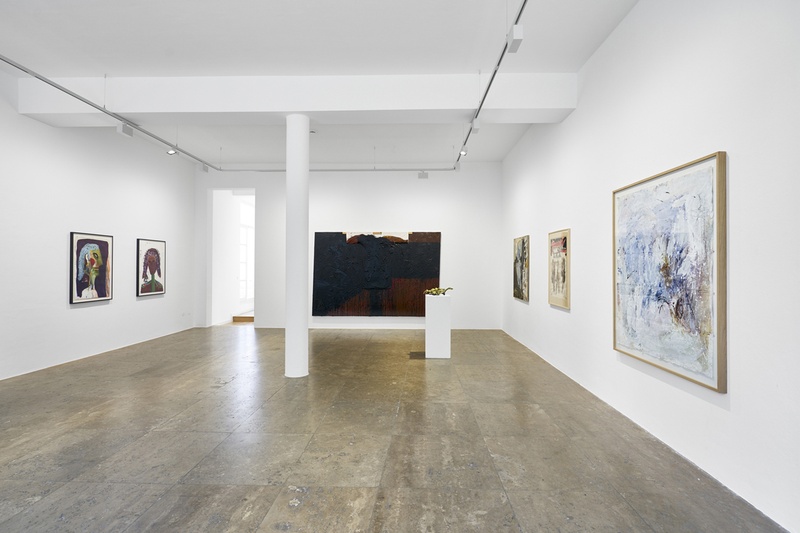
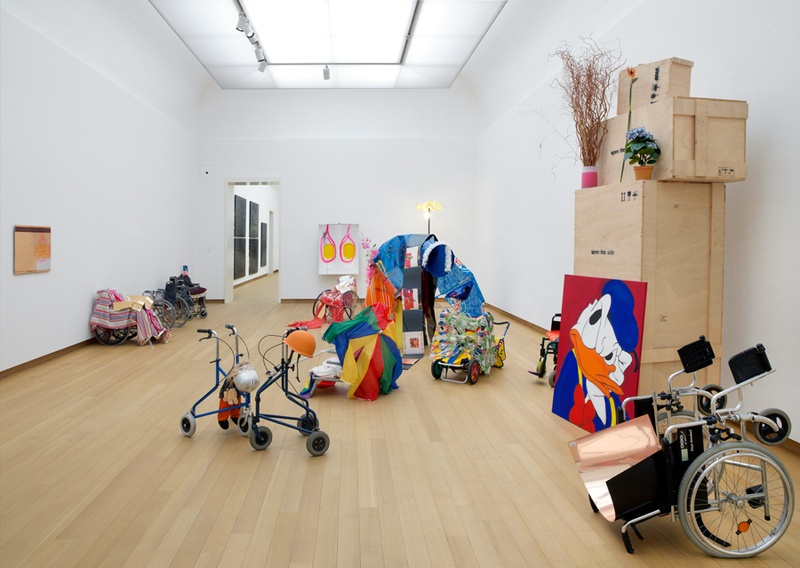
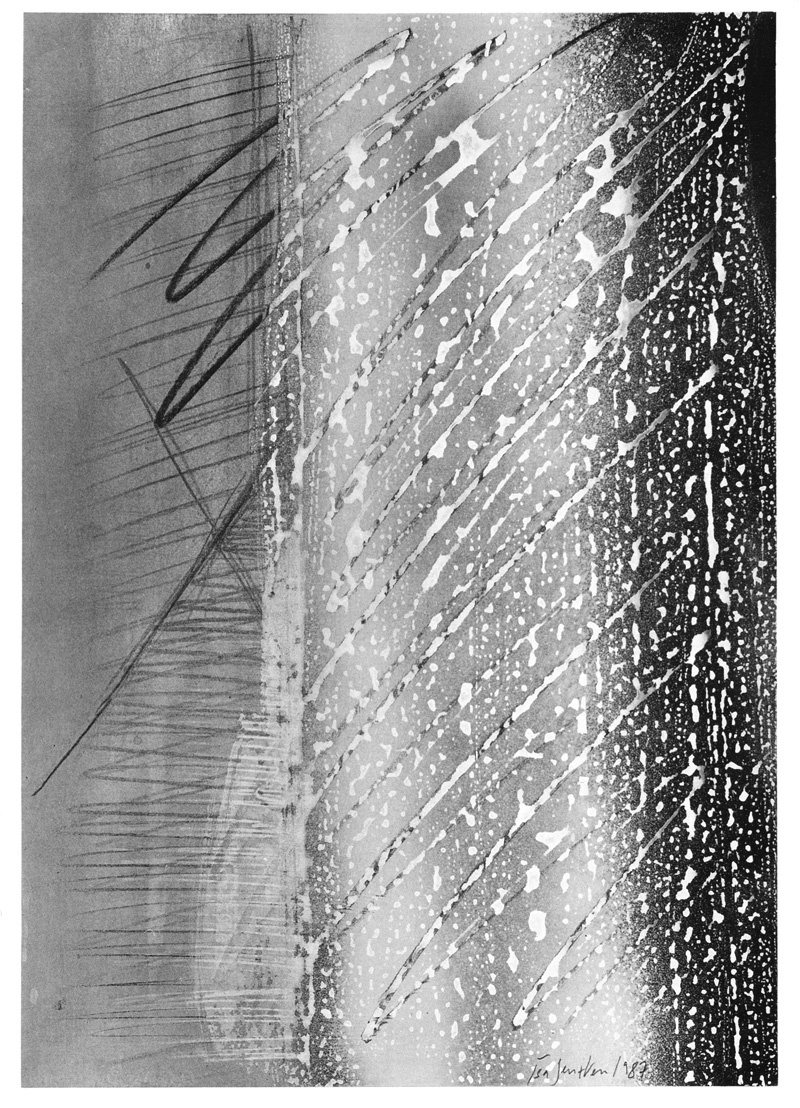
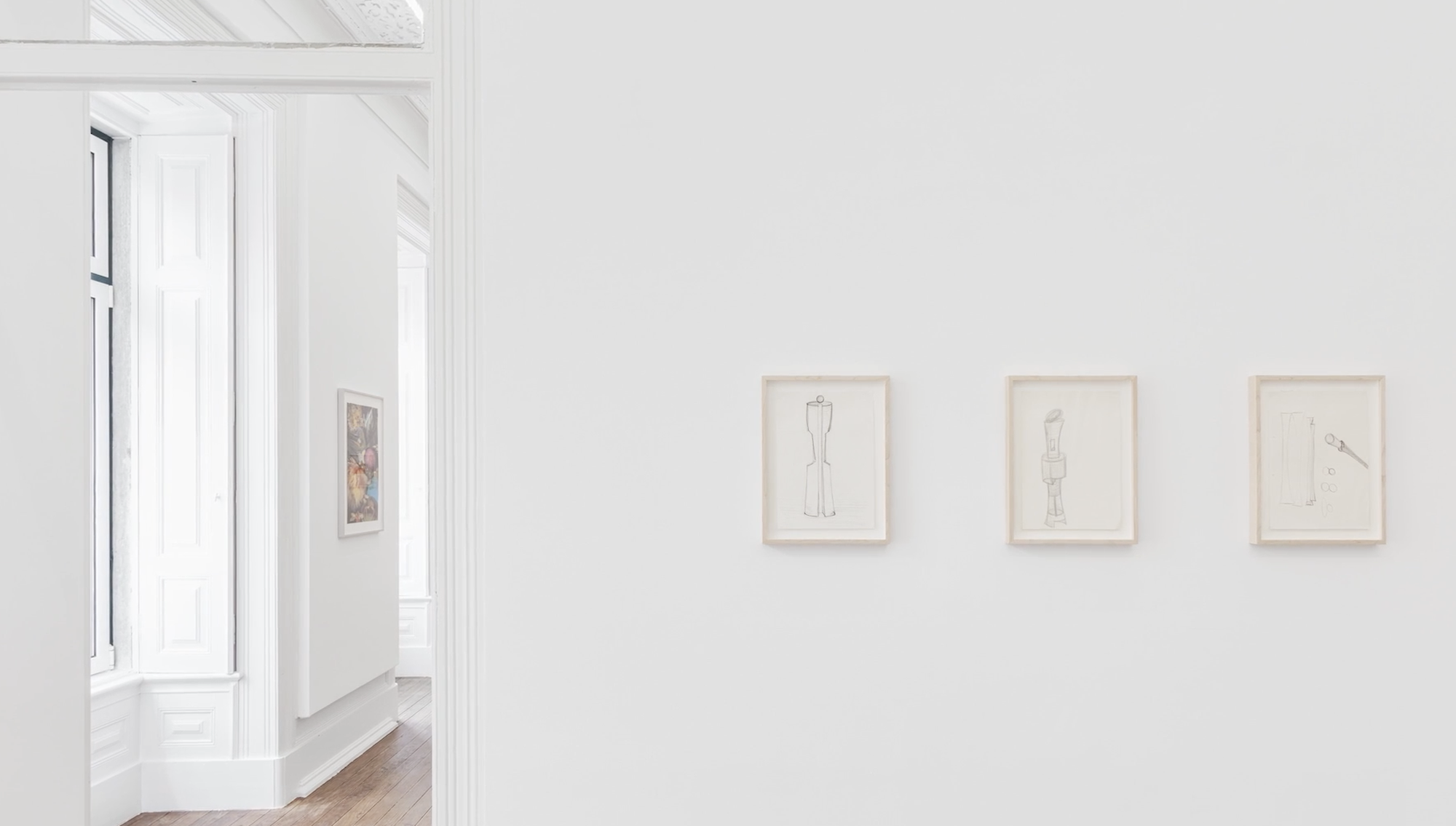
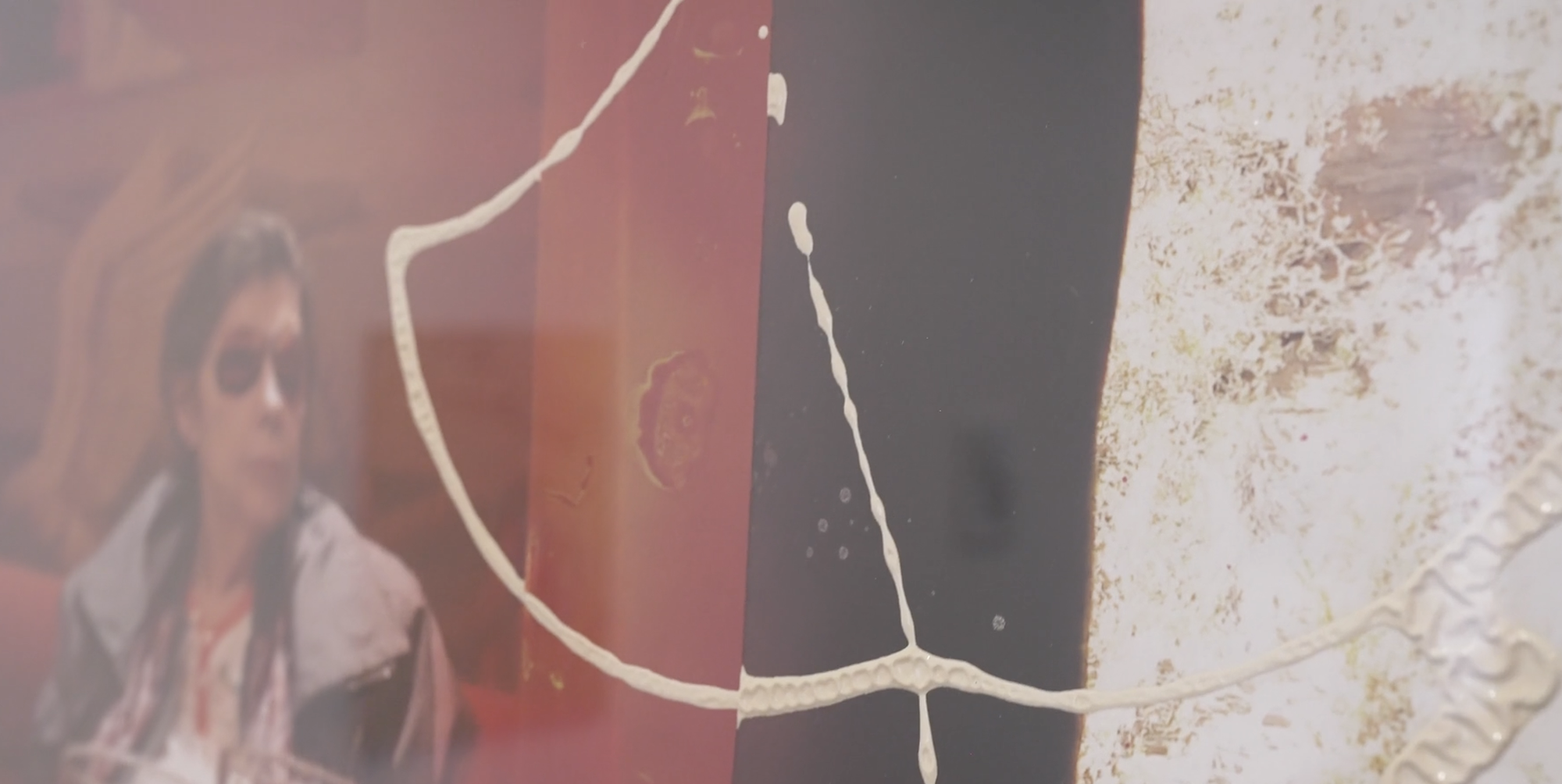
Isa Genzken is one of the most important and influential artists of the last 40 years. Her innovative, multi-faceted, complex, and uncompromising work was presented in a retrospective at the Museum of Modern Art in New York in 2013, the artist’s first large solo show in the United States. It was also shown at the Museum of Contemporary Art Chicago and the Dallas Museum of Art. This comprehensive exhibition included assemblage, sculpture, painting, photography, collage, drawing, artist’s books, and film, as well as expansive installations, which not only highlighted Isa Genzken’s free utilization of multiple techniques and mediums, but also the radical shifts that she repeatedly executed in her long, uninterrupted career. Her artistic power is unique and explores the fundamental themes of modernity and urban architecture. Isa Genzken achieved her first successes in the late 1970s as German and American artists such as Gerhard Richter, Joseph Beuys, Carl Andre, Sol LeWitt, Dan Graham, or Laurence Weiner dominated art-theoretical debates. She studied under Gerhard Richter at the Academy of Fine Arts in Düsseldorf; she met her American colleagues at Galerie Konrad Fischer, where, in 1976, she was the first woman to have a solo show. Even at this early stage, Isa Genzken resisted the primacy of styles, making aesthetically perfect floor sculptures, hyperboloids, and ellipsoids from wood that filled the room and which, although inspired by minimalism, were not reducible to its dogmas nor to those of conceptual art. The sculptures were based on elaborate computer calculations and required a complicated production process. They were designed in such a way as to add a narrative level to that of pure form and the geometric shape became an object charged with content. Achieving a similar result but using diametrically opposed artistic means, Isa Genzken managed to produce Brutalist concrete sculptures in the 1980s. They are magically reminiscent of architectural models or they are called ‘Weltempfänger’ (short wave radio receivers) and suggest that a concrete block equipped with an antenna can also be an object filled with meaning. In contrast to earlier sculptures, the production process here could be greatly simplified and returned to the studio, which was important for the artist. During this period she worked more radically than anyone else on redefining what sculpture could mean. Within a discourse of fundamental questioning, this corresponded to an inherent logic whereby from the late 1990s she created complex narrative installations, in which materials from the consumer-oriented world of goods were brought together and transformed into impressive scenarios recalling film sets.