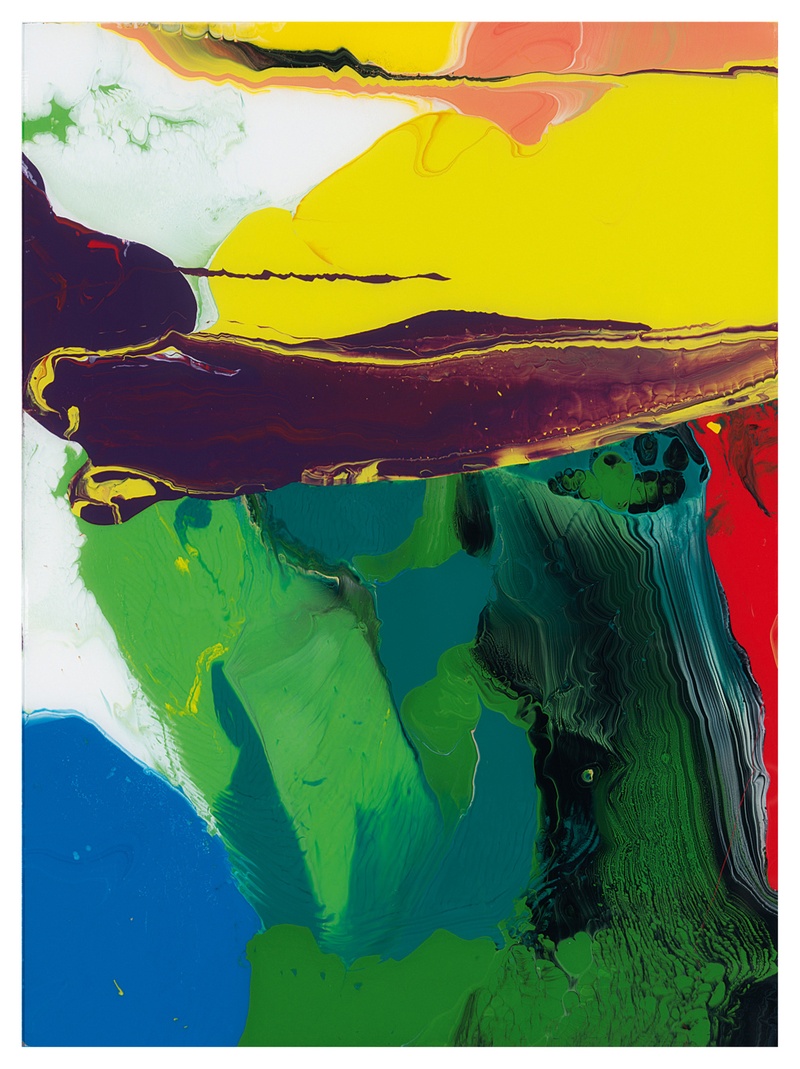
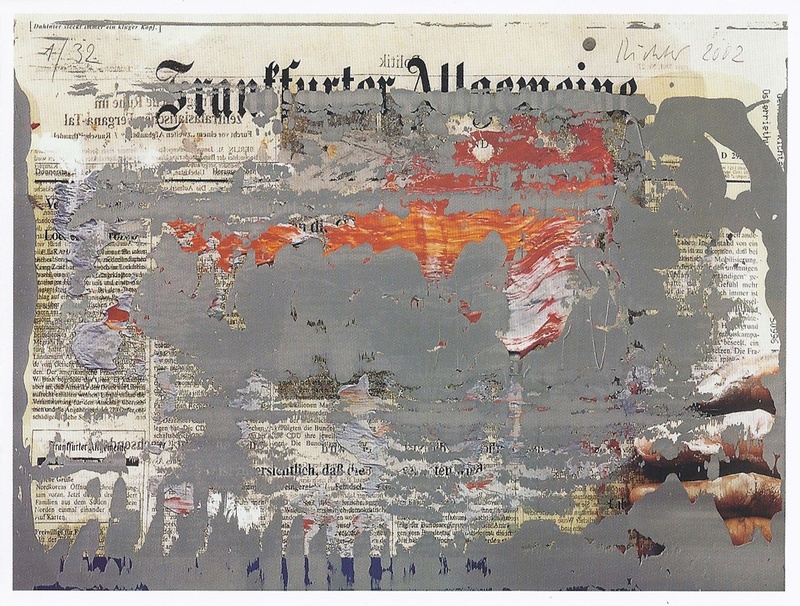
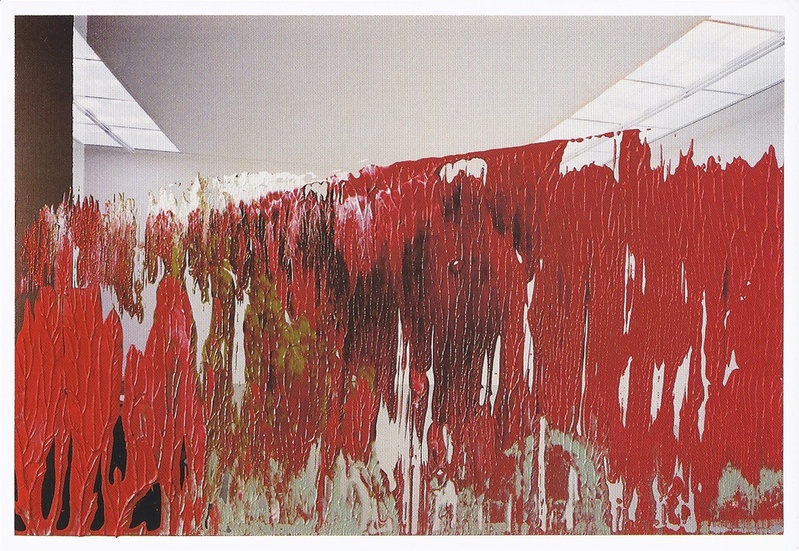
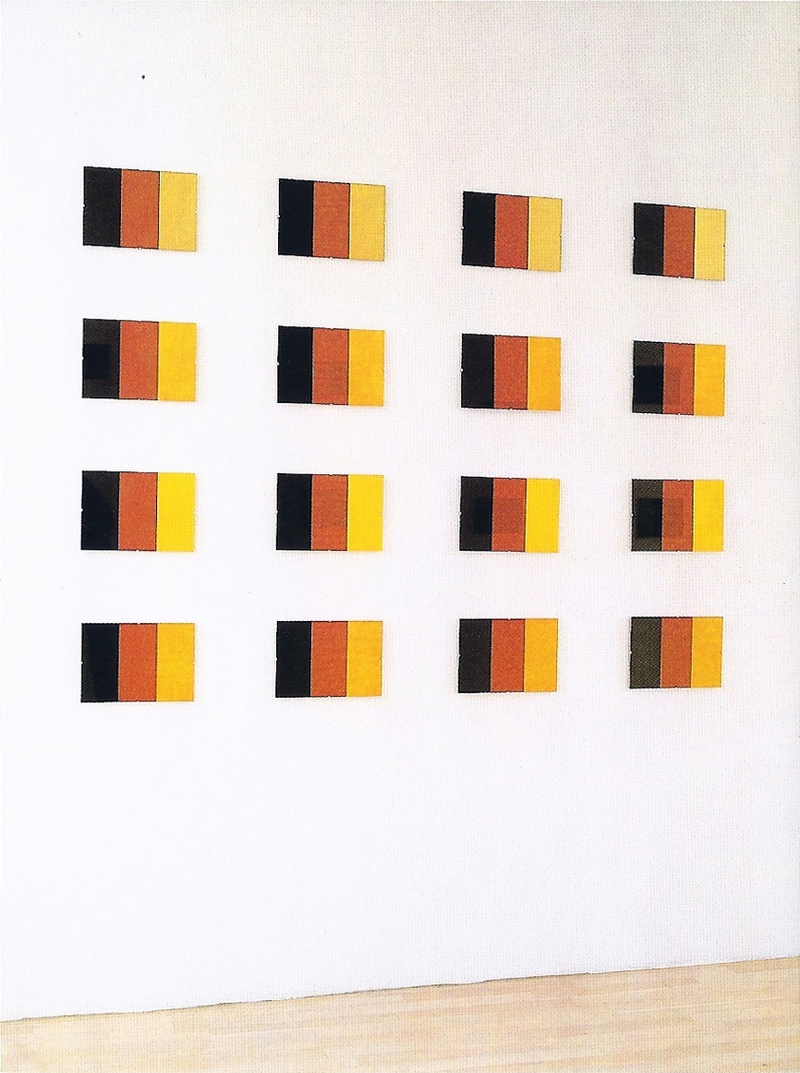
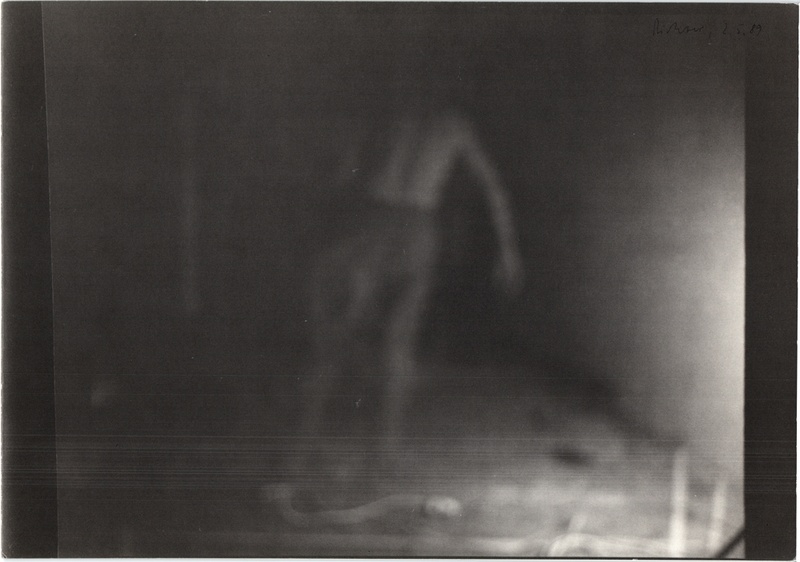
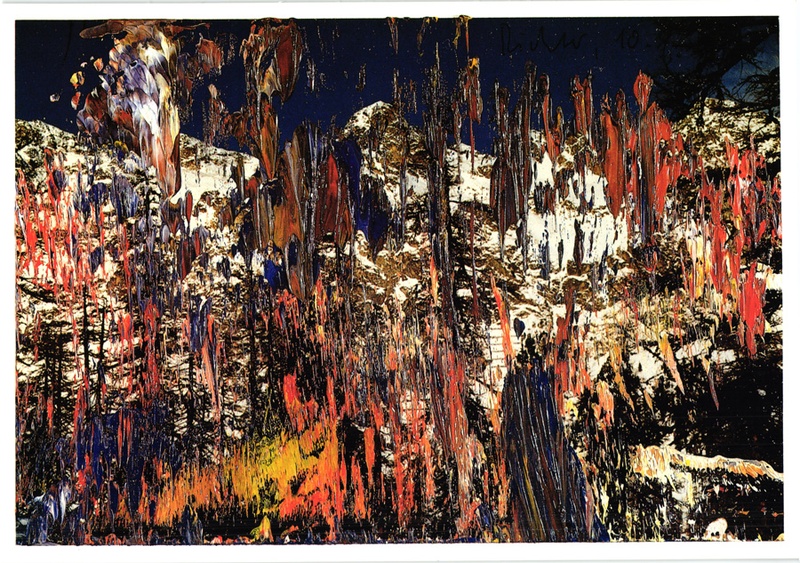
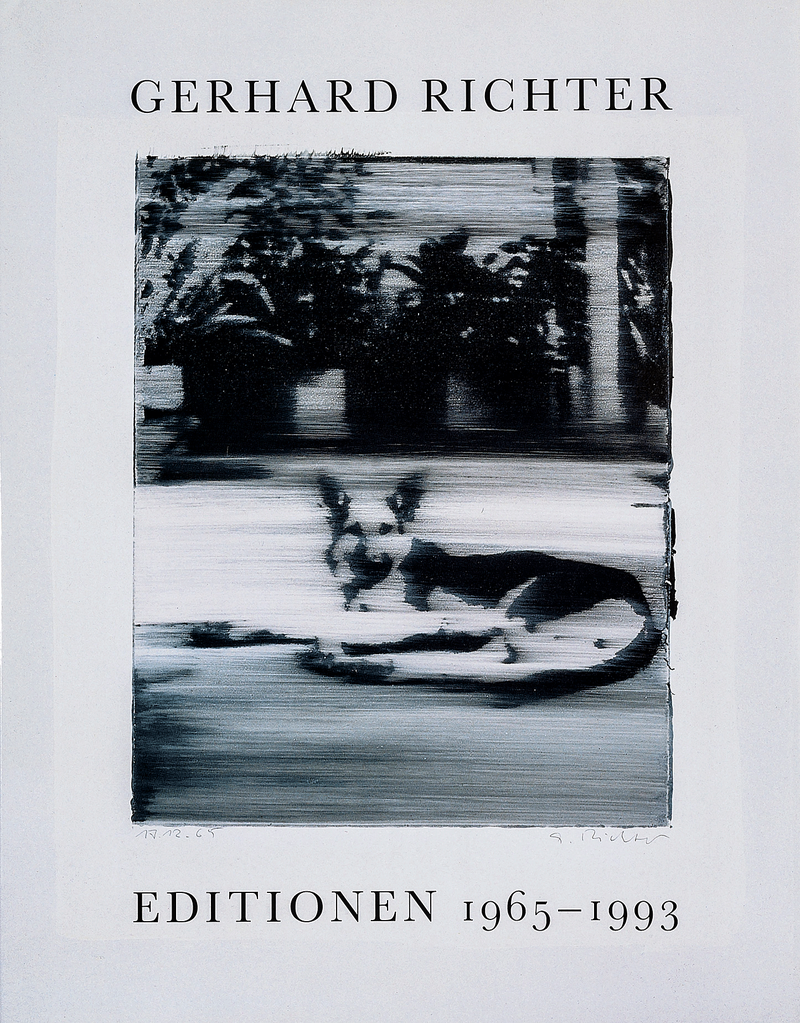
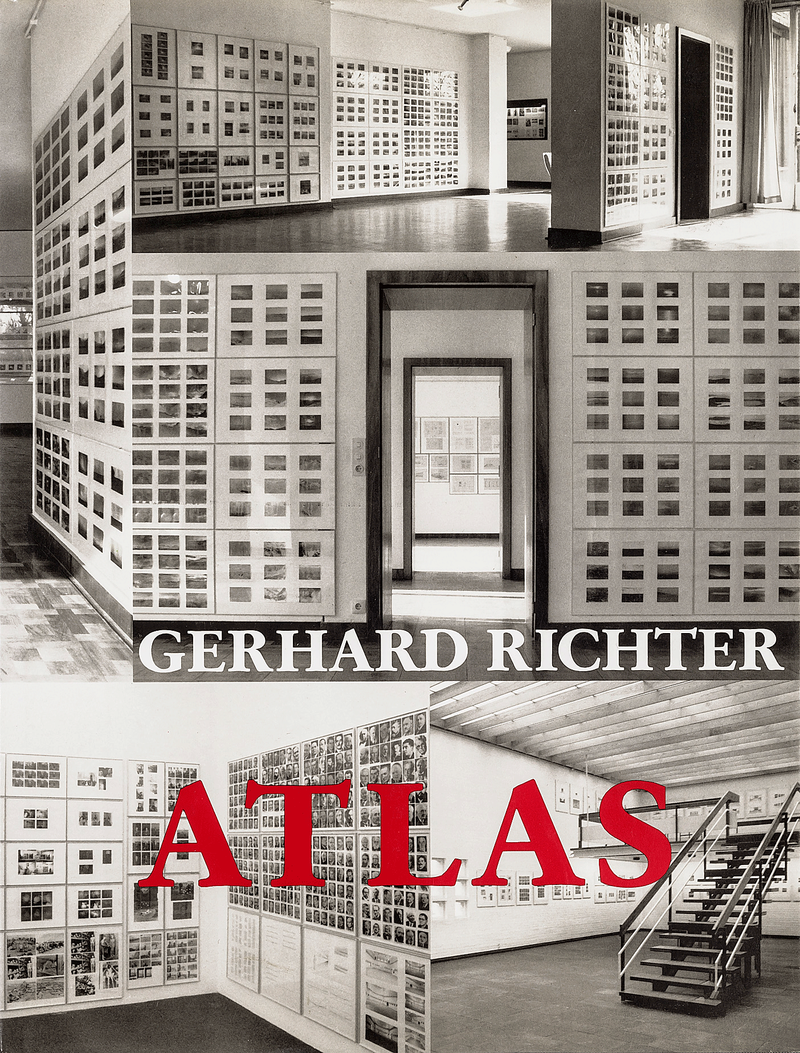
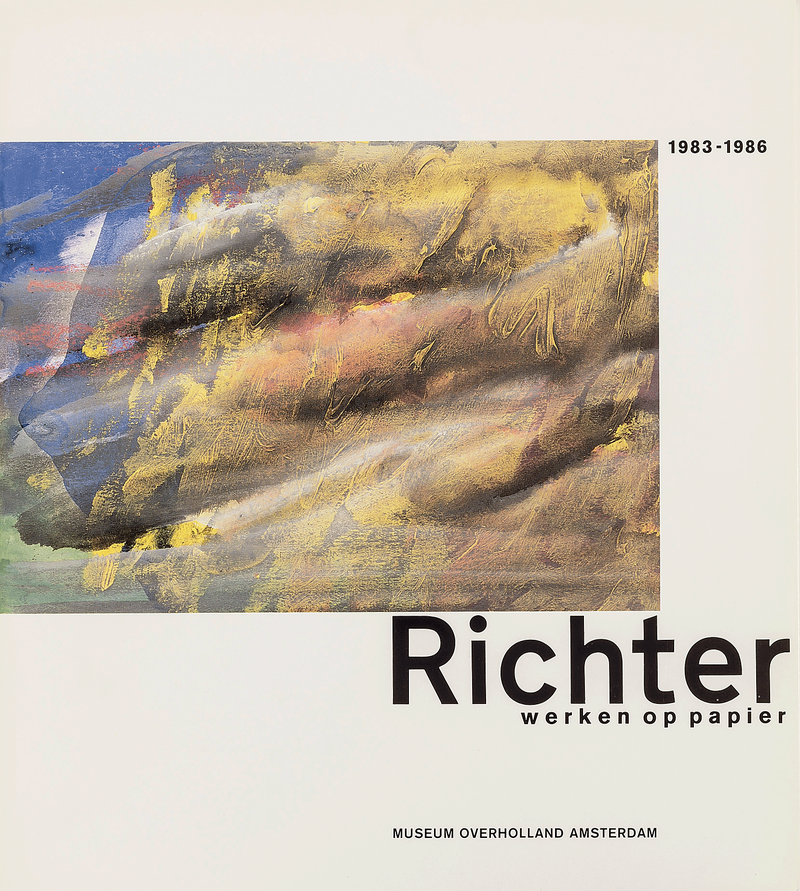
Gerhard Richter is one of the most important artists of the 20th and 21st centuries. His multifaceted work is dedicated to the great subject of painting itself. While he was studying at the Kunstakademie Düsseldorf (1961–1963), he was already exploring photography: “[T]he fascination of a photo lies not in a fancy composition, but rather in what it says, in its information.”1 He initially painted motifs that were “smooth” and “as similar as possible to photography.”2 He increasingly deepened his investigations into this medium. His photo prints smeared with color testify to this, as does the “Halifax-Block” (1978) of 128 photos of a single abstract sketch in oils. It is a meticulous exploration of the painterly surface. Richter questions connections between style and content in art through paintings, drawings, prints, photos, and sculptures. Figurative subjects such as intimate (family) portraits, landscapes, or political series exist naturally alongside his colorful, gestural abstractions and concrete color-field analyses. Read More
“That is a pointless demand and claim: ‘make the invisible visible’ […]. We can imply the invisible, that is, presuppose its existence with relative certainty, but we can only depict a likeness which represents the invisible, not the invisible itself.”3 Richter's artistic freedom, his basic attitude of not establishing himself in art, is often justified by the fact that he escaped from Dresden to Dusseldorf in 1961. In doing this, he not only abruptly changed his political environment but also his artistic one. He understands “painting as action, as the search for the reality of today”.4
Gerhard Richter’s works, which can be counted among the most expensive of any living artist, are found in numerous international museums and important private collections. Richter has taken part in the documenta eight times, and from 1971 to 1993, he was a professor at the Kunstakademie Düsseldorf. In 2007, he designed a window for the south transept of Cologne Cathedral. He has received many prizes over the course of his artistic career, among others the Golden Lion at the Venice Biennale, Honorary Citizenship of the City of Cologne, and in 2018 the European Culture Prize Taurus.