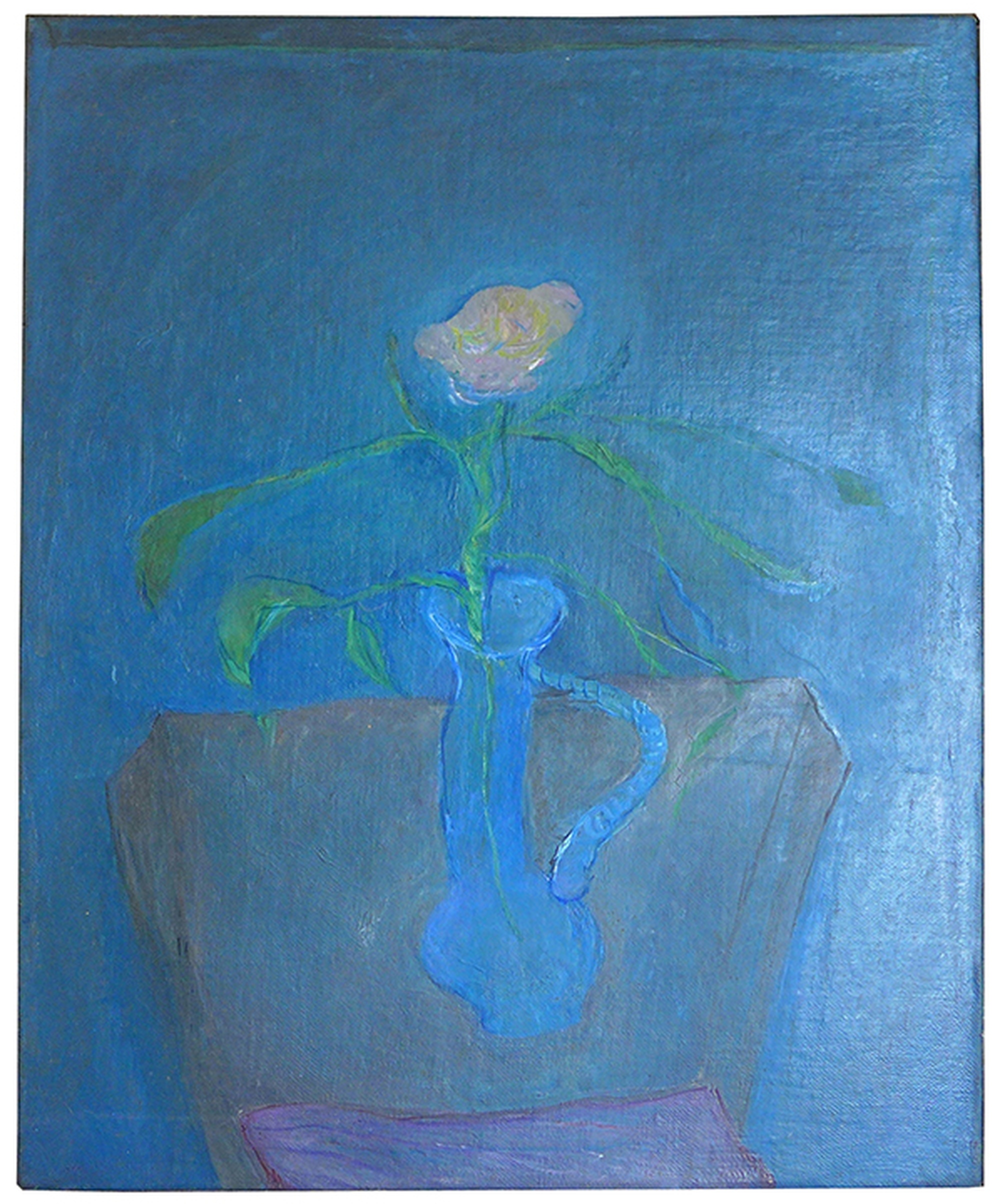
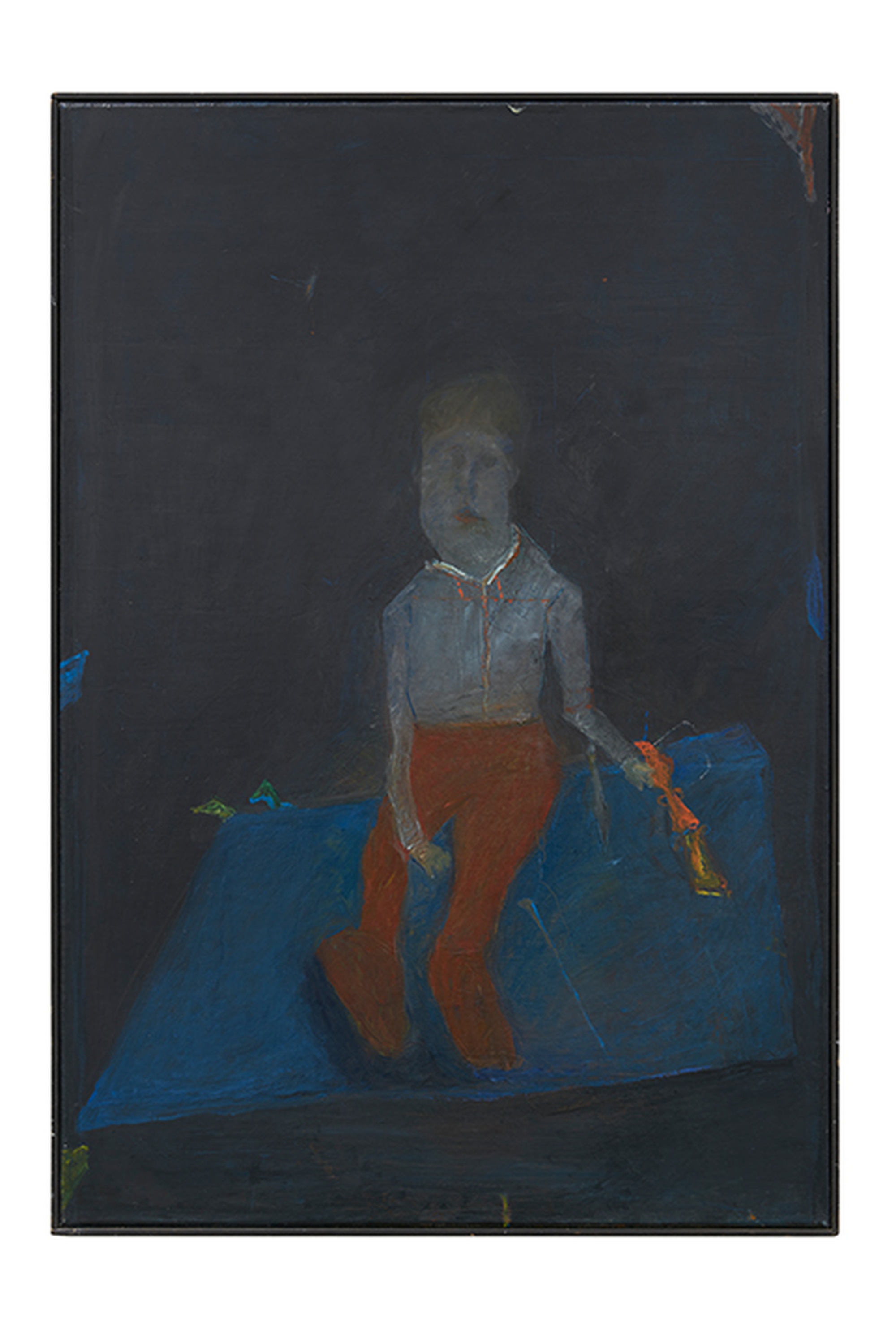
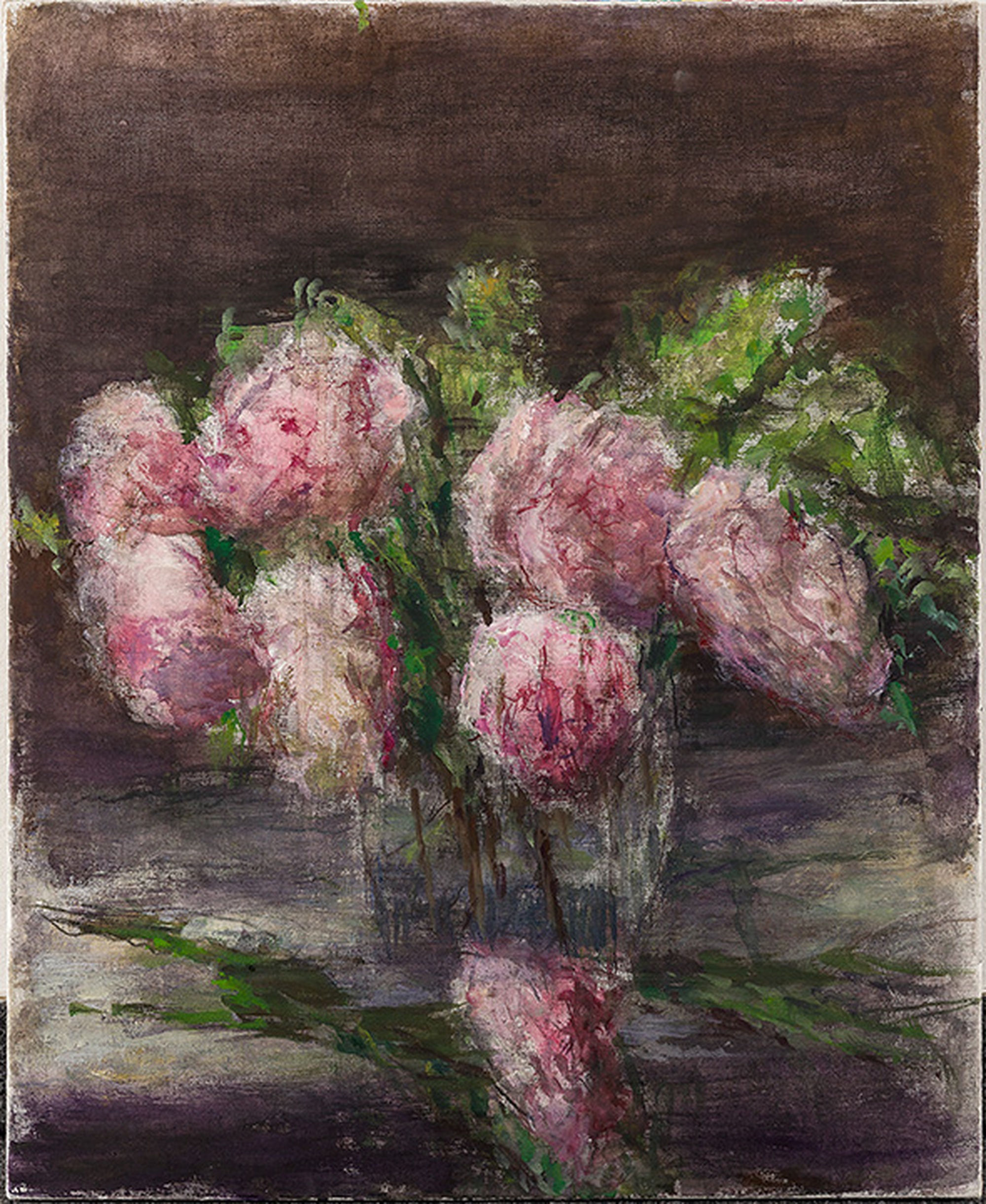
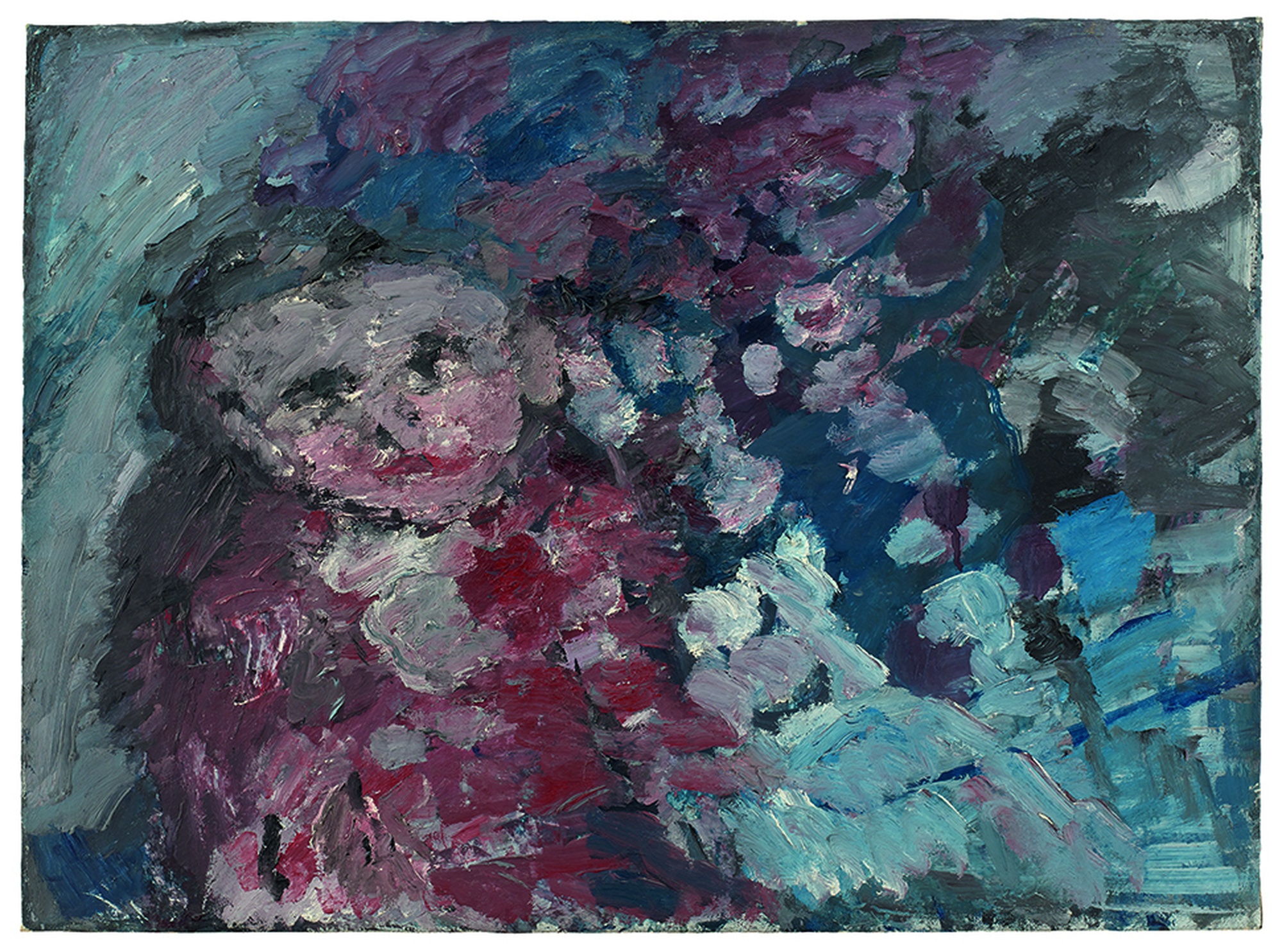
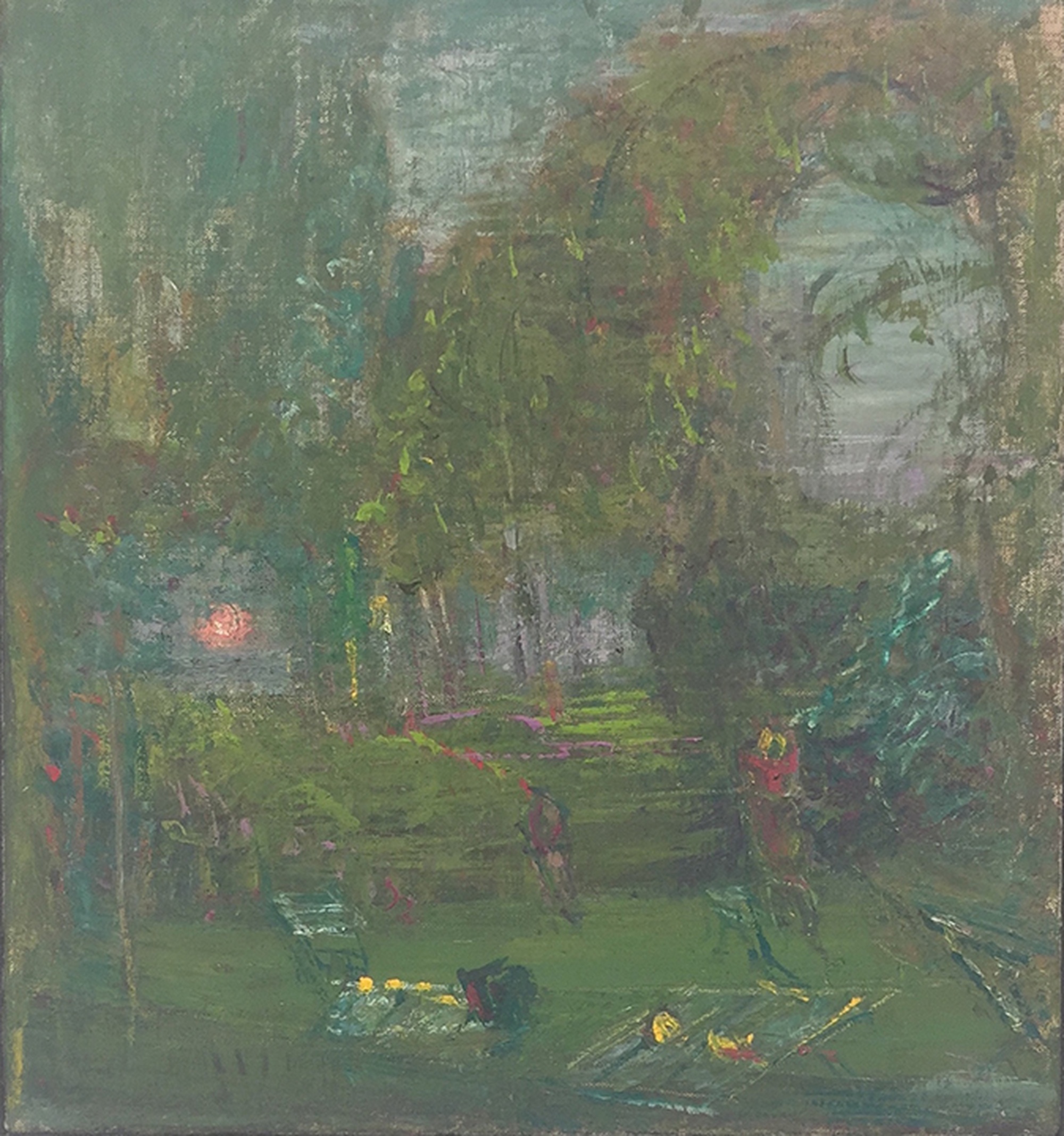
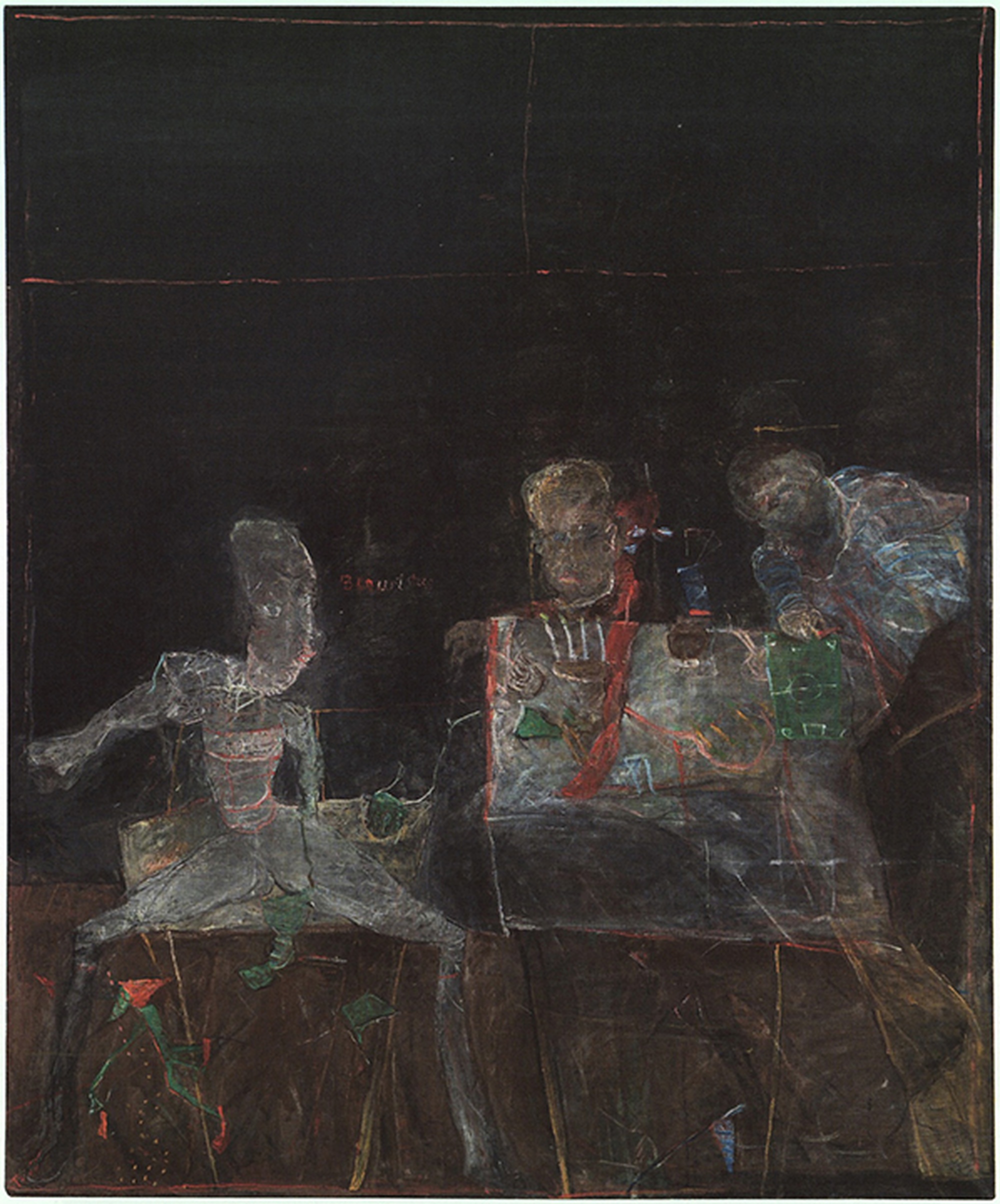
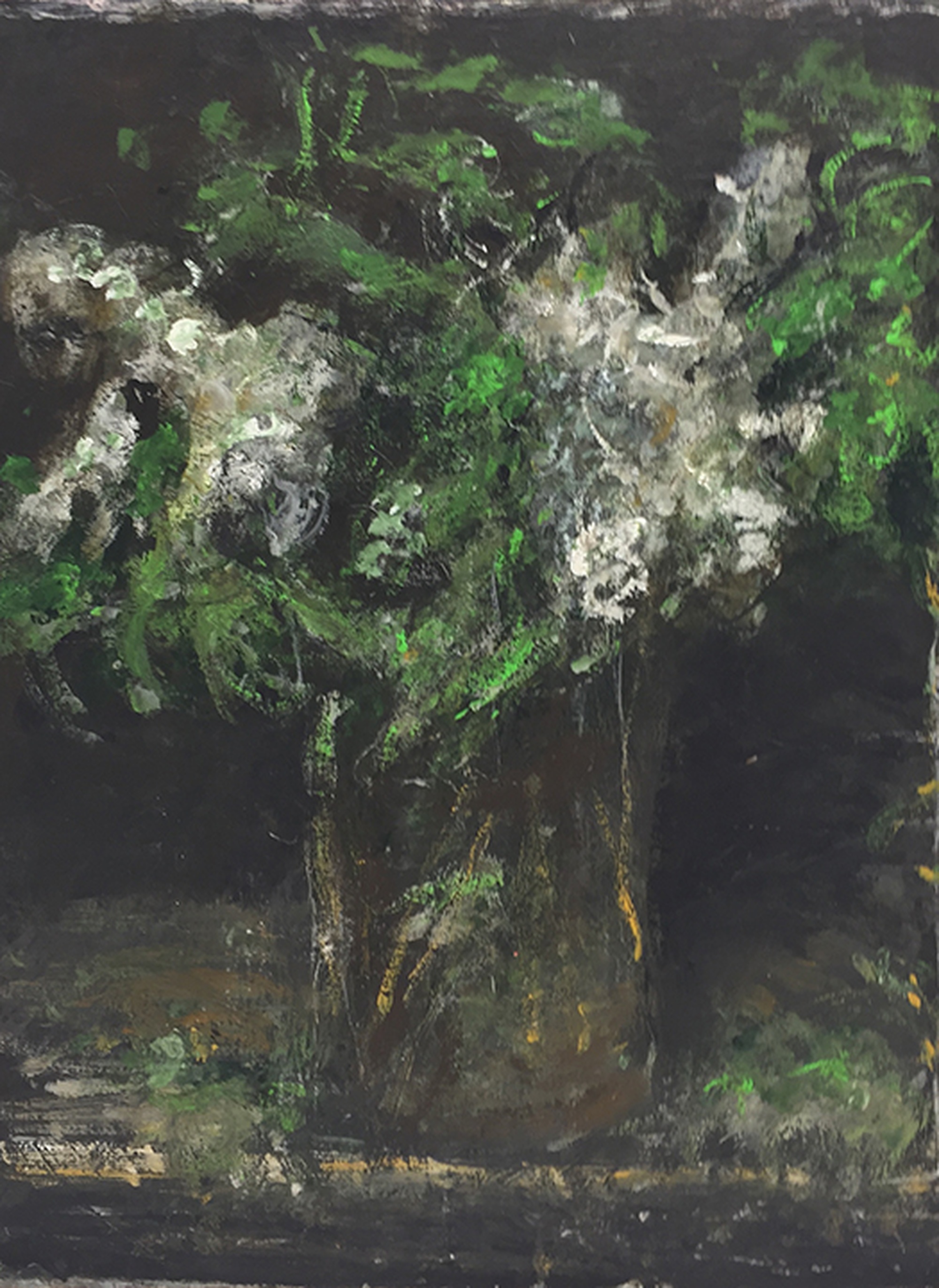
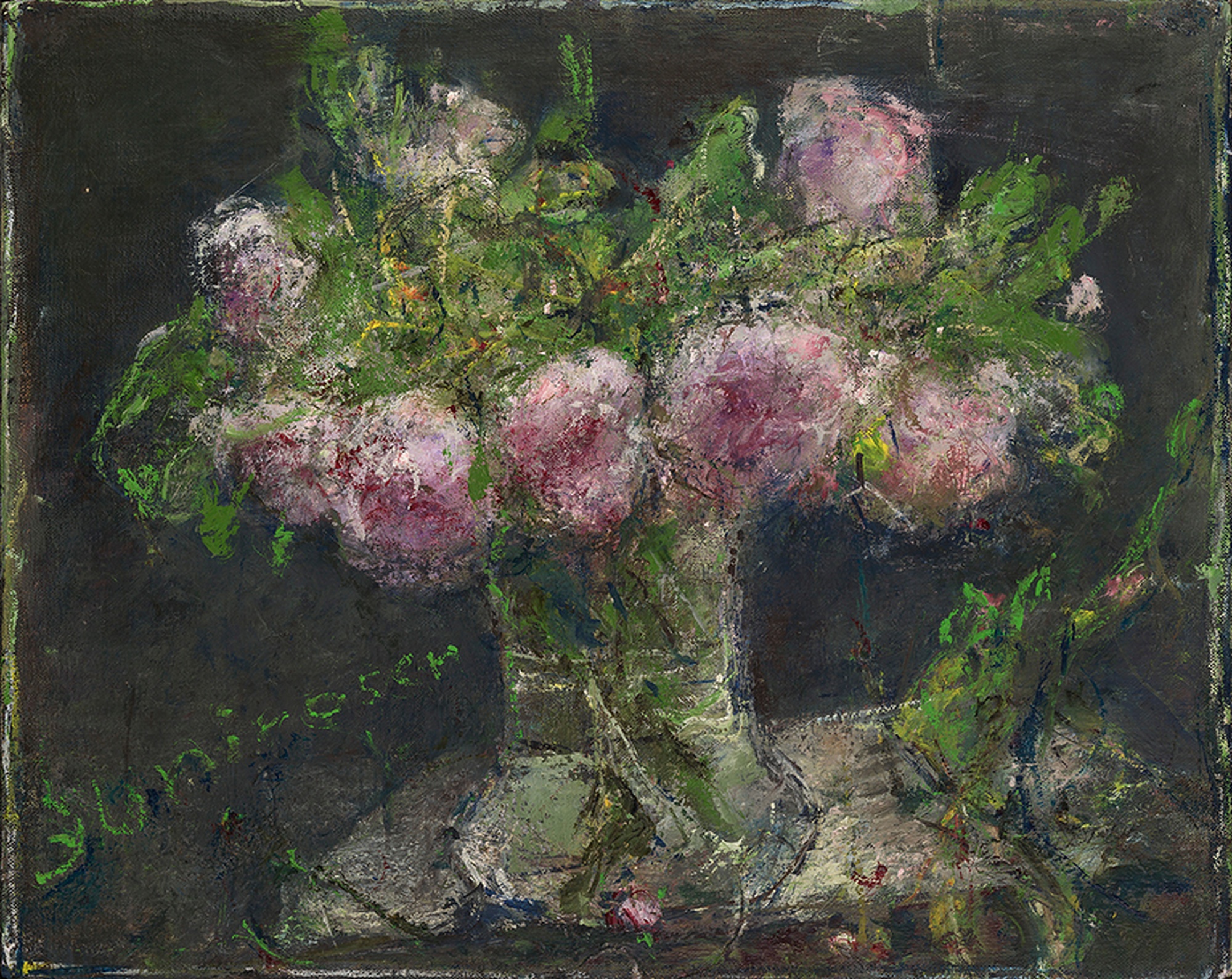
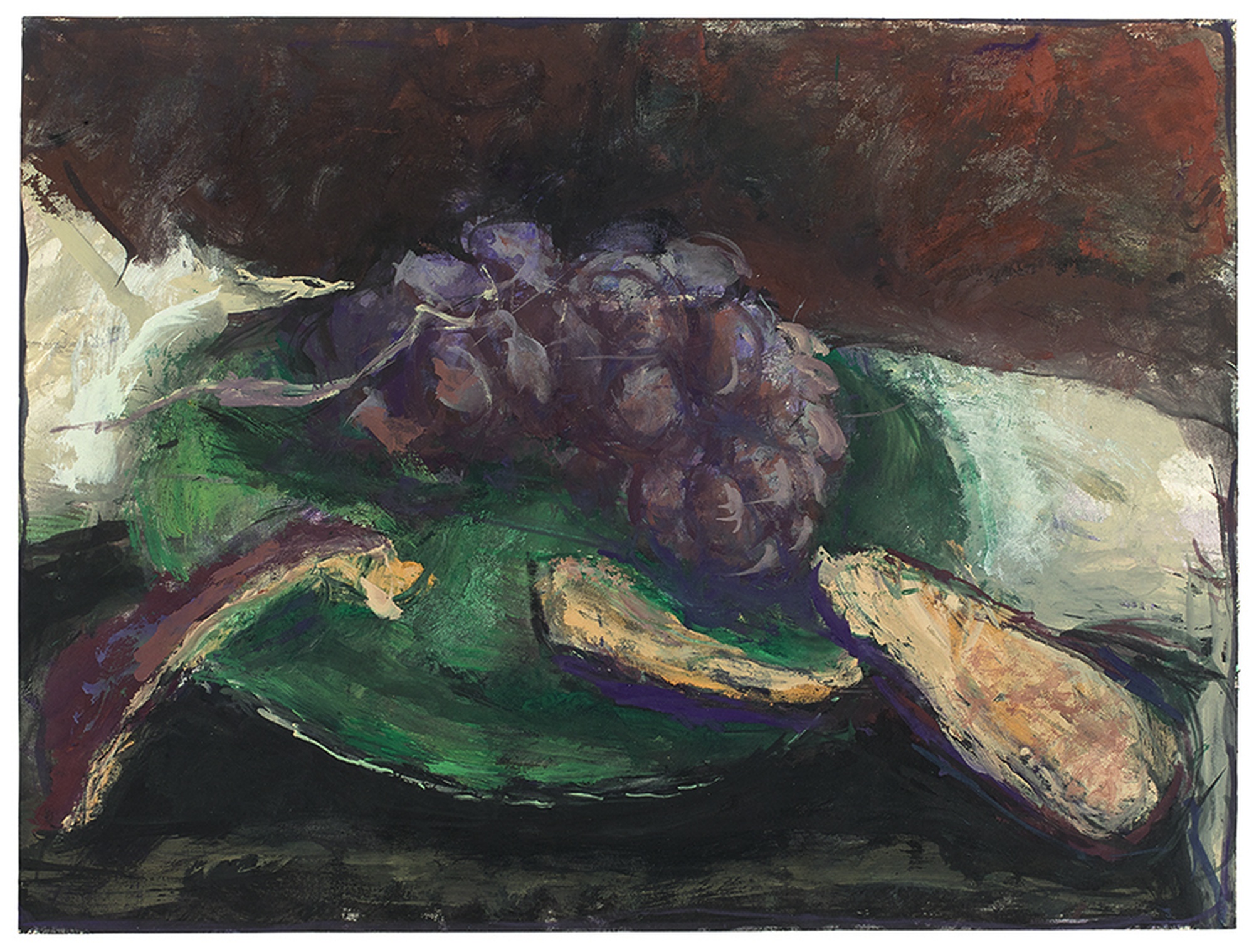
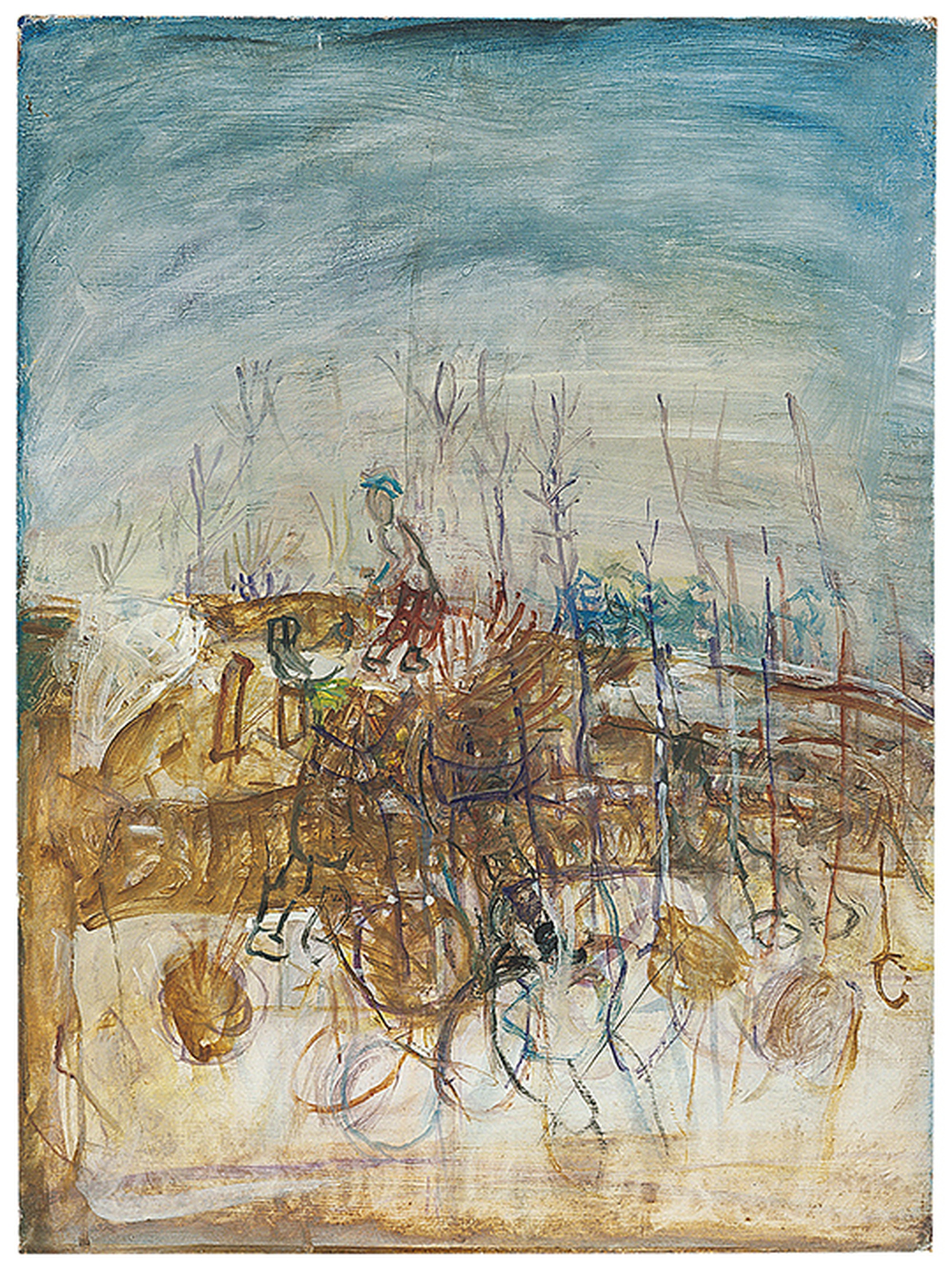
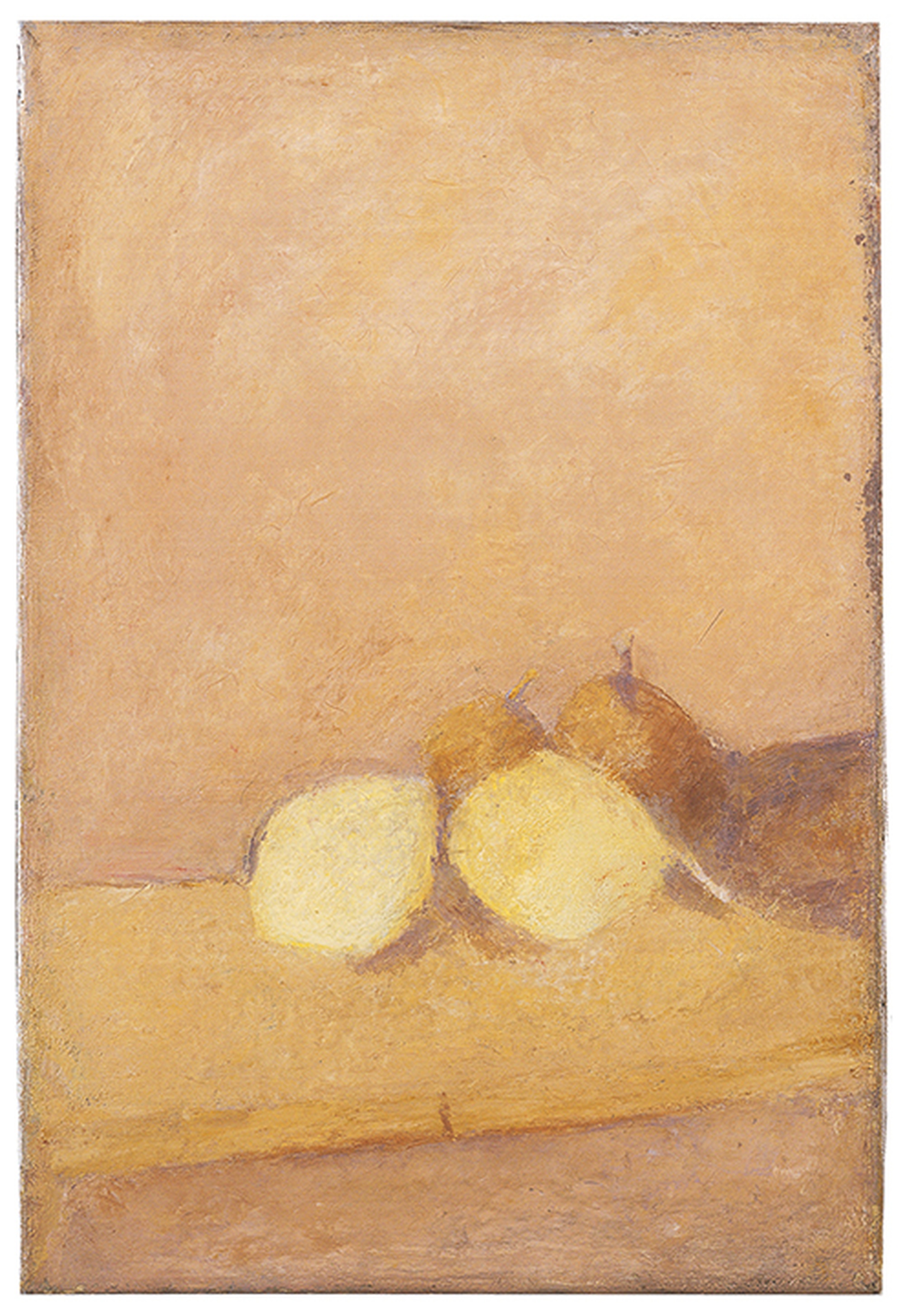
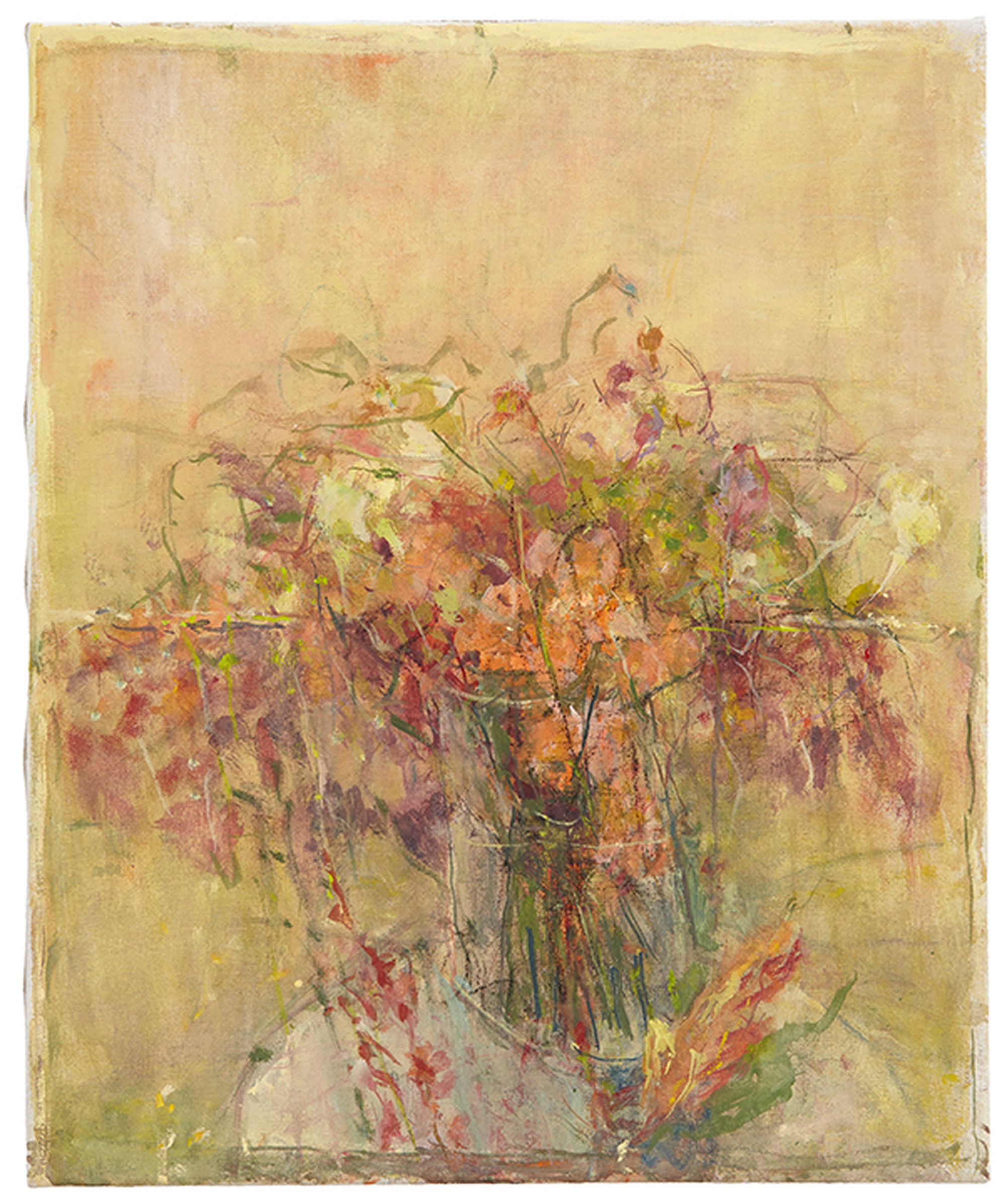
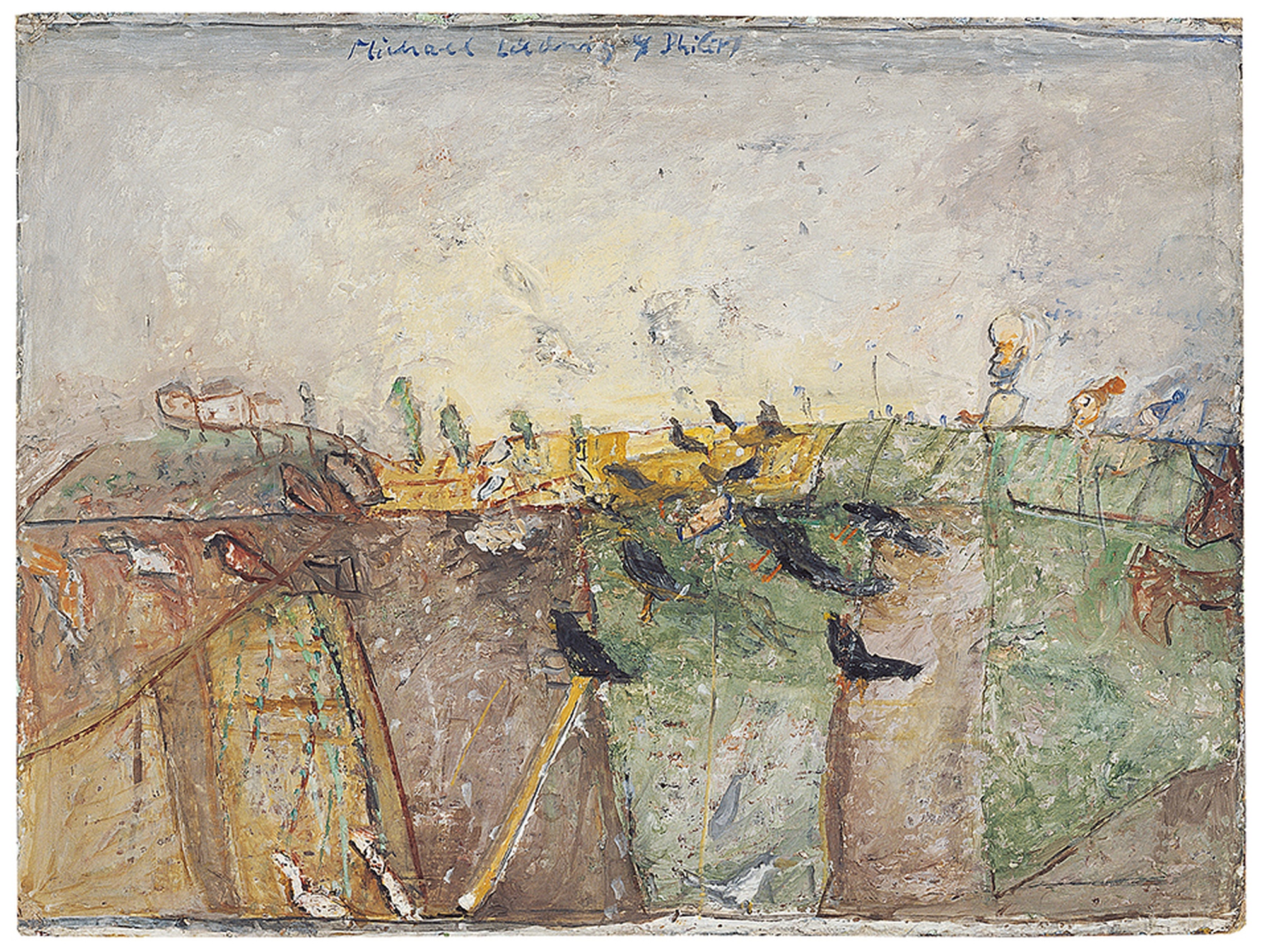
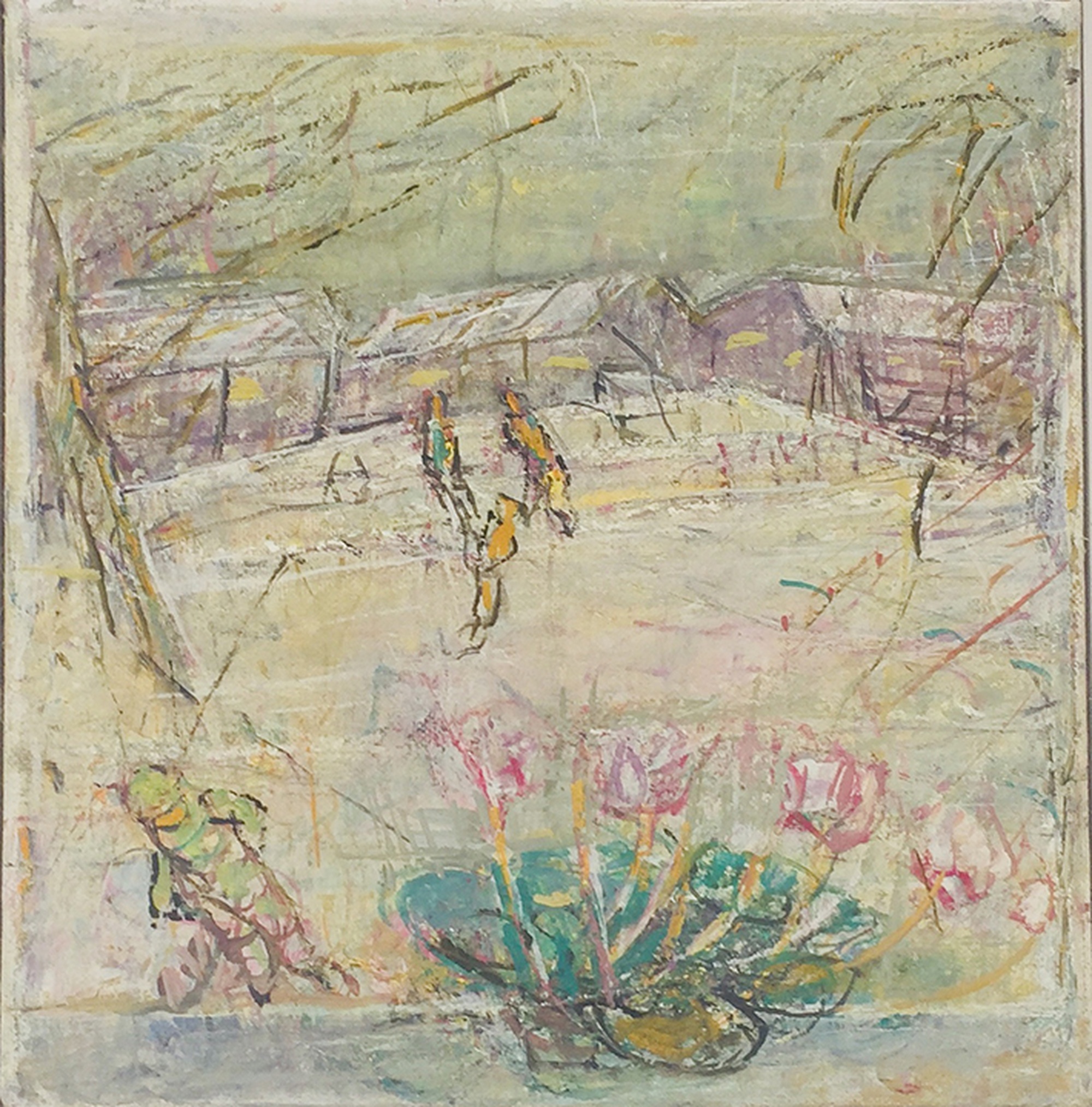
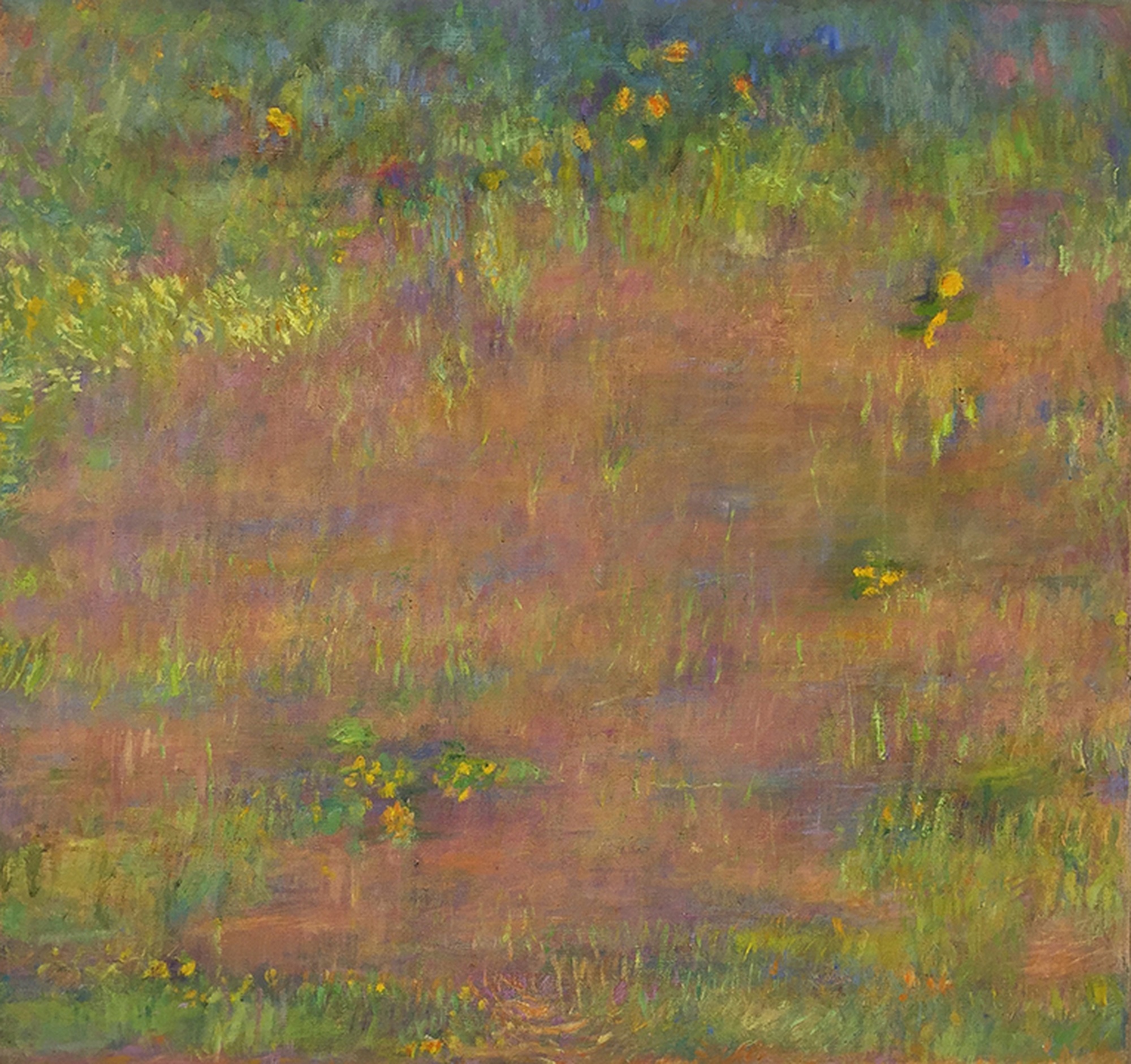
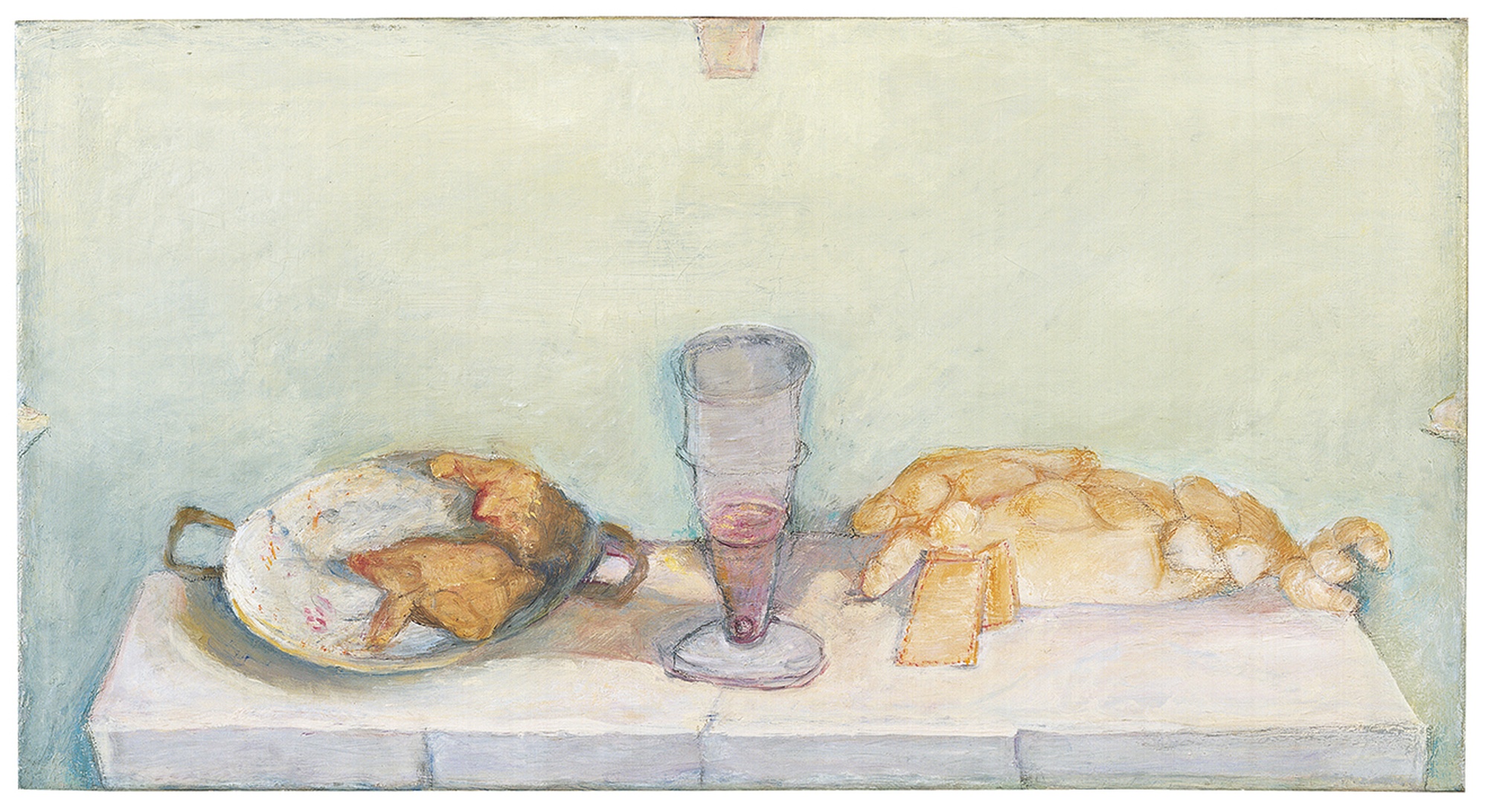
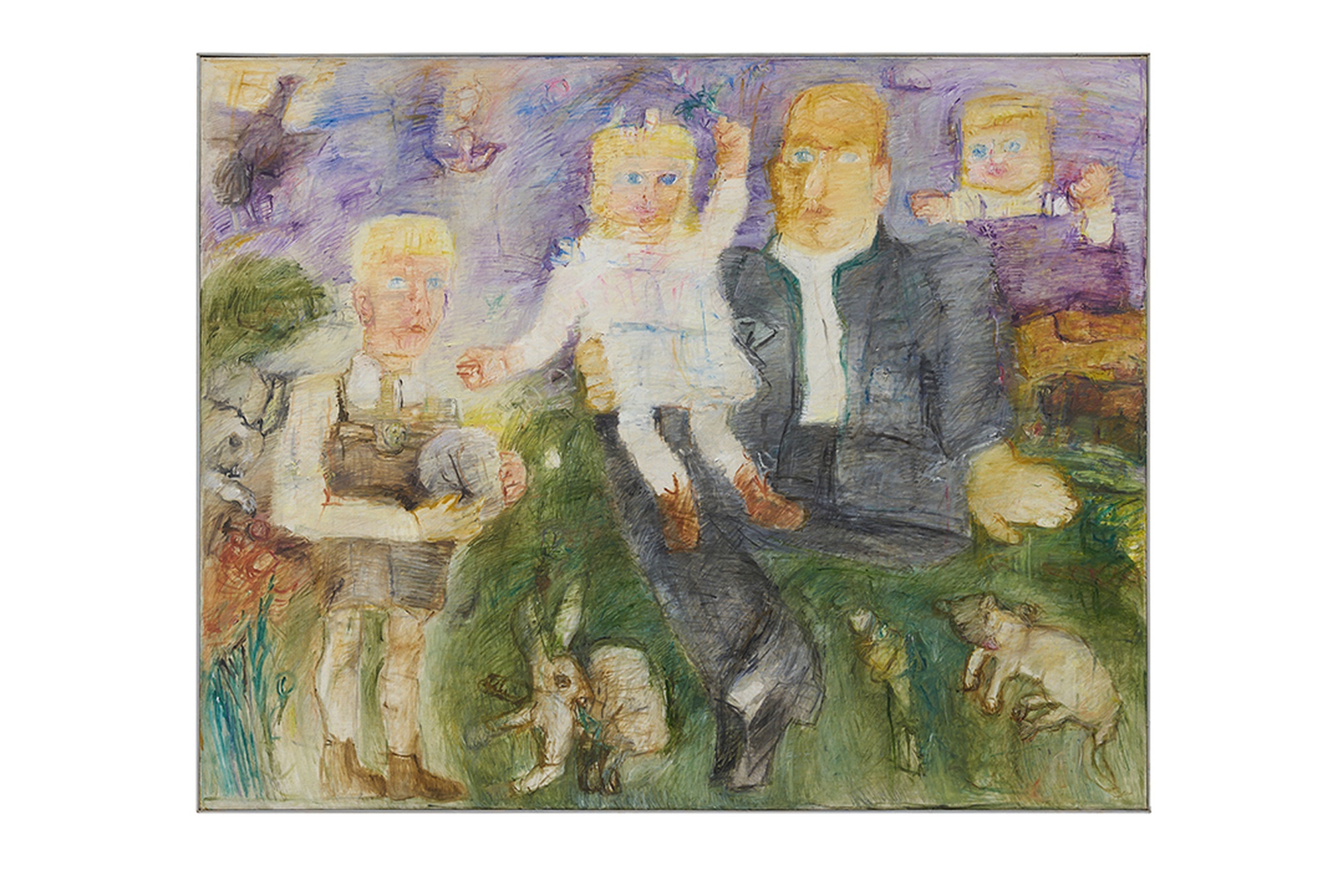
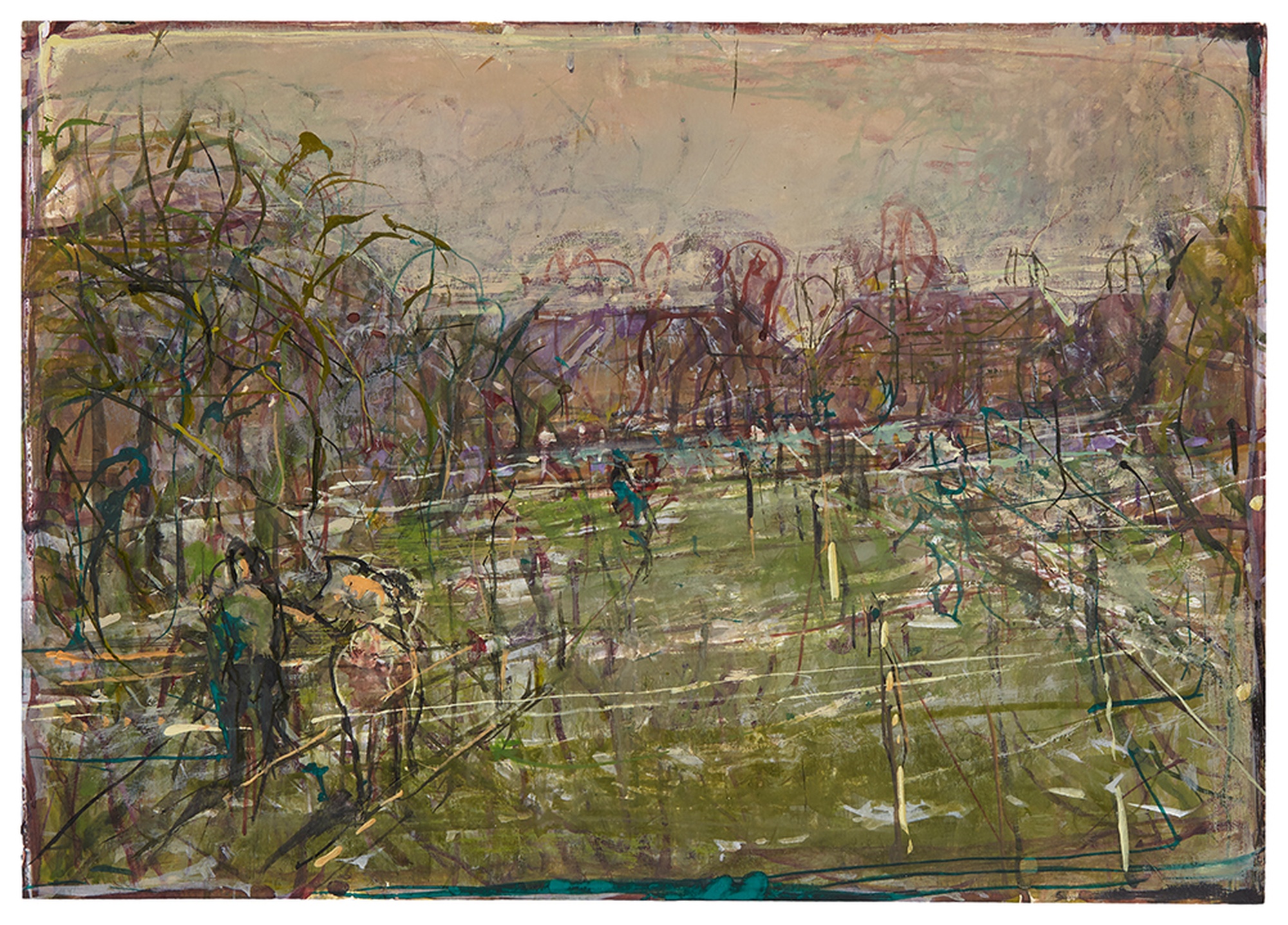
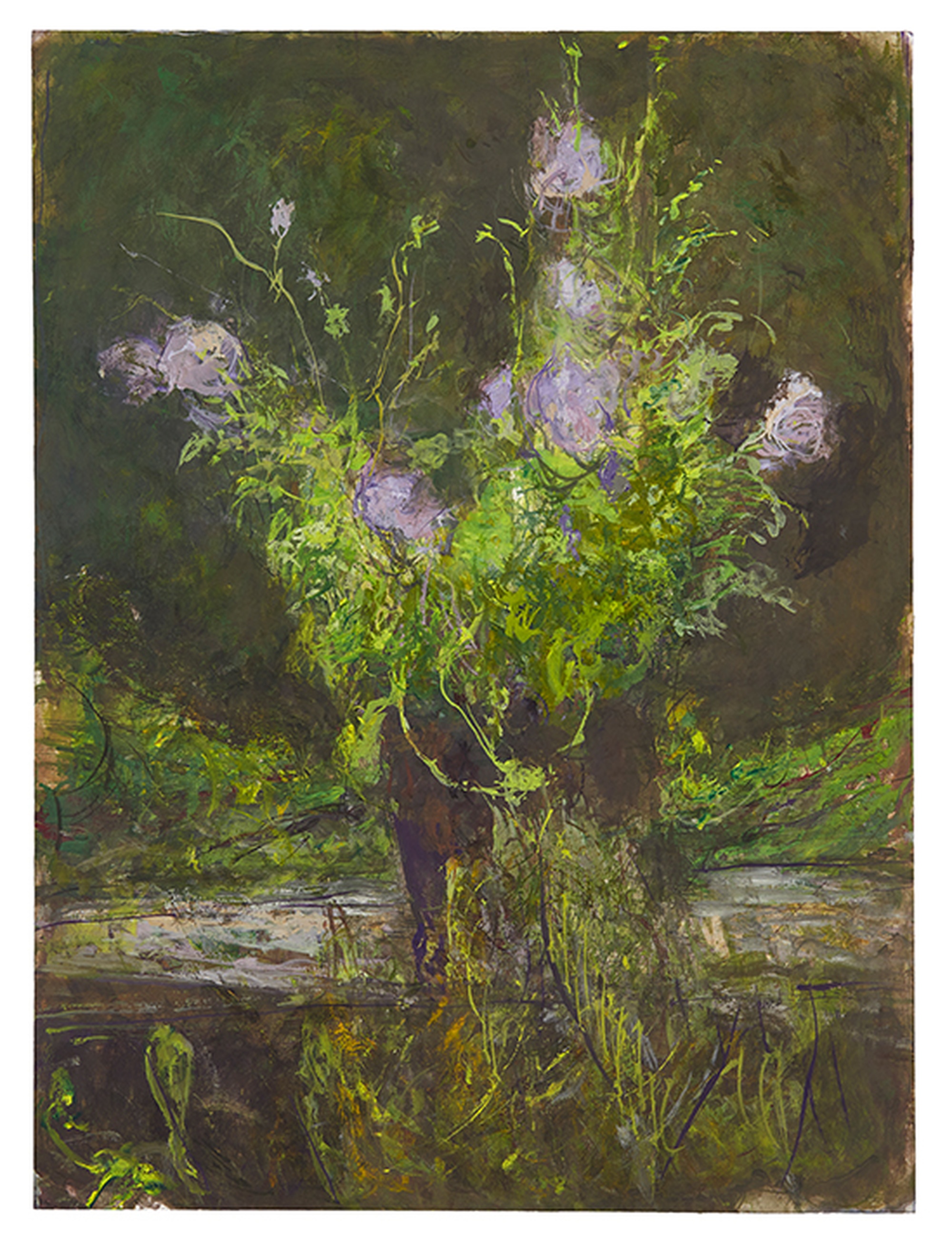
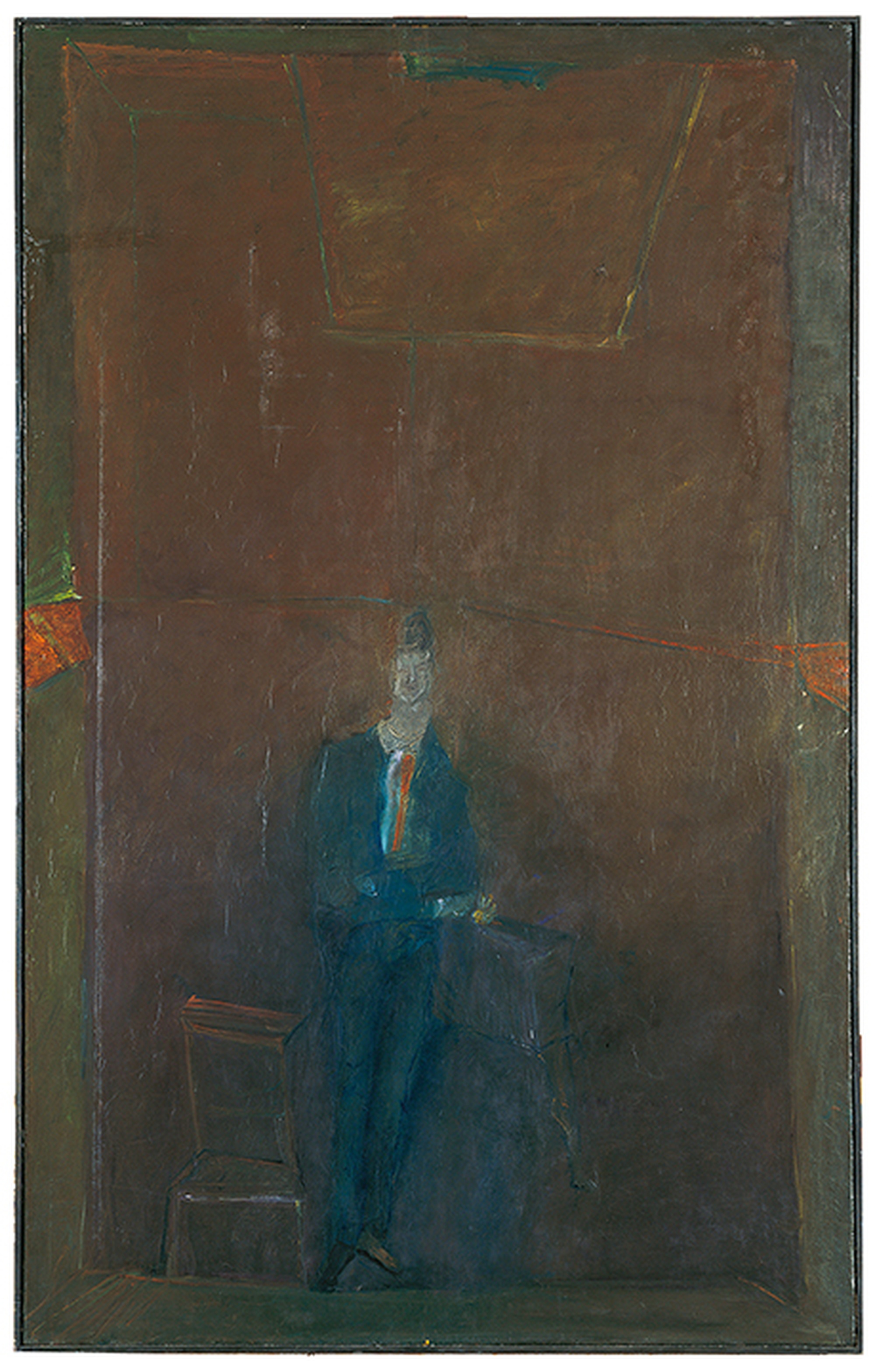
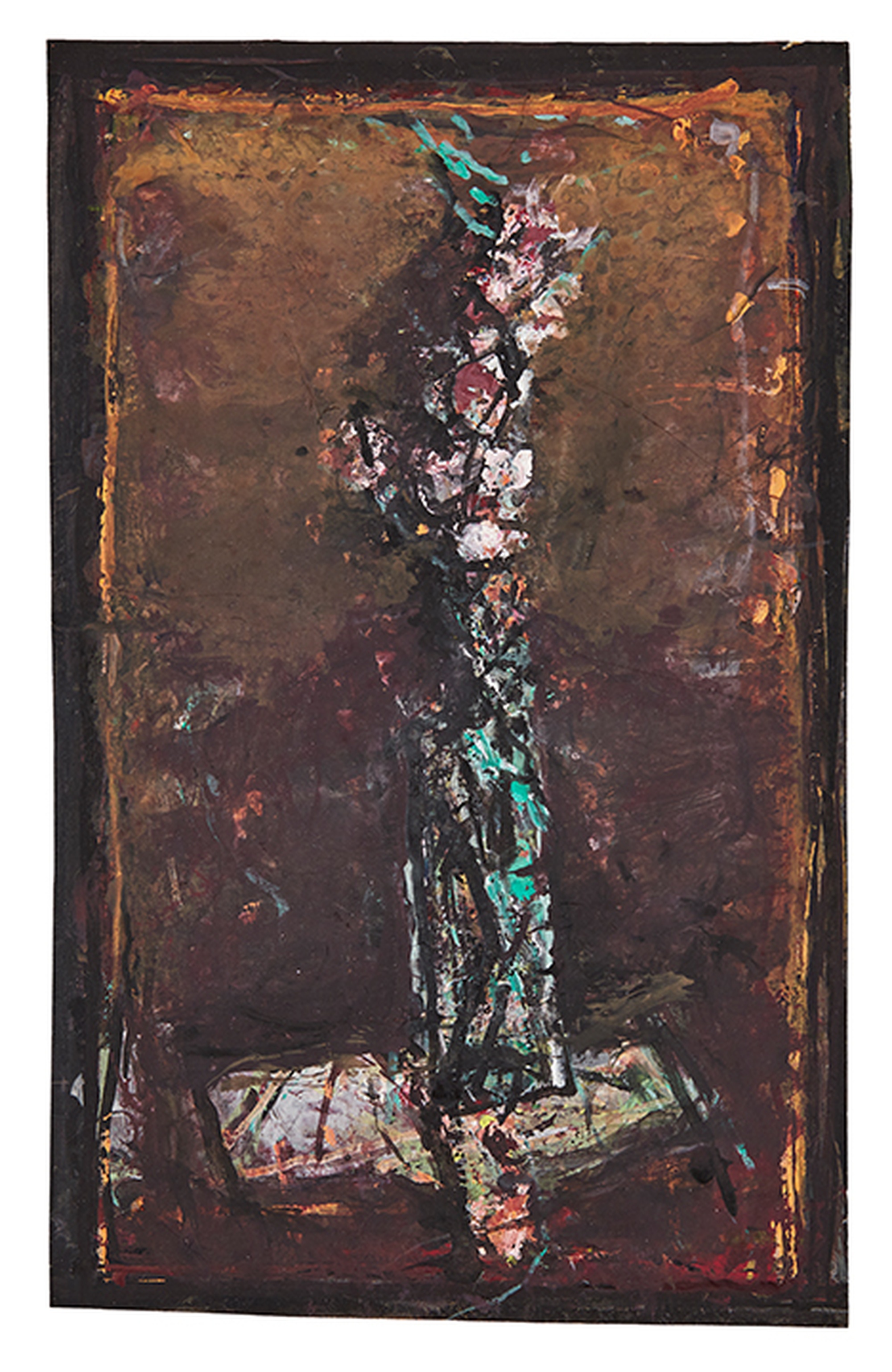
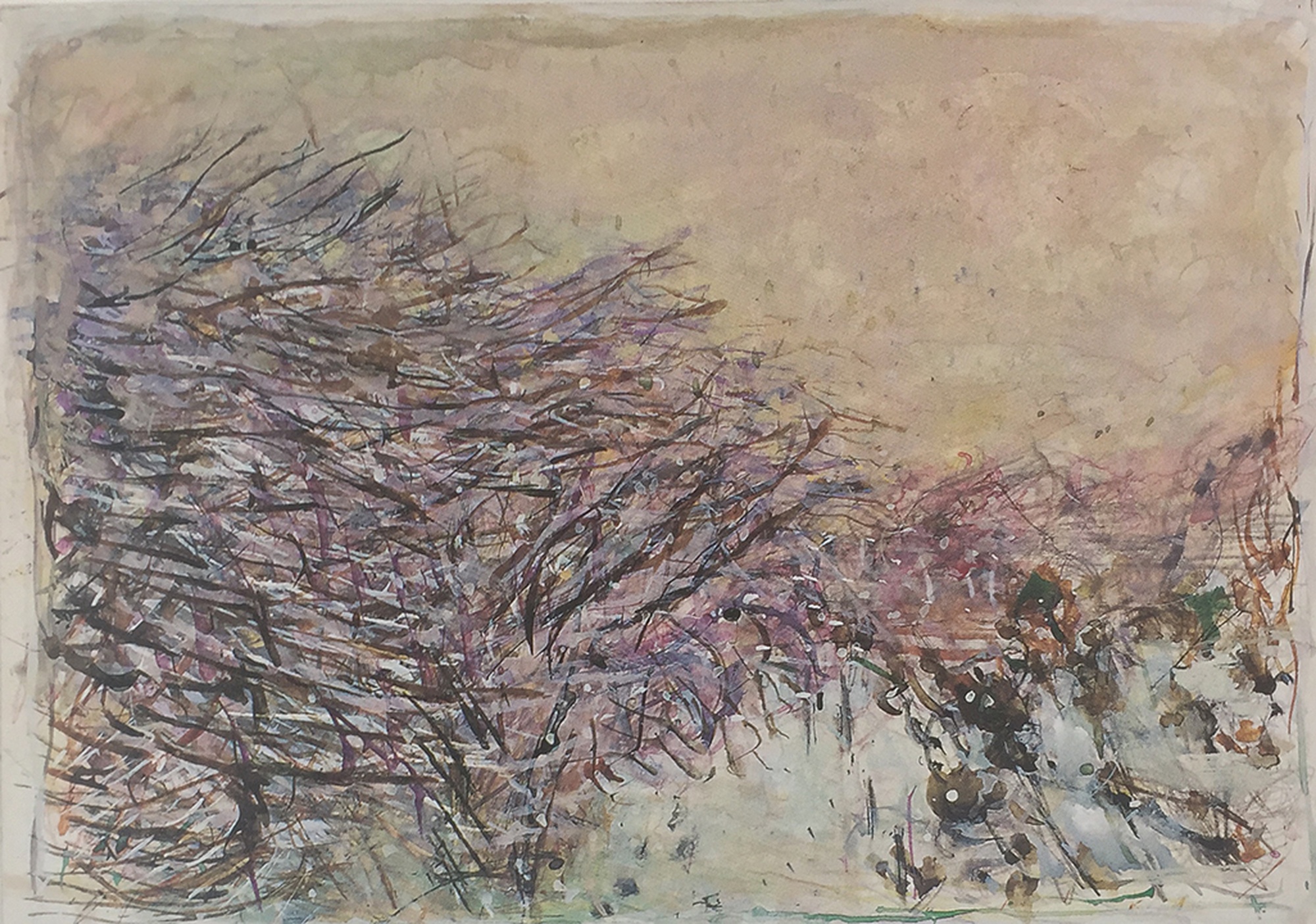
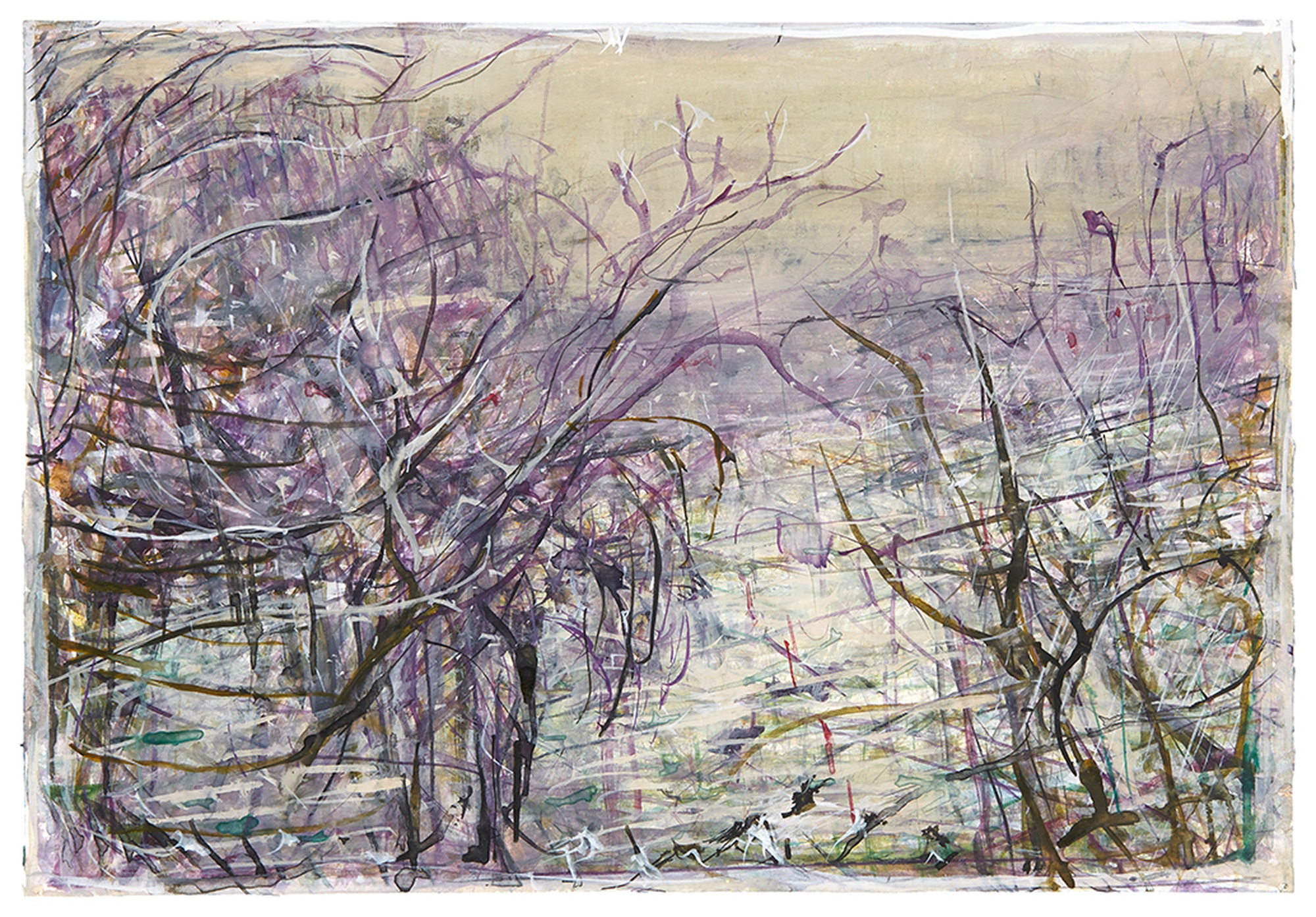
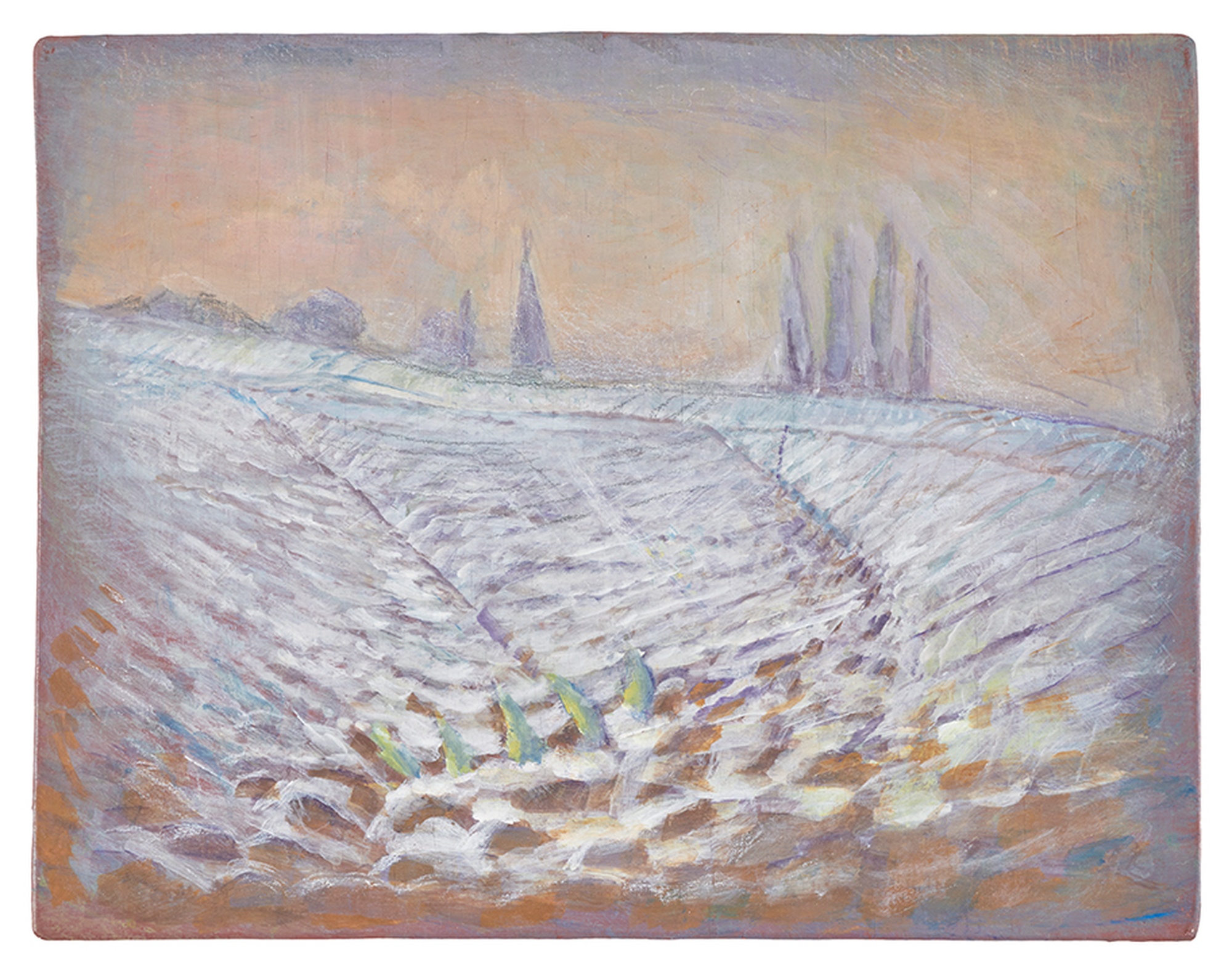
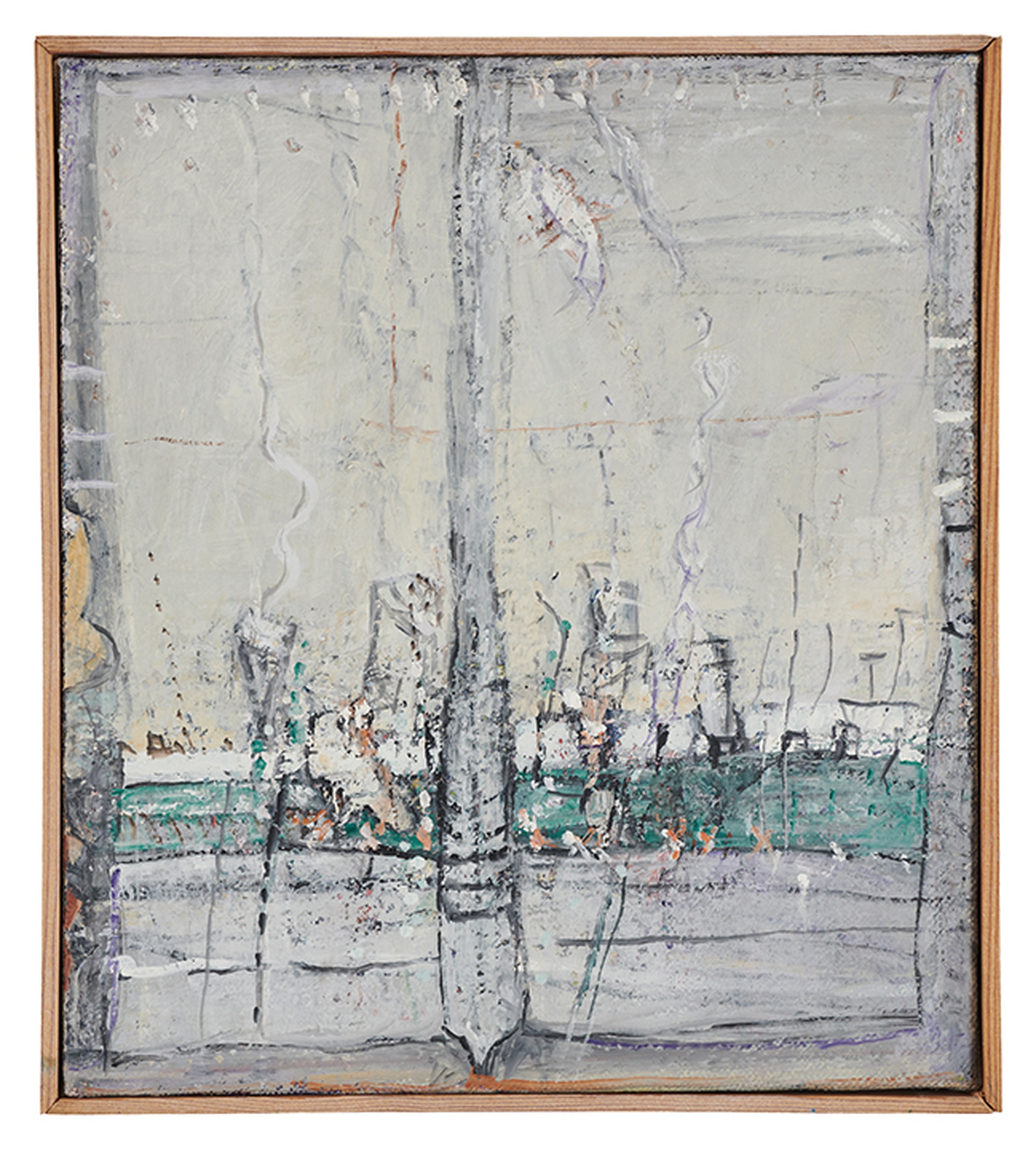
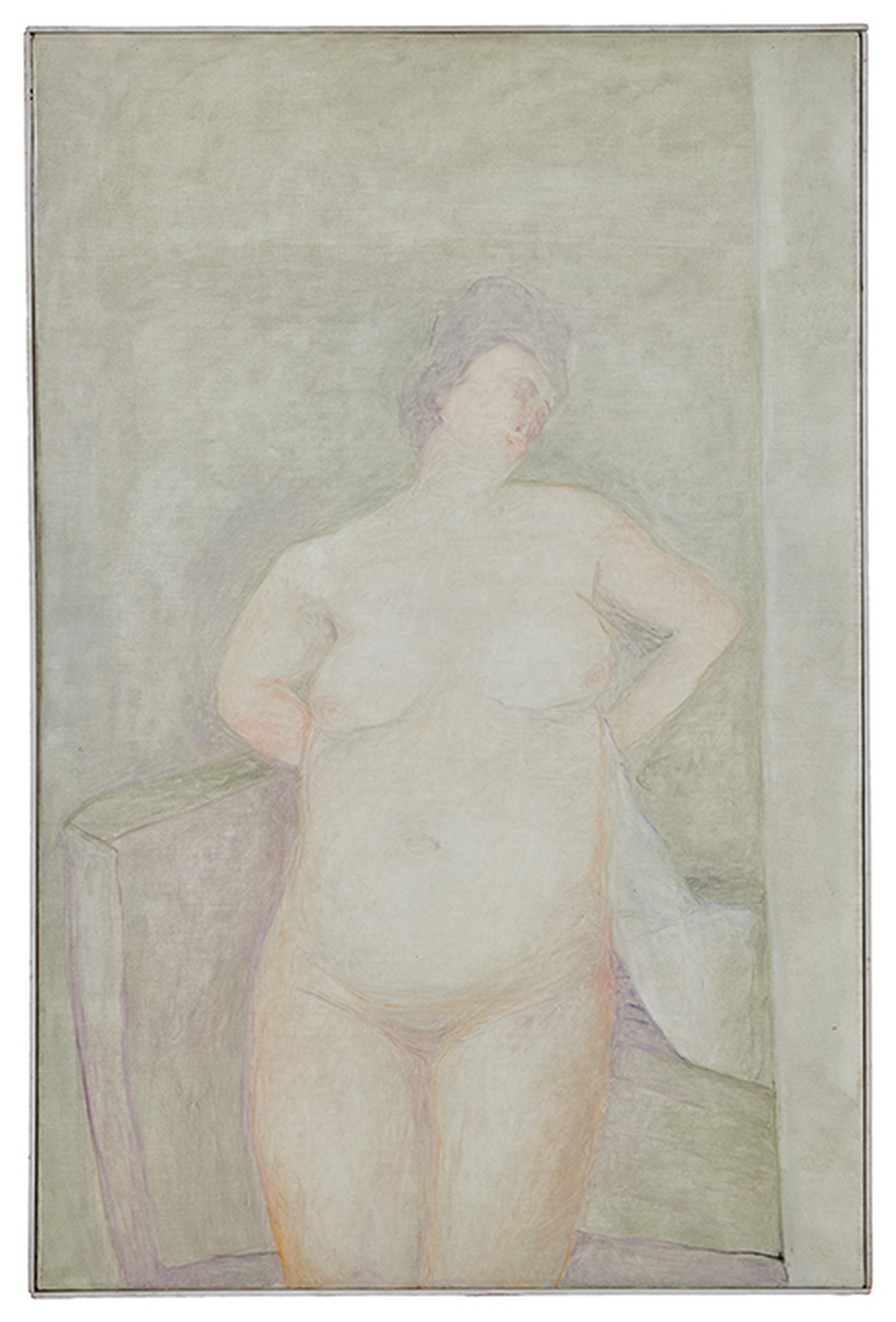
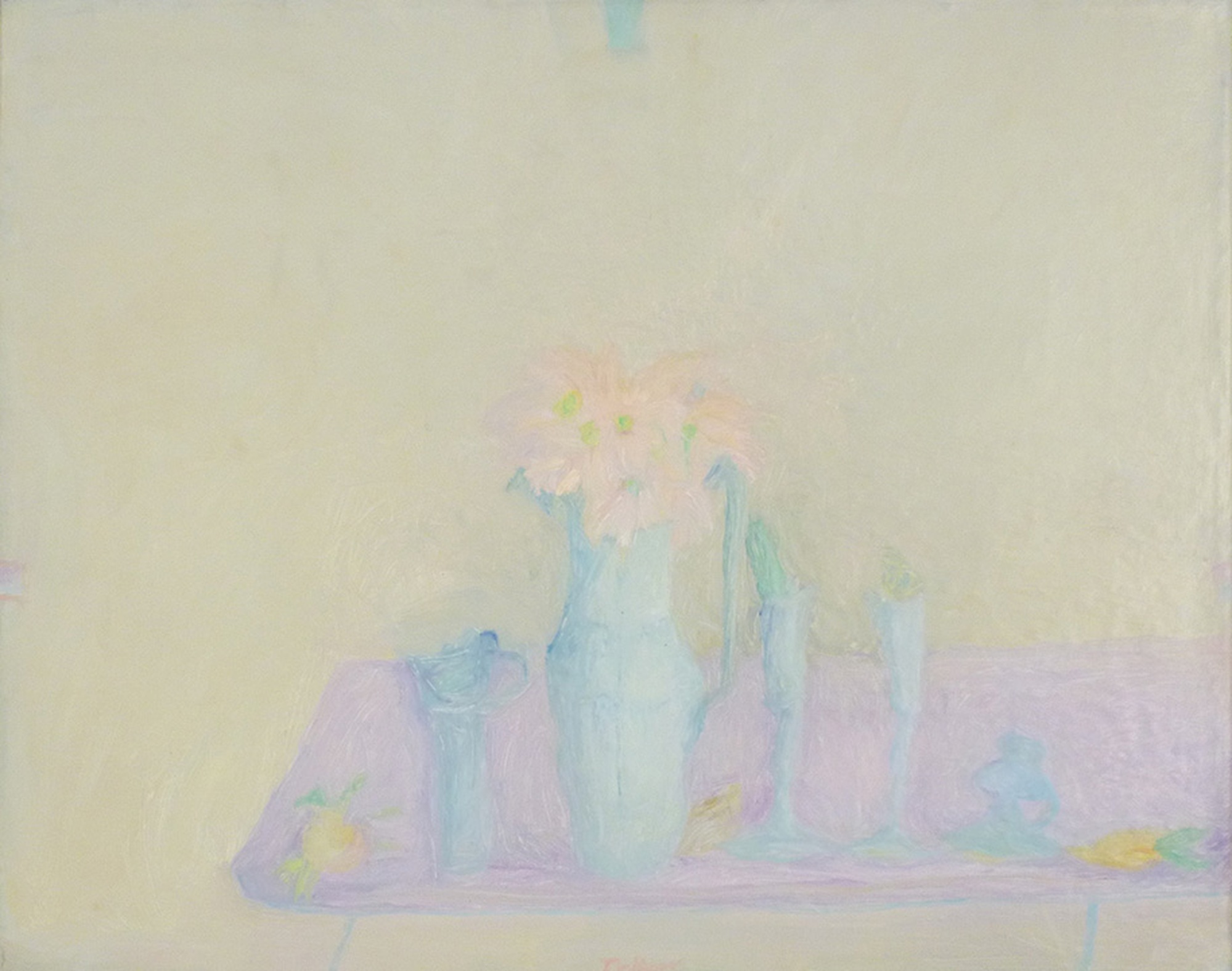
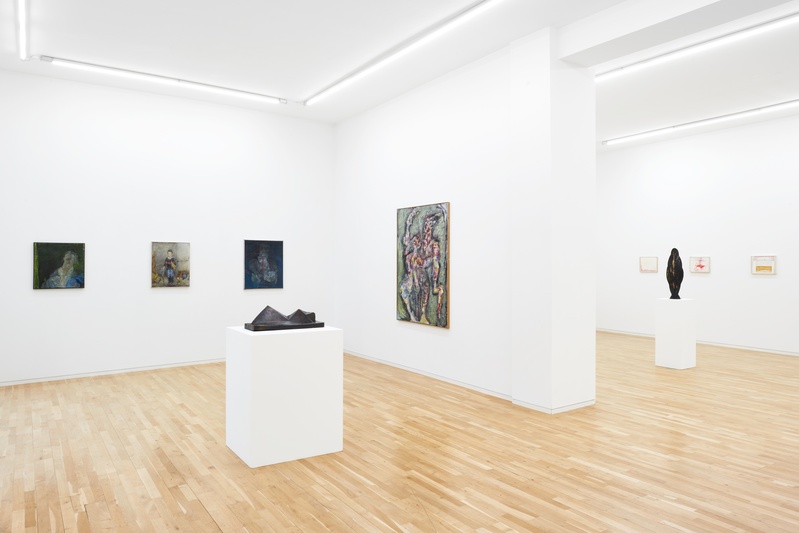
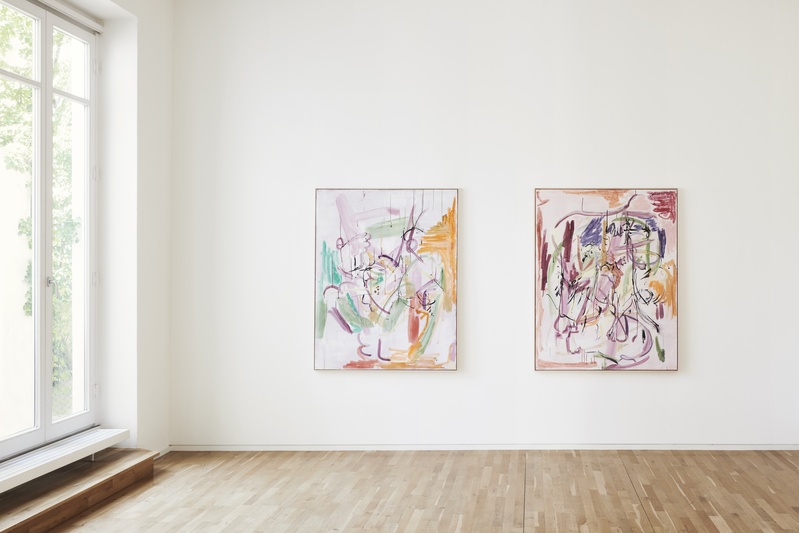
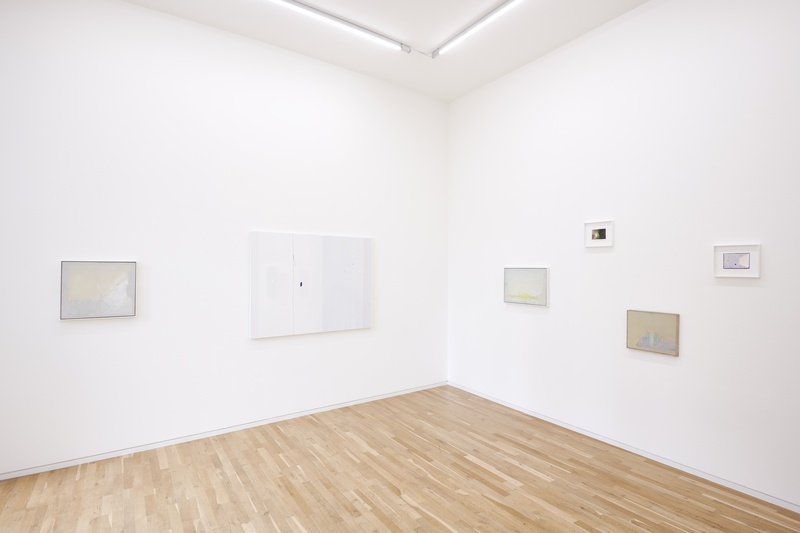
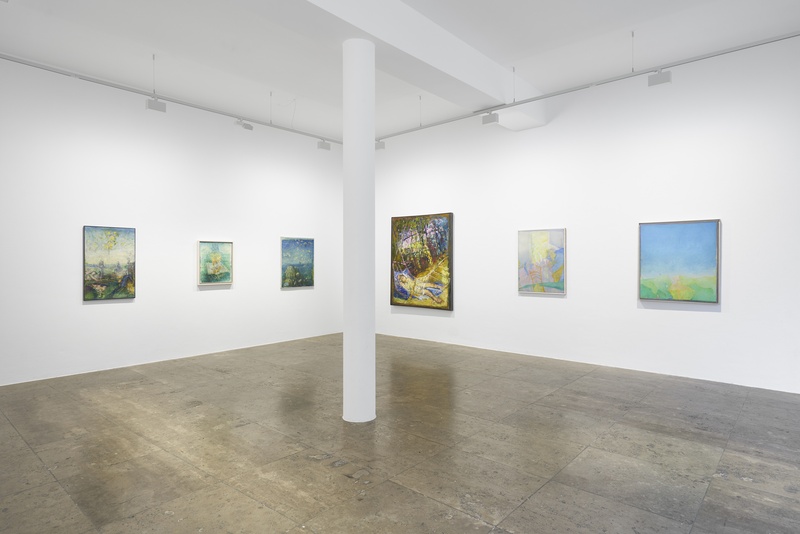
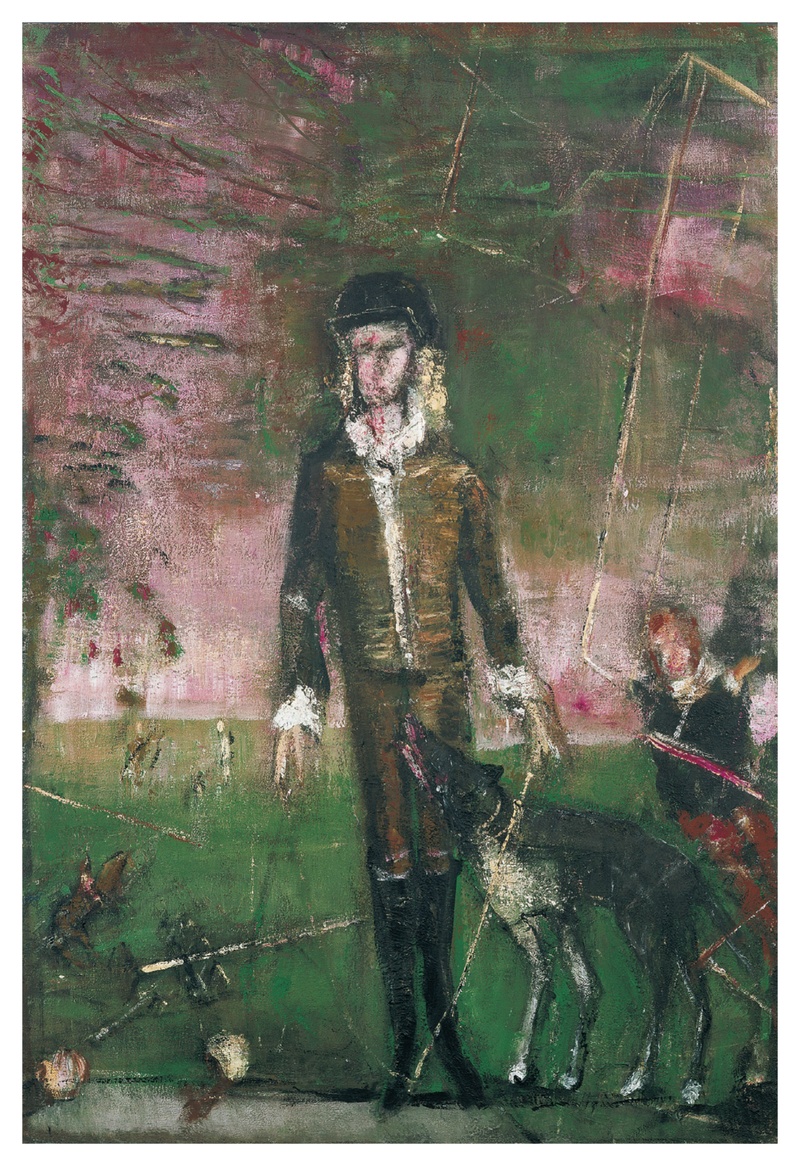
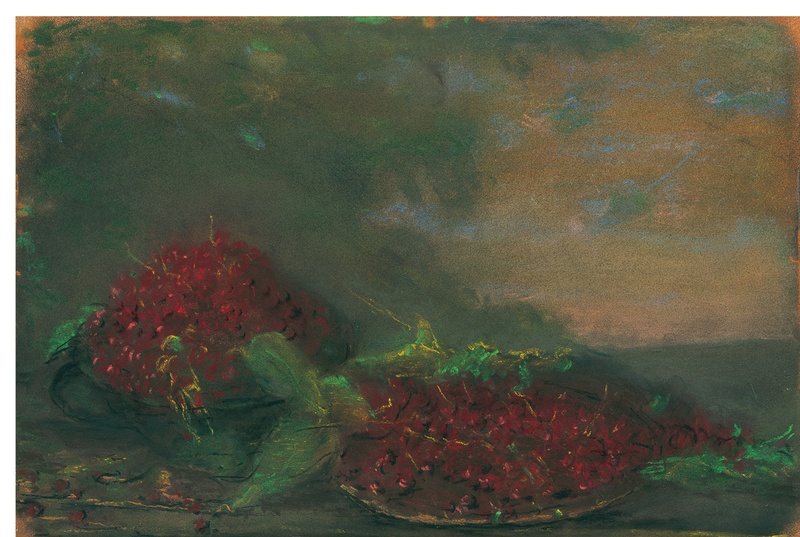
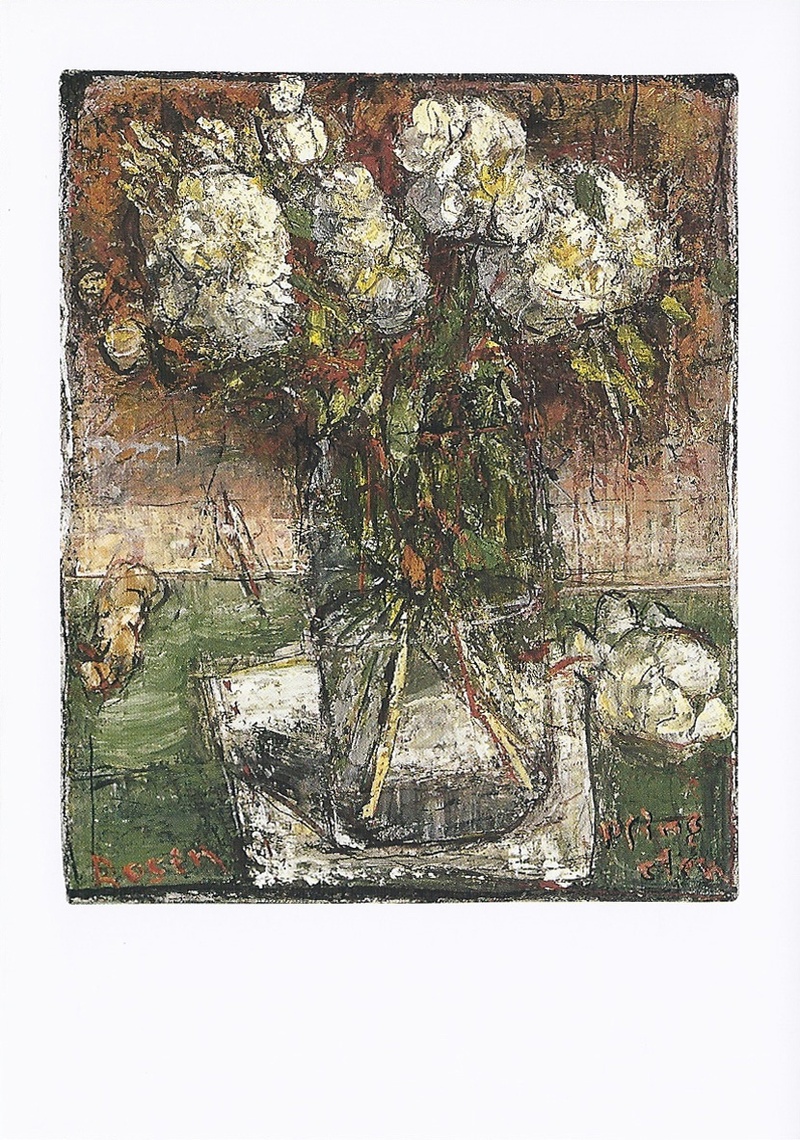
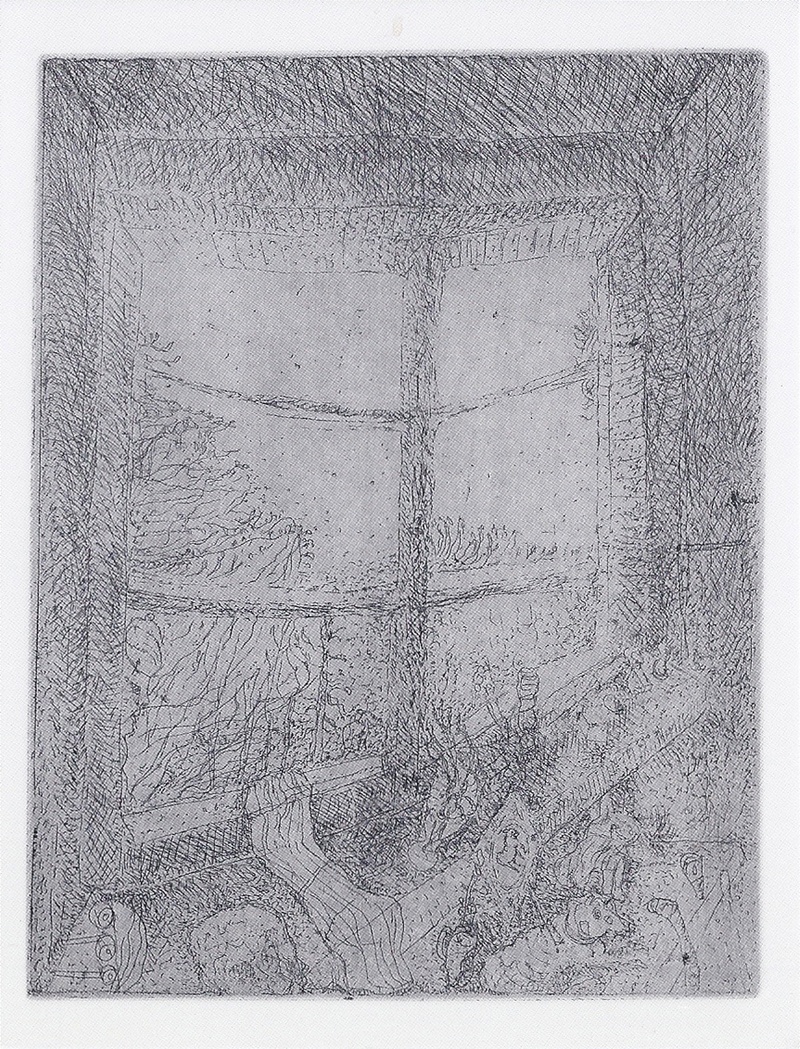
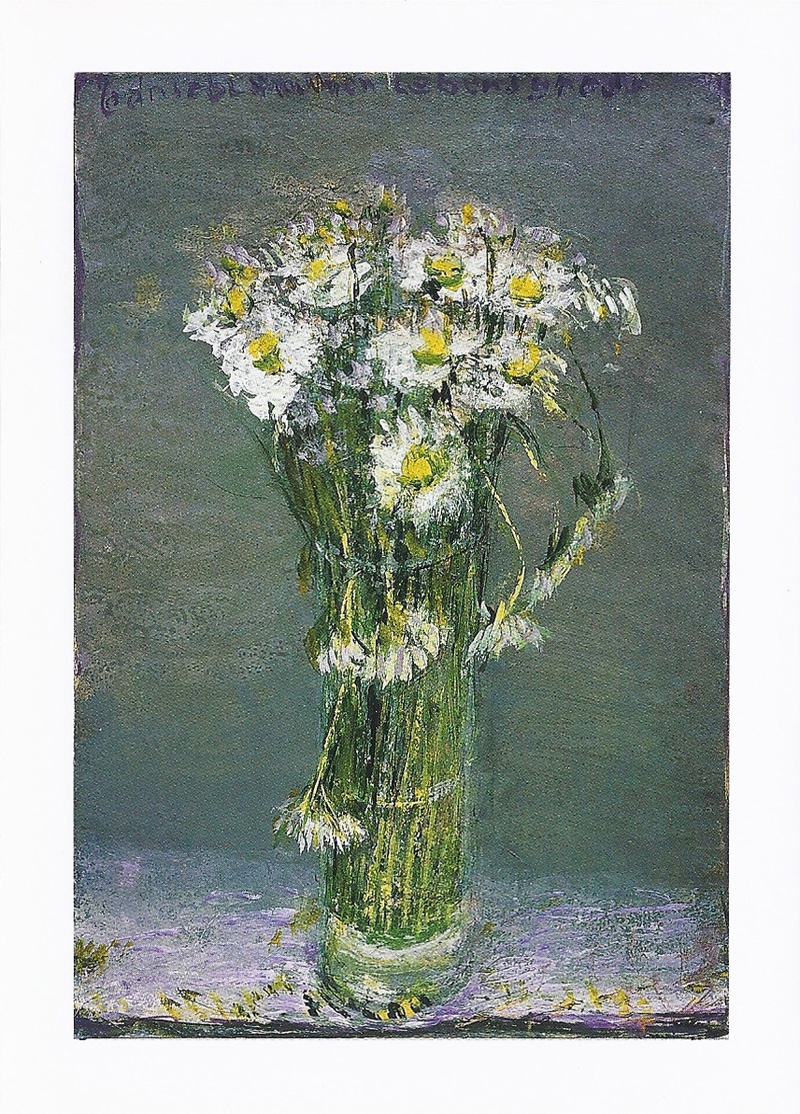
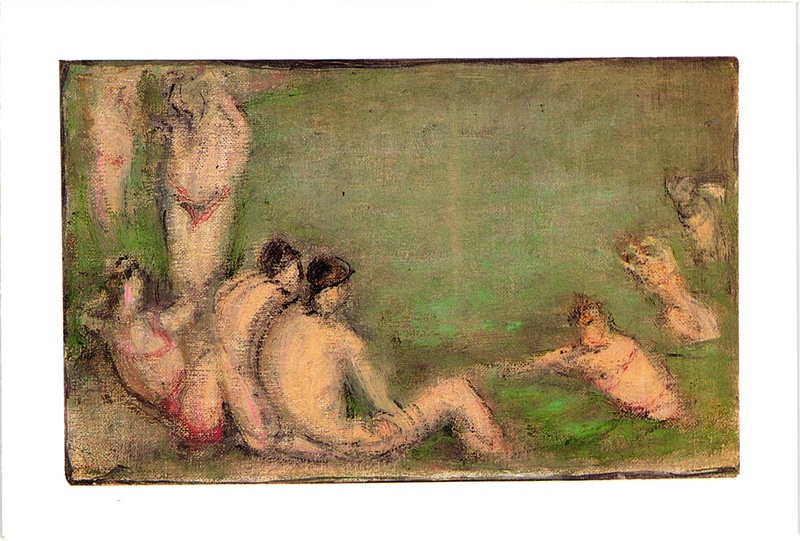
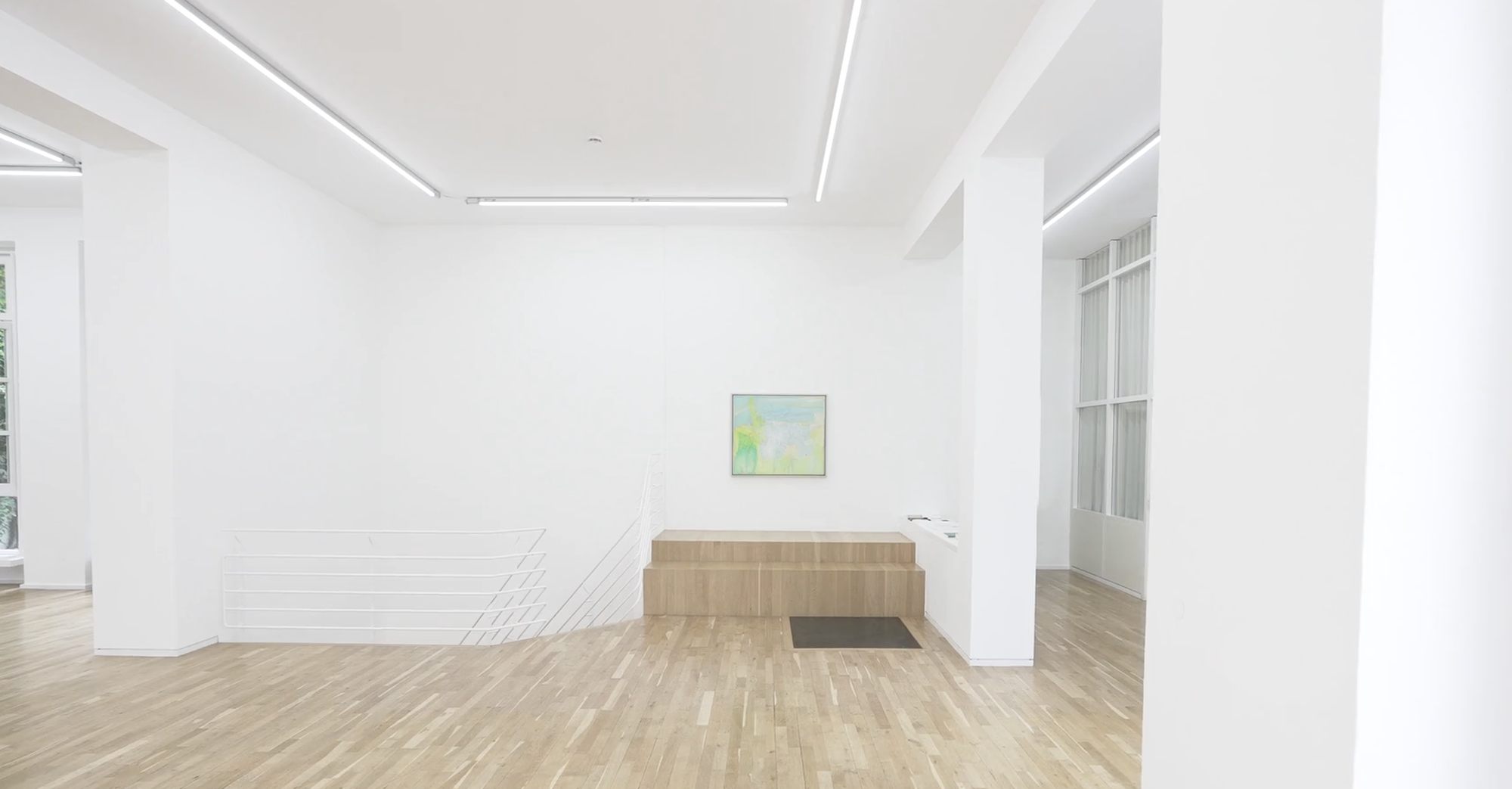
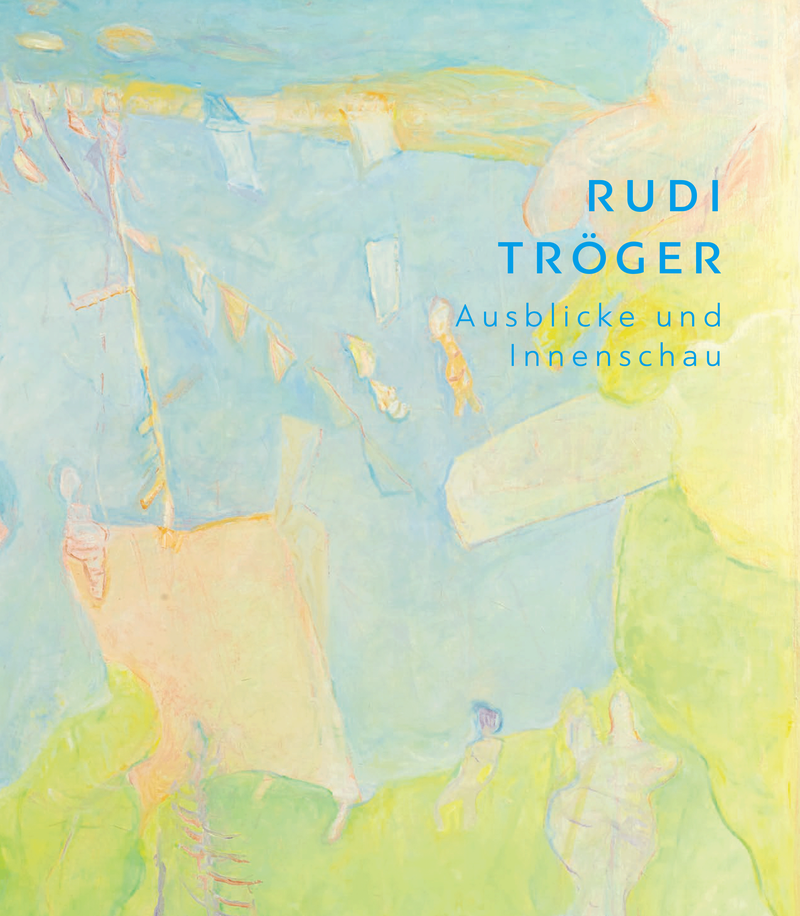
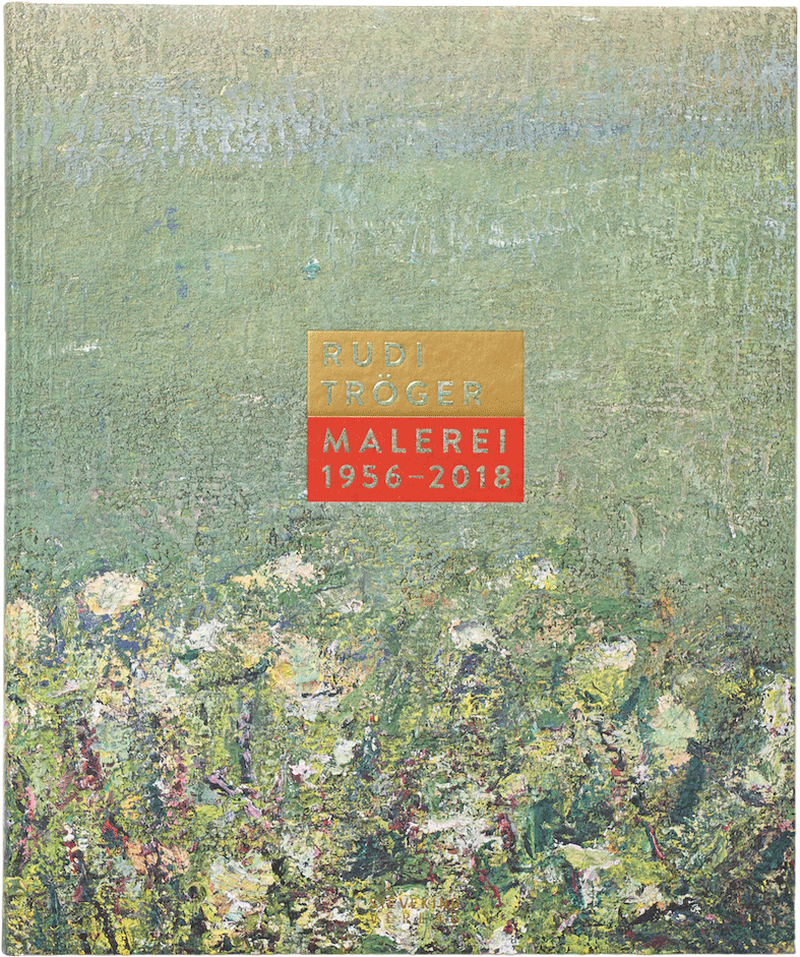
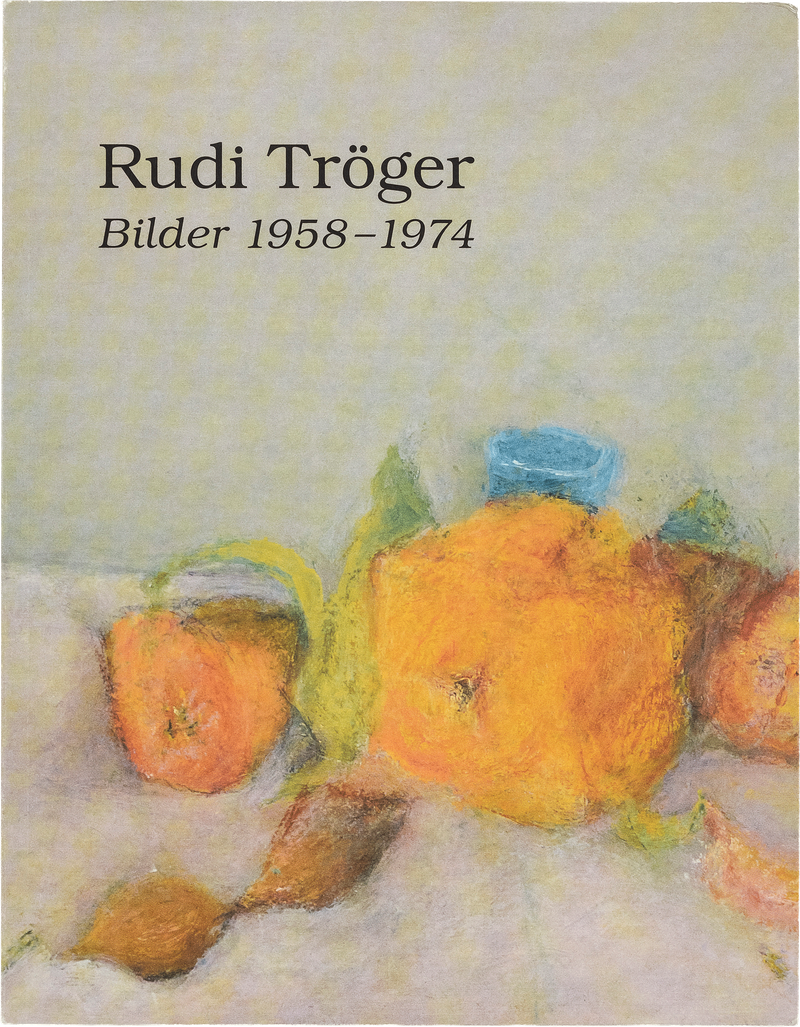
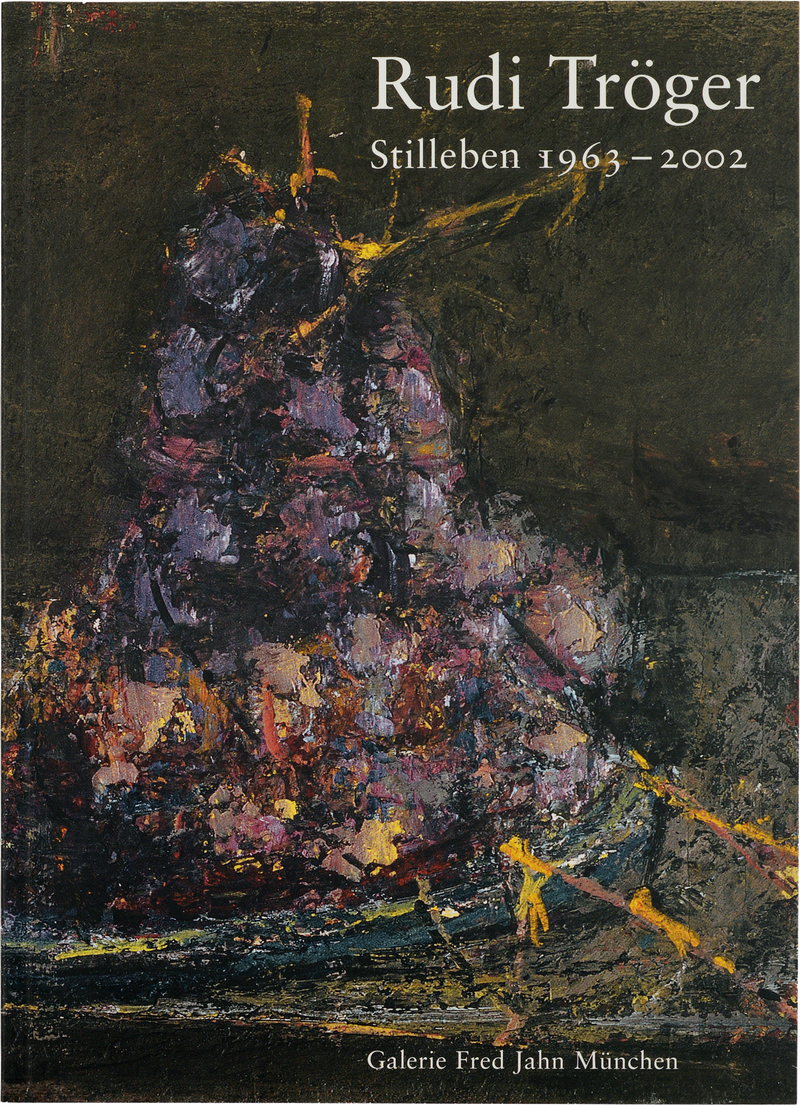
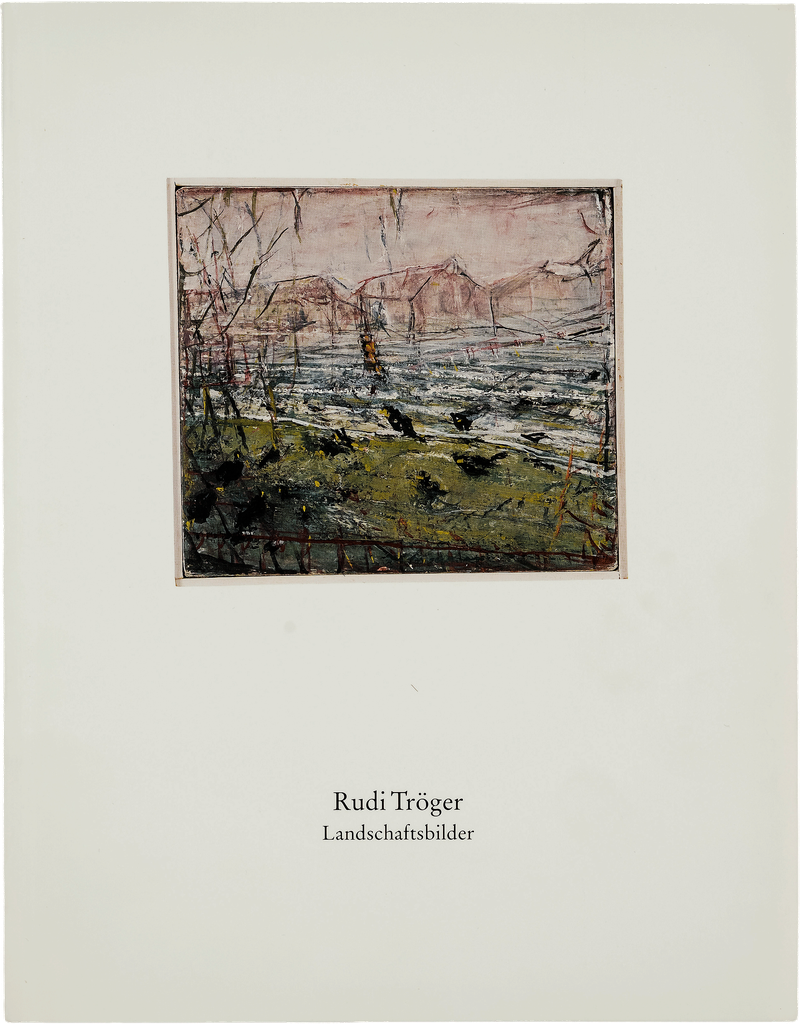
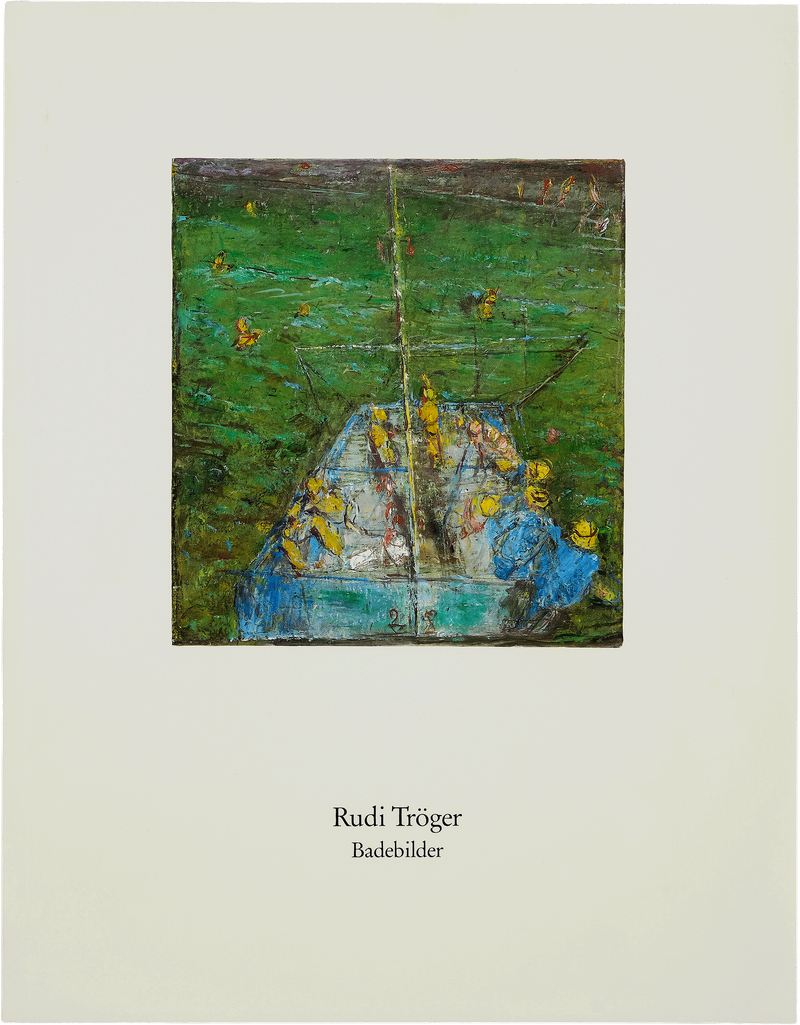
Starting from the early 1960s, Rudi Tröger (1929–2025) devoted himself to the classic subjects of landscape, portraiture and still life. Tröger’s art draws inspiration from nature, but rather than depicting it, it transforms it trough the construction of pictorial space, which brings things into being. The painter was not interested in their objectivity, but solely in those metamorphoses from the ‘visual experience’ to the ‘image idea’ that occur in the usually lengthy process of painting and through the used painting mediums.
But his pictorial approach, the complex genesis of each work reveals traits of fragility, unrest, and doubt, always including the category of failure. Tröger's contemporaneity, the sign of “presentness” in the later twentieth and early twenty-first centuries, is founded in these traits. When viewed only superficially, however, his work threatens to be easily misunderstood as a result of its alleged other-worldliness and outsider position. Ultimately, it is this ambivalence and permanent tension between the retrospective analysis of his subject matter and the painterly act set firmly in the present that Tröger continually reimagined. This is where the tragedy and greatness of his work are rooted. Read More
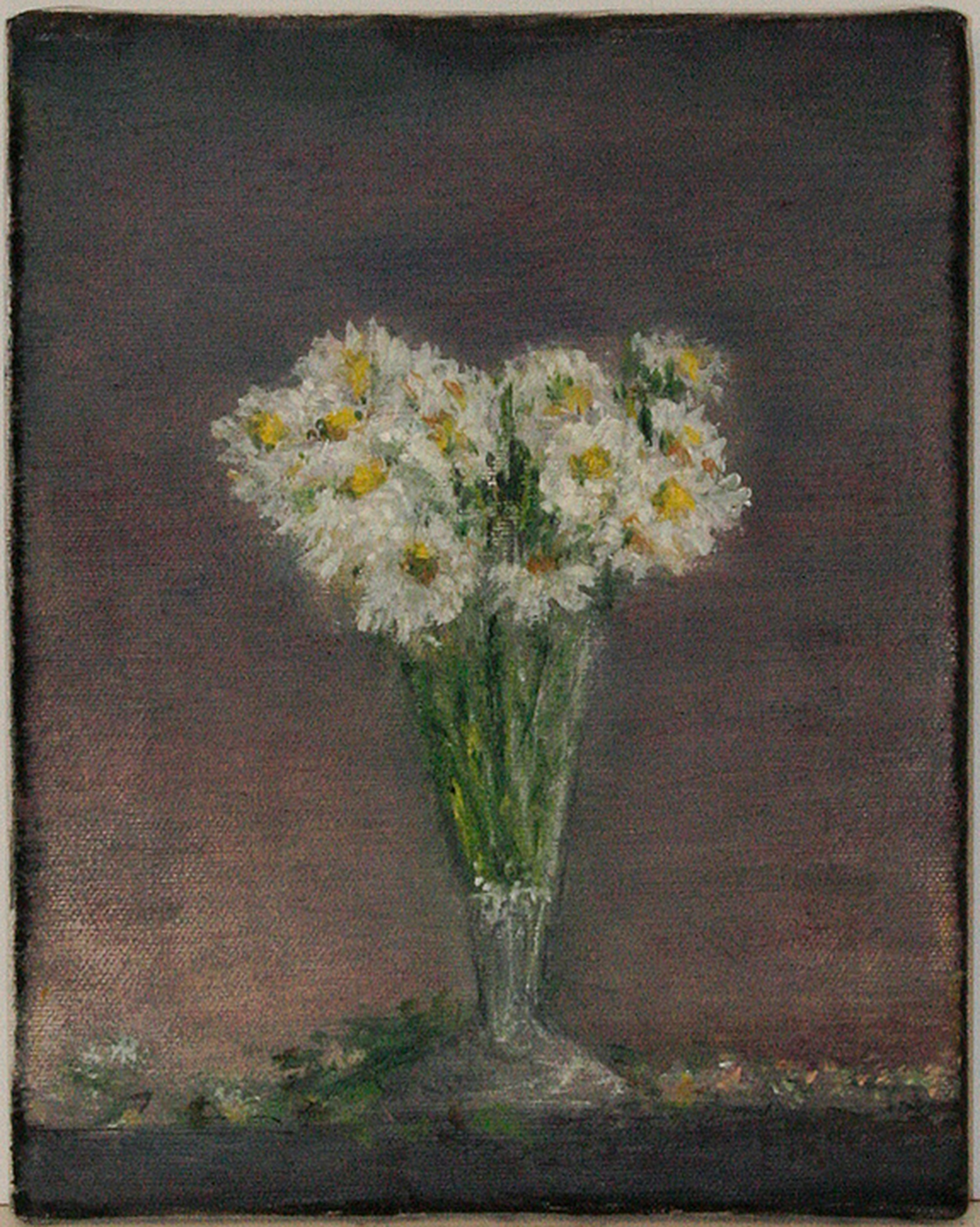
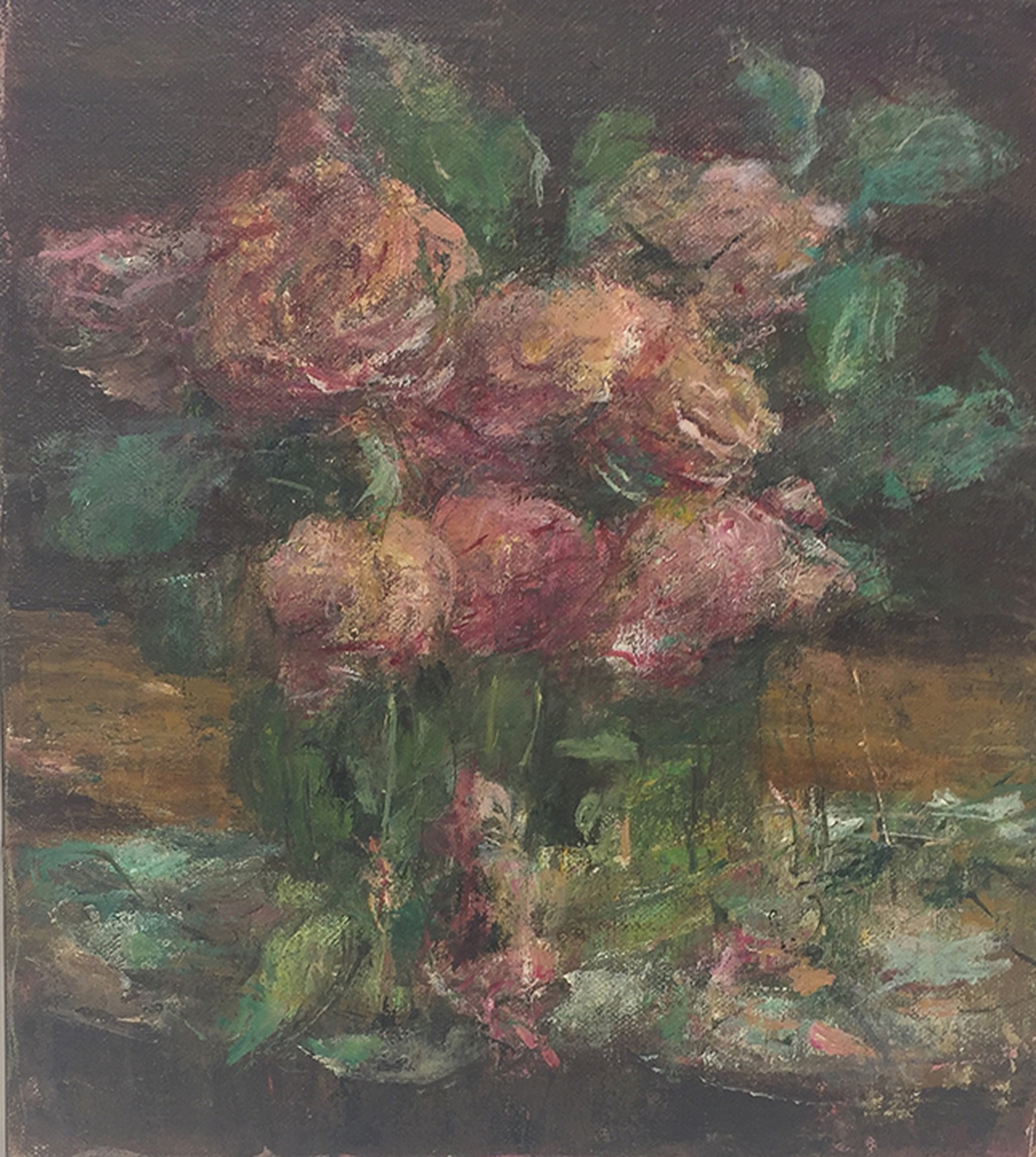
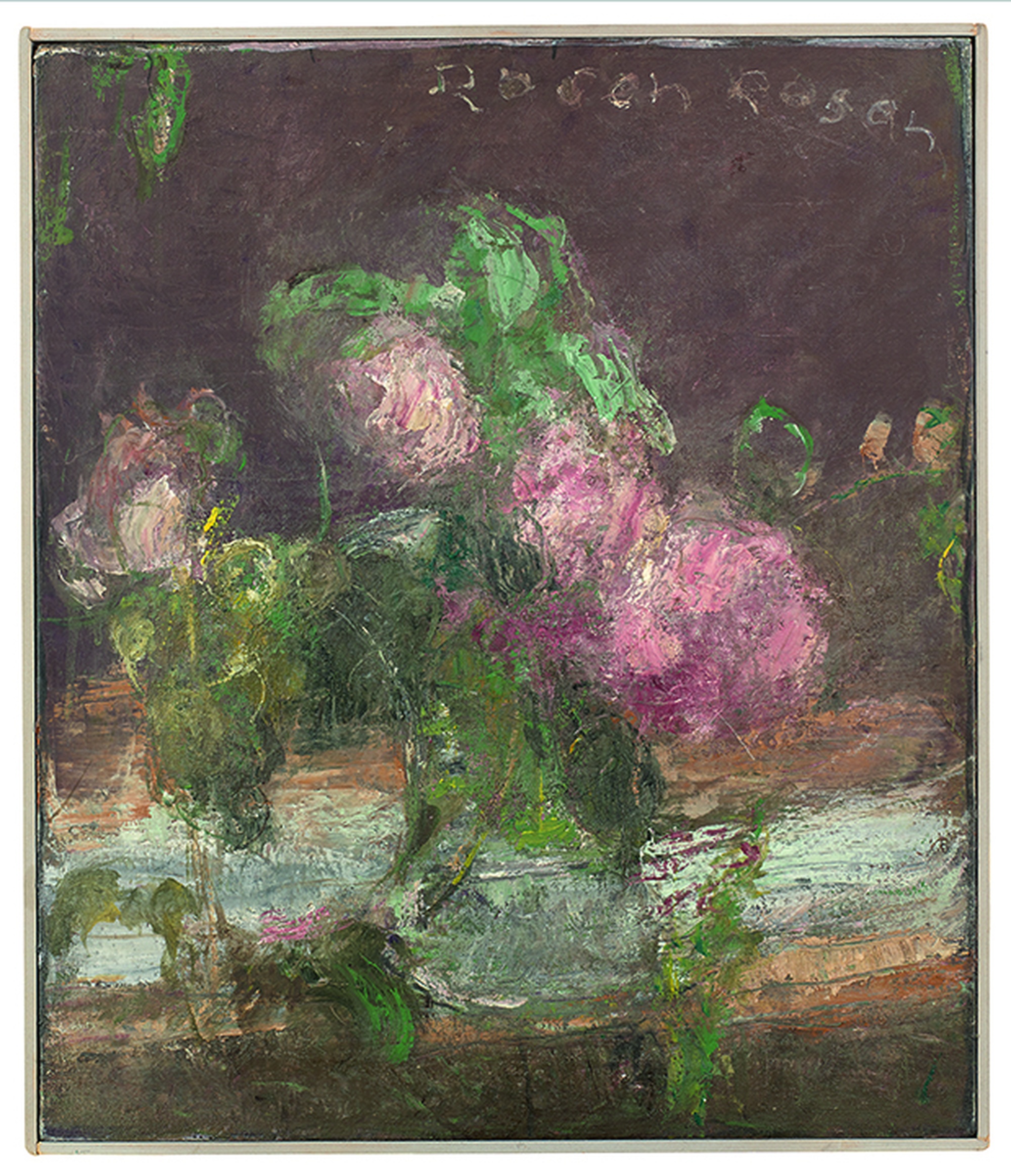
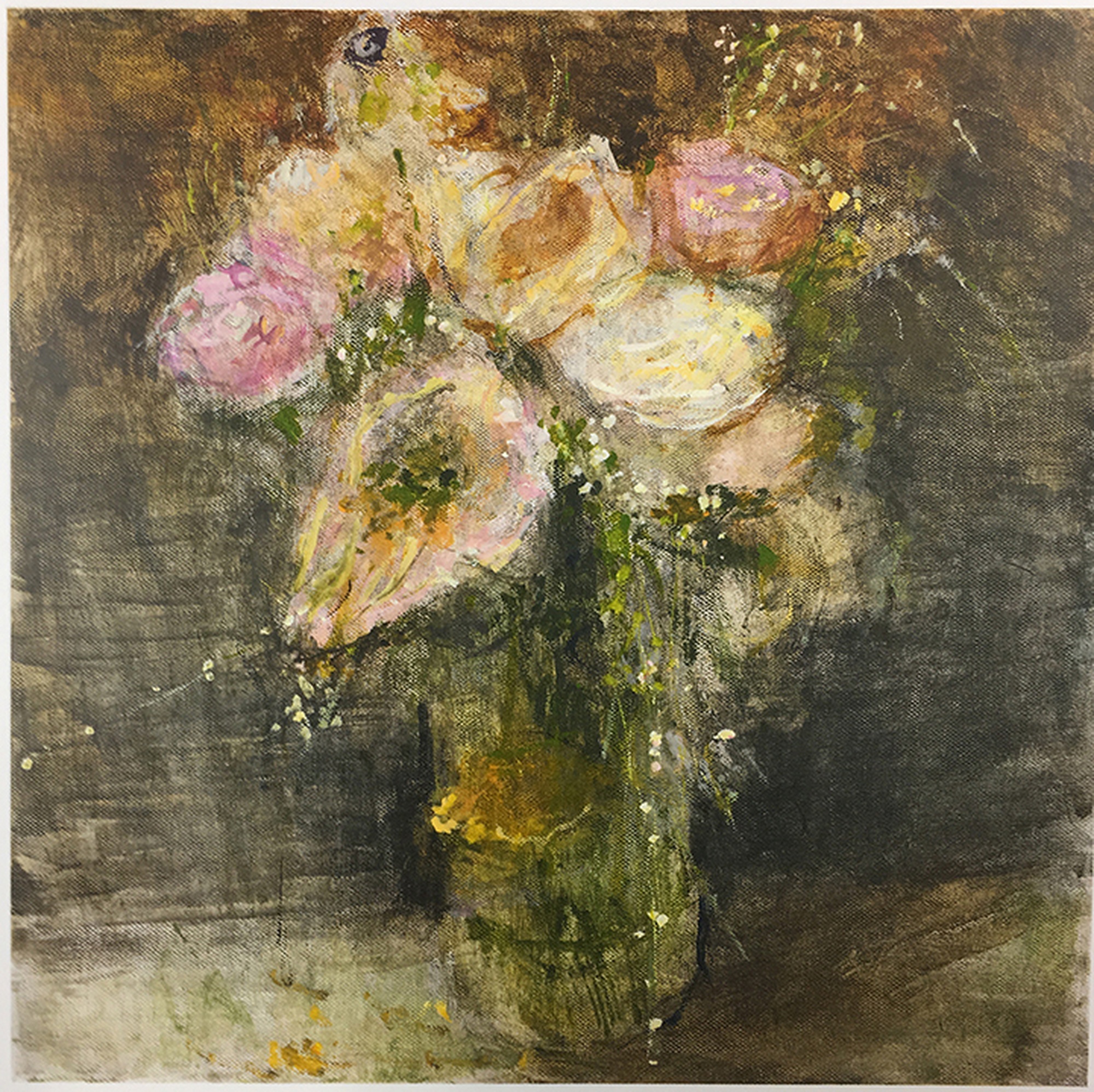
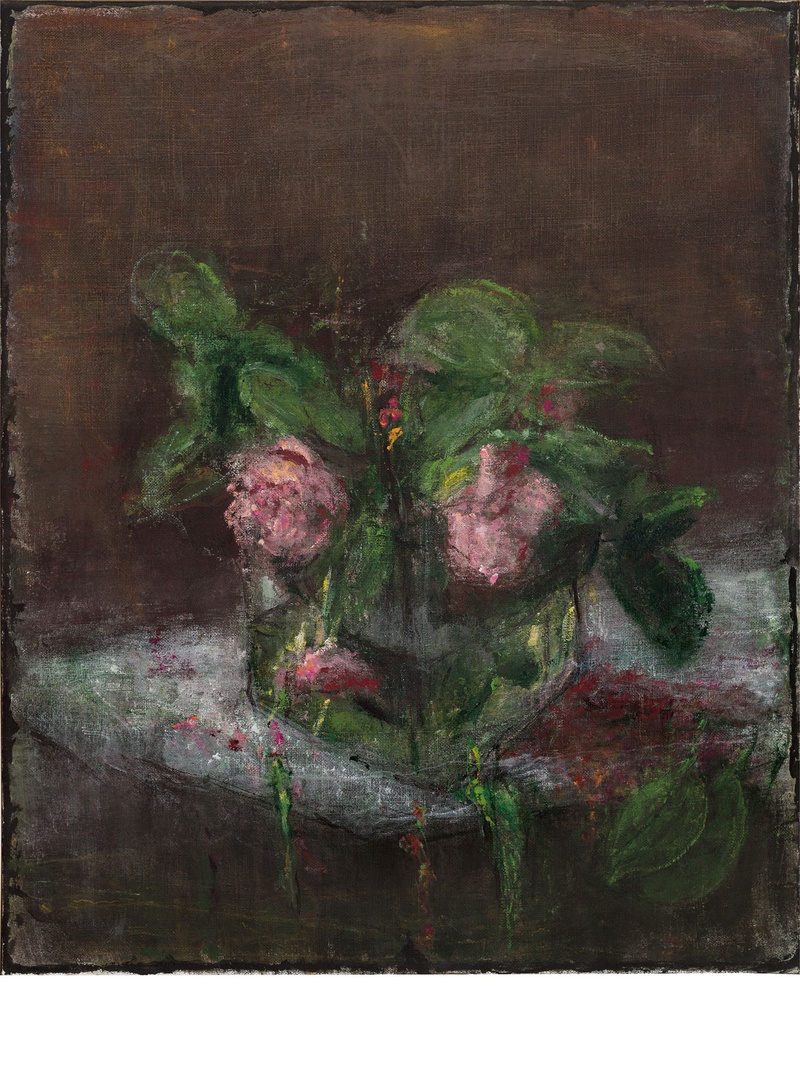
On the occasion of his first exhibition in the Kunstraum Munich in 1977 Tröger explained, that his aim was to make perceptible the sum of “visual experience”. Already in his paintings from the early 1960s, the pictorial spaces were oscillating, multi-layered arrangements. They are characterised by a drawing-like agility and sensitivity, a script-like style, without crossing the border into abstraction, as in the “Informalism” current of that time. In particular, the still lifes and flower pictures which have been created in his late eouvre, songs with predominantly dark, elegiac sounds, could only have been realised by an artist in the autumn of a fulfilled painter’s life. The lilacs, the peonies and hydrangeas, even the sunflowers, which are typically bright, exist on the brink of death. They no longer appear fresh, but are not yet completely withered. From this ambiguity, wonderful painting emerges which seems to hold time in limbo. We become aware of an utter immersion in the object, a sensitive surrendering, merging “subject” and “object” together.