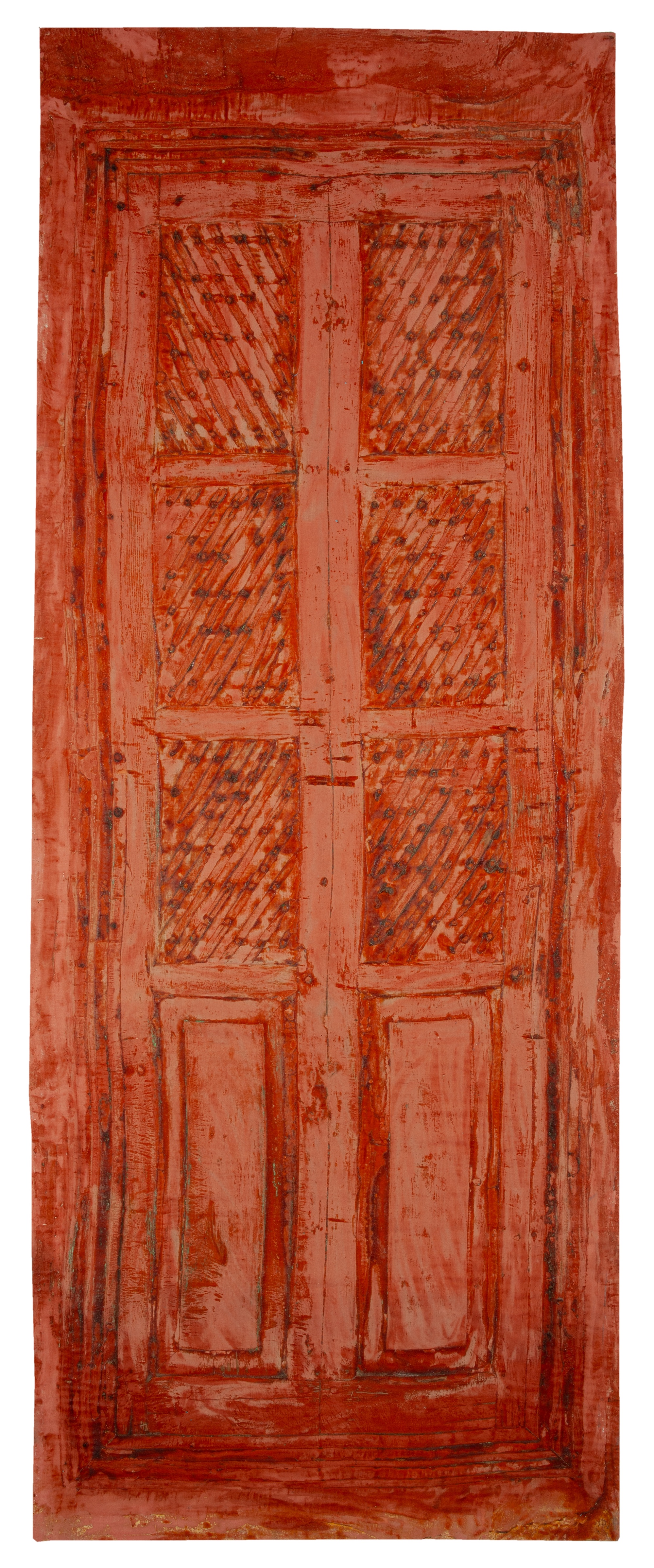
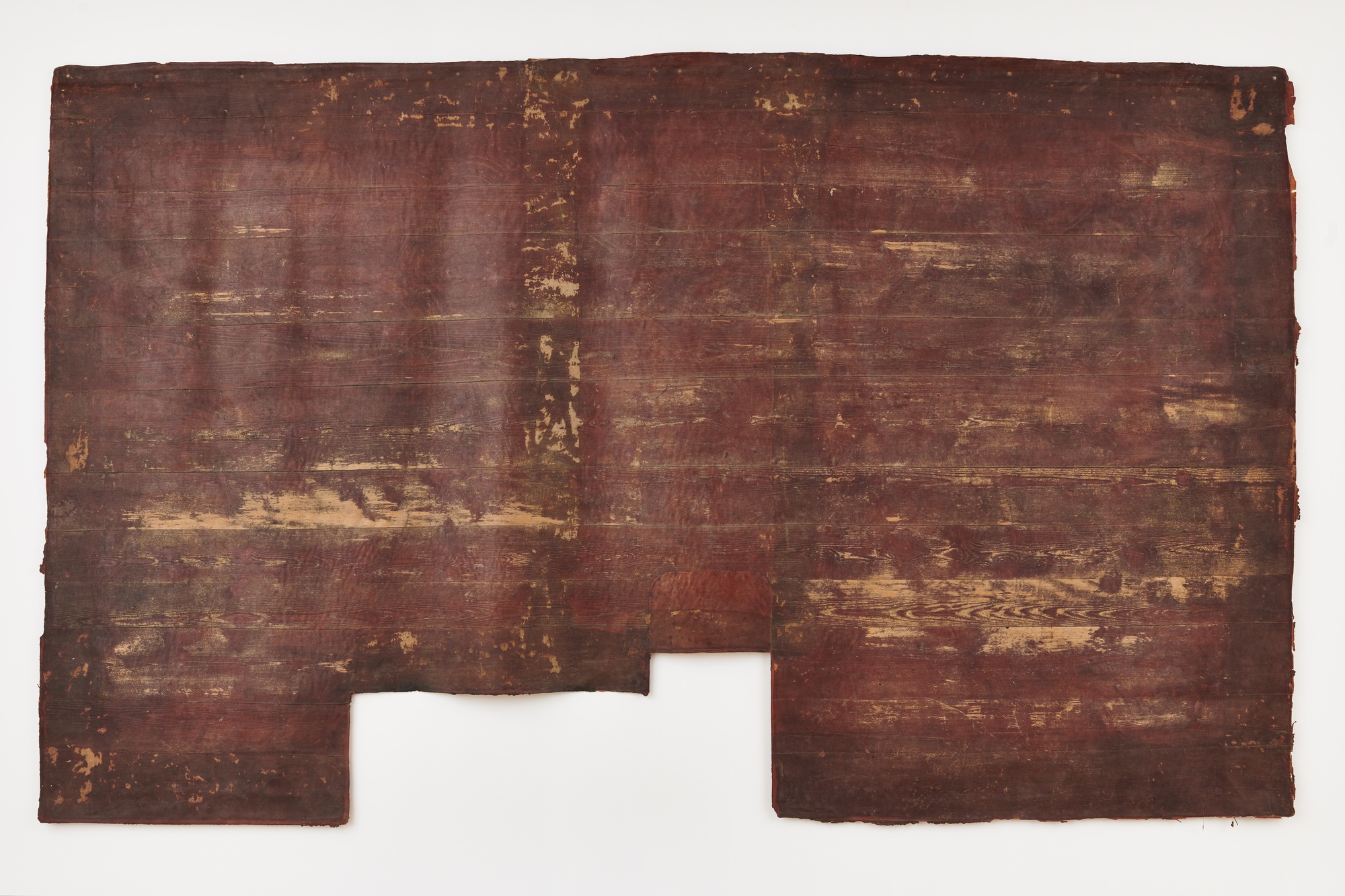
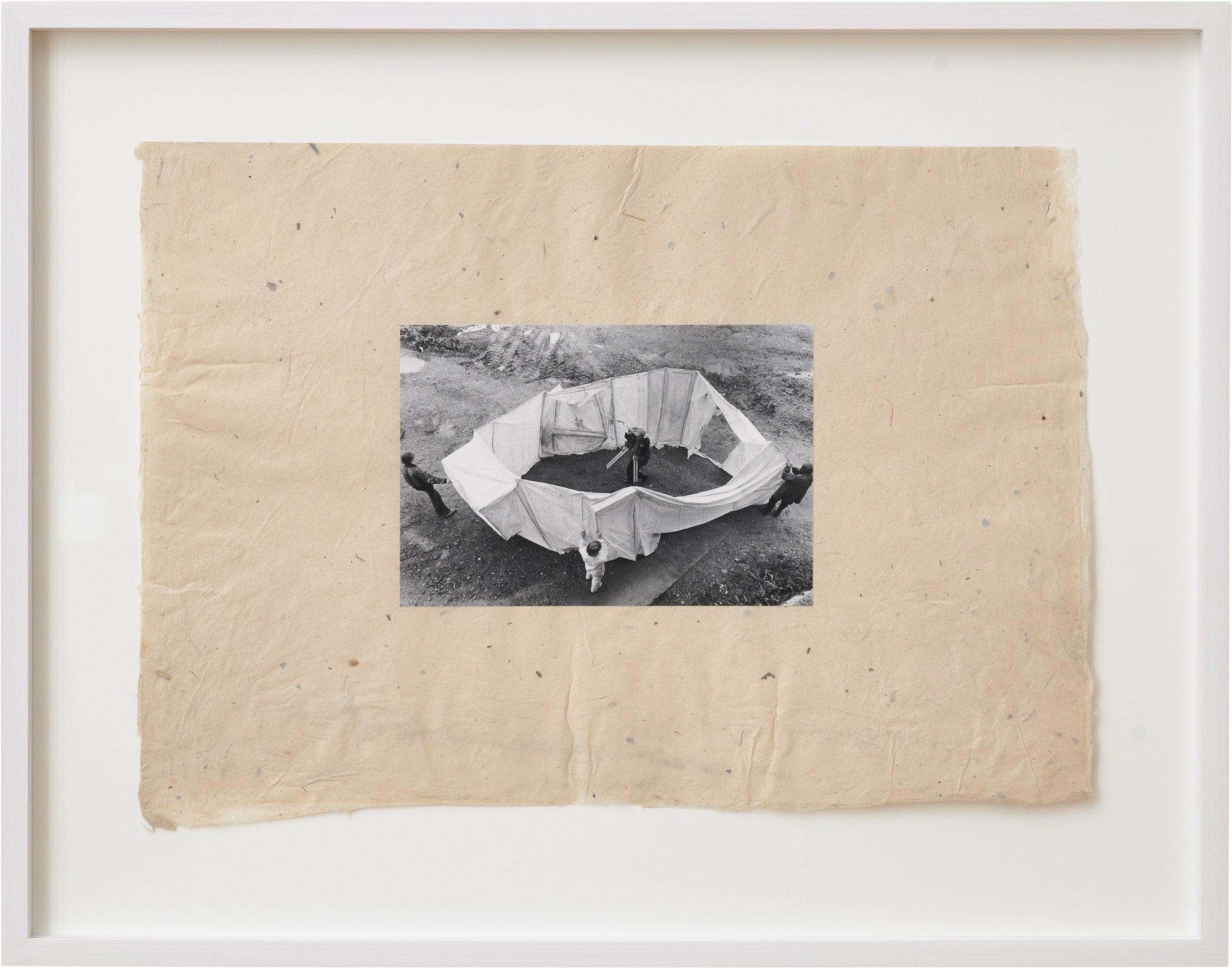
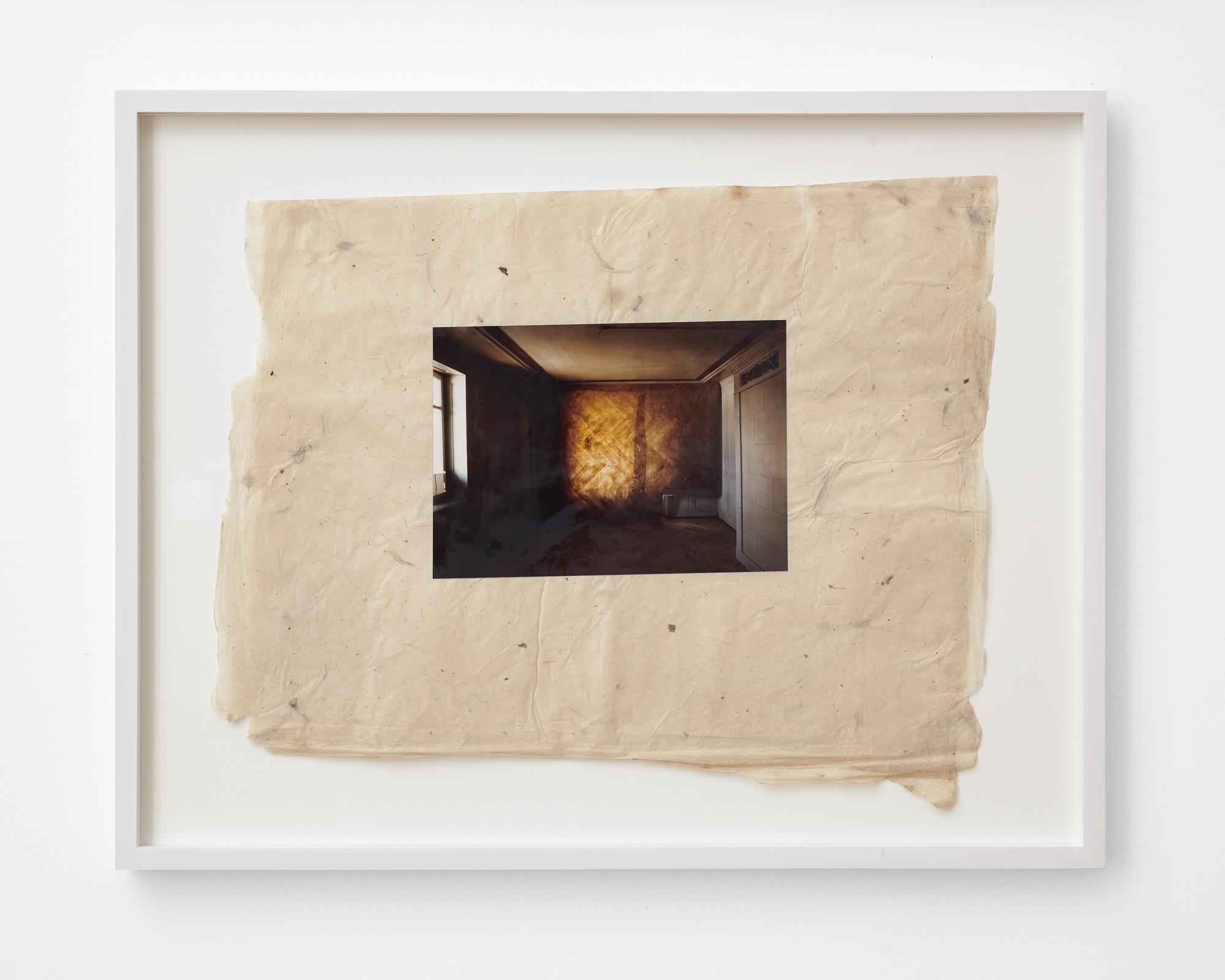
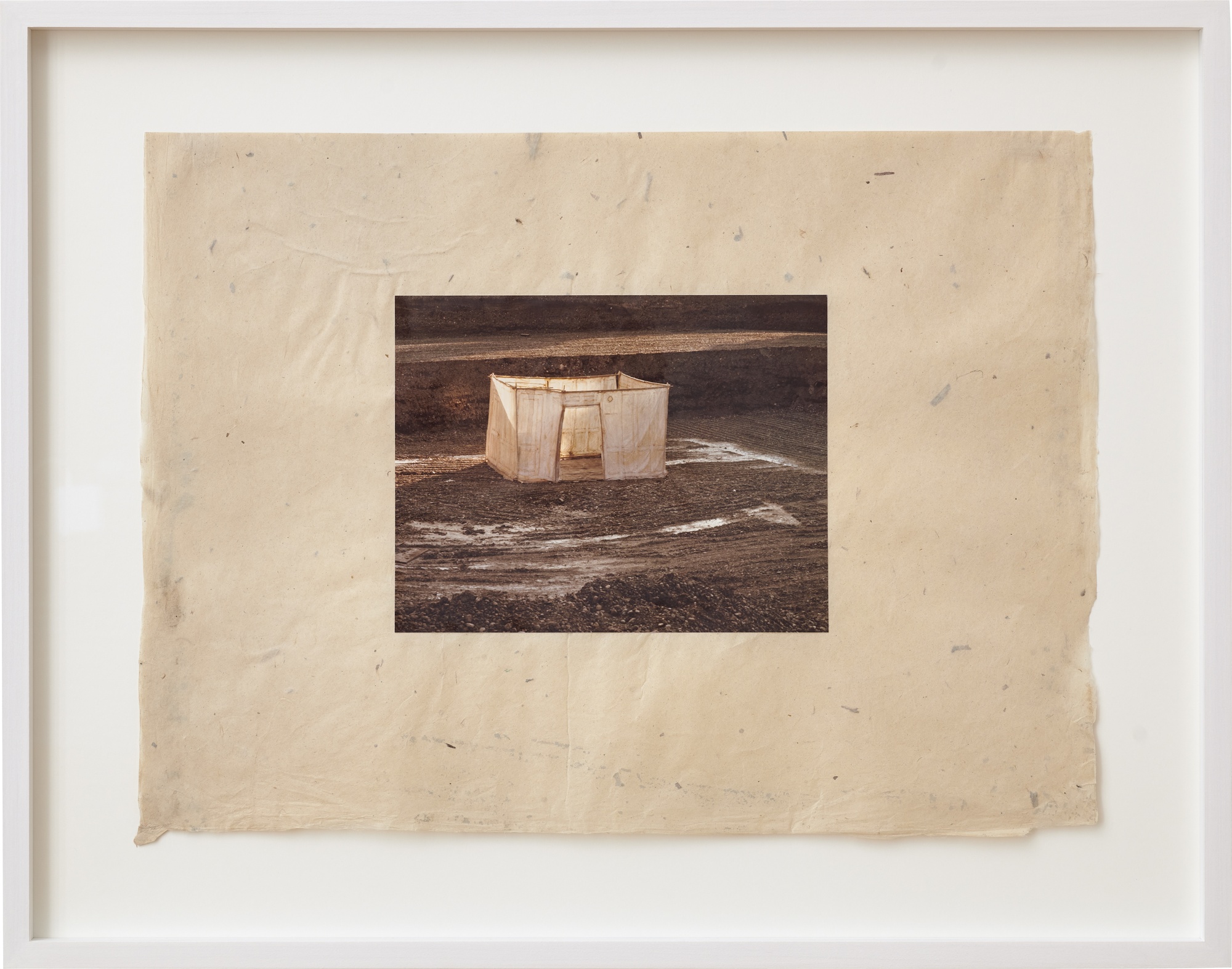
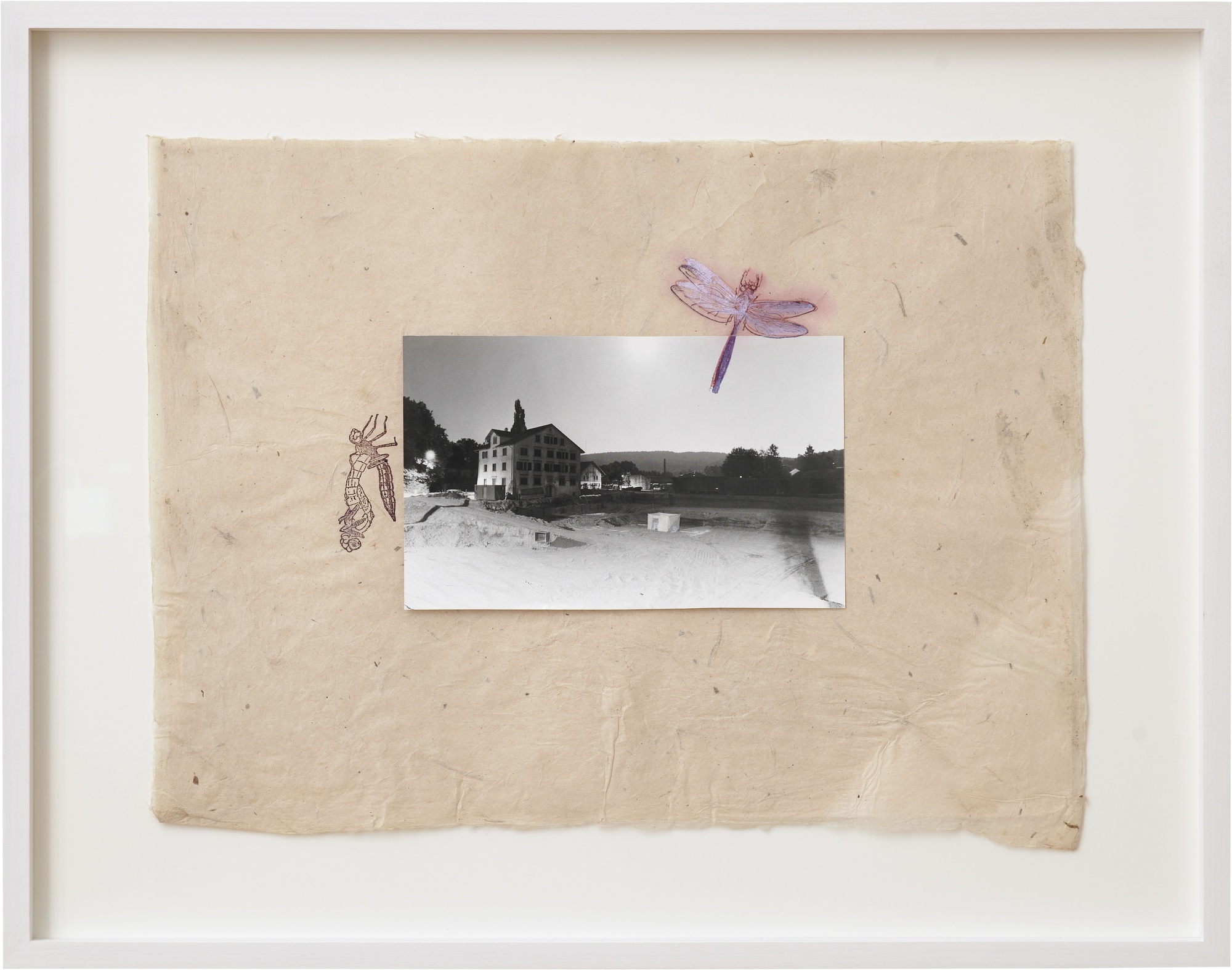
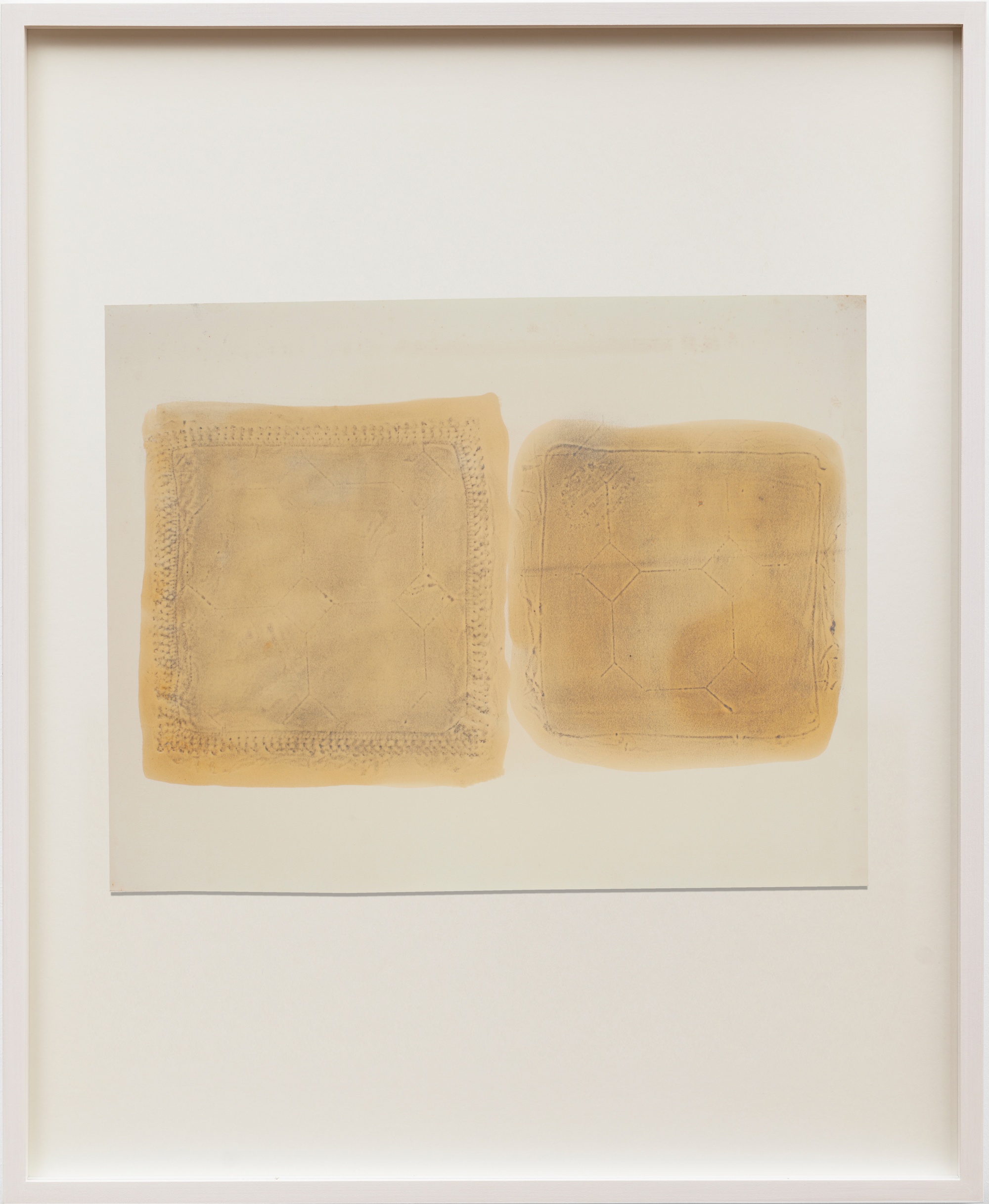
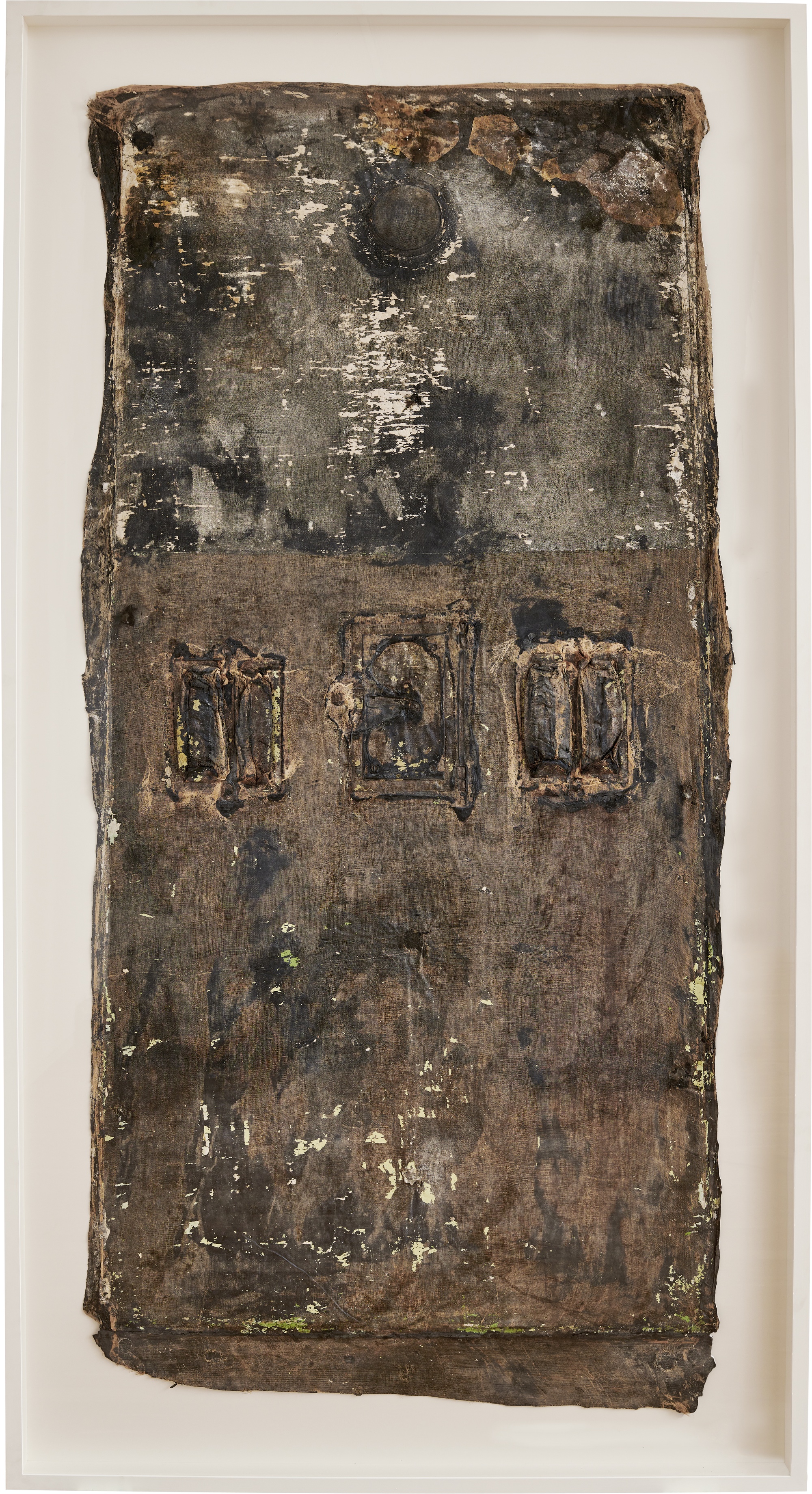
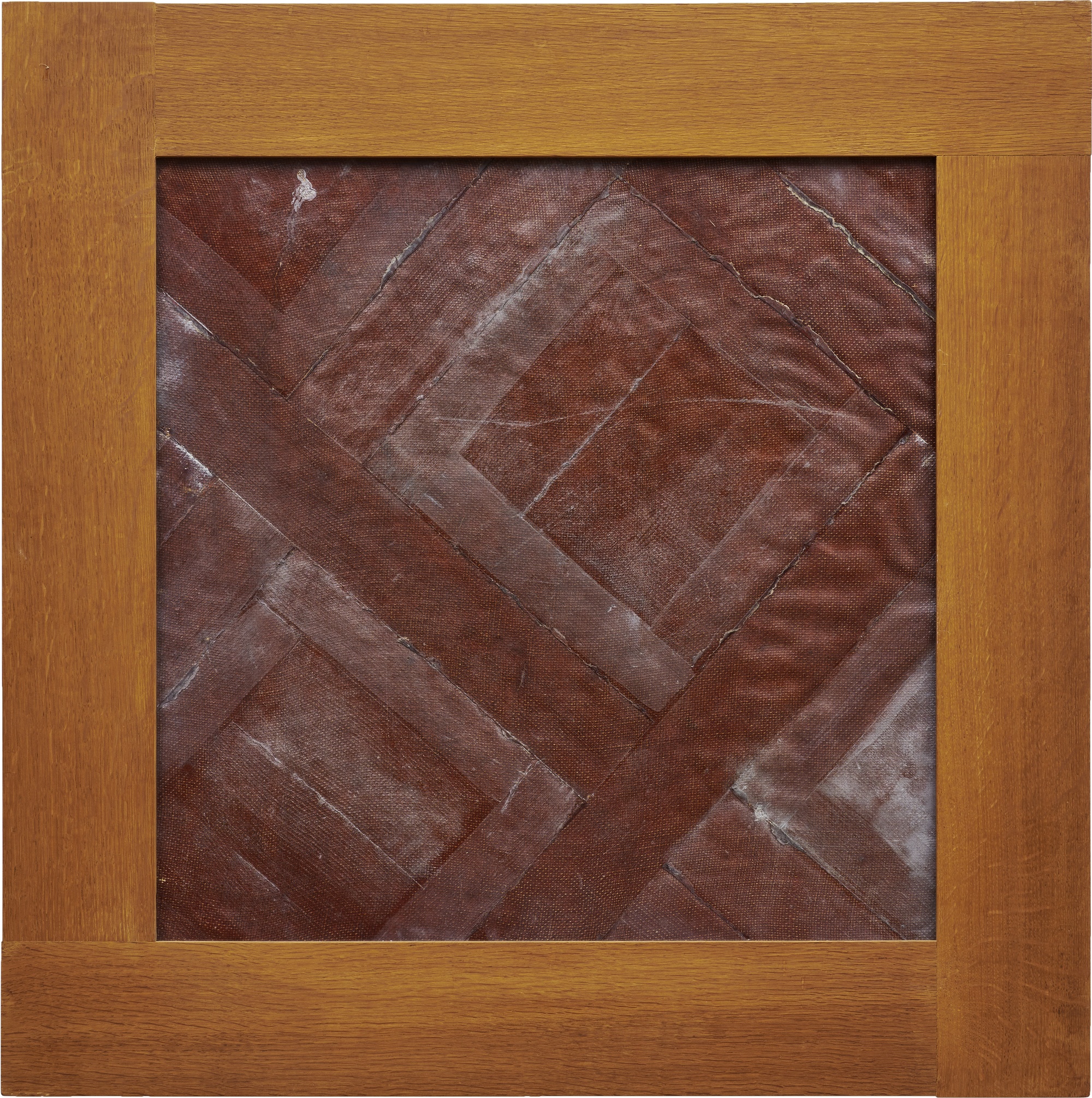
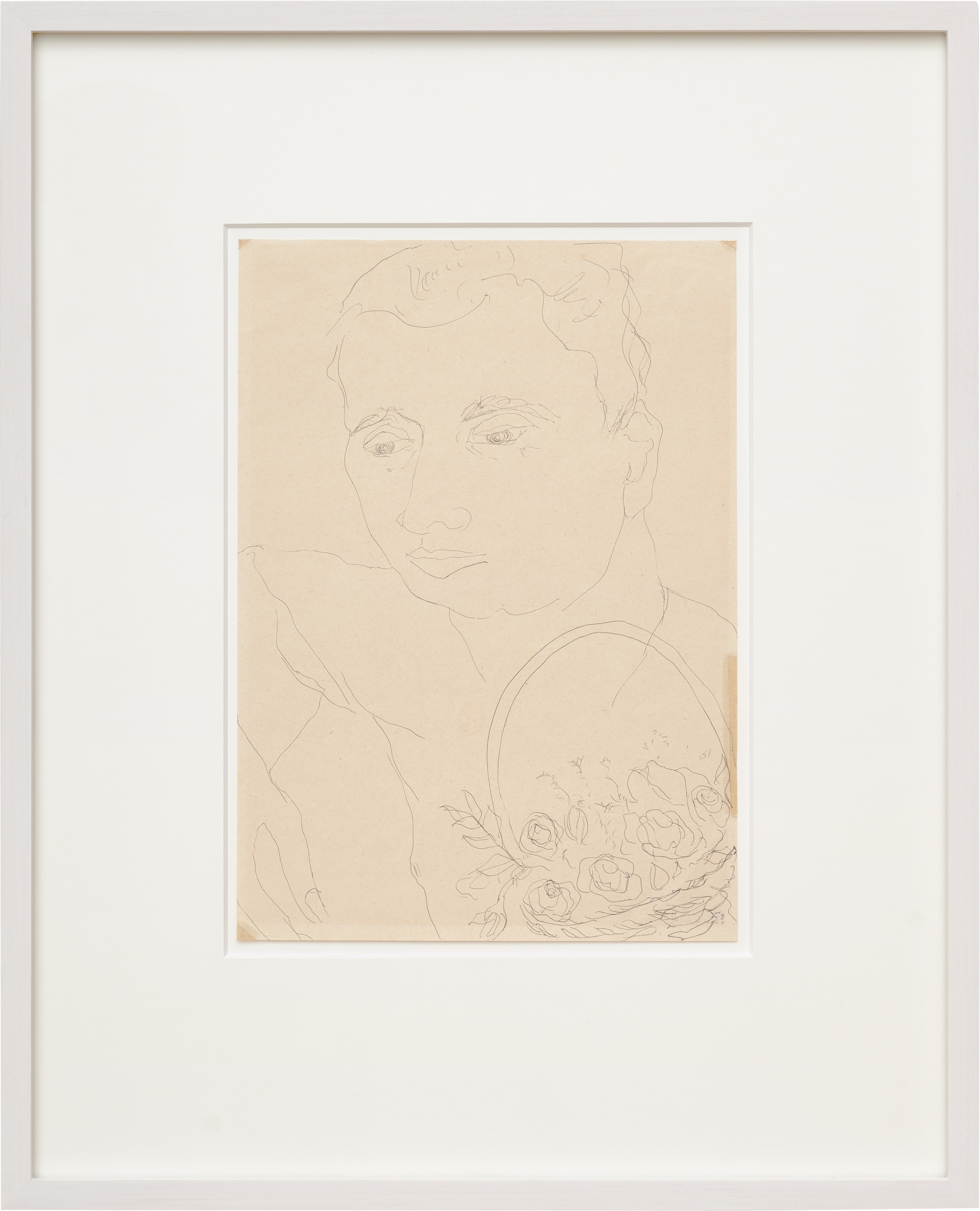
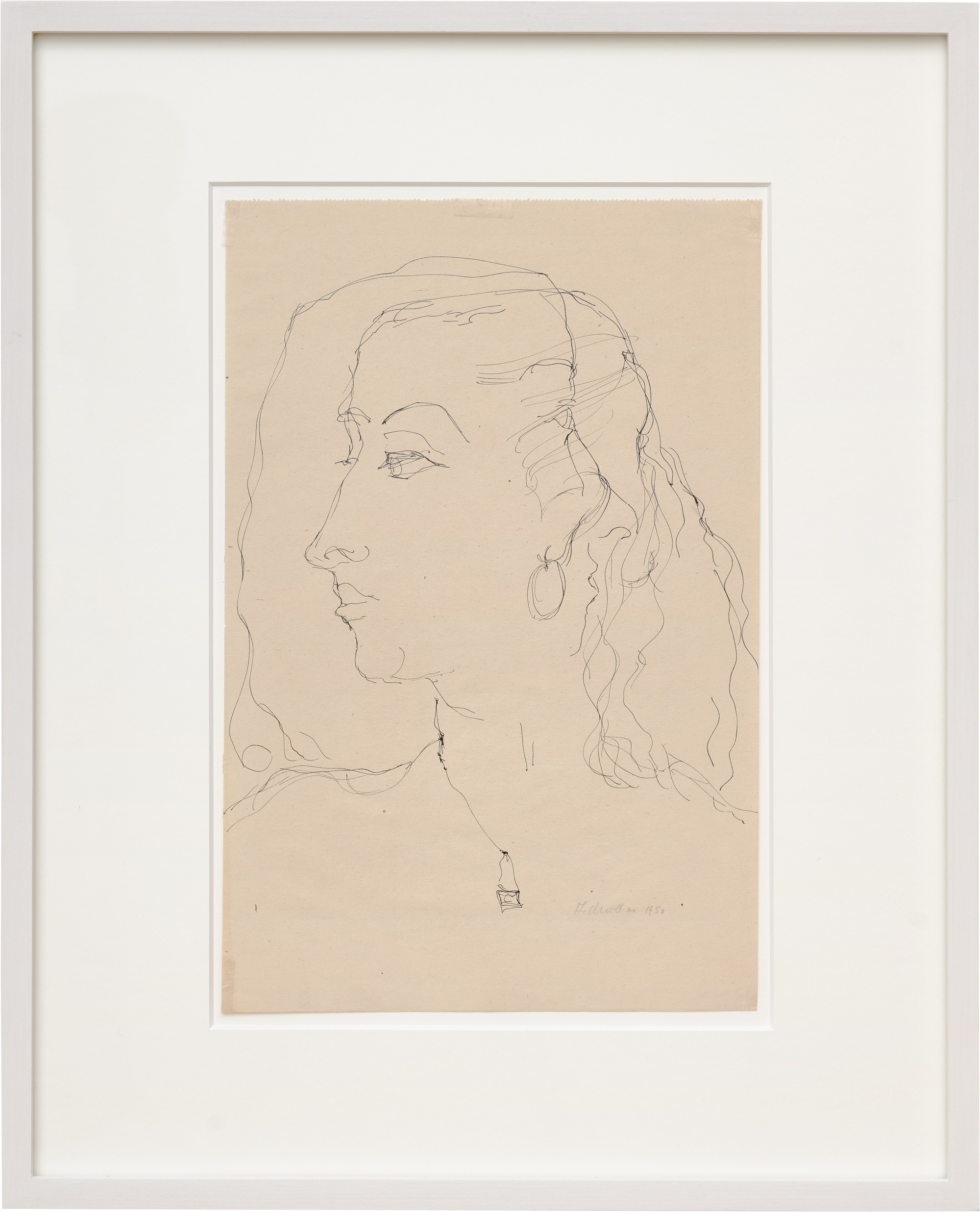
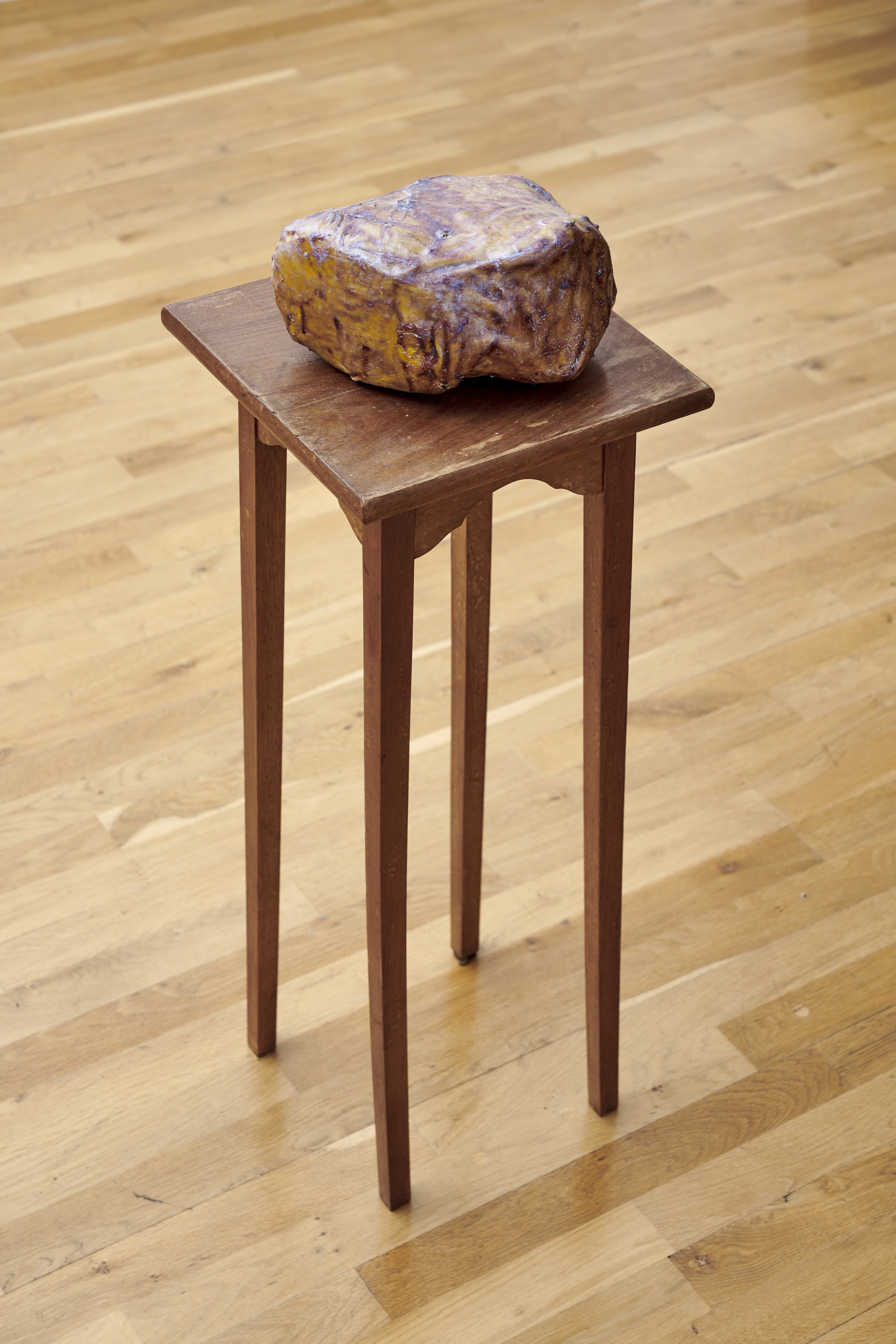
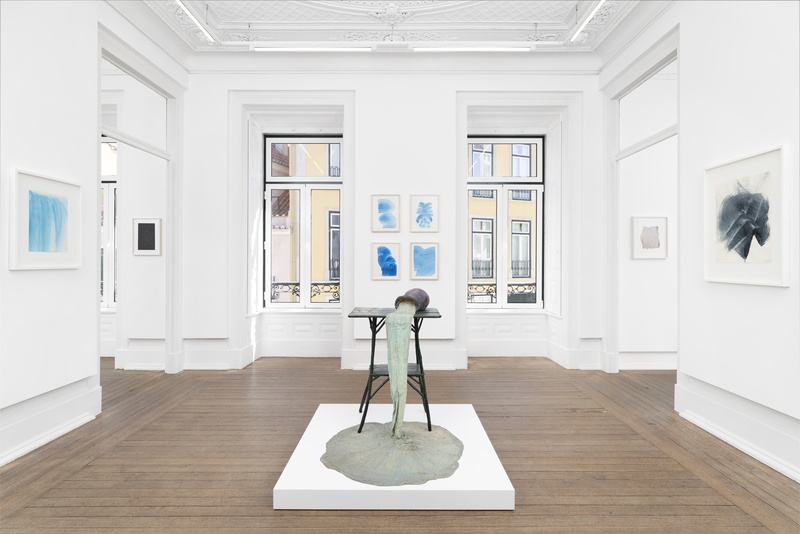
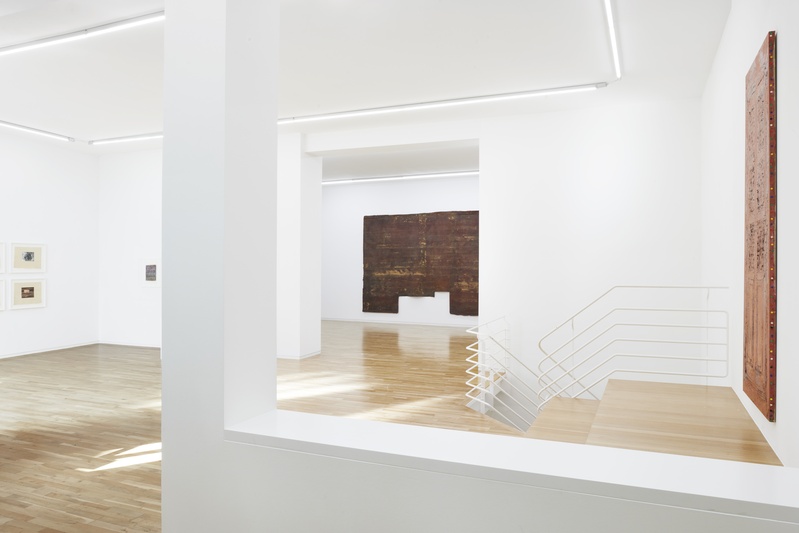
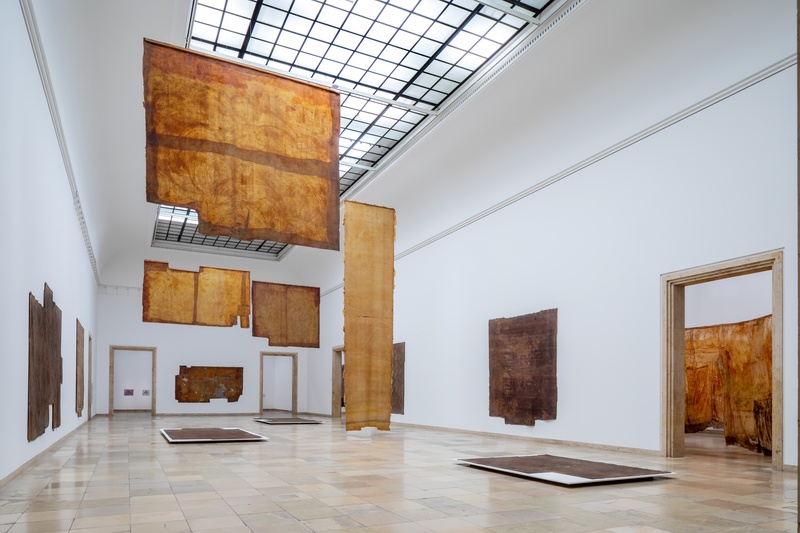
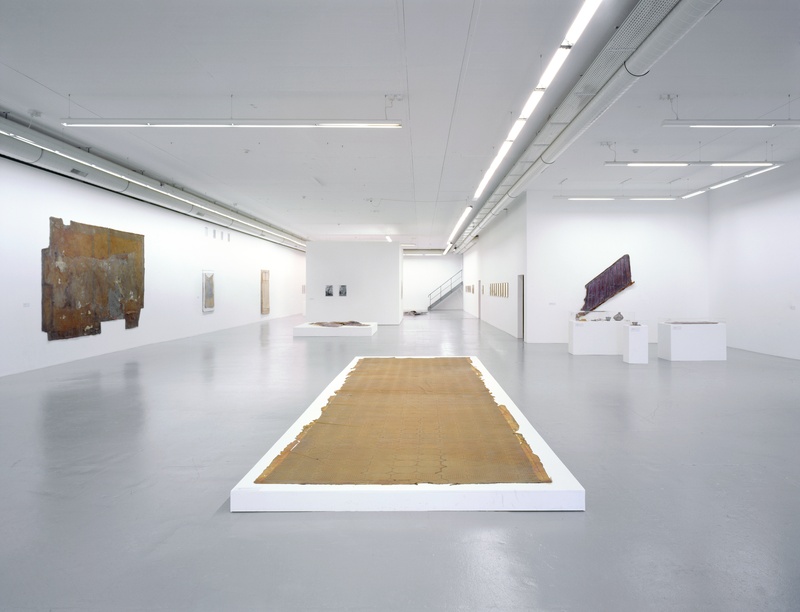
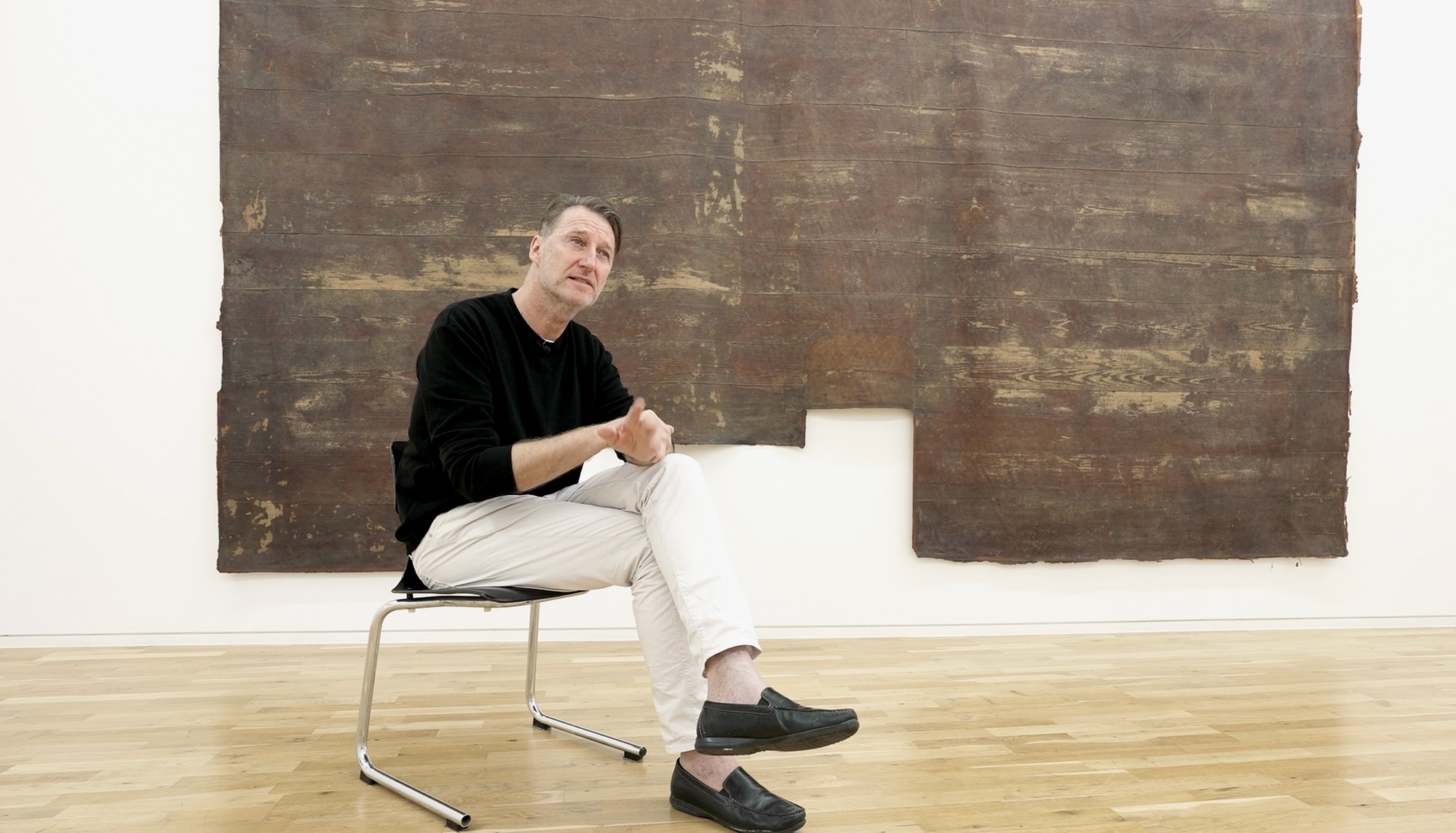
“With her latex skinnings, Heidi Bucher’s interest shifted to the interplay between the identity-forming function of architecture and the human body – visually represented through a fusion of the organic, the amorphous and the geometric. Her oeuvre bears witness to the artistic discovery and emancipation of the sensual, sensitive body in the twentieth century, whereby she positioned herself with her work beyond traditional gender roles within the international art historiography of the present and at the same time found pioneering forms of expression.”1
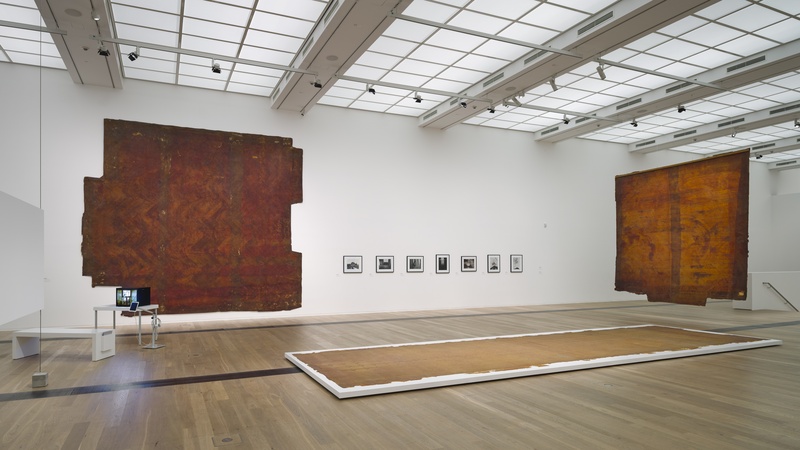
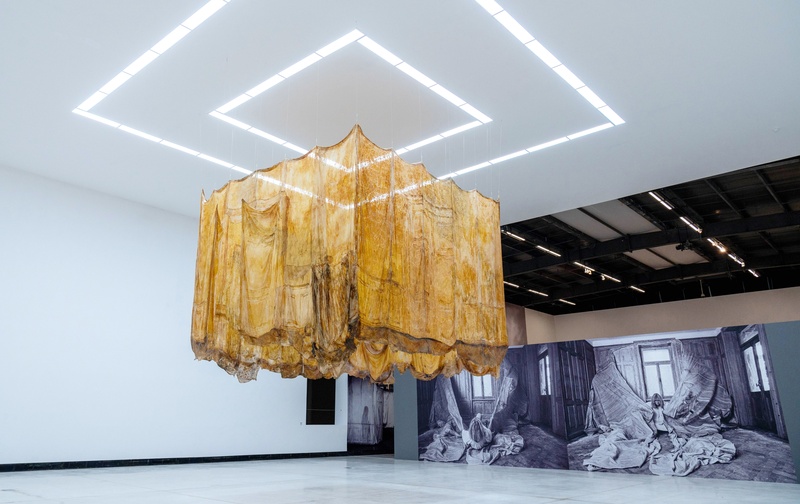
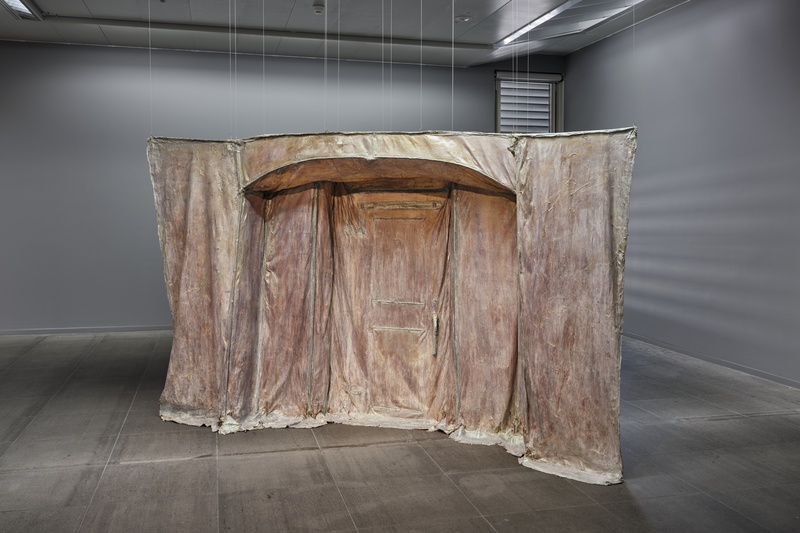
The Swiss neo-avant-garde artist Heidi Bucher (Winterthur 1926 – 1993 Brunnen, born Adelheid Hildegard Müller) distinguished herself particularly through her legendary “mouldings”, focussing and exploring the architectural space and the body through sculpture. It is a transformative and poetic work, that deals primarily with private spaces and belongings, architectural fragments from mostly the 19th century, feminism, domestication and the individual or collective experiences and memory. Bucher’s artistic legacy, is concurrently a visionary and aesthetic testimonial, as well as a conceptional liberation from an old, patriarchal affected world. Read More
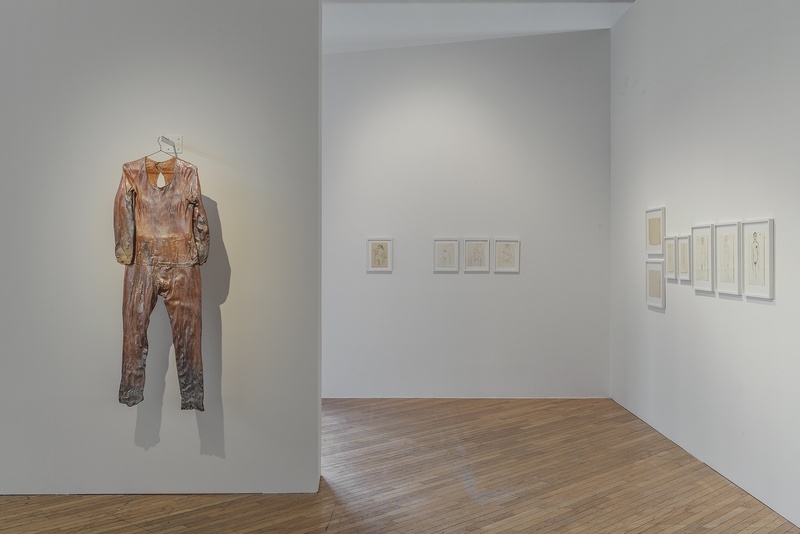
The “Bodyshells” and “Wrappings” produced in California in the early 1970s are the first consistent and performative groups of work in her oeuvre after years of close artistic collaboration with her husband Carl Bucher. Here, the topic of the skin in combination with the special materiality of latex becomes tangible for the first time. These wearable sculptures were shown in Los Angeles at the County Museum of Art and at the Esther Bear Gallery in Santa Barbara and stand at the beginning of the Bucher‘s emancipation process as a liberation from repressive structures, be it in terms of social power relations and ecologicoal exploitation, mechanisms of sexual repression of her own familial socialisation.
After several years of living and working in Canada and California, the artist und her family returned to Switzerland in 1973. Back in Zurich, Bucher rented an old butcher’s shop and a flat in Weinbergstrasse. The spacious basement with five separate rooms served as her studio. Here, in the mid-1970s, she developed her artistic procedures of “embalming” and “skinning”, which would form the basis of her main body of work. One of Bucher‘s key works of that time is “Anna Mannheimer mit Zielscheibe” (Anna Mannheimer with Target, 1975, 213 x 200 cm). Several works of this period include the same female name as part of the title. Bucher herself refers to Anna as a personification for herself, her mother, her grandmother and all women, who are surviving and fighting patriarchal structures. With “Anna” Bucher calls into question the intimate, female world of experience, which is closely tied to the traditional location of women within the domestic sphere.
Her first “Raumhäutungen” (space skinnings) enabled her to include more and more the architectural space as a further shell that surrounds the body and inscribes itself on it. Bucher’s technique of appropriation and transformation as an expression of artistic self-assertion manifests itself in the gesture of “skinning”. Her artistic repertoire emerges from very personal and intimate experiences. Later, in the 1980s, Bucher transferred her emancipatory skinning procedures from the private context to the public sphere. The processs resembled a ritual in which the artist engaged with the textiles – as carriers of stories and memories close to the body – through direct contact and transformed them into poetic-surreal assemblages.
Bucher developed a deep and particular affinity with the mother-of-pearl pigment. Inspired by the Pacific Ocean during her early time in California, the artist used pure mother-of-pearl pigment for her soft sculptures for the first time. Mother-of-pearl was a revelation to her. Since her childhood Bucher had always been fascinated by the iridescence and shimmering of the tiniest shells and insects or the brilliance of a fish’s scales. The pigment applied to her latexed objects henceforth characterised the aesthetics and visual language of her oeuvre.
Heidi Bucher’s works are included in numerous museums and collections worldwide, including The Museum of Modern Art, New York; The Metropolitan Museum of Art, New York; The Guggenheim Museum, New York; The Hammer Museum, Los Angeles; Centre Georges Pompidou, Paris; Tate Modern, London; Kunsthaus Zürich, Zurich; Kunsthaus Zug; Kunstmuseum Luzern, Lucerne; Kunstmuseum Winterthur; Migrosmuseum für Gegenwartskunst Zürich, Zurich; etc.