
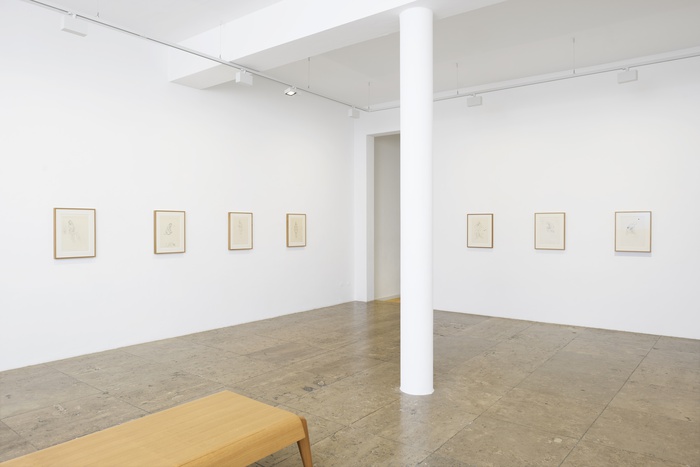
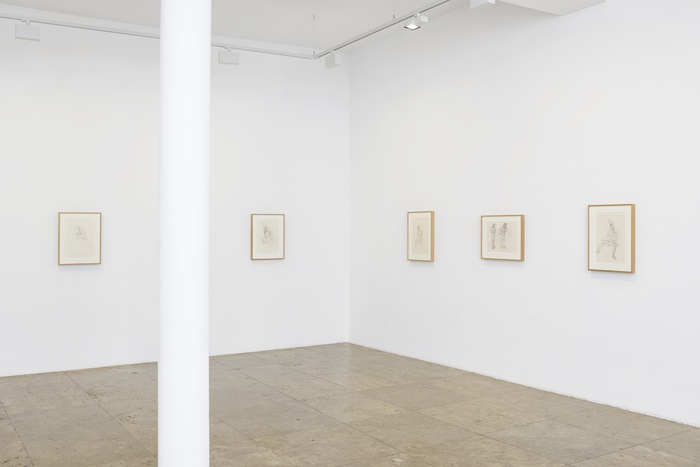
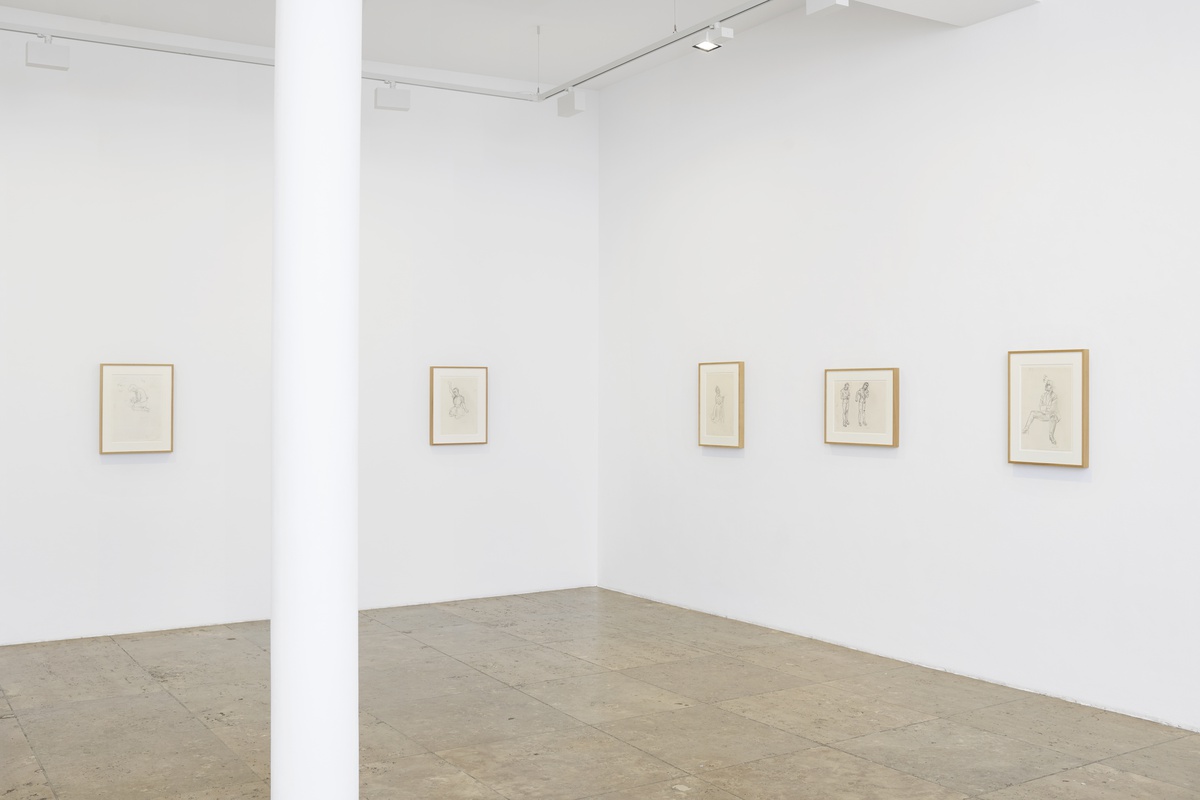
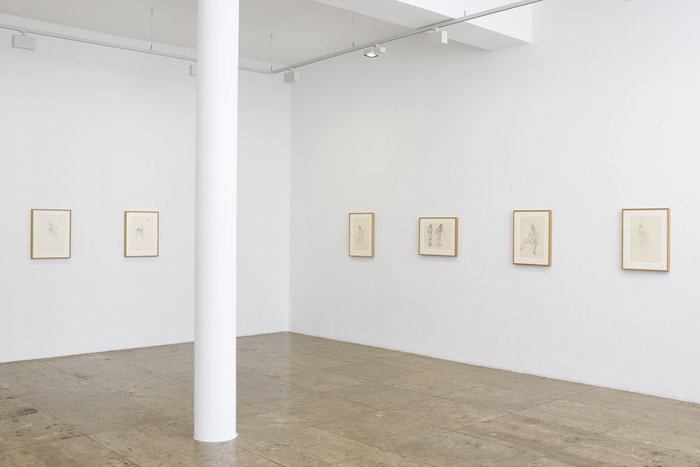
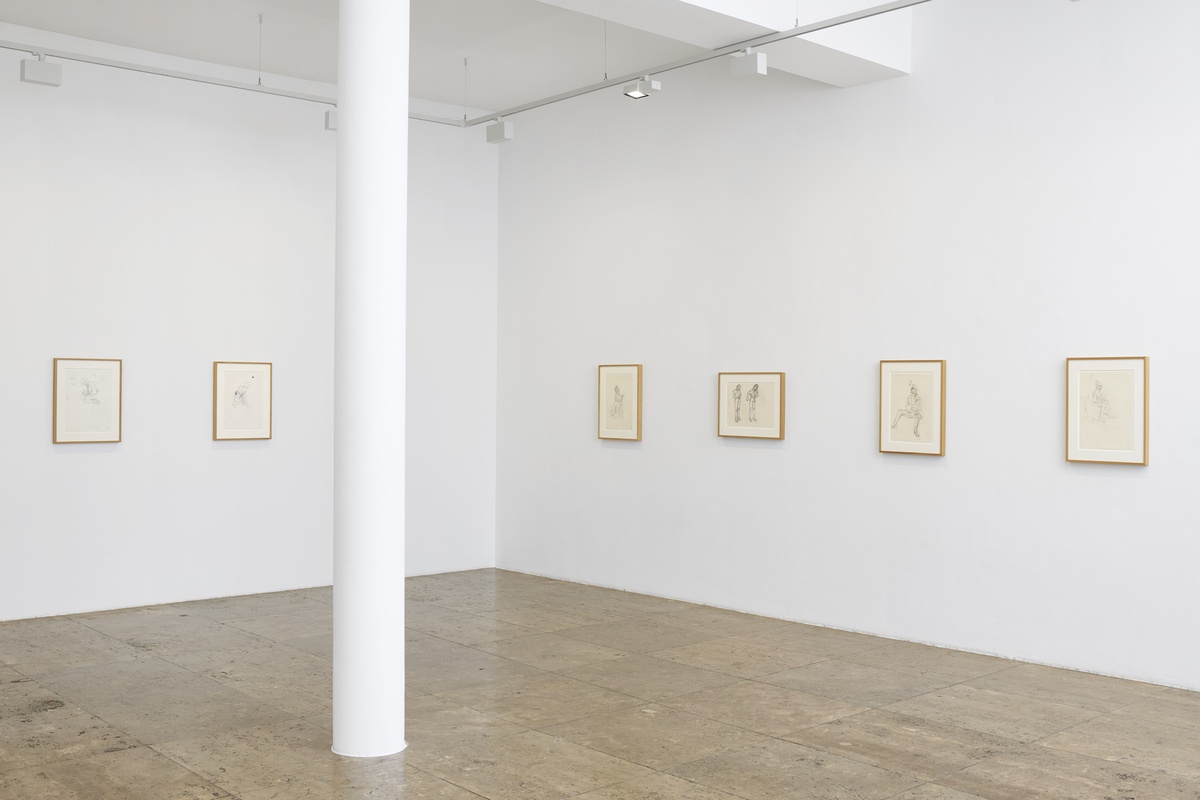
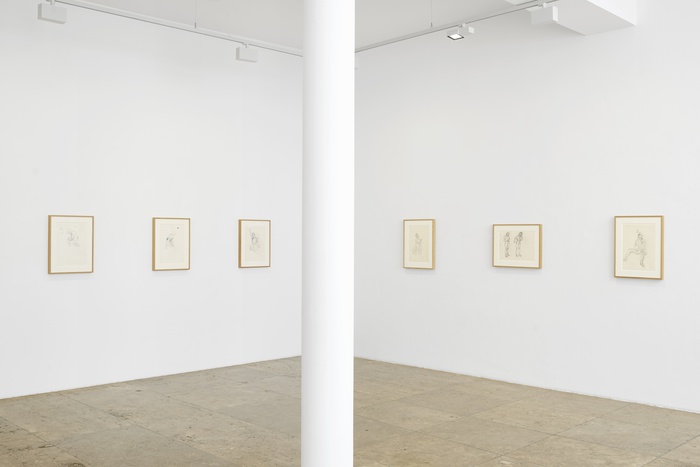
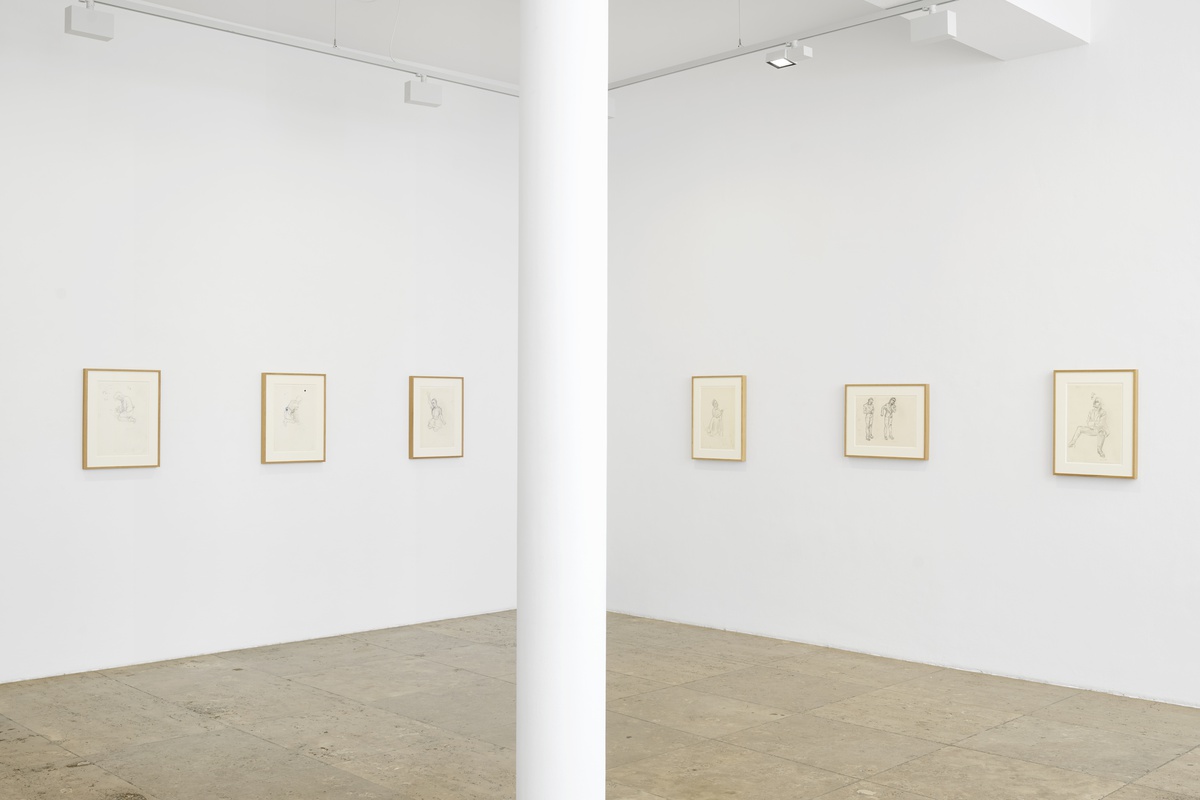
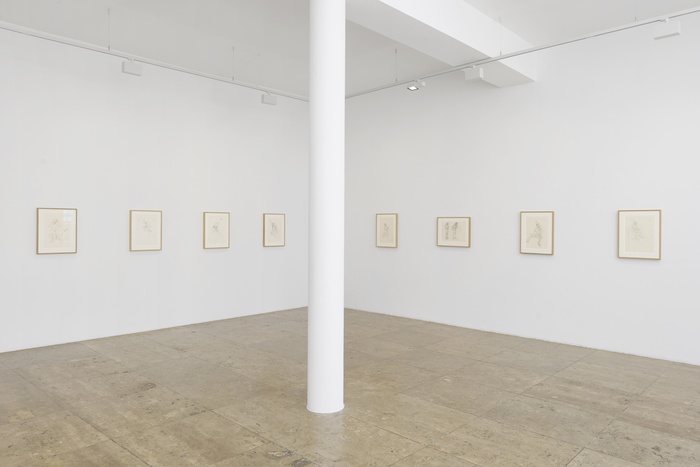
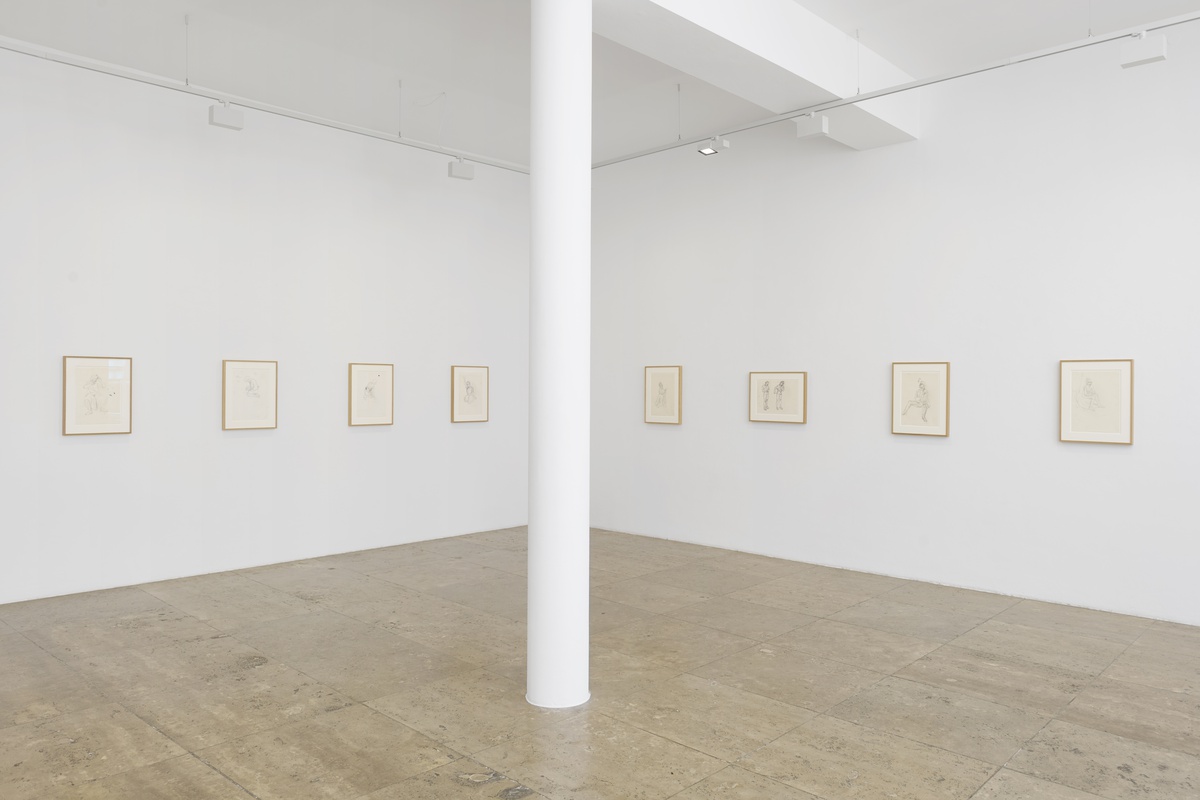
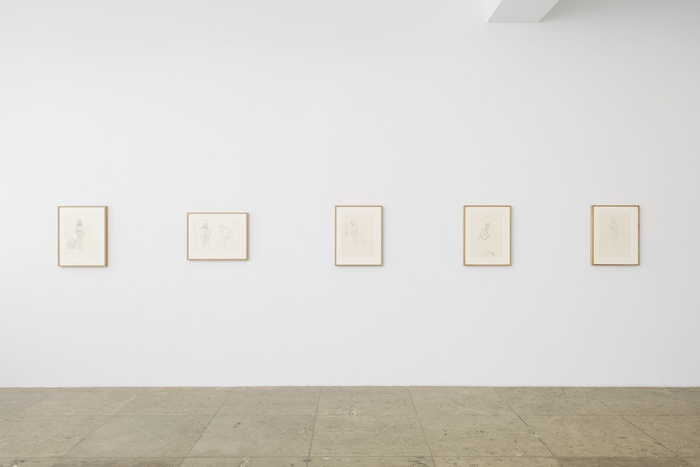
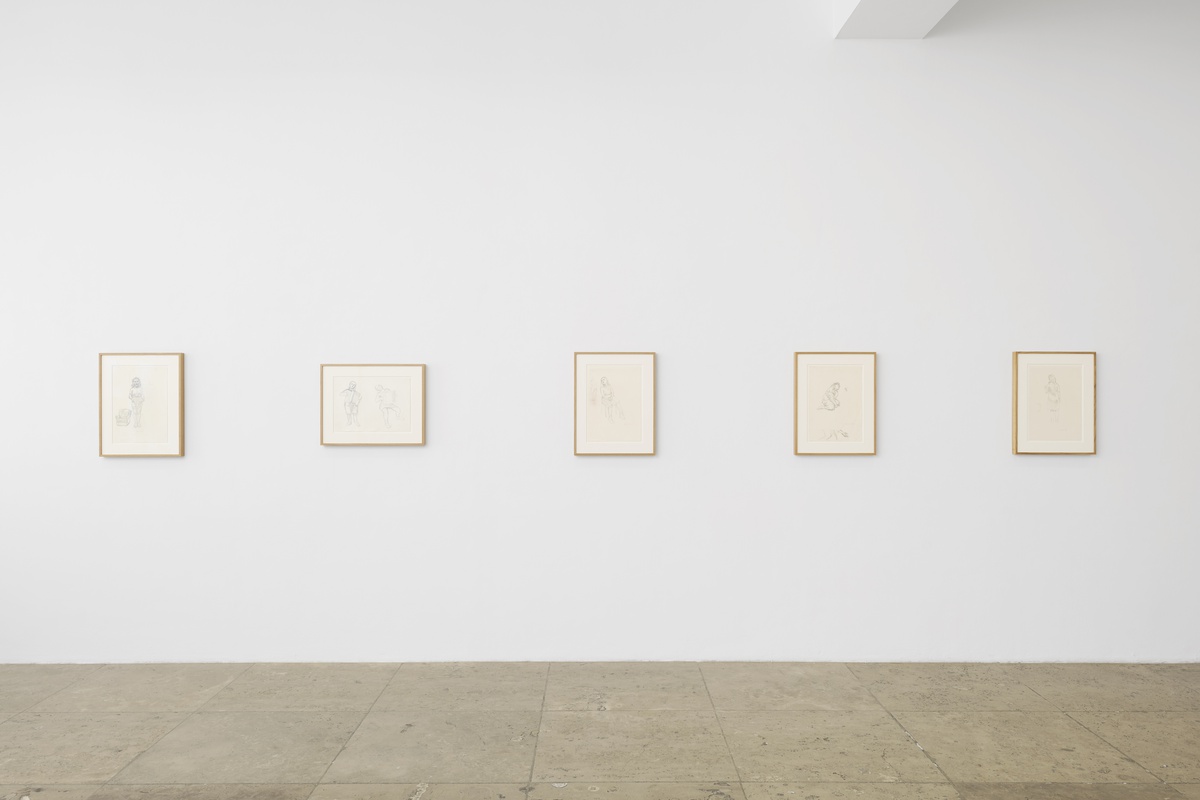
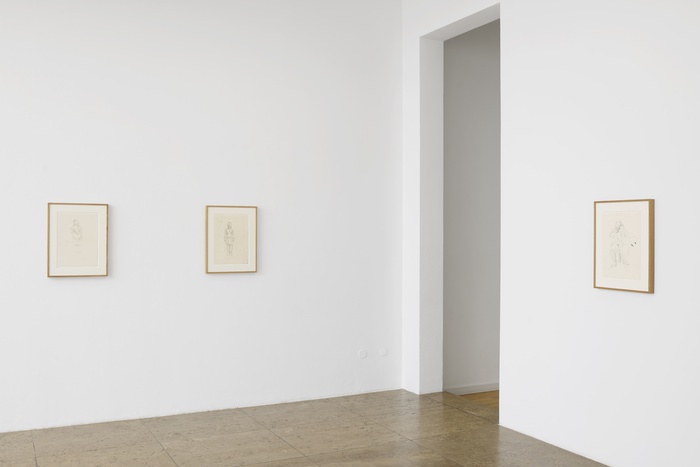
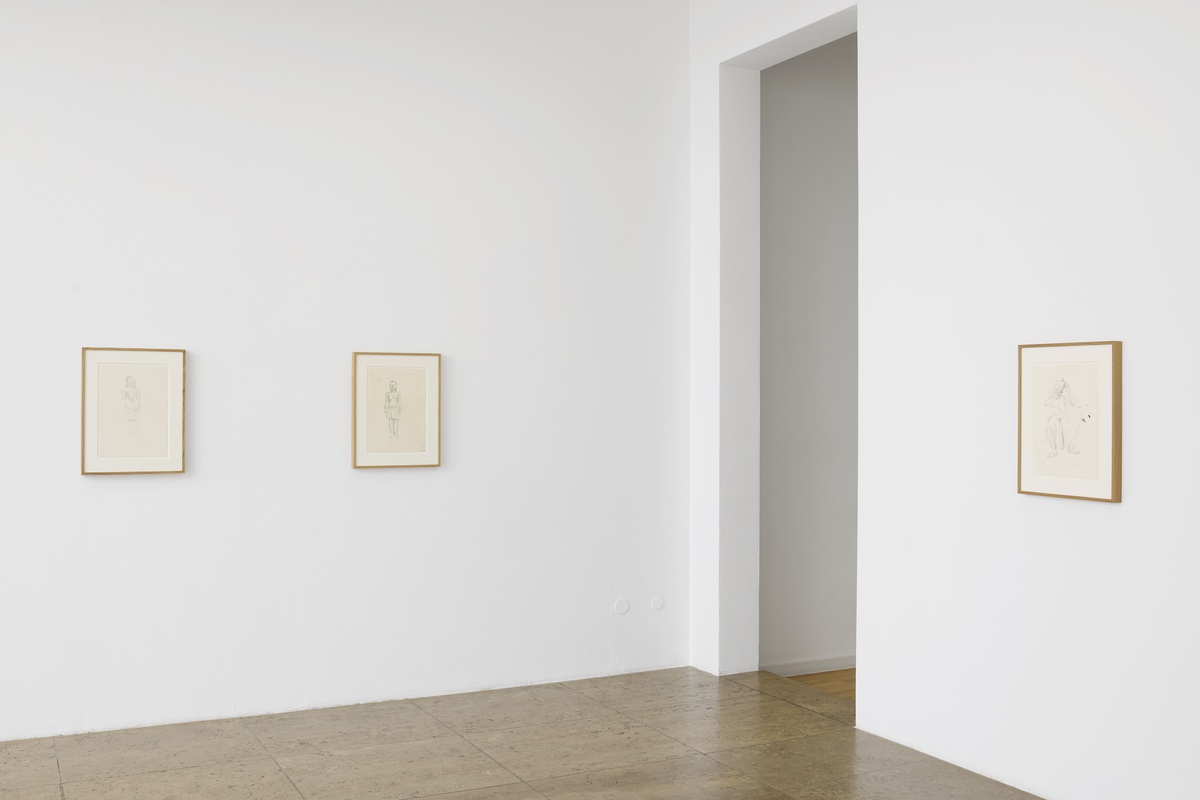
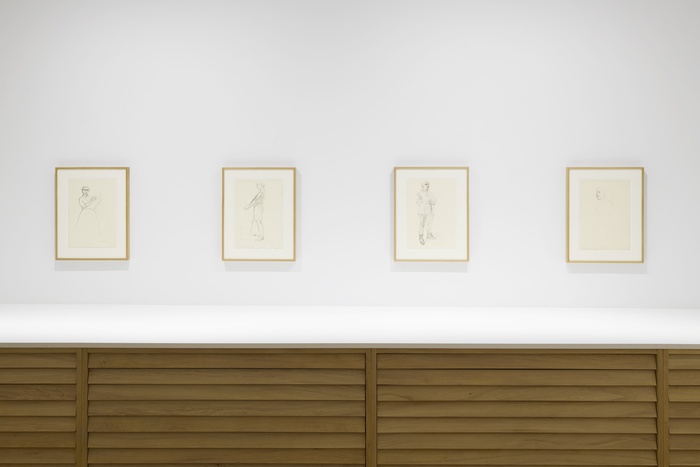
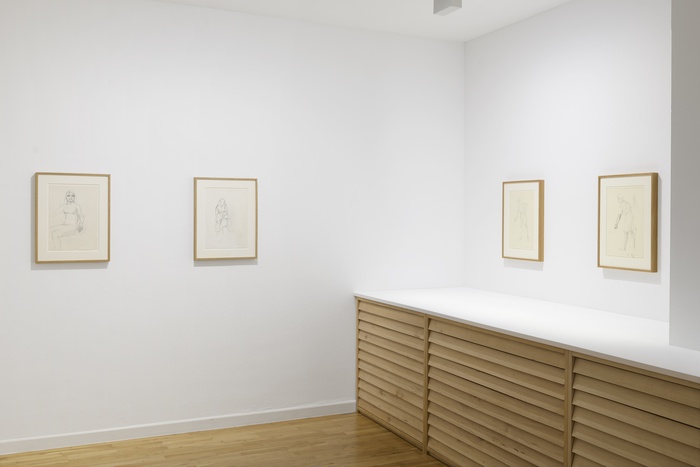
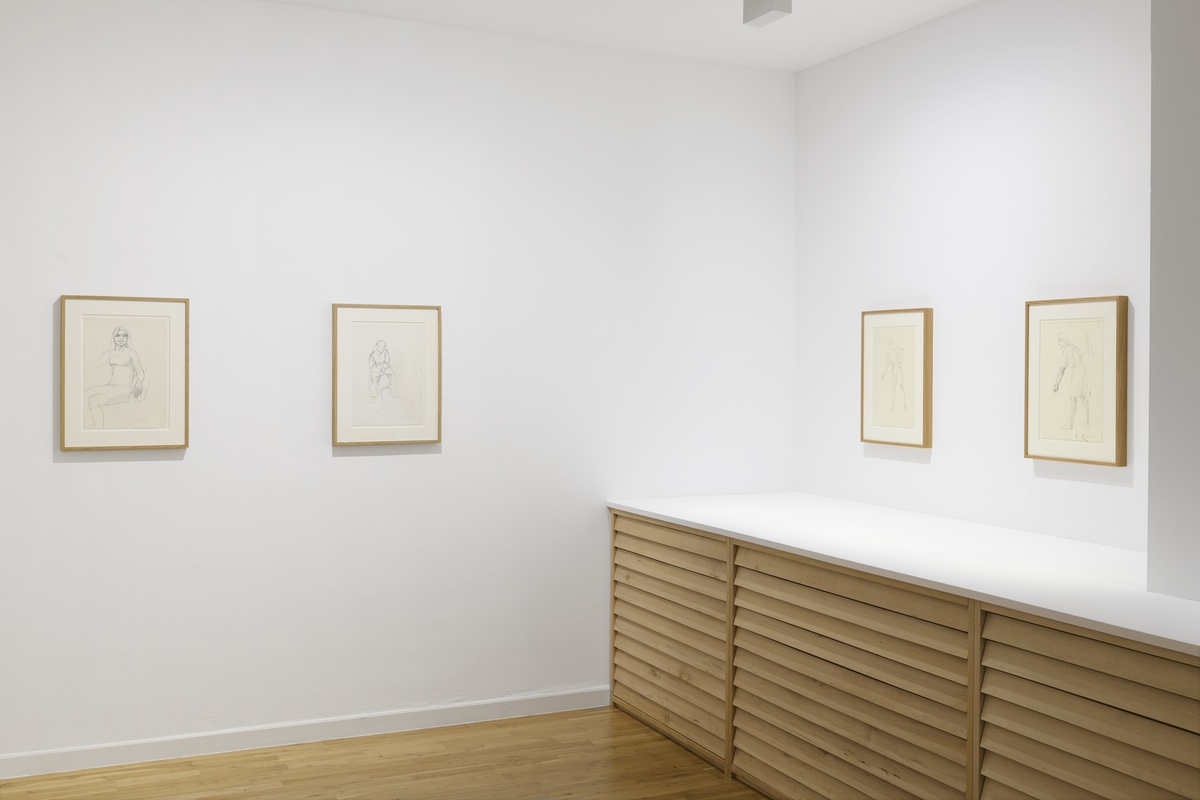
Installation view, Jahn und Jahn, Munich, 2026
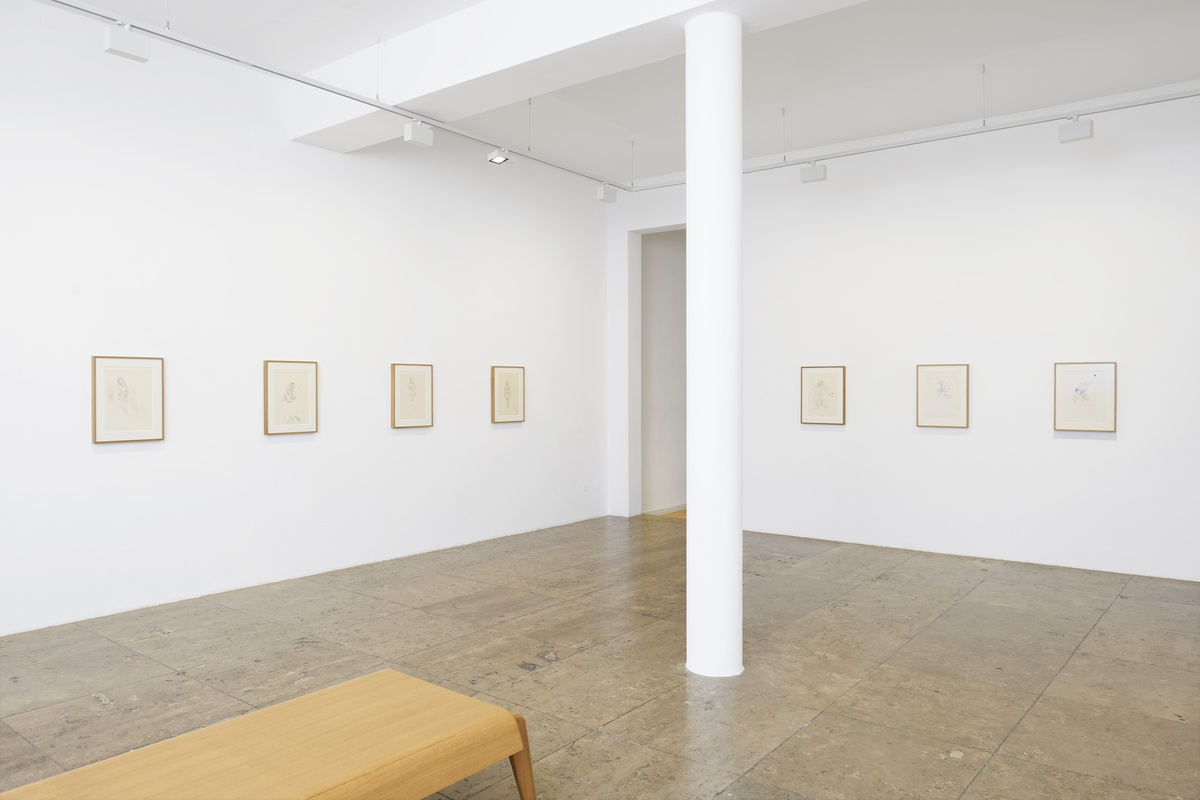
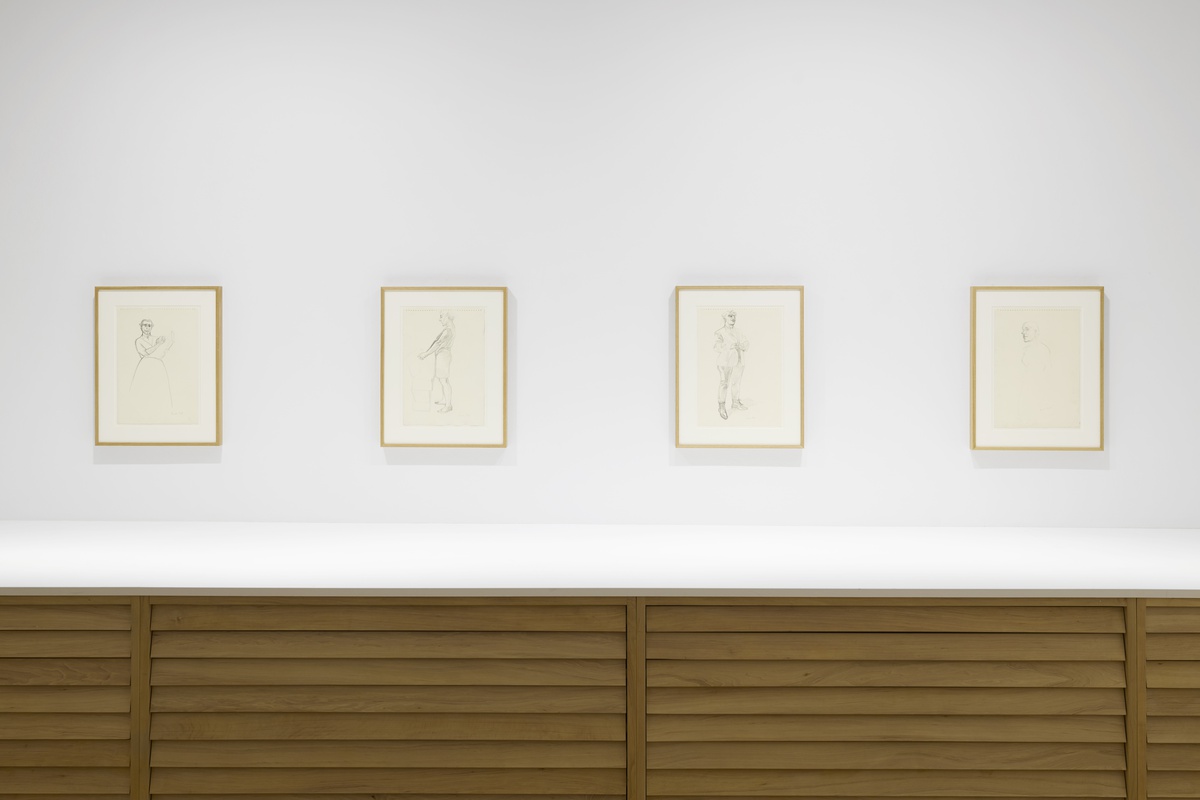
Installation view, Jahn und Jahn, Munich, 2026
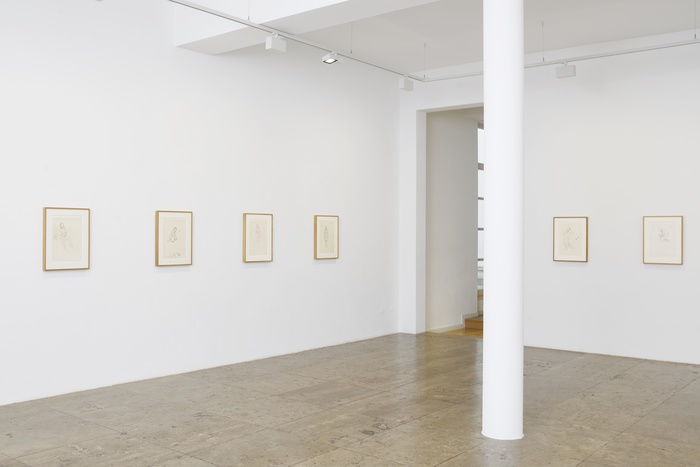
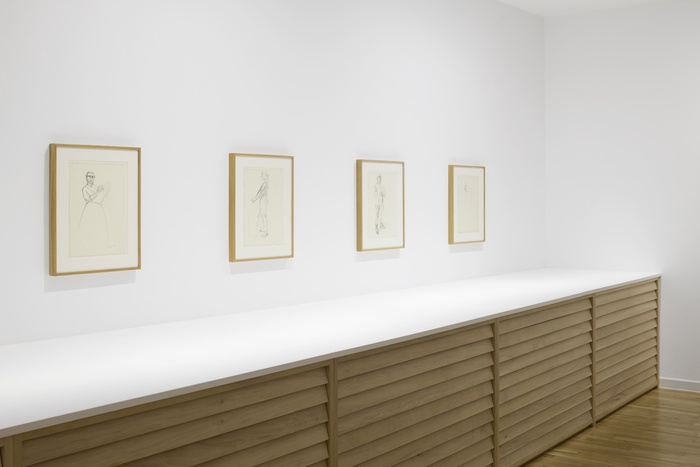
Installation view, Jahn und Jahn, Munich, 2026
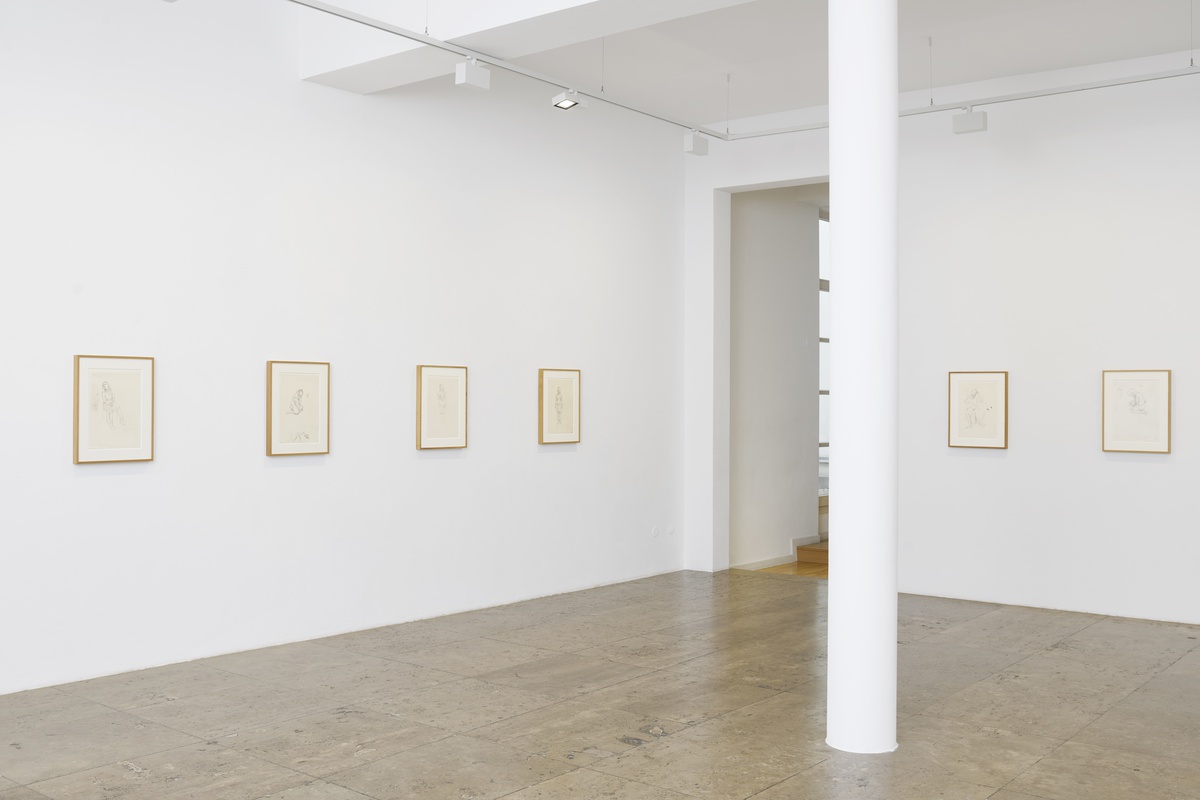
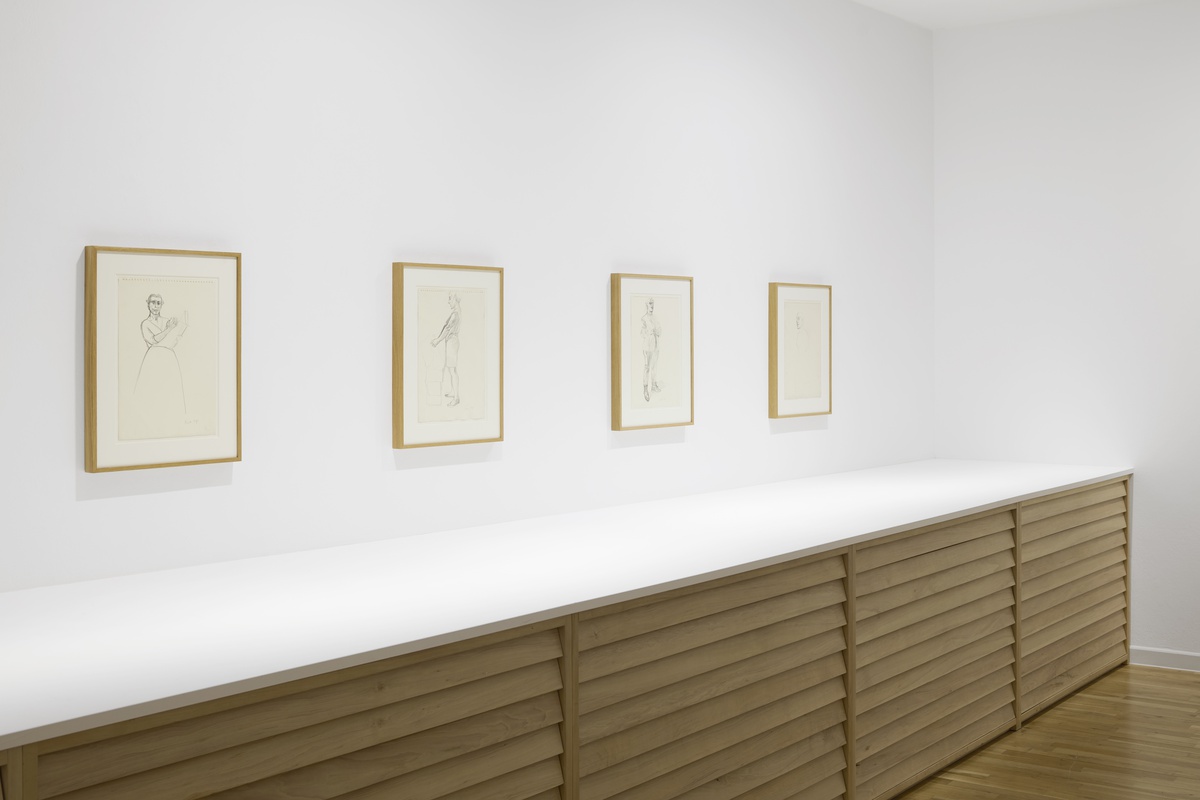
Installation view, Jahn und Jahn, Munich, 2026
Installation view, Jahn und Jahn, Munich, 2026
Installation view, Jahn und Jahn, Munich, 2026
Installation view, Jahn und Jahn, Munich, 2026
Installation view, Jahn und Jahn, Munich, 2026
Installation view, Jahn und Jahn, Munich, 2026
Installation view, Jahn und Jahn, Munich, 2026
Installation view, Jahn und Jahn, Munich, 2026
Opening on Thursday, March 26, 6 to 8pm
Paula Rego’s career was marked by the need for constant change and invention, wary of relying on an artist’s ‘process’ – a trap she fell into in the 1960s when she was making her collages.
‘I had a process, and a way of doing things, so, and I thought if I follow that process in that way then something is bound to happen, and of course it doesn’t work like that at all. You become academic then, because you have a process and the process is a killer. What you need is a discovery and invention.’ (Rego in conversation with Cathy Courtney, 2003)
Her life’s transformations of style and discovery, however, had one important constant: drawing. ‘I’m a drawrer’, she told me once, inventing a new word. ‘Your father was the painter, I’m the drawrer.’
For Paula, drawing was her way into everything, figuring out her story, her picture, herself. It was how she understood the world, relationships, her feelings. It wasn’t just a way of seeing, it was a complete exploration of her inner world.
‘I go along with what happens; it’s a physical thing ... I have frightened myself: unpleasant things come out, illnesses, some kind of death comes into the picture. Things come out of my own past that I hadn’t thought of, but I allow it to happen exactly as it happens, by following whims.’ (Rego at Abbot Hall, 2001)
Up until the late 1980s, when Paula was already in her fifties, she drew almost exclusively from the imagination, not from life. It allowed her a greater freedom to invent, and as her main focus was not on naturalistic representation but on controlling the tone, expression and feeling of her subjects, it felt right. Drawing from the imagination allowed her to exaggerate the affects that better emphasised the story.
But in the 1990s that all changed as she searched for a more mature representation of her increasingly nuanced perspective. Paula no longer needed to explore the expressionist style that delivered her often dark and complex stories through the back door. Now it was about finding the single image that could encapsulate the complex mix of emotions that she needed to process.
That meant that from 1987 until her death, Paula drew almost exclusively from life. Storytelling continued to drive her pictures, but they were stories which became increasingly conflated with her own autobiographical experience. And her models, her women, became her foils, avatars for her relived past.
Paula Rego’s Women, is the first exhibition in Germany to examine the precise and deliberate drawings that define that golden period of her work.
Each one tells a Rego story: a single image which encapsulates powerful internal feelings, particular and personal to her, that in turn, connect universally to us. Partly because we feel their authenticity, but also because they reflect an uncomfortable truth.
They vary between covert analyses of the mundane to more uncomfortable probes into difficult issues. Cutting (2003), for example, may look like an innocuous image of domestic grooming, but look more closely and you’ll see that this is a woman’s act of defiance against the male gaze, a symbolic feminist statement of resistance.
Whilst Study for Lying (1998) recognises the importance of posture and gesture in deceit. The woman’s tilt of the head, her hair pulled back behind her ear signalling that she is listening, hand open in acquiescence, demonstrate Paula’s personal exploration of the lie. Her version is as much about winning trust and engagement as it is about spinning a yarn.
Riding Girl in Jodhpurs (1999) delights in challenging gender identity through costume and body language. This woman spreads her legs like a man, asserting her status, unafraid to display feminine sexual desire. Her satiated smile suggests that she has already ridden her horse and thoroughly enjoyed it.
Study for Alice (2003) may seem like a strait forward representation of a young woman, but look again and you’ll notice that the centre of the study is dominated by a carefully drawn hand with long finger nails; a claw that is both an allure and a potentially lethal weapon. The model, at the time, ran the Portuguese union for sex workers. After years as a ‘working girl’ herself, she had chosen to fight for the rights of women in her profession. She looks like a sweet girl, but this drawing suggests that she can also look after herself.
The two studies for The Fitting (1990) are intriguing glimpses into Paula’s fascination with representing status. A well dressed, older woman in high heels, is forced to her knees to pin the hem of a young girl’s dress. Her clothes suggest a higher status than her job allows.
The discoveries that Paula made in each of these life drawings, are grounded in her own, personal experience. Each theme is chosen to reflect a current preoccupation, every story crafted to help her get closer to a memory or past difficulty that she needs to process.
Young Girl (2002) is a touching, perhaps even heart-breaking study of adolescent vulnerability and burgeoning sexuality. There is no doubt that the sixty-six-year-old artist is in part reliving that exposure as she draws, eking out every last vestige of the fragility she once shared. And perhaps, as she revisits those feelings, she rekindles something. As she said: ‘Things come out of my own past that I hadn’t thought of, but I allow it to happen exactly as it happens …’
Nick Willing, January 2026

JJ_PaulRego_Women_Kopie.pdf (1.0 MB)
